Recently there has been a discussion about art as a resource for education in Germany. This discussion, however, didn’t include contemporary art institutions. Within the workshop Soft Logics in Art Communication, projects from Belgium and England served as examples to illustrate current strategies in arts communication that blur the borders between exhibition and communication, between art production and education. Moreover, examples from the German speaking area were discussed and examined regarding problems and potentials. Is it possible and appropriate to transfer approaches from abroad into art communication in Germany?
Surely everyone has looked at old Chinese or Japanese paintings at some point. Their form, subject matter and perspective differ markedly from those of Western art. Why was East Asian painting executed in colour for millennia, only to be predominantly in black and white from the 10th century AD onwards? Why was drawing not practised in Chinese painting? What exactly is wabi-sabi? What is yohaku-no-bi (the beauty of the remaining white)? Ukiyo-e was not regarded as art at all in Japan until Van Gogh’s interest led to a worldwide re-evaluation of its status. What connection existed between Zen Buddhism and the art of the past and present?
In this series of events, we embark on an aesthetic and philosophical journey through Japan and China – with tea, cinema and philosophical concepts as our companions. Each session is dedicated to a particular type of tea, a film or a text, as well as an aesthetic theme. We explore the content in greater depth through practical exercises such as Shodō calligraphy, ink wash painting or Taiji movements.
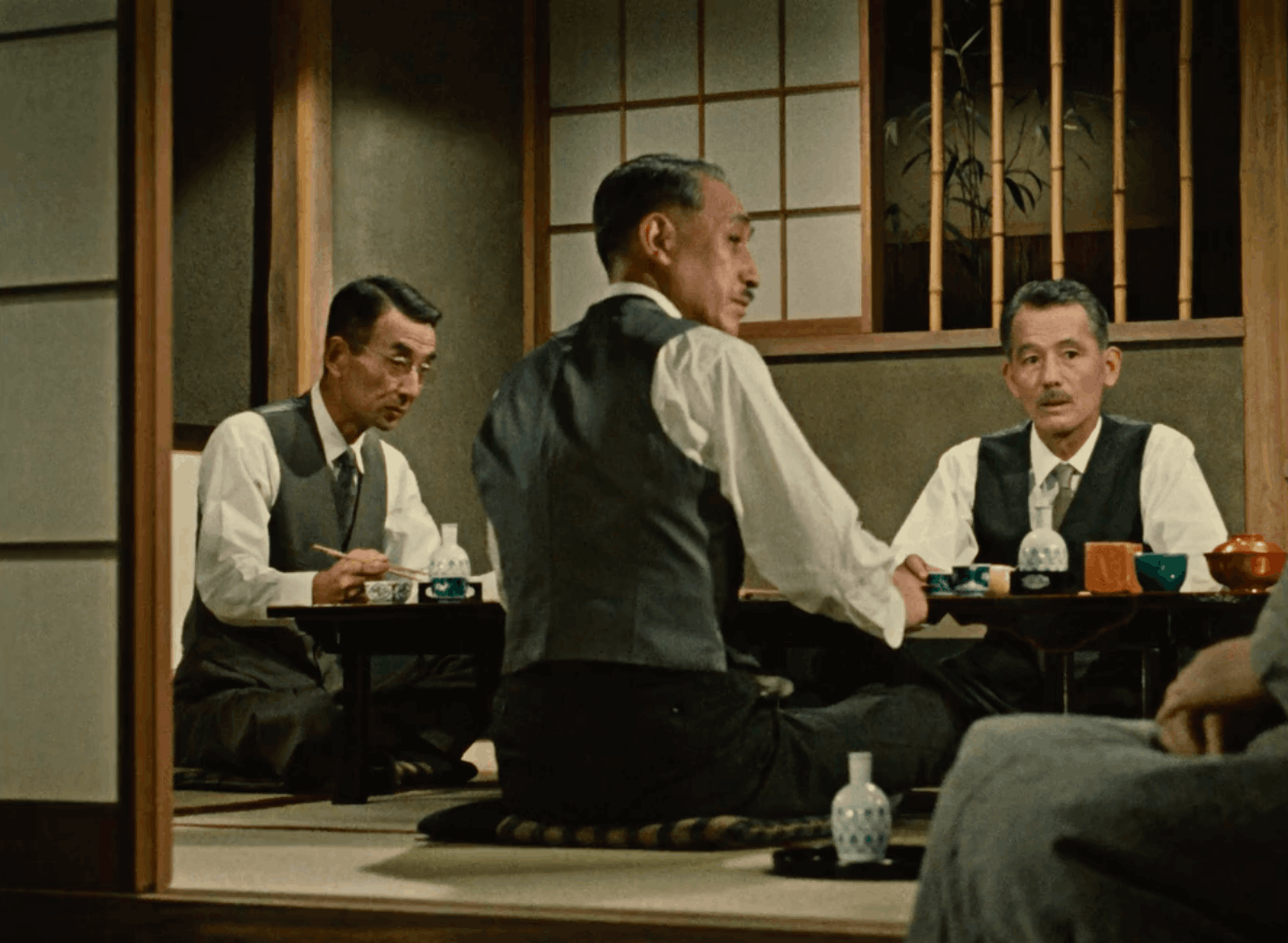
At the first session, we will watch the film ‘Sanma no Aji / An Autumn Afternoon’ by Yasujirō Ozu (1962) whilst drinking hōjicha.
Venue: Künstlerhaus Stuttgart, 3rd floor
Duration: Film (113 mins) + discussion
Recommended reading:
Spiritual Style in the Films of Robert Bresson – Susan Sontag
An event organised by scholarship holder Einan Kaku.
Register by emailing mail@einankaku.com
The project was funded by the Rainer Beck Foundation.


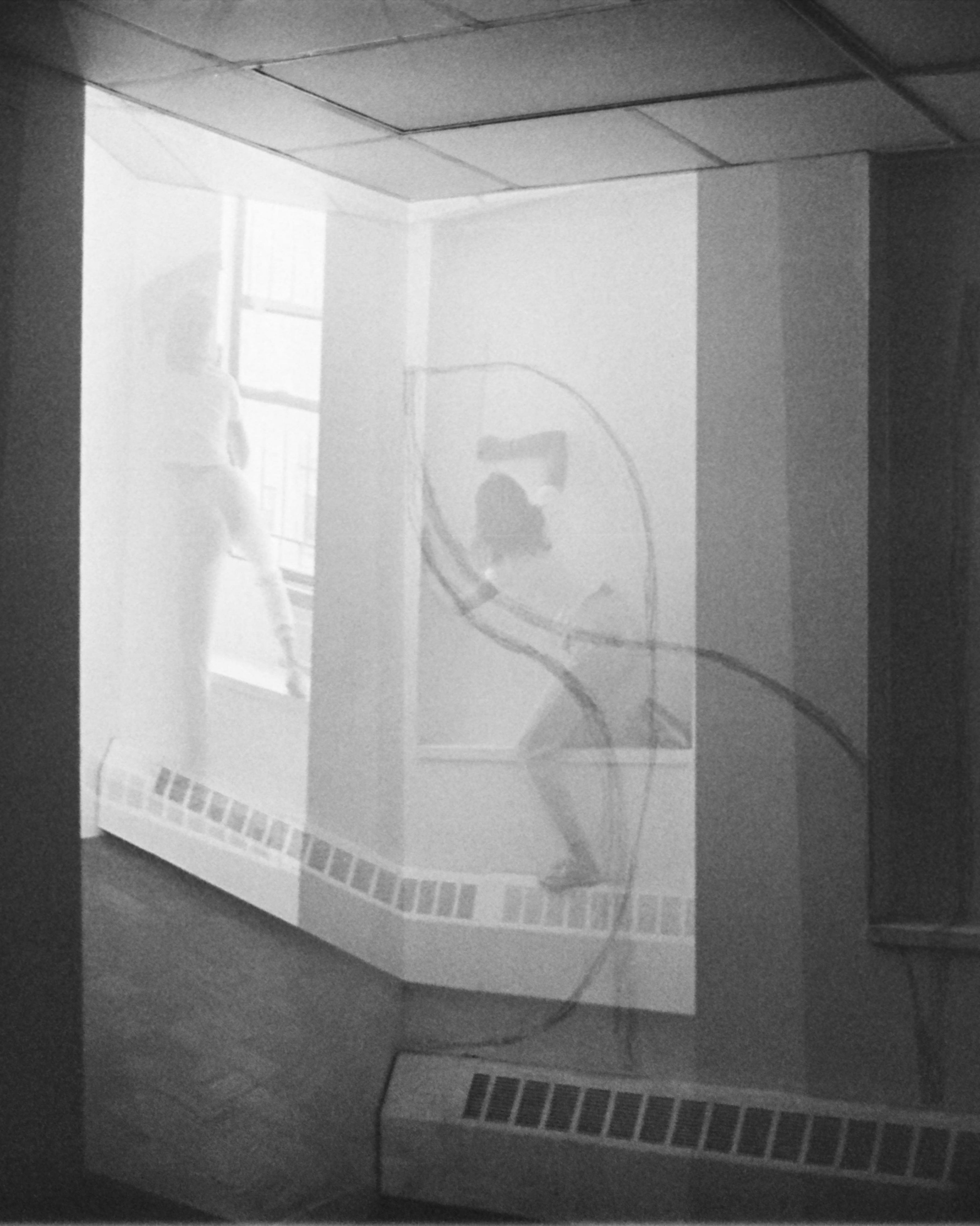
‘Translators often speak about the impossibility of their work, the untranslatability of particular words and texts from one language to another. What does it mean to be a translated self, I wondered?’
-Madhu H. Kaza in the introduction of Kitchen Table Translation
TRANSLATION // PERFORMANCE takes a wide view of translation as a starting point for an ongoing process of communal inquiry into language and into experiments in performance, poetry, choreography, and other time- and language-based practices.
It aims to take the expansive field of translation theory as a starting point to examine performative practices in our current time.
Each gathering begins with a collective reading of a text which touches on translation in some way; an excerpt from a research paper, a poem, art criticism etc.
In the next part, two performances will be shown. These may be work-in-progress or finished pieces. the main focus is exchange, experiment, and the juxtaposition of text and performance. Following the two performances everyone gather to discuss all the input that has accumulated over the evening. This is a chance to share in depth about the impressions the performances made, as well as thoughts the readings may have sparked, and to connect thoughts on translation and embodied practices.
Performers October 18th:
Seonha Park ‘Mete-Lança’
Hanna Araujo Ulmer ‘산 (SAN) – Follow The Mountain’
Gatherings happen roughly every two months. Join us for the third session on October 11th on the studio floor at Künstlerhaus. All are welcome!
When does a human become a monster – and when does a monster become a human?
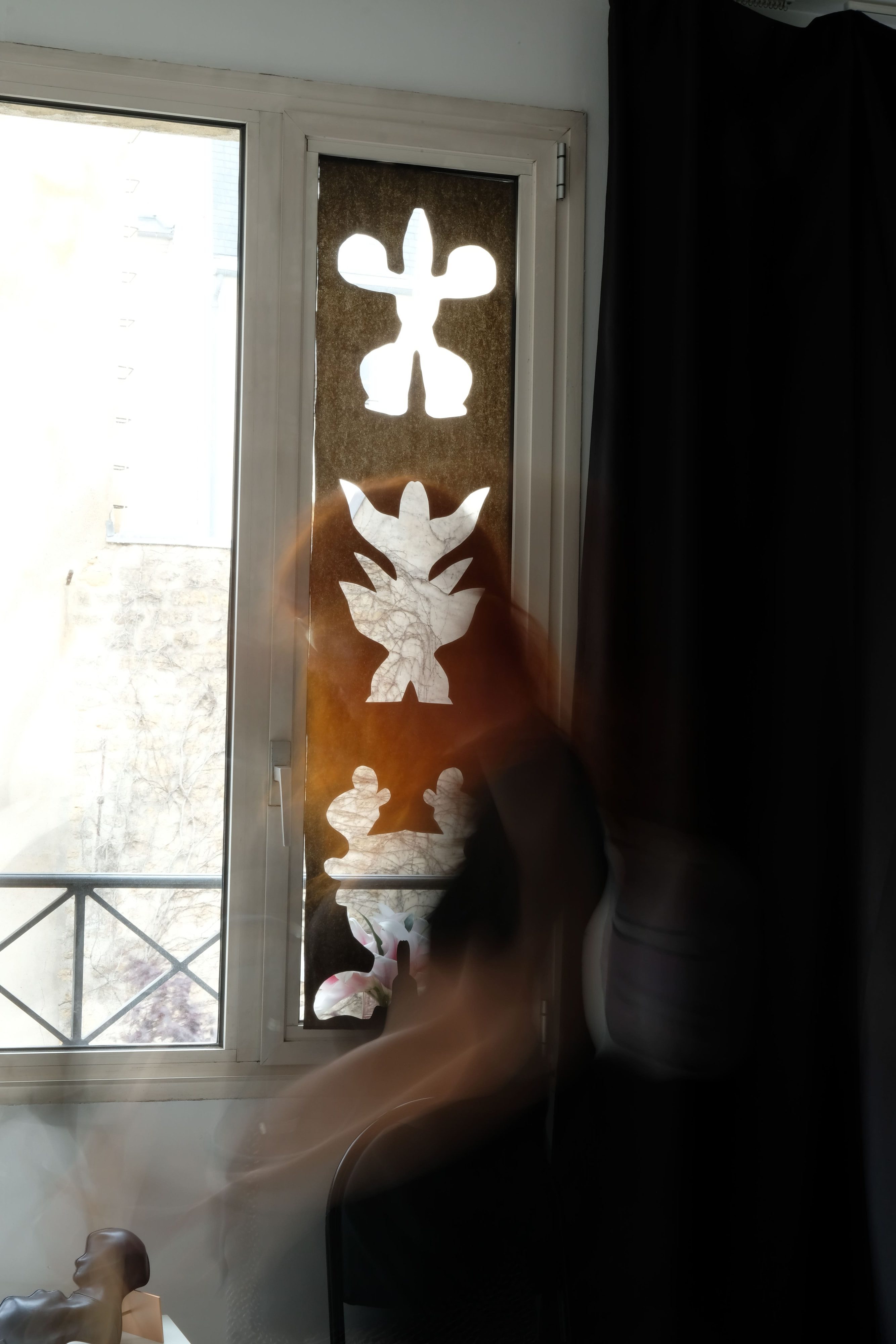
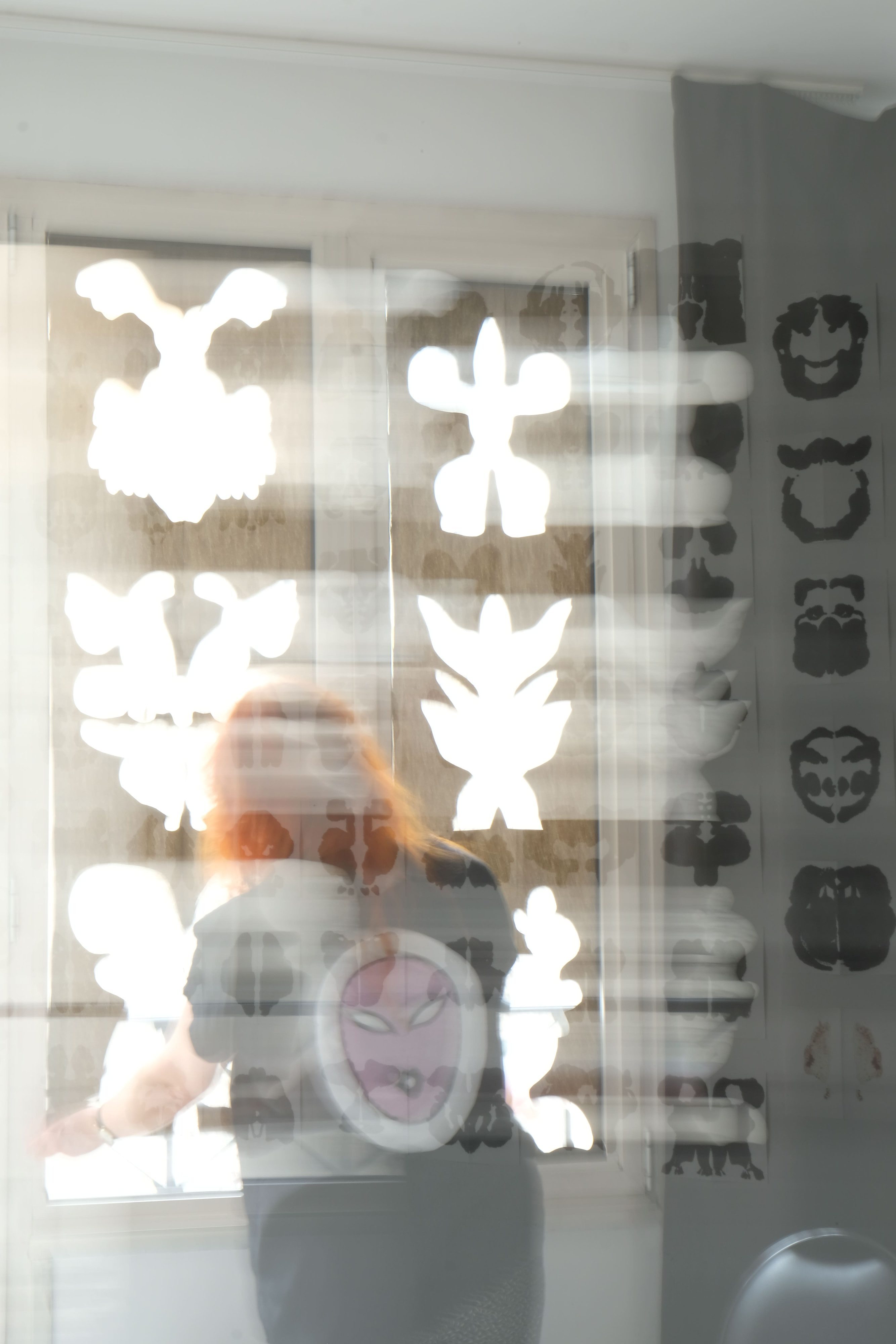
In her current artistic research, Gala Adam explores masks, monsters and metamorphoses. Starting from the question of how we recognise and distinguish between what is familiar and what is foreign, she examines faces, body fragments and hybrid forms that lie between human and animal.
Under the title STUDIOLO VIII / animal ferum, homo – wild animal, human – Adam brings together works and research materials created during her residency at the Cité internationale des arts in Paris. Masks and faces encounter water and reflections; transparent and reflective surfaces become pictorial spaces in which identity multiplies, shifts and eludes definition.
The mask both conceals and reveals. It can protect, transform and allow one to assume a different role. The monster, in turn, marks a boundary: between human and animal, beauty and deviance, the familiar and the alien. In metamorphosis, this boundary becomes fluid.
Water, in this context, forms a special kind of mirror. It does not show a fixed image, but a moving, distorted one that is constantly being recreated. Between reflection and dissolution, the question arises of one’s own image and of the gazes through which identity is formed.
The presentation offers insights into an open creative process that bridges painting, drawing, objects and installation, and takes the viewer from masks and monsters, via water and reflections, to the question of transformation and catharsis.
Gala Adam will talk about the creation of the works, her research in Paris and the thought processes and working methods behind STUDIOLO. Afterwards, anyone interested is invited to join in a discussion and exchange ideas.
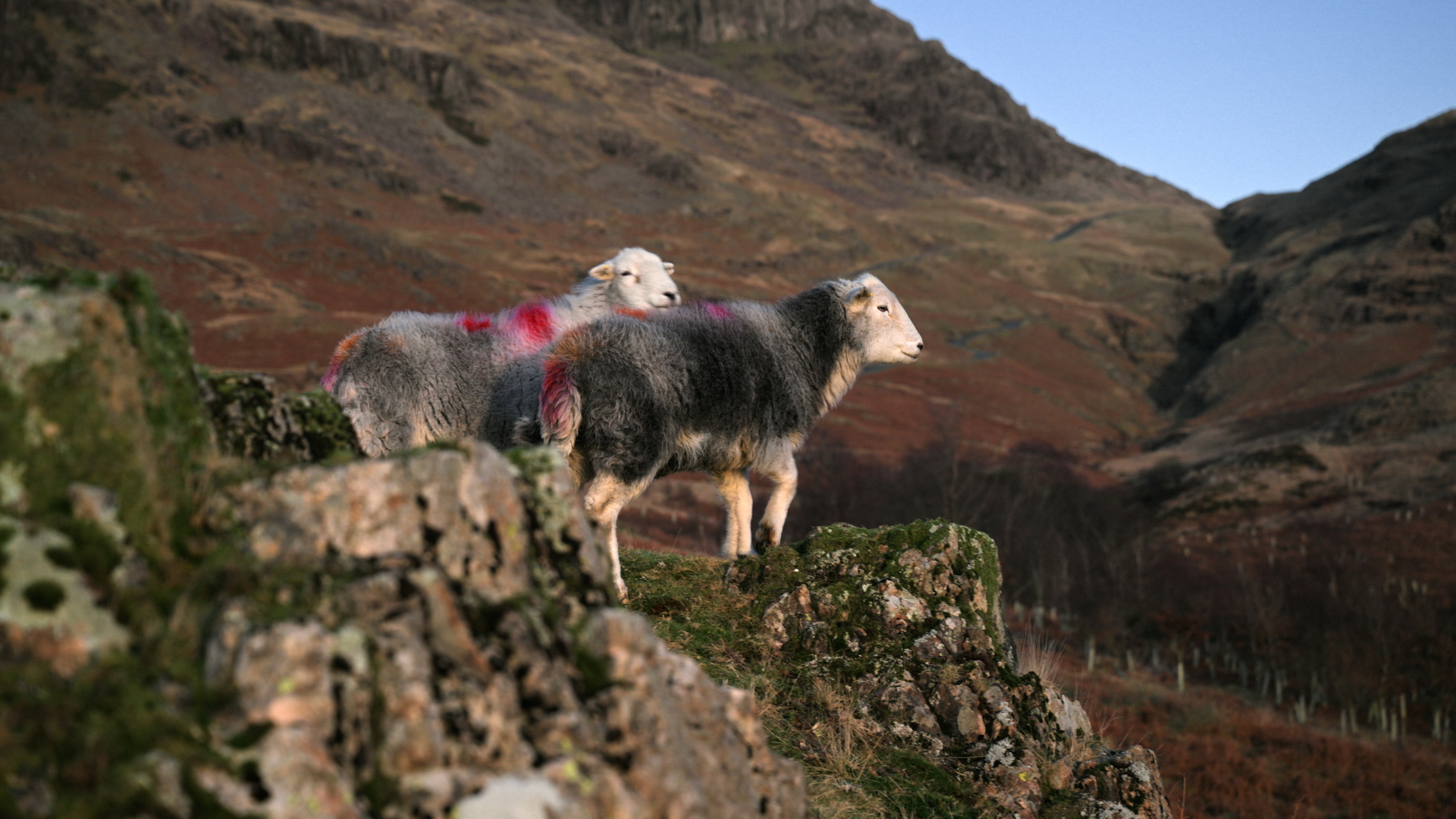
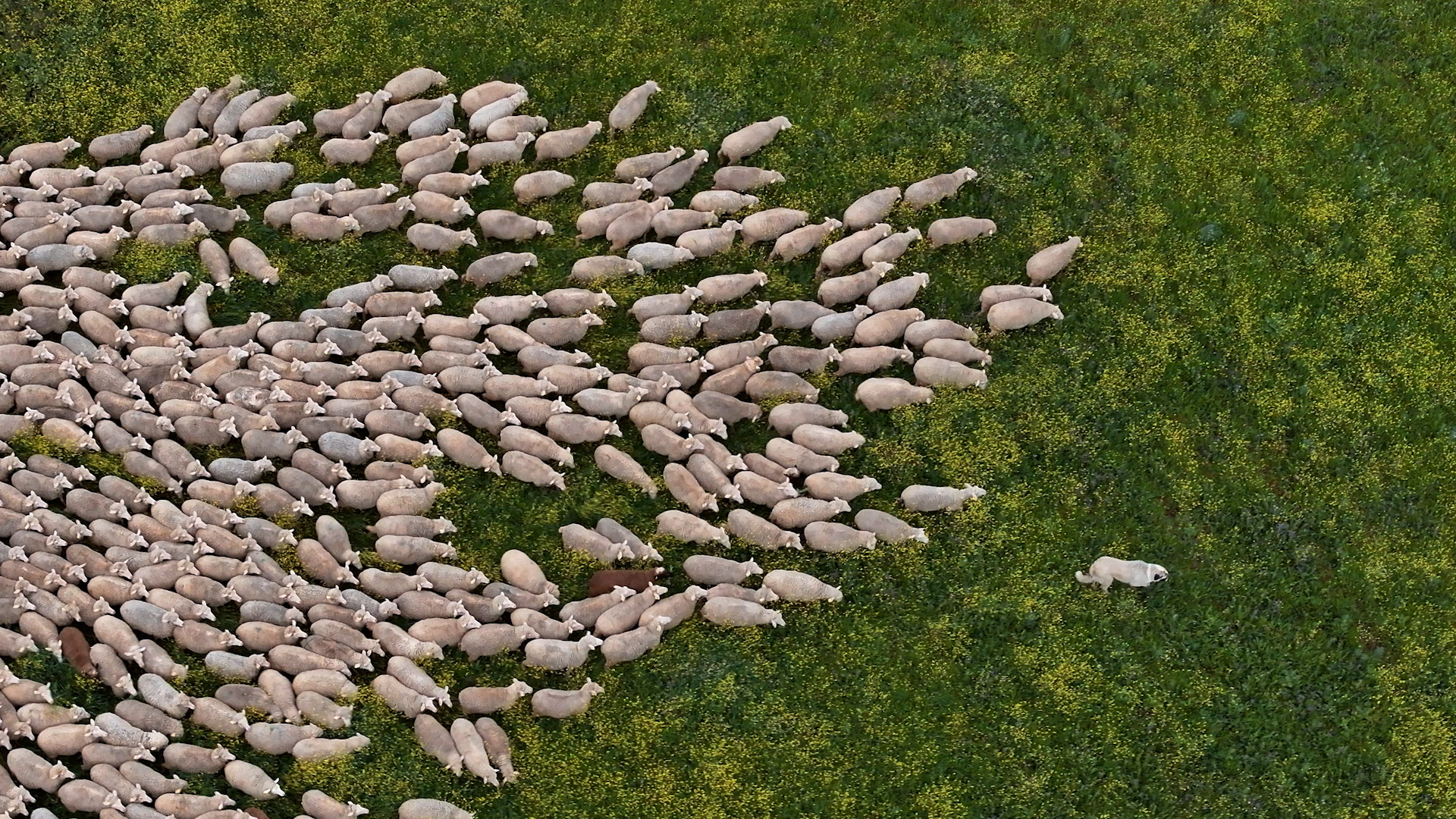
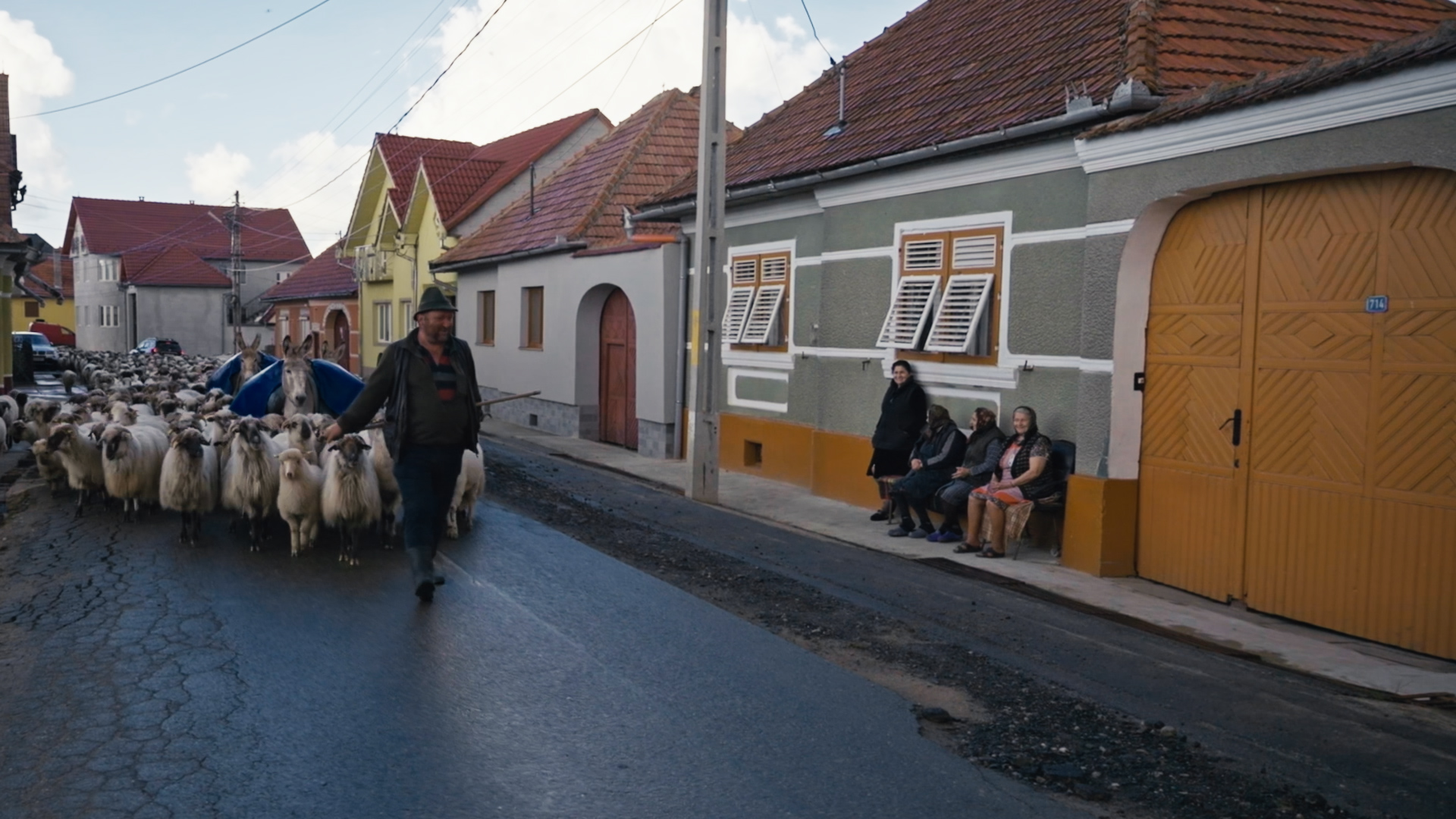
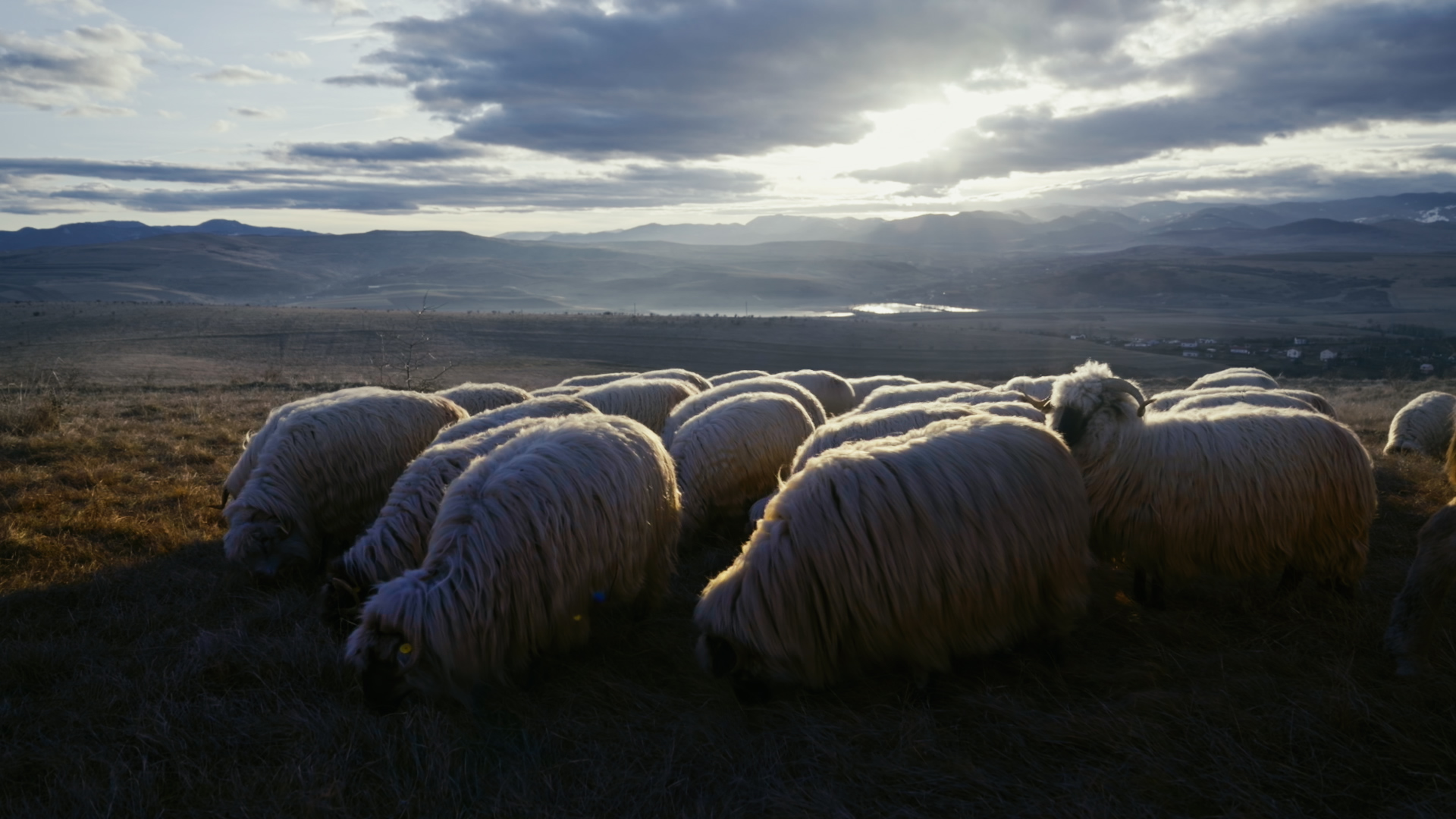
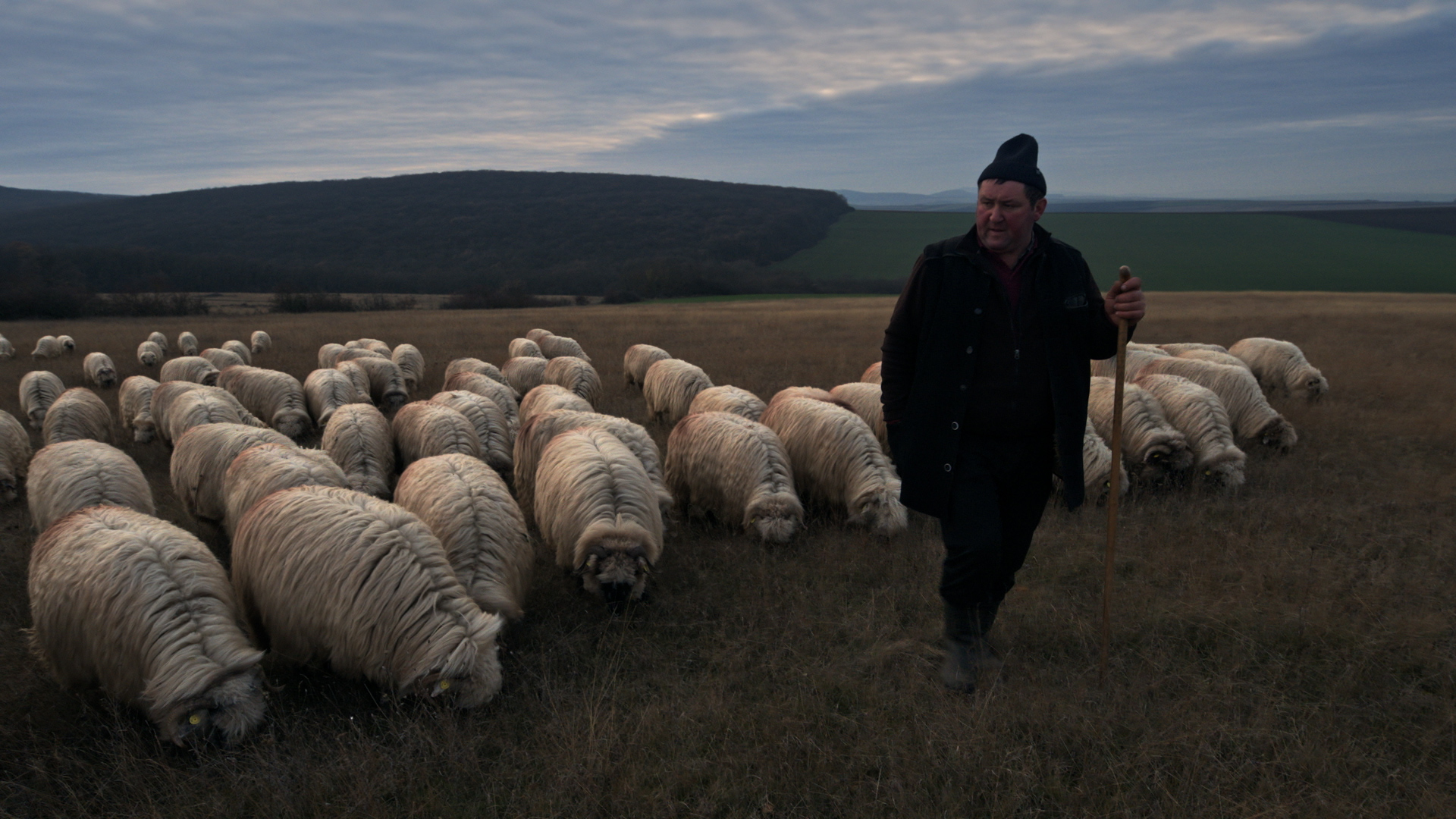
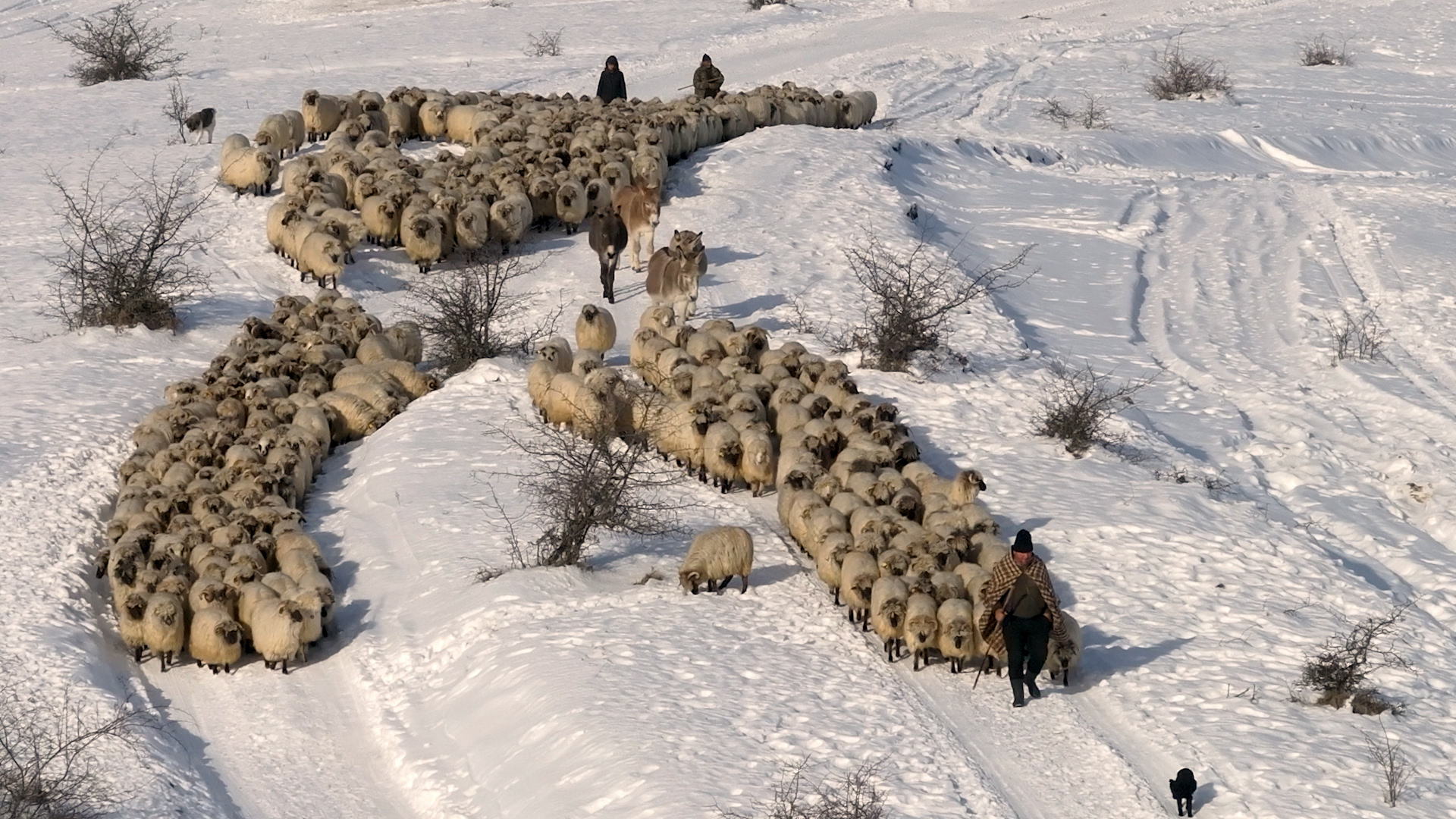
2026 has been declared by the United Nations as the International Year of Rangelands and Pastoralists, drawing attention to the challenges today faced by shepherds and shepherdesses worldwide. In the framework of Shepherdology – the ongoing atmosphere of pastoralism, initiated by INLAND and Fernando García-Dory, exploring the connections between pastoralism and art – Künstlerhaus Stuttgart has invited filmmaker Walter Aigner to present and screen his new documentary wool man sheep (2026).
The film focuses on a paradox: while we talk about sustainability and the circular economy, more than half of our wool – one of the most natural and versatile raw materials – is discarded or burned.
wool man sheep follows two traditional shepherds in Transylvania over the course of a year. Their daily lives form the narrative thread connecting 14 interviews across 11 countries. Shepherds, scientists, designers, artisans, textile companies and brands explain how a valuable material came to be treated as waste and reveal the possibilities it still holds.
Sheep maintain our cultural landscapes, support biodiversity and help prevent erosion and wildfires. Yet these essential services receive little recognition, and many shepherds struggle to survive. The film shows that there is no such thing as worthless wool. What is missing are knowledge, infrastructure and regional value chains. Restoring wool’s value means protecting not only a raw material, but also landscapes, sheep breeds, crafts, cultures and a more sustainable way of living with nature.
The screening will be followed by a panel discussion with the filmmaker, a shepherd from the Biosphärengebiet Schwäbische Alb, and the curators. This event is free and open to everyone.
Read more about the filmmaker, Walter Aigner here.
01:00pm–06:00pm
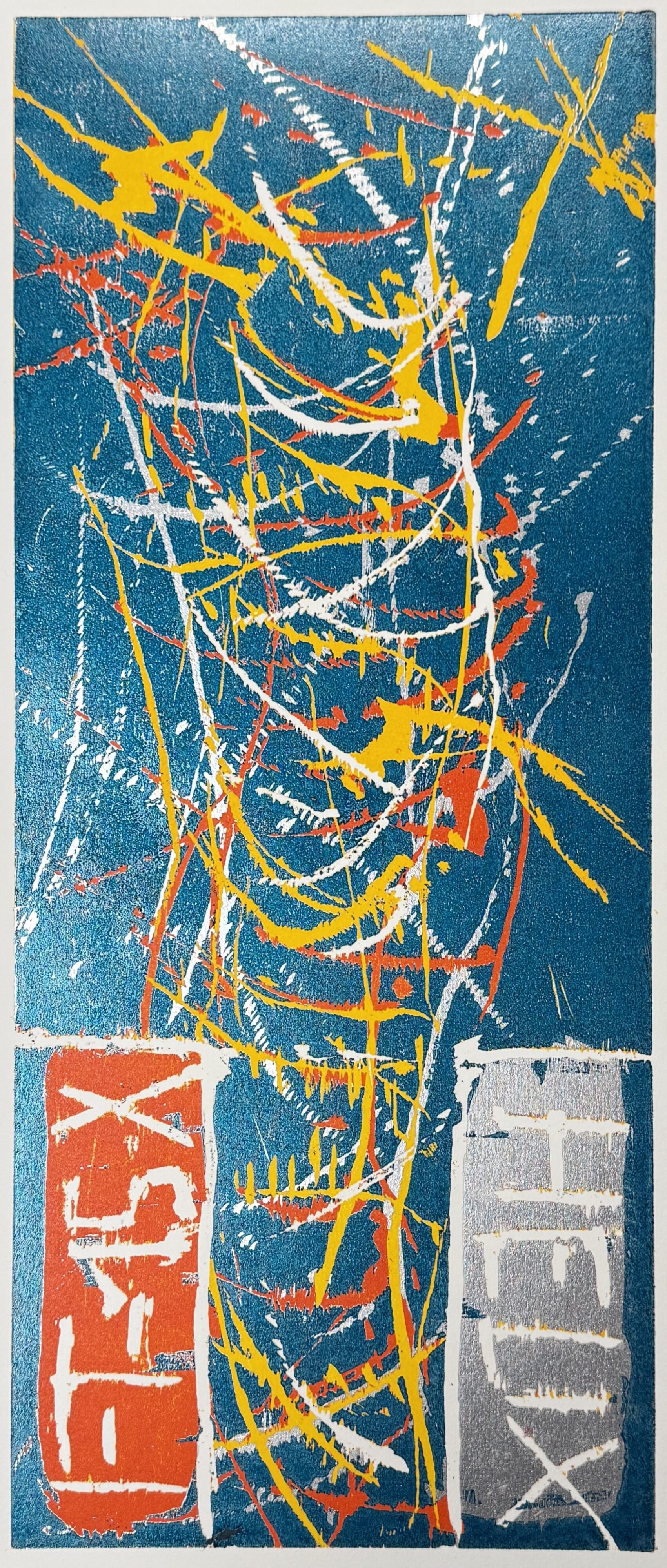
In this workshop, participants create large-scale woodcuts using a chainsaw as an artistic tool. Images are carved directly into wood, resulting in expressive printing blocks of substantial size. The blocks are then inked by hand and printed onto paper without the use of a press. The workshop introduces the fundamentals of woodcut printmaking, safe chainsaw handling, and experimental hand-printing techniques. No previous experience is required; curiosity, creativity, and an interest in working on a large scale are all welcome. The event will take place on the 4th floor of the Künstlerhaus Stuttgart.
Please bring: work clothes suitable for printing, protective gear (gloves, safety glasses, protective trousers), woodcut carving tools, and a wooden mallet.
The number of participants is limited—please register via Eventbrite by September 20, 2026. (Update: We would like to express our sincere thanks for the great interest and the numerous registrations! The event is now fully booked. If you would still like to attend, please send us an email at ll@kuenstlerhaus.de to be added to the waiting list. We will contact you as soon as a spot becomes available.)
Künstlerhaus HAUS ORKESTRA is starting up again on September 17th, 2026!
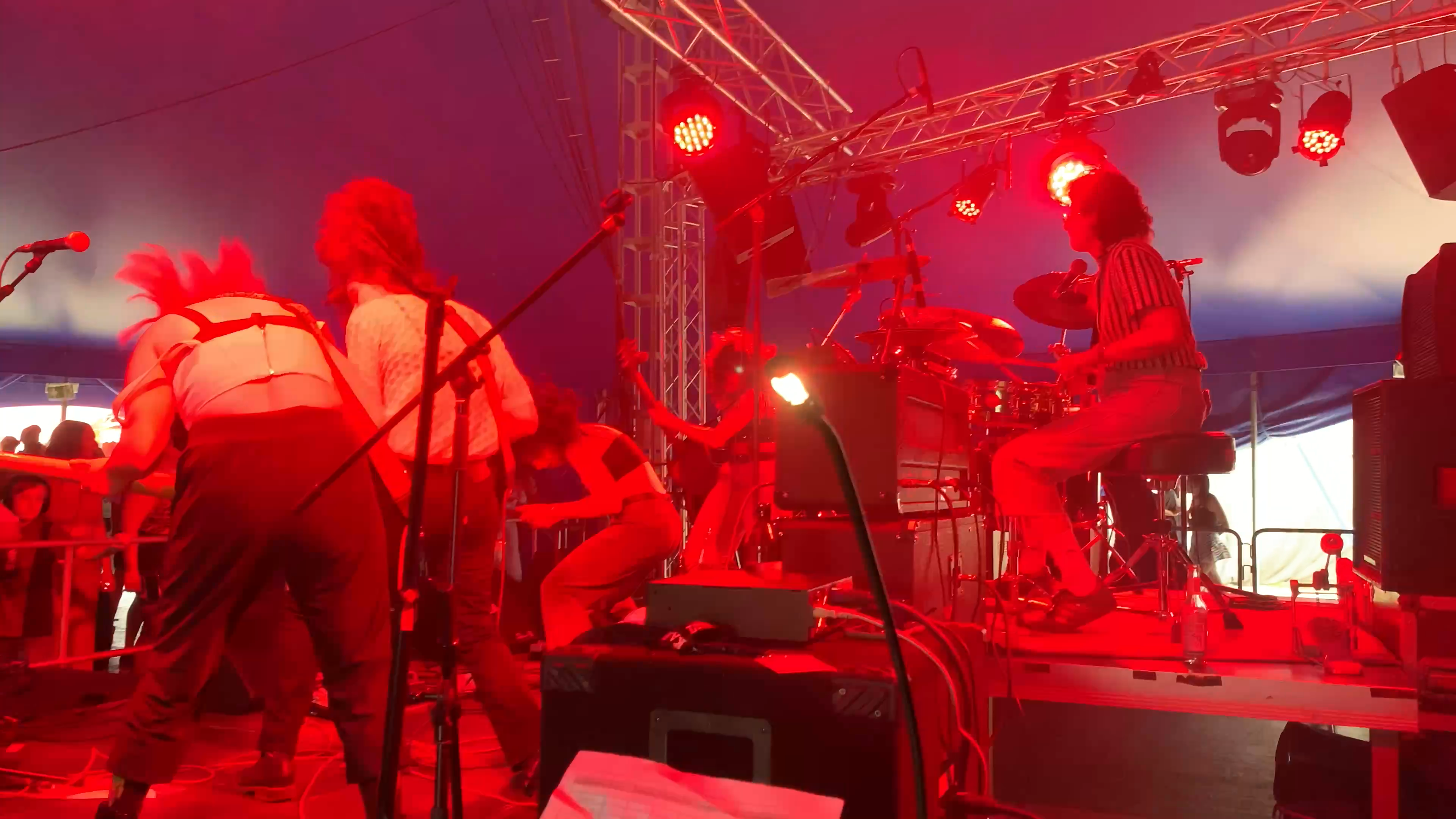
The HAUS ORKESTRA invites singers and musicians with some previous musical experience, accomplished amateurs, to professional musicians ready to play and sing together! Focusing on multi-part singing with instrumental accompaniment, folk songs from across the world, and occasionally popular songs, Natia Dikhtyar leads each session with passion and playfulness. The goal throughout is to learn new songs and musical pieces in a joyous way.
Each class begins with vocal warm-up exercises, learning new songs and vocal techniques, and as the repertoire expands, practicing these chosen songs. Vocal technique is focused on various voices together: one grooving, moving voice towards Unisono, unity together.
Starting from September 17th 2026, we meet every two weeks on Thursday nights from 7:30 to 9 pm. Classes and rehearsals will take place in the art gallery on the 2nd floor of Künstlerhaus Stuttgart, which is an exceptional experience for music lovers. Twice a year, summer and winter, we will have concerts open to the public.
We sincerely welcome anyone with basic to advanced musical experience to join the group! Enjoy the groove and rhythm of making music in the gallery.
- Participation is 5 – 10 euros per class, sliding scale.
- Starting from September 17th, every two weeks on Thursday nights from 7:30 to 9 pm, 2nd Floor
- For further information please contact Natia Dikhtyar: natiajazz@gmail.com
About the Orkestra Leader:
Natia Dikhtyar, a singer and jazz musician from Georgia, composes and performs music that blends jazz-rock-Latin fusion grooves with Georgian folk elements and poetry. She teaches voice and piano and directs choirs and vocal ensembles with an international background.
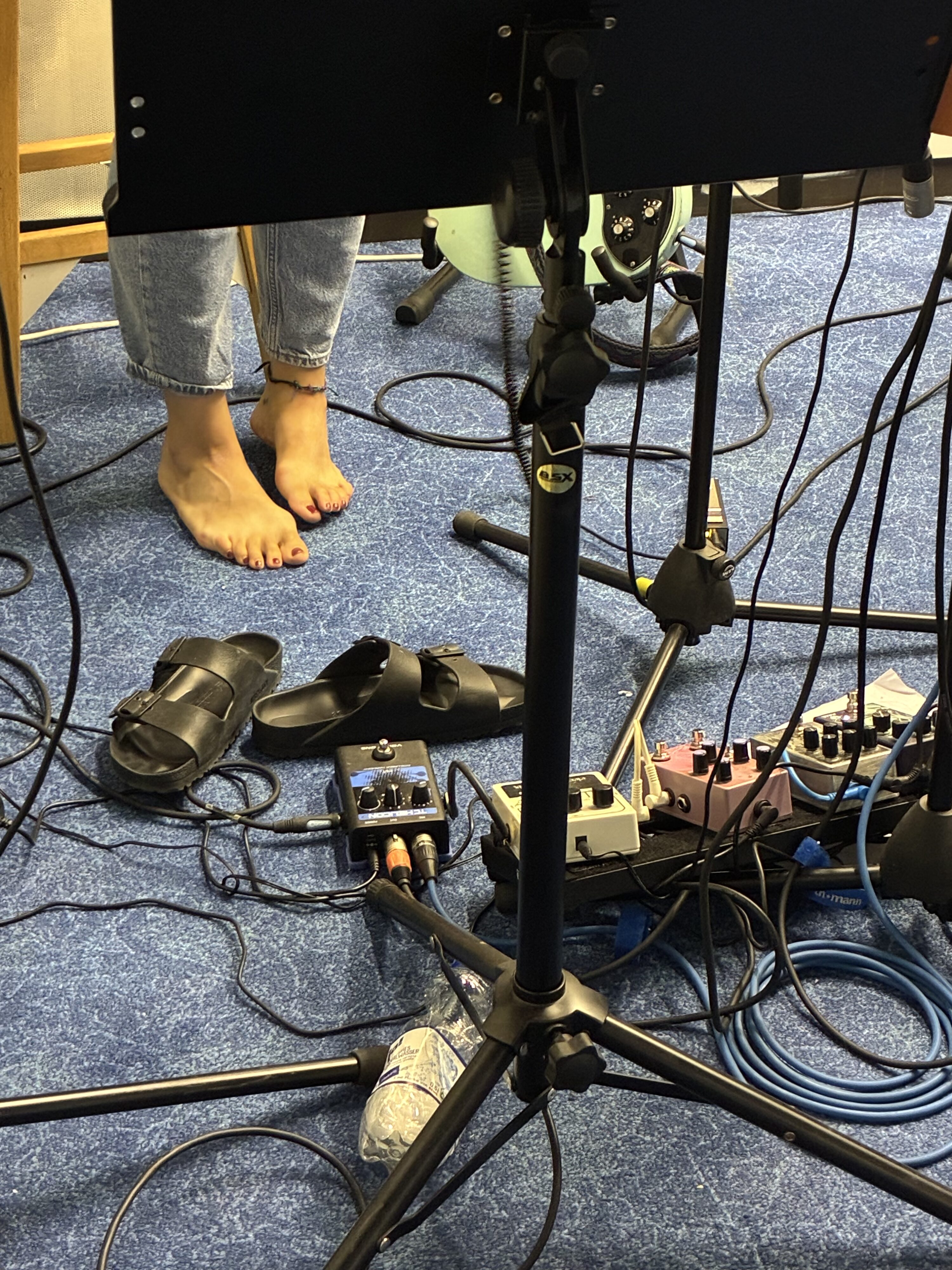
Visual artist and musician Eva Dörr explores those moments when a personal recommendation brings about a lasting change in one’s understanding of music. In this listening session, she will present audio clips that friends have shared with her. Sounds, pieces, styles and artists remain inextricably linked to the moment and the person who passed them on. Whether it’s an excerpt, a live moment, a recording, a performance, an object, an improvisation, an atmosphere, a tradition, a song, an album, an artist or a whole universe – the focus here is less on the format and more on what was set in motion.
Places in the recording studio are limited; please register at audio@kuenstlerhaus.de
Listening Session
This is the tenth event in the “Listening Sessions” series at the Künstlerhaus’s recording studio. Artists are invited to bring along the music that inspires, shapes and accompanies them. Together, they will listen to these tracks in the recording studio. This regular series provides a space to discuss musical influences and personal connections to music. The series was conceived by Lena Meinhardt, an artist and head of the Künstlerhaus’s audio workshop.
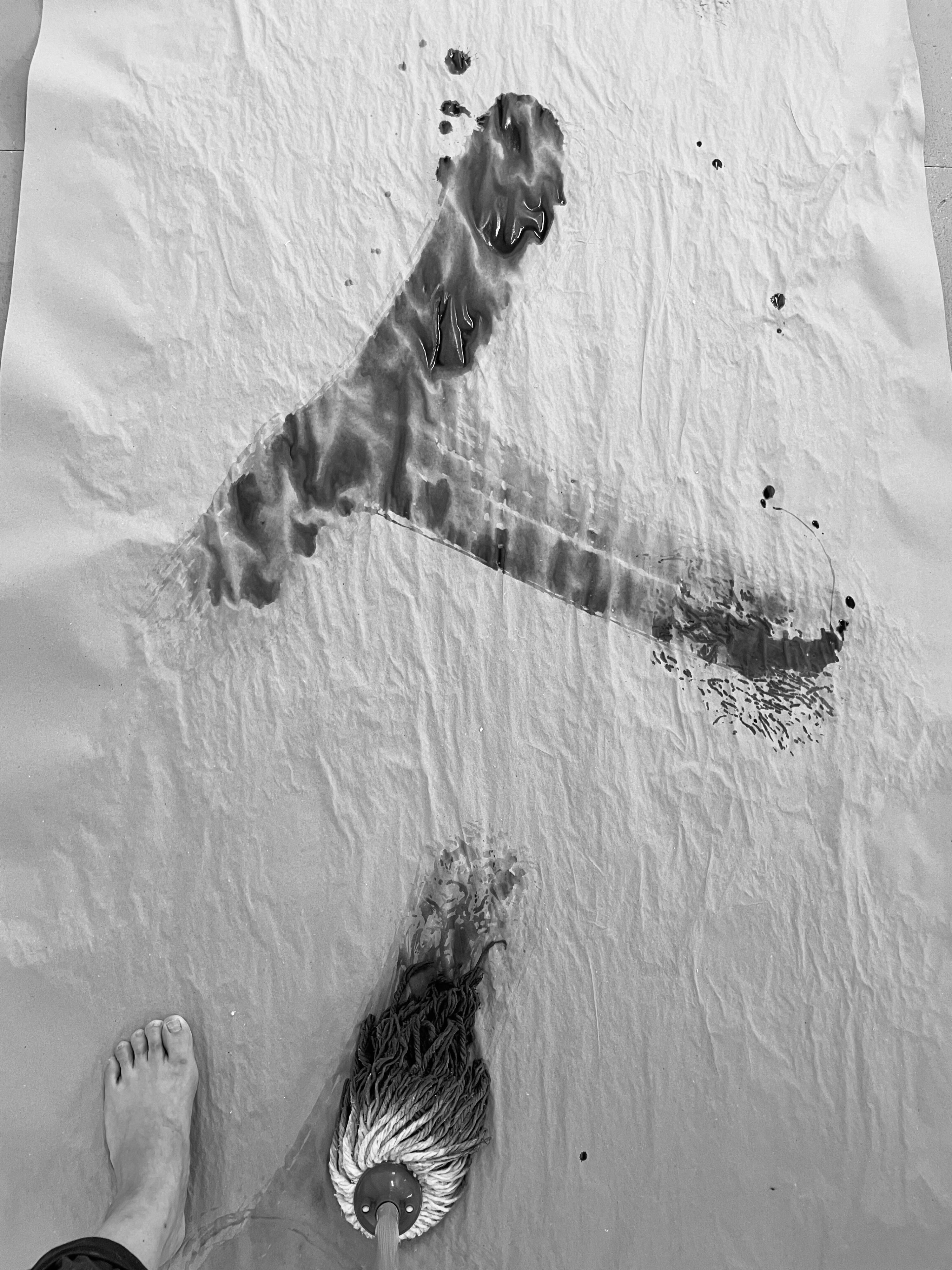
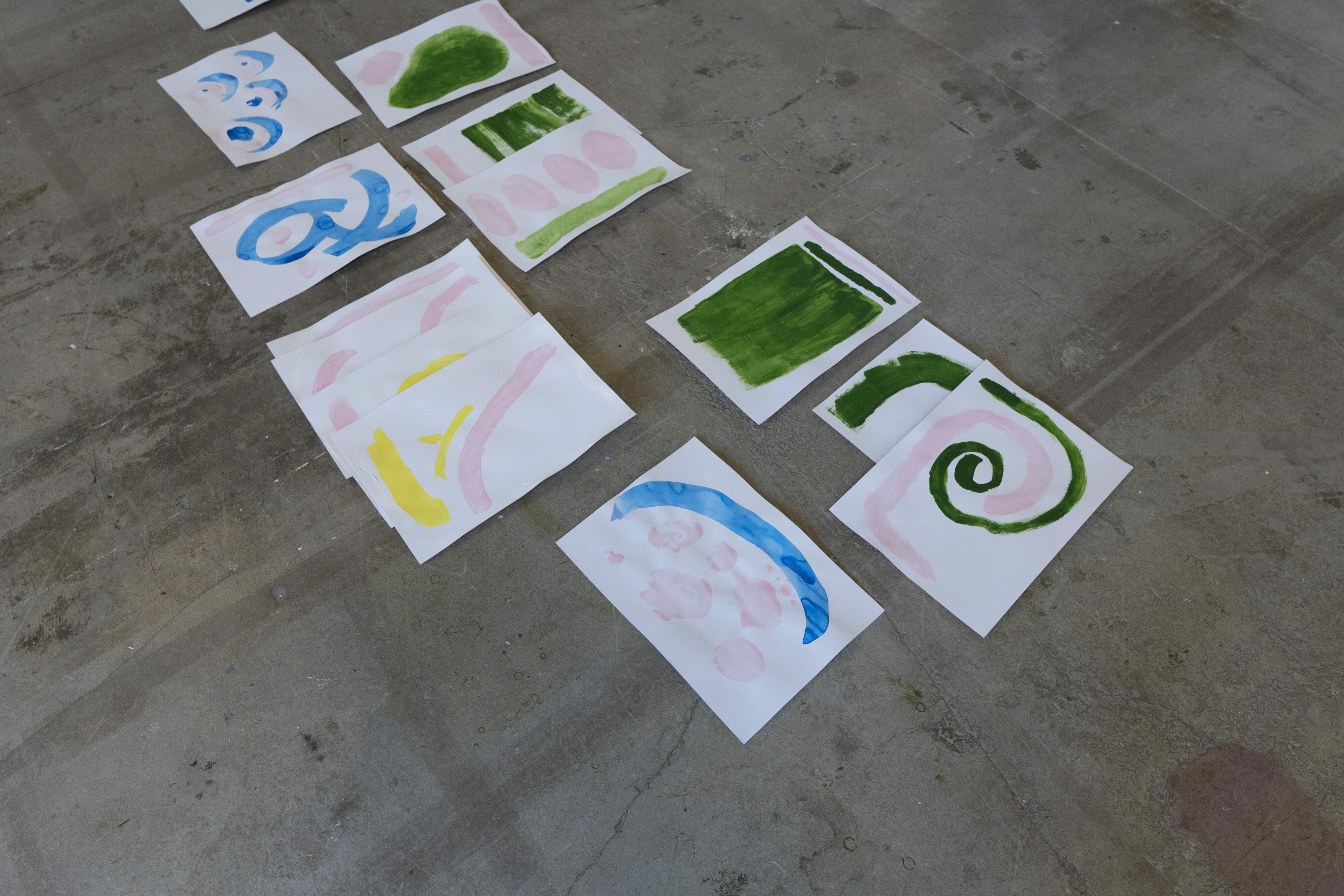
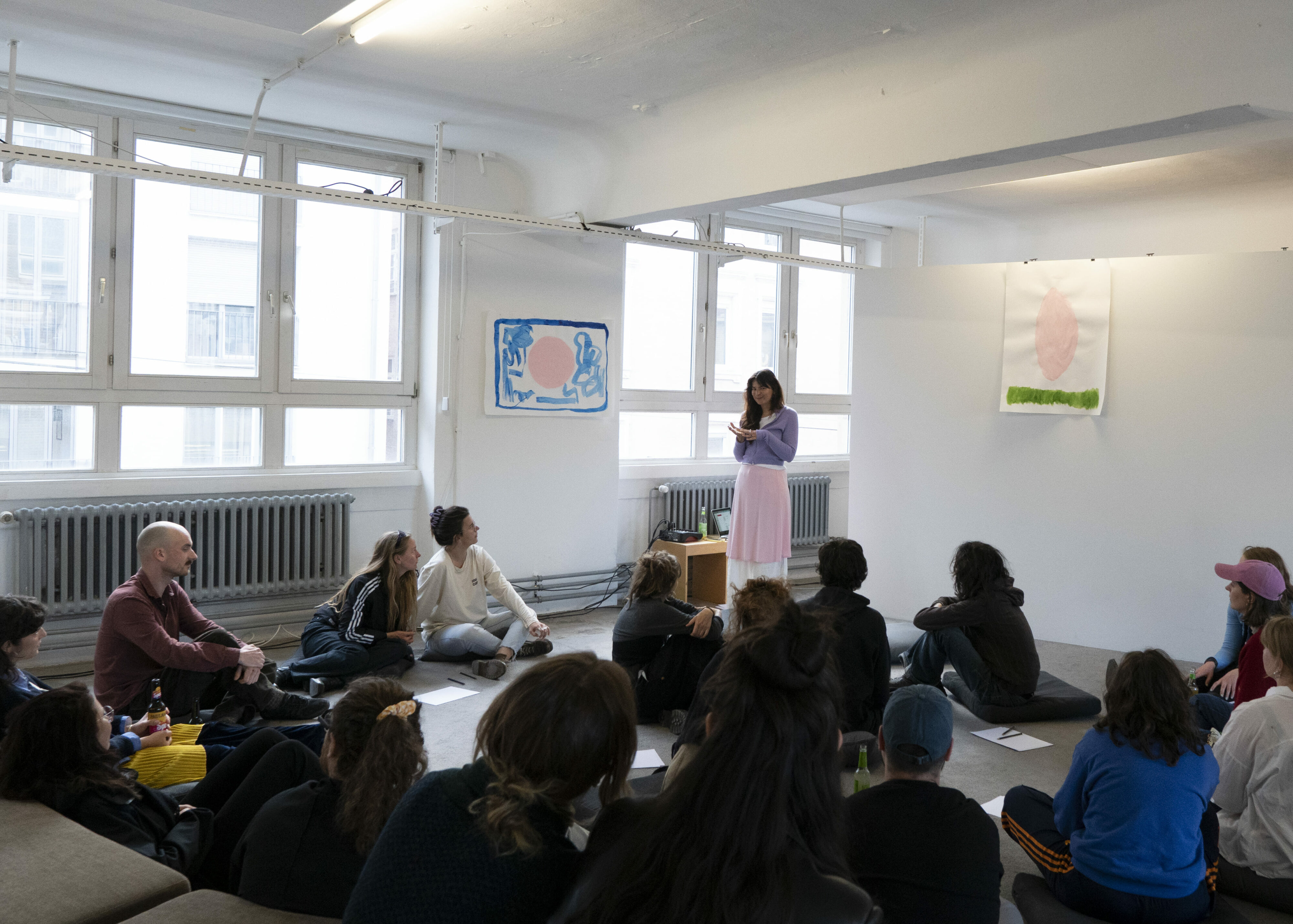
The characters of the East – Hanzi (Chinese) and Kanji (Japanese) – are not mere symbols, but images. In ancient Chinese painting, it is said that writing and painting share a common origin – and so every act of writing becomes an act of painting. They breathe, they stand, they bloom like flowers; every stroke is an expression. Building on the last workshop, we will try out a different approach to practising. This time, we’ll be working with large brushes and large-format paper – for example, we can use a mop or our own hands and feet as brushes, and the wall or floor as our canvas.
Anyone who didn’t attend the last workshop can still join in without any problems – you can start from the beginning at any time.
An event by our scholarship recipient, Einan Kaku.
Please register by emailing mail@einankaku.com.
The number of participants is limited to a maximum of 8 people.
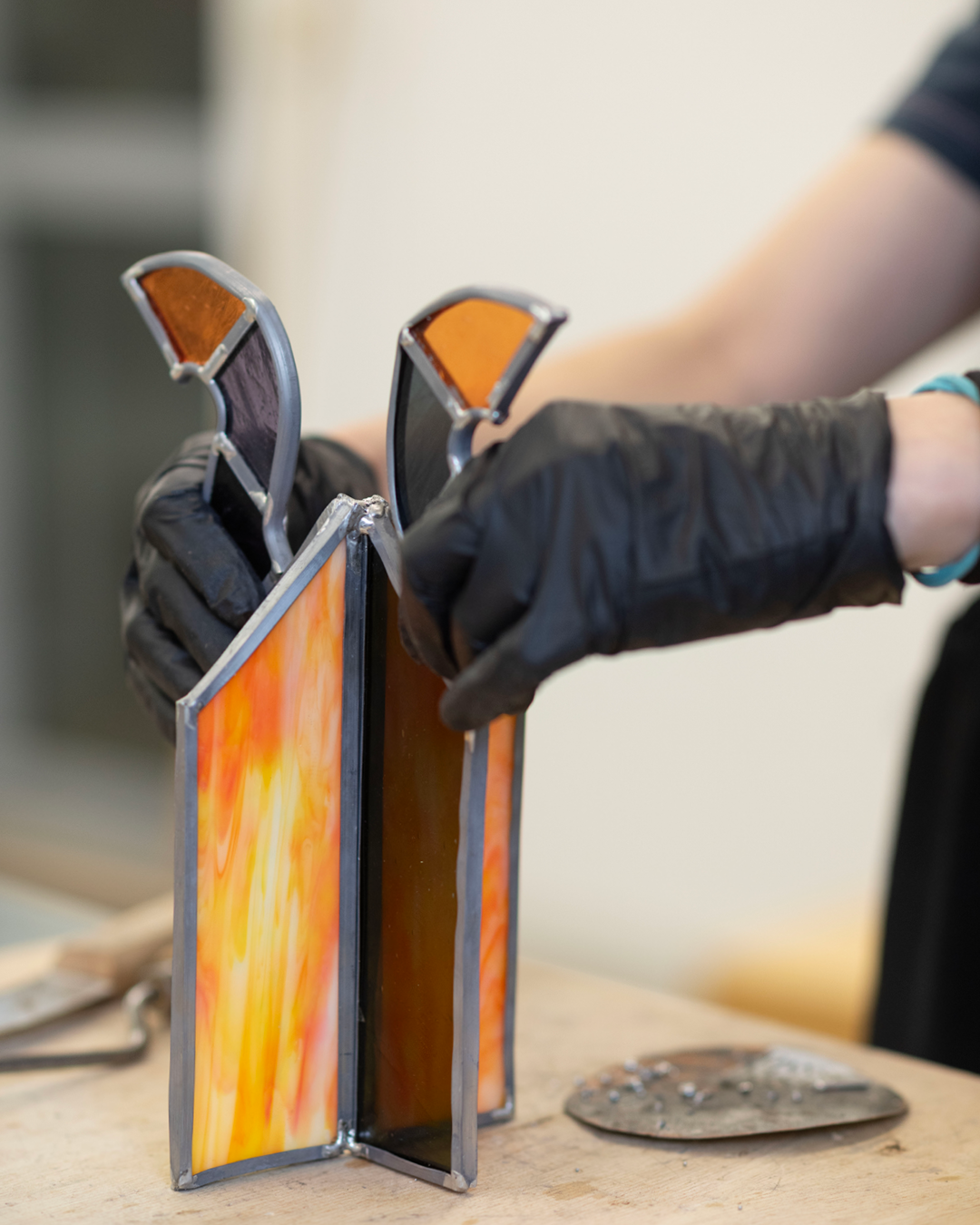
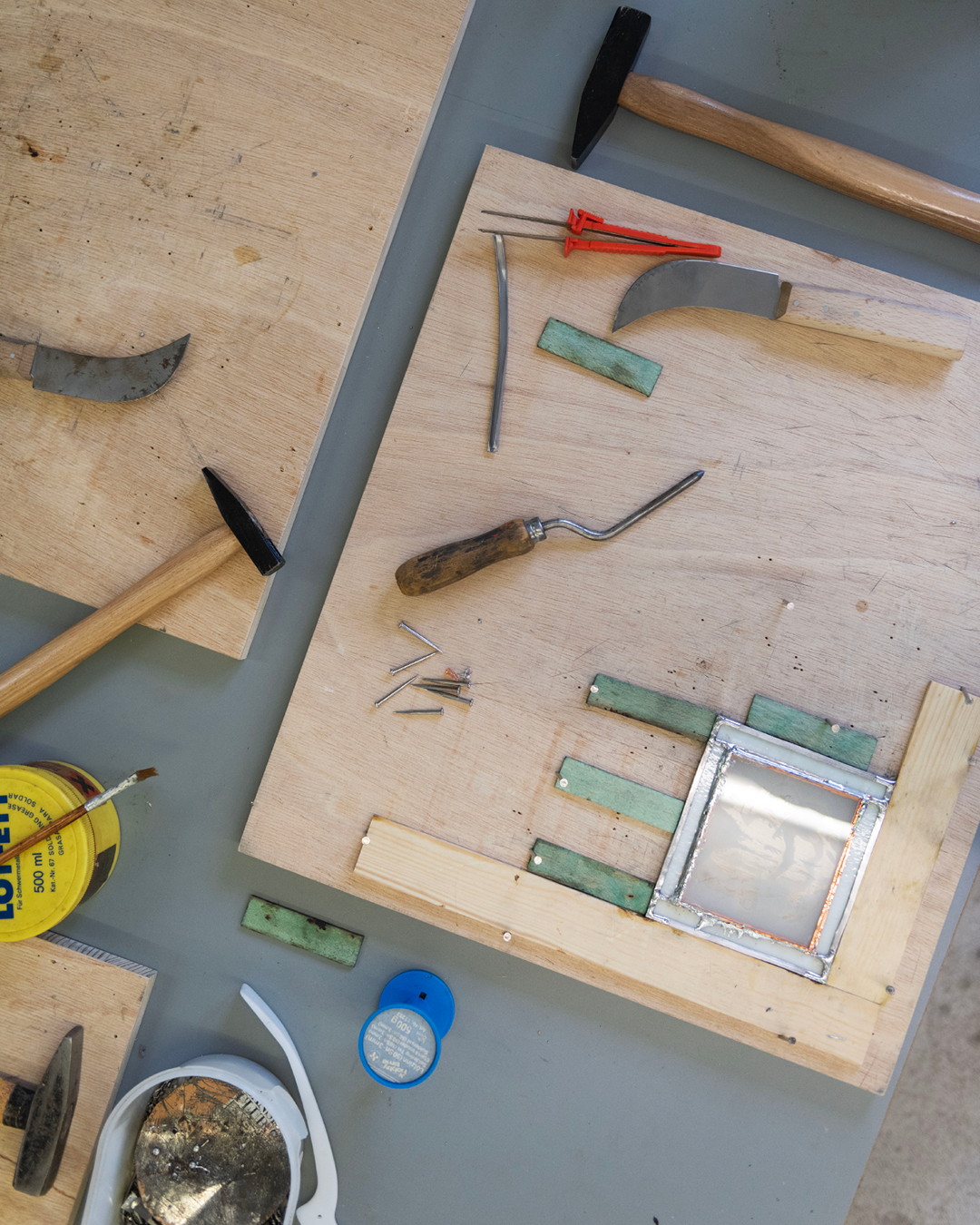
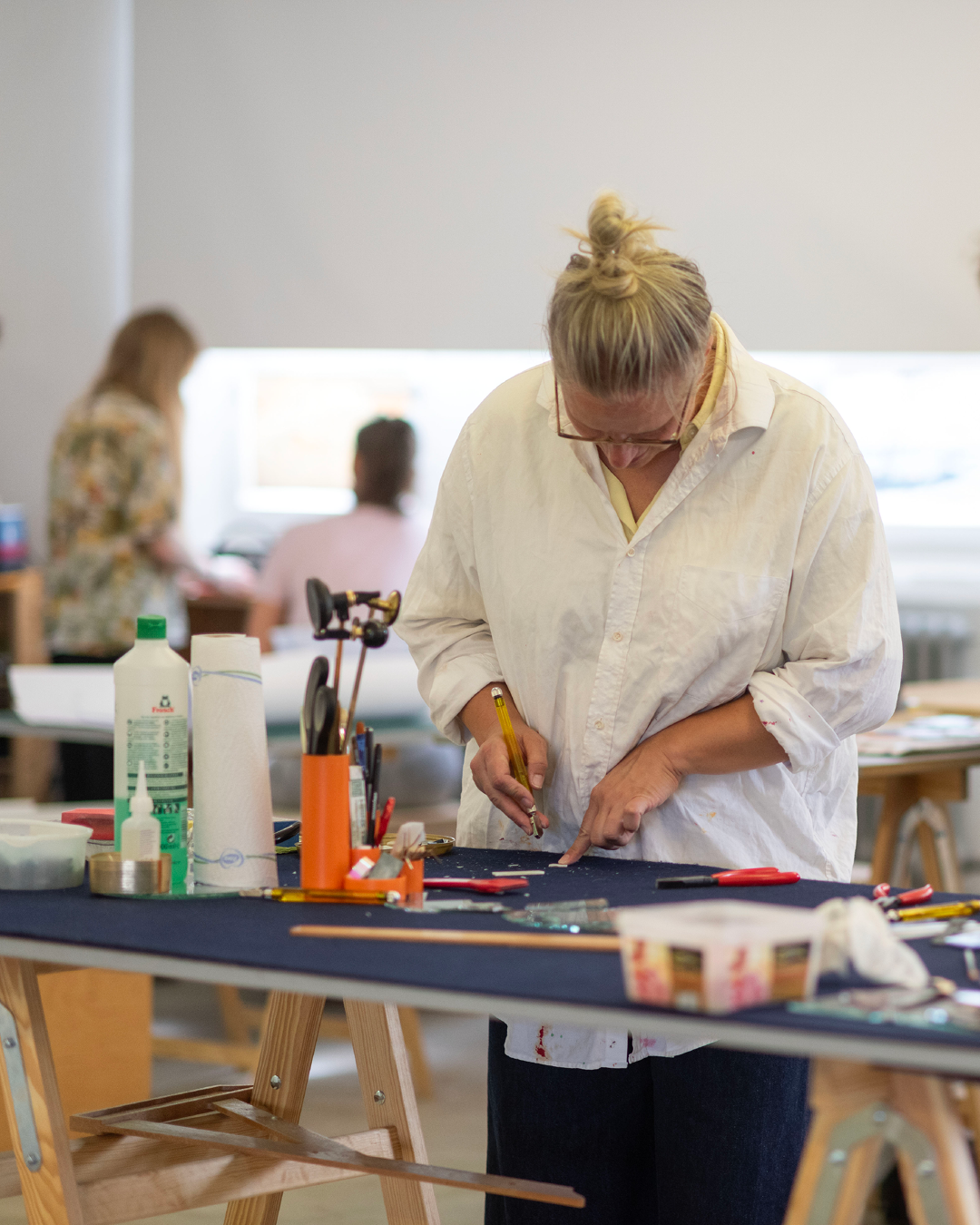
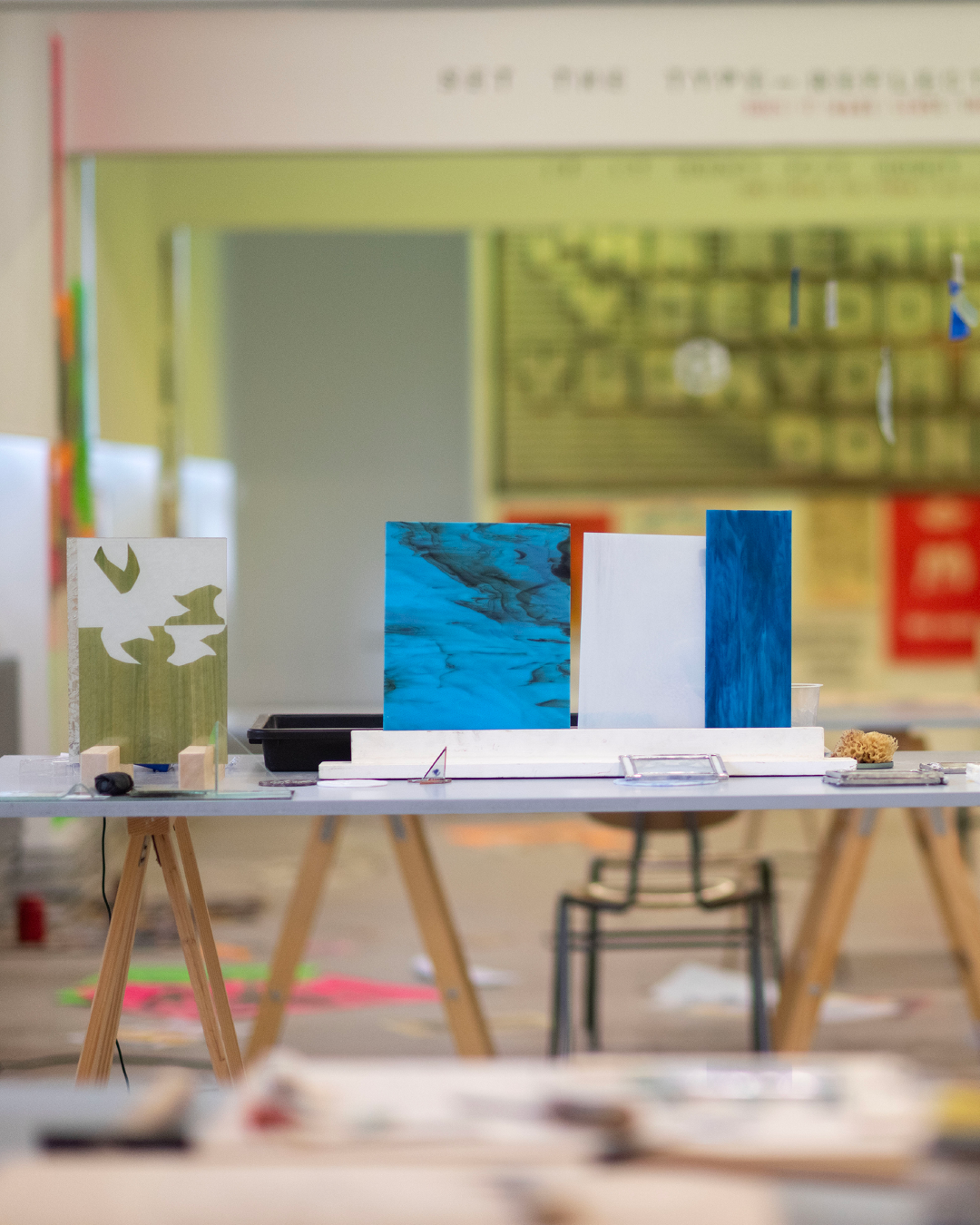
To mark the conclusion of the Pop-up Glass Workshop, workshop participants will present the works they have created over the course of the project. The presentation offers insights into a range of artistic approaches, techniques, and experiments with glass as a medium. In an informal setting, visitors are invited to view the works and engage in conversations about processes, experiences, and future projects. The evening also provides an opportunity to discuss the future of the glass workshop at Künstlerhaus Stuttgart.
We will also be joined by Angelika Müller-Ottenbreit, former director of the historic glass workshop at Künstlerhaus Stuttgart. She will tell us when and how the glass workshop at Künstlerhaus was established, what role it played there, why it was closed, and what possibilities there are today for reviving it.
The event takes place as part of the Pop-up Glass Workshop with Thora Gerstner at Künstlerhaus Stuttgart.
Tuesday Workshop
With the Tuesday Workshop, Künstlerhaus invites artists and collectives to talk about their working methods, backgrounds, and approaches. We aim to establish a platform for in-depth exchange around artistic practice, enabling us to connect, build solidarity, and strengthen one another. The series is aimed at all members of Künstlerhaus Stuttgart, artists from Stuttgart and the surrounding region or those passing through, as well as art educators, curators, cultural practitioners, and others—and is open to everyone!
Due to our summer break and staff holidays, our office will have limited opening hours from 17 to 30 August.
During this period, the office will be open on:
Tuesdays and Thursdays
10:00 am–5:00 pm
From 31 August onwards, we will be back to our regular opening hours.
We wish you a wonderful summer!
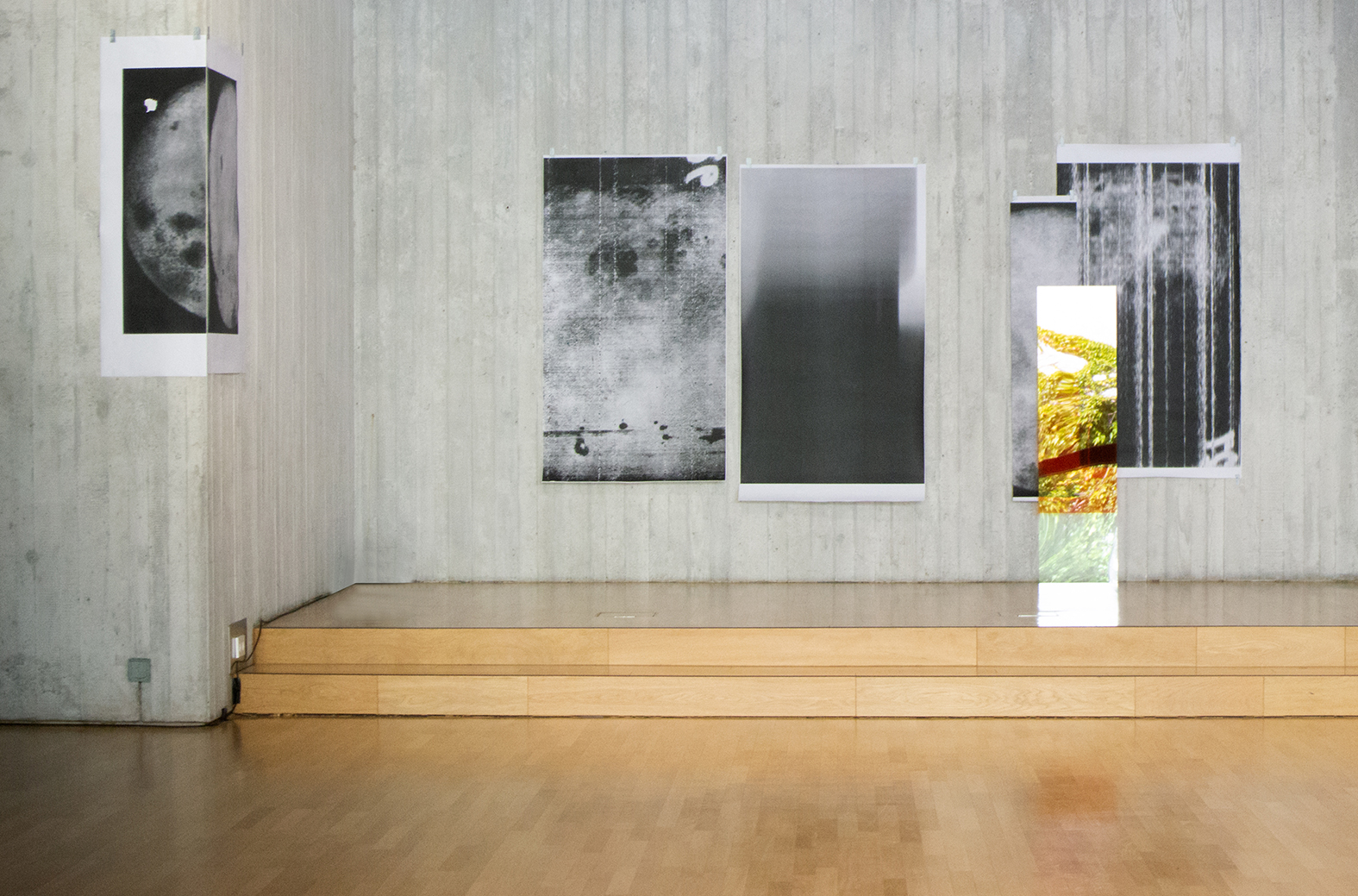
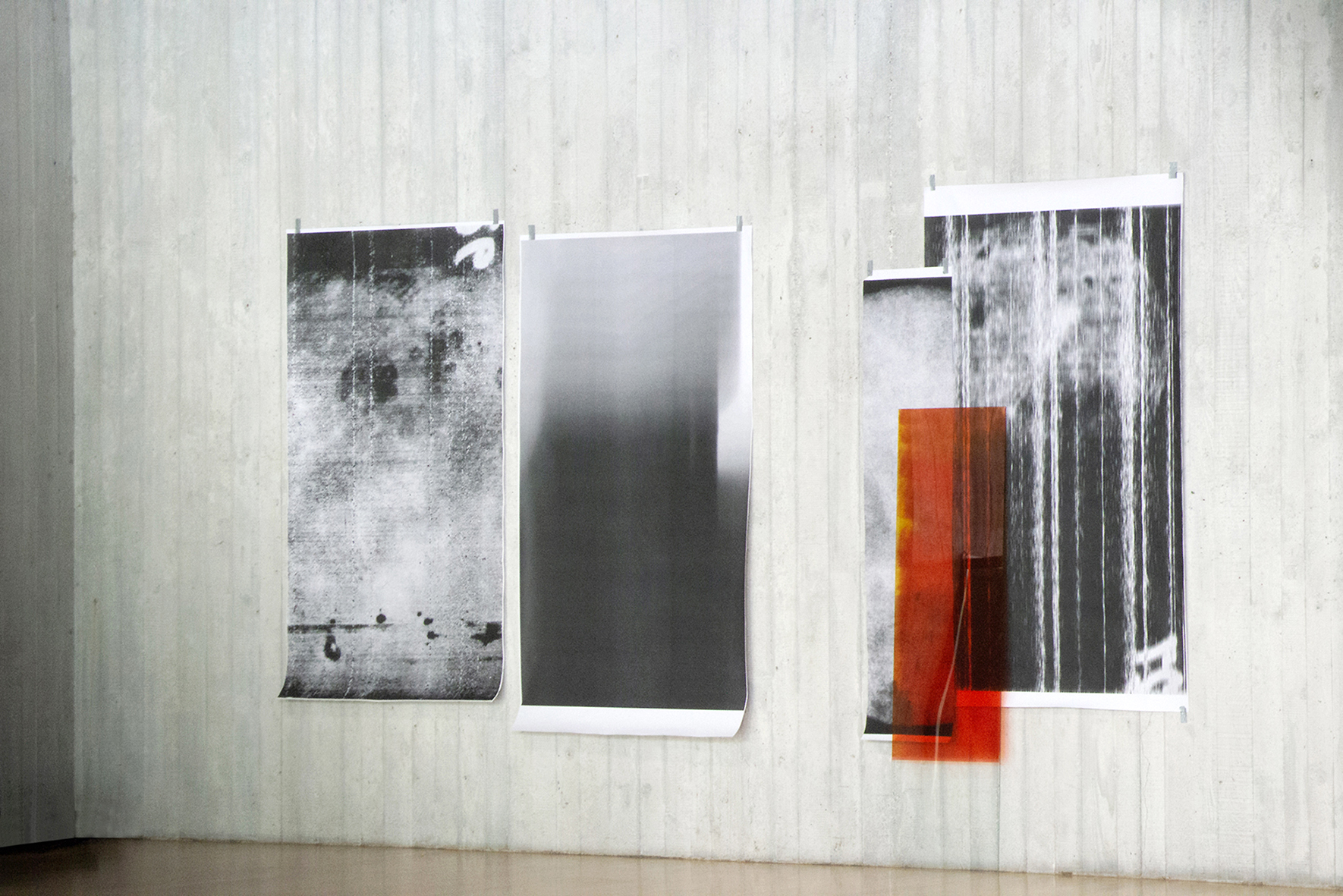
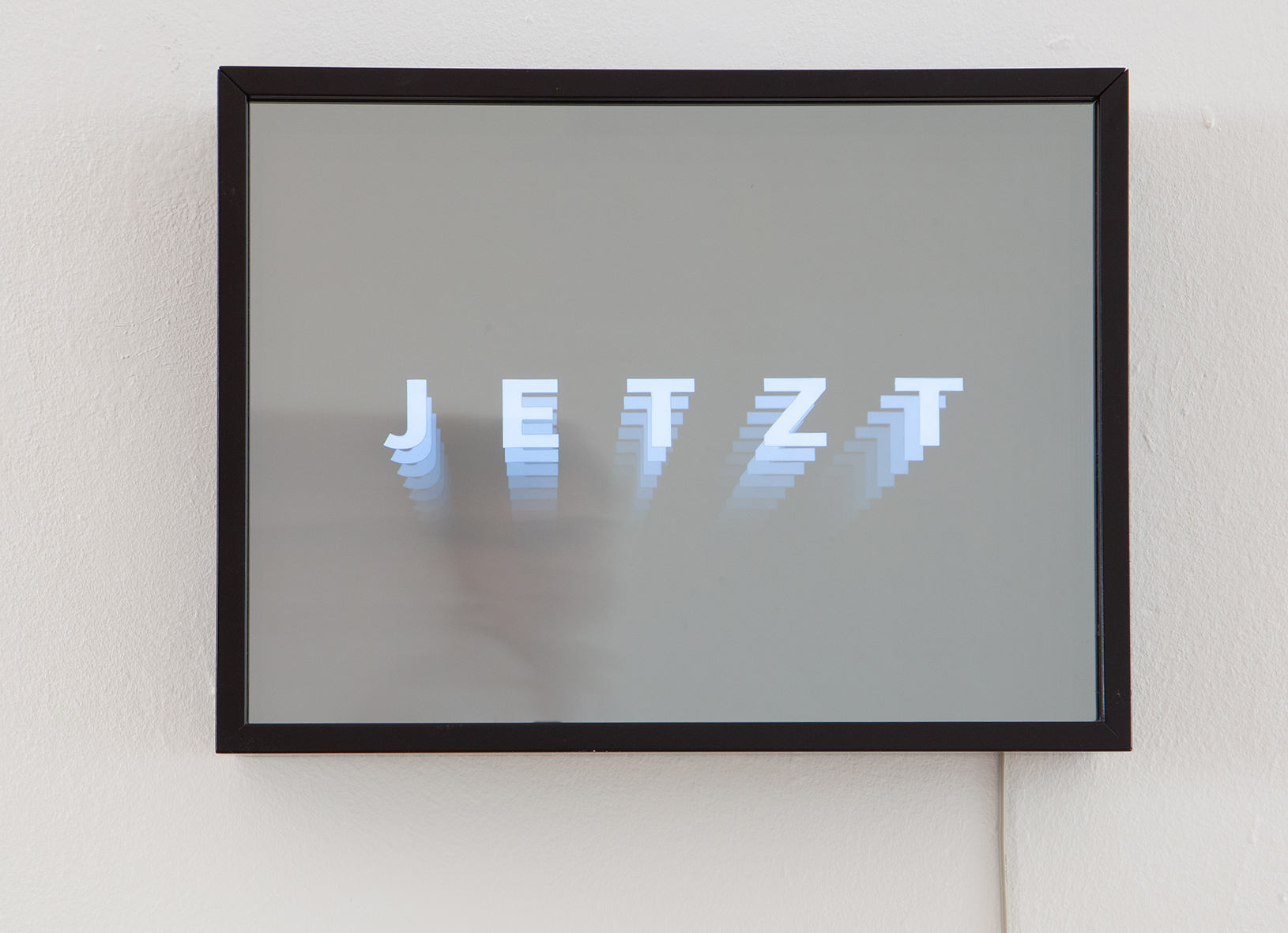
How does glass become a medium for images, a mirror, a light-emitting object or a spatial intervention? The artist Claudia Henzler discusses her work with a material that is at once fragile, precise and surprisingly versatile. Drawing on her own projects and her many years as head of the glass workshop at the ABK Stuttgart, she offers insights into artistic processes, technical possibilities and the special role of artistic workshops as places for experimentation and the exchange of knowledge.
The event will take place as part of the pop-up glass workshop with Thora Gerstner at the Künstlerhaus Stuttgart.
Tuesday Workshop
With the Tuesday Workshop, the Künstlerhaus invites artists or collectives to talk about their working methods, backgrounds and approaches. We aim to establish a platform for in-depth discussion of artistic practice, enabling us to network, show solidarity and support one another. The series is aimed at all members of the Künstlerhaus Stuttgart, artists from Stuttgart and the surrounding area, or those passing through, as well as art educators, curators, cultural practitioners, etc., and is open to everyone!
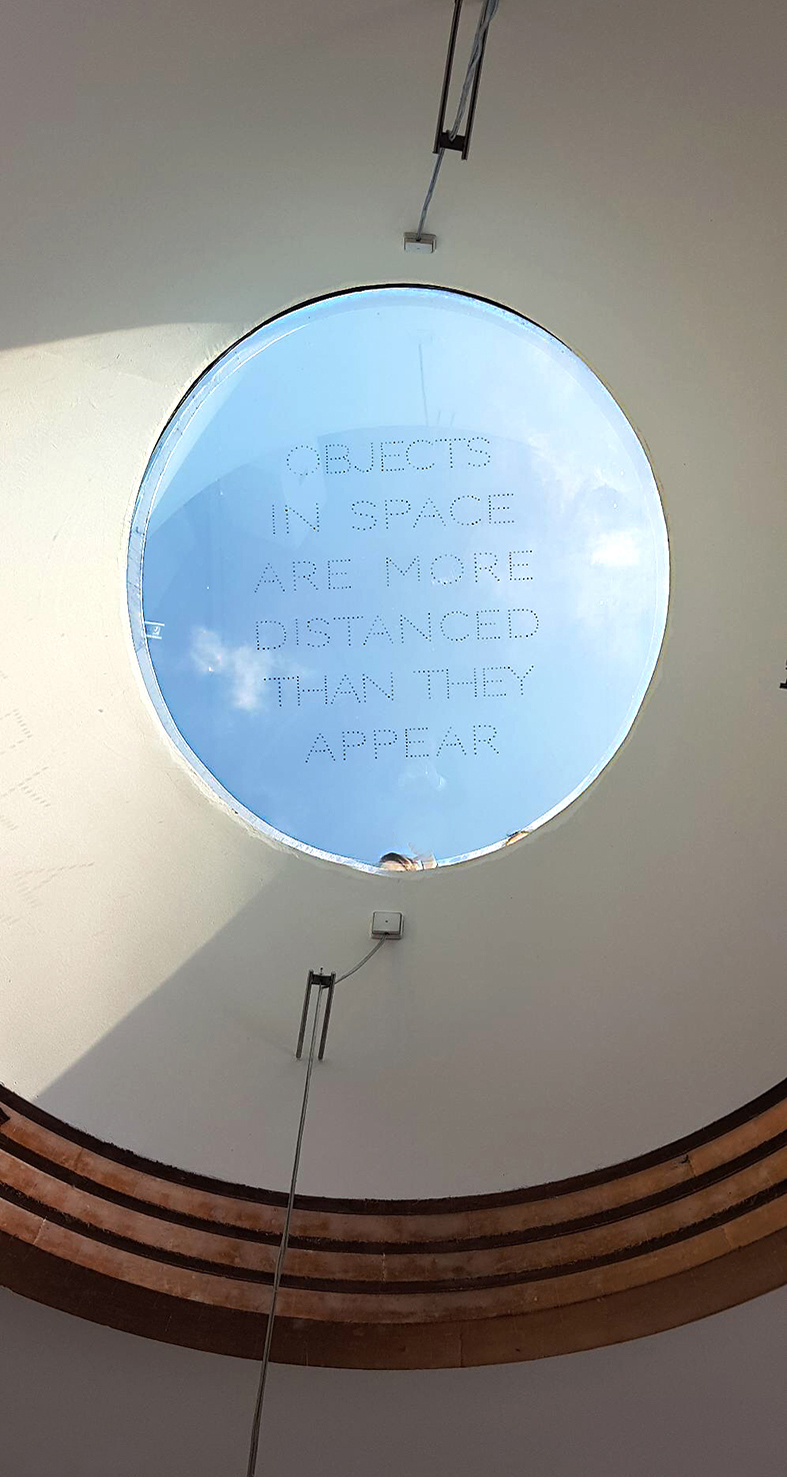
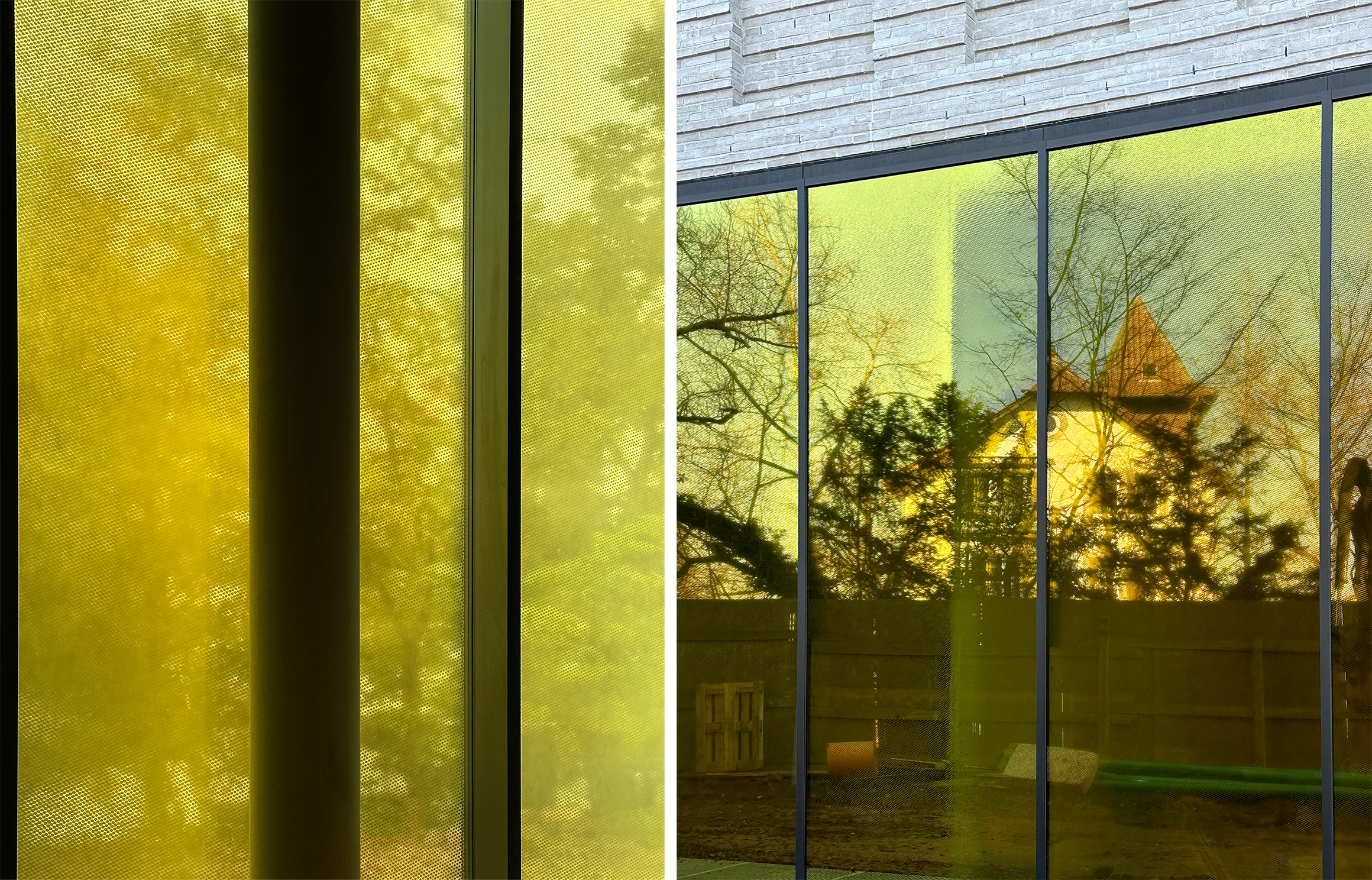
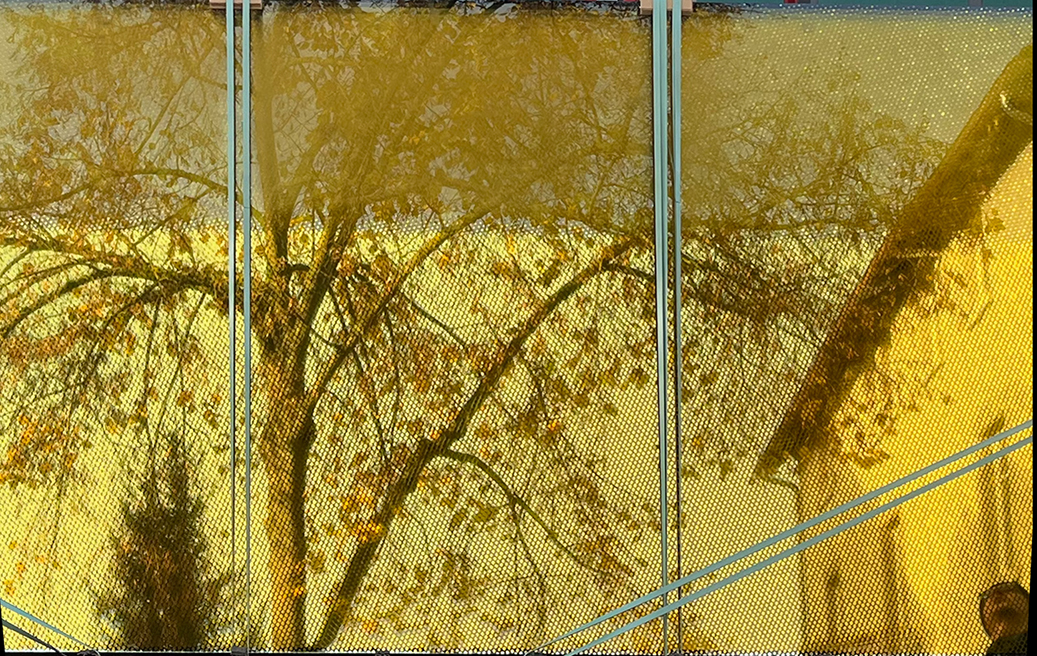
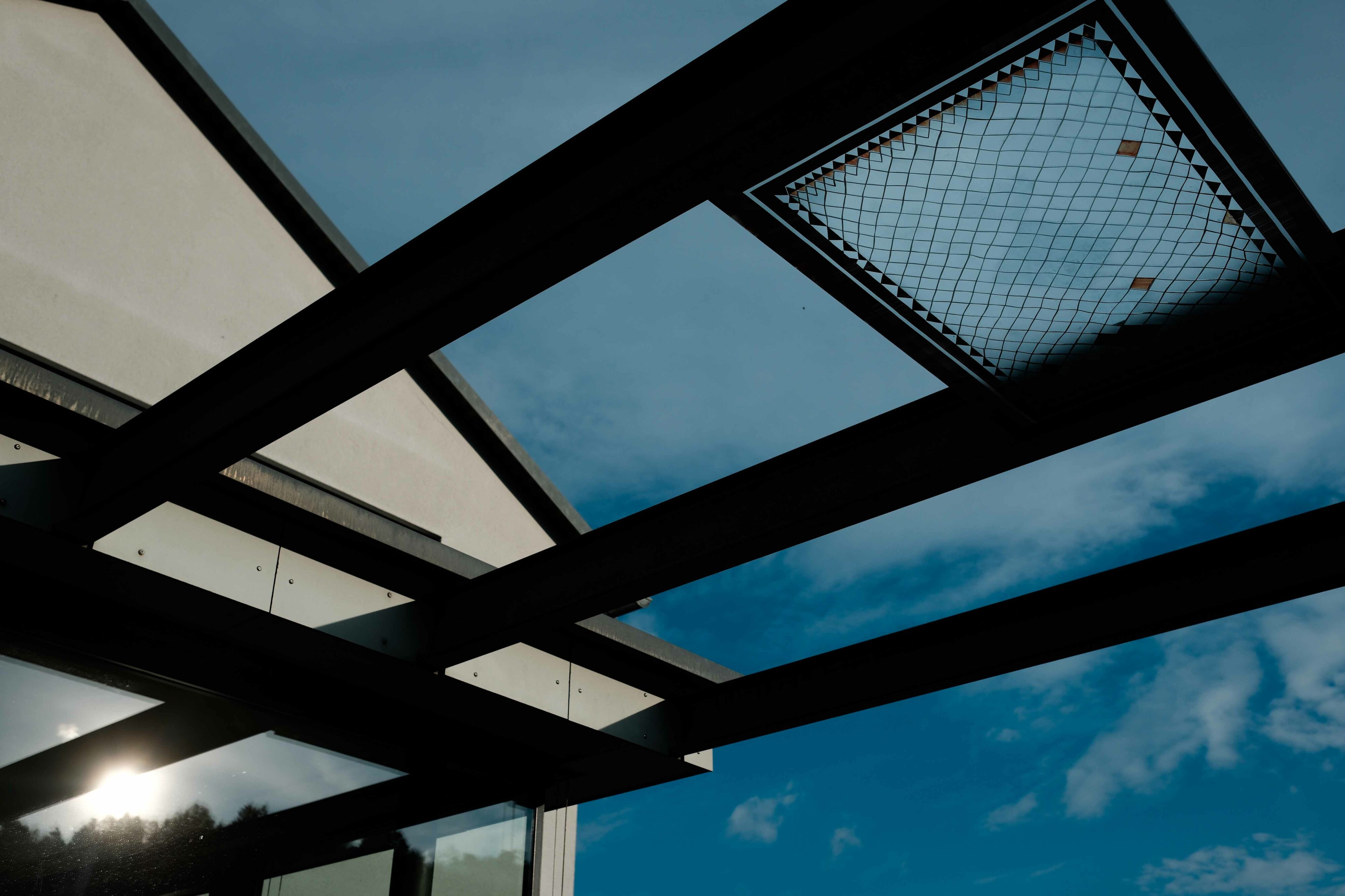
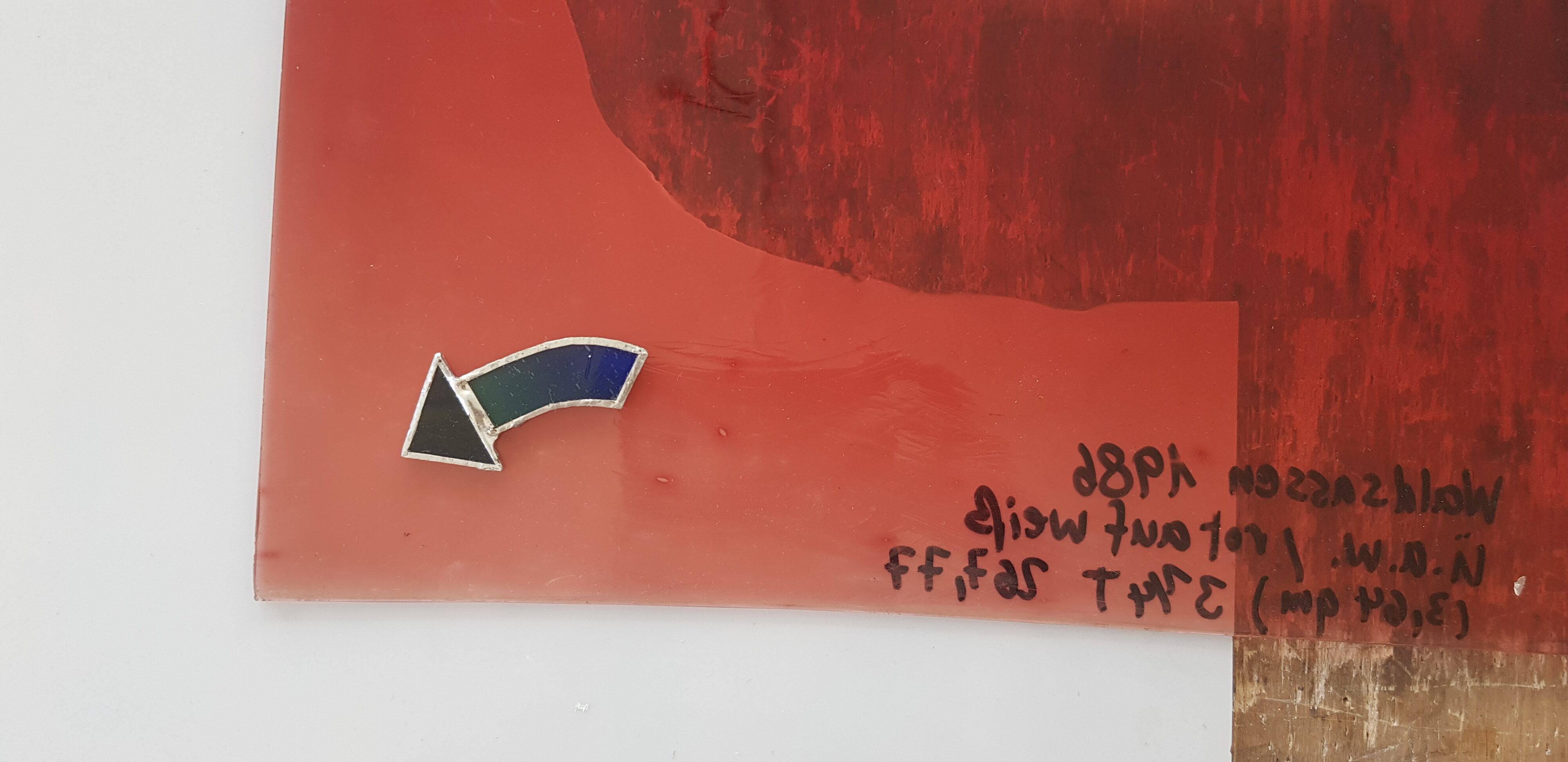
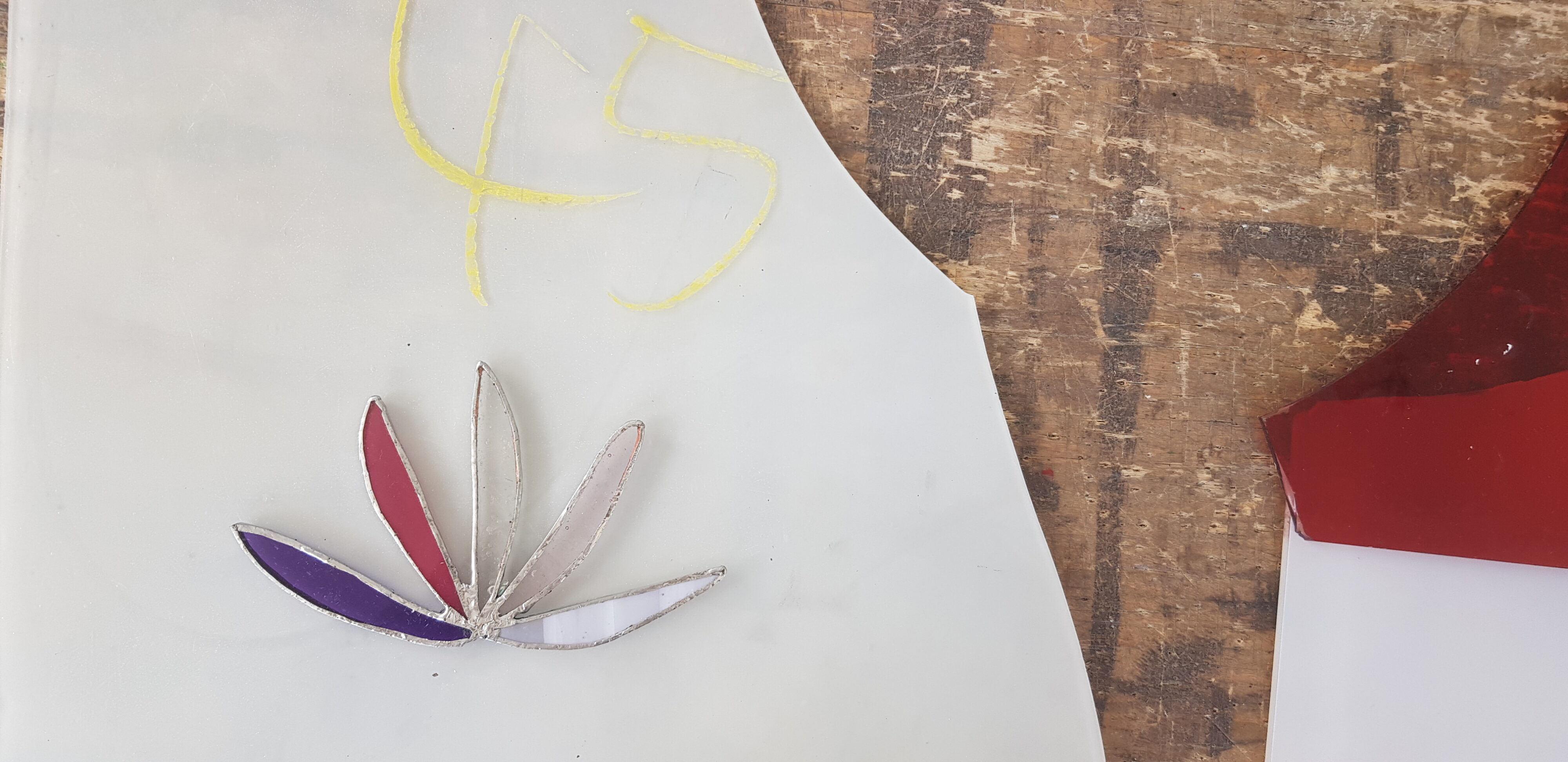
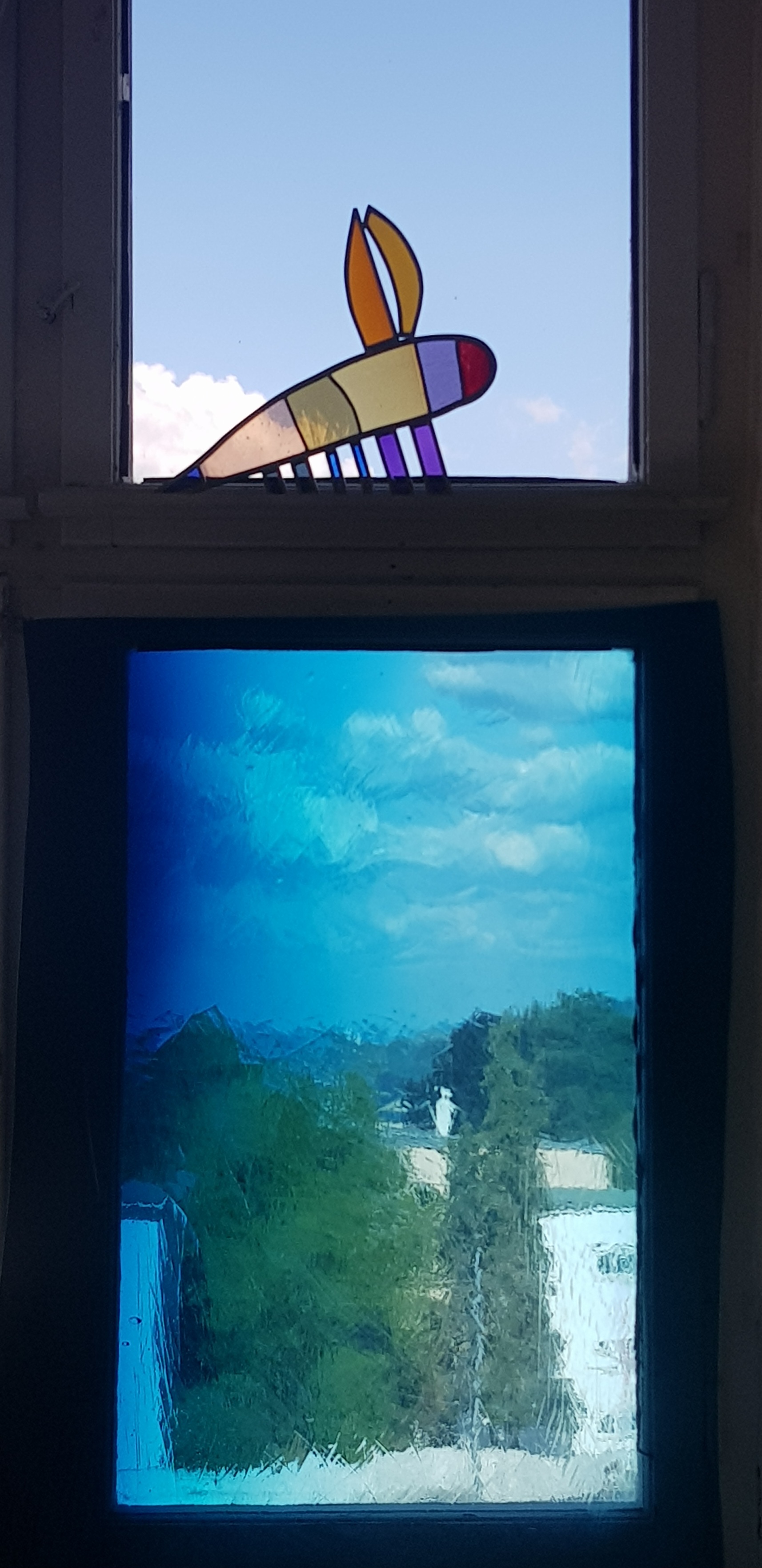
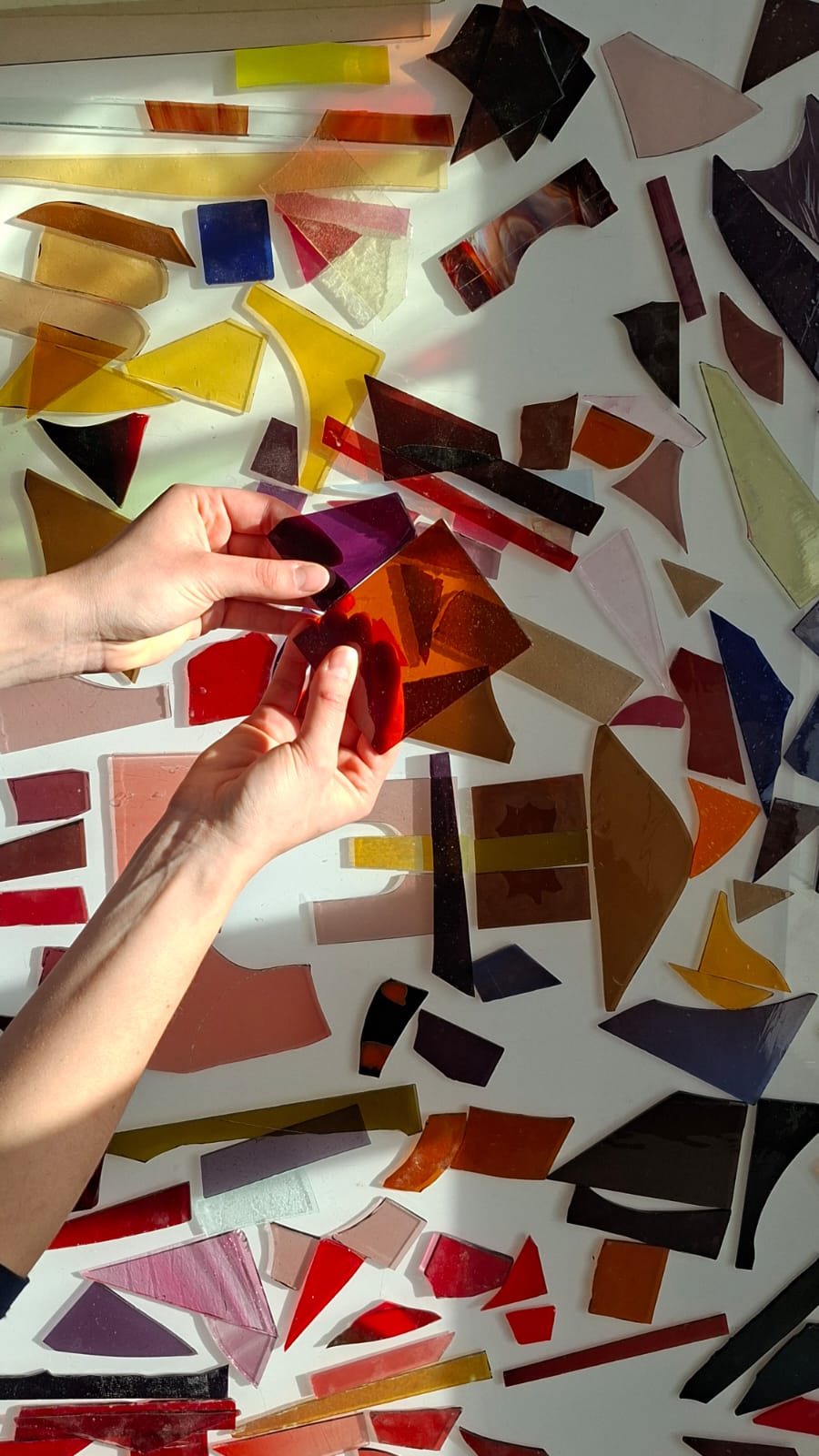
The Pop-up Glass Workshop on the 4th floor of the Künstlerhaus Stuttgart creates a temporary workspace and experimental environment for contemporary glass art. Under the guidance of artist Thora Gerstner, artists, designers, architects, and anyone interested can learn various glassworking techniques and apply them to their own projects.
In addition to courses on the Tiffany technique, leaded glass, surface finishing, and glass mosaic, the workshop offers the opportunity to work independently after an introductory session. The pop-up glass workshop is intended as a place for exchange, knowledge sharing, and collaborative production—and as a catalyst for establishing a permanently accessible glass workshop for artists in Stuttgart.
Participation & Use:
Use of the pop-up glass workshop begins with a paid introductory session led by workshop manager Thora Gerstner. In addition to beginner courses on specific techniques, a brief introduction is also available for experienced glass artists.
After successfully completing a course or workshop introduction, you may use the workshop and its equipment independently during open workshop hours, Monday through Saturday from 9 a.m. to 5 p.m.
A daily flat fee of €12 applies for independent work. Material costs will be billed separately, if applicable. Please register for the courses via Eventbrite and for independent workshop use by email at glaswerkstatt@kuenstlerhaus.de.
Membership in the Künstlerhaus Stuttgart is also required to use the workshop. Membership costs €25 per year for artists and can be purchased using the form on the Künstlerhaus website.
Program Overview:
Opening
Featuring a live demonstration by Thora Gerstner
July 31, 2026, 7:00 p.m.
Tuesday Workshop LV:
Artist Talk with Claudia Heinzler,
Director of the Glass Workshop at ABK Stuttgart
August 11, 2026, 7:00 p.m.
Tuesday Workshop LVI:
Final presentation by workshop participants
September 8, 2026, 7:00 p.m.
Course Overview:
Course 1: Tiffany Technique
August 3 & 4, 2026
August 3: 2:30–7:30 p.m. & August 4: 10:00 a.m.–4:00 p.m.
Cost: 120 euros per person
Lightness, attention to detail, and the fascination of three-dimensional art.
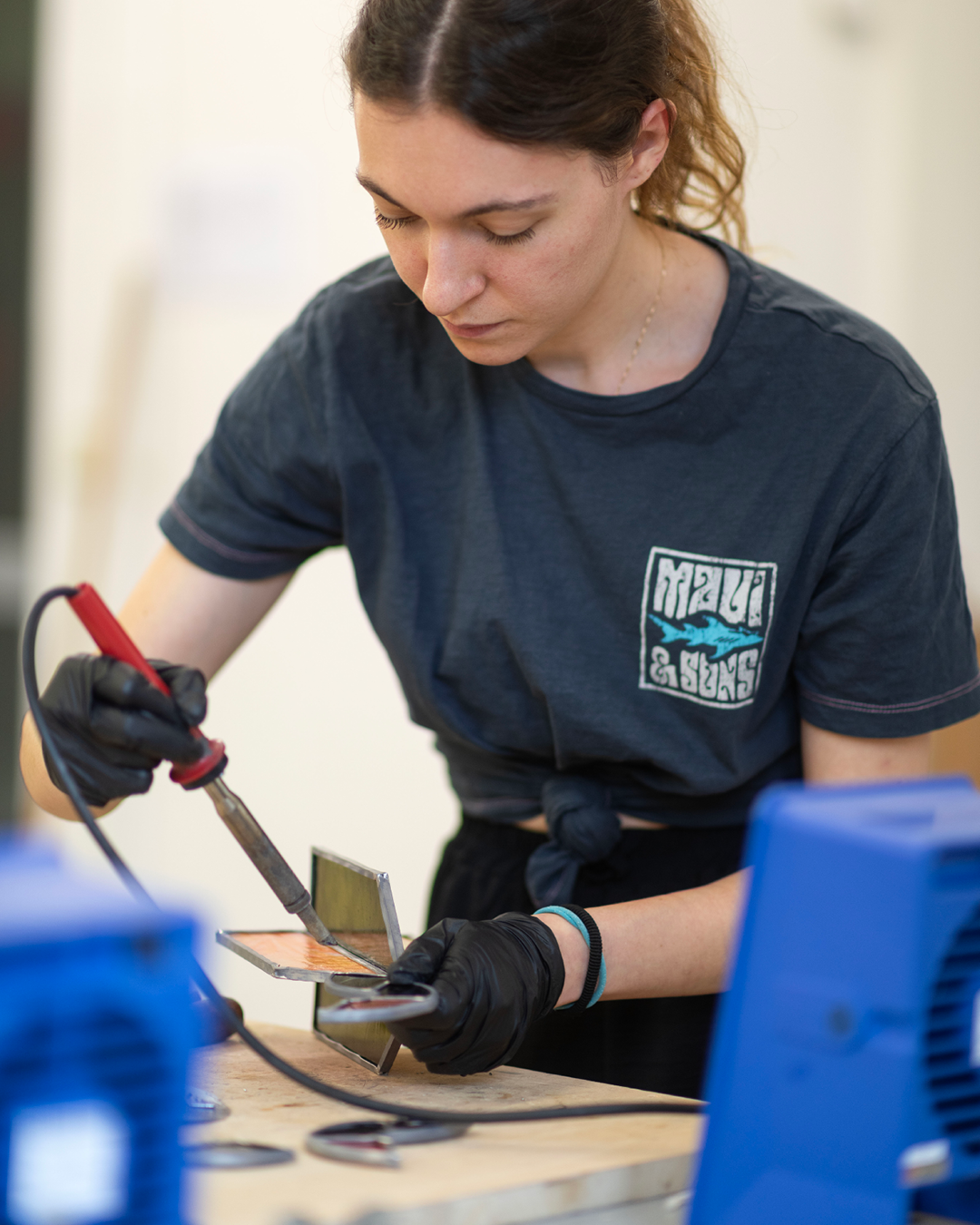
Cutting and grinding the glass serves as the foundation for further processing. Each individual piece of glass is precisely wrapped along the edges with self-adhesive copper foil. The pieces are then joined seamlessly and fully soldered together.
Since the copper foil is extremely thin, this technique allows for delicate, organic, and very intricate designs. Three-dimensional work is also possible.
Registration via Eventbrite.
Course 2: Surface Finishing
August 10 & 11, 2026
10:00 a.m.–4:00 p.m. each day
Cost: 120 euros per person
Reflection, Light, and Texture.
In this course, the glass generally remains intact in its basic form but is altered chemically and mechanically:
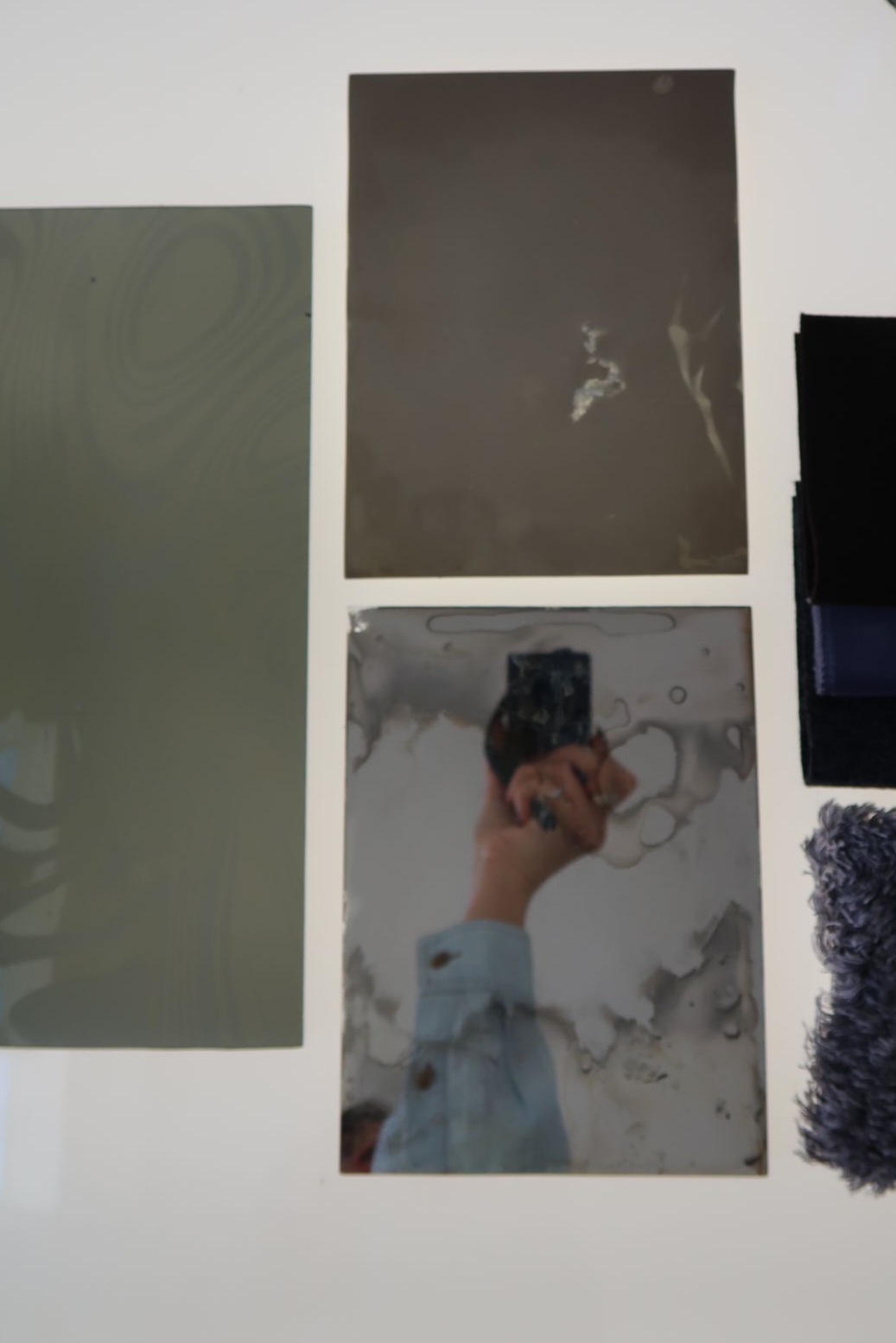
- Mirroring: Chemical coating of glass surfaces to create reflective effects.
- Filming: Application of special films (e.g., dichroic films, opaque or colored films).
- Engraving: Mechanical removal of the glass surface using diamond grinding bits (Dremel) or sandblasting to create matte textures.
Lettering, fine illustrations, or abstract patterns can be engraved or sandblasted into the glass. Combining these techniques with mirror coating or film application creates fascinating depth effects and interplay between transparency and reflection.
Registration via Eventbrite.
Course 3: Lead Glasswork
August 17 & 18, 2026
10:00 a.m.–4:00 p.m. each day
Cost: 120 euros per person
Artistic Potential
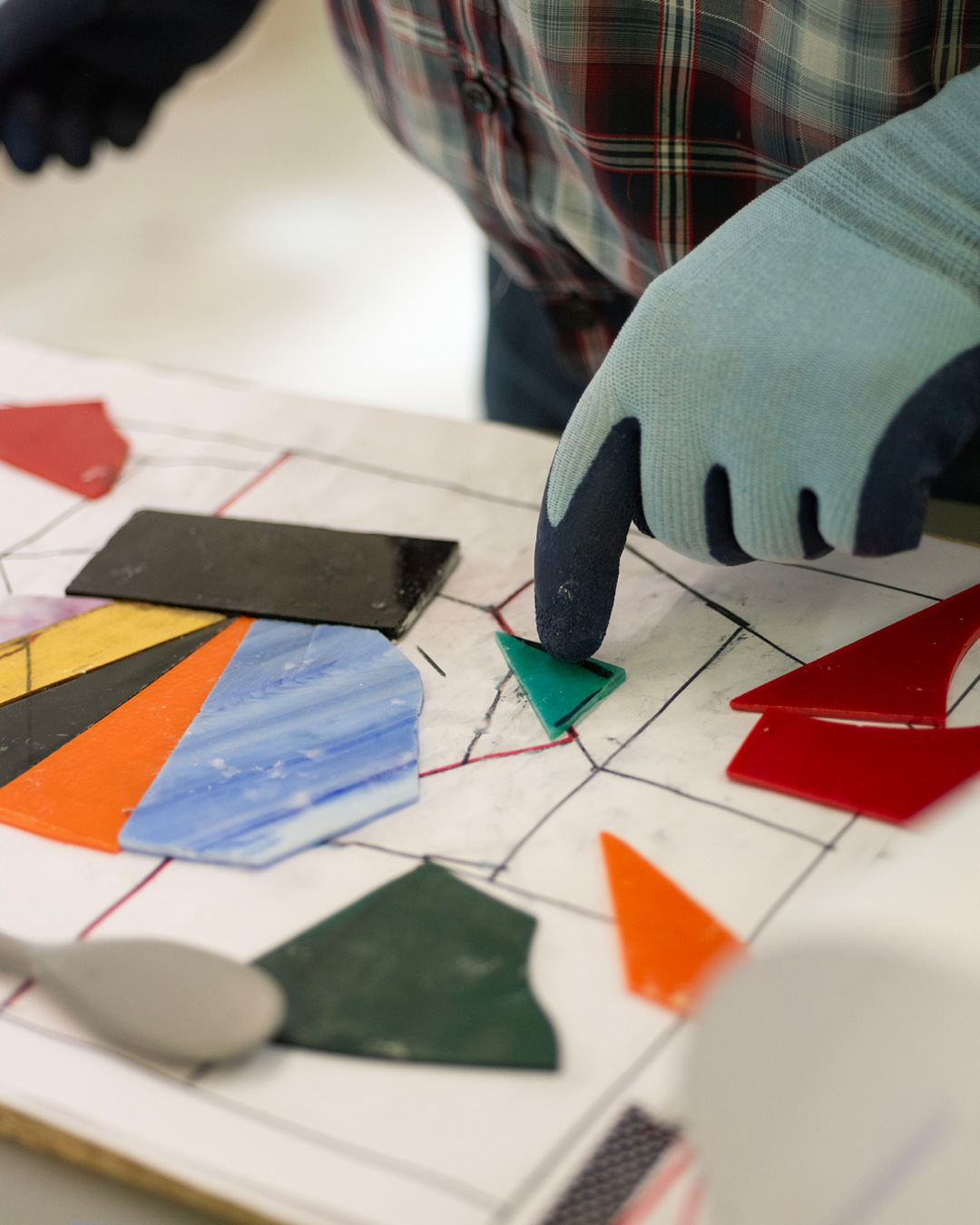
Participants will learn how to cut and break colored flat glass. The unique features of this course include cutting, bending, and straightening lead rods; assembling the glass pieces within the lead mesh; and finally soldering the intersections with a soldering iron, as well as the optional application of putty for stabilization.
The focus here is on clear, primarily graphic or geometric structures. The lead rod is not merely a means to an end, but a dominant, creative element: as a contour line, an internal graphic element, or a sharp edge.
Registration via Eventbrite.
Course 4: Glass Mosaic
August 24 & 25, 2026
10:00 a.m.–4:00 p.m. each day
Cost: 120 euros per person
Playful Upcycling
This course focuses not only on precise cutting, but also on breaking and crushing colorful glass scraps—such as genuine antique glass, patterned glass, or even simple float glass—using mosaic nippers. The shards and pieces are glued onto a backing surface and arranged.
The course offers the lowest barrier to entry with maximum creative freedom. Participants can work completely freely, in a painterly style, or using stencils. Since no soldering is required, this technique is also suitable for children.
Registration via Eventbrite.
General Workshop Introduction
By appointment
Duration: 1.5 hours
Cost: 25 euros per person
Get to know the workshop and work independently.
The workshop introduction is intended for people with prior experience in glassworking or related workshop areas. It covers specific work procedures, safety standards, rules of use, and how to handle the tools and machines available at the Künstlerhaus. Participants will receive an overview of the available work options and can ask questions about their own projects. The introduction is a prerequisite for subsequently using the pop-up glass workshop independently during open workshop hours.
Please register by email at glaswerkstatt@kuenstlerhaus.de.
A series of events organized by the Künstlerhaus Stuttgart in collaboration with artist Thora Gerstner, made possible with the kind support of the City of Stuttgart.
Workshop Manager: Thora Gerstner
Project Director: Juliane Gebhardt
Project Assistant: Christine Klik
Design: Maryna Zevako

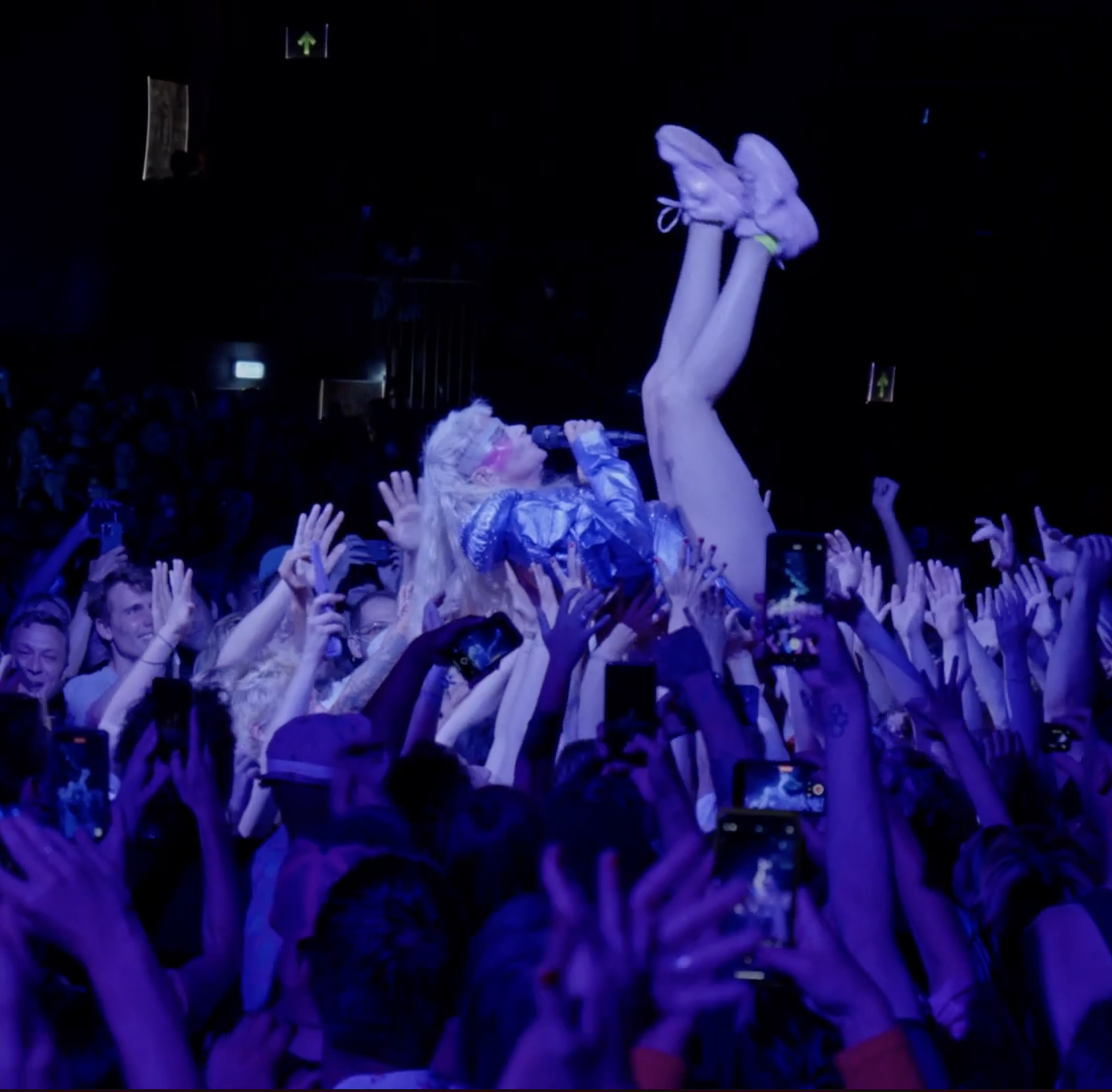
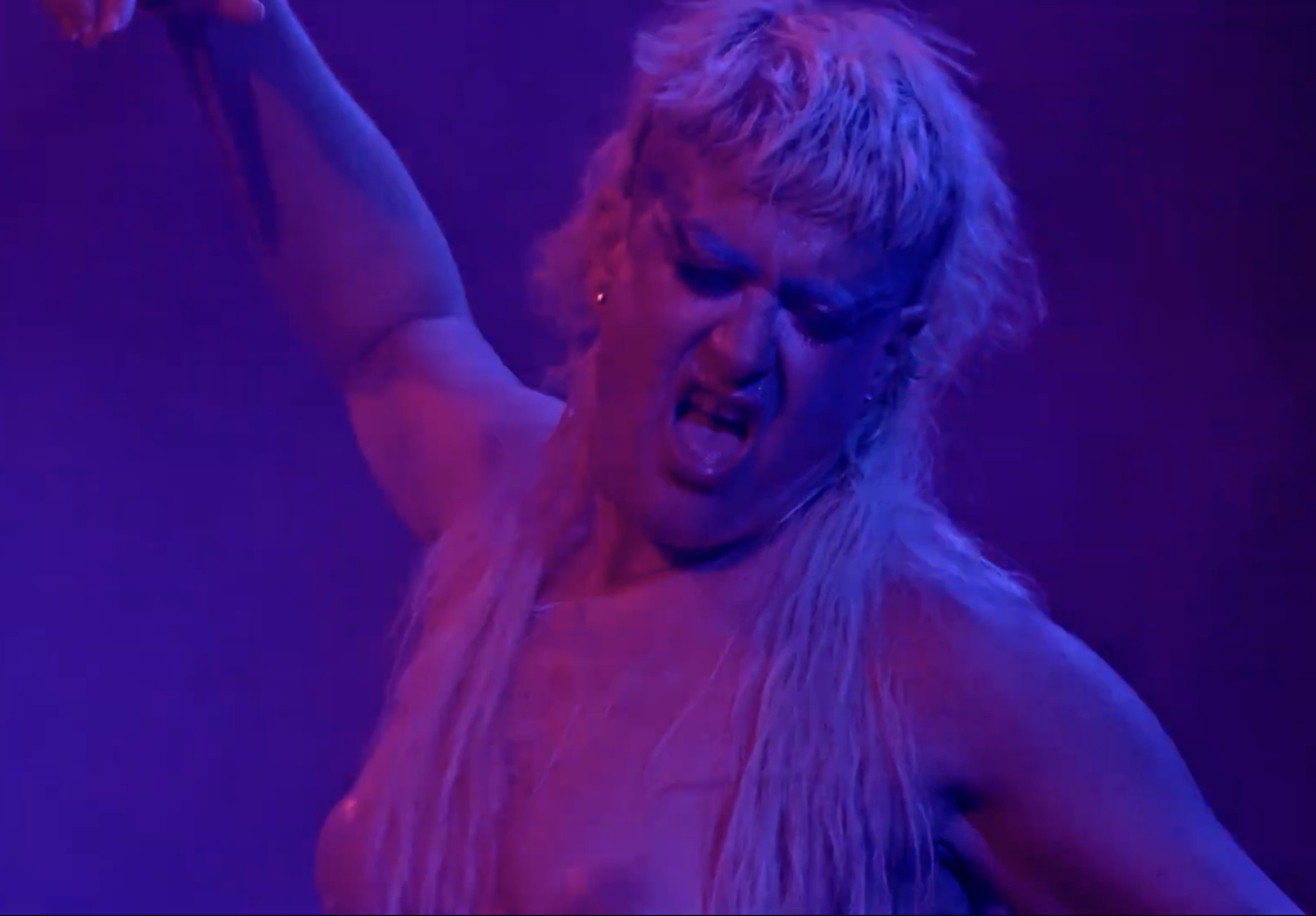
As part of our CSD programme, we invite you to a film night at the Künstlerhaus. We will be screening *Teaches of Peaches*, the acclaimed documentary about the musician, performer and icon Peaches. The film follows her on her anniversary tour and traces her journey as an artist who has shaped generations through radical self-determination, a feminist stance and queer visibility.
Following the screening, the artist Lena Meinhardt (she/her) will speak with the queer activist Ida Liliom (she/they) about the themes of the film, queer activism, visibility and the importance of community; as well as riots, punk and why queer protests don’t have to be polite. We would also like to explicitly involve the audience in the conversation and create space for exchange, questions and discussion.
The event is part of our CSD programme and is intended to serve as a collective warm-up for Christopher Street Day, which takes place on Saturday that same week. At a time when queer rights still need to be defended and fought for, we want to come together, learn from one another and network ahead of the coming days.
About the initiative
Once again this year, the Akademie Schloss Solitude, the Künstlerhaus Stuttgart, the Kunstverein Wagenhalle, the Theater RAMPE and the Württembergische Kunstverein are joining forces at Stuttgart’s CSD to stand up for queer rights, solidarity and social diversity as cultural institutions. For the first time, the Merlin Cultural Centre and Kunstraum 34 are also joining the initiative.
As we did last year, we are organising a joint programme of events, including talks and open craft and screen-printing workshops to help prepare for the parade.
The CSD march will take place on 25 July 2026.
If you’d like to join us on the streets or have any questions about the initiative, please feel free to email us at: csd@kuenstlerhaus.de
We look forward to seeing you there!
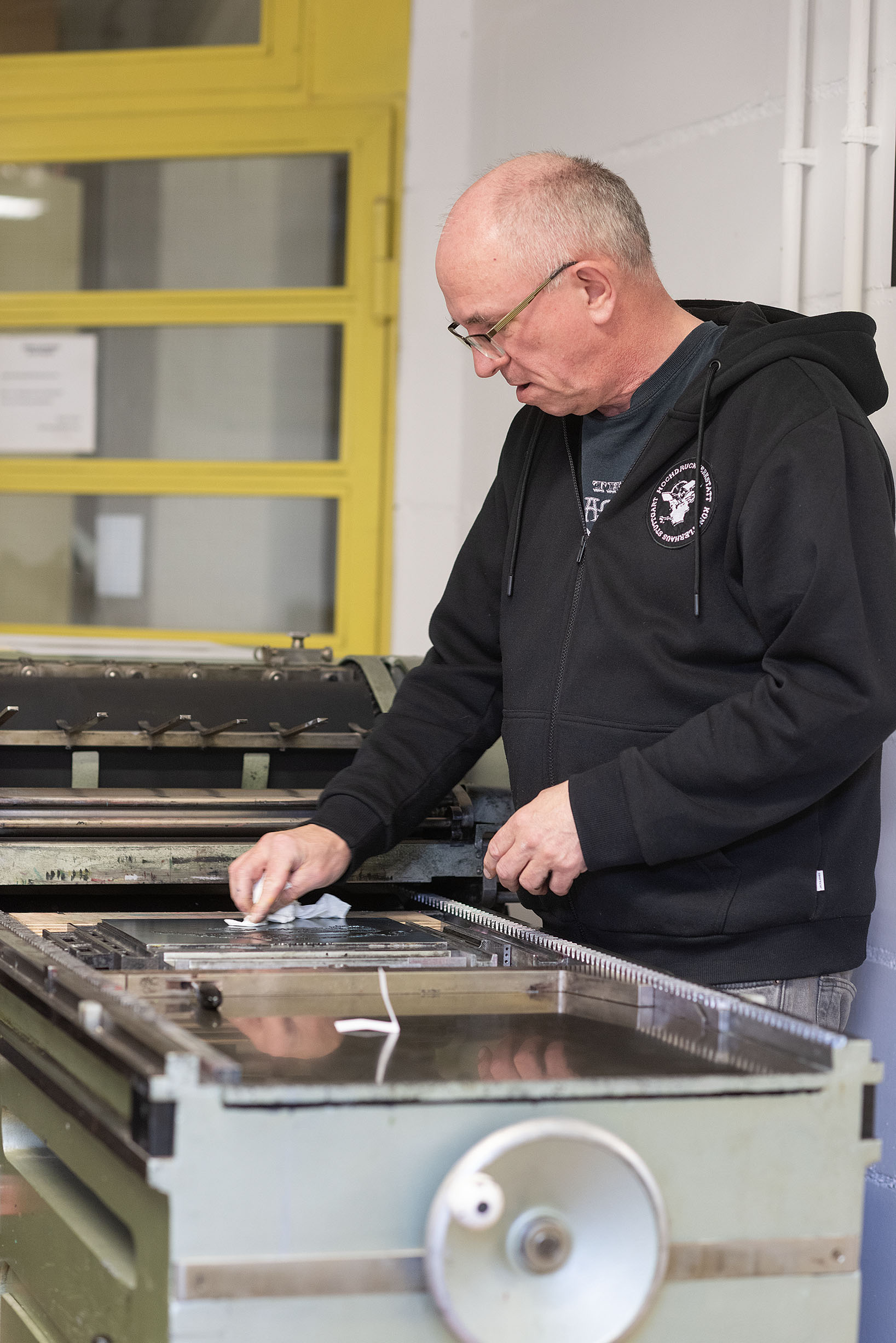
We are delighted that Thomas Neumann took over as Head of the Letterpress Workshop at the Künstlerhaus Stuttgart in January. After the workshop had been vacant since 2022, he has, over the past few months, got the printing presses up and running again, and has checked, organised and expanded the extensive collection of lead and wood type.
The letterpress workshop invites you to immerse yourself in the time-honoured world of book printing: with movable type, linocut and woodcut – printing techniques that have been used and refined for centuries. The equipment includes, amongst other things, a Korrex printing press in A2+ format, a Boston platen press in A4 format and a pull-off press in A3 format.
Following a paid introductory session led by the workshop manager, members of the Künstlerhaus may use the workshop independently. The usage fee is 12 euros per day.
In addition, Thomas Neumann regularly offers courses – ranging from introductory sessions to courses combining letterpress printing and photography, right through to mokuhanga, the Japanese form of letterpress printing without a press.
Further information about the workshop, the introductory session and the current courses can be found on our website.
Courses can be booked by emailing hochdruck@kuenstlerhaus.de.
We are delighted that the relief printing workshop is open again and extend a warm welcome to Thomas at the Künstlerhaus!
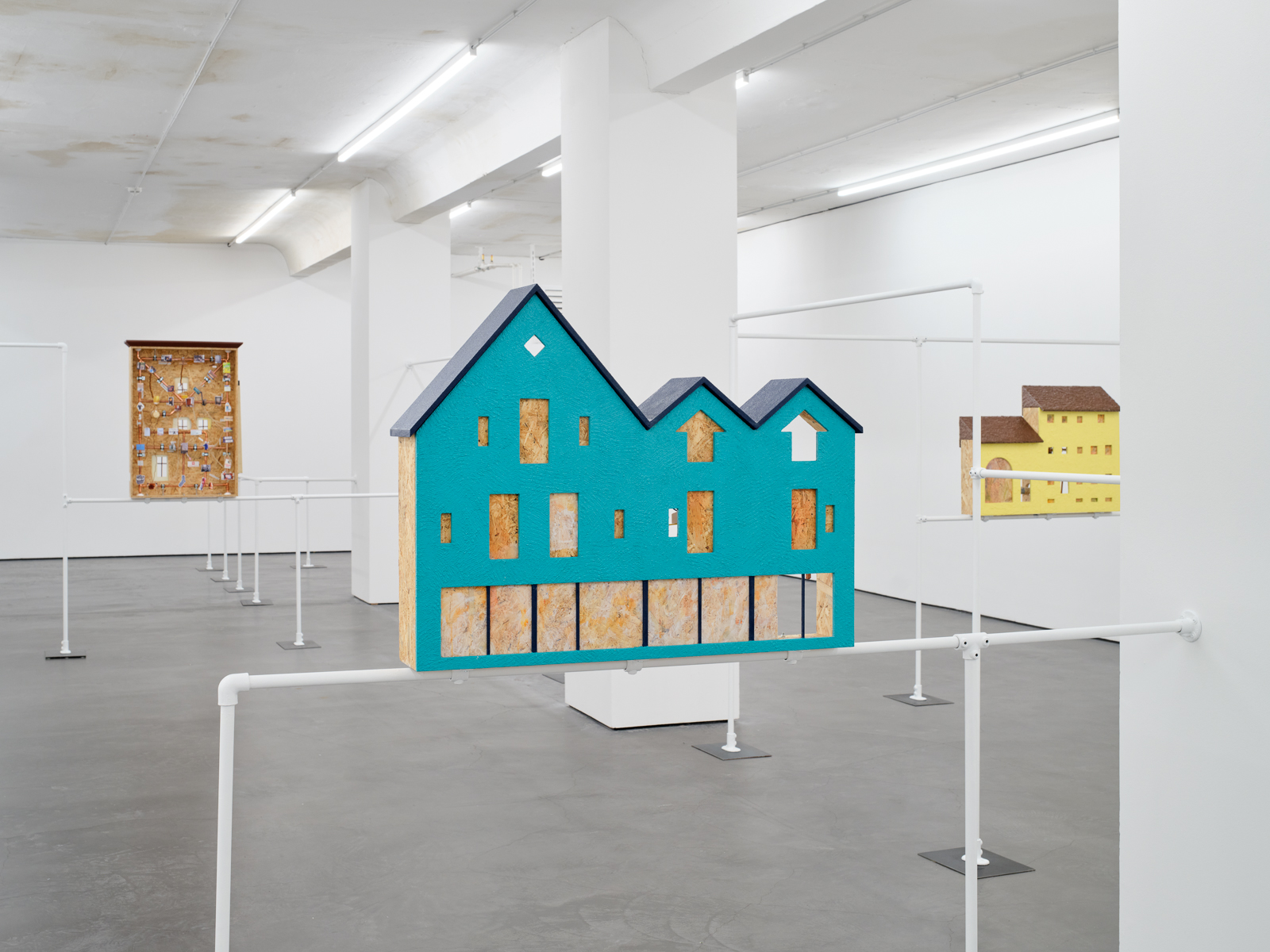
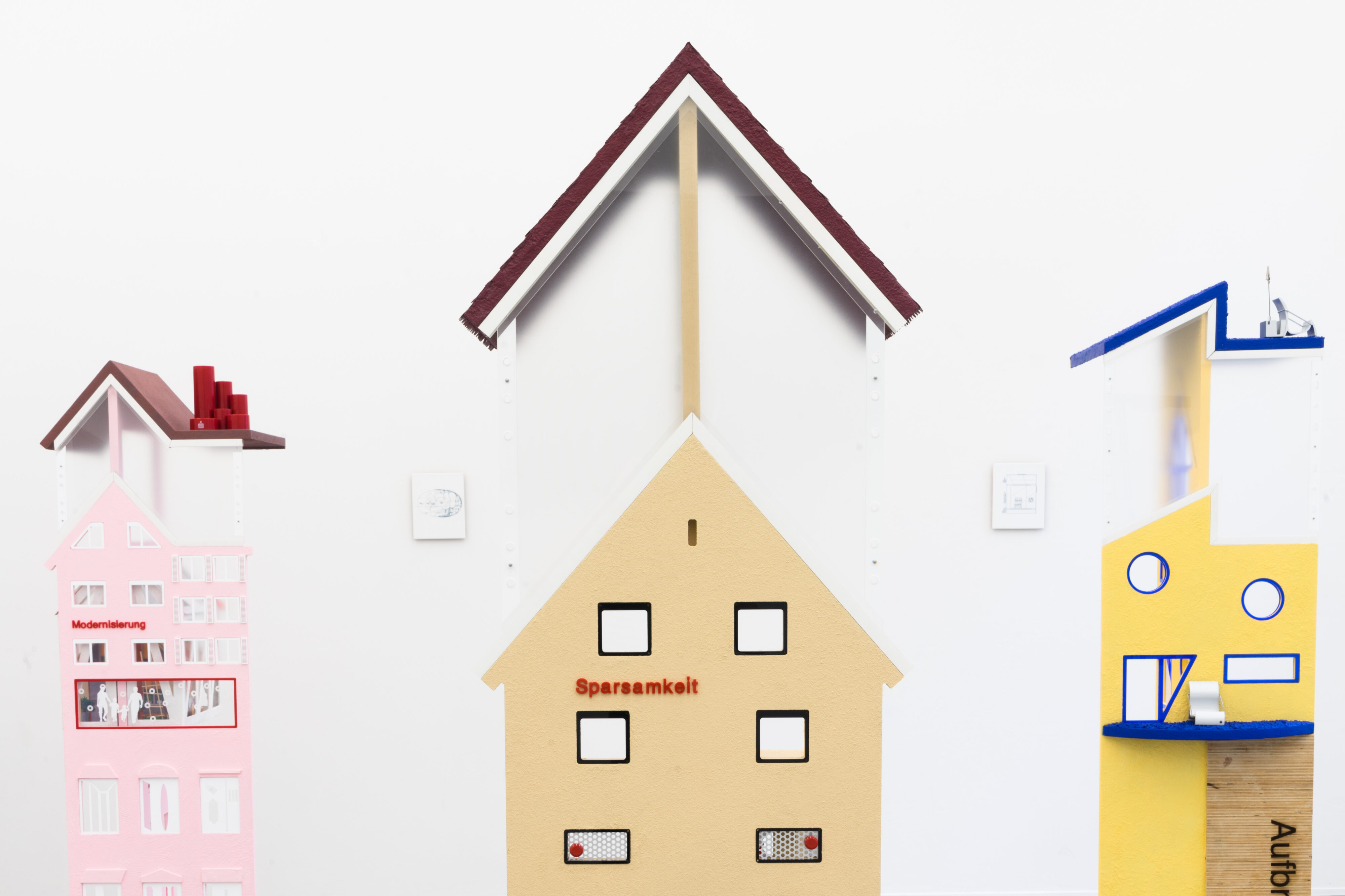
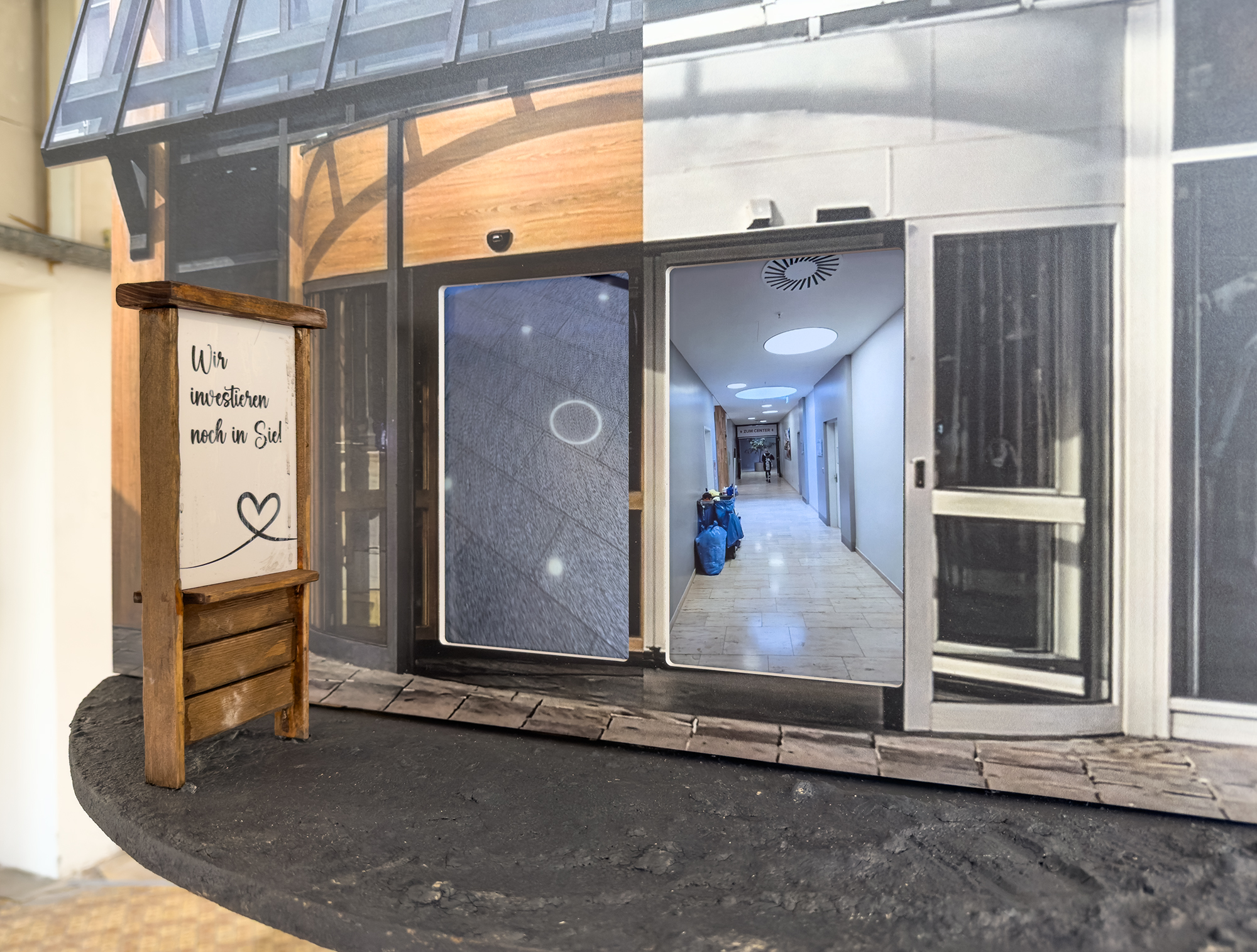
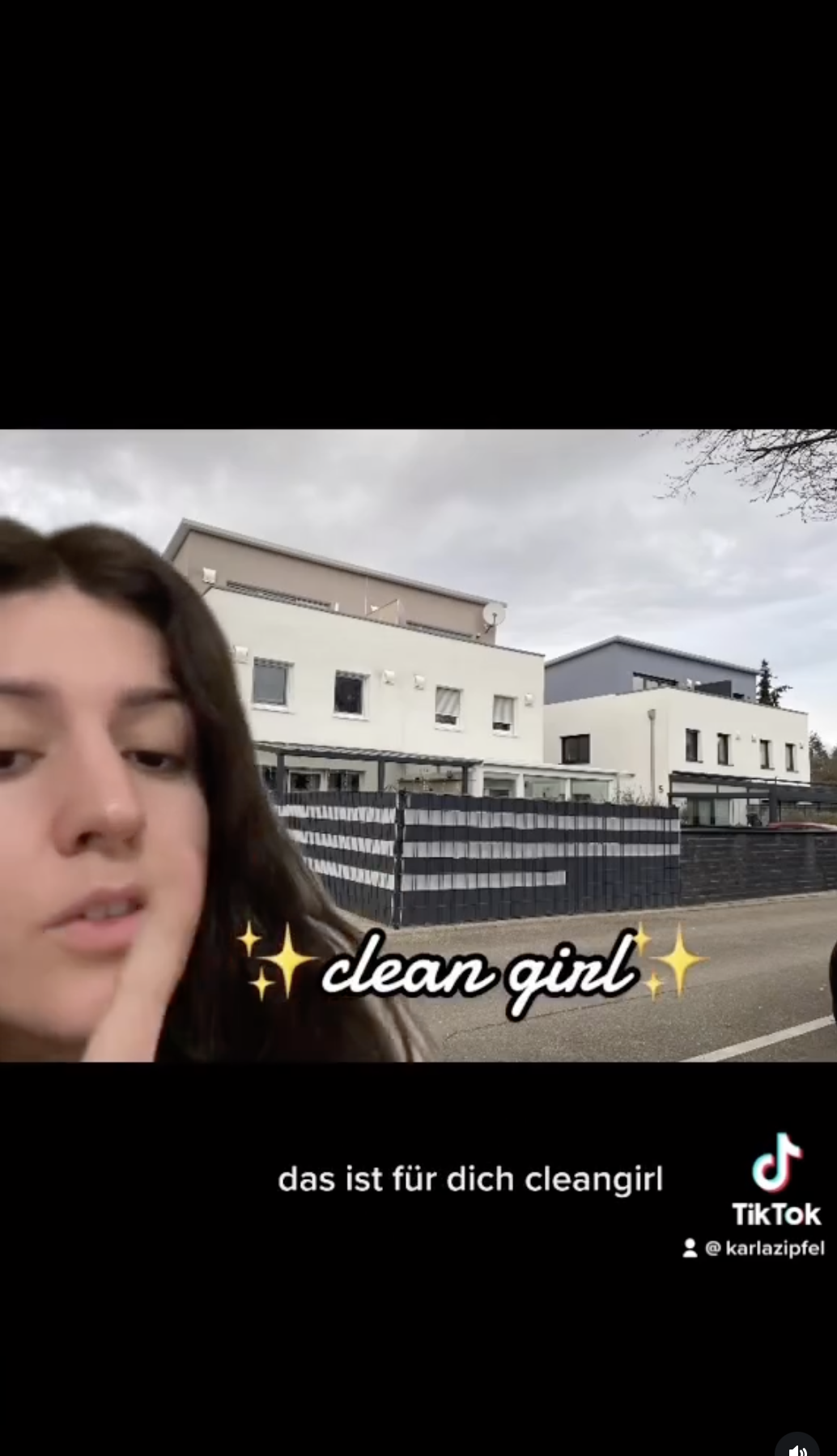
Savings banks, prefabricated houses, shopping centres – Karla Zipfel’s works examine the architectural promises of prosperity from past decades and their numerous modernisations. Her work explores: collective and individual design patterns of detached houses, the narrative of the ‘Bausparfuchs’ (a character from a building society advert), the emotional qualities of different heating systems, and creative approaches to potential landlords. As well as sculptures and installations, Karla Zipfel also uses social media to publish short videos that focus on buildings and places outside the architectural canon.
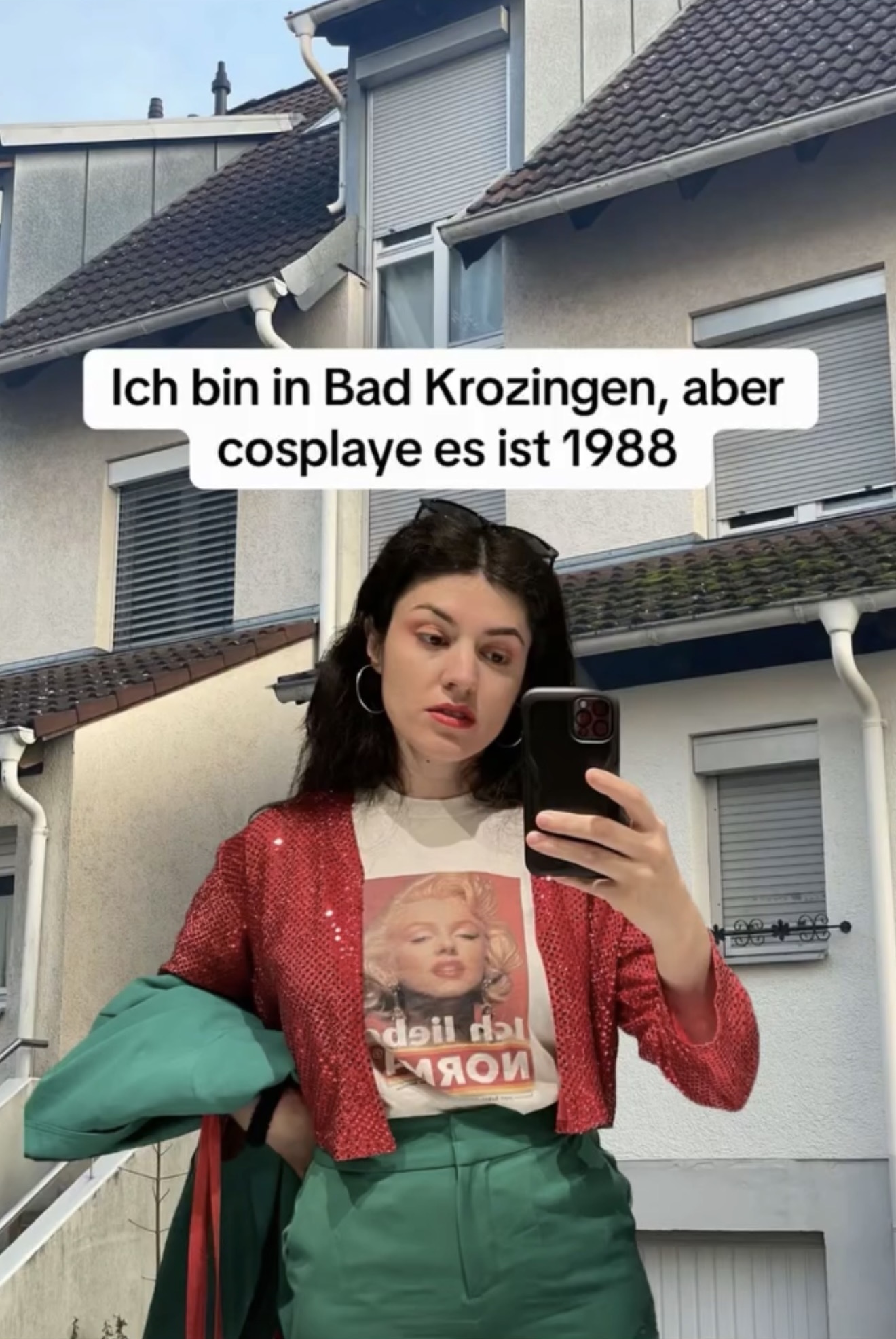
In an artist talk, she presents works from recent years and takes us on a virtual tour through her Reels tab.
Learn more about the artist Karla Zipfel here.
Tuesday-Workshop
The Künstlerhaus invites an artist or a collective—meaning any artists or cultural workers from any field or discipline—to talk about their working methods as well as their backgrounds and approaches. We want to establish a platform for a more in-depth interaction with regard to artistic practice, and in doing so to create a network, show solidarity, and mutually strengthen one other.
The series is aimed at all members of Künstlerhaus Stuttgart, artists either living in Stuttgart and the surrounding area or just traveling through, all cultural workers, art mediators, curators, etc., and is open to everyone!
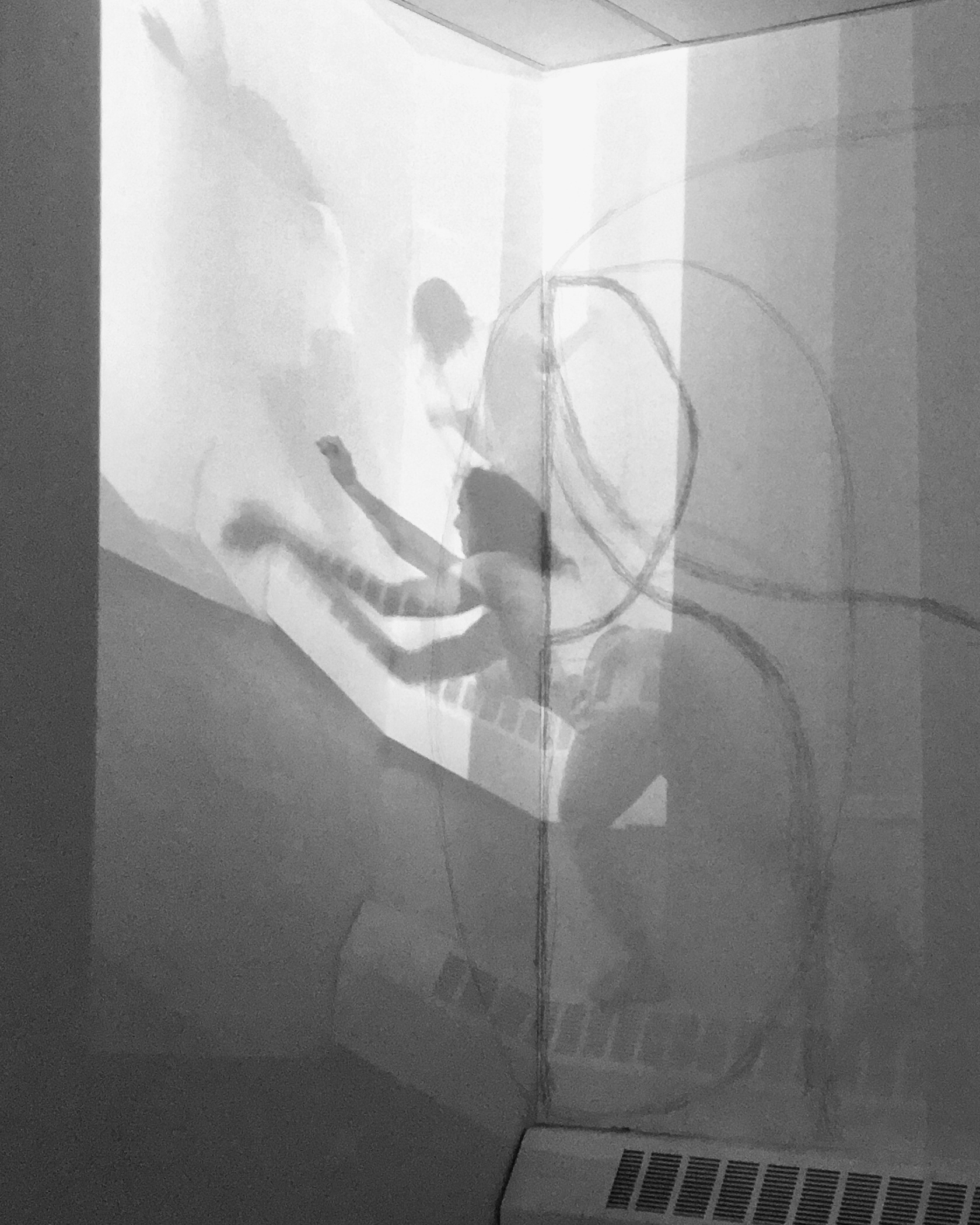
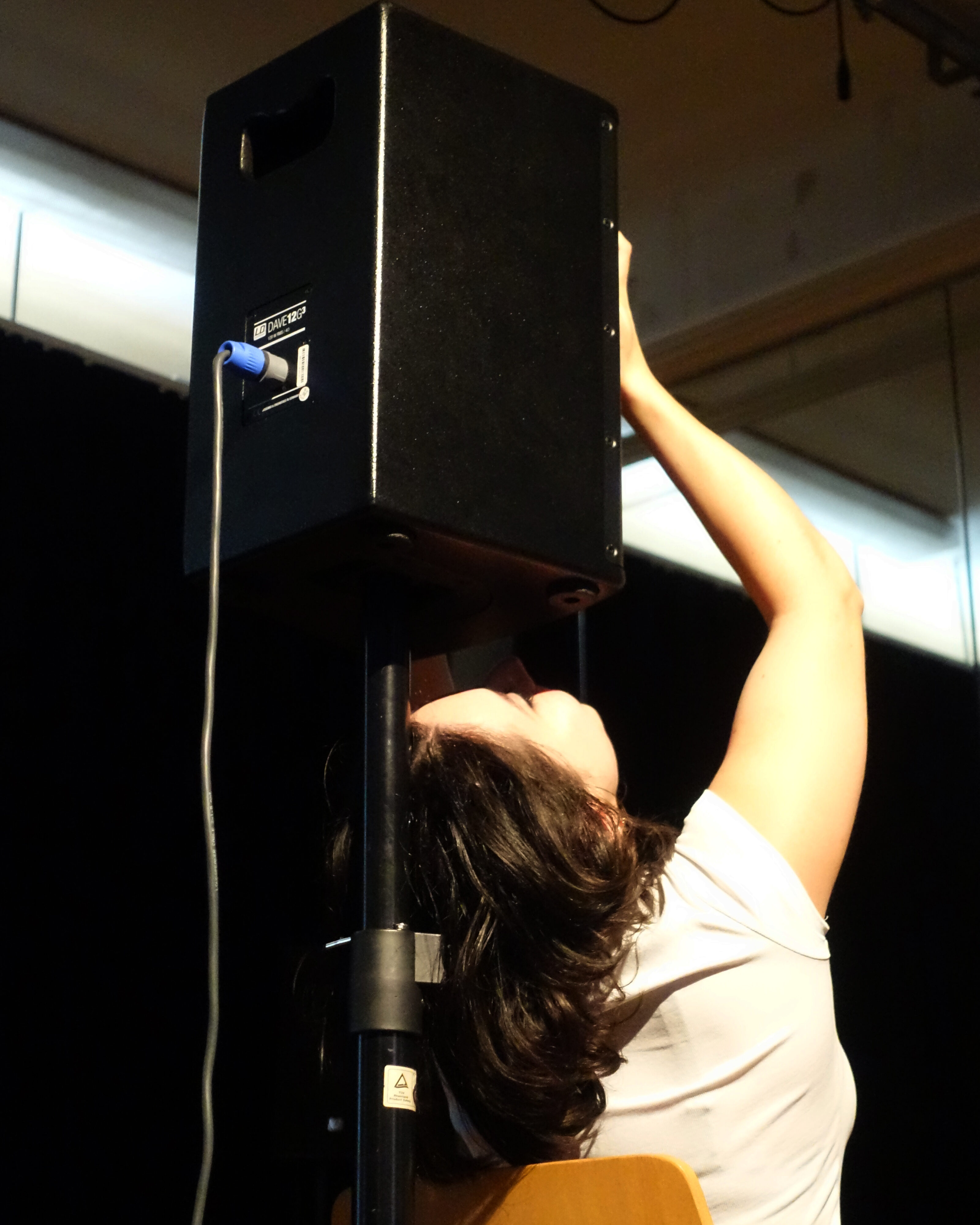
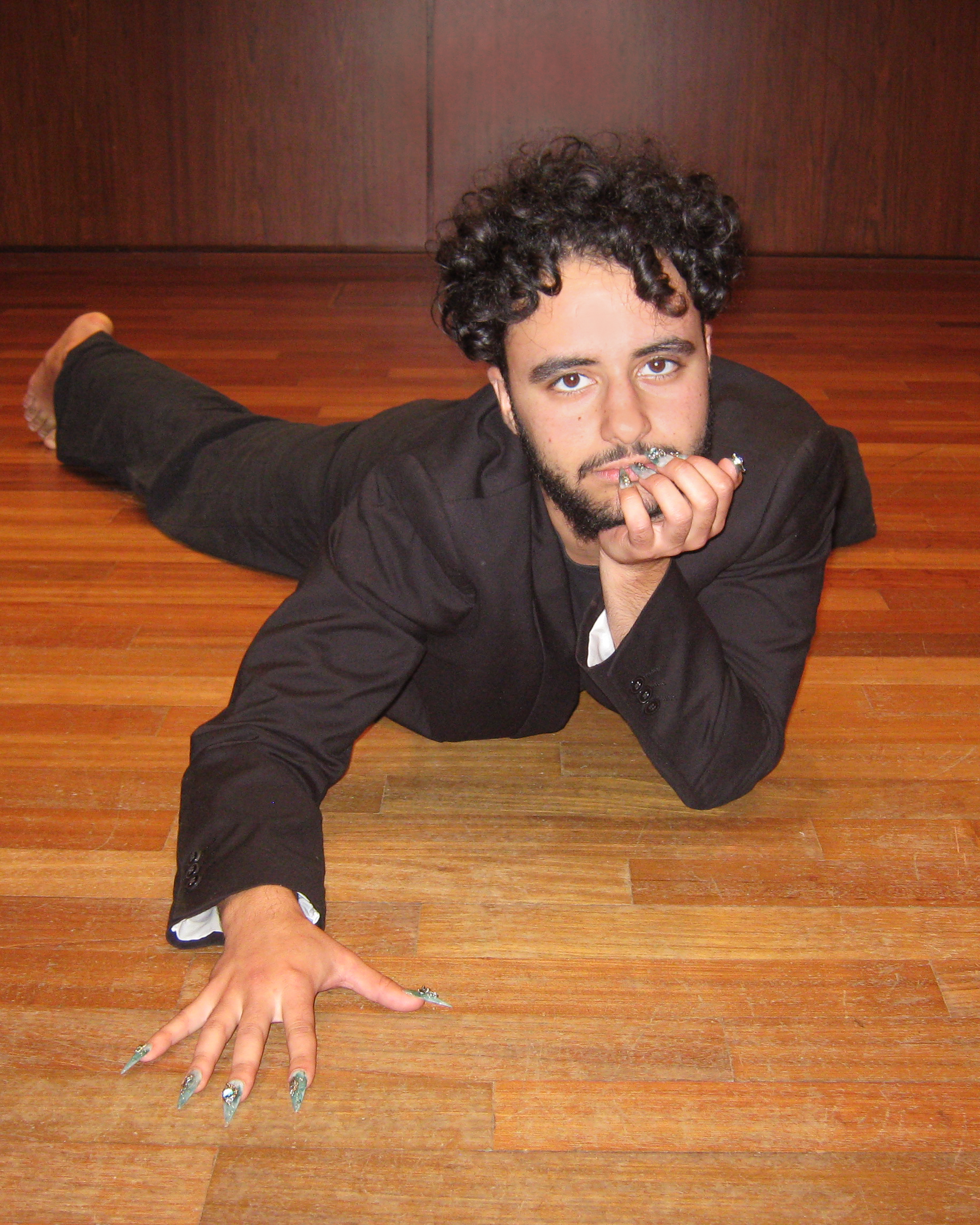
Translation in a global world is not only literary but also profoundly performative, embedded in how ideas and gestures, sounds and voices transform and move.’
-Avishek Ganguly and Kélina Gotman in the introduction of Performance and Translation in a Global Age
TRANSLATION // PERFORMANCE takes a wide view of translation as a starting point for an ongoing process of communal inquiry into language and into experiments in performance, poetry, choreography, and other time- and language-based practices.
This second meeting will circle around the voice, and the material conditions for sound.
Performers:
Laïs Gruau with “Birth Through Spit”
Almar Martinez Londono with “Flotando”
This gathering aims to take the expansive field of translation theory as a starting point to examine performative practices in our current time.
Each gathering will begin with the collective reading of a text which touches on translation in some way. It could be an excerpt from a research paper, a poem, art criticism, a recording, a video. There will be a moment to share immediate thoughts or impressions, leading into a short tea break.
In the next part, two performances will be shown. These may be work-in-progress or finished pieces, they may be shown as fragments or in their whole form.
Following the two performances everyone, performers, guests, the audience, and the facilitator(s) gather to discuss all the input that has accumulated over the evening. This is a chance to share in depth about the impressions the performances made, as well as thoughts the readings may have sparked, and to connect the dots and levels between thoughts on translation and embodied practices.
Gatherings will happen roughly every two months.
Join us for the second session on July 12th on the studio floor at 17h. All are welcome.
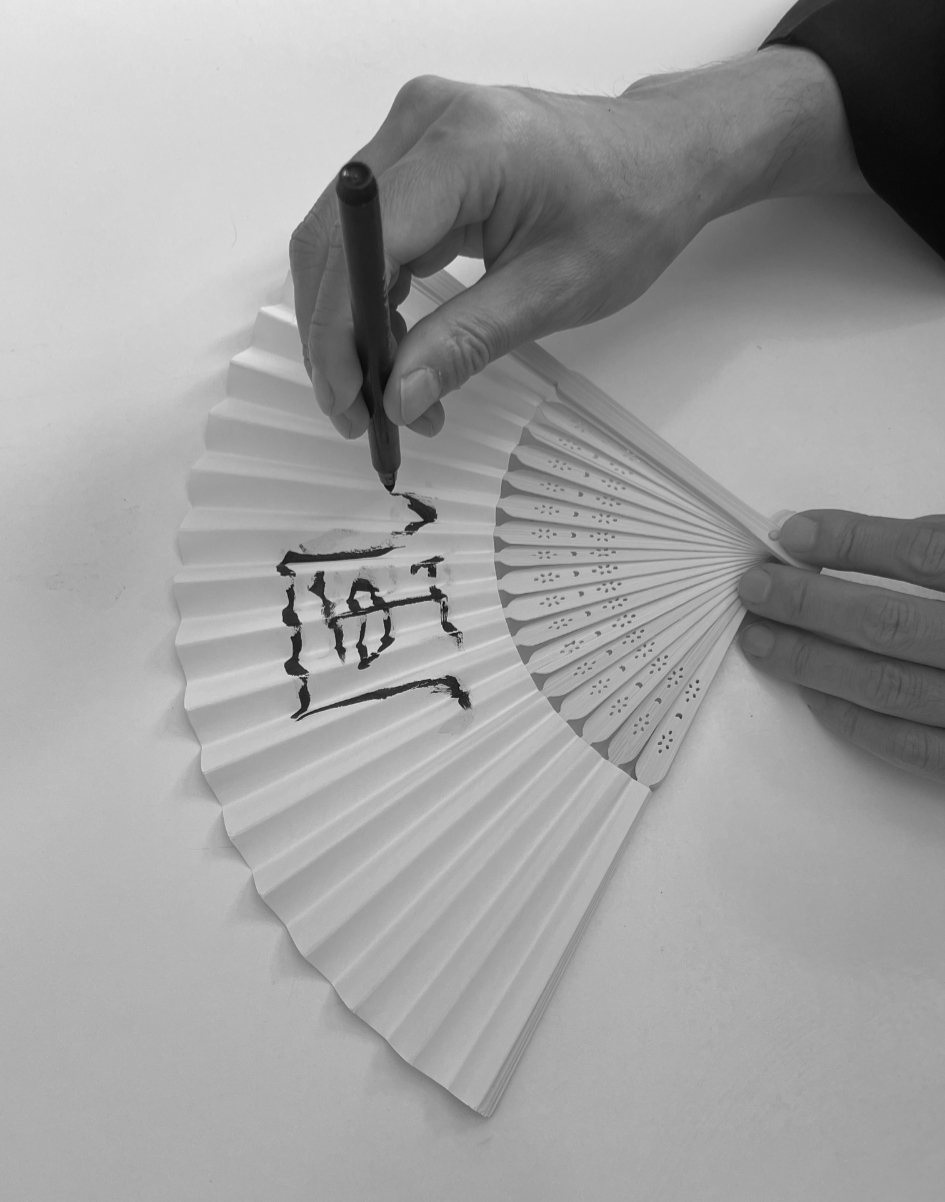
Shodō (Japanese: 書道, literally ‘the way of writing’) is the Japanese art of calligraphy, which is based on the Chinese tradition of writing and has developed over the centuries into a distinct form of expression. Calligraphy is a traditional art form that remains vibrant and relevant in China and Japan to this day.
This workshop offers an insight into East Asian philosophy and aesthetics through the brush art of calligraphy. Shodō is taught not only as the art of writing, but also as a practice of concentration, body awareness and the conscious use of space and emptiness – central aspects of East Asian thought and aesthetic experience.
At the start of the workshop, the origins of Chinese characters and their systematic principles will be introduced. Participants will then have the opportunity to choose and write a word or character themselves. Basic techniques will be practised on various types of paper, whilst exploring the concepts of balance and white space – two central elements of East Asian aesthetics.
To conclude, each participant will create their own calligraphic piece on a fan. This can serve as a personal keepsake or as a gift for friends and family.
No prior knowledge is required.
Please register by emailing mail@einankaku.com.
The number of participants is limited to a maximum of 20 people.
08.07.2026, 17 Uhr
15.07.2026, 17 Uhr
22.07.2026, 17 Uhr
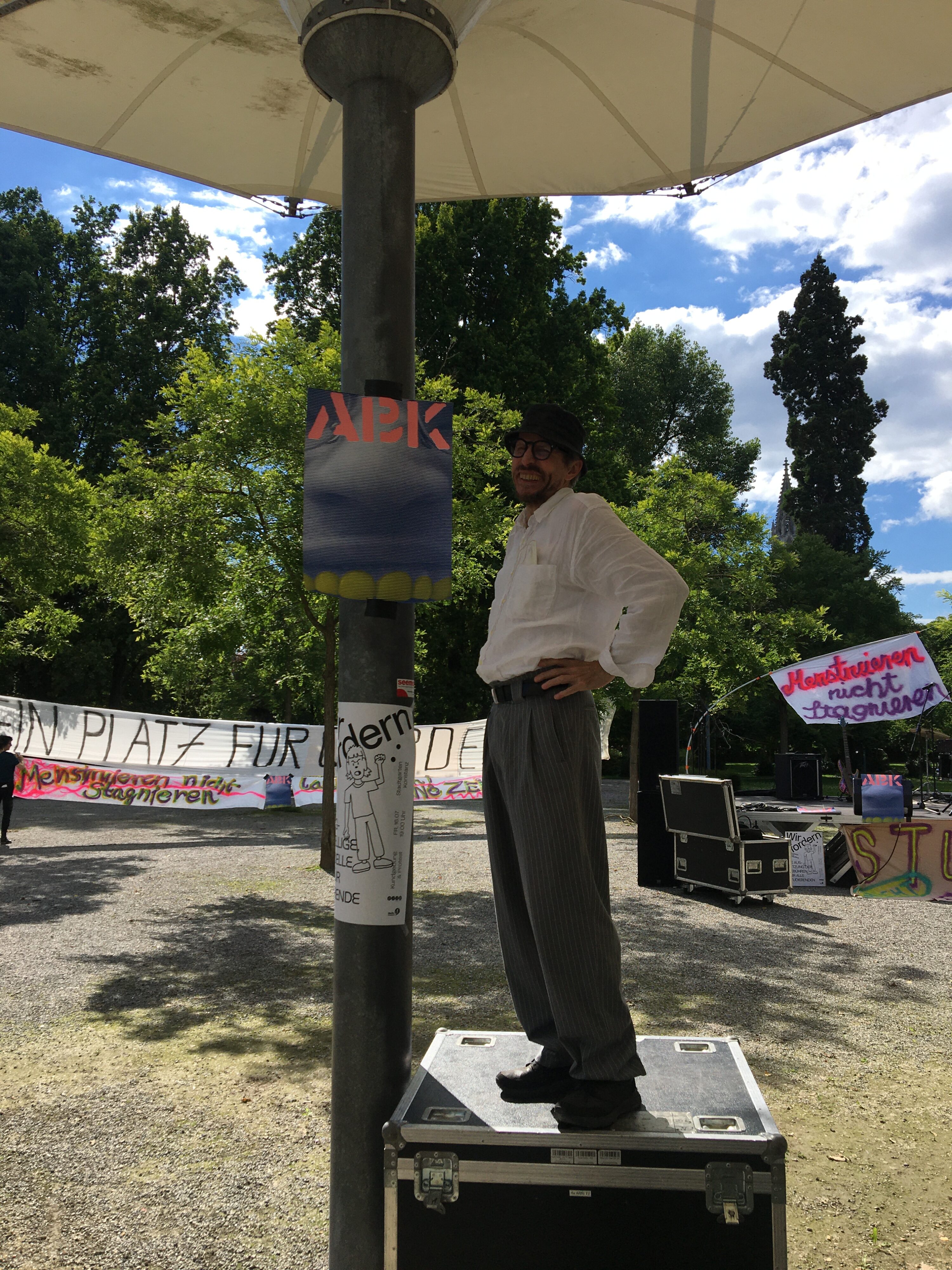
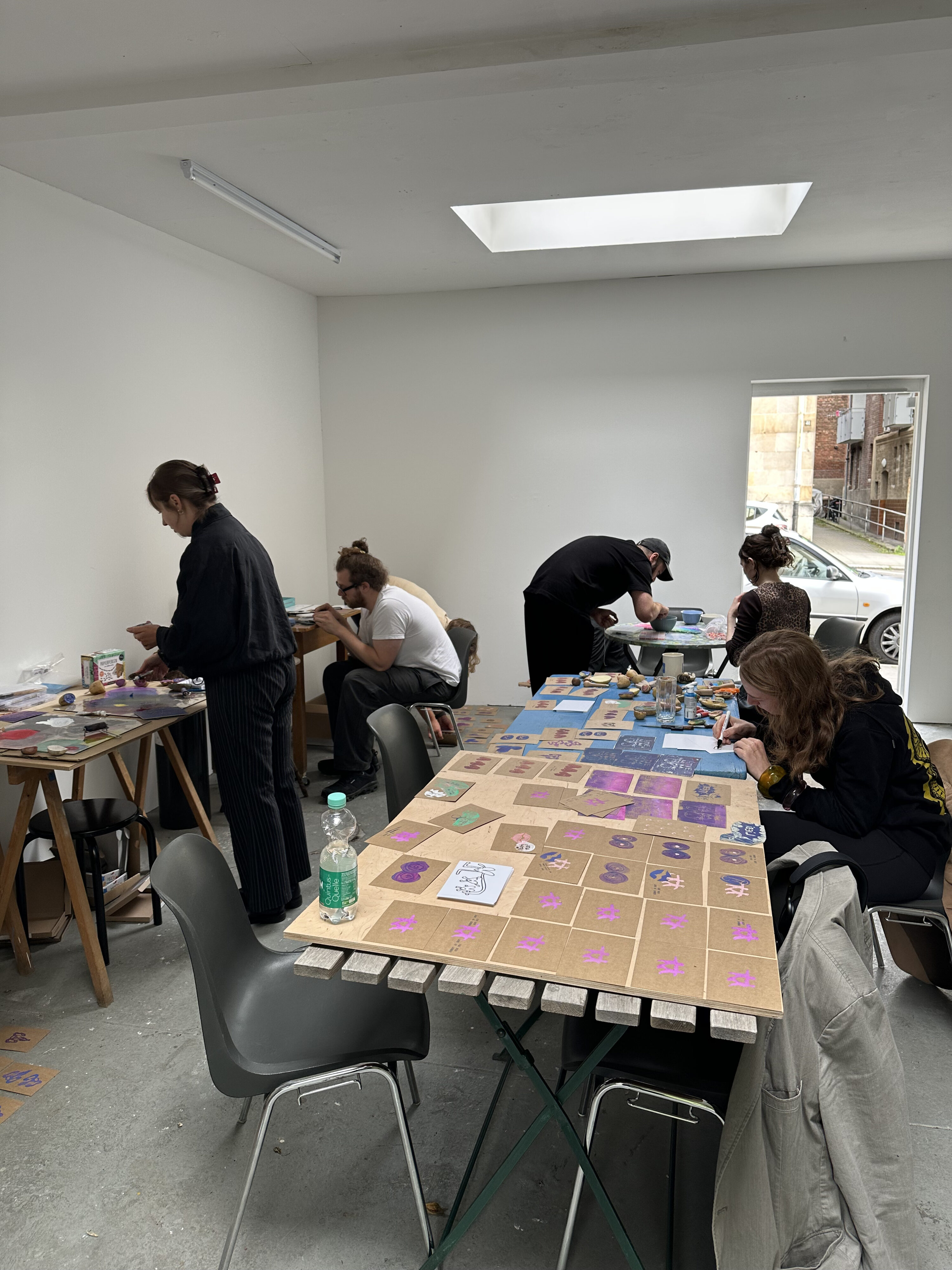
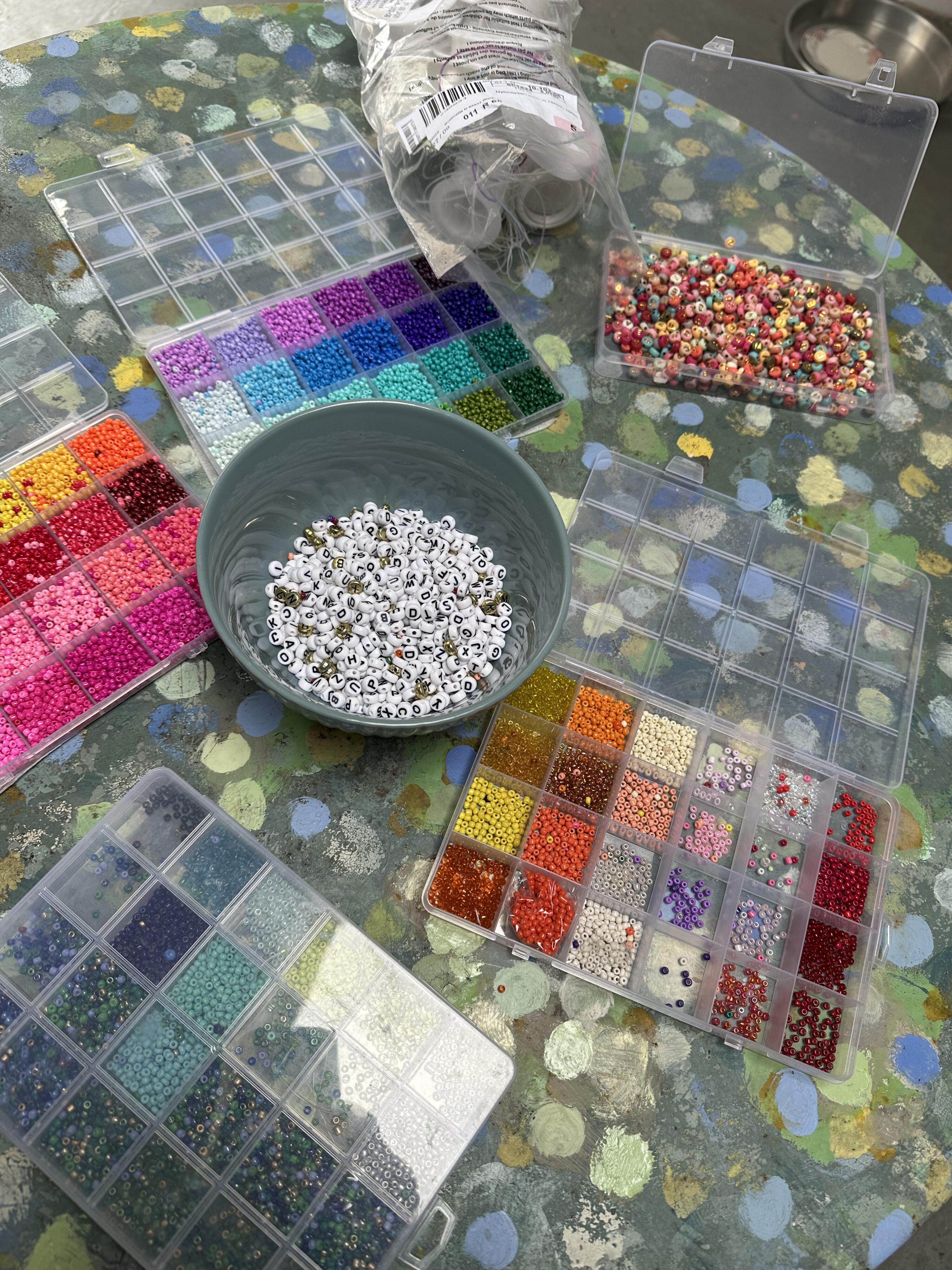
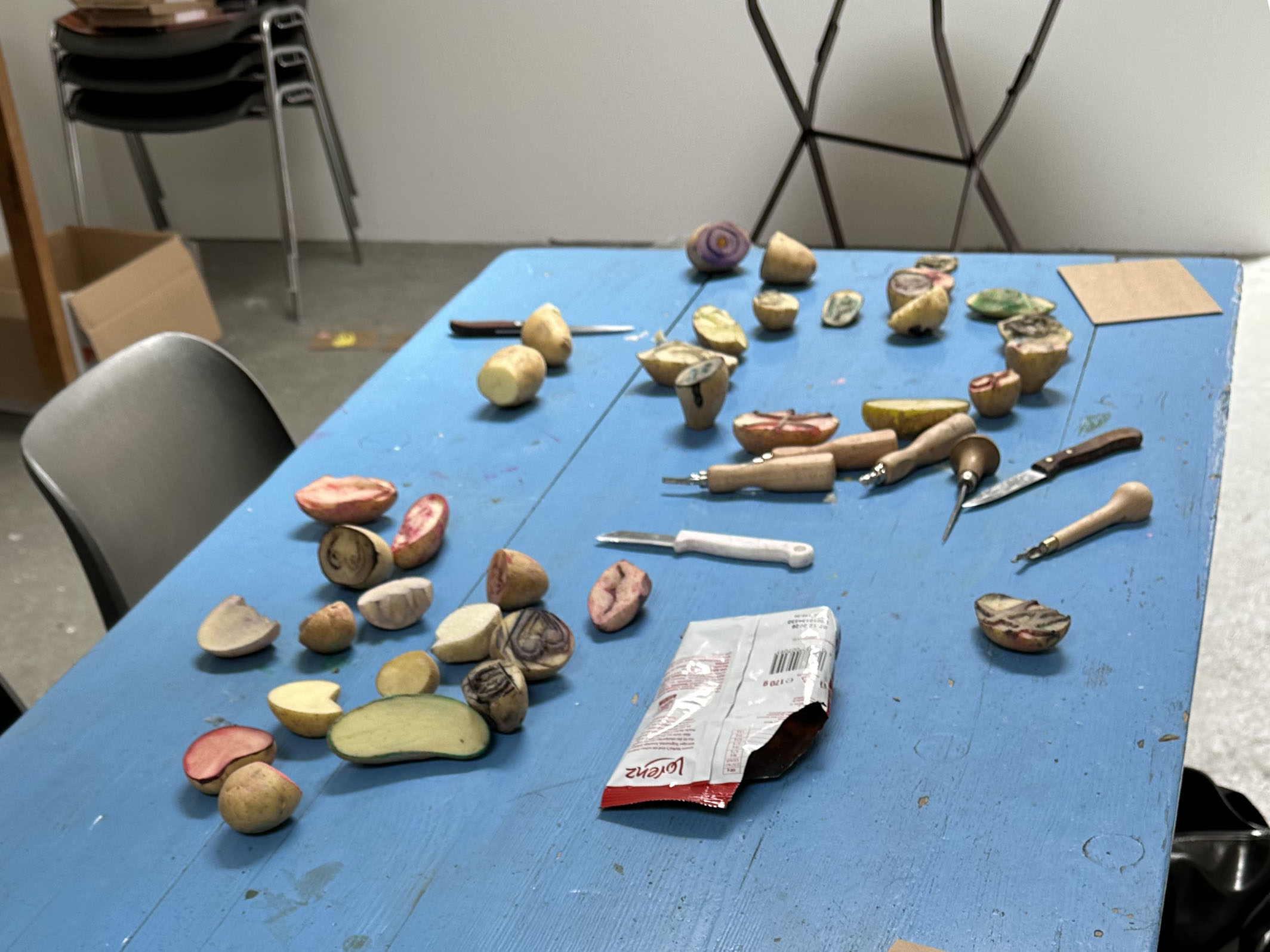
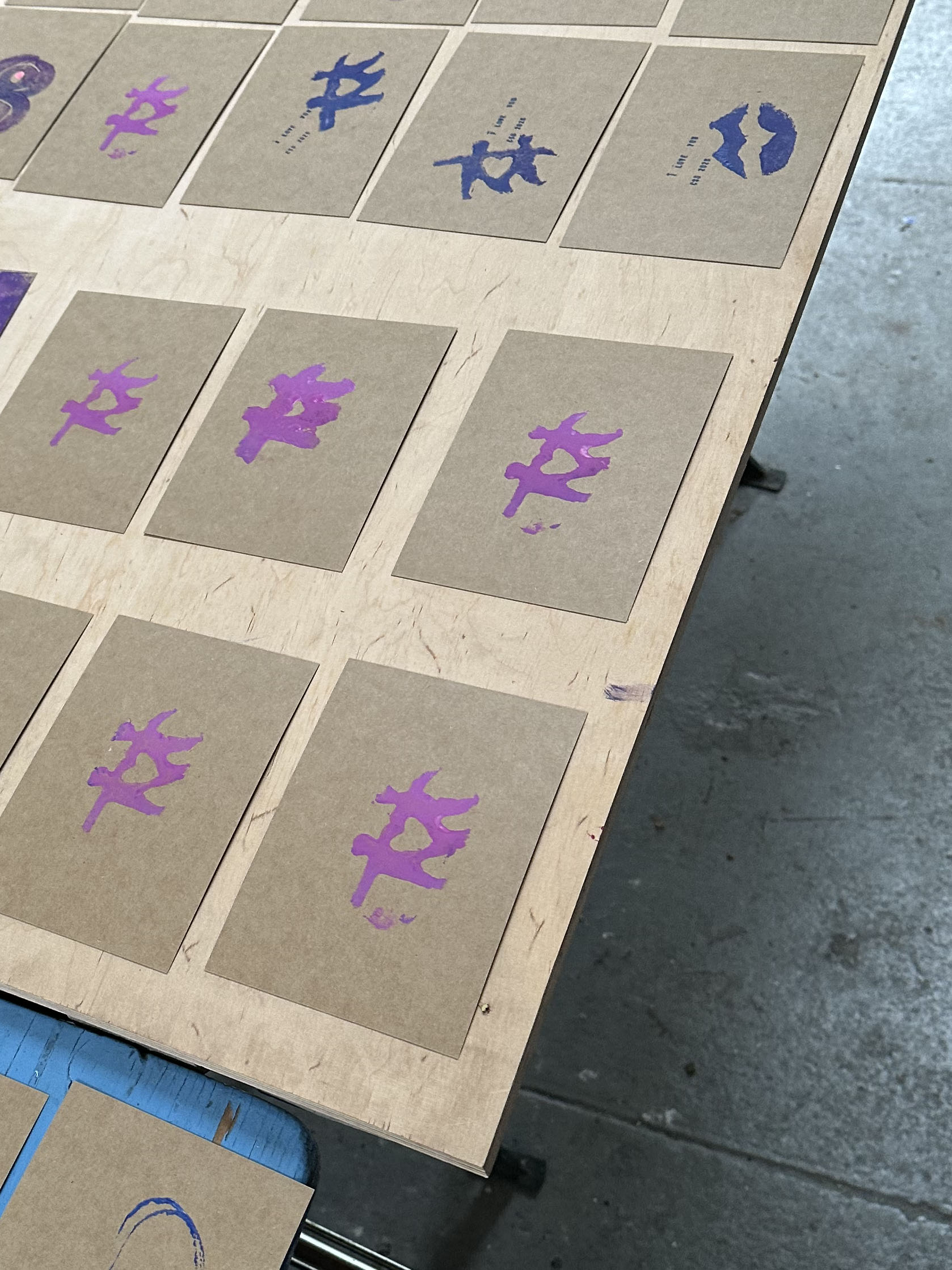
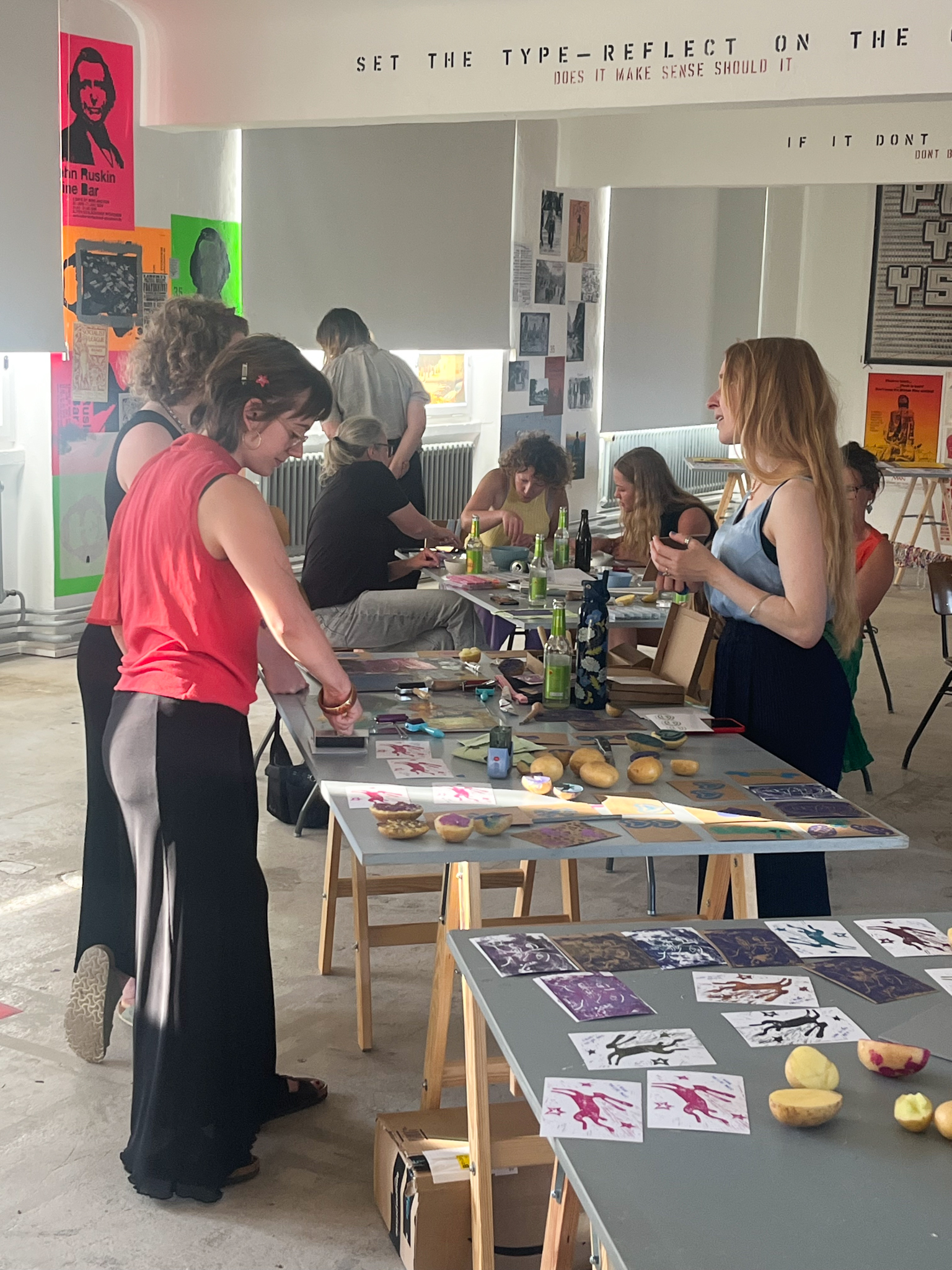
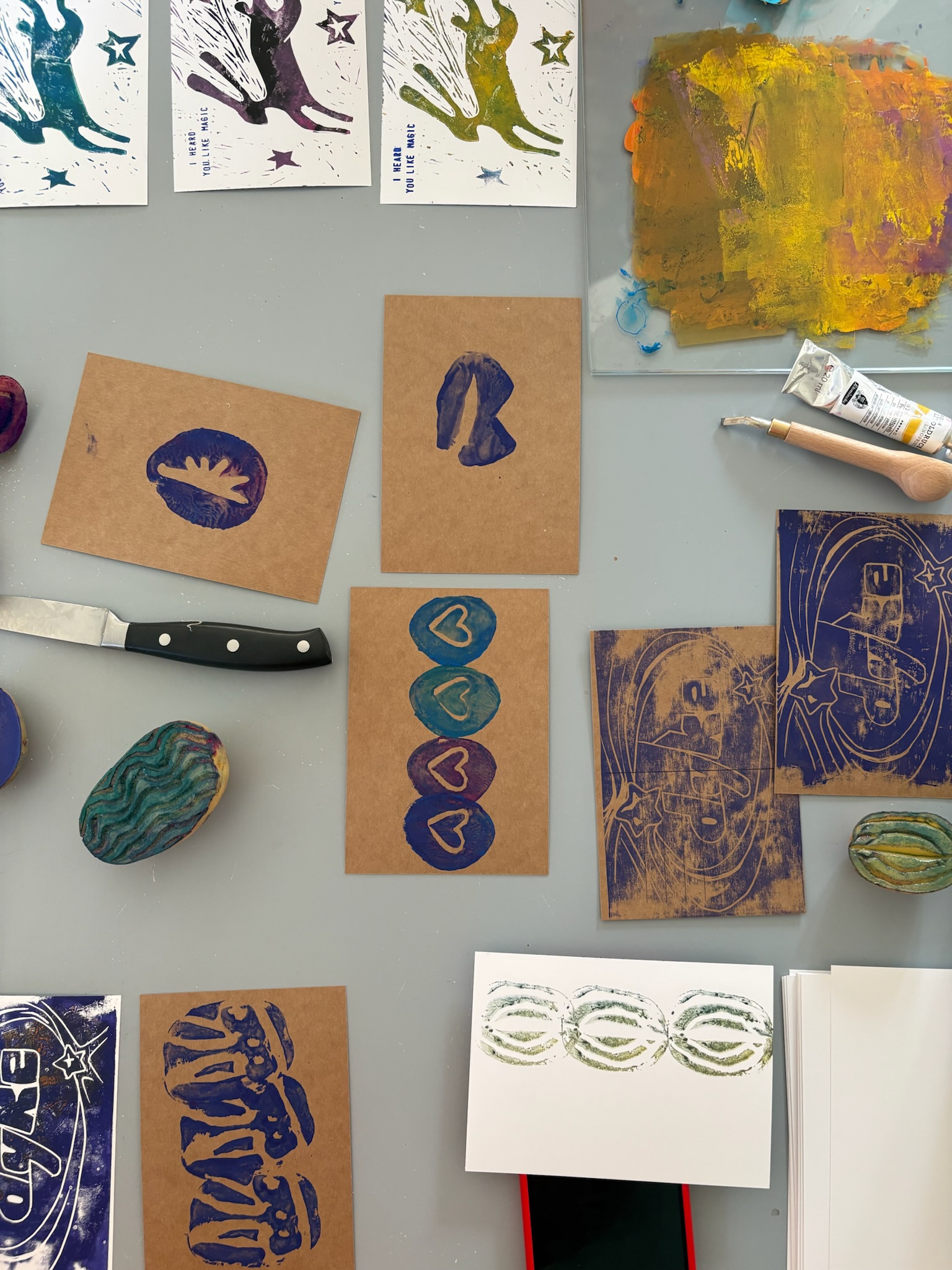
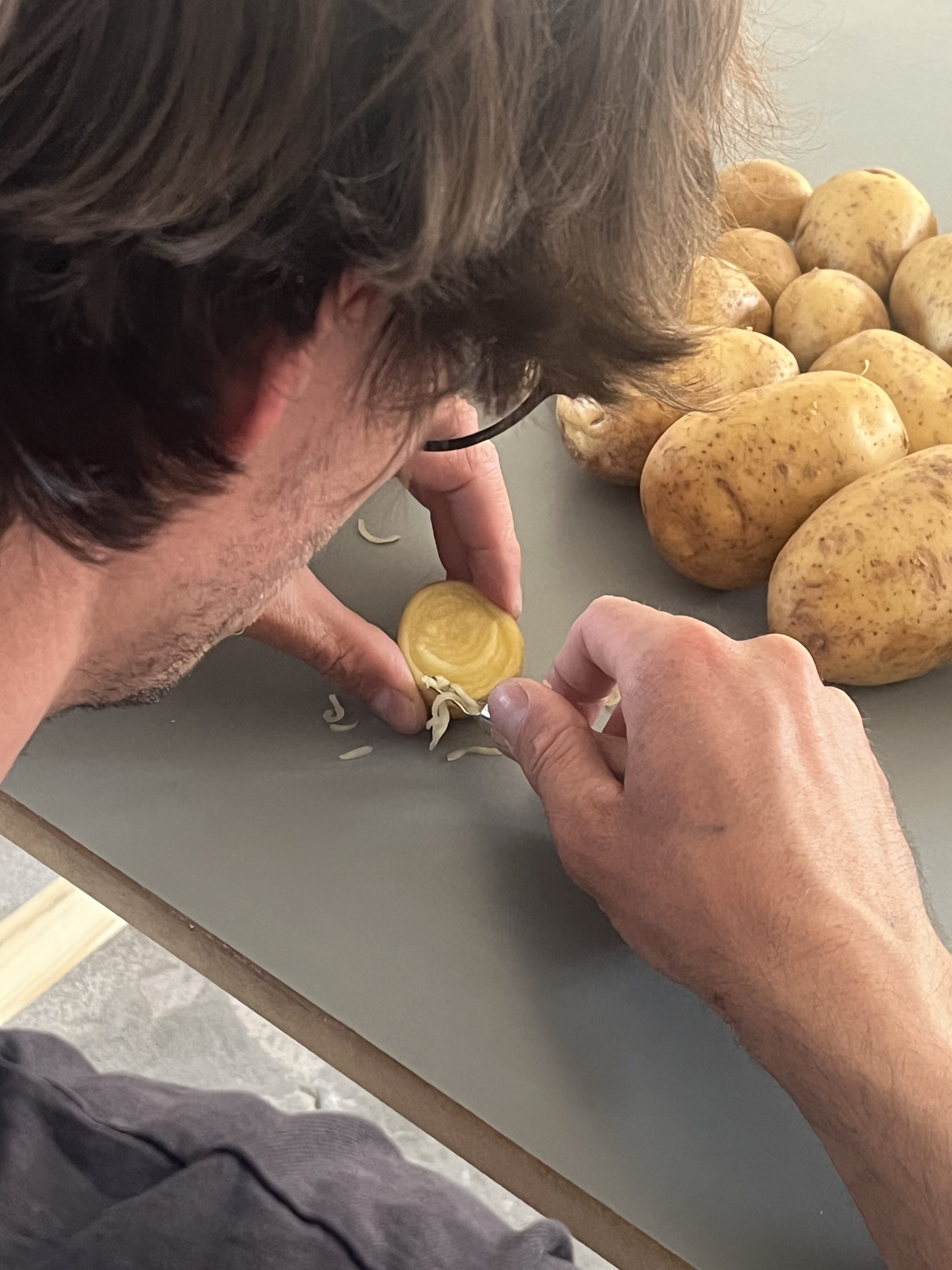
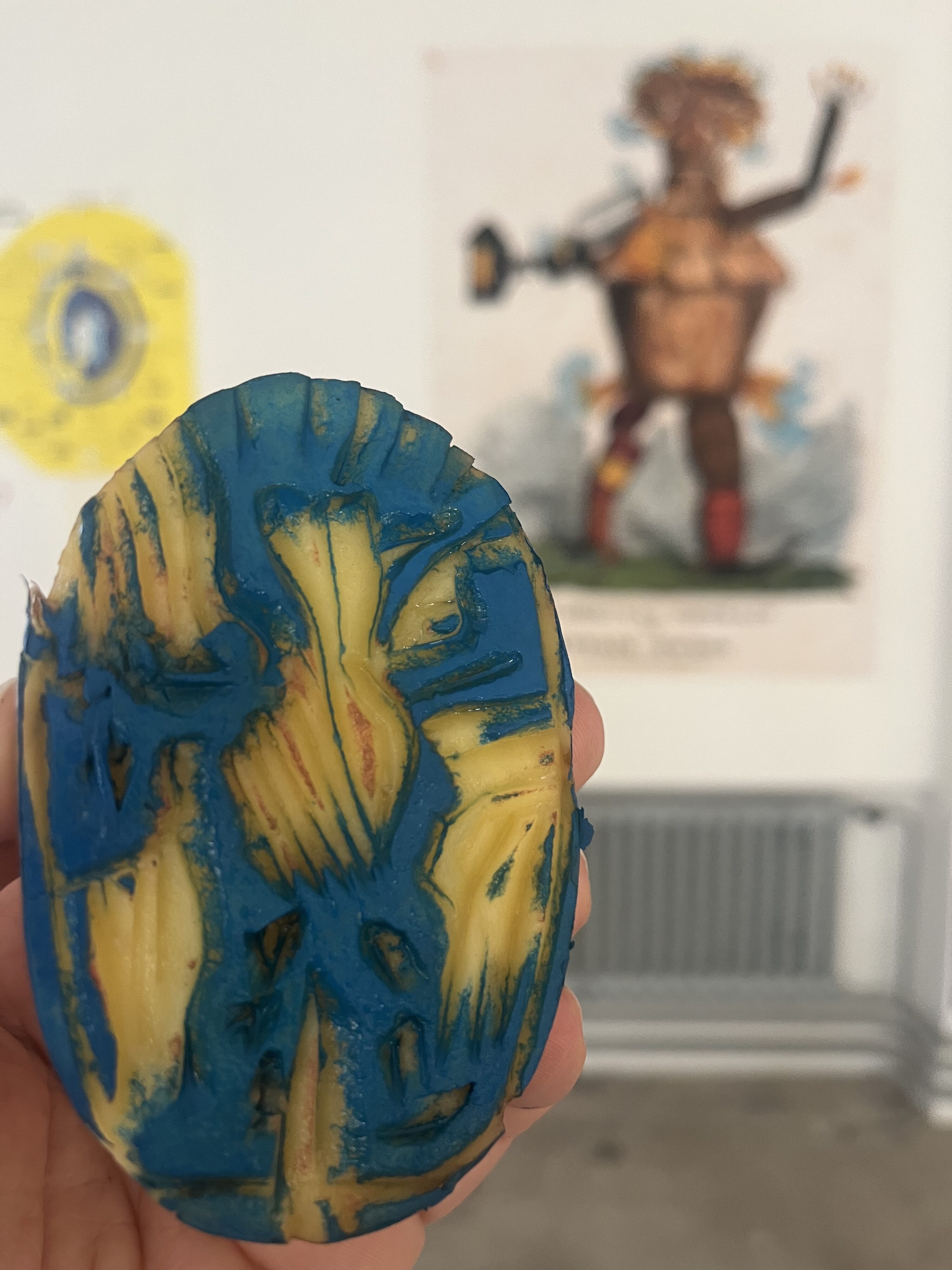
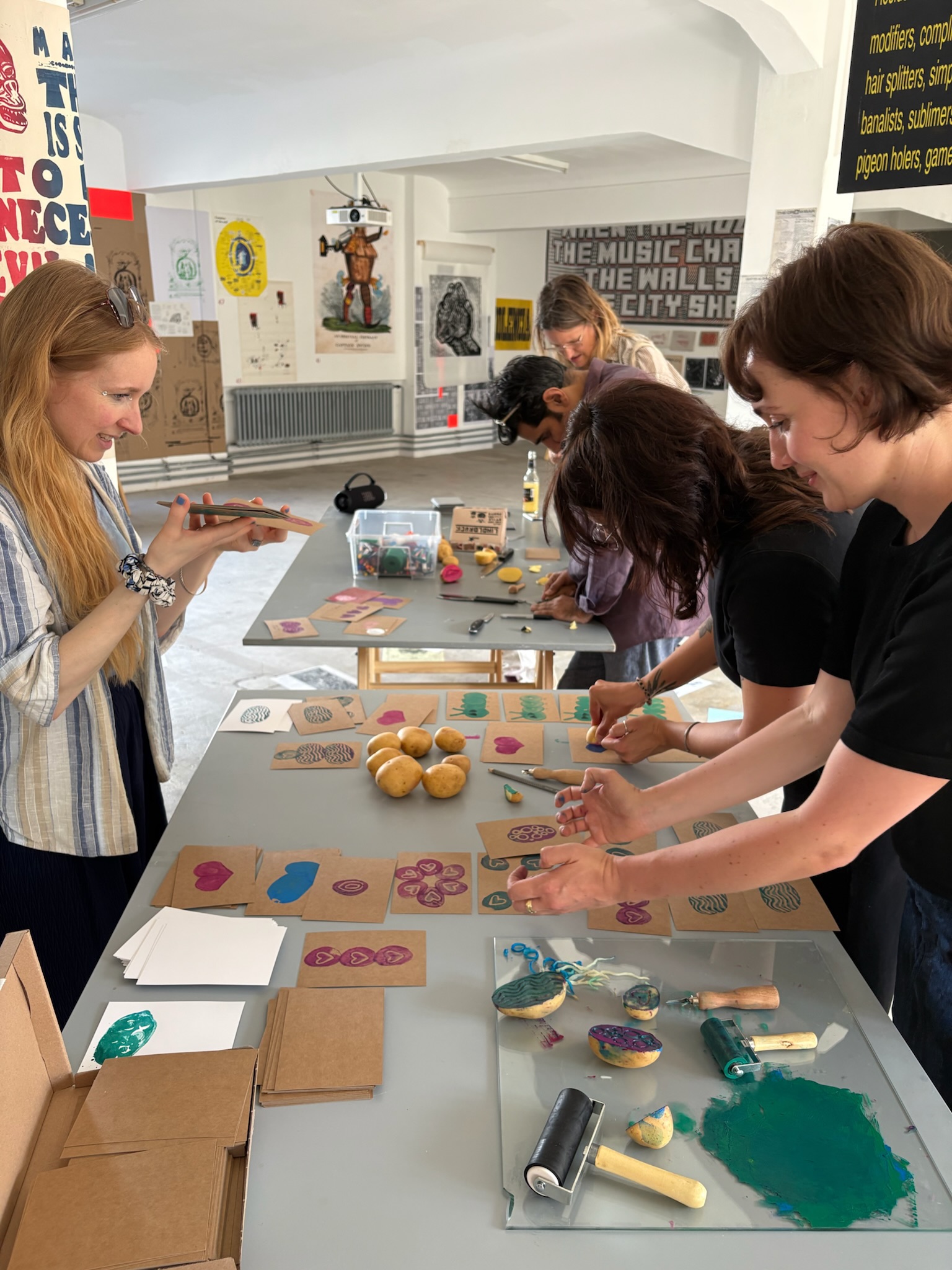
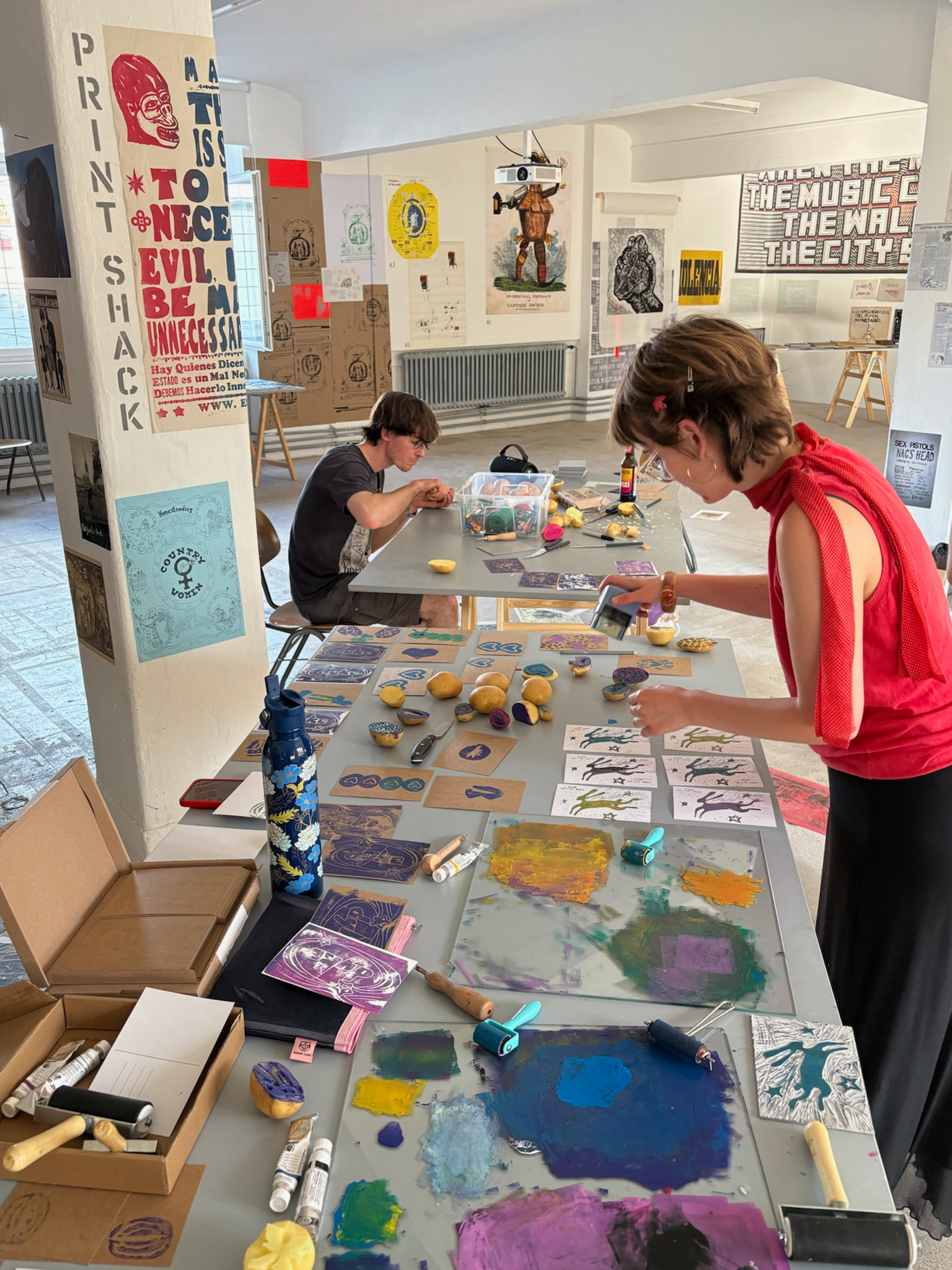
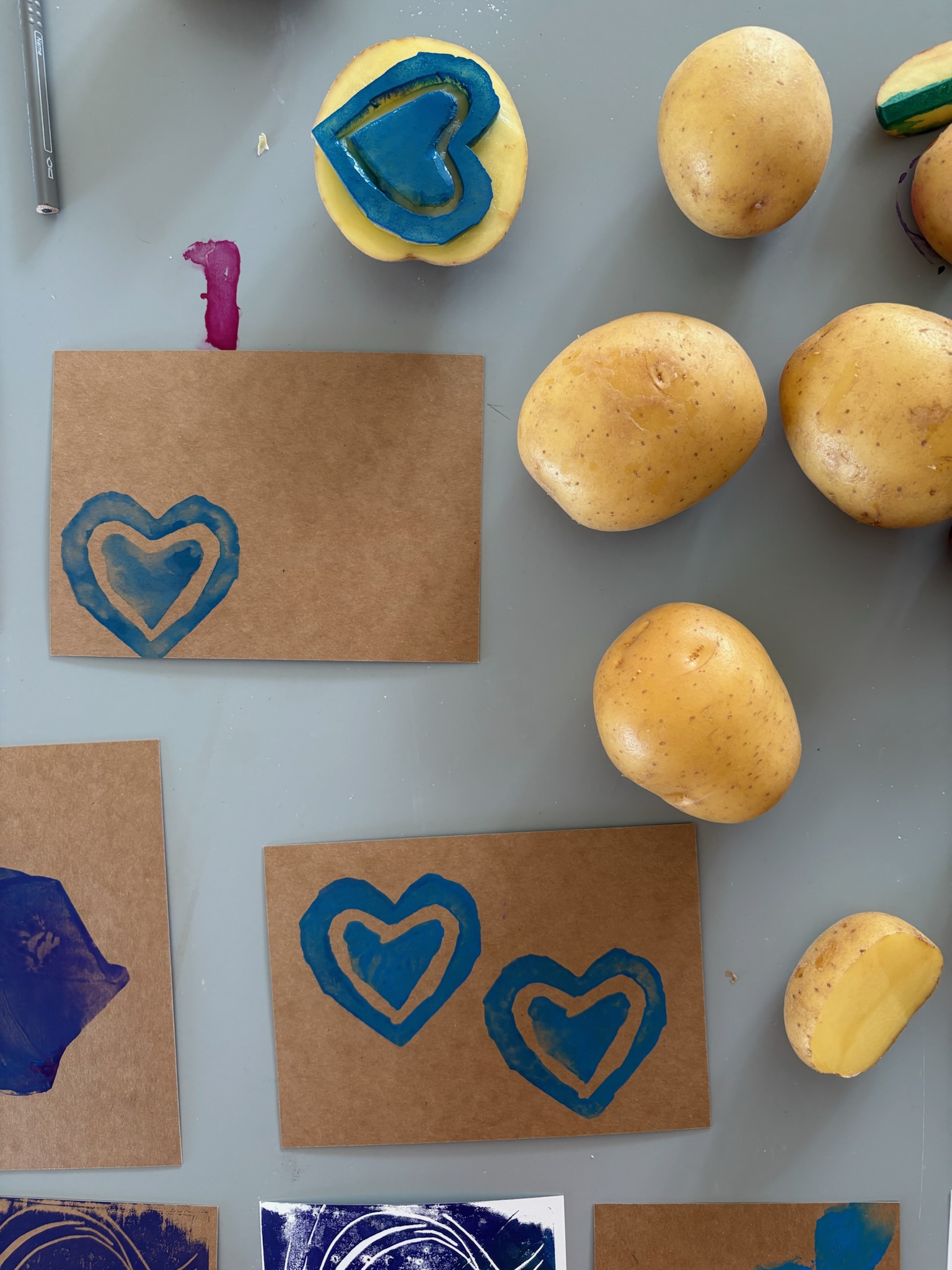
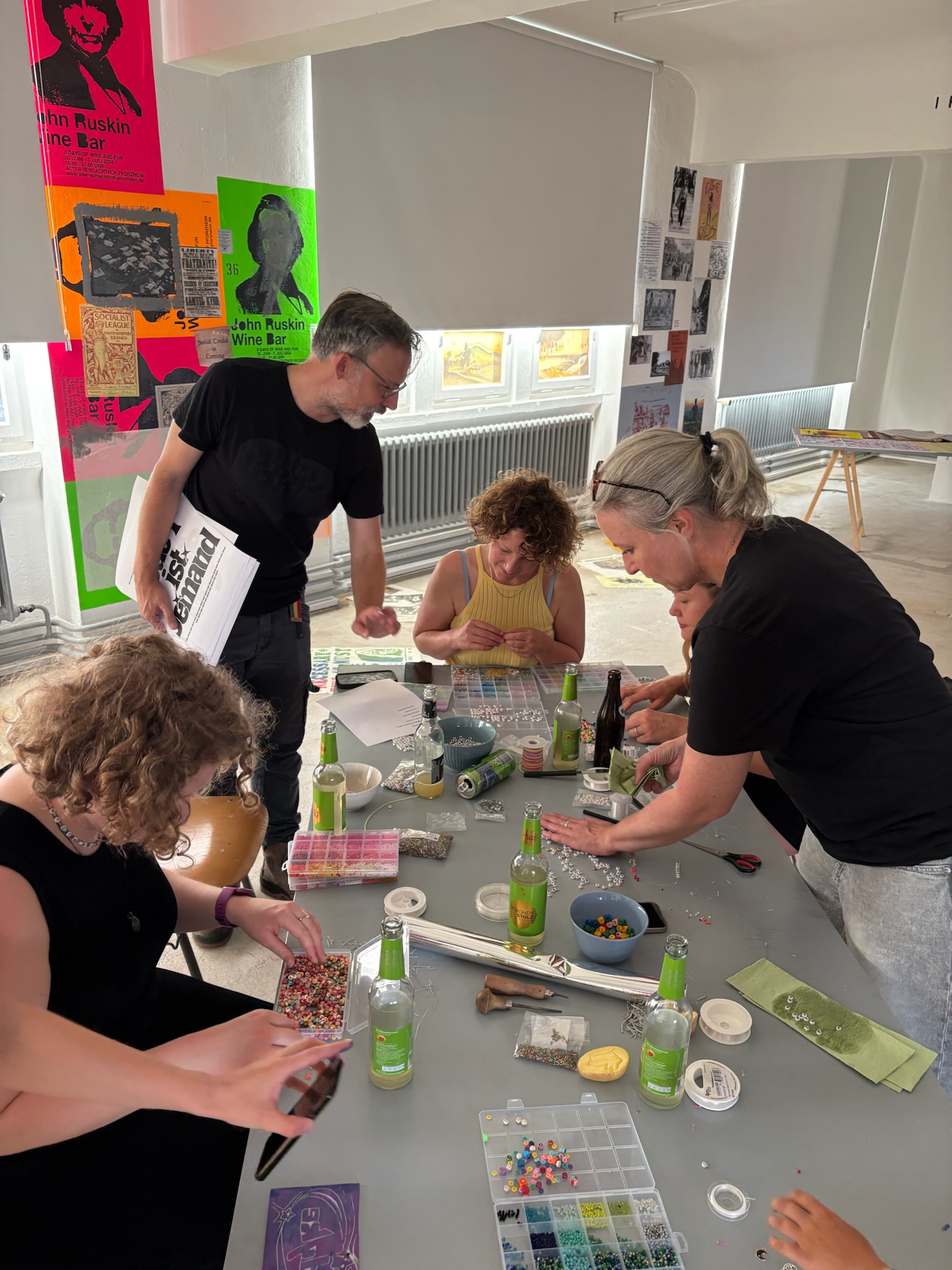
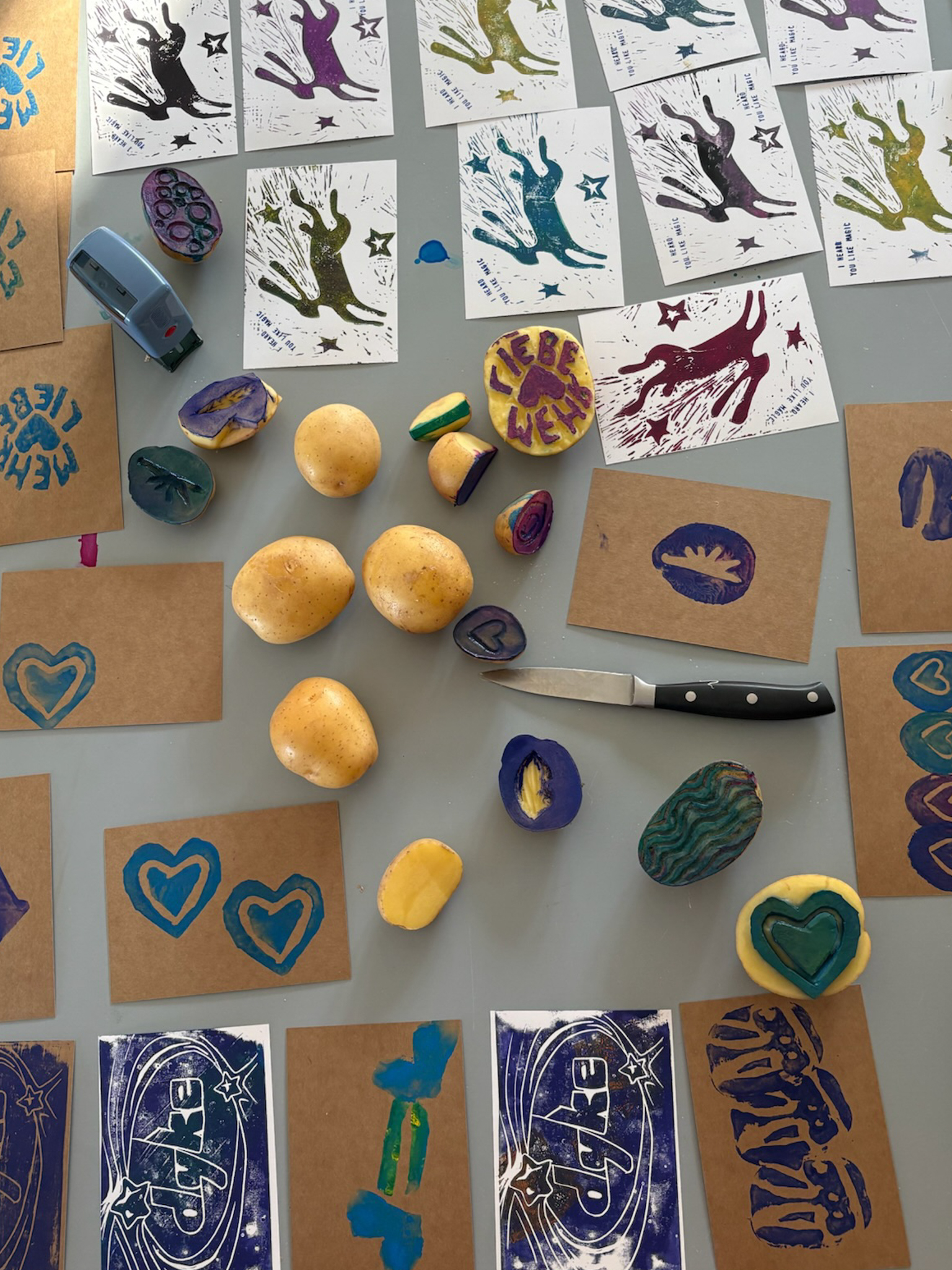
In the weeks leading up to Stuttgart CSD, the Künstlerhaus Stuttgart hosts the Wired Wednesdays workshop. During these open printmaking and craft sessions, participants create posters, banners, tote bags, postcards, stickers, buttons, and other materials for the CSD demonstration using screen printing and potato printing.
The series is presented in dialogue with the current atmosphere ()Print(), initiated by Grizedale Arts and Adam Sutherland. The project understands printing as a collective cultural practice—a way of circulating ideas, creating public visibility, and fostering collective action. Wired Wednesdays builds on this approach, connecting it to the collaborative preparation for the CSD.
The workshops offer space for creativity, exchange, and new encounters while making a visible statement in support of queer rights, solidarity, and diversity.
About the initiative
Once again this year, the Akademie Schloss Solitude, the Künstlerhaus Stuttgart, the Kunstverein Wagenhalle, the Theater RAMPE and the Württembergische Kunstverein are joining forces at Stuttgart’s CSD to stand up for queer rights, solidarity and social diversity as cultural institutions. For the first time, the Merlin Cultural Centre and Kunstraum 34 are also joining the initiative.
As we did last year, we are organising a joint programme of events, including talks and open craft and screen-printing workshops to help prepare for the parade.
The CSD march will take place on 25 July 2026.
If you’d like to join us on the streets or have any questions about the initiative, please feel free to email us at: csd@kuenstlerhaus.de
We look forward to seeing you there!
Some records never disappear.
Others only resurface years later.
Some were bought without knowing why.
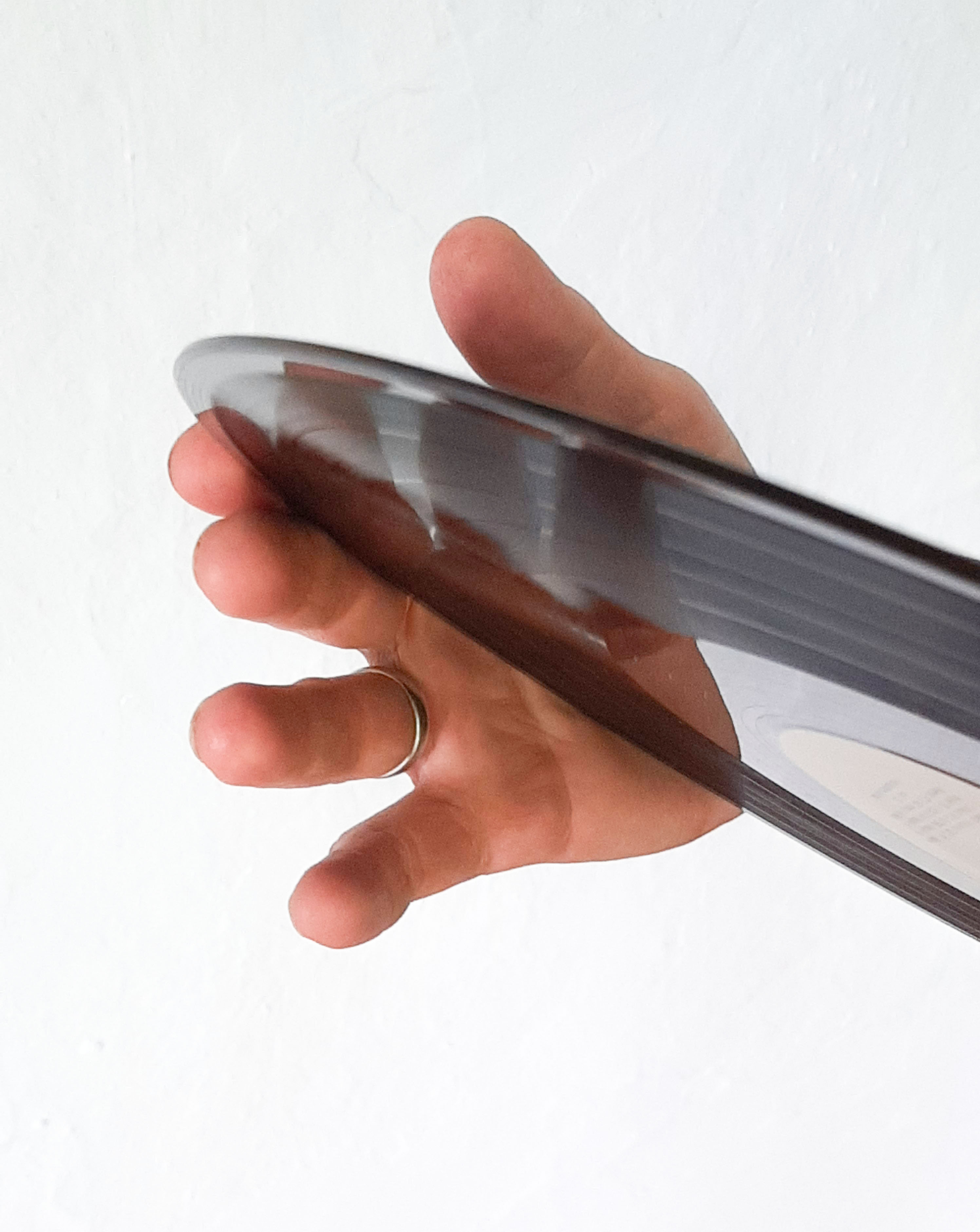
In the Künstlerhaus’s audio studio, people bring in recordings that defy easy categorisation: recordings that lie somewhere between experimental set-ups, overwhelming intensity, solace, megalomania and precision. Music that refuses to be just one thing.
It’s about repetitions, about covers that promise more than they explain, about voices, spaces, glitches, and the strange loyalty of certain albums that suddenly resurface as if they’d been waiting for something.
We listen together.
Not everything is resolved.
Places in the recording studio are limited – please register at audio@kuenstlerhaus.de
Listening Session
This is the ninth event in the ‘Listening Sessions’ series at the Künstlerhaus recording studio. Artists are invited to bring along the music that inspires, shapes and accompanies them. Together, they listen to these tracks in the recording studio. This regular series offers a space to exchange ideas about musical influences and personal connections to music. The series was conceived by Lena Meinhardt, artist and head of the Künstlerhaus’s audio workshop.
The topic of the next HAUSTREFF* is: Craft + Art
At the Künstlerhaus, artists and visitors have always engaged with questions of artistic production, presentation and reception in the studios, workshops and exhibition spaces. This gives rise to intense synergies, but also contradictions.
The questions that repeatedly arise can be summarised as follows:
To what extent are craft practices and contemporary art still connected today?
Can art benefit from craft-based ways of thinking?
Is it merely a matter of respecting the material or adhering to canonical working rules?
Or does breaking the rules of craftsmanship – ‘unlearning’ – also teach us something?
Does craftsmanship protect the artistic process from losing its physicality?
Thesis: The relationship between art and craftsmanship today is clearly neither obsolete nor stable, but rather a field of tension between appropriation, transformation and the deliberate breaking of rules.
The Stuttgart-based artists Katharina Strasser and Thora Gerstner explore different aspects of this broad theme in their respective artistic practices. Their accounts and reflections provide a framework for an exchange between those active at the institution and those interested in it, regarding their own approaches and questions.
* The HAUSTREFF is an initiative of the Advisory Board and invites all members to discuss issues relating to the creation of art.
We are always delighted to hear from anyone interested in getting involved or contributing ideas, and welcome suggestions and requests for topics at any time.
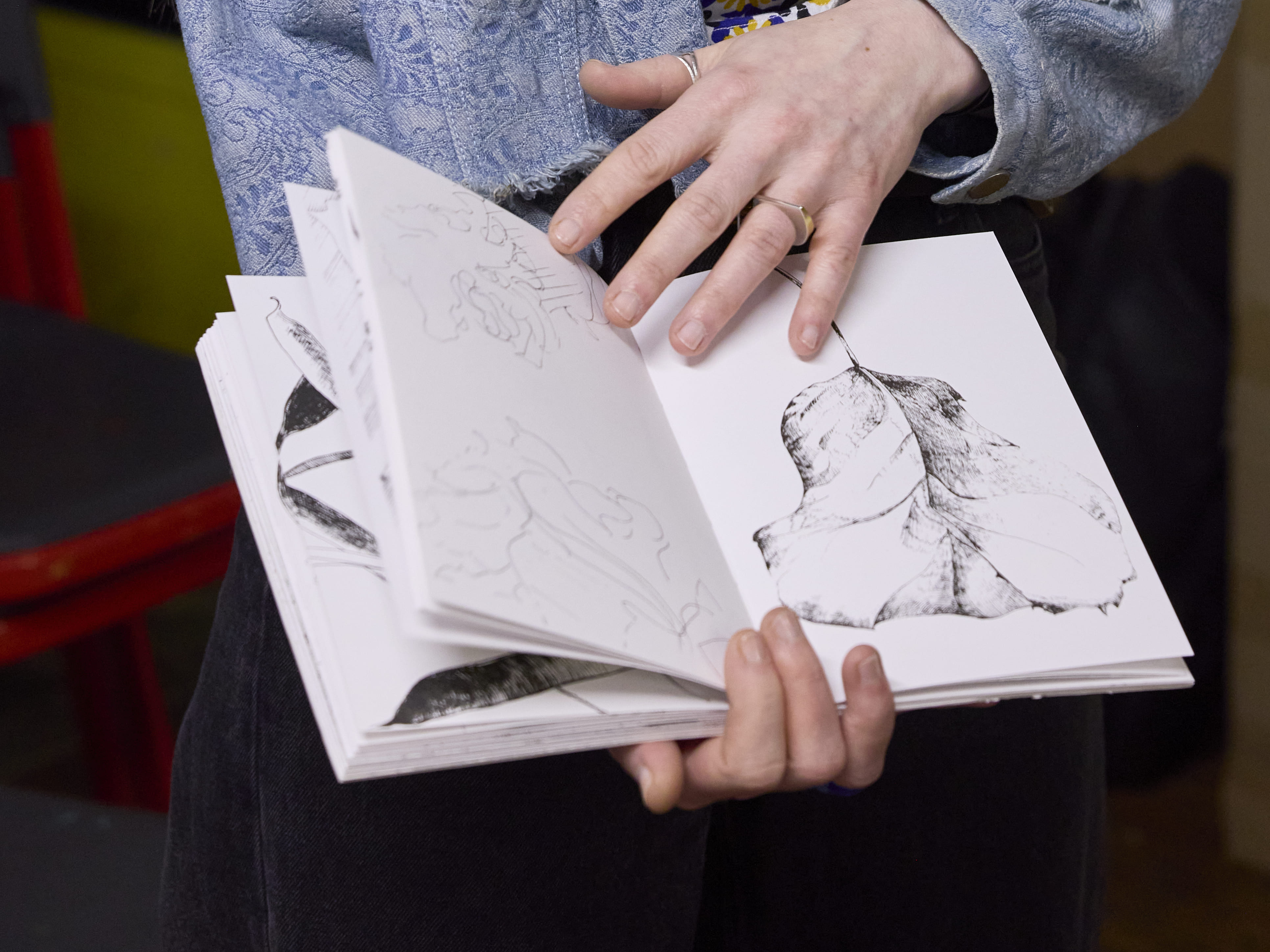
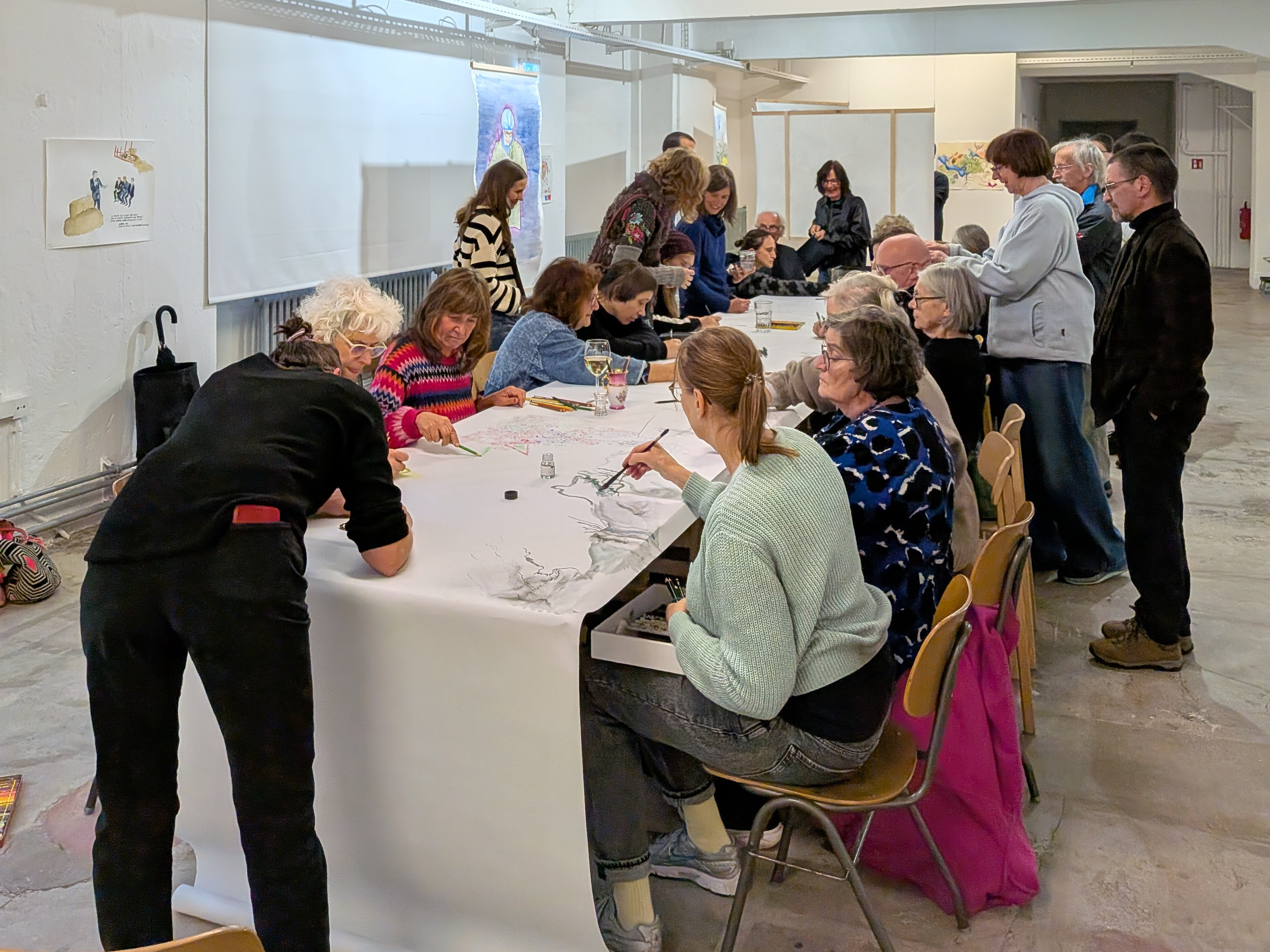
‘ANKNÜPFEN ERWÜNSCHT’ is a communicative, process-oriented project for the shop window space of the former Galeria-Kaufhof and the 2026 annual project of the Linienscharen – a platform for contemporary drawing in Stuttgart.
The first preparatory meeting for participants from the Linienscharen circle will take place at the Künstlerhaus, featuring informative, communicative and practical elements.
Linienscharen was founded in 2012 as an exchange platform to bring together artists from Stuttgart and the surrounding region. Its aim is to foster an ongoing dialogue about drawing and contemporary art.
Further information can be found on the Linienscharen.
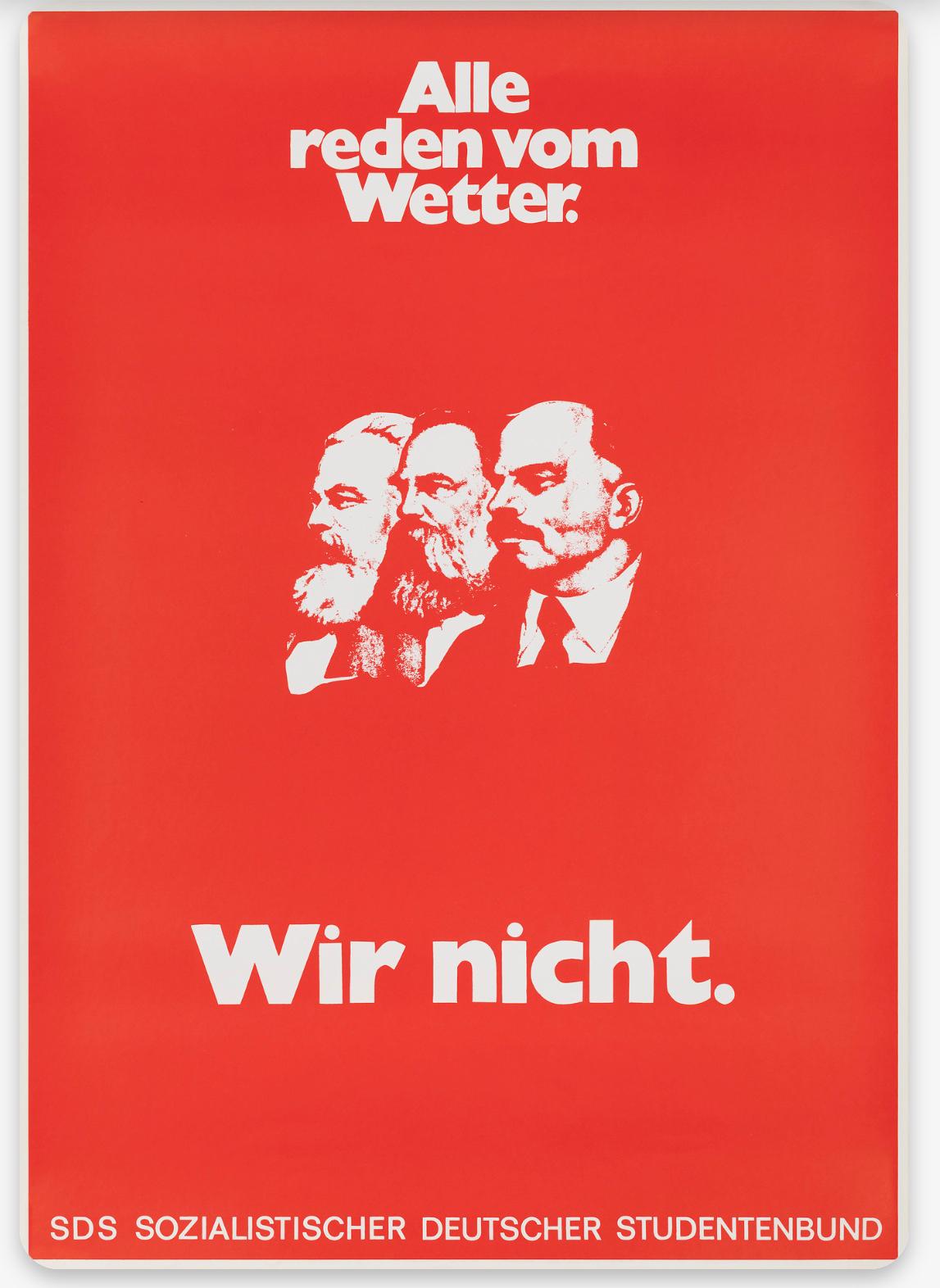
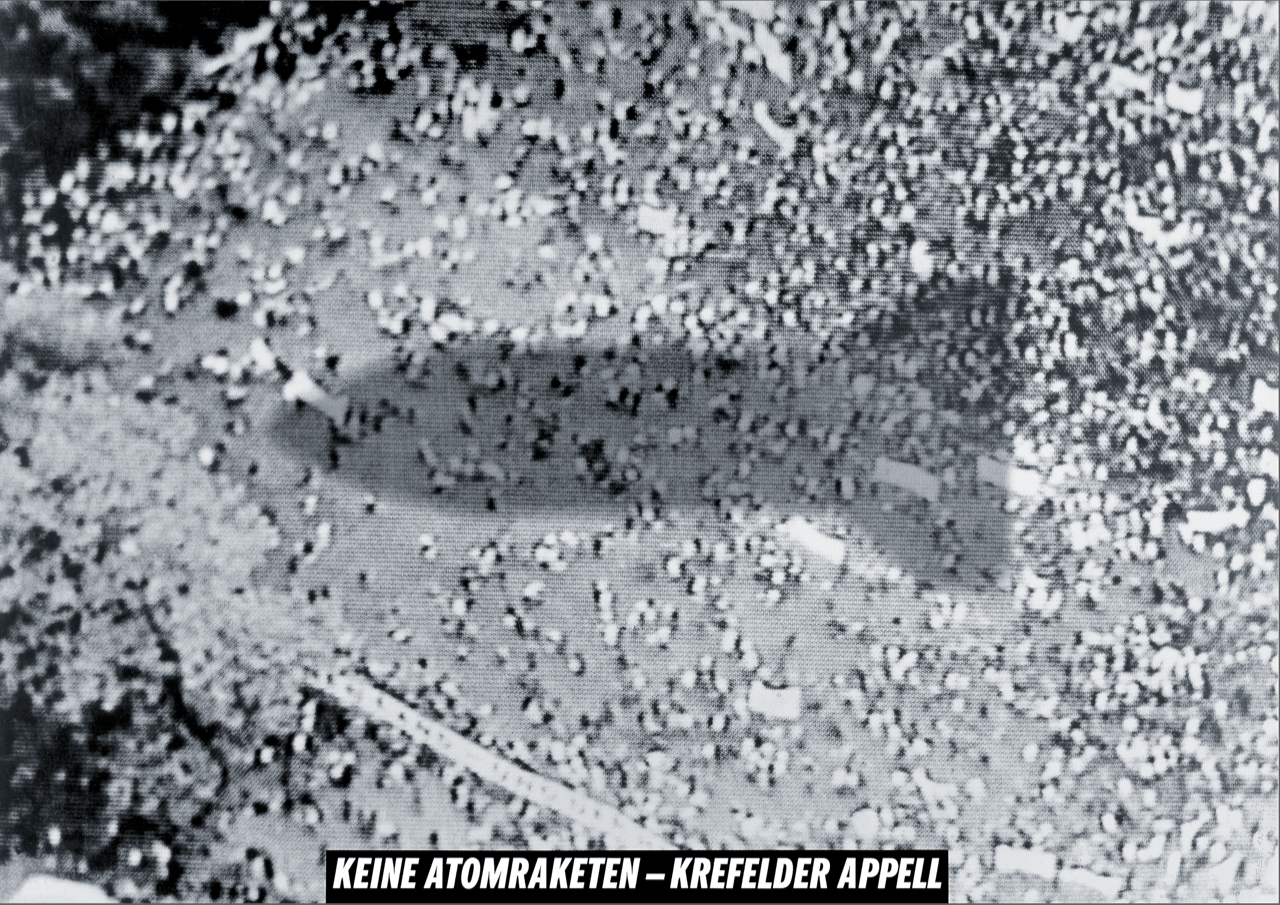
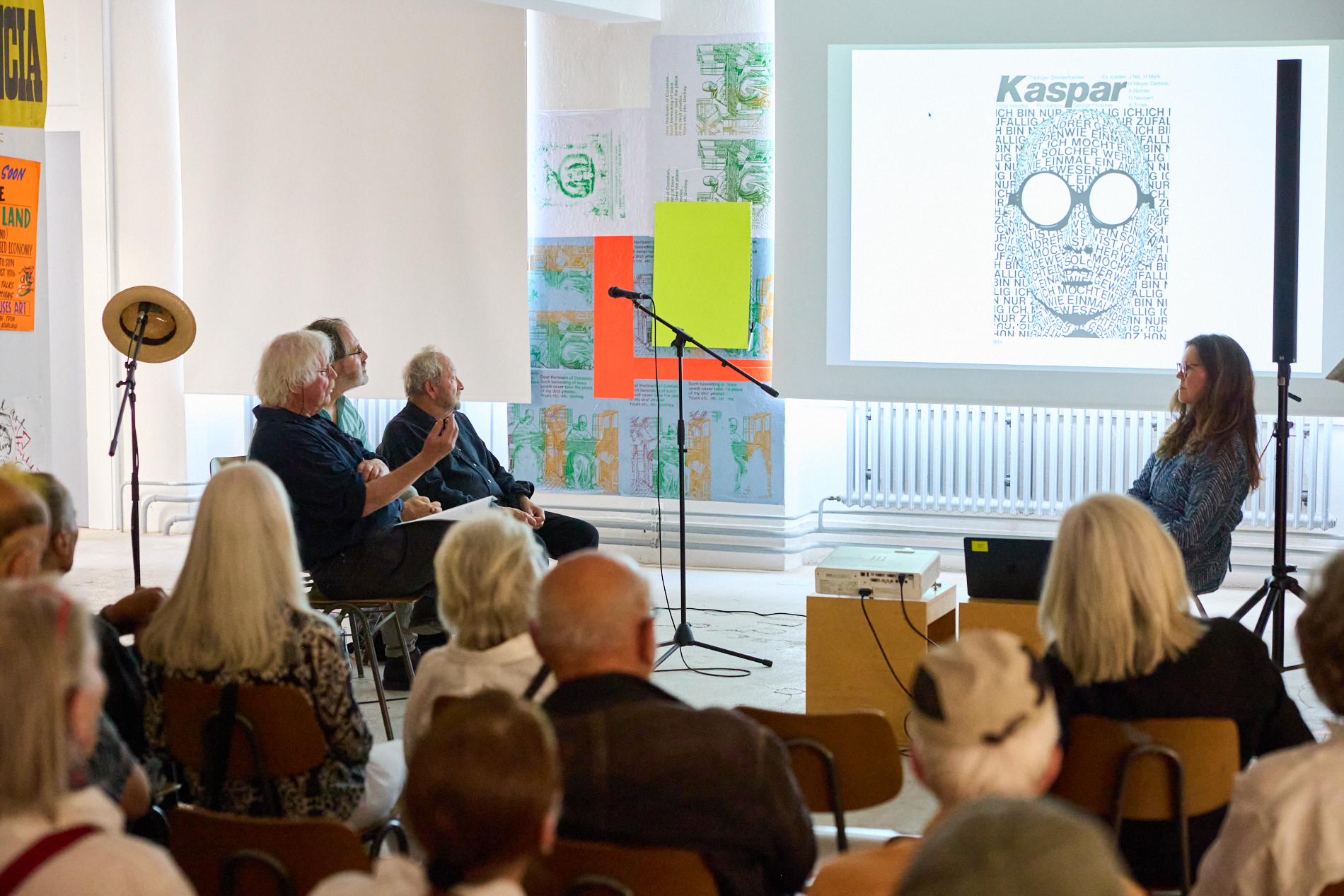
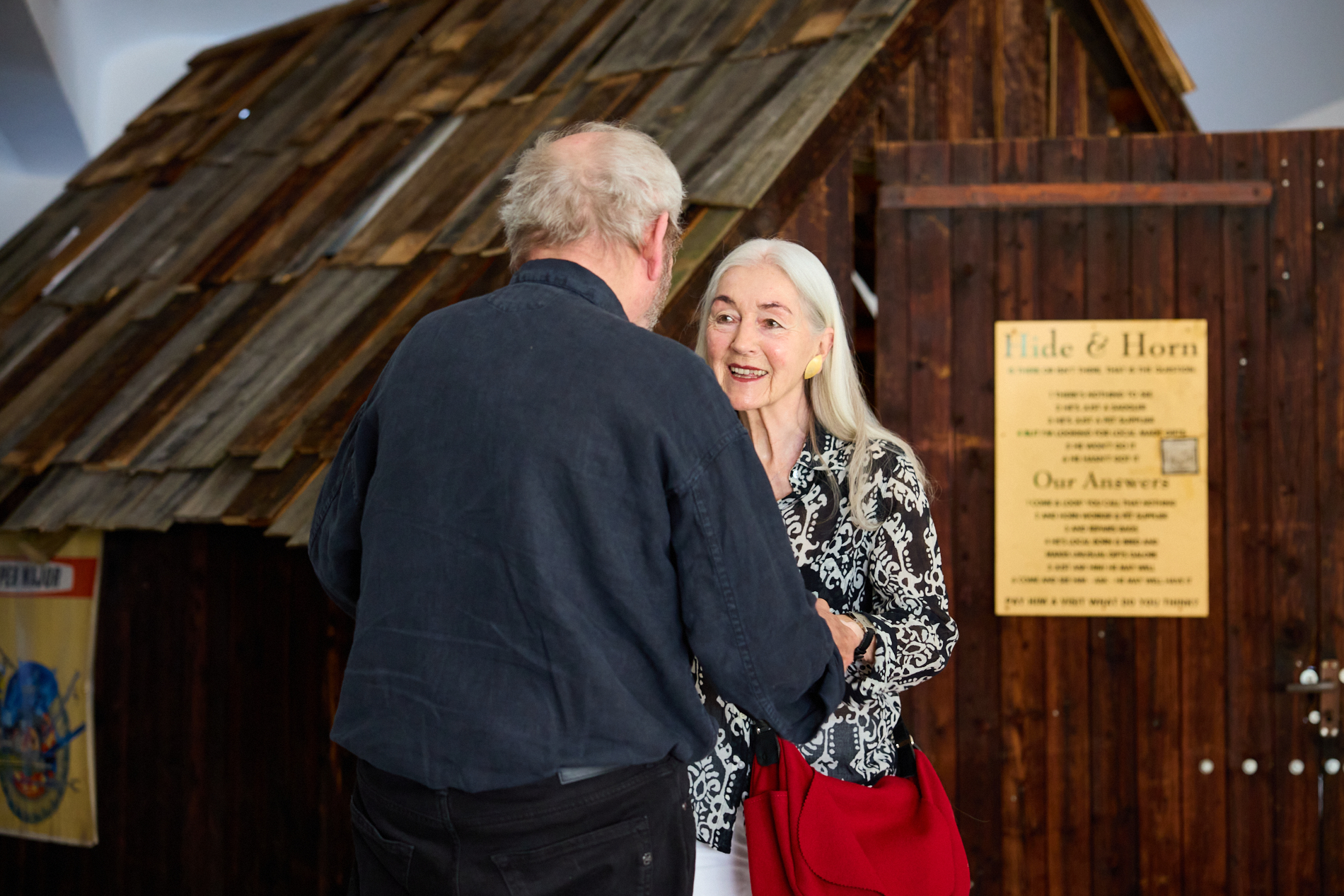
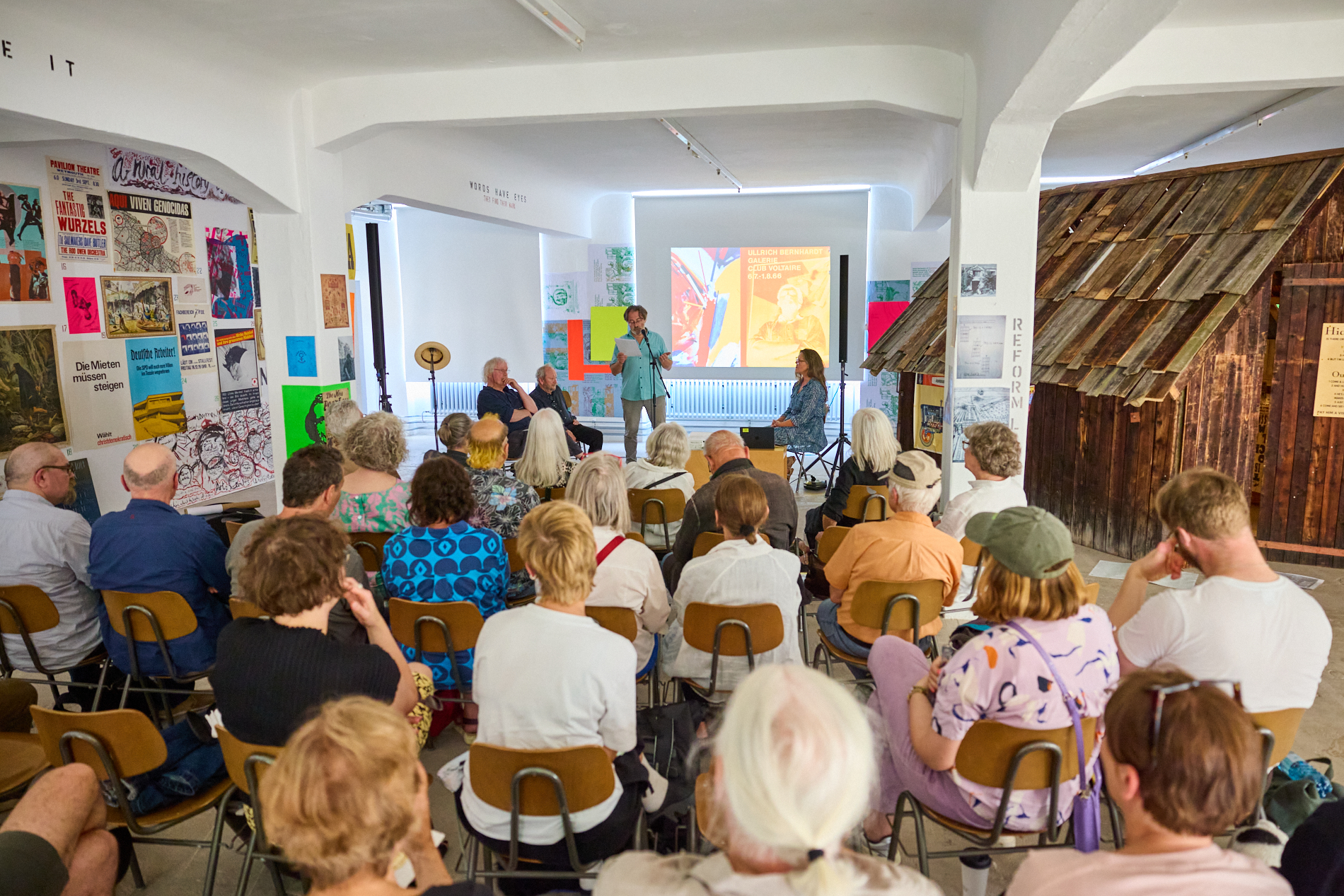
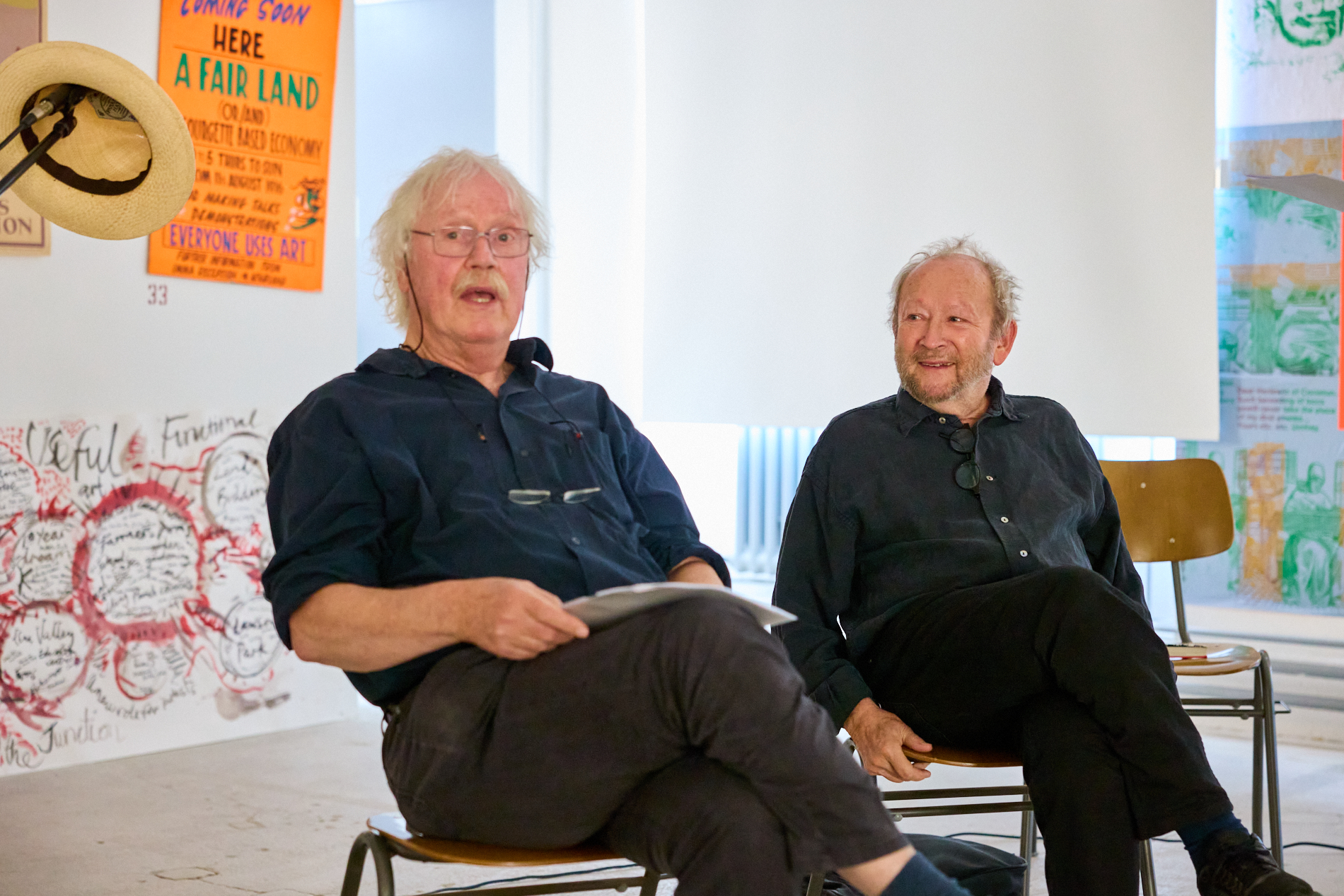
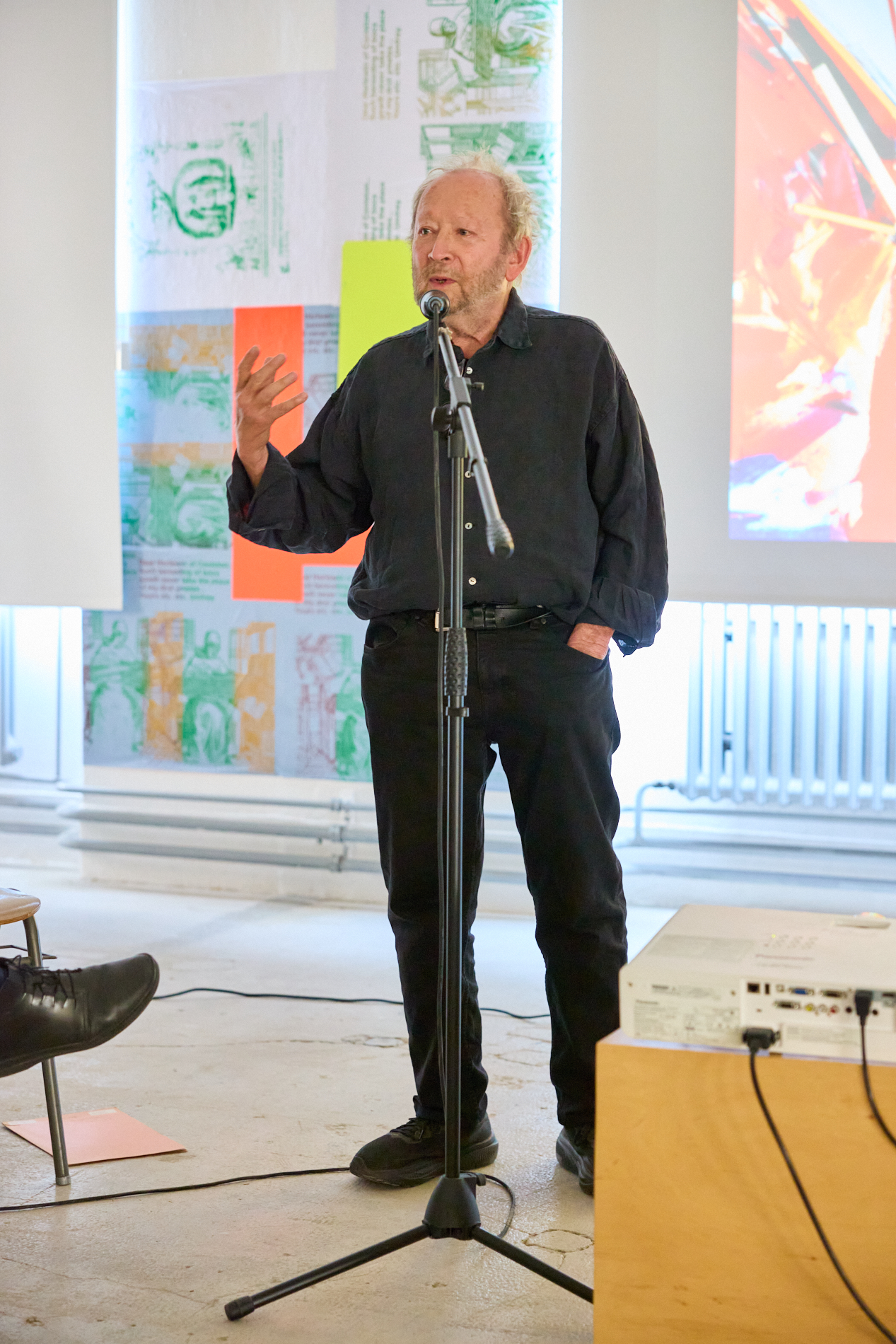
Printmaking has been part of the DNA of the Künstlerhaus since its founding in 1978 and was a central component of the artistic practice of its first artistic director, Ulrich Bernhardt, during the late 1960s and 1970s. As the first in a series of events engaging with the current atmosphere, we warmly invite you to join a conversation on June 17 between the artists Frieder Grindler — one of Stuttgart’s leading and most prolific poster and printmakers — and Ulrich Bernhardt.
What makes a poster work? Are posters advertisements or sources of information? In terms of conceit, is estrangement more effective than agitation? What actually is a poster, and what are the means available to postermakers? When posters are deployed in political struggle, to whom are they addressed: the activists, the opponents, or the apathetic and the undecided? Why were posters so crucial to the democracy movement of the 1960s and 70s? Are posters art or propaganda, and does it even matter? Why do theaters, concert venues and art houses still advertise with posters today? What makes a poster effective: the content, the distribution or the context? What role does the poster still play in the social media sphere?
About the artists
Ulrich Bernhardt is a freelance artist and erstwhile postermaker based in Stuttgart. He was the initiator and founding artistic director of the Künstlerhaus Stuttgart (1978-86).
Frieder Grindler is an artist and postermaker, who, since the mid-60s, has conceived and printed hundreds of posters, particularly for the theater. He has been based in Stuttgart since 2012.
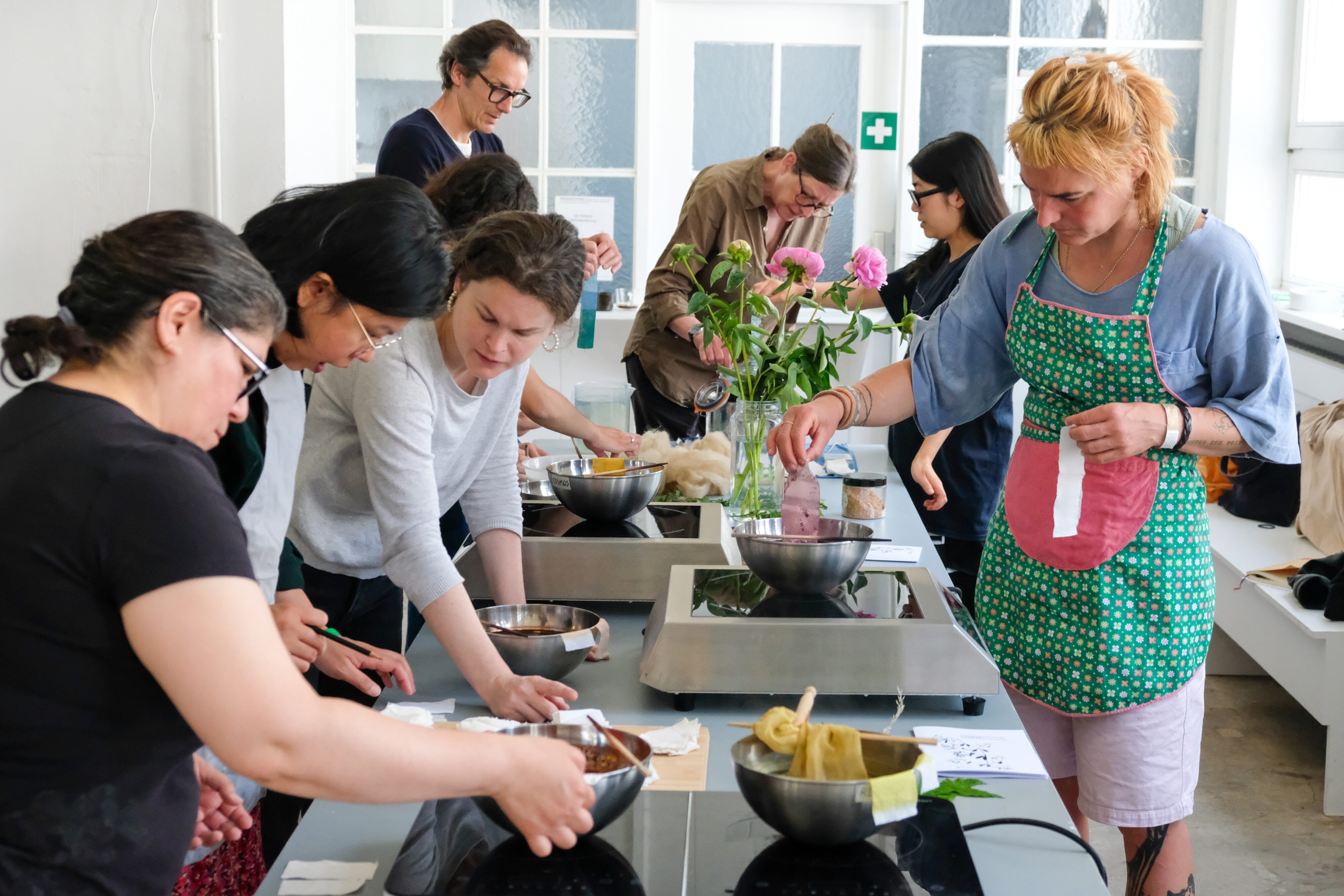
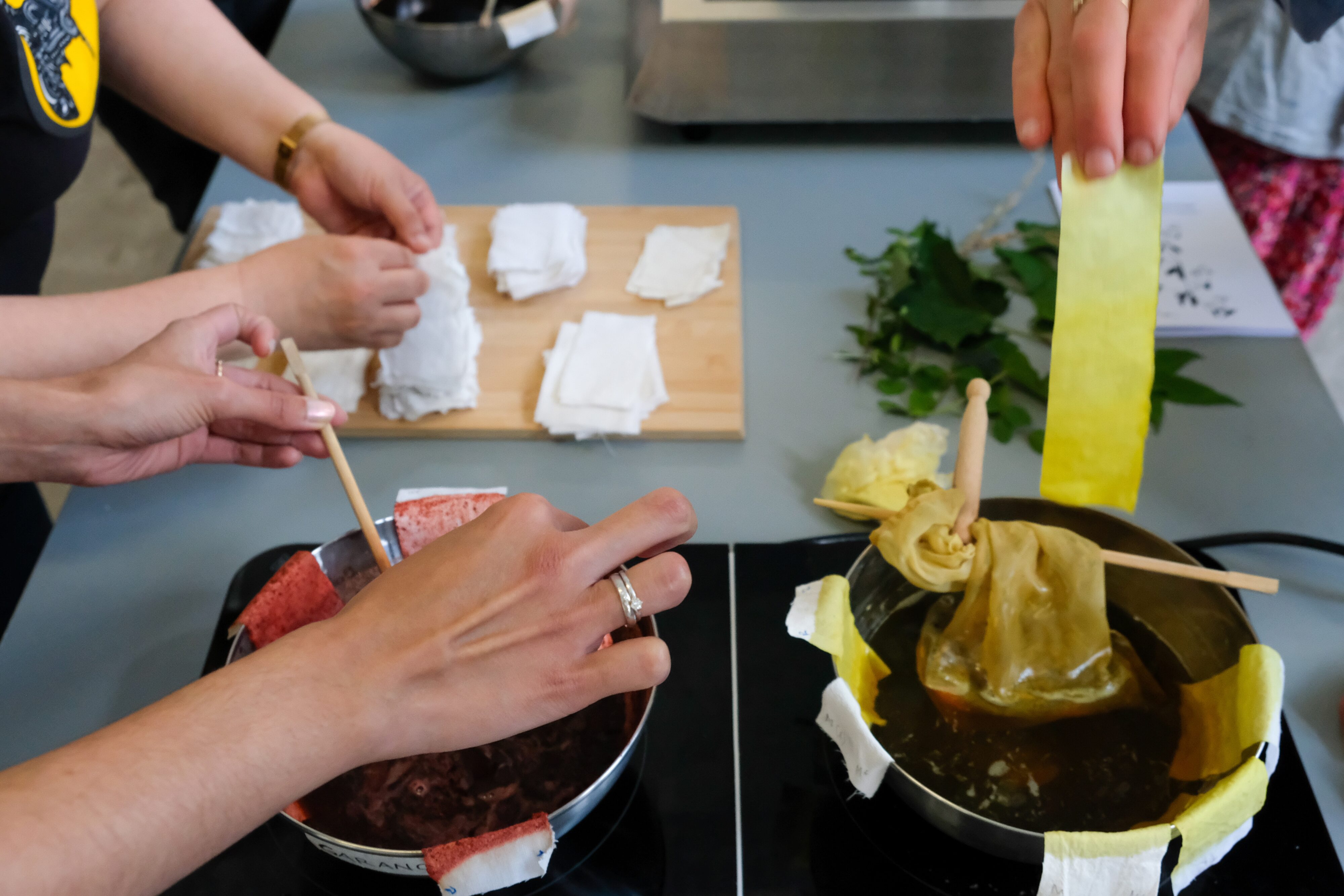
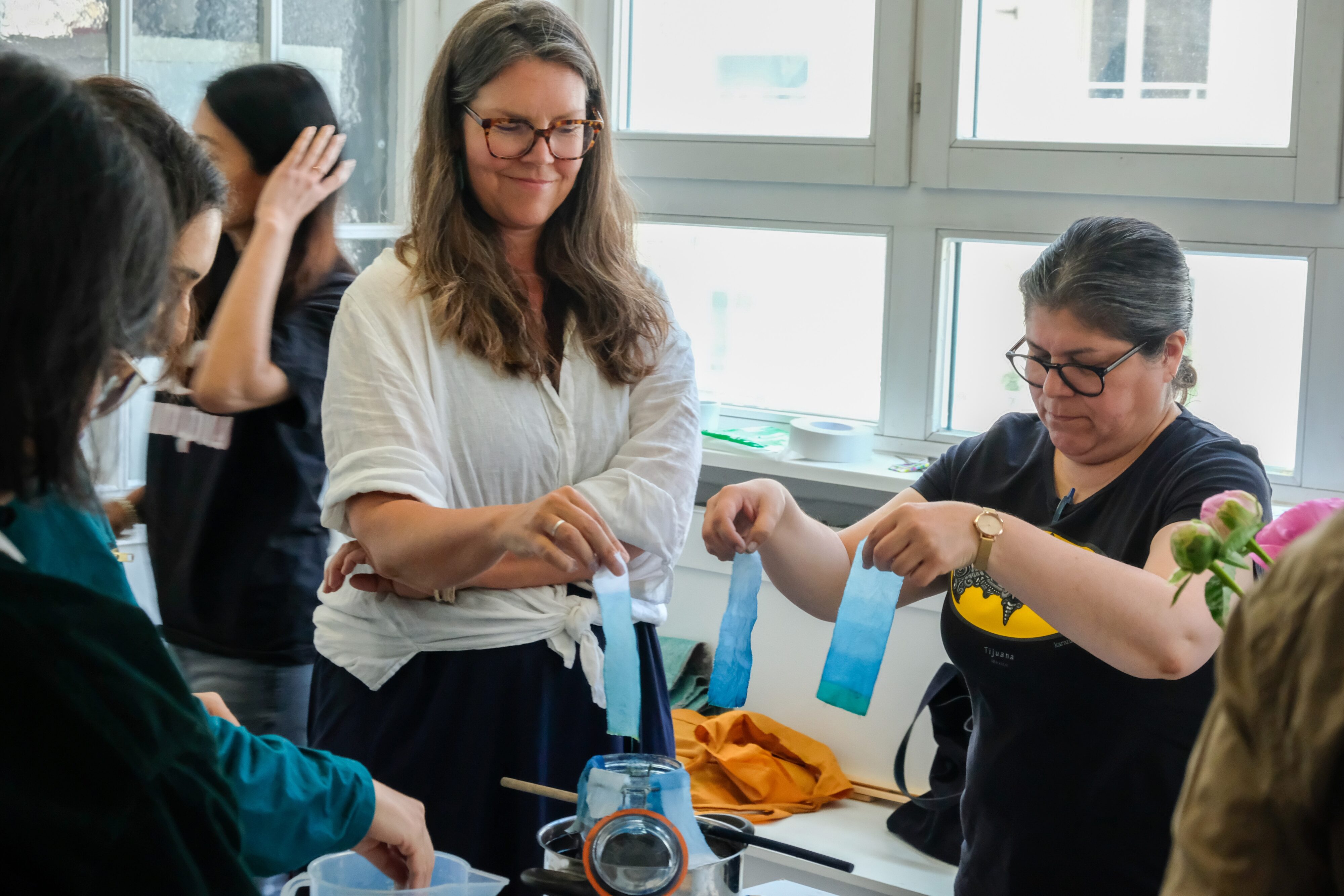
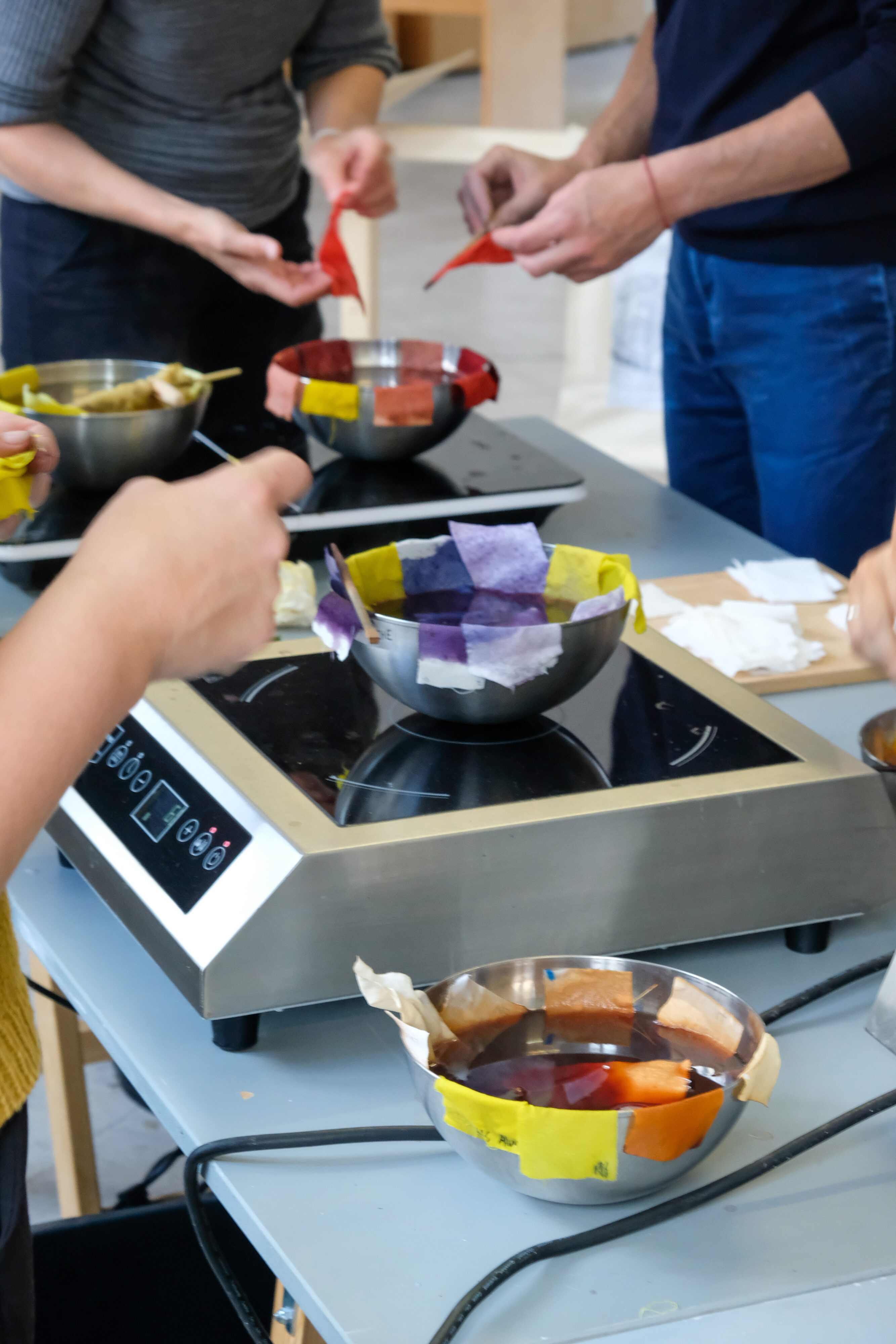
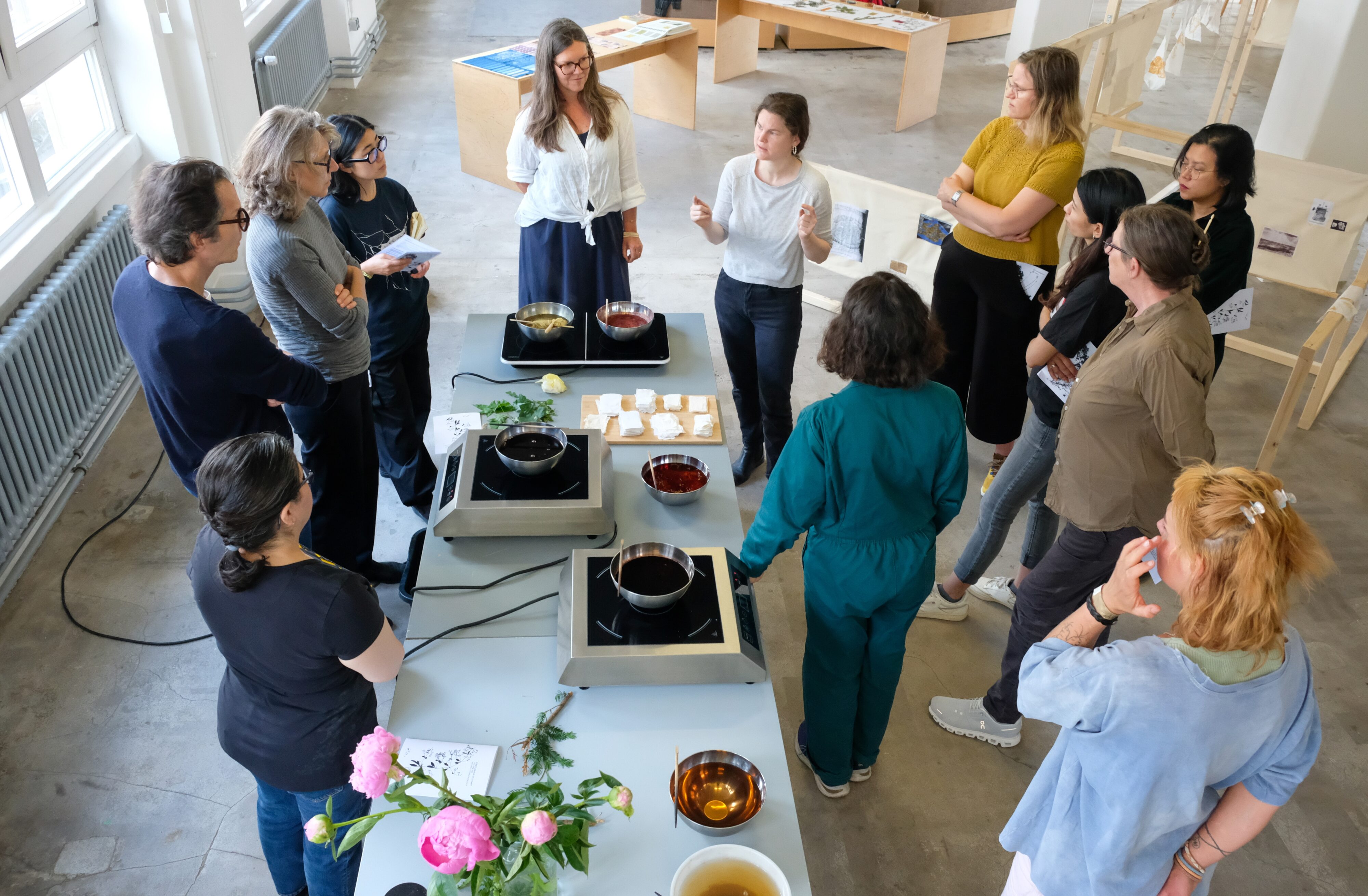
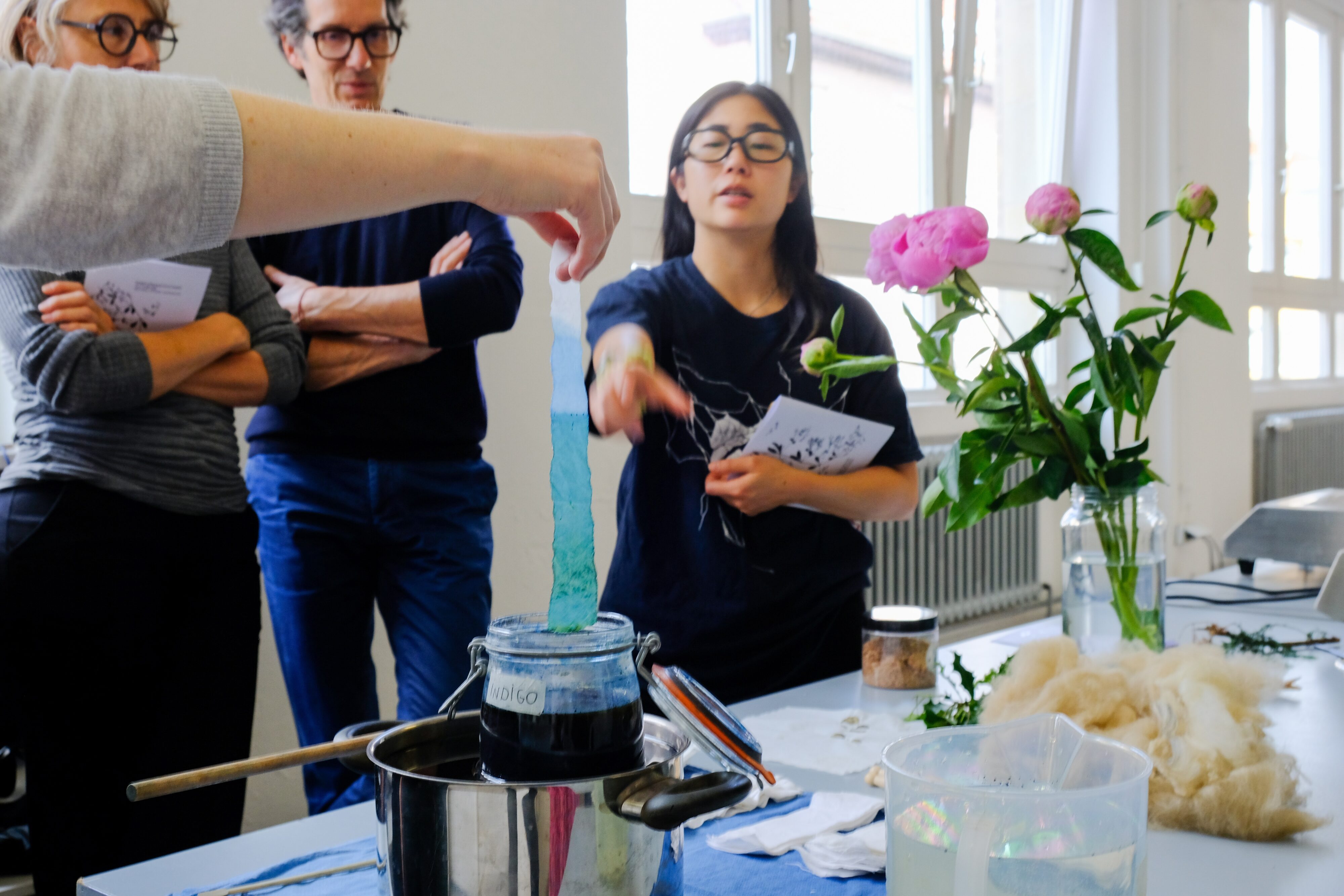
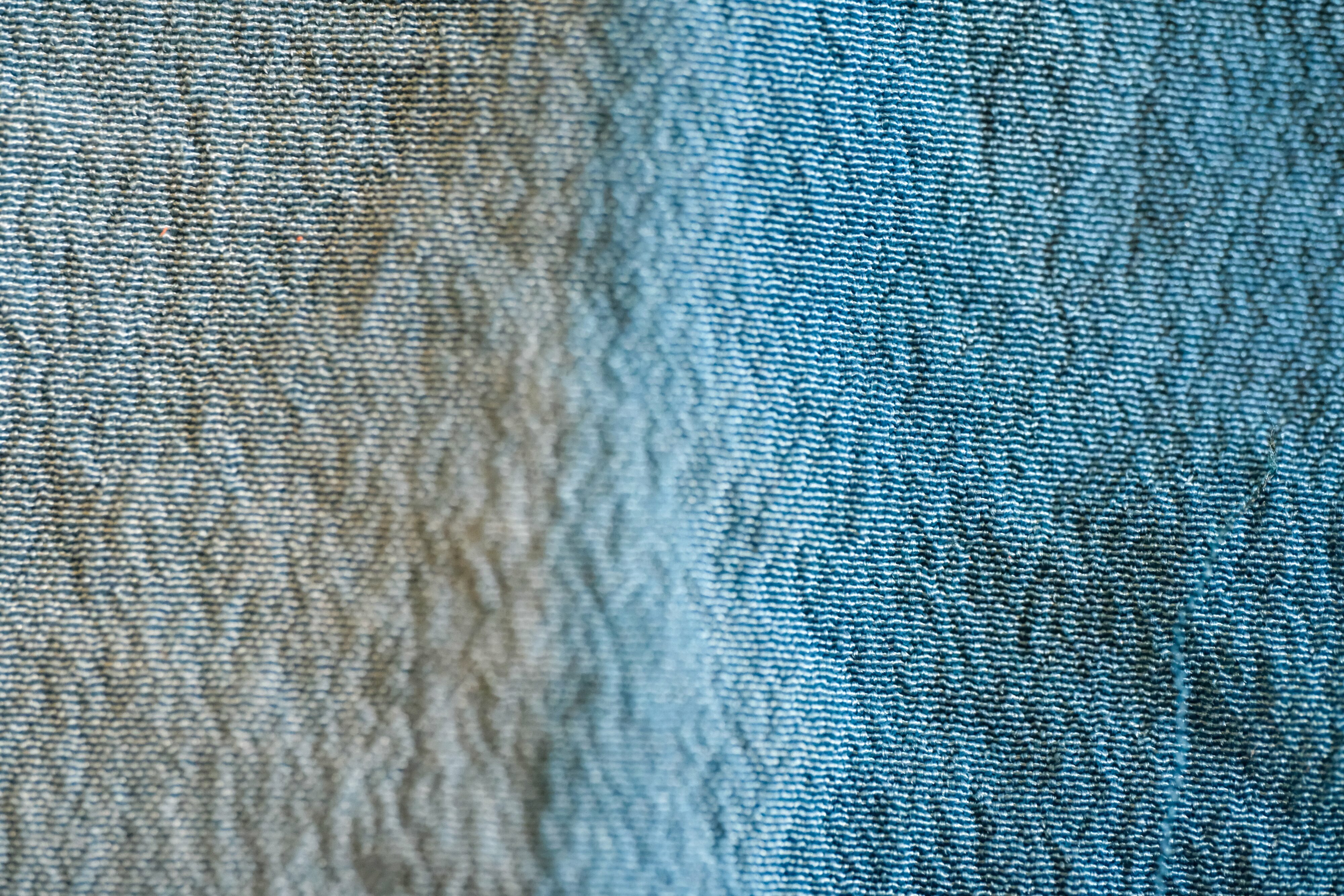
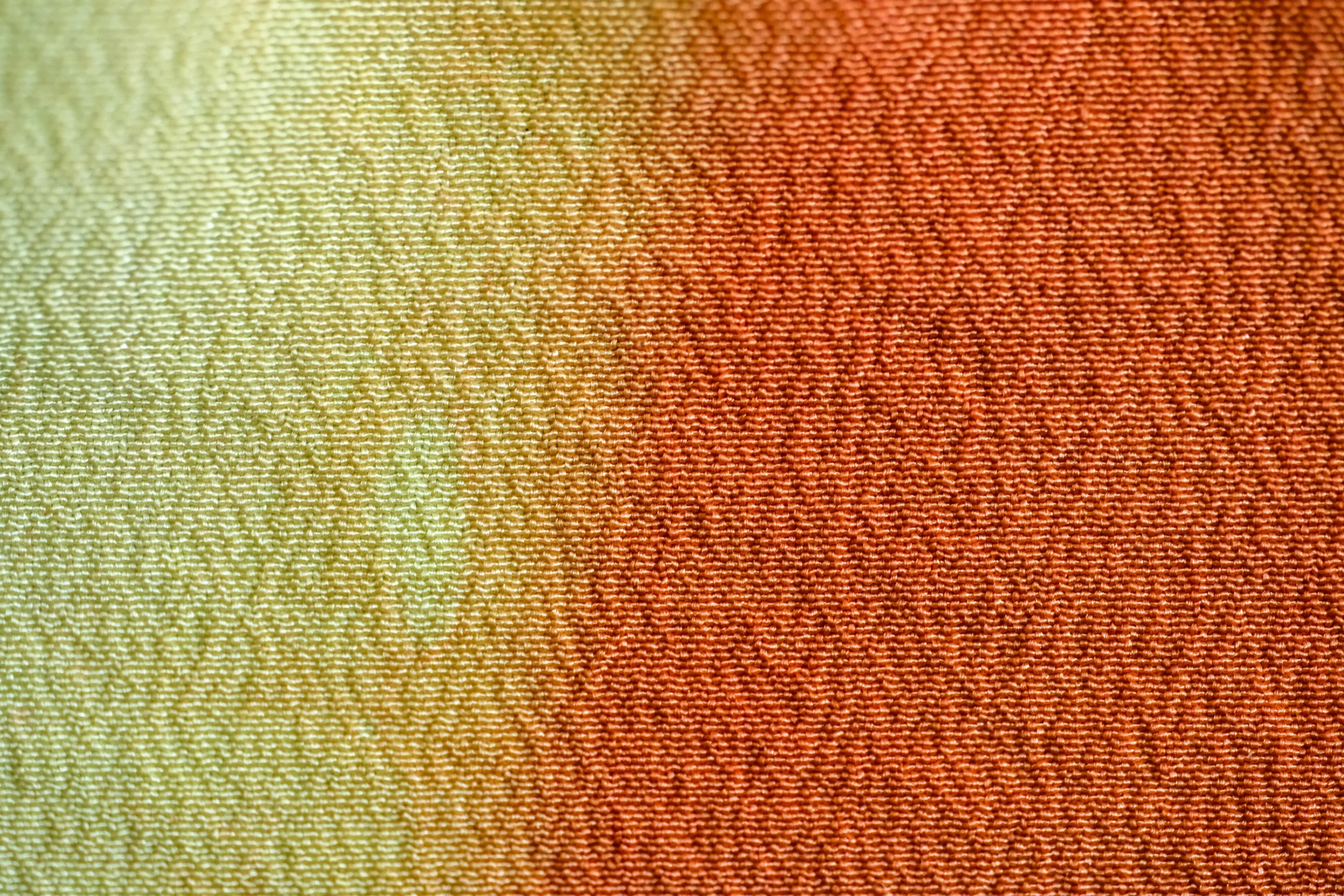
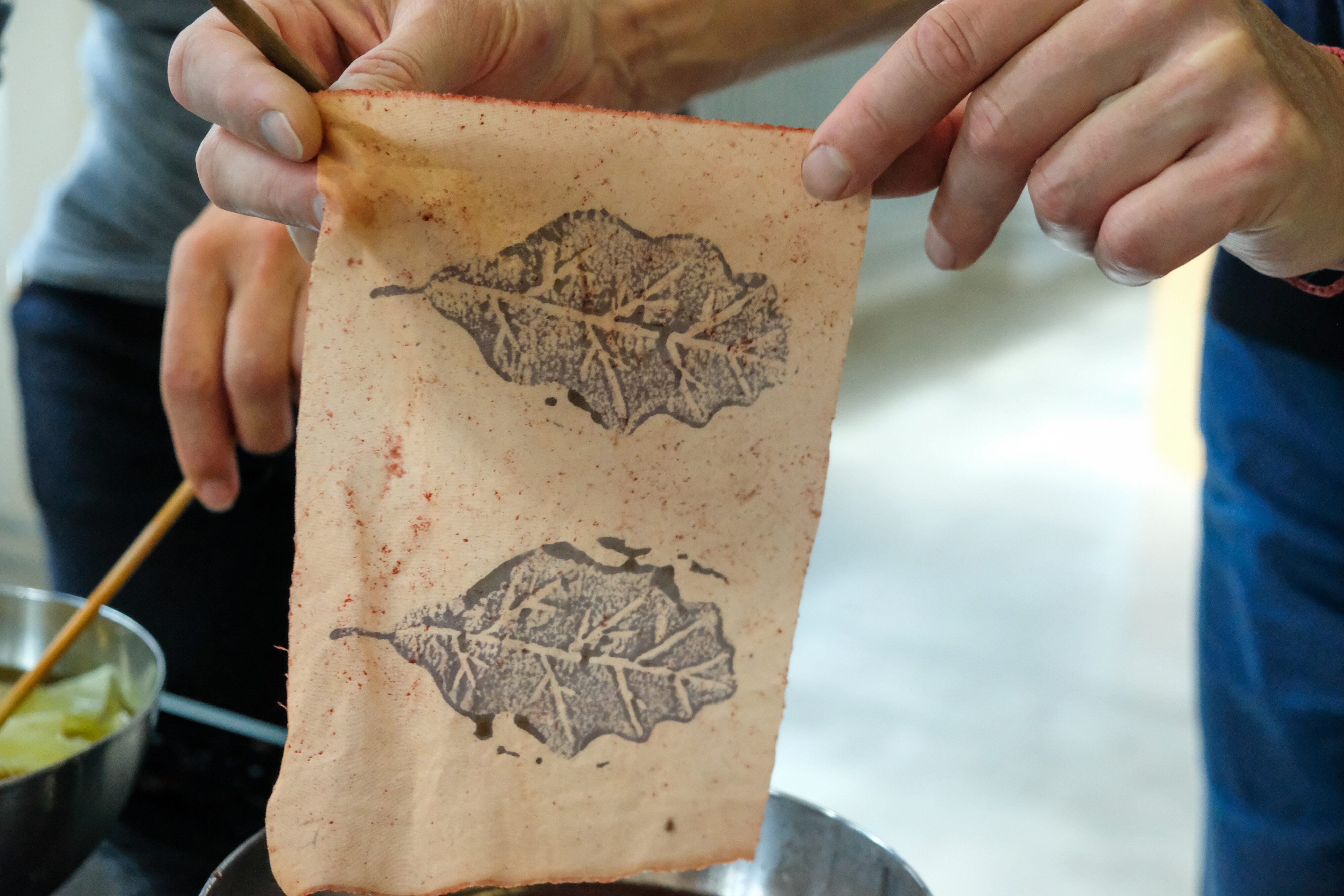
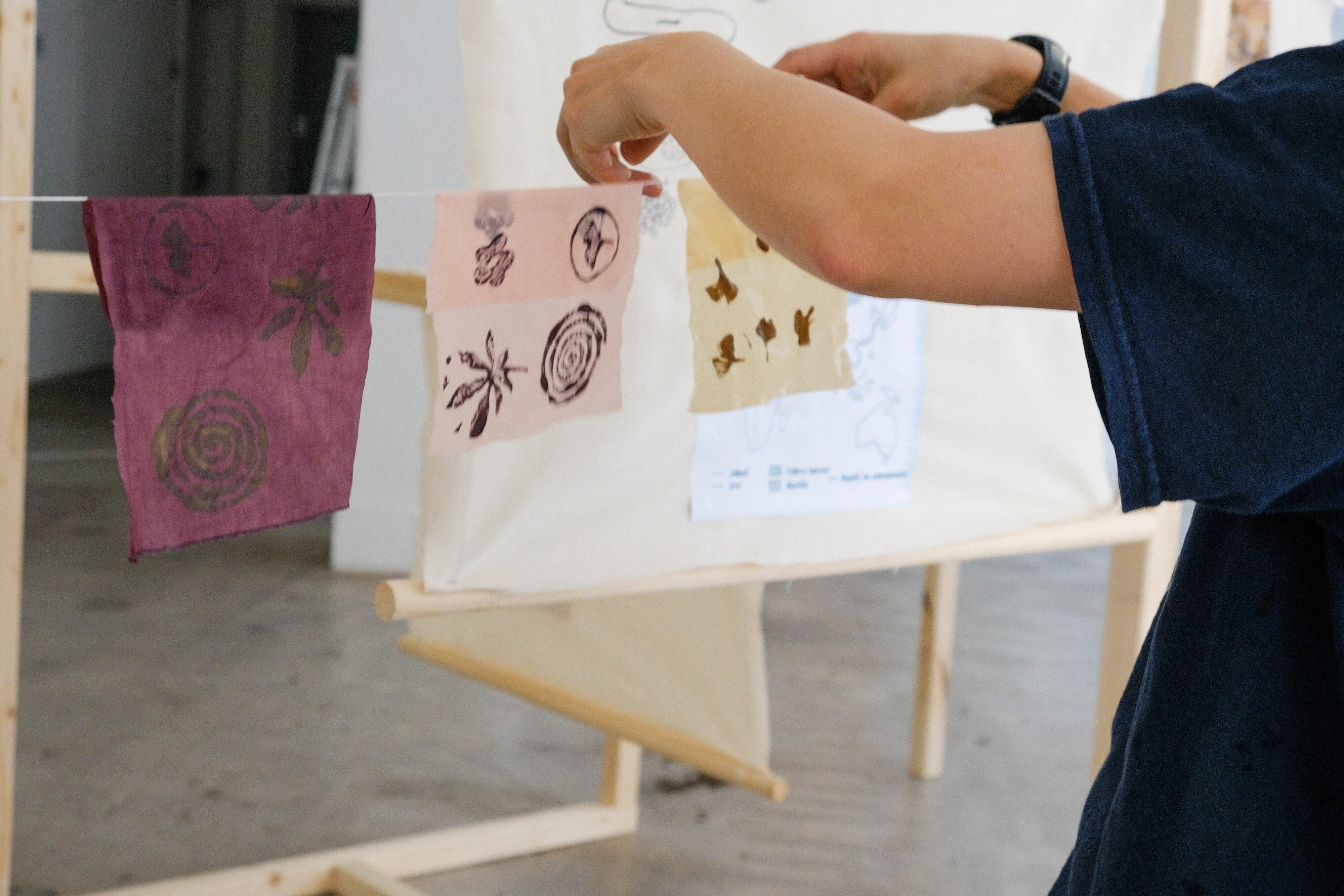
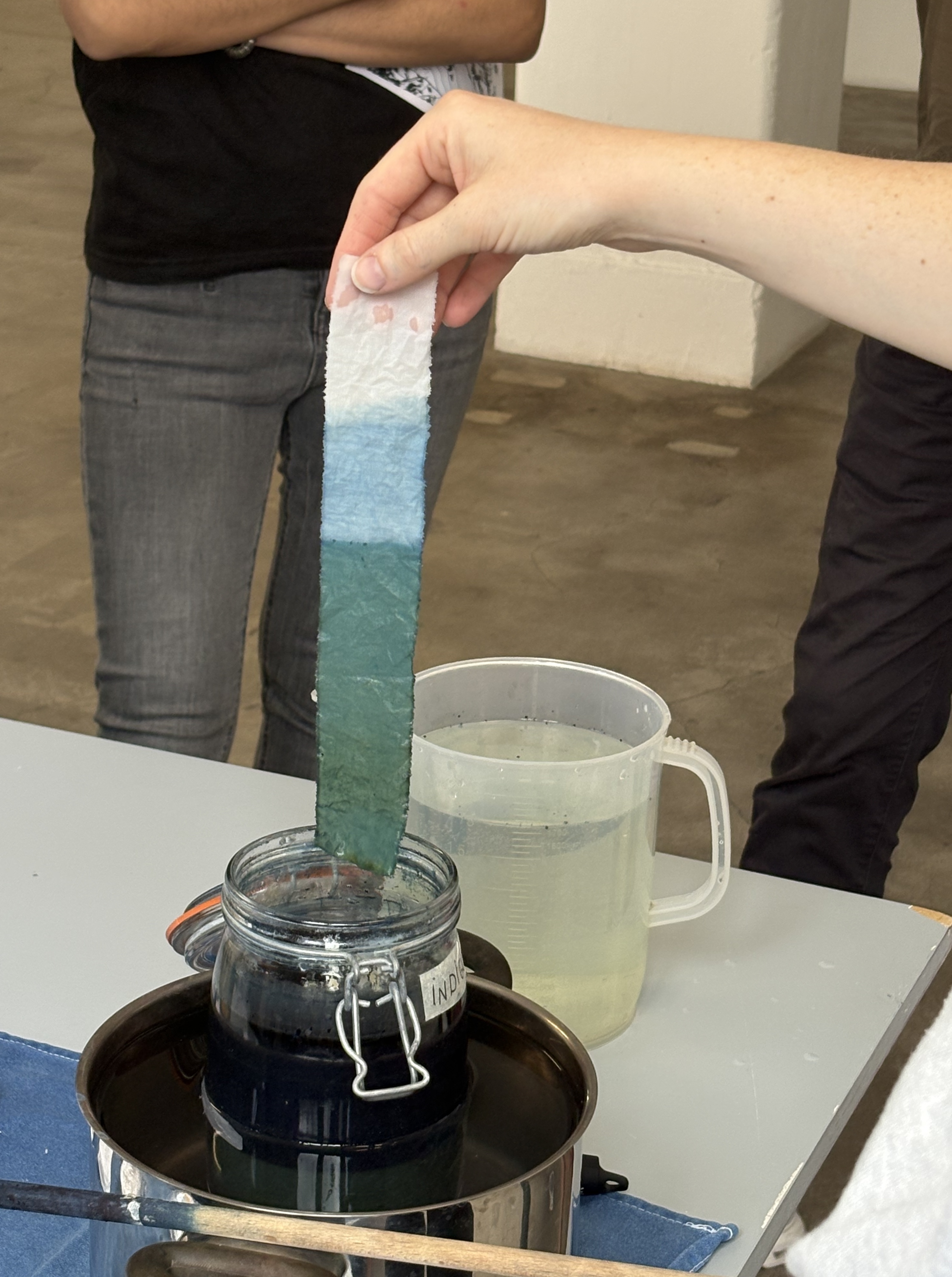
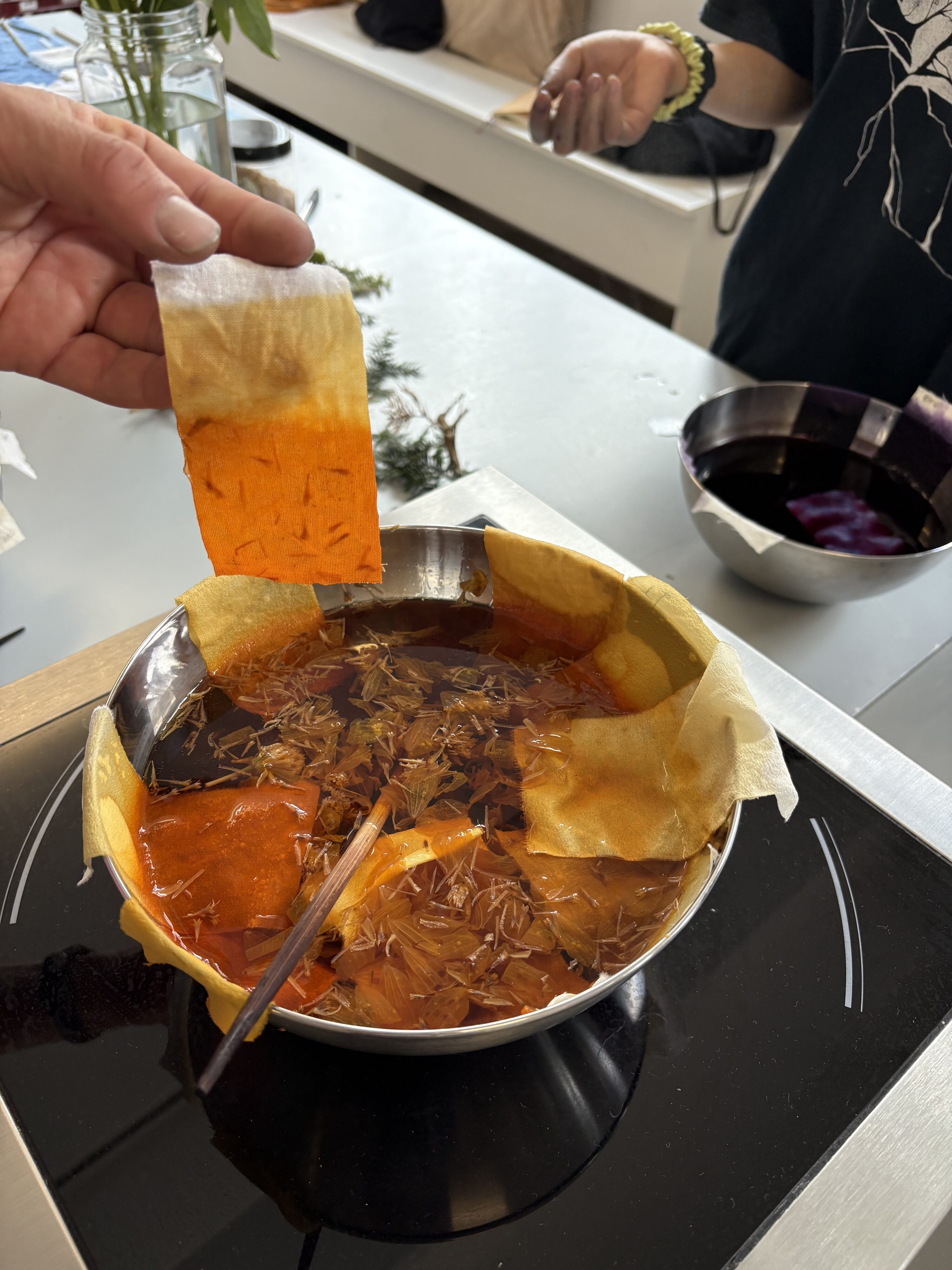
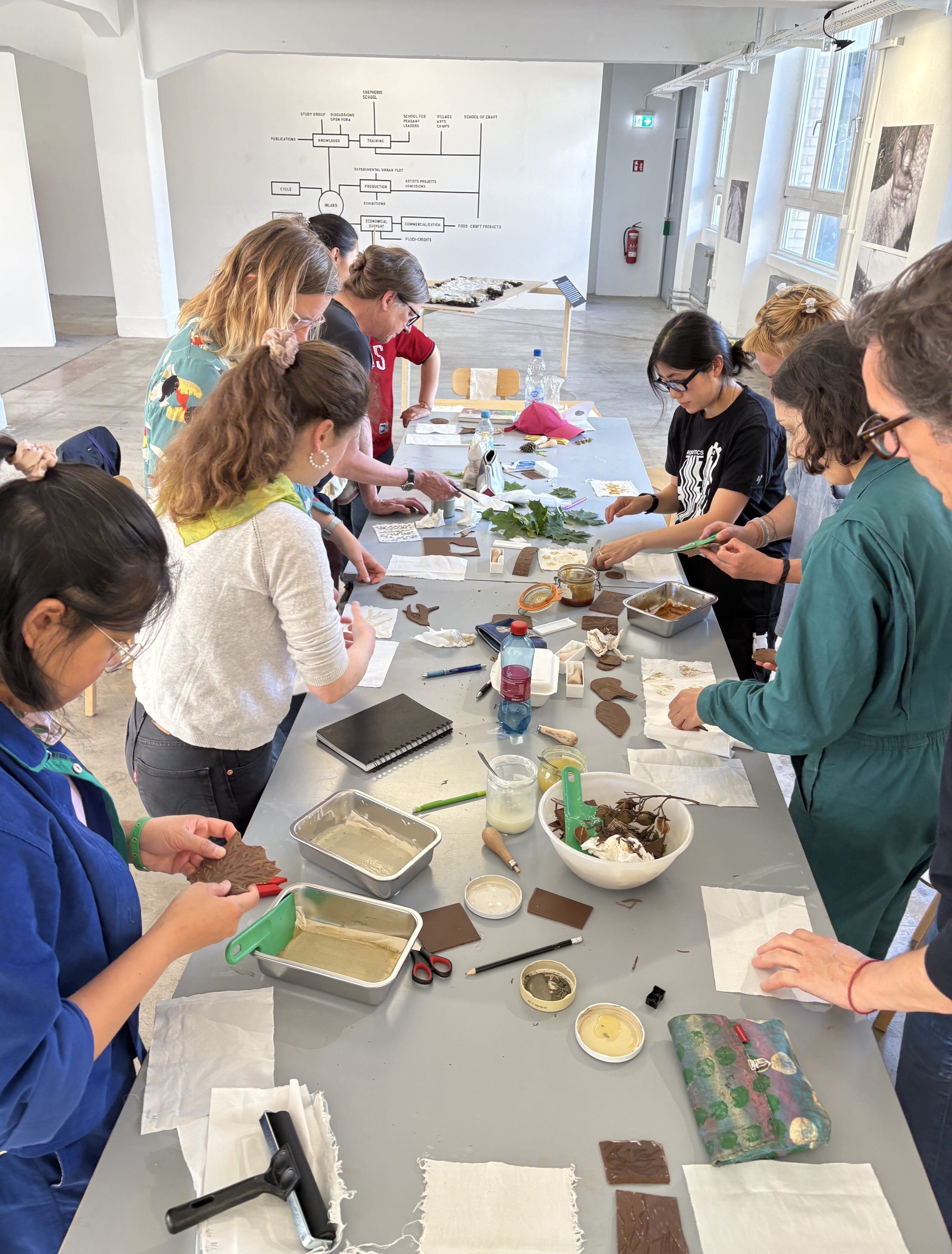
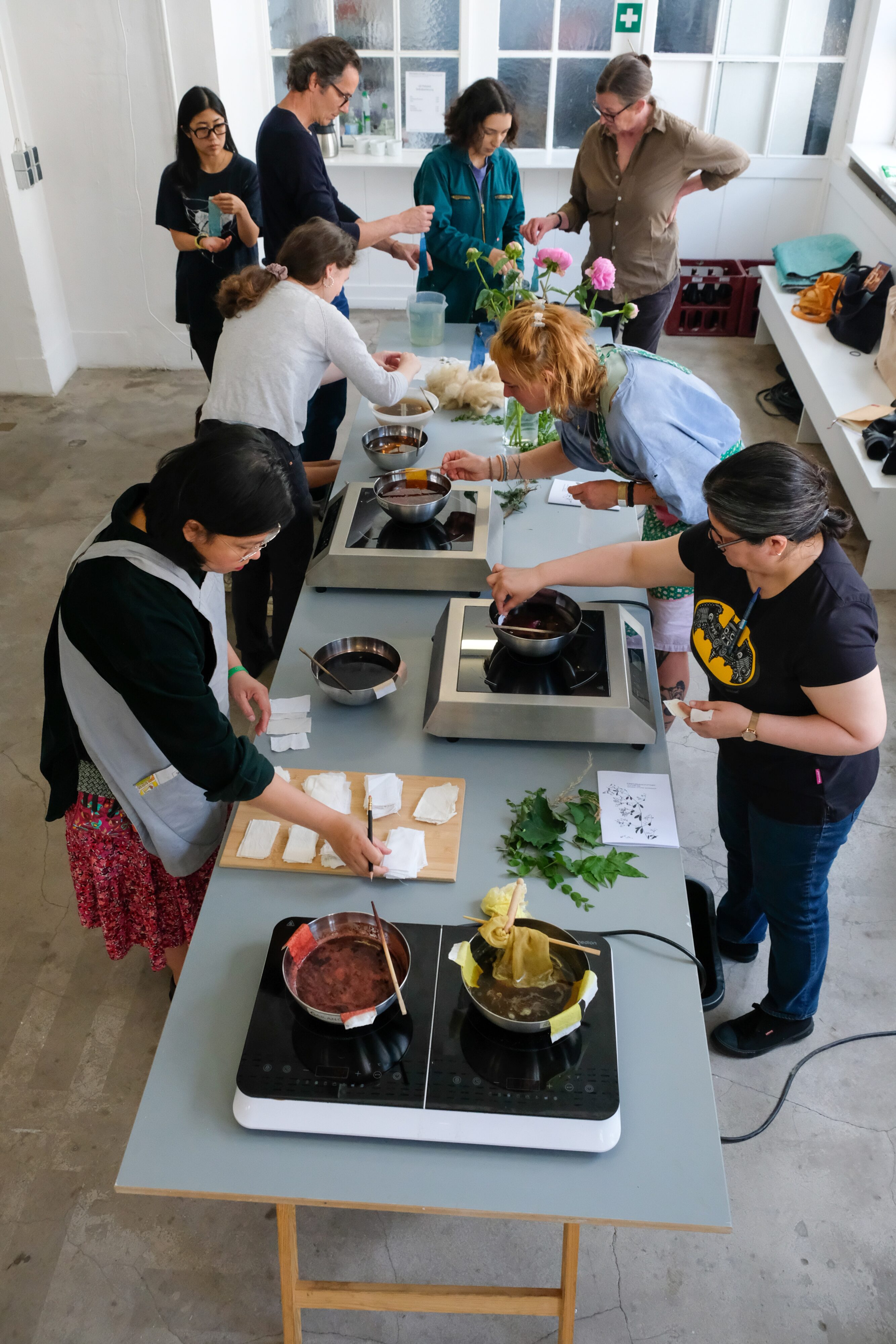
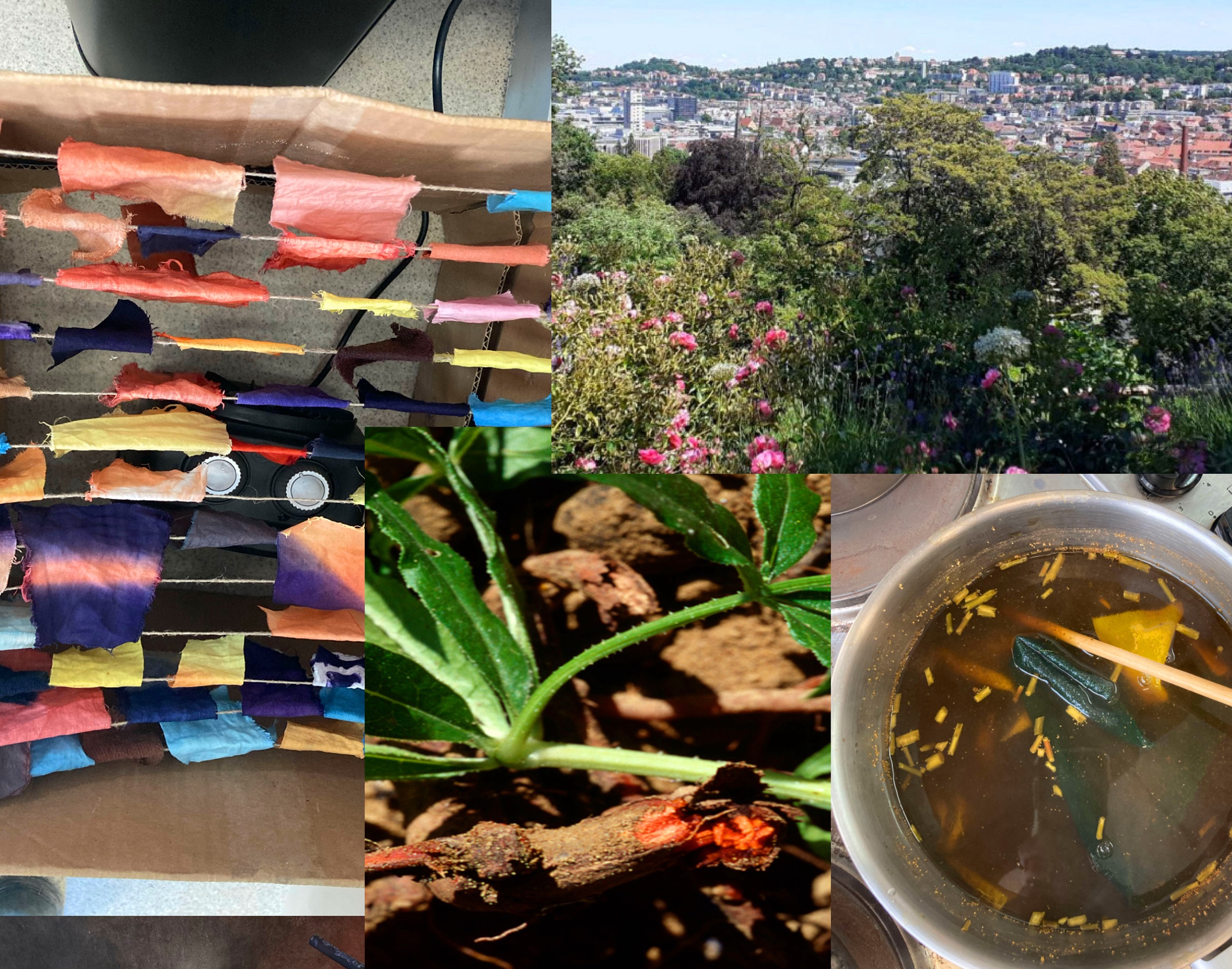
In this two-day natural plant dye workshop led by French artist and dye-maker Lucie Laporte, we will begin with a walk to explore local plants in Stuttgart, followed by a hands-on printing and dyeing process.
Originally from Hamburg and living and working in Paris, Lucie Laporte is a textile designer specialized in natural dyes and weaving. While studying historical costume design in Paris in the early 2010, she got interested in invisible or forgotten practices from the textile industry, such as hand weaving, and the ancestral art of natural dyeing. After travelling in Peru in 2017 in order to meet weavers from the Cusco valley practicing those crafts, she specialized in tapestry in la Manufacture des Gobelins. Her practice tends to be holistic, questioning the essence and the origins of matter, exploring its properties, being the colors or the material used to create and the histories they embody.
Lucie aims to share accessible tools and knowledge, to transcend the Nature/Culture dualism and rethink our way of being in the world. Reuse, bio-sourced materials, and locally grown resources are central to her approach.
Materials for plant dyeing will be provided. A contribution of 60 euros is requested.
The number of participants is limited—please register via Eventbrite by June 8, 2026.
Timelapse
June 13, Saturday, Künstlerhaus Stuttgart
10am-12pm
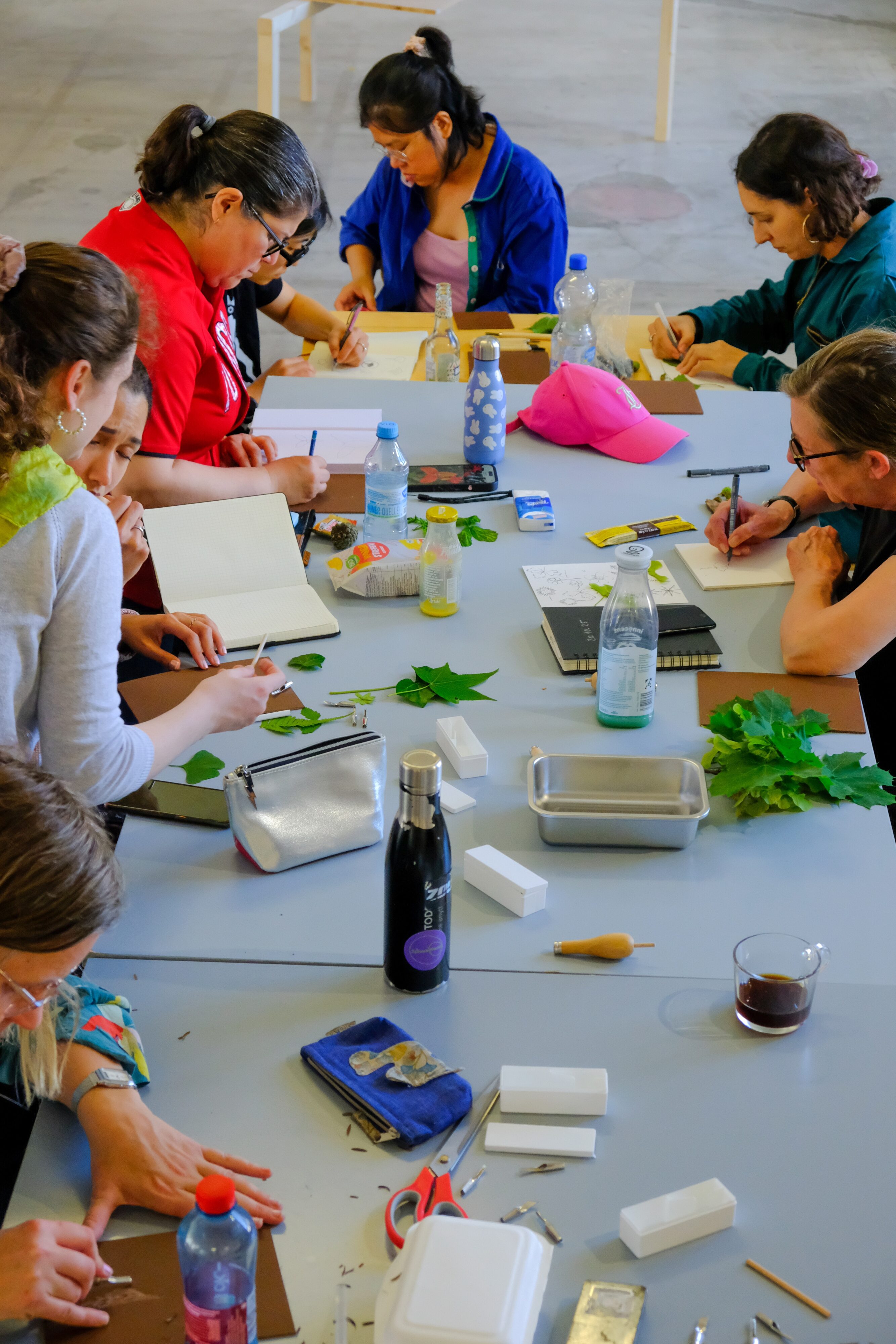
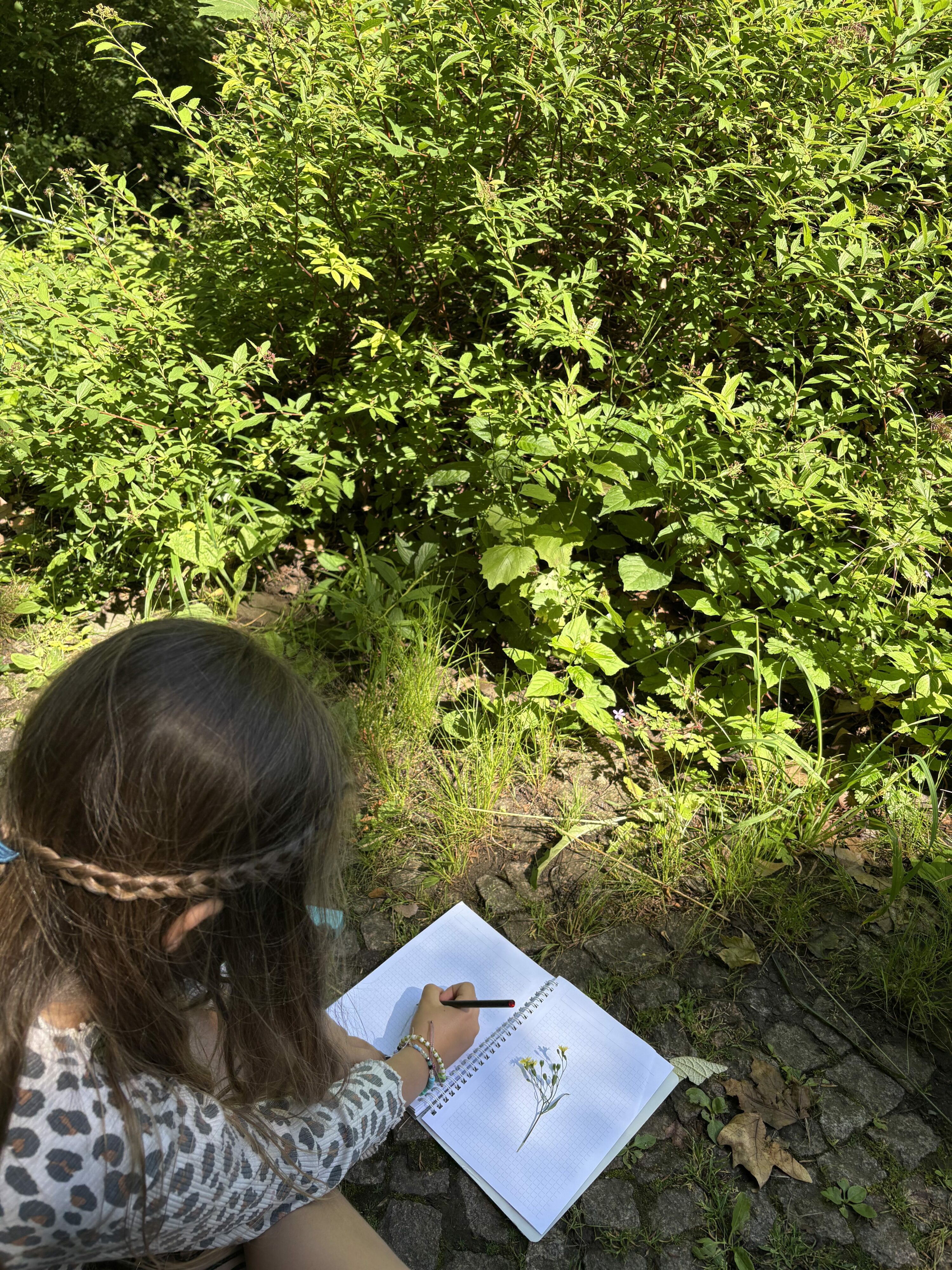
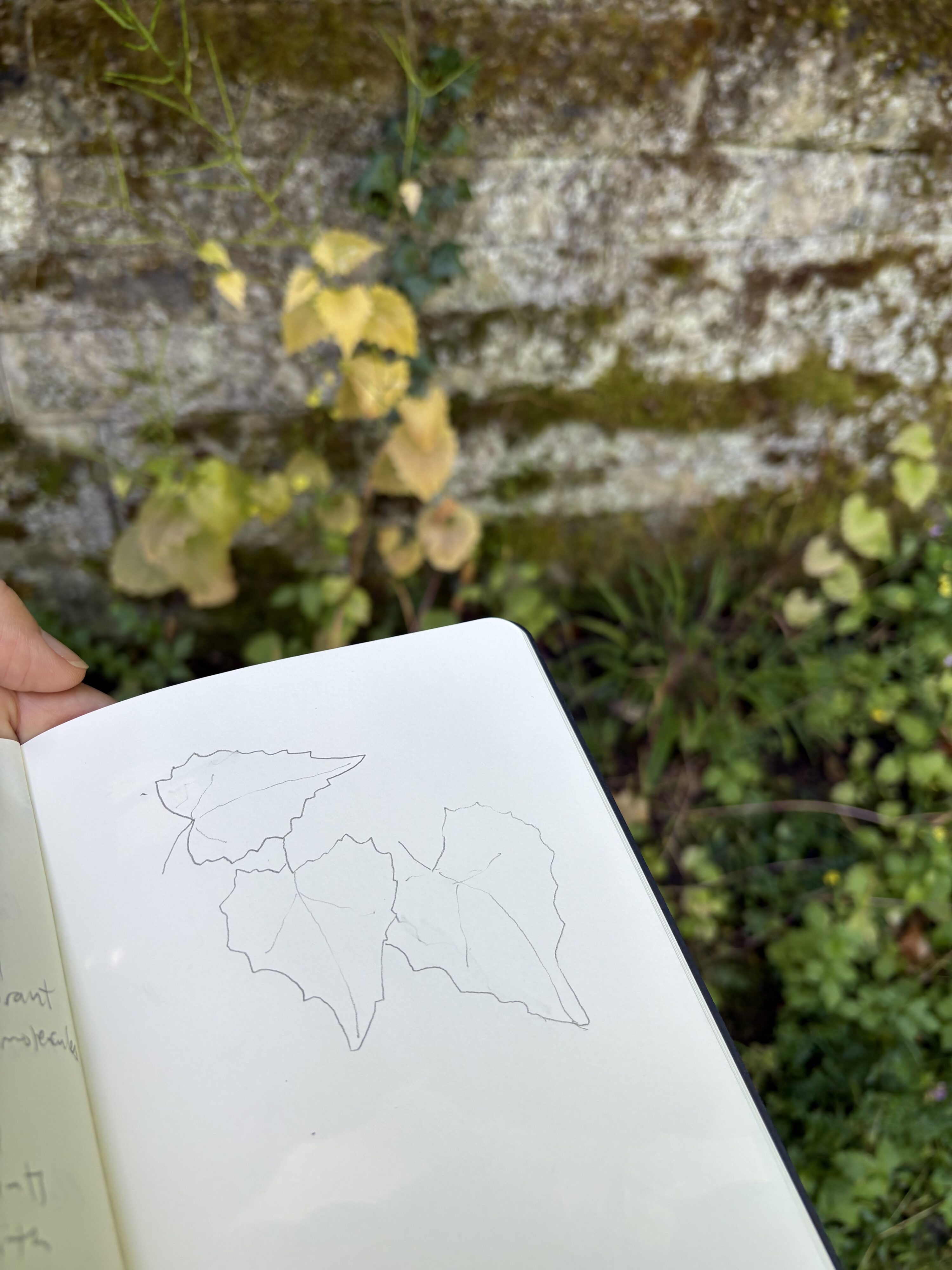
A guided walk open to everyone will take place in the park near the Künstlerhaus during which we will introduce the local dye plants from the park, and the way they were used throughout history to create colours. After 11 am, participants will be free to explore the park and make some drawings to be reinterpreted later for the printing workshop. Please bring your own notebook and drawing tools.
1-2pm
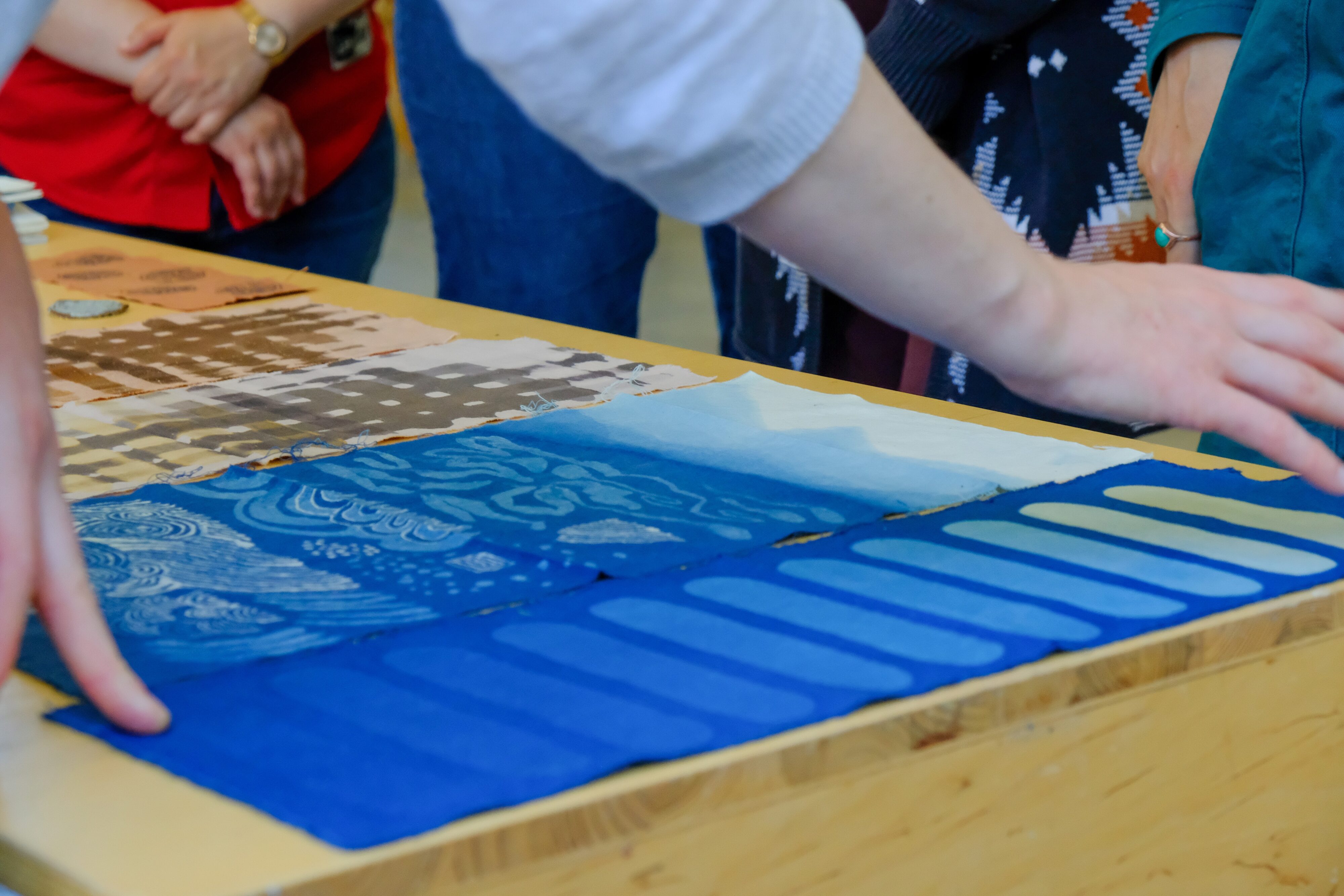
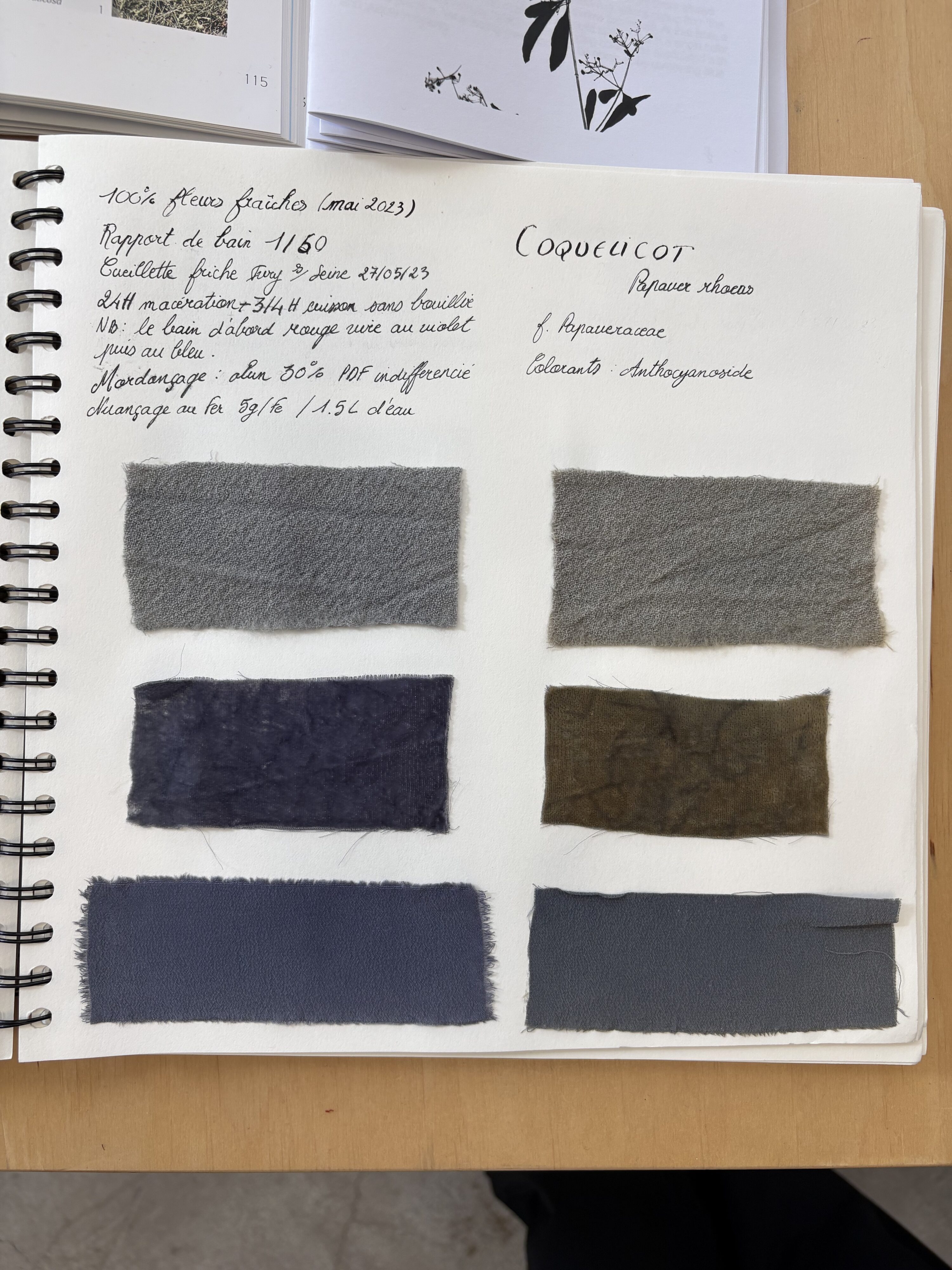
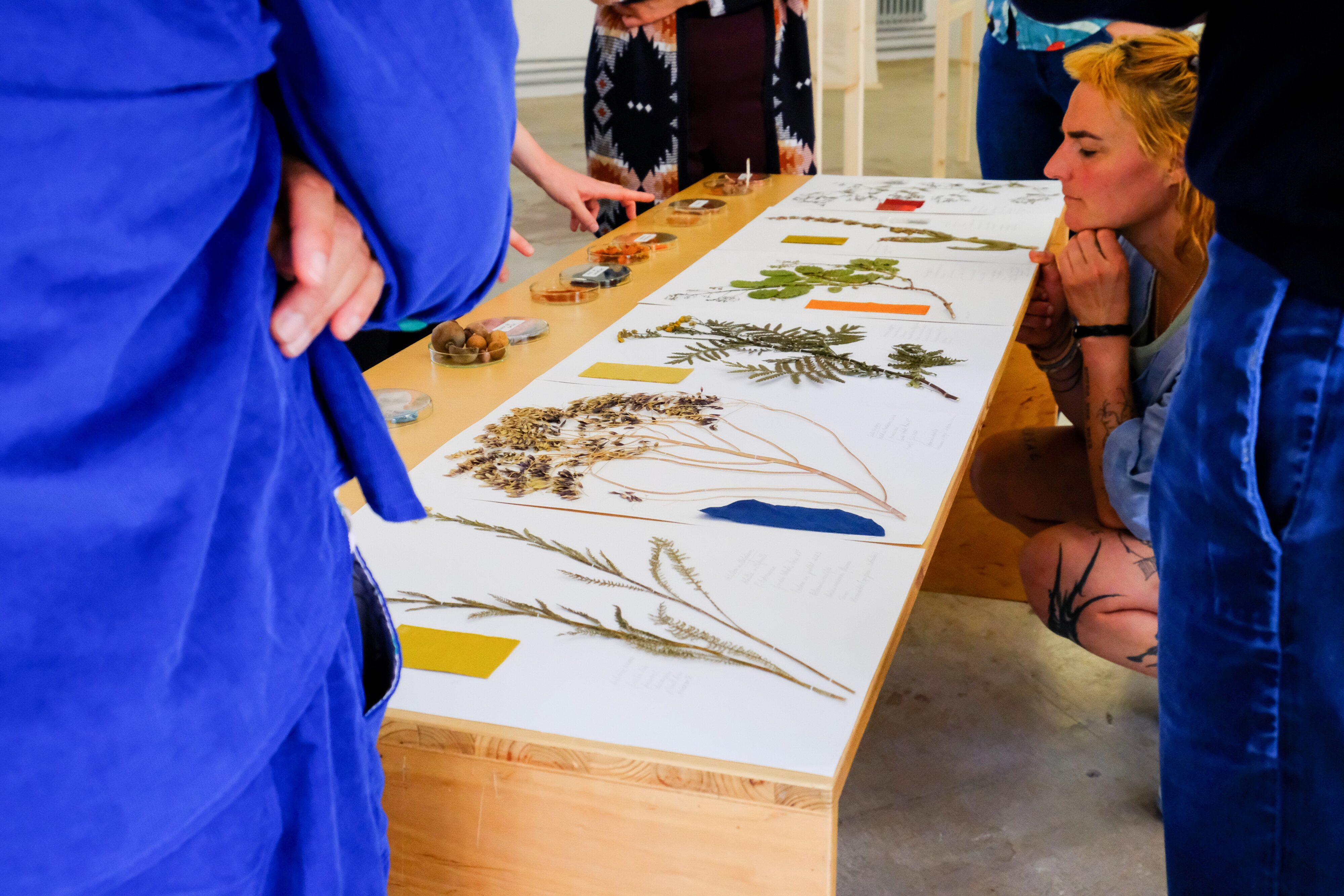
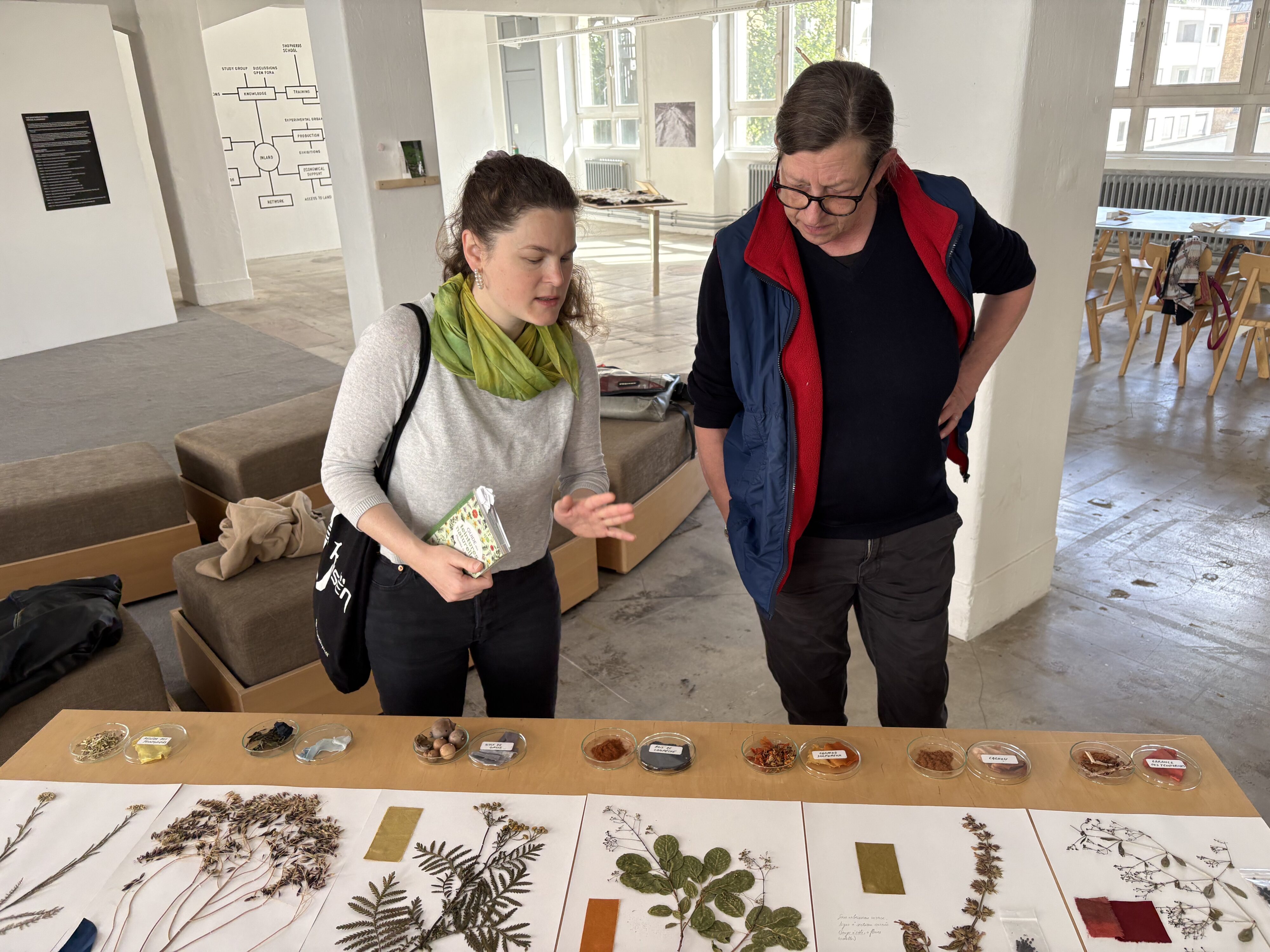
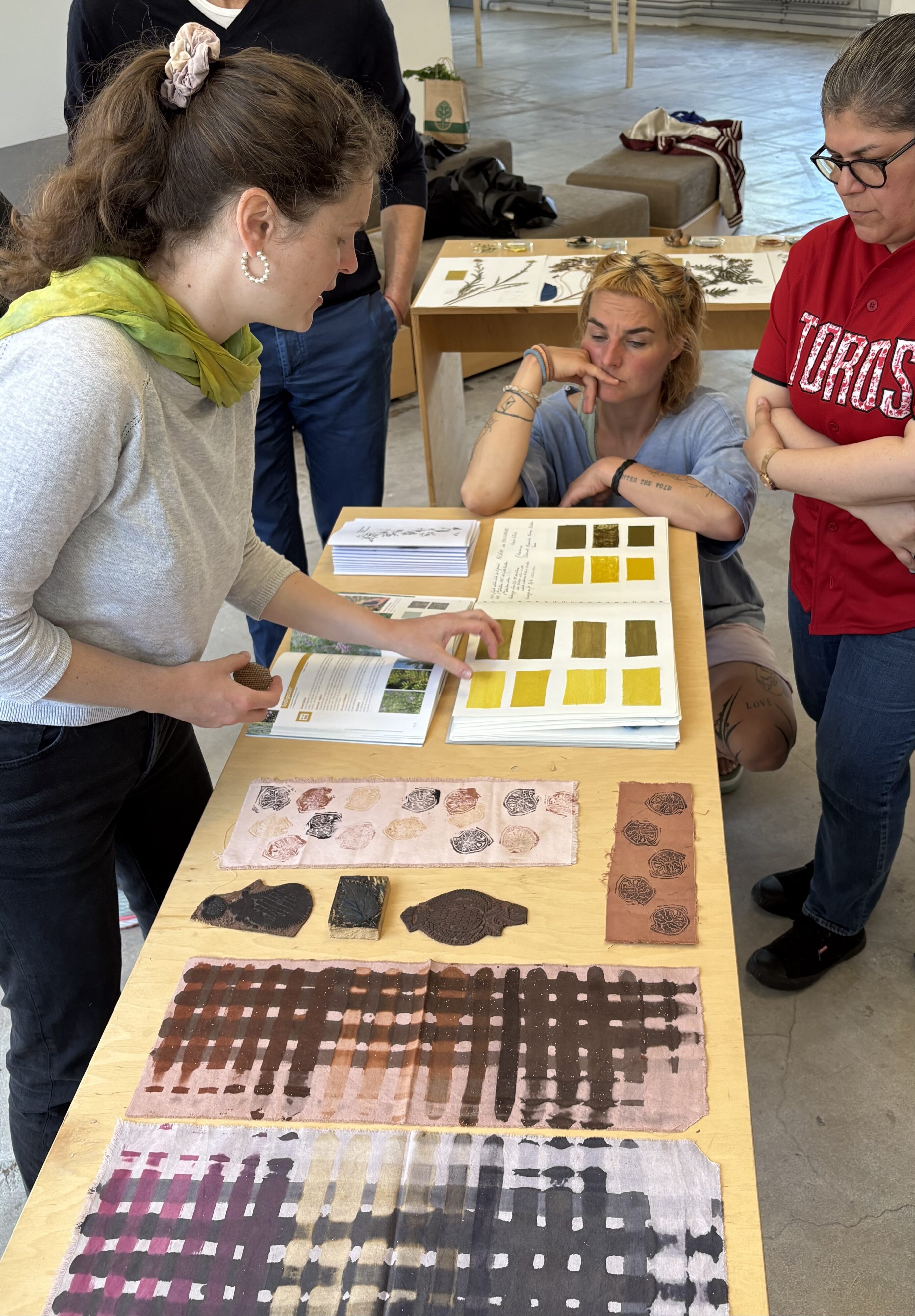
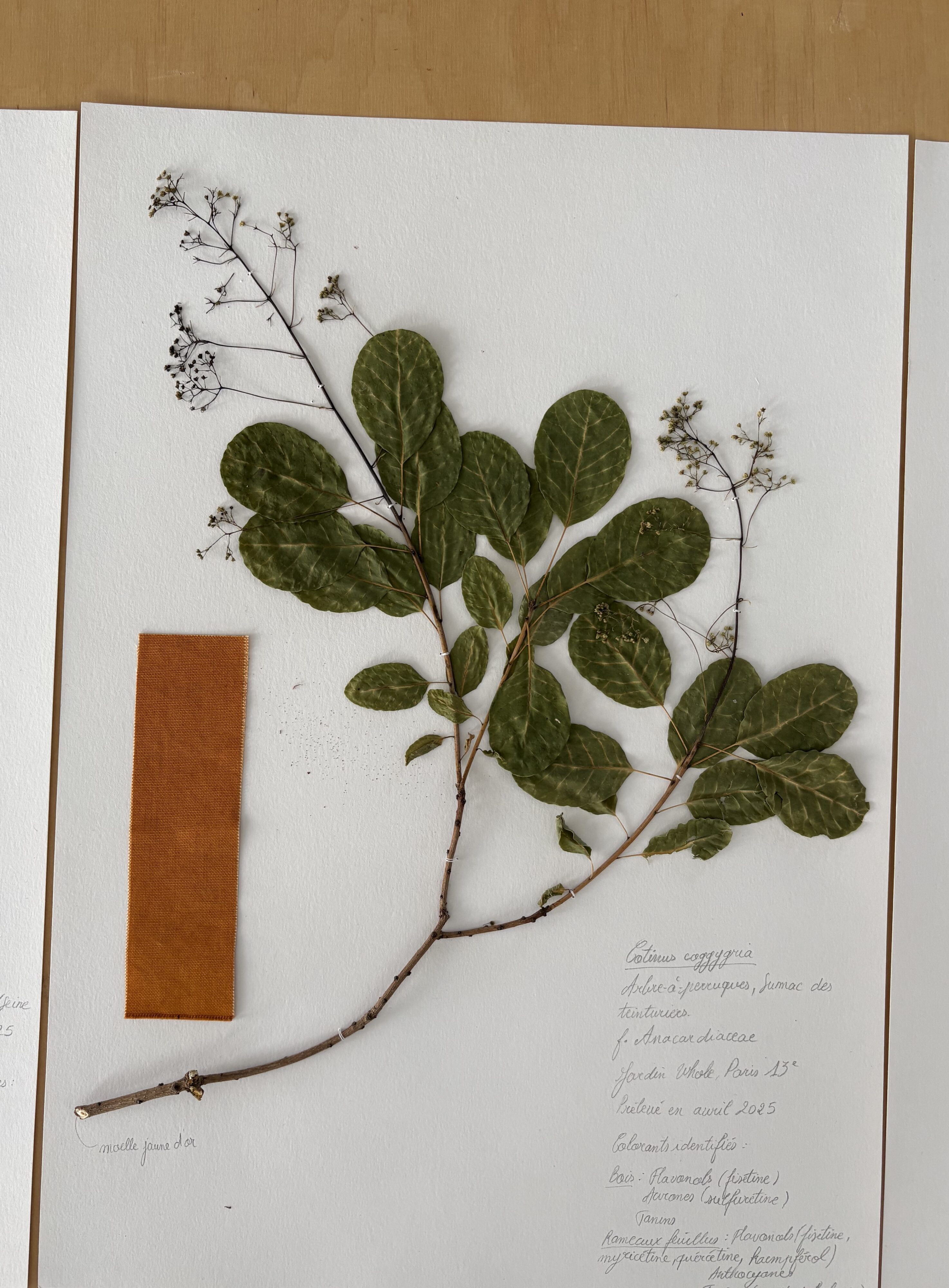
We’ll introduce the main essences used for natural dyeing purposes in history, in Europe and worldwide, through the presentation of herbsters and research colour charts from the artist. The different colorant extraction processes will be exposed as the creation process of an organic indigo vat.
2-5pm
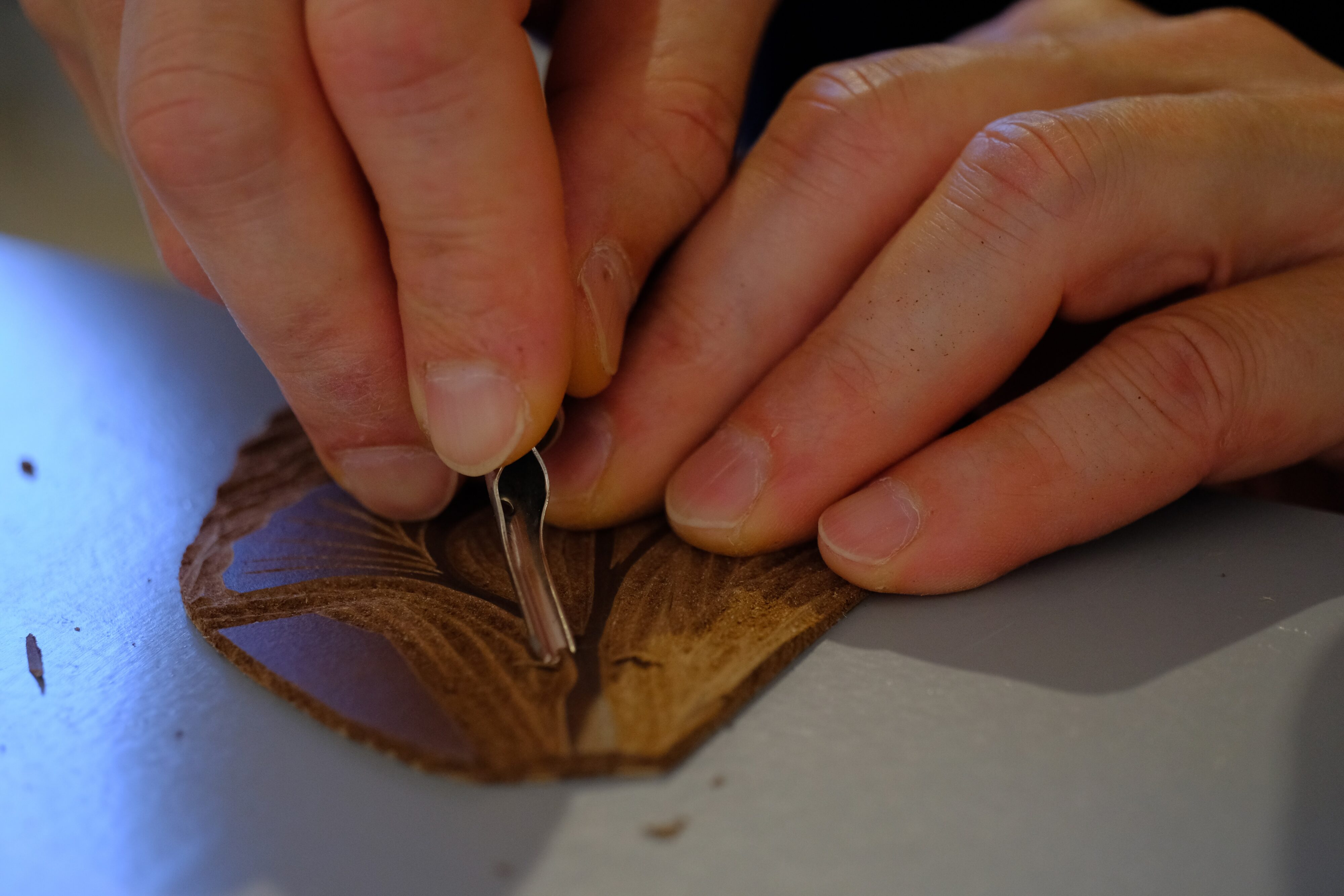
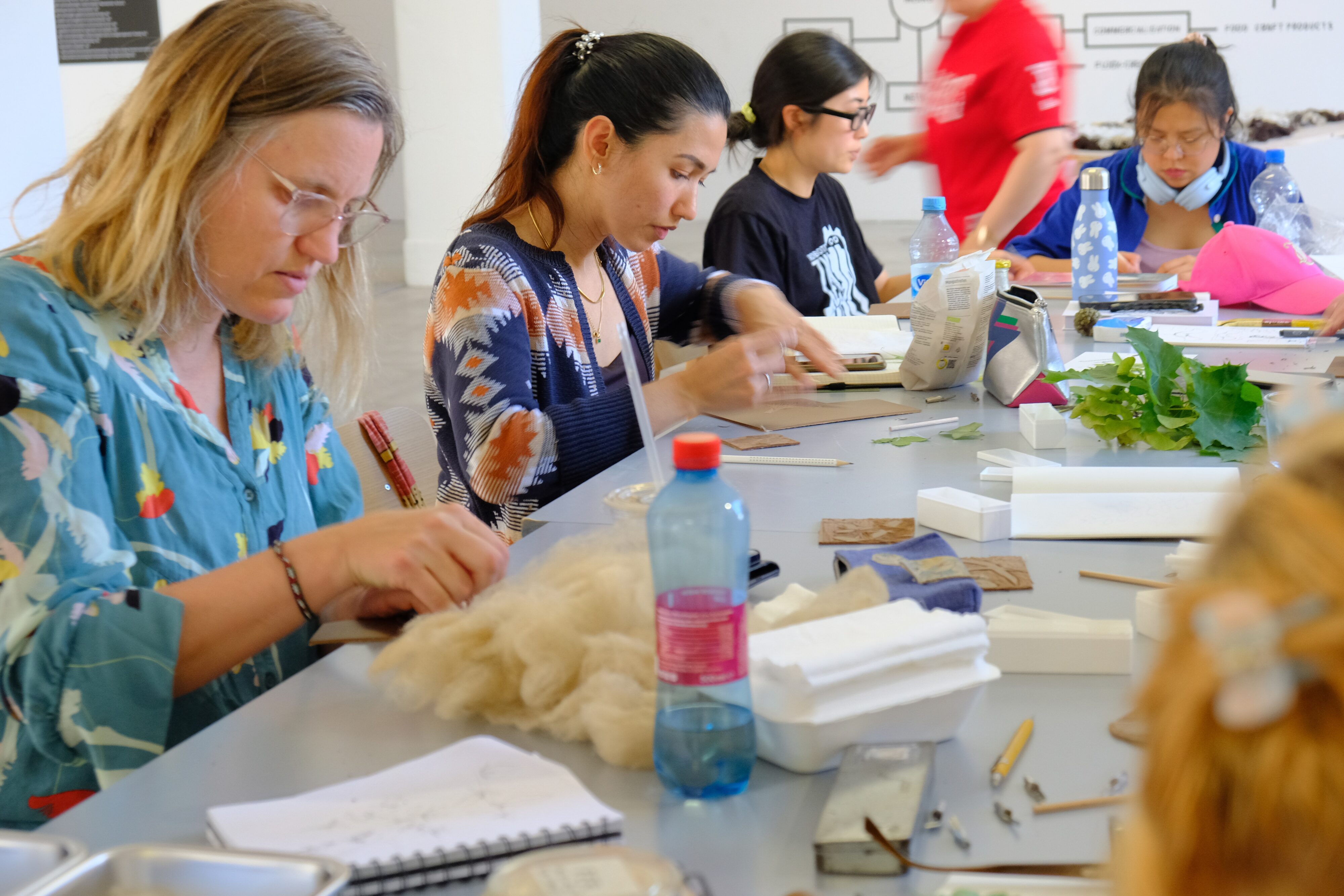
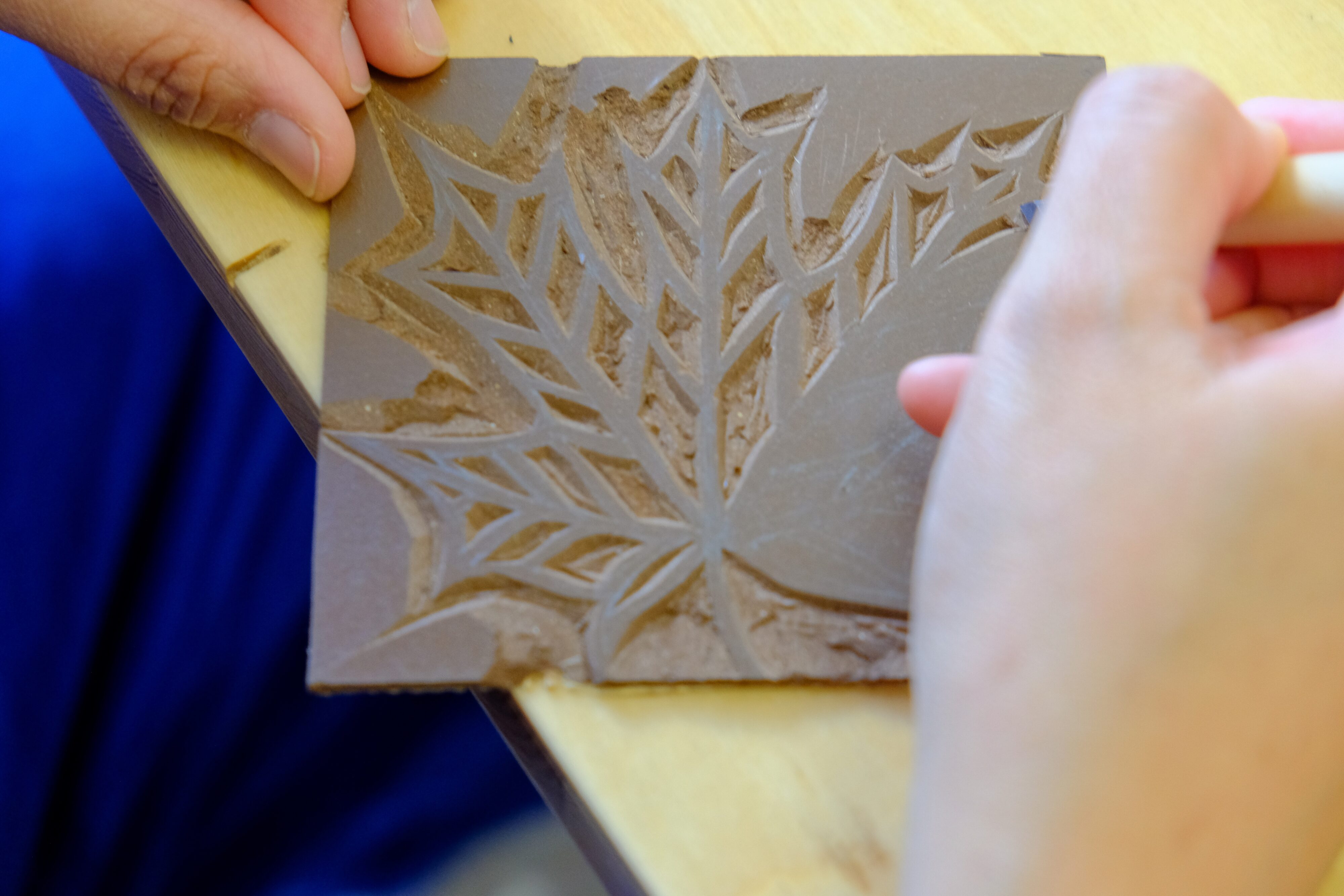
Each participant will be invited to engrave drawings with the linocut technique to create stamps, then we will be stamping the fabrics with three different mordant pastes: ferrous sulfate, aluminium sulfate and titane. Clay paste resist technique will also be taught to create patterns with the indigo vat. (NB : All the samples will be left to the Künstlerhaus to dry for the night.)
June 14th, Sunday, Künstlerhaus Stuttgart
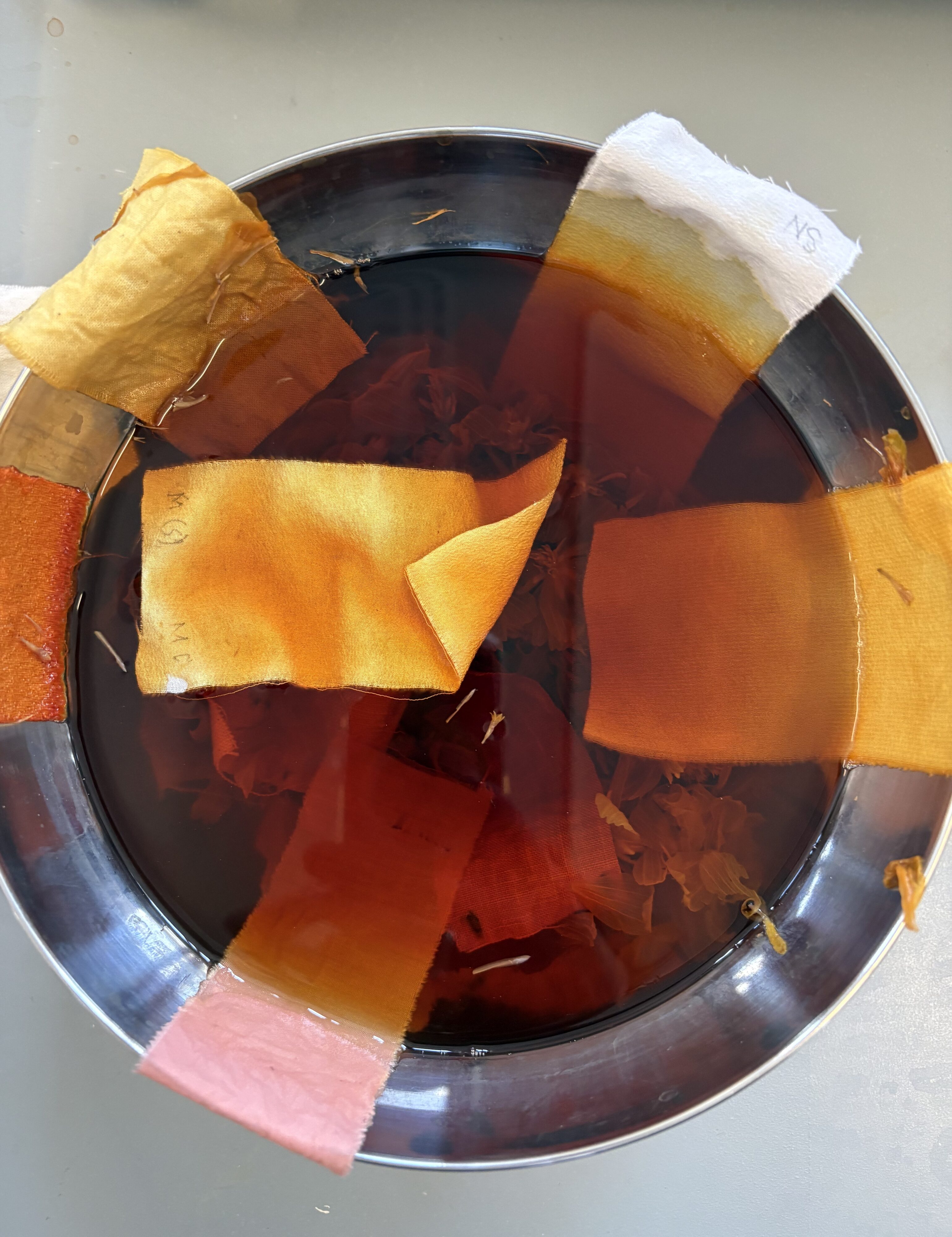
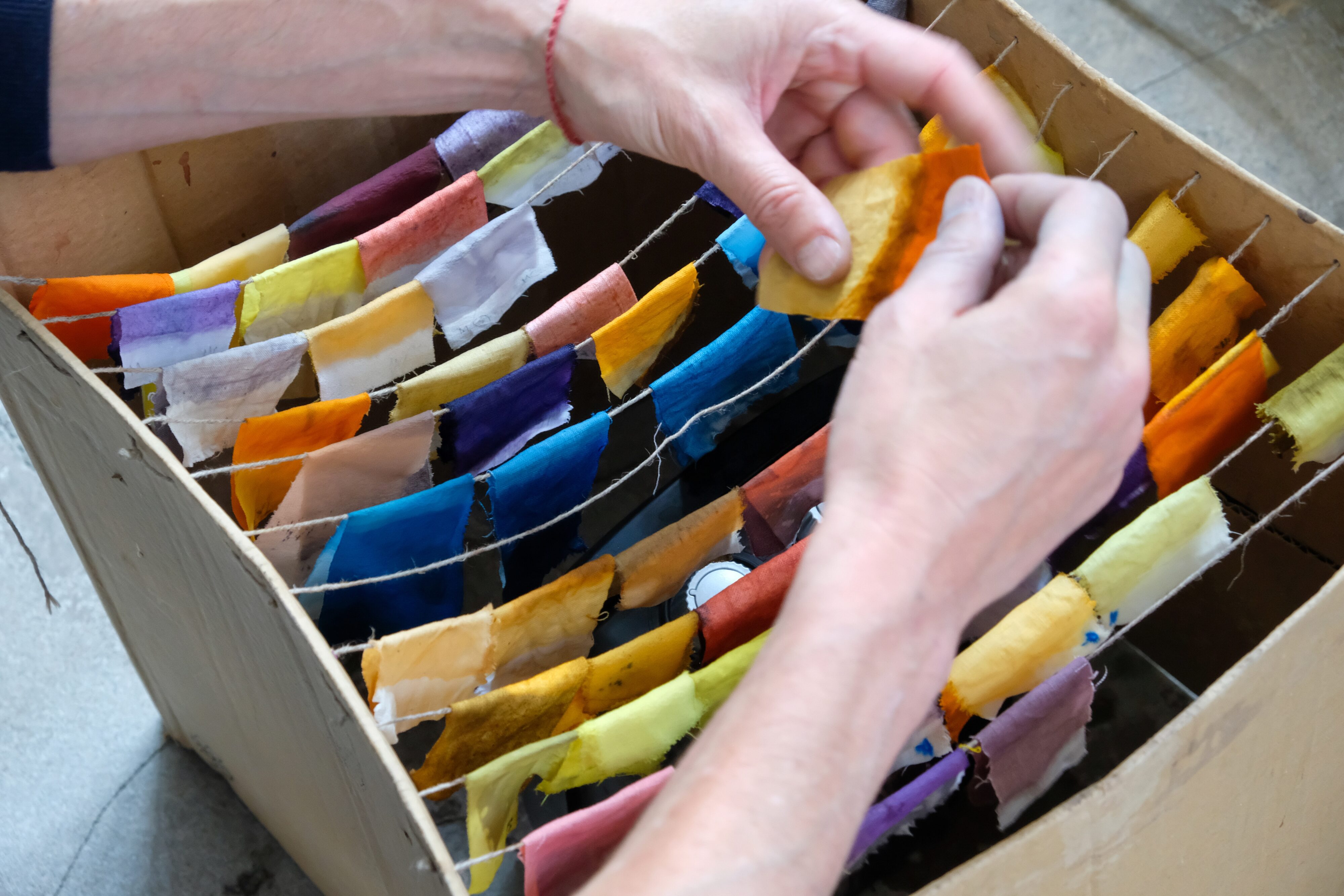
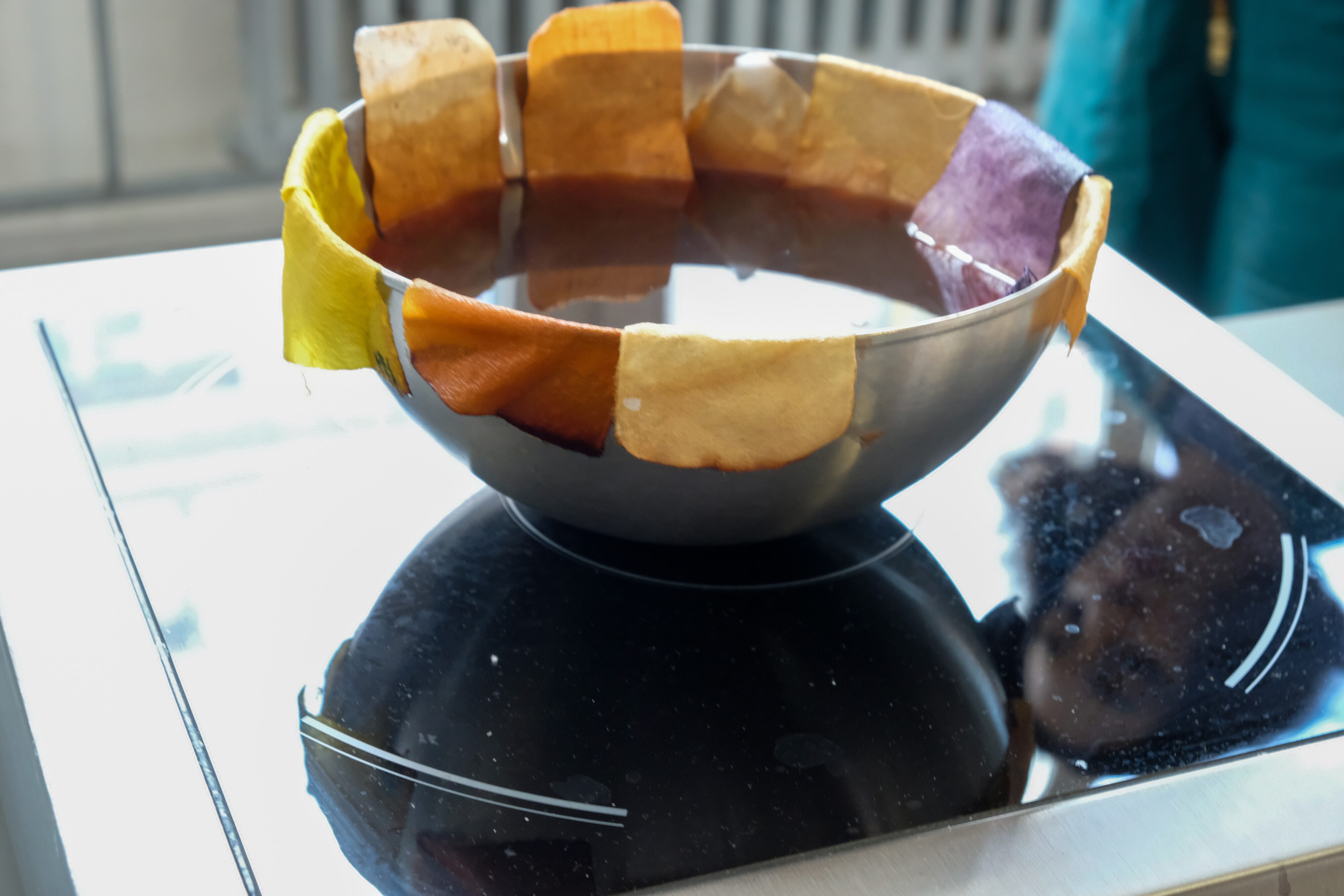
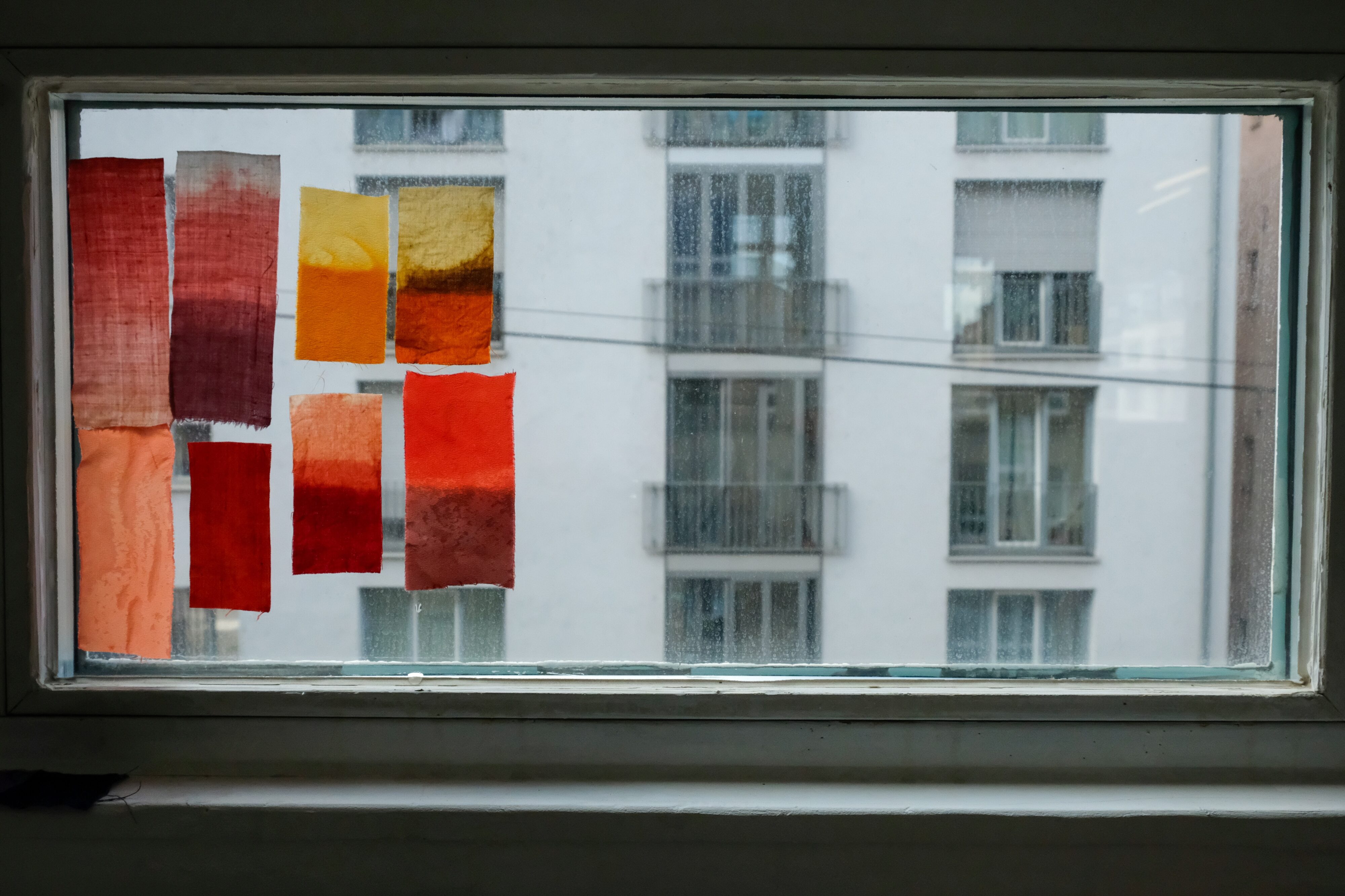
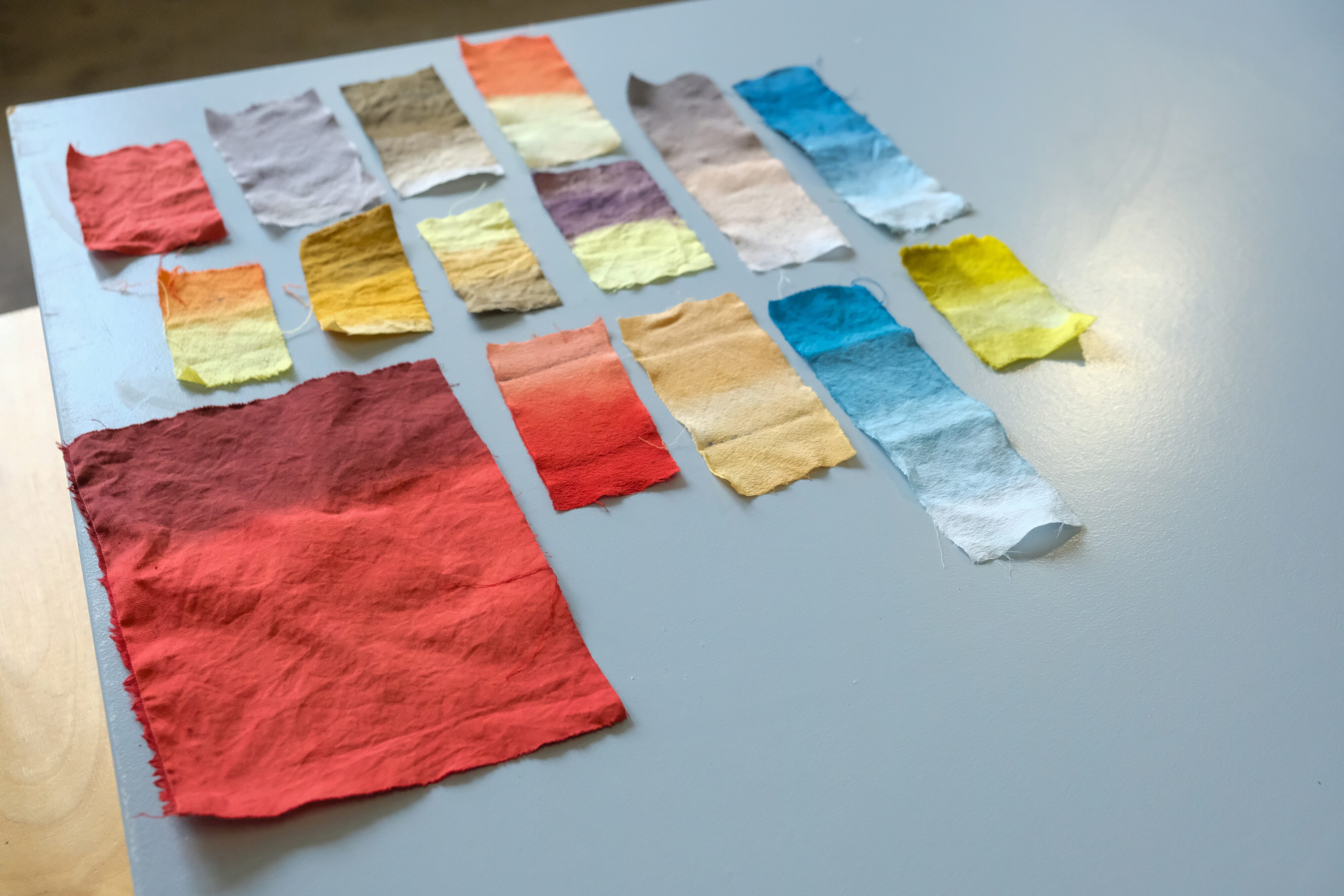
10am-1pm : The morning will be dedicated to a natural dyeing workshop during which we’ll explore 7 emblematic plants for natural dyes: Dyer’s Madder (Rubia tinctorum), Weld (Reseda luteola), Cosmos (Cosmos sulphureus), Logwood (Haematoxylon campechianum), Black cutch (Acacia Catechu), Oak apple and (Indigofera tinctoria). Each participant will be invited to create his/her own color charts, a notebook to archive the dyes fabric samples, with recipes and all the prepared for dye fabrics will be provided per each.
(NB : It is warmly recommended to bring an apron or dress with black clothes.)
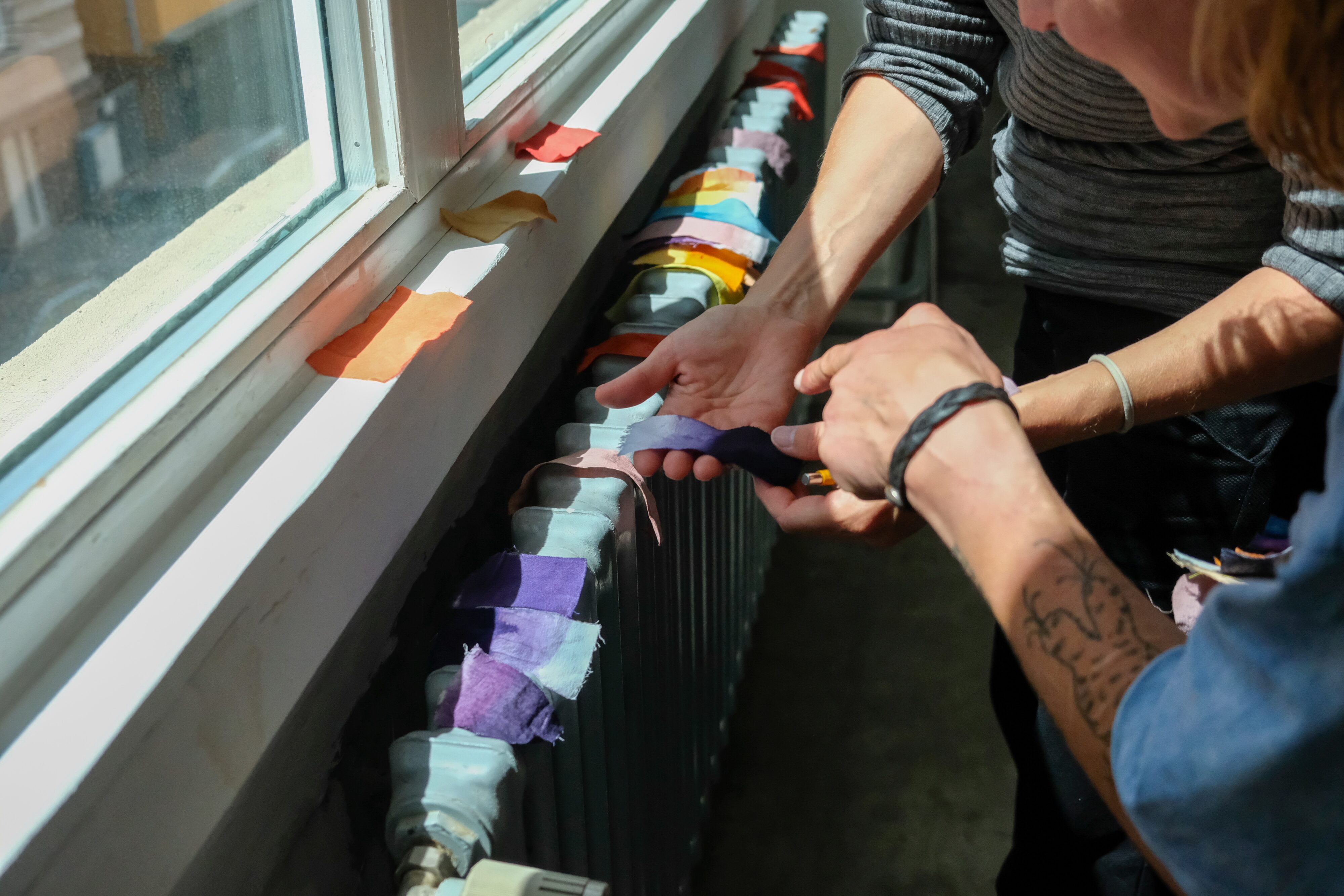
2-5 pm: The afternoon will be dedicated to the cleaning and the dyeing of the stamped fabric from the day before, with the same plant baths previously used, and left to dry. At the end of the workshop, an exchange time will be dedicated to share furniture addresses, and answer your questions.
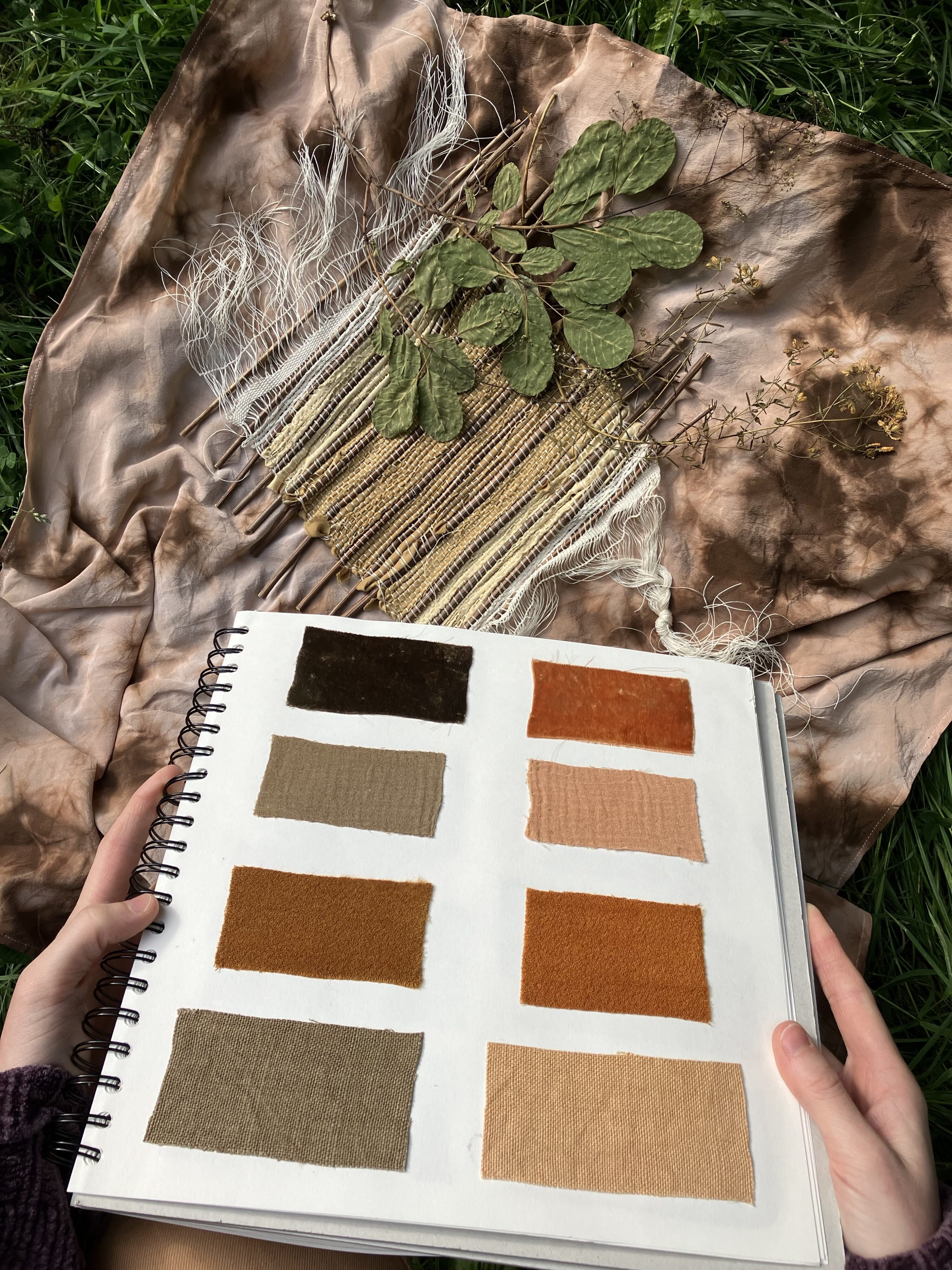
10:00am–12:00pm
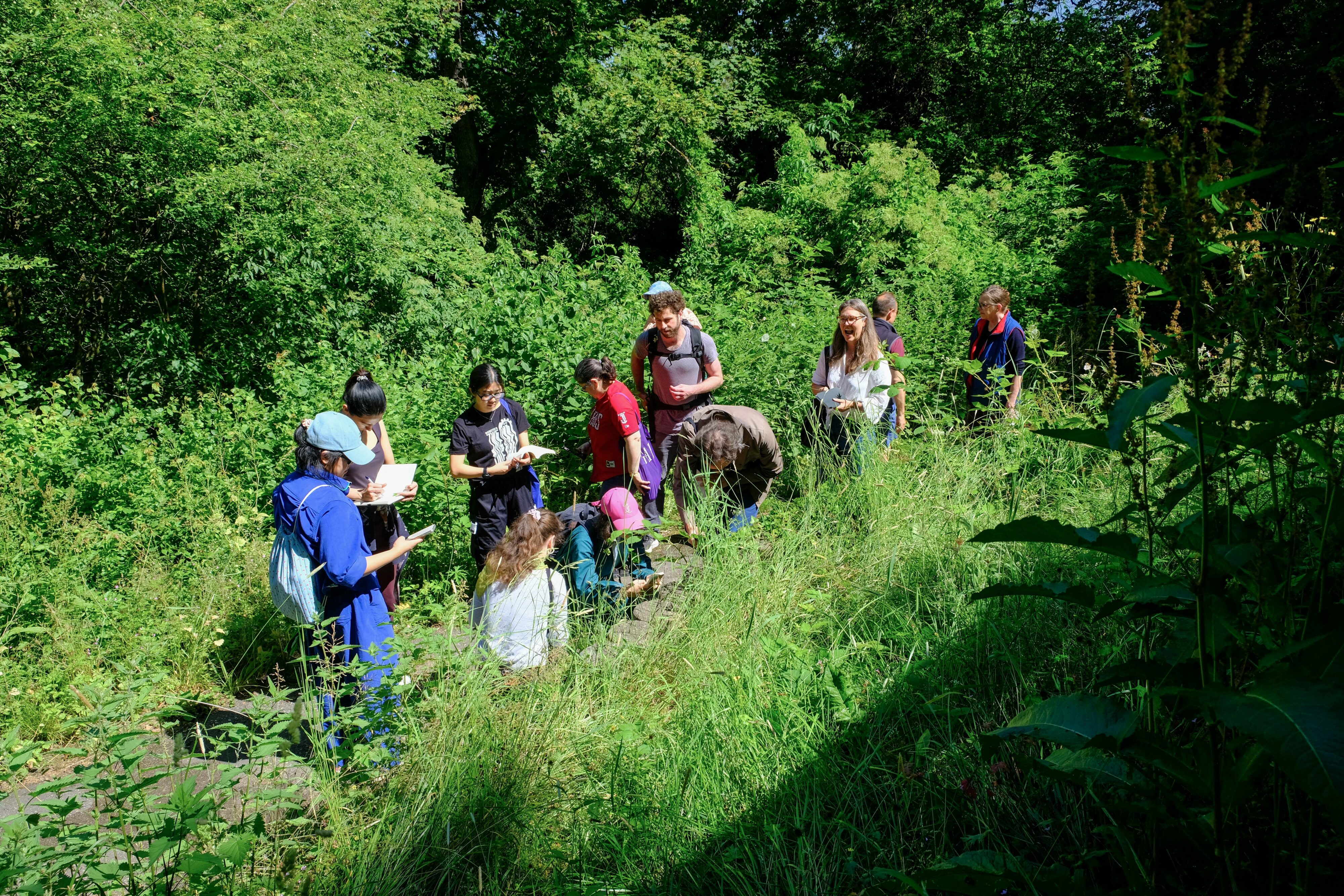
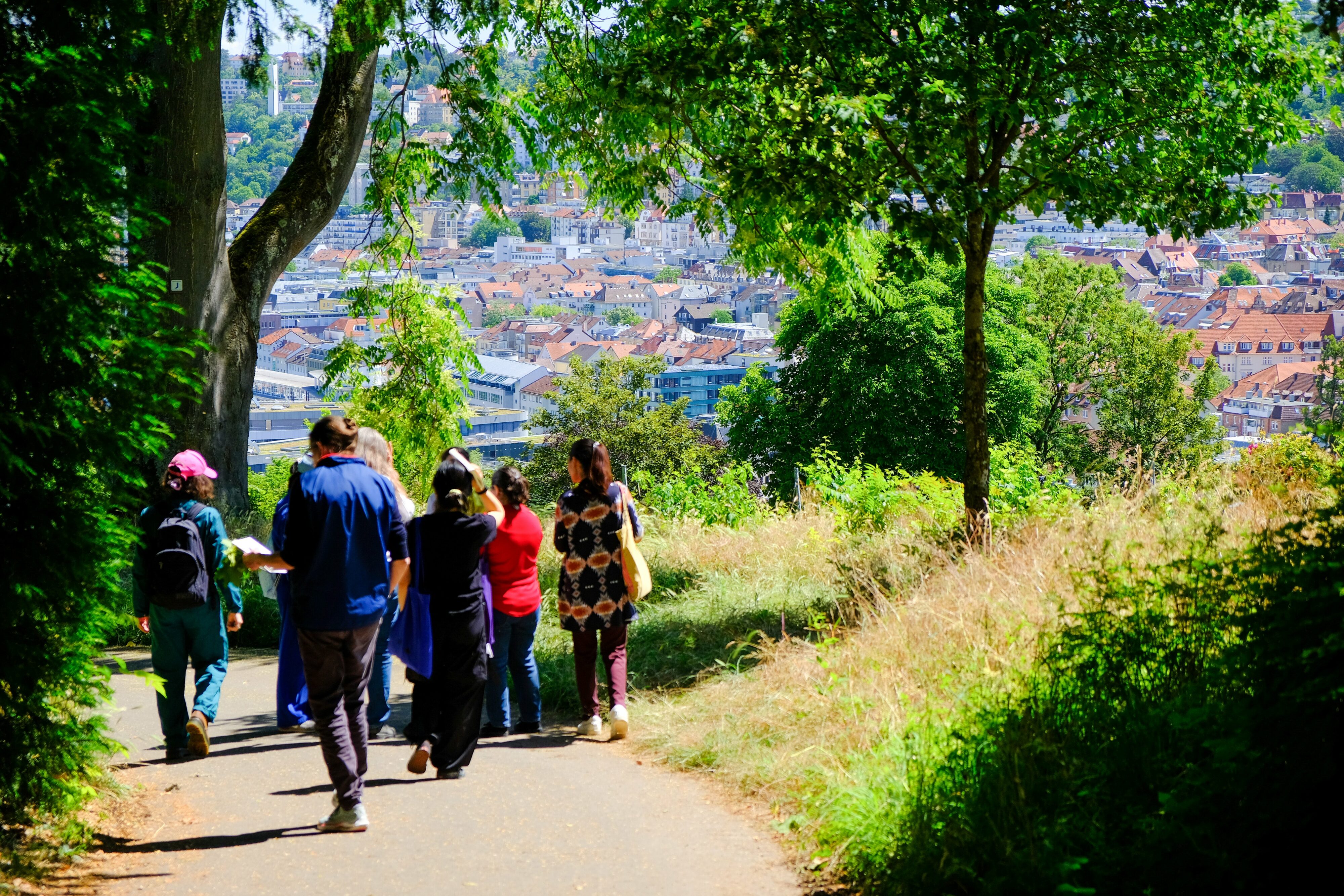
Until recently, sustainability was the benchmark for environmentally responsible practice; in the face of accelerating ecosystemic collapse across the board, this has yielded to an imperative of regeneration, to not merely halt but reverse ecological devastation. Such regenerative practices are becoming more widespread within Stuttgart’s city limits, we just need to get out and discover these unsung initiatives, often hiding in plain sight… Künstlerhaus Stuttgart invites you to join these artists practicing regenerative walking.
The artists selected to lead the walks are all collaborators of the Künstlerhaus Stuttgart, taking part in different capacities in an overarching atmosphere to be held in our gallery spaces next year called A New Georgics, focusing on new modes of collaboration between art and farming. This dynamic, ambulant public-space project will enable their work to leave the gallery spaces for the public realm, expanding the breadth of their work, which ultimately addresses the deeply public issue of regenerative practice in all its forms.
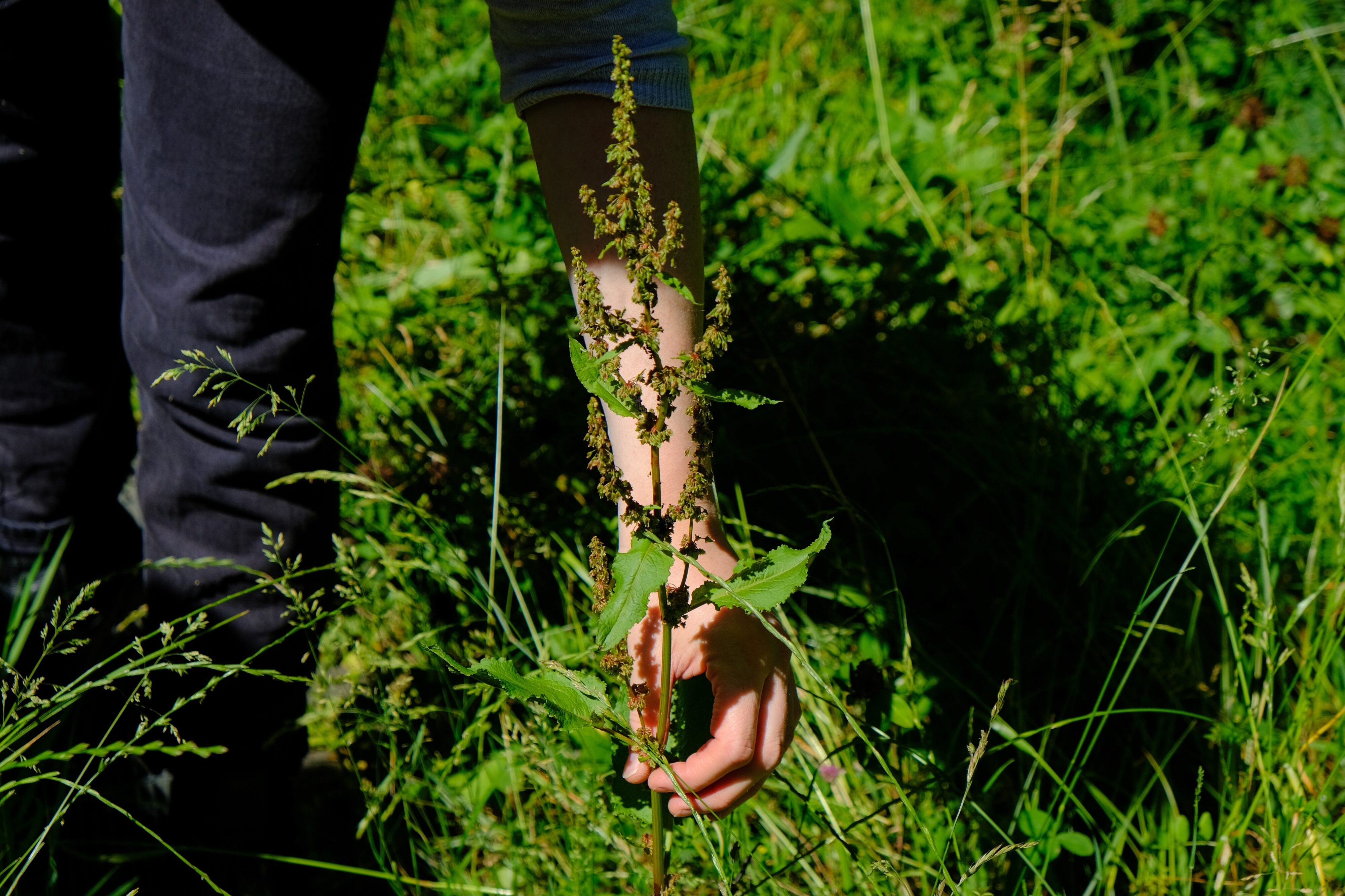
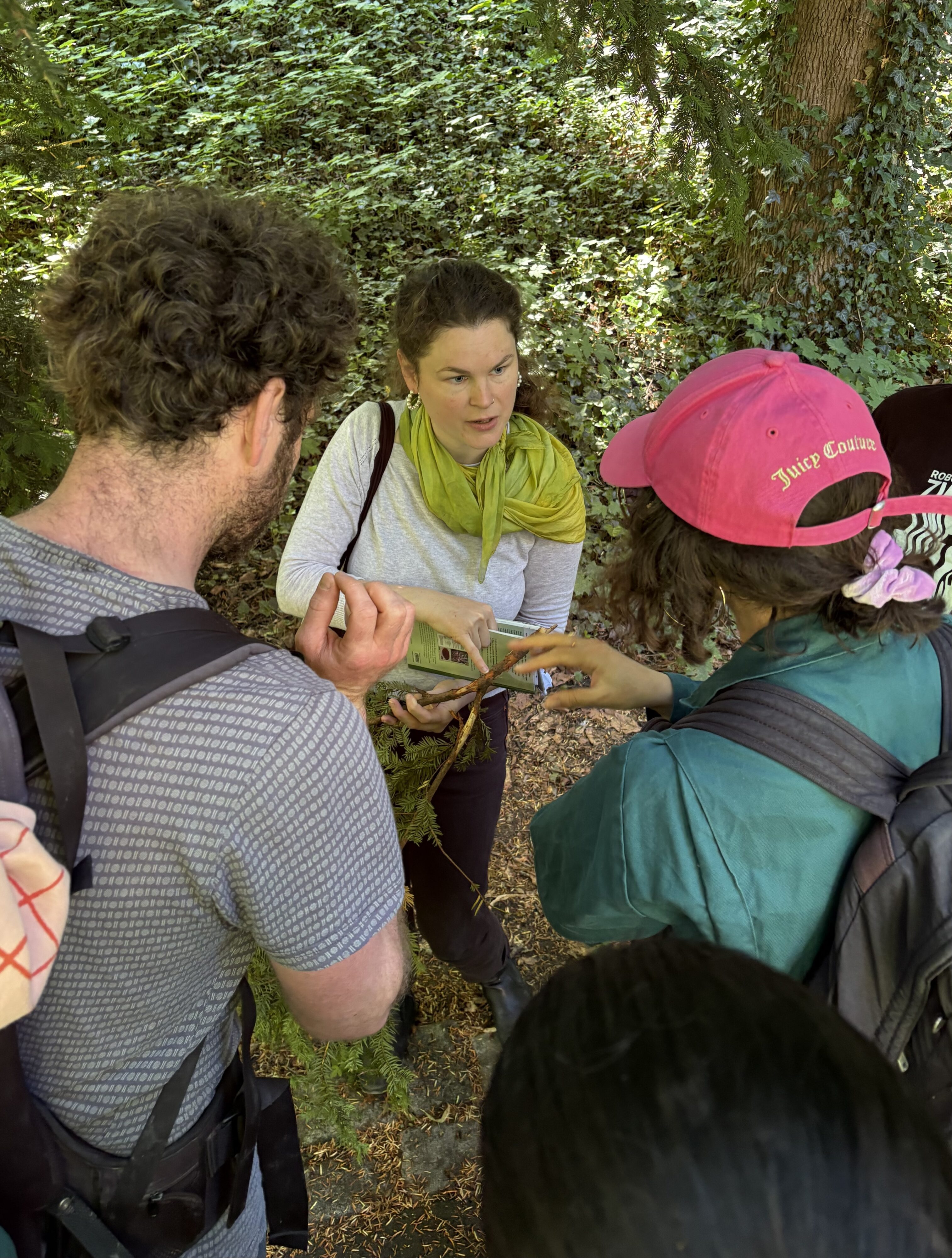
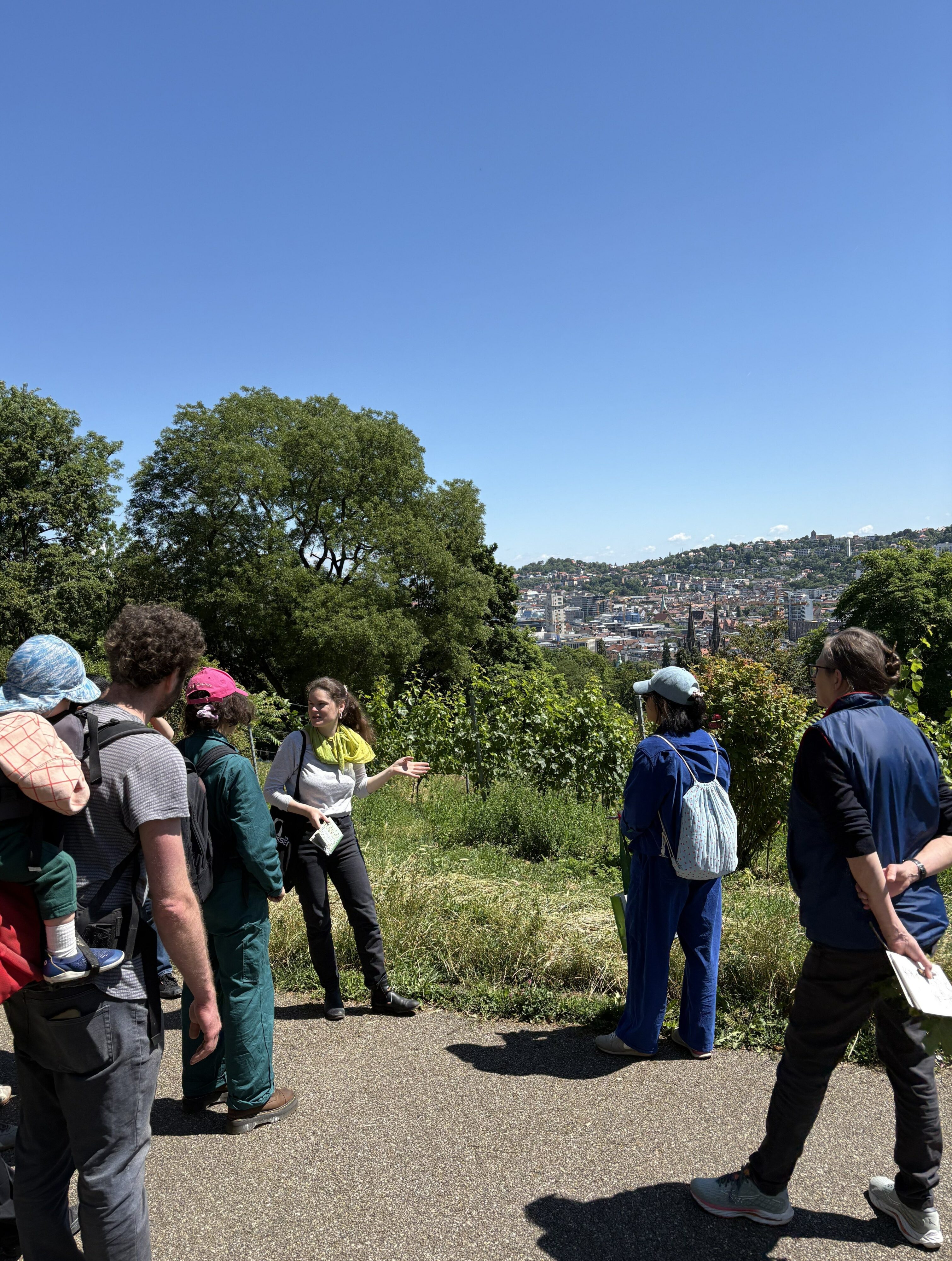
The first walk begins with the Stuttgart Wildflowers and Plant-Dye Gathering Walk led by French artist and dye-maker Lucie Laporte. Lucie’s works is situated at the crossroads of textile arts and botany, encouraging a de-anthropocentric relationship with the environment. Throughout the walk, she will lead us, baskets in hand, to gather wildflowers along roadsides, in self-styled prairies in vacant lots and other bits of “wasteland,” culminating in a dye-making workshop with the participants. The walk is open to all, and to participate in the workshop, please register via the link.
Originally from Hamburg and living and working in Paris, Lucie Laporte is a textile artist specializing in tapestry and natural dyeing. Her interests are deeply rooted in the ancient plants that have produced natural dye over centuries and the traditions of craftsmanship that a globalized industry has often erased. She has worked with artisan weavers in South America where she studied regional dying techniques. In France, she specialized in low-warp tapestry at the Manufacture des Gobelins, and studied the ancestral art of natural dyeing with Michel Garcia in Brittany.
Lucie’s aim is to offer tools accessible to all, to transcend the Nature/Culture dualism and rethink our way of being in the world. Reuse, bio-sourced materials, and locally grown resources are central to her approach.
The walk is supported by the Art in Public Space Funding (Kiör) by the City of Stuttgart. The walk is open for all and will take place on June 13th 2026, from 10 to 12 am, beginning from the Künstlerhaus Stuttgart.

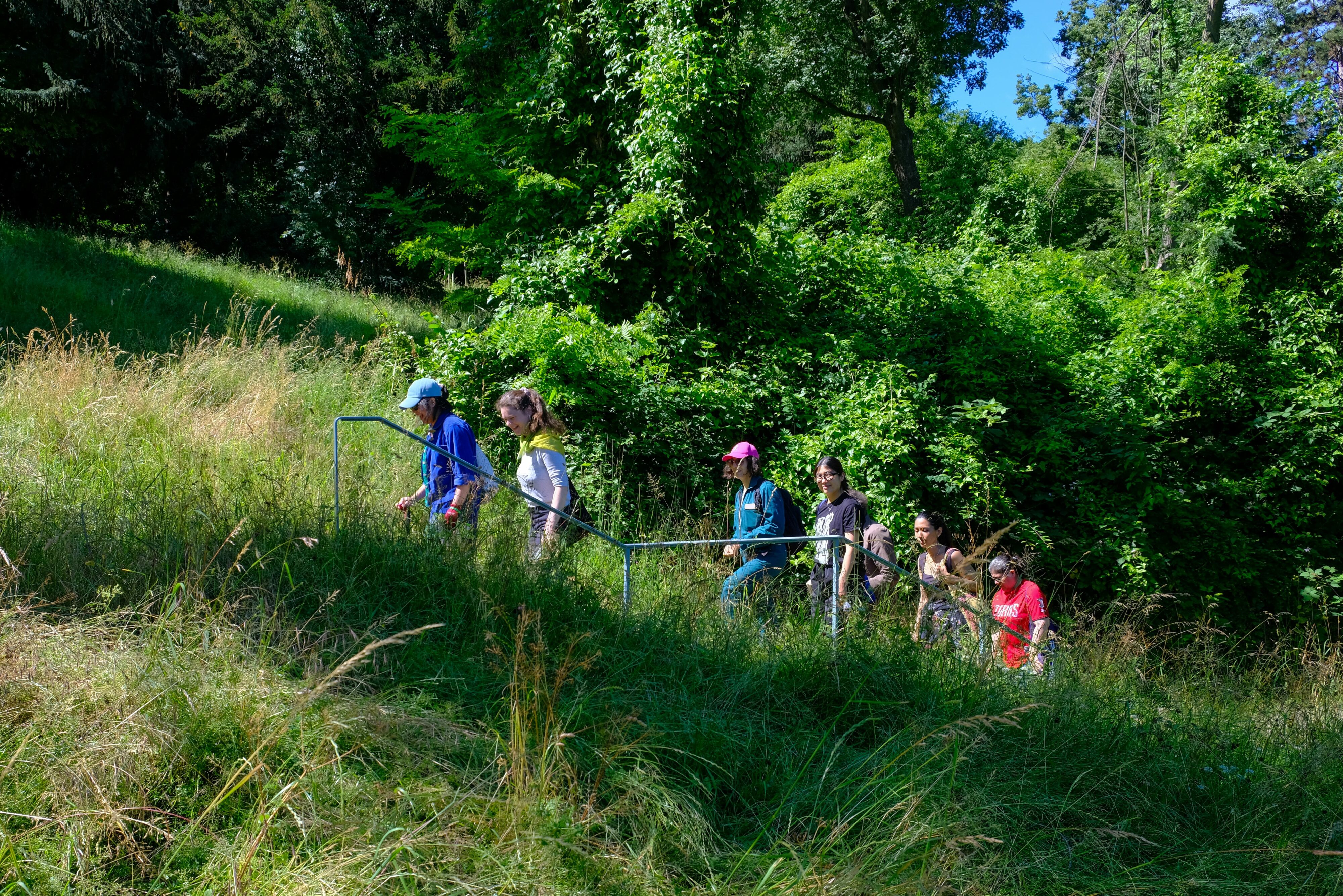
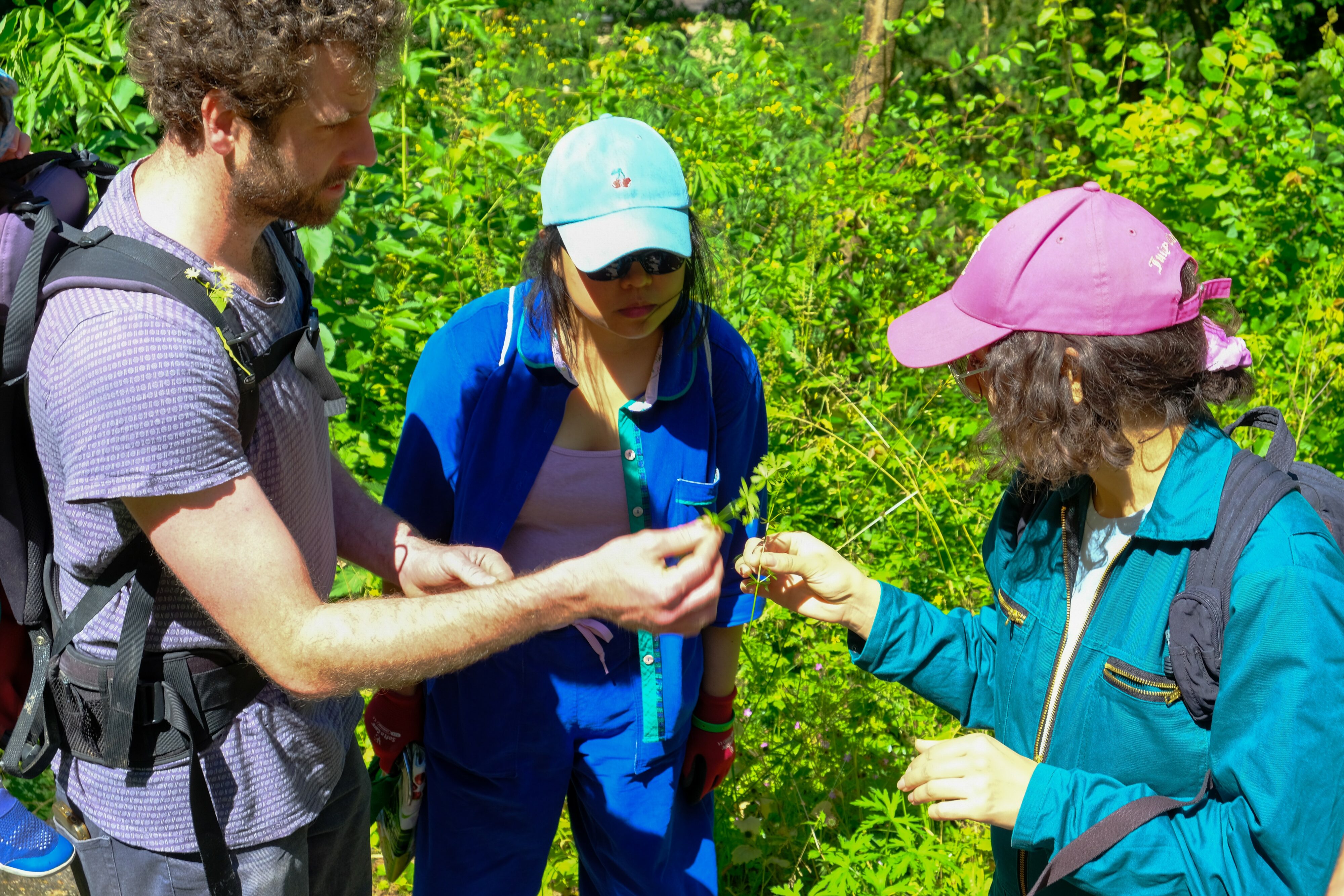
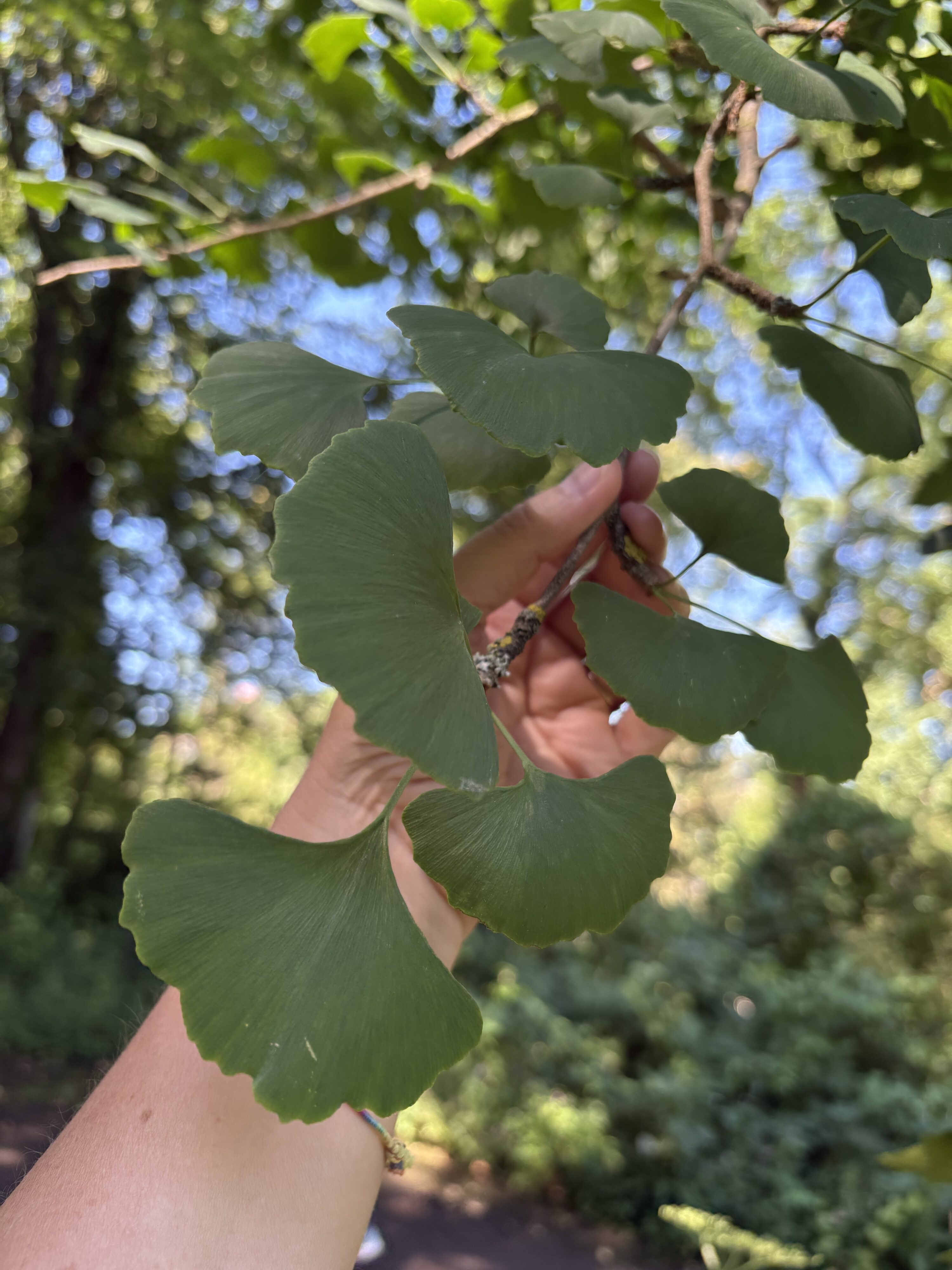
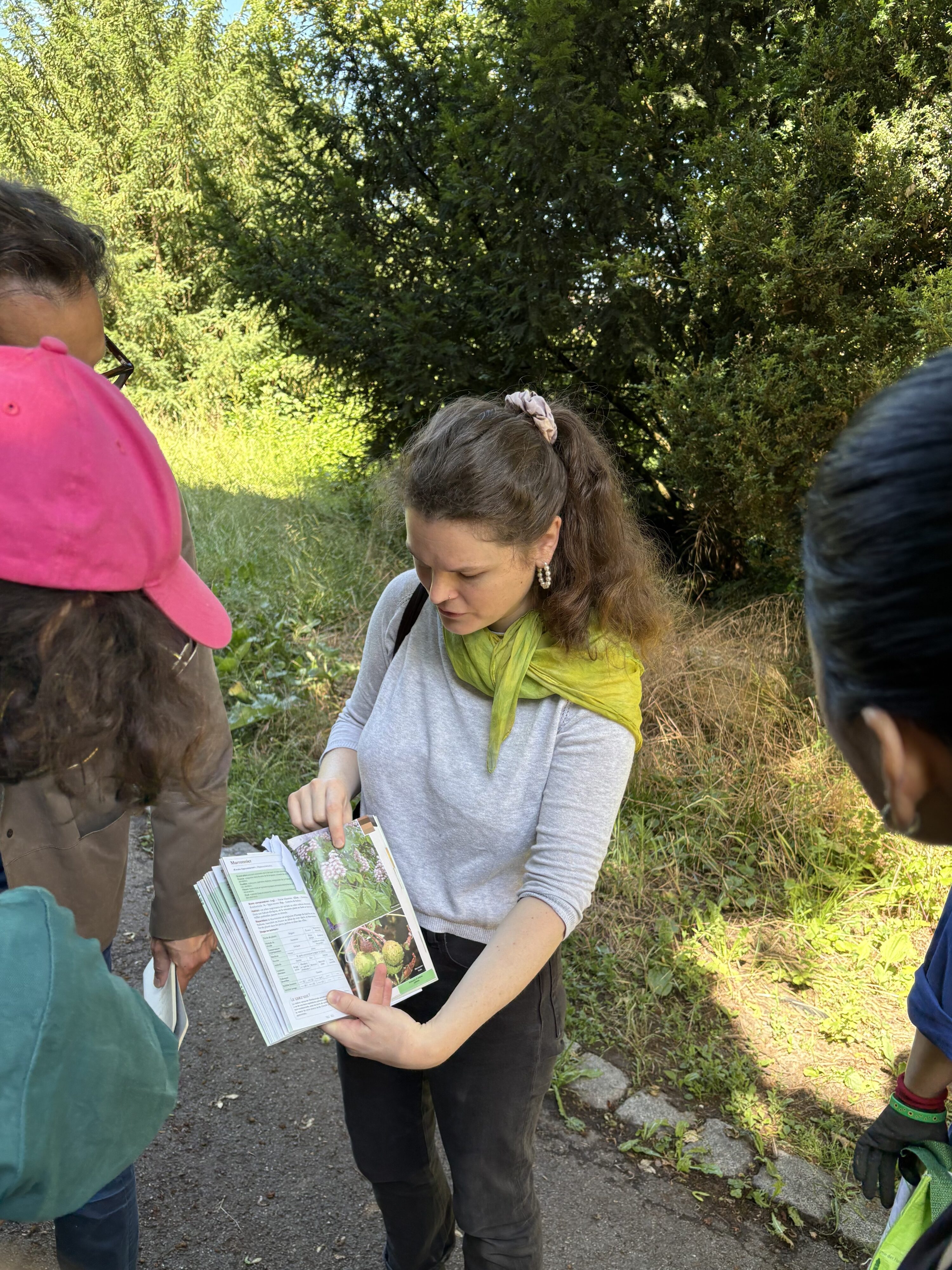
Kevin Kolland and Domenik Gebhardt are each one, and yet together they are more than two, or even a duo.
Here, expressions from the realm of art and photography converge with those from painting, drawing and architecture. Here, the concept of bringing the world in shifts towards leaving the world as it is, and even more so towards identifying with the world. The respective time, the respective place, and the respective participants in that time and place do not disappear; they are, as the cycle Poly vs Mono underscores. (Nicolai Forstbauer)
A three-part artist talk in which our respective positions, as well as the third, shared position, will find their place.
Tuesday-Workshop
The Künstlerhaus invites an artist or a collective—meaning any artists or cultural workers from any field or discipline—to talk about their working methods as well as their backgrounds and approaches. We want to establish a platform for a more in-depth interaction with regard to artistic practice, and in doing so to create a network, show solidarity, and mutually strengthen one other.
The series is aimed at all members of Künstlerhaus Stuttgart, artists either living in Stuttgart and the surrounding area or just traveling through, all cultural workers, art mediators, curators, etc., and is open to everyone!
Vernissage: Thursday, May 21, 2026, 7 pm, 2nd floor
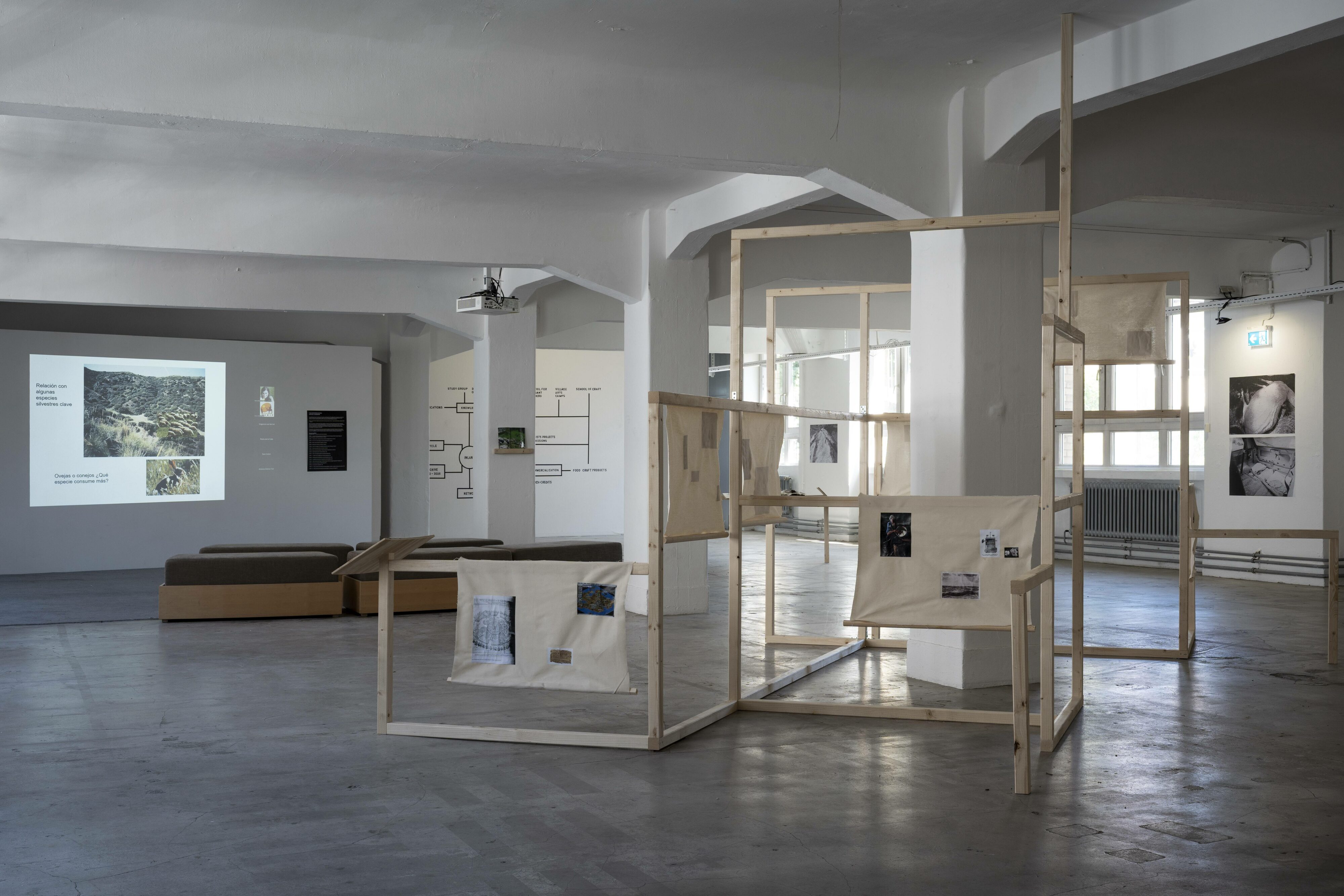
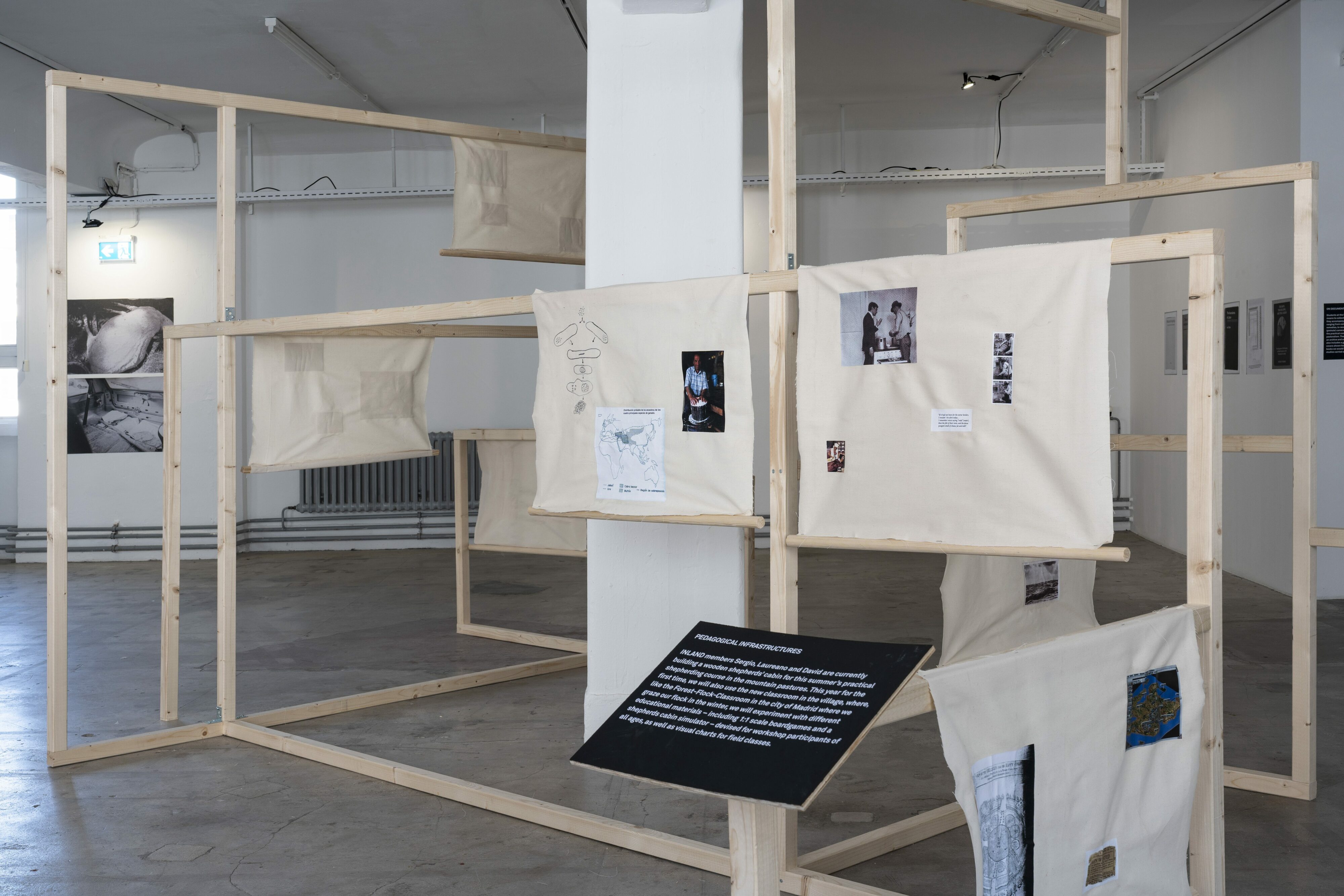
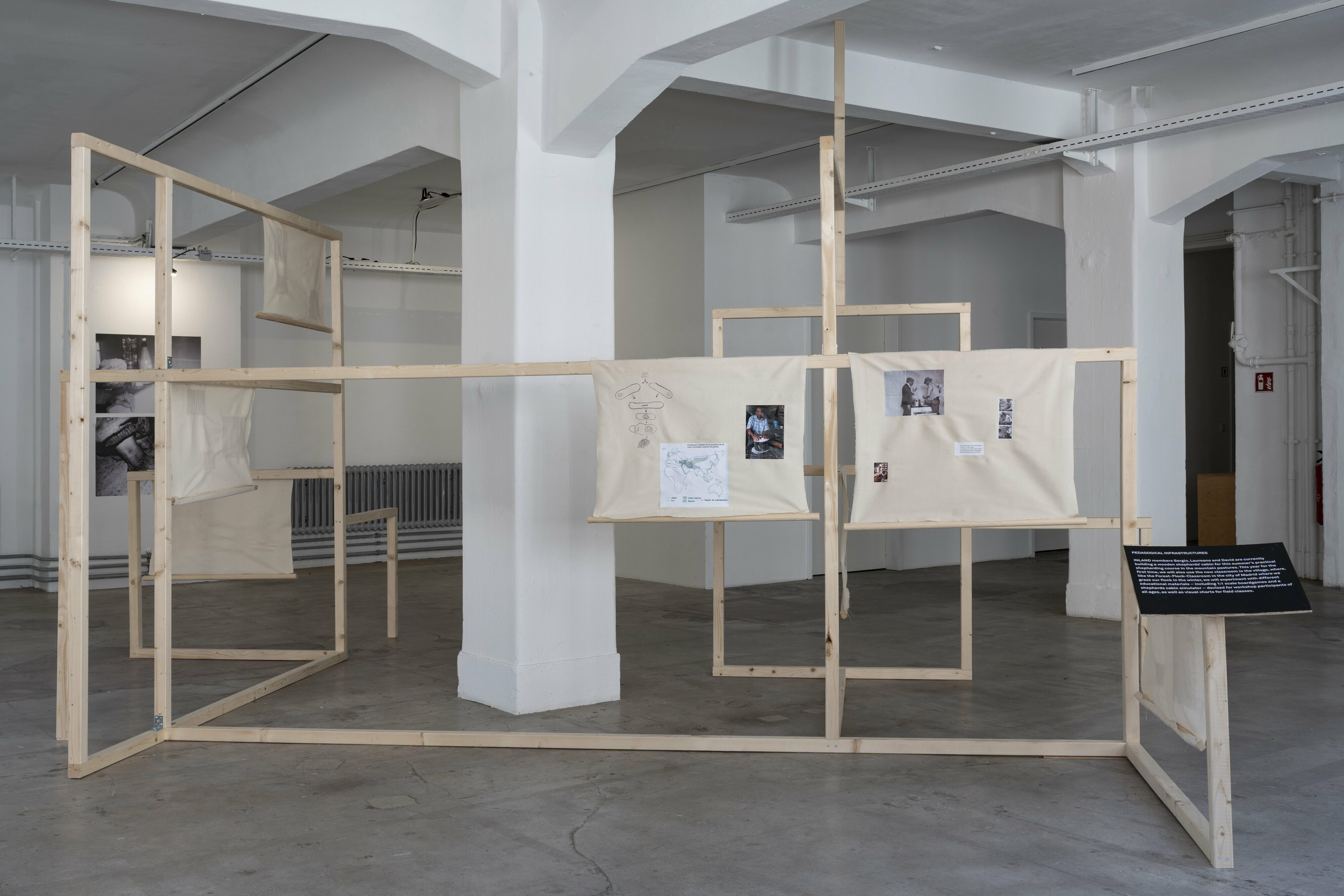
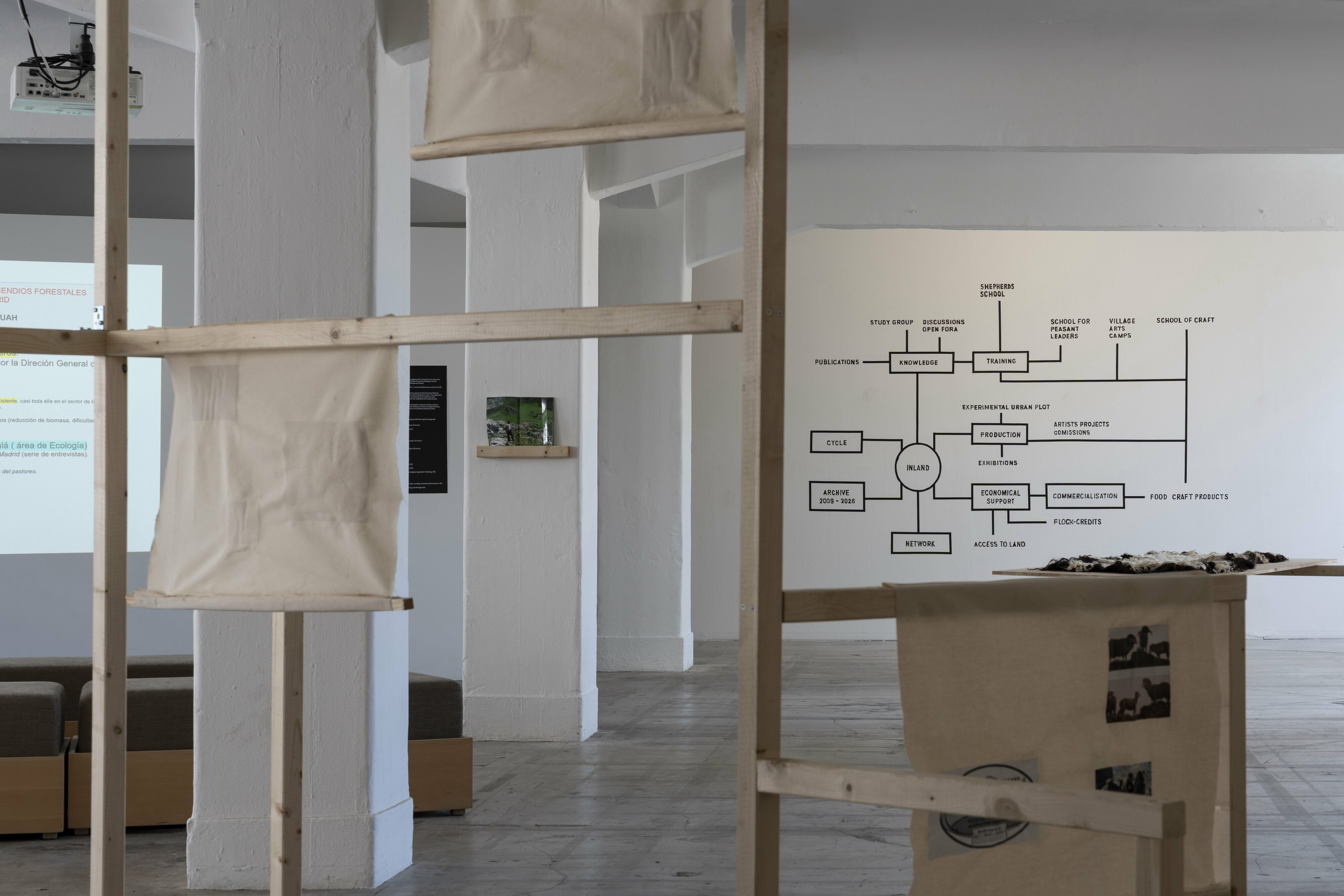
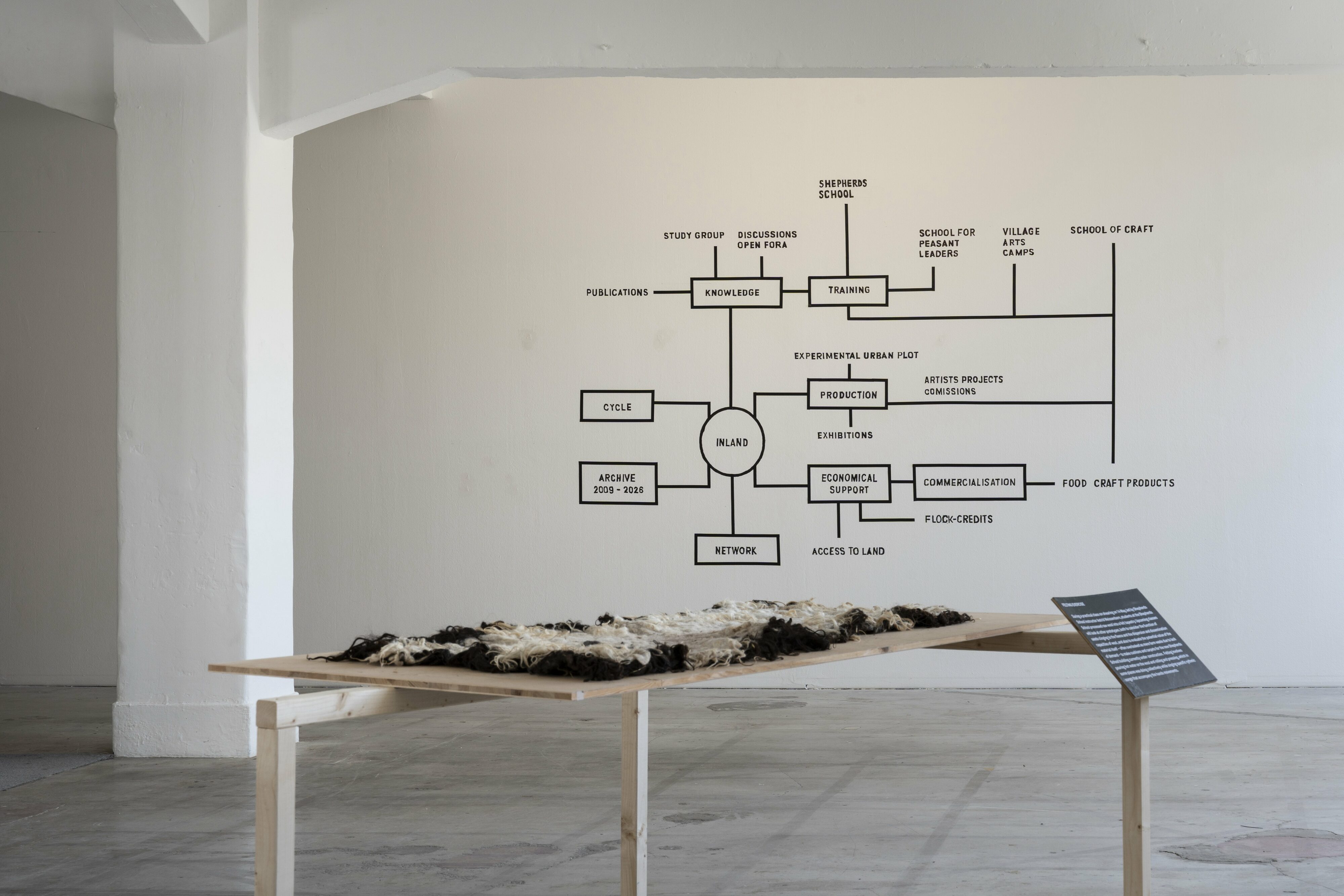
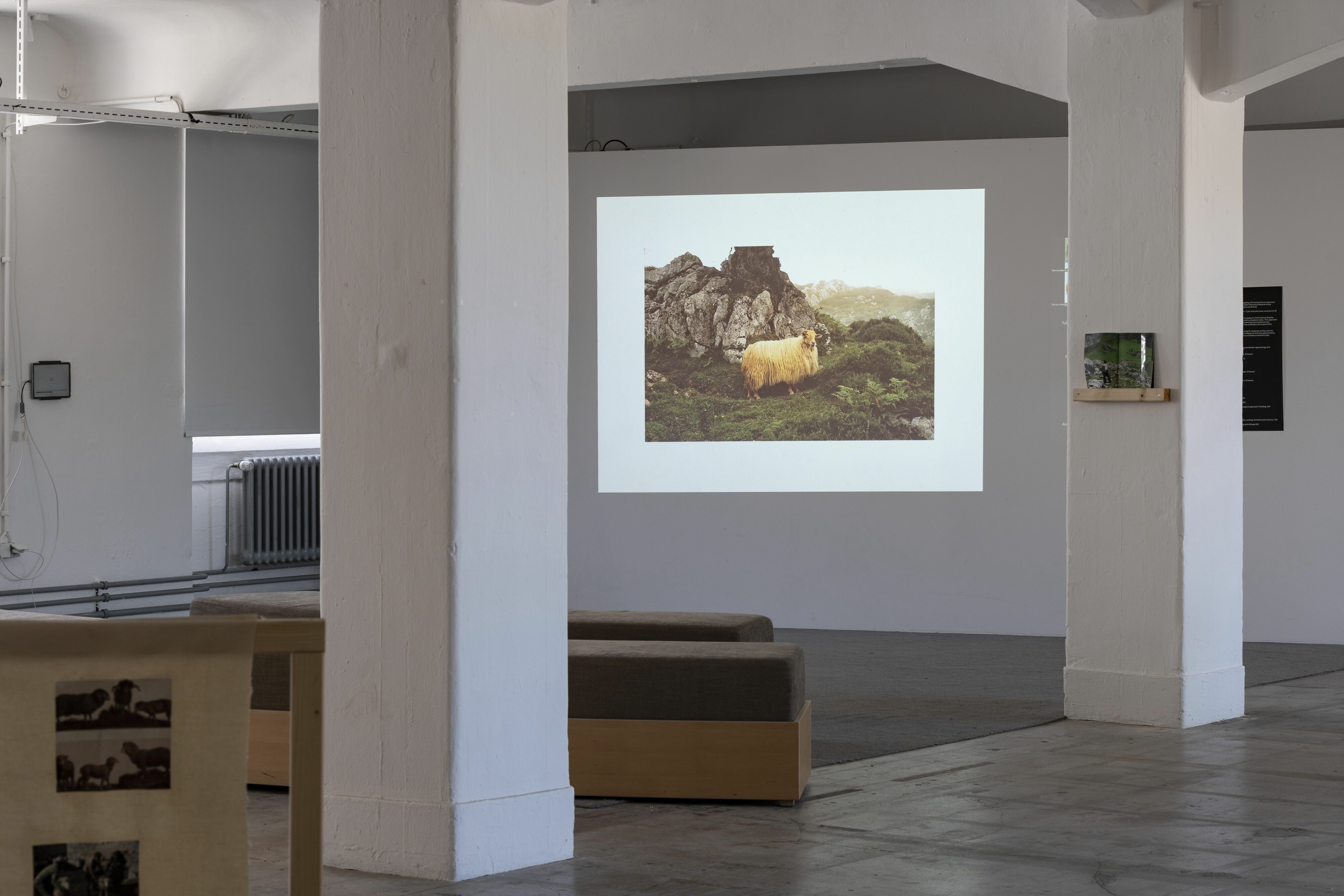
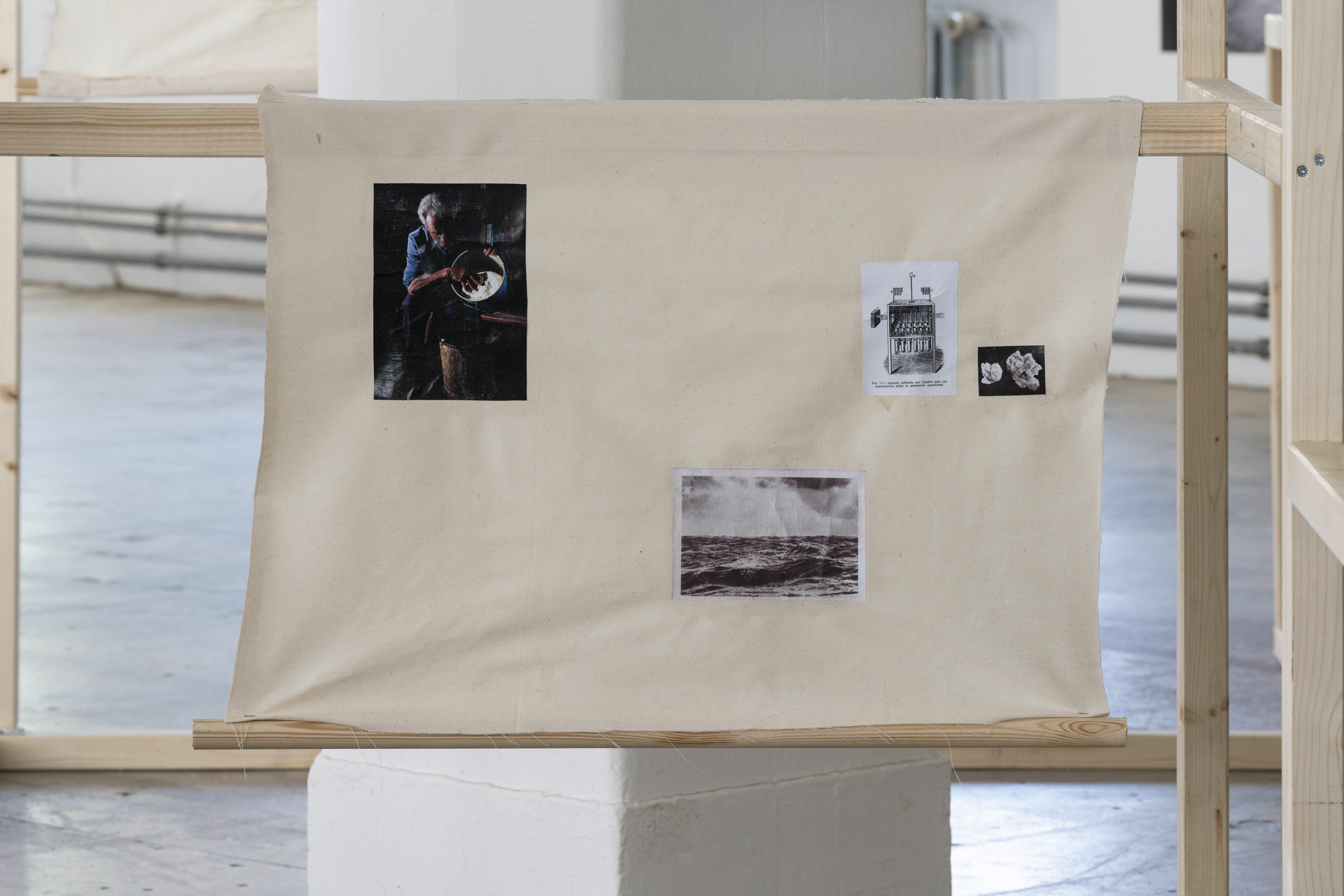
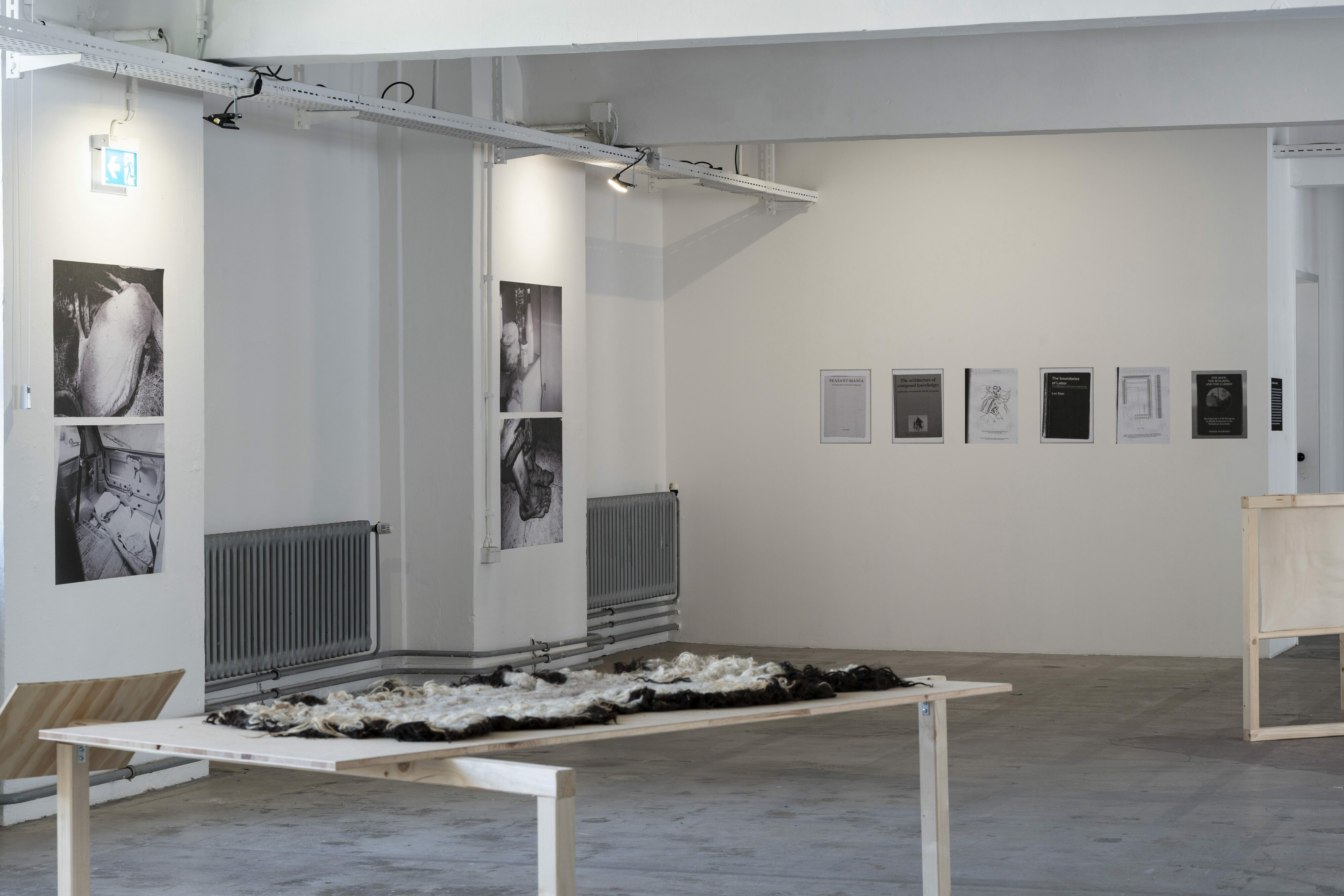
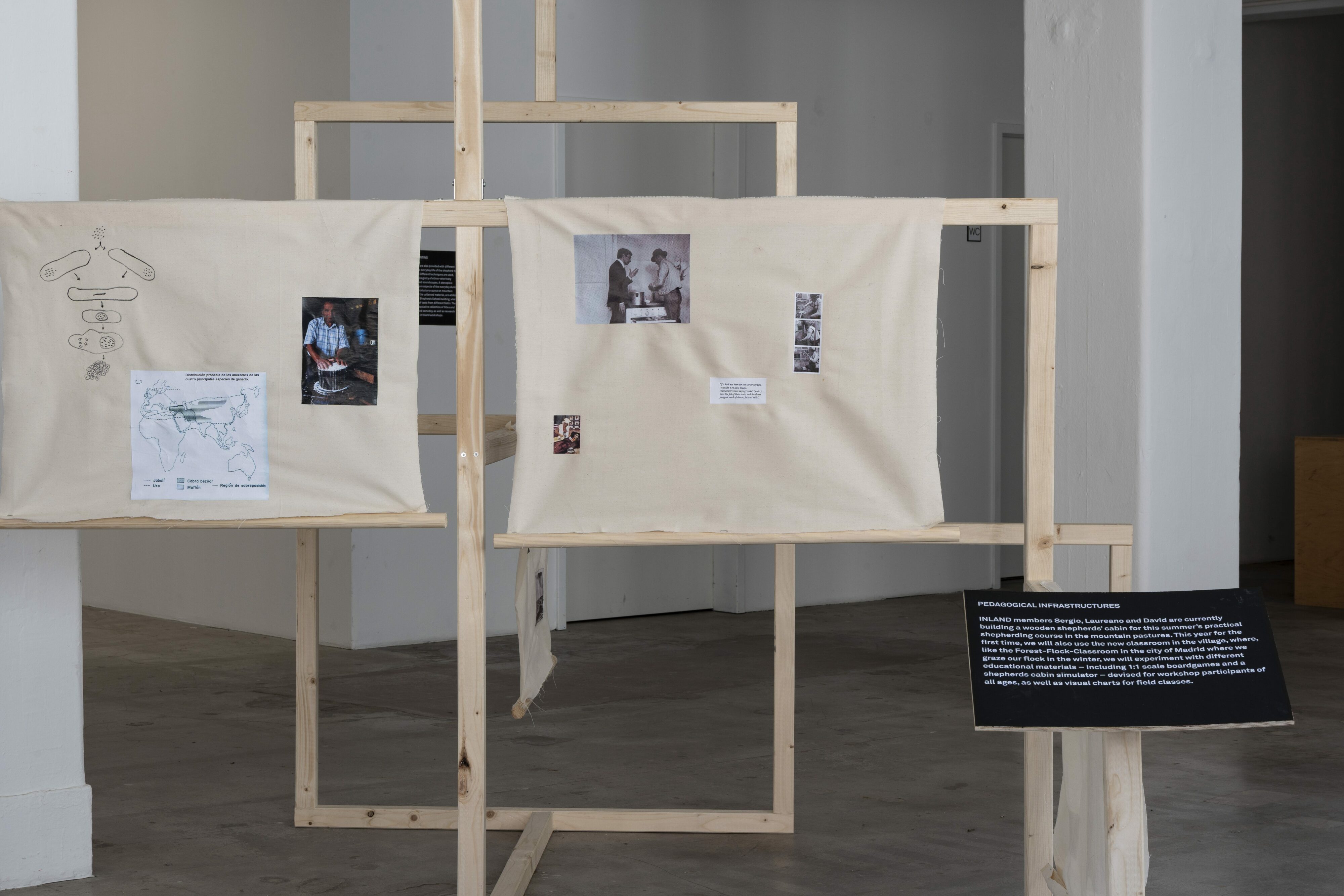
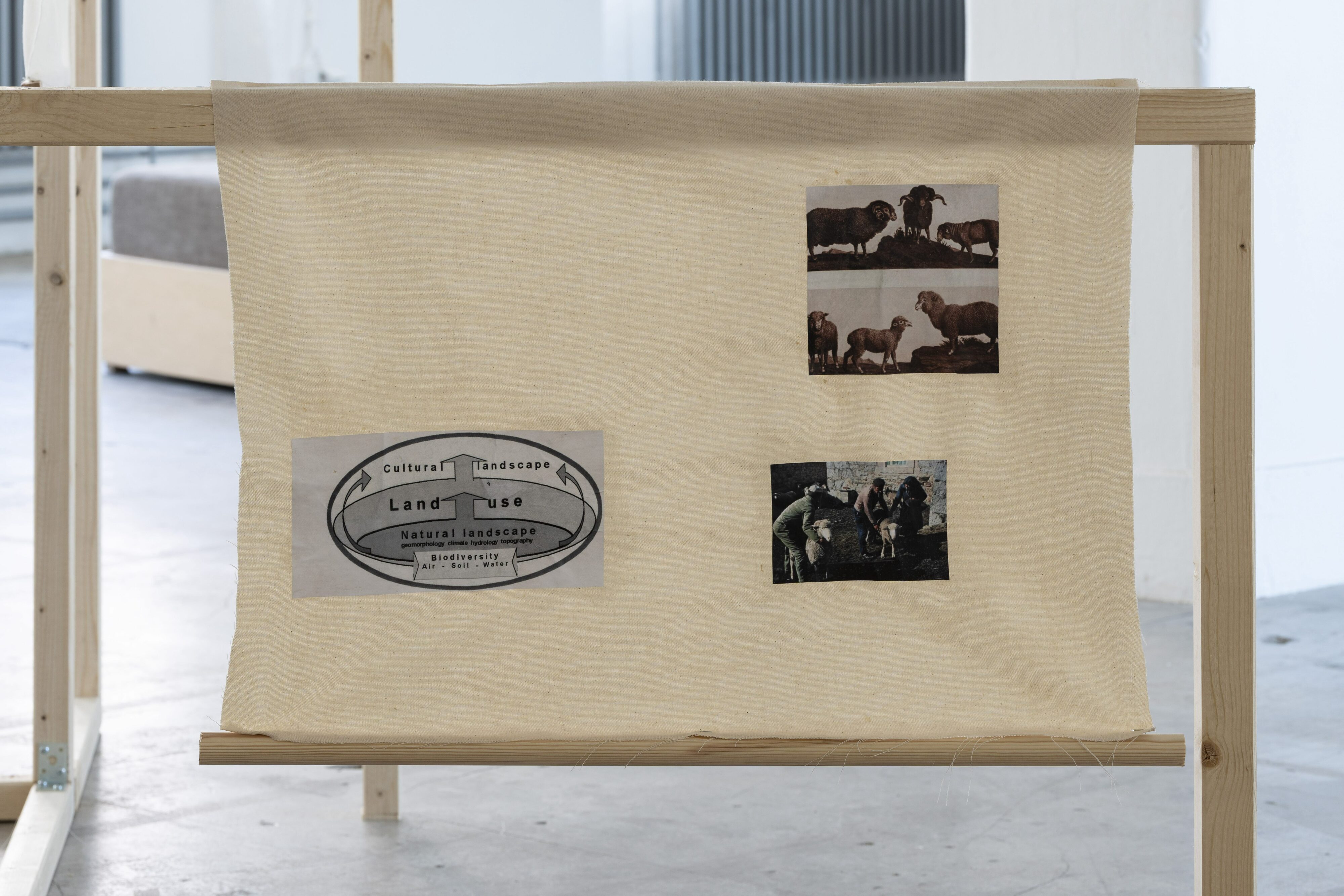
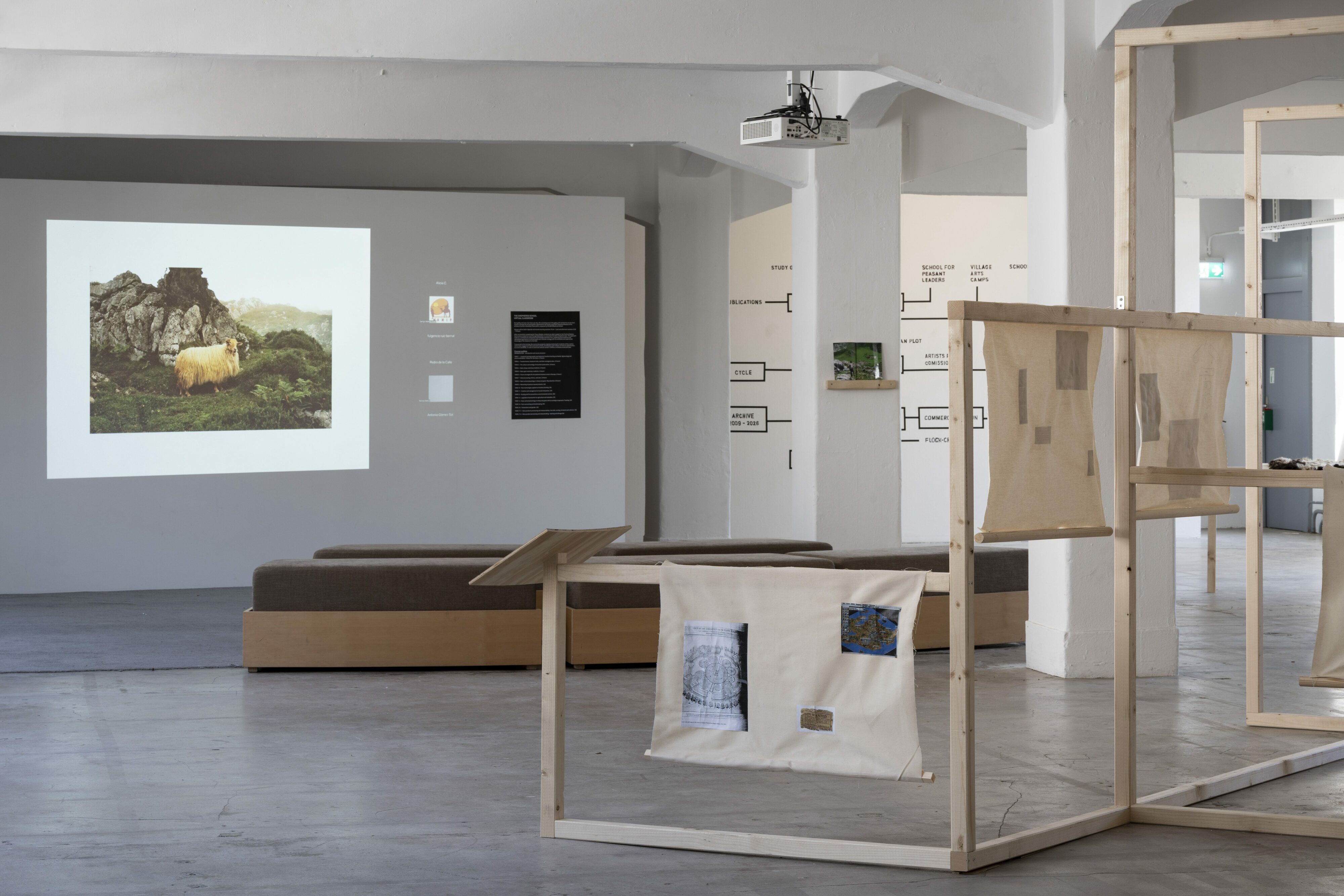
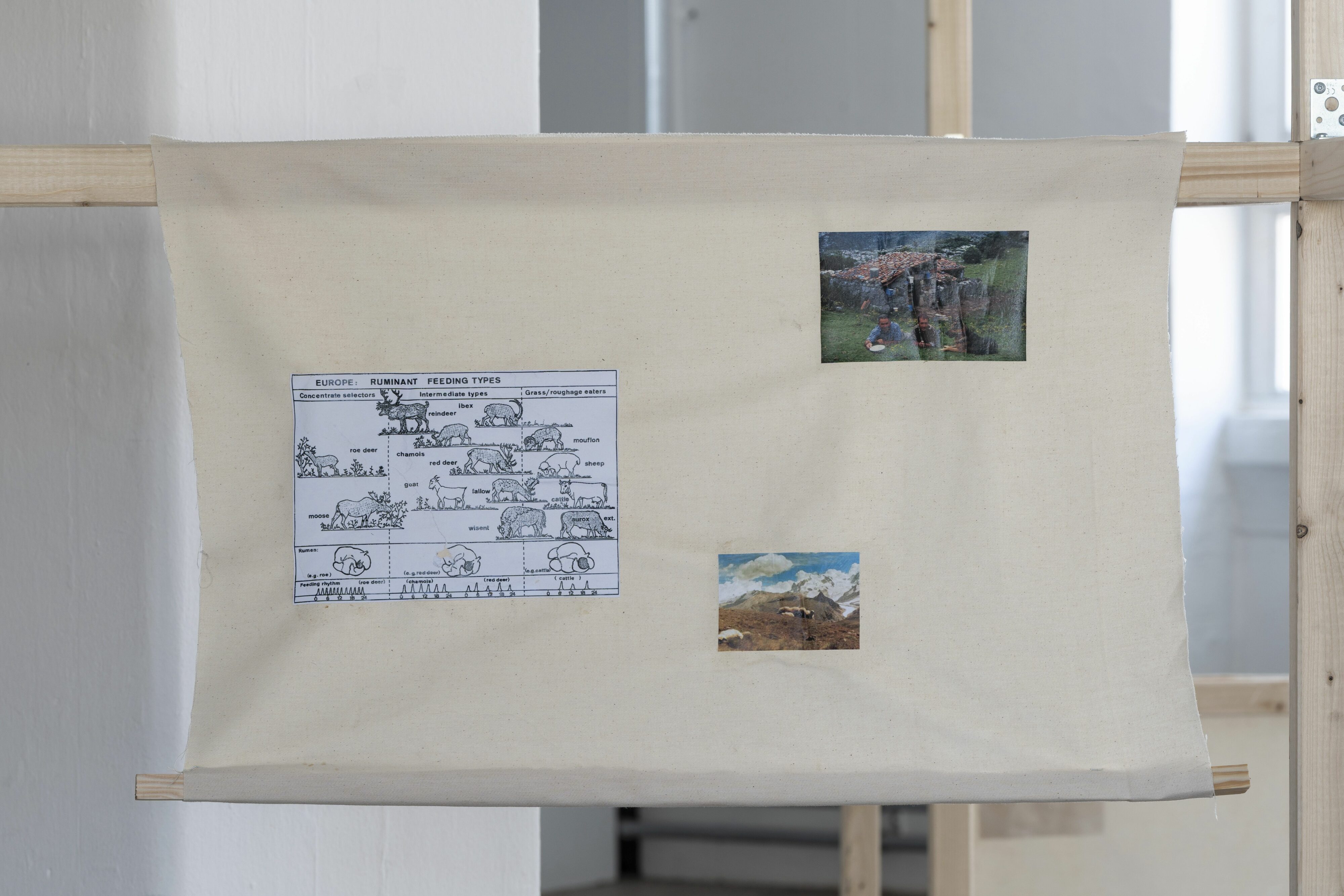
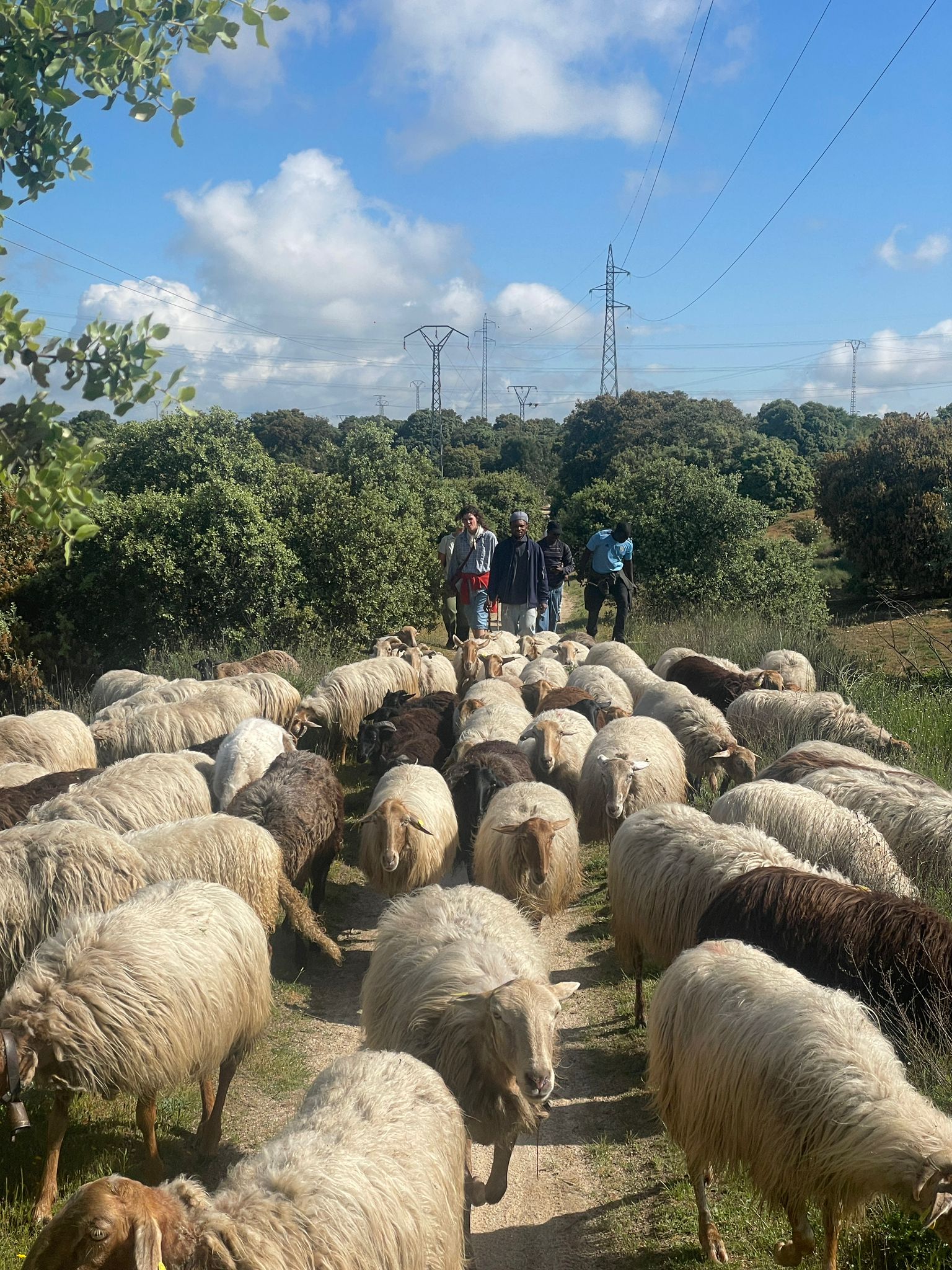
Shepherdology is the study of pastoralism in the expanded sense, considering pastoral care as a methodology for both material and metaphorical practice… an outlook which very much grasps the practice of INLAND Campo Adentro, who bring their work and engagement with pastoralism to the Künstlerhaus Stuttgart under that title. The collective’s involvement with this ancestral way of life, eschewing mere representation or cultural extractivism, is direct: they have their own flock of sheep and goats, whom they consider full-fledged members of the collective and with whom they follow the annual cycle of seasonal pastures from the valley to the mountains and into the park at heart of the city of Madrid, where they built a Forest Flock Classroom. The collective’s work with the Shepherd’s School which operates under its auspices – the only school of its kind in Europe to operate and function as an art project and to provide formal education in the herding, husbandry and seasonal migration of sheep, as well as cheesemaking –is very much a material practice, which transects with countless other agricultural and social realities, both in Spain and worldwide, as INLAND also functions as the coordinating agency of the World Alliance of Mobile Pastoralists and Nomadic Peoples. Yet the collective uses the tools, energies, networks and understandings of art to migrate those existential realities into different frames and conversations. Using a bare-bones yet tentacular, “mycelium-like” structure – reminiscent both of cheese fungi colonies found in the summer pastures’ mountain caves and of vernacular architecture, that expands in response to need – developed especially for Shepherdology to showcase documents and artefacts from the school, the collective will share the pastoral atmosphere, pedagogies and array of knowledges that defines its work.
Founded in 2004 by artist and agroecologist Fernando García-Dory, and later joined by bagpiper and shepherd Nel Cañedo, the Shepherds School provides training in new technologies to working shepherds and five-month training courses to young people from urban contexts interested in learning shepherding. Course content ranges from Zoology, Farming Policies, Mountain Ecology, Outdoors Skills and Veterinary Practices to Cheese Making. On-the-job training is based on tutoring from a professional shepherd with whom the student lives and shares everyday tasks and life. Over the past years, the project has overseen the redesign and refurbishment of four mountain cabins, two mountain dairies and milking rooms. Use of these facilities are offered to graduating students free of charge who elect to pursue the trade. Together with those infrastructures for summertime mountain pastures, the Shepherds School has a model farm in the valley for winter production with accommodation, a classroom and a library for students. The Shepherds School also hosts shepherds from different countries and regions, provides tutoring for post-graduate field researchers interested in pastoralist culture, as well as advocating on behalf of pastoralist organisations from across Europe and around the world.
INLAND Campo Adentro belongs to that rare species of collective art projects that fully operate at the 1:1 scale: founded in 2009, INLAND is a collective platform dedicated to pastoralism and agroecology as a form of life, whose multifaceted activities are understood through the prism of art. Cofounder Fernando García-Dory has said that INLAND is founded on a three-word manifesto: art, agriculture, territory. Triangulating those three terms in a variable geometry of activities – from education to the commercialization of farm produce, pastoralism to experimental architecture – allows INLAND to operate as a kind of para-institution, acting as the coordinating agency of the World Alliance of Mobile Pastoralists and Nomadic Peoples. The project’s dual artistic and agroecological dimensions were born of an analysis, shored up by data and information, of imminent eco-systemic collapse on a global scale. And indeed, the politics and aesthetics of data presentation and critique remain central to INLAND’s approach. But from the outset, INLAND has worked to develop positive, collective alternatives to hegemonic models of agriculture, and to hone the experimental tools needed to carry them forward. For their intervention at Künstlerhaus Stuttgart, INLAND has chosen to focus on the politics and pedagogies of pastoralism, showcasing the work of the Shepherds School, and integral component of the collective’s work. This involves, perhaps above all else, paying particular heed to the seasonal rhythms of sheep herding – that is, to the lived experience and practice of pastoralism in often remote rural areas, attending to the flock all year round.
The atmosphere is supported by the Wüstenrot Stiftung.
Vernissage: Thursday, May 21, 2026, 7 pm, 4th Floor
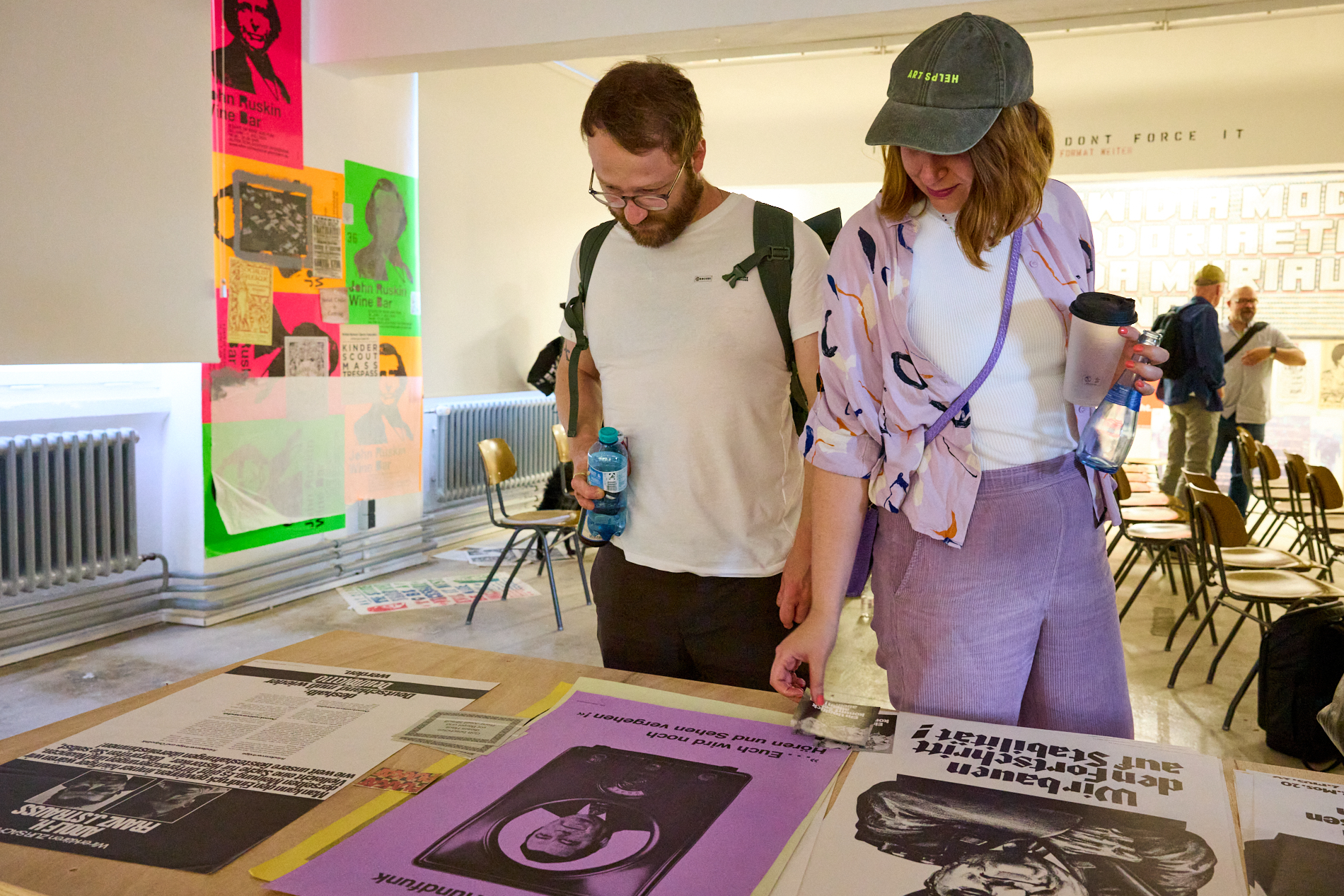
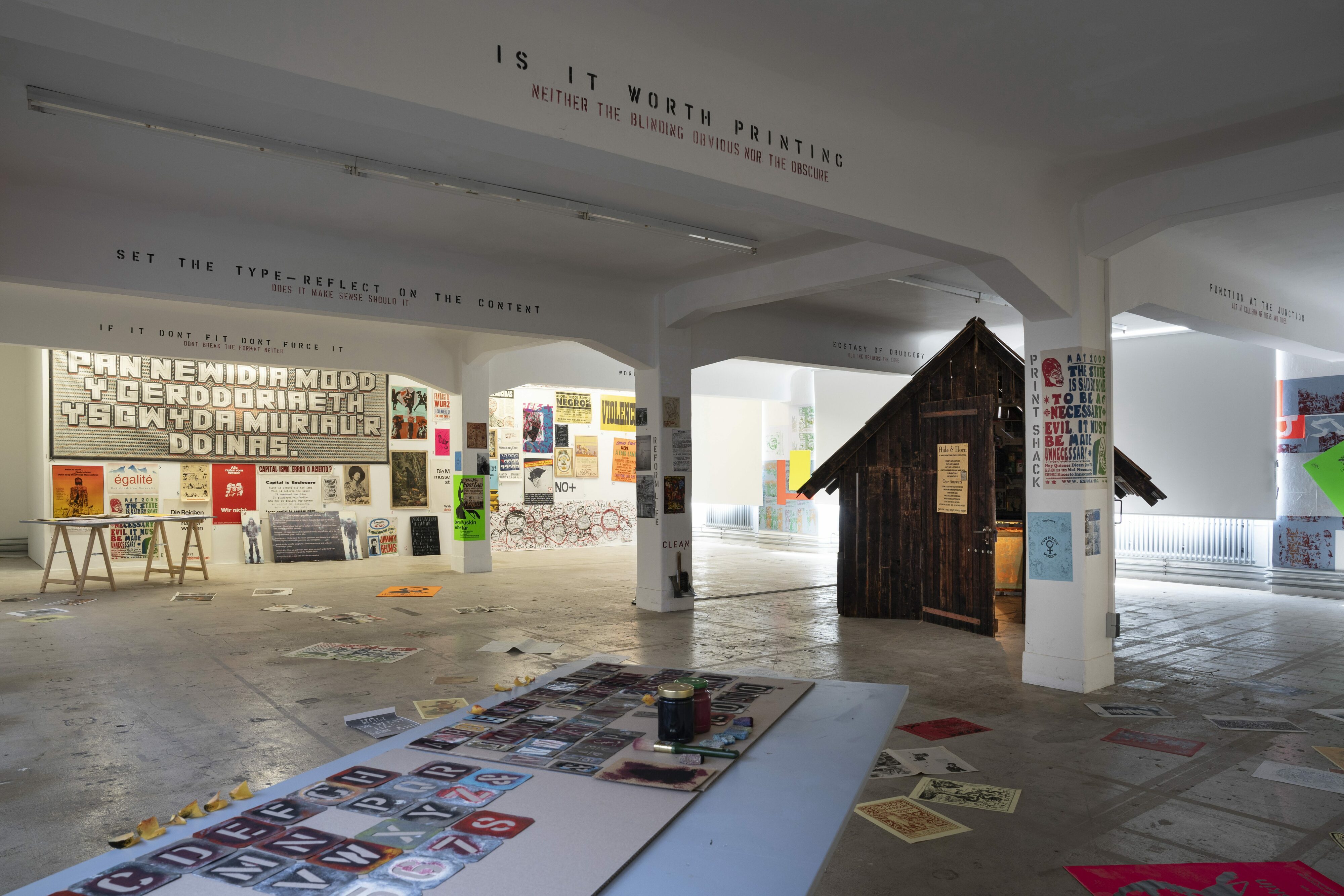
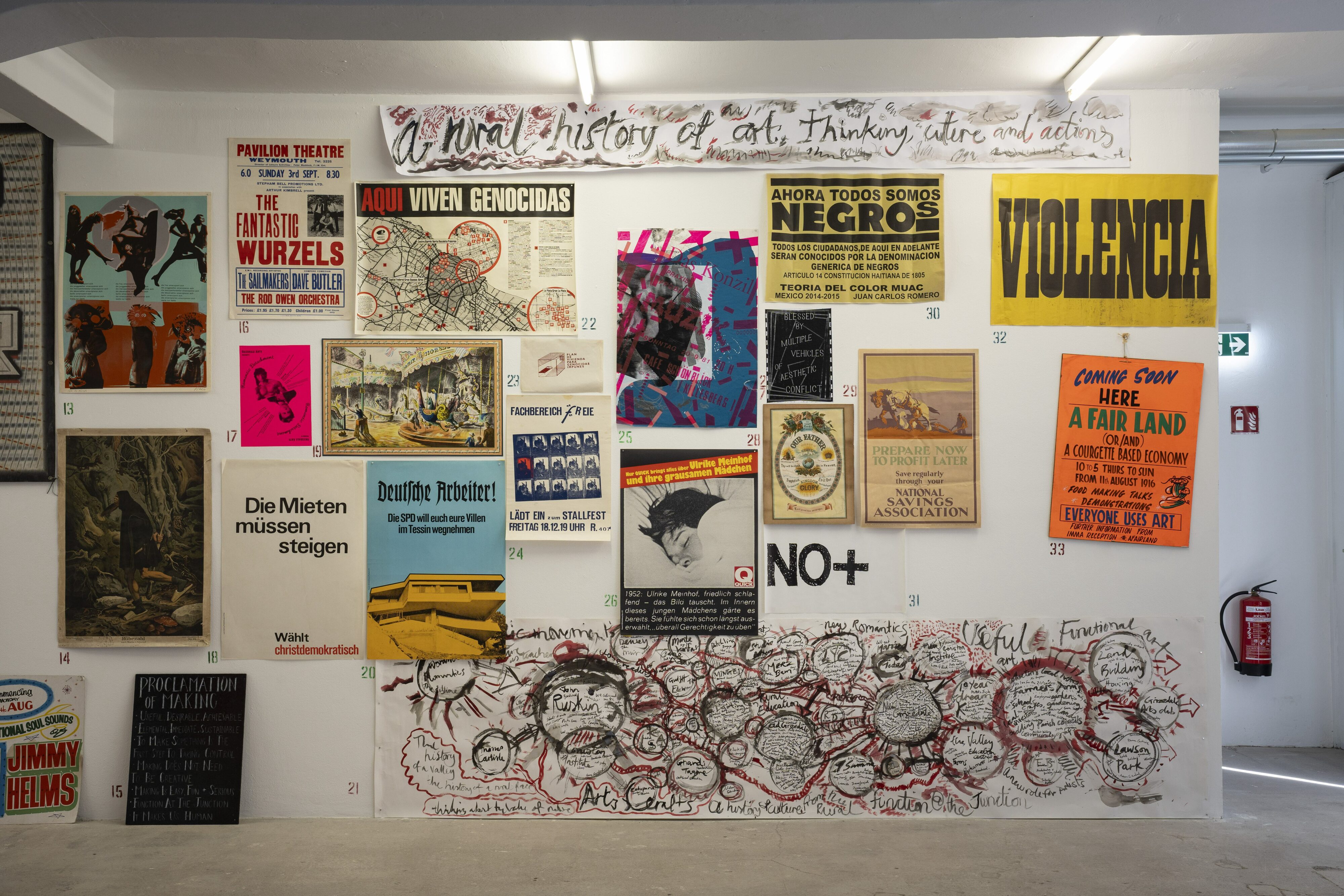
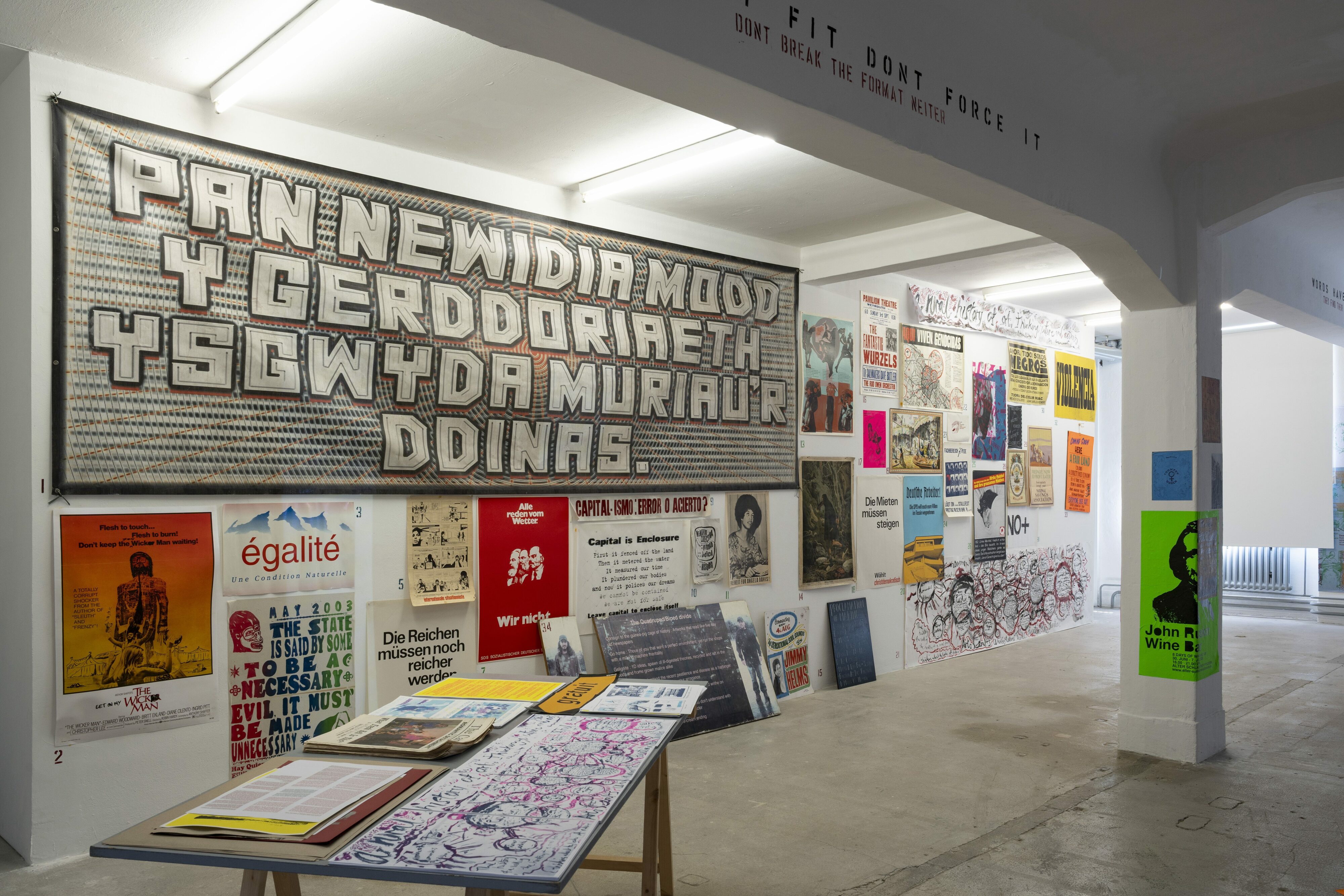
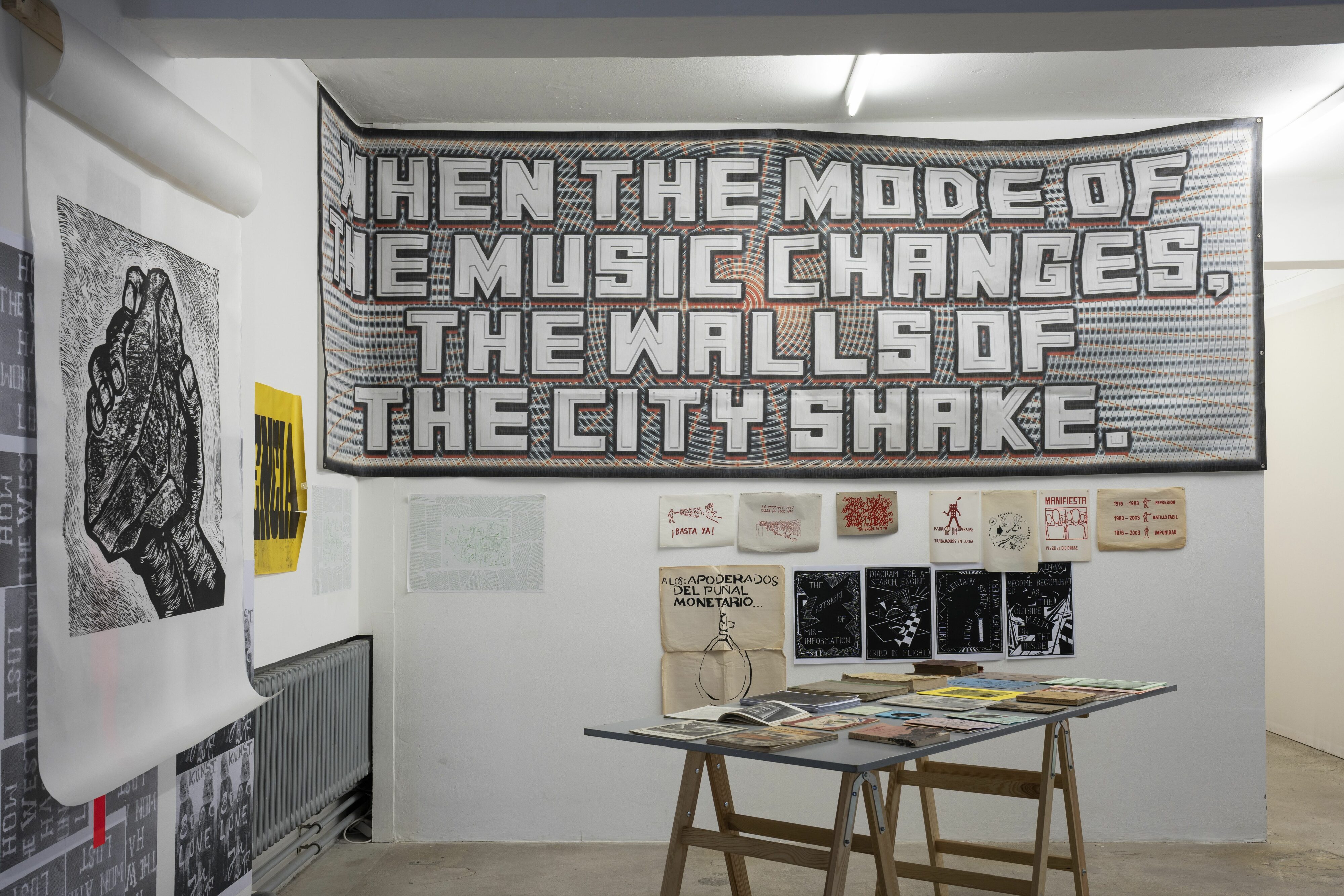
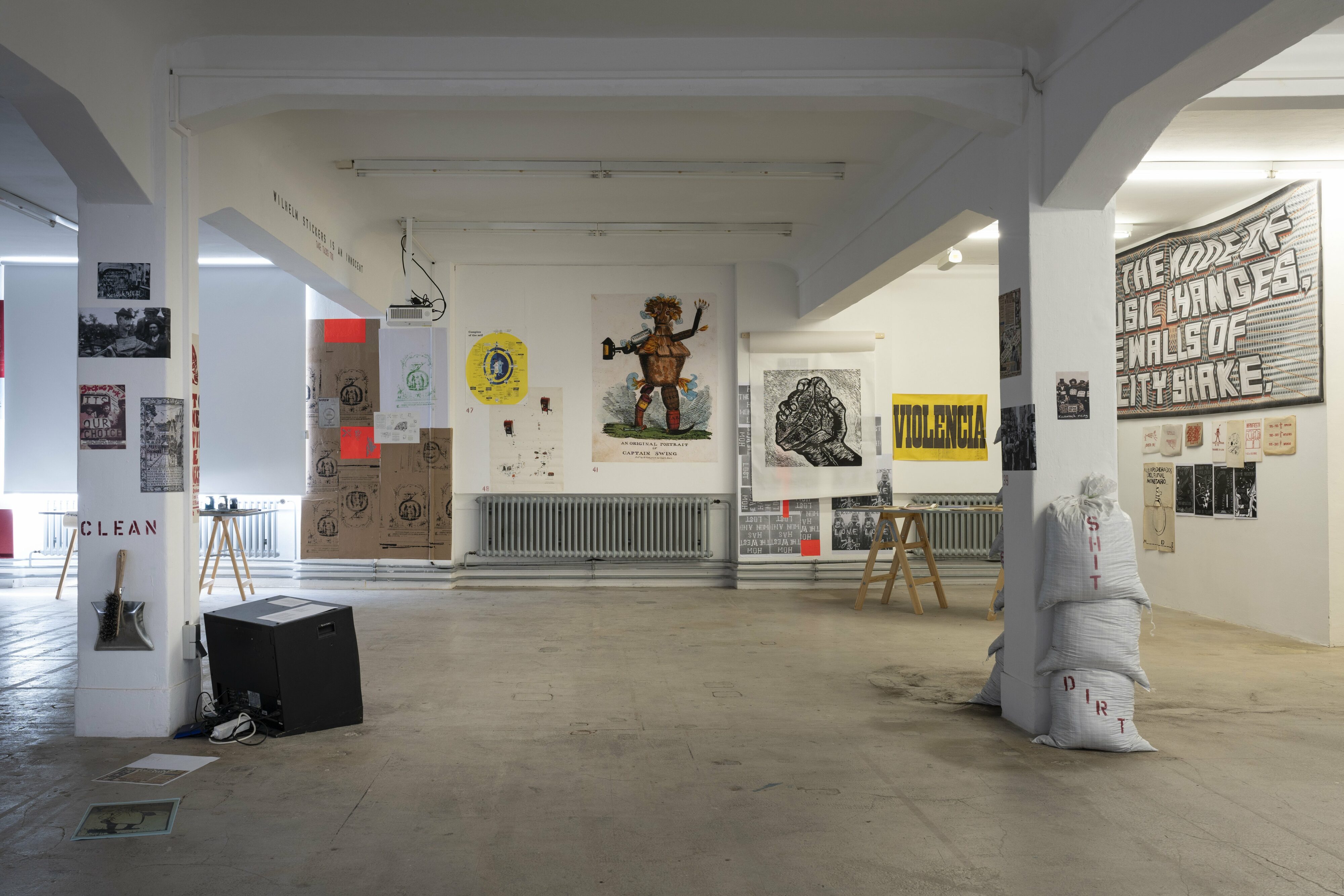
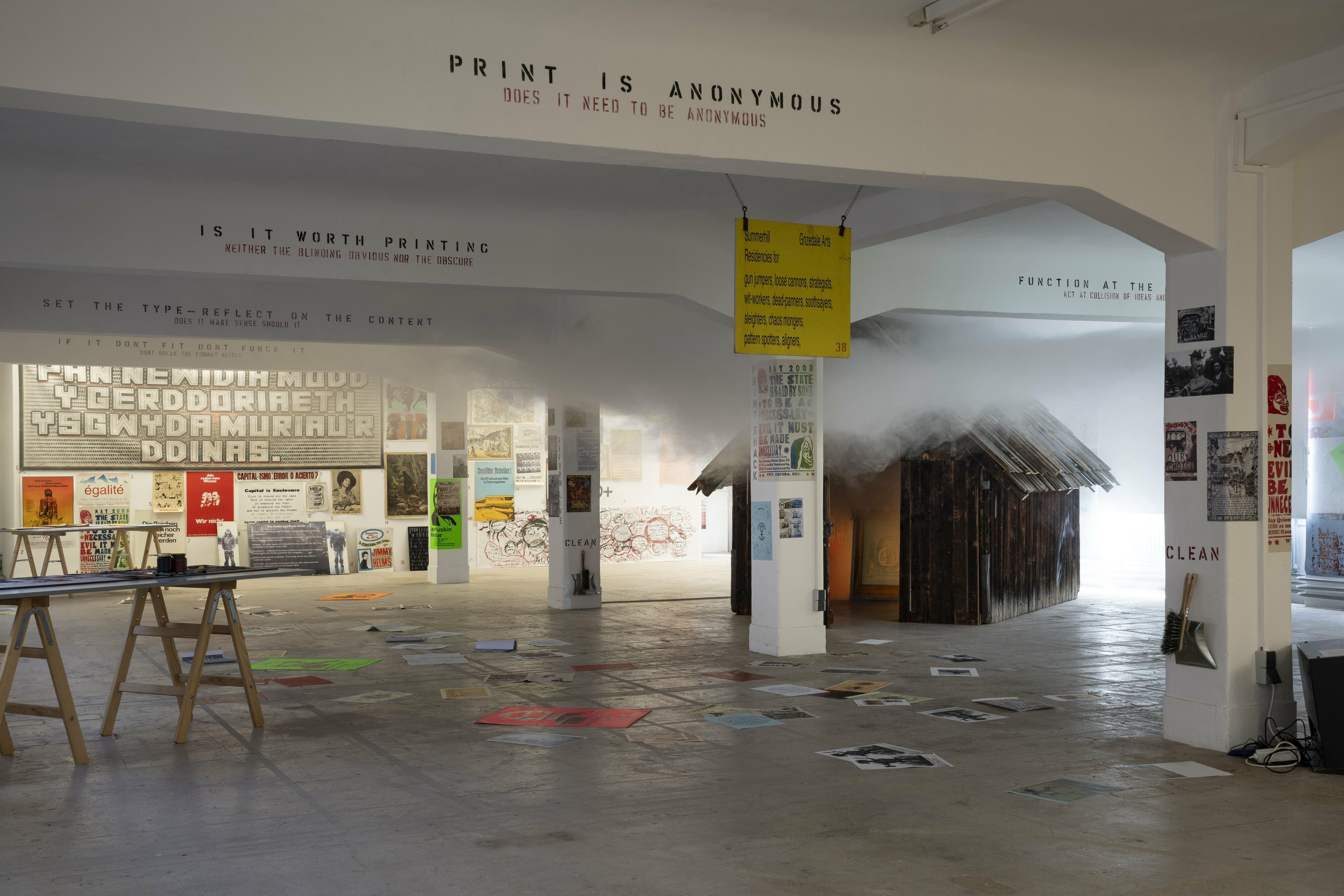
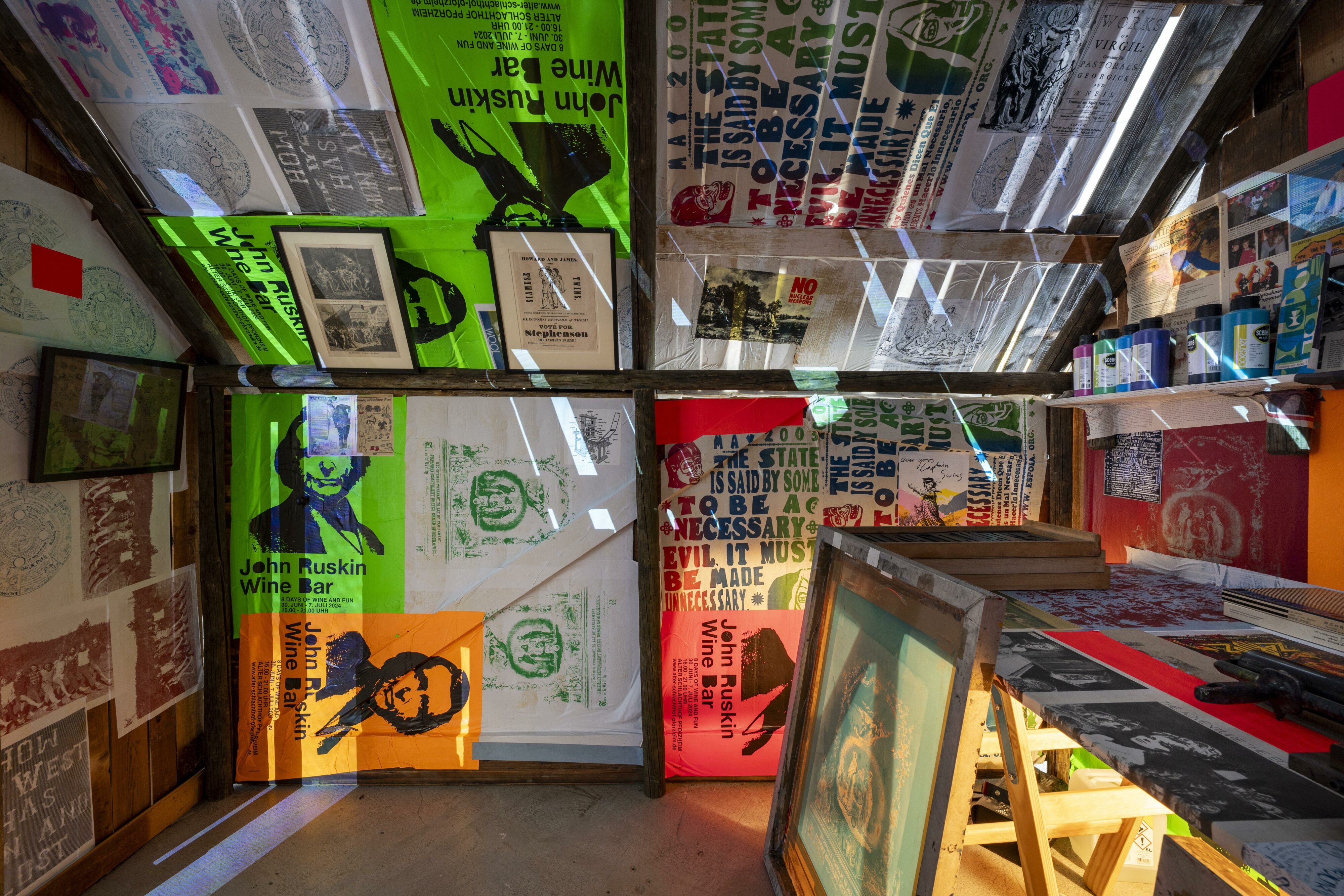
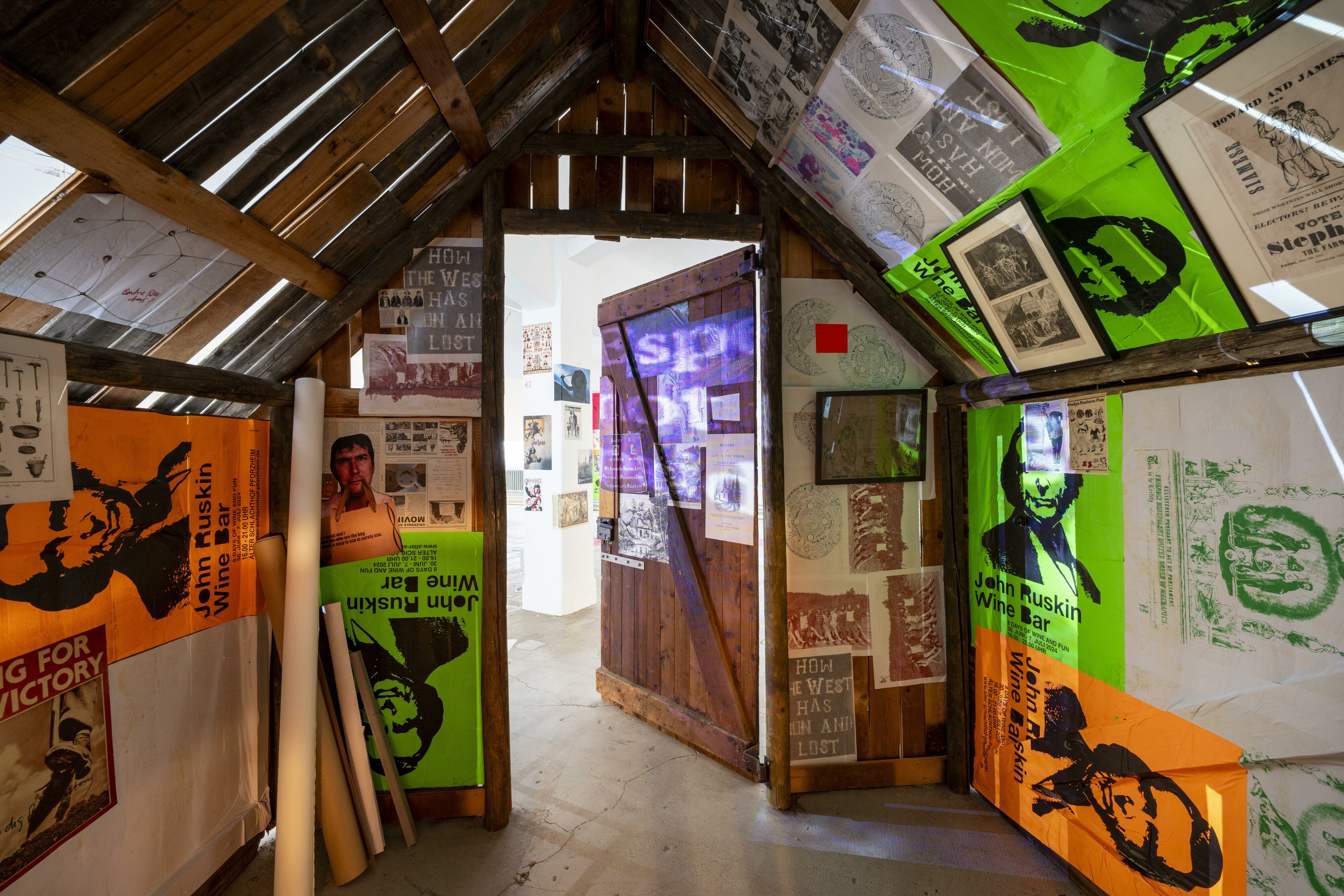
()Print() is a live print project, an open invitation to print new works using old technology, within a graphically rich atmosphere of polemical posters predominantly from rural settings, collectively offering insights into the complex politics of rurality in a way largely at odds with conventional representations. Unlike one-off artworks, posters are invariably multiple, and often anonymous – an untraceable format for political polemic and critique. In this spirit, viewers, readers, printers are encouraged to fill in the blanks and create their own name for the project from print-compatible words associated with the processes. DIY printing has been a mainstay of activity at the Künstlerhaus Stuttgart from its inception in the tumultuous 1970s. Steeped in this atmosphere of ink, paper and untraceability, ()Print() pays tribute to the long, rough-and-tumble history of polemical printing since the late eighteenth century.
Print is a noun; print is verb; let’s start a printing press.
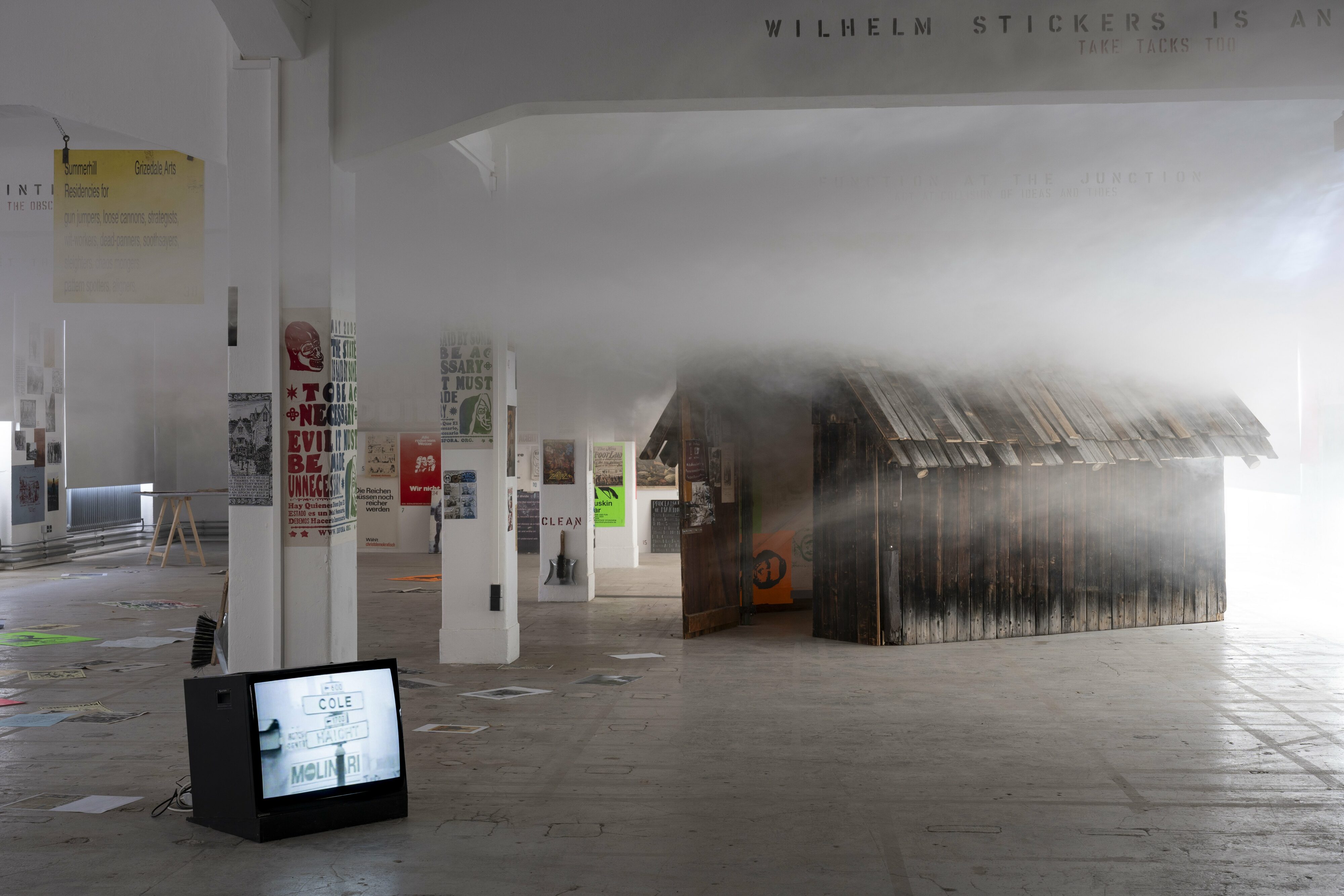
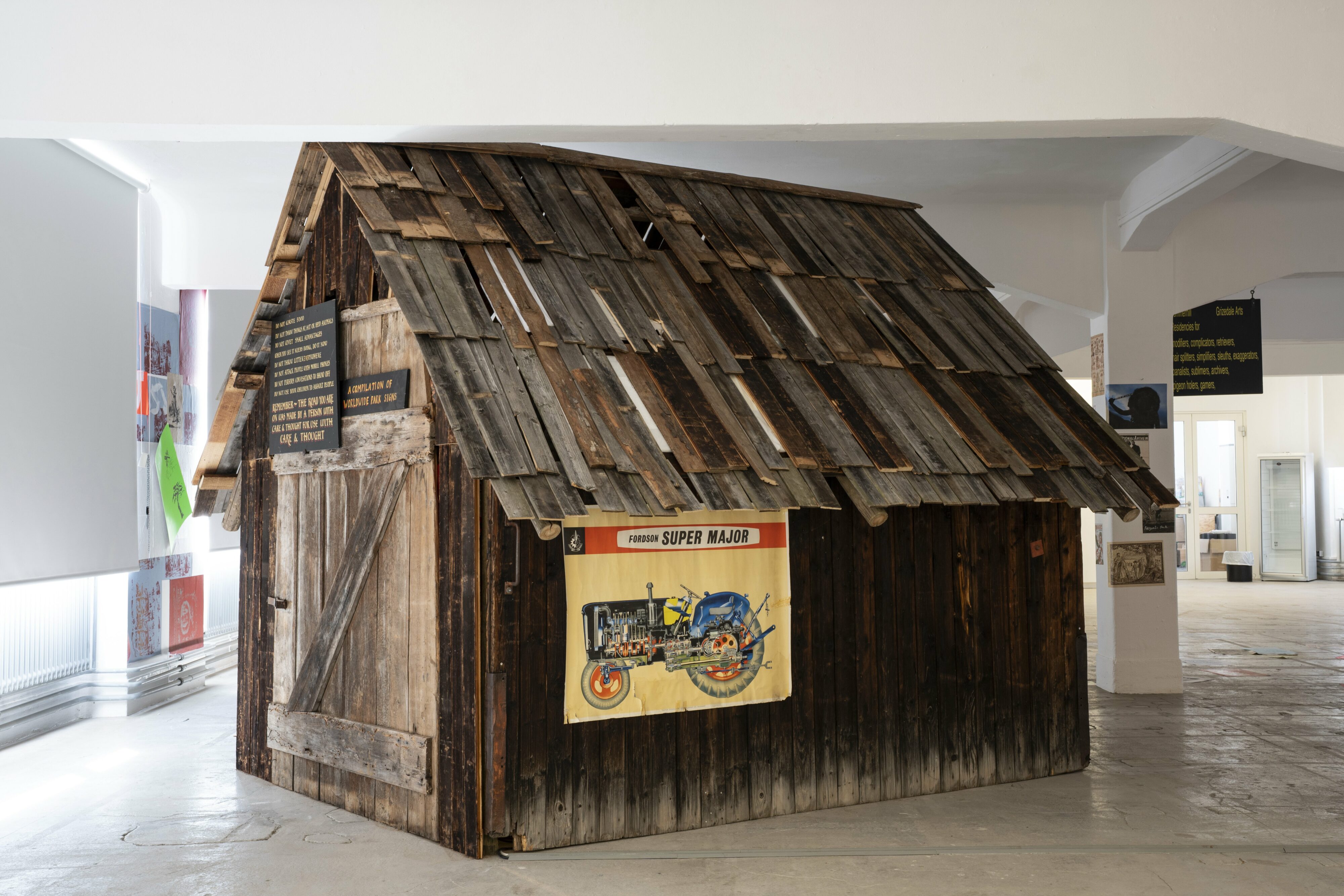
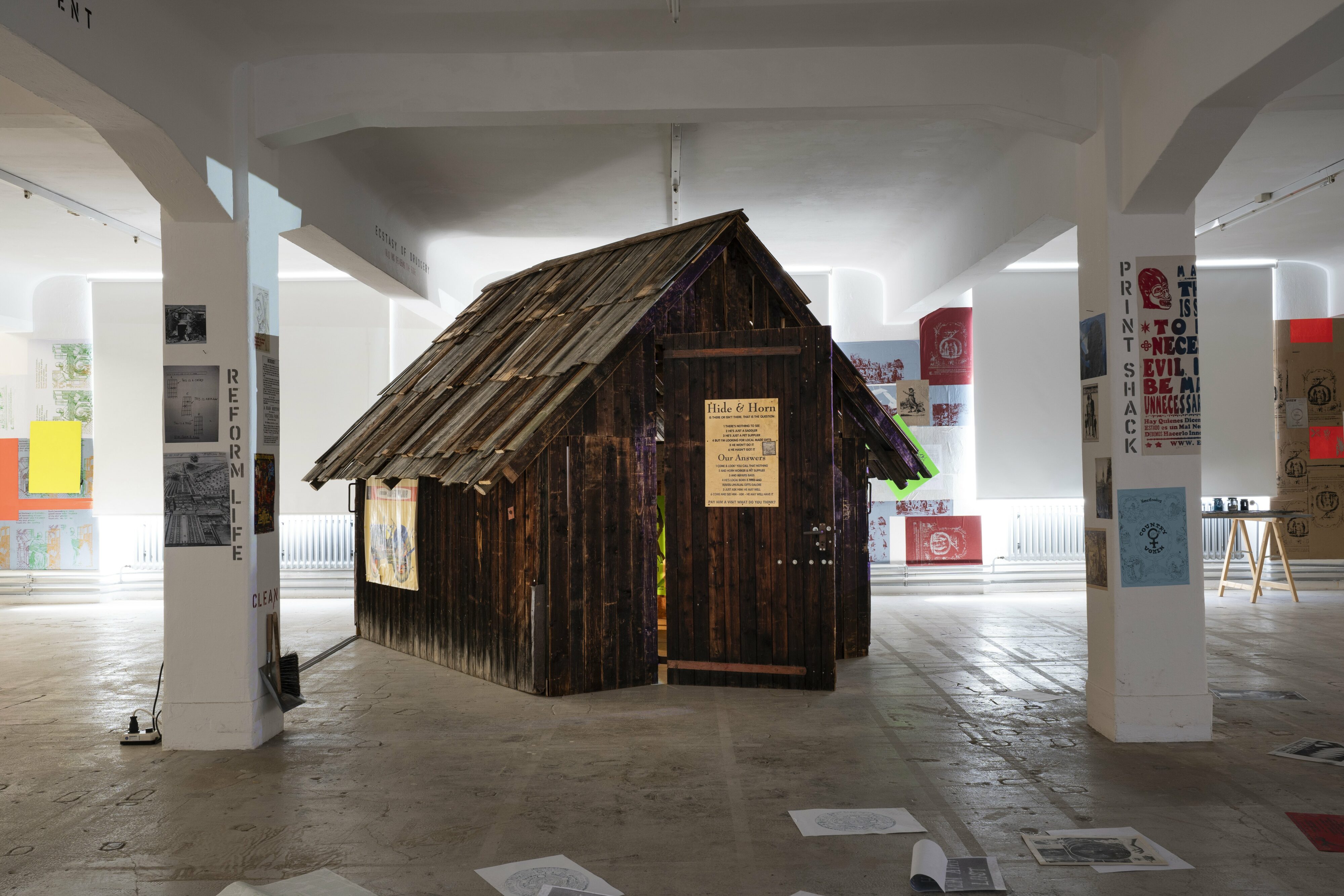
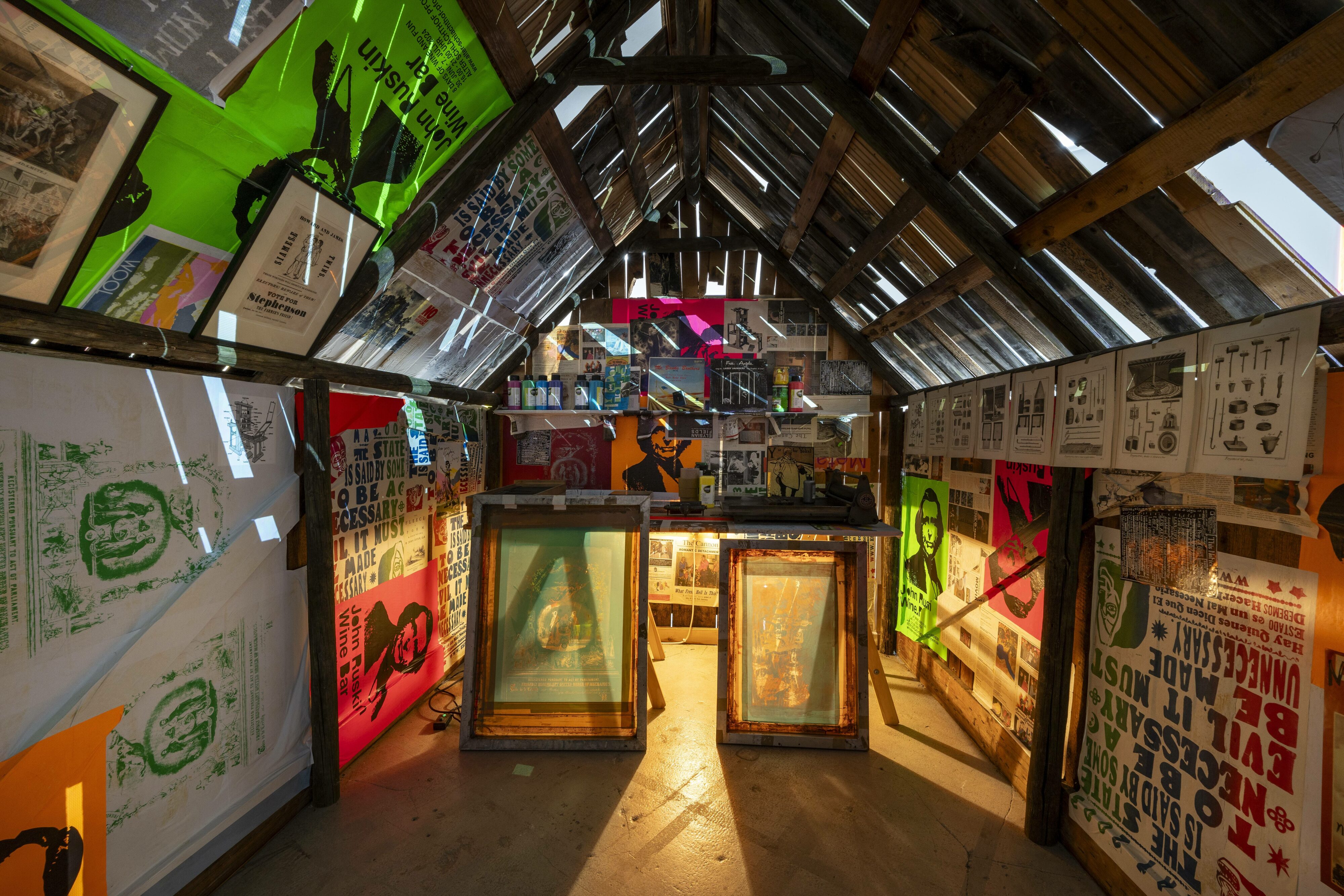
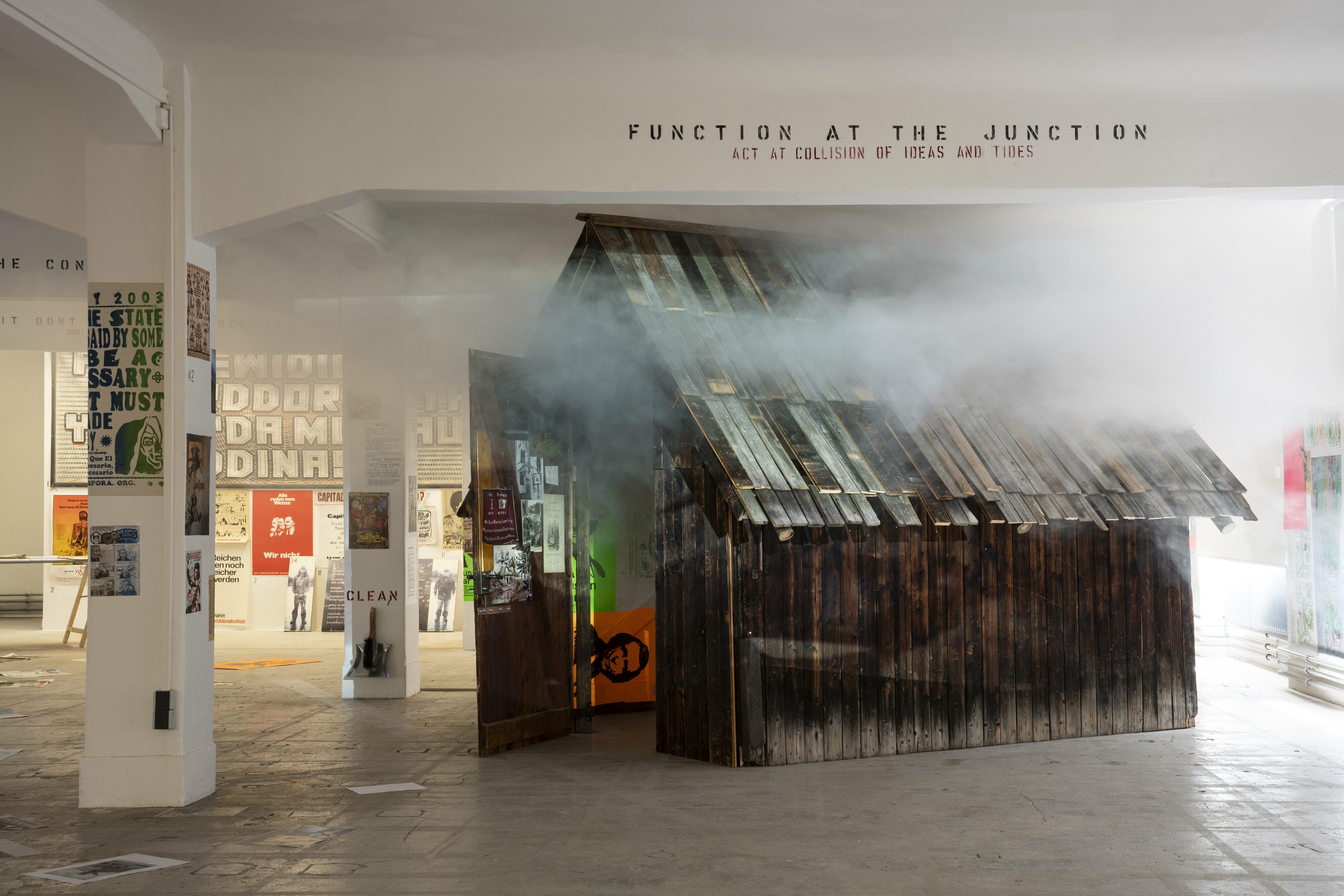
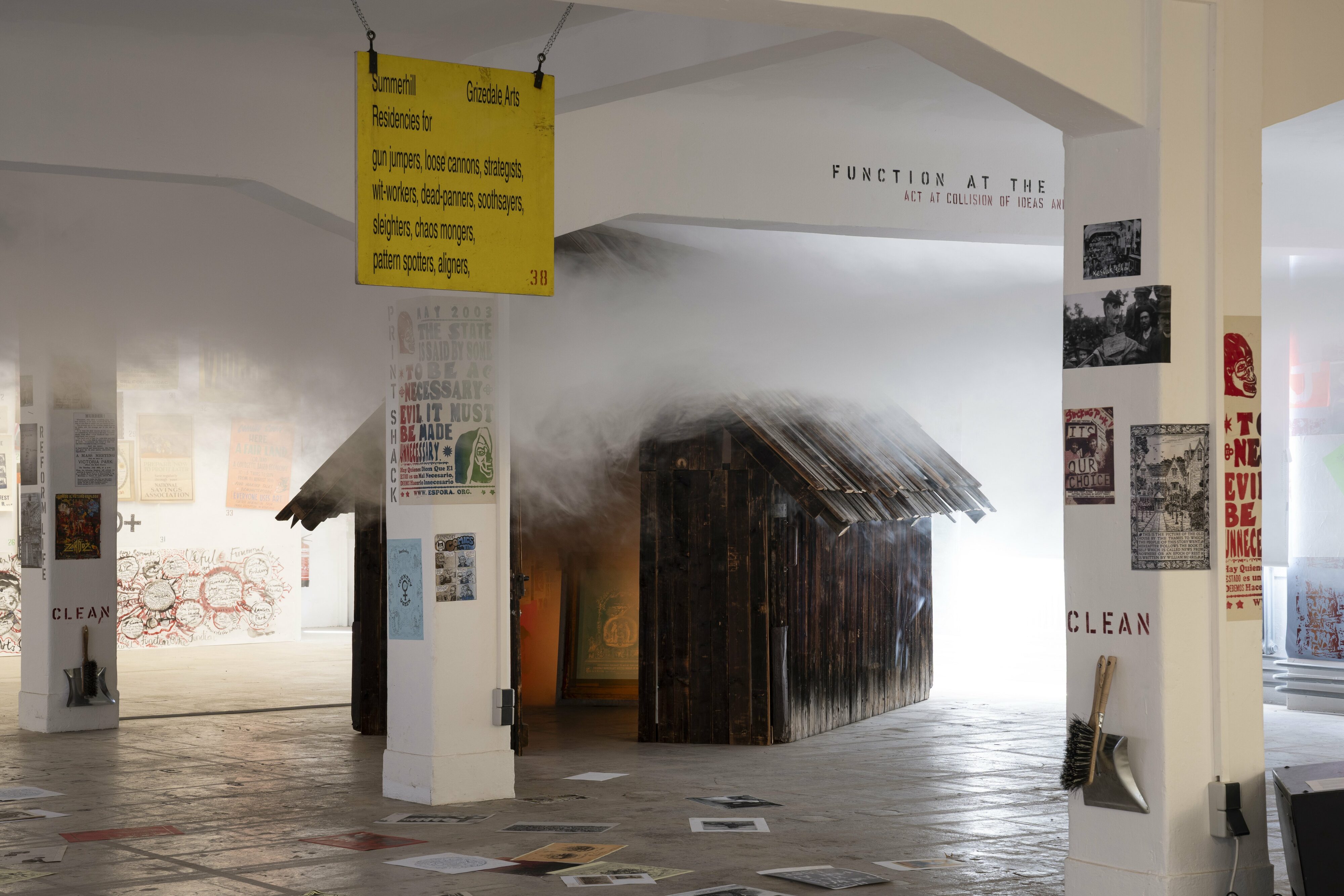
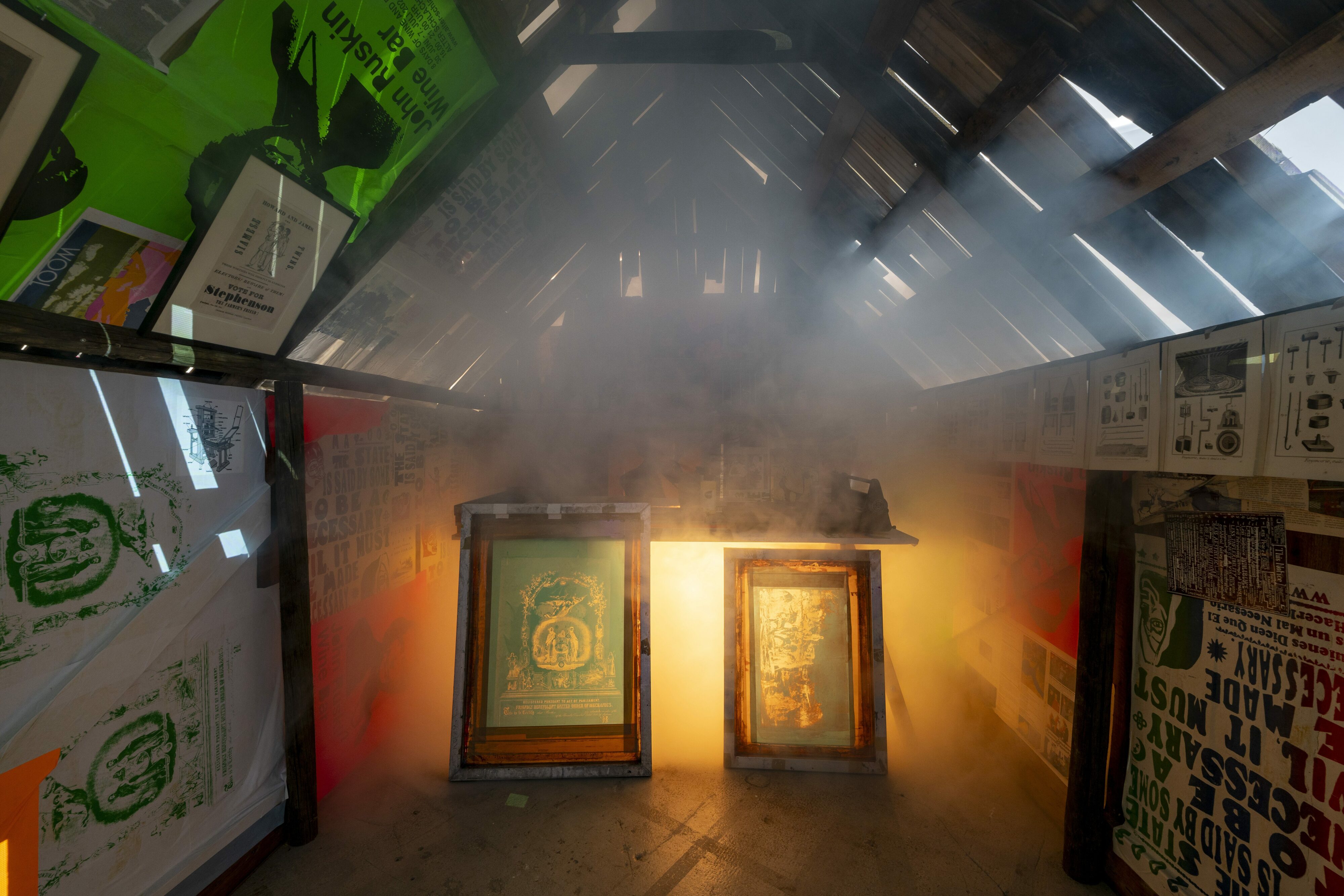
At the core of the atmosphere is the Print Shack, a partially deconstructed shed containing a printing press and the kind of ephemera found in print workshops since the invention of print, offering an “exploded view” of a printer’s atelier with light emanating from between the boards – a 1:1 scale instantiation of the romantic portrayal of printing as the light source of enlightened public space. Inside the shack and throughout the gallery space – on the walls, the floors, the pillars, the windows… – are multiple prints from the long history of poster and pamphlet printing, focusing on the cultural movements across Europe and beyond over the past 250 years, many of which are rural in origin or because their authors had taken refuge in the countryside. The conjecture that this project sets out to explore – and which informs the work of Grizedale Arts as a whole – is that it is from rural places that change is initiated, away from the intensity of urban life.
Strewn about the gallery – some pasted to walls or pillars, others dispersed on the floor – are prints selected by some dozen curators highlighting their personal collections and specific interests, intended not as a survey but more as a point of inspiration or provocation. This is a live analog project allowing the usership to create prints and post them, yielding untraceable comment in an age of total traceability. Over the course of the coming six months, this atmosphere of print will swell and morph through a regular series of printing workshops with trained printers.
()Print() is the first component of a broader, two-year collaboration and exchange program between Künstlerhaus Stuttgart and Grizedale Arts. Underpinning all Grizedale Arts programs over the past 30 years is the conviction that art is an integral, vital and embedded part of life, which entails connecting craft skills, collaborative production and putting the expertise of non-artists at centre stage. Lawson Park, a working farmhouse at Grizedale Arts, brings together artists and volunteers around farming, gardening, growing and cooking a wide range of food. Horticulture, hospitality and food production provide a useful model for working collaboratively. Grizedale Arts operates The Farmers Arms, a fully operational inn, pub, restaurant, as well as an in-house ceramics studio, in the Grizedale Forest of northern England. Art on the 1:1 scale.
Grizedale Arts has been a harbinger of the rural turn in contemporary artistic practice. Increasingly, art is openly turning away from the urban to the rural as its setting of predilection. Grizedale though has remained constant in asserting that art never truly embraced the urban, and remained – often for purely practical reasons – tethered to the rural.
Grizedale Arts is a one-of-a-kind art institution, one that works beyond the established structures of the contemporary art world, is light-footed in the fields, unbureaucratic and responsive to opportunities to connect with like-minded organisations and people all over the world. Come print with us!
Join us on May 21st at 7pm for the opening of ()Print() at Künstlerhaus Stuttgart.
()Print() is initiated by Grizedale Arts and Director Adam Sutherland.
Featuring prints from the collections of:
Ulrich Bernhardt Robert Eichmeyer Fernando García-Dory Hadrian Garrard Grizedale Arts Abel Holsborough Sean Ketteringham Künstlerhaus Stuttgart David Osbaldeston Tamarind Rossetti Sarah Staton Adam Sutherland Stephen Wright Linsey Young
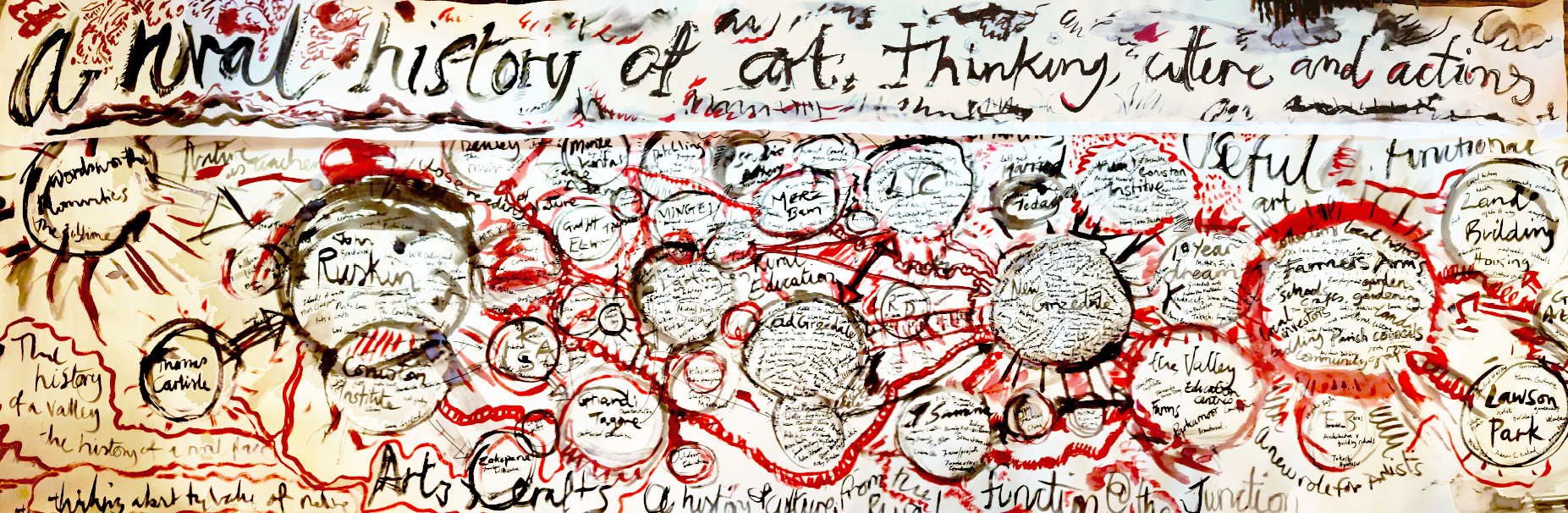
‘Translation in a global world is not only literary but also profoundly performative, embedded in how ideas and gestures, sounds and voices transform and move.’
-Avishek Ganguly and Kélina Gotman in the introduction of Performance and Translation in a Global Age
TRANSLATION // PERFORMANCE is a reading group, a performance platform, and a research experiment.
It’s a public gathering format that invites collective and active reflection on the connection between the concept of translation and the practice of performance.
Translation here is not only the transference of meaning from one language to another, but a vehicle of transformation. Translation happens whenever we take something – it could be a word, a sentence, a gesture, a sound, a movement, an image, an identity, a memory, a thought, a code, an impression – and subject it to a process of change and interpretation, after which this morsel of information takes on a new form and can thus be understood in a different way or by a different audience.
Some translation follows a more or less codified structure – other translation processes adhere to more interpretive principles, and others are entirely free and associative. Understood in this way, translation is inherent to the artistic and speculative process and offers questions worth exploring together. As language – and thus translation – is never apolitical, these avenues of inquiry will necessarily include perspectives on the social and political agency of translation practices.
This gathering aims to take the expansive field of translation theory as a starting point to examine performative practices in our current time.
Each gathering will begin with the collective reading of a text which touches on translation in some way. It could be an excerpt from a research paper, a poem, art criticism, a recording, a video. There will be a moment to share immediate thoughts or impressions, leading into a short tea break.
In the next part, two performances will be shown. These may be work-in-progress or finished pieces, they may be shown as fragments or in their whole form, as this gathering is meant to be a low-stakes and low-tech setting, embedded in a workshop-like environment. The aim is to create space for practice, curiosity, reflection and exchange, especially as it pertains to performance and other time based practices. Performers will be announced a week prior to the gathering.
Following the two performances there will be another short break after which everyone, performers, guests, the audience, and the facilitator(s) gathers to discuss all the input that has accumulated over the evening. This is a chance to share in depth about the impressions the performances made, as well as thoughts the readings may have sparked, and to connect the dots and levels between thoughts on translation and embodied practices.
As the project evolves, an archive of texts, material, and topics will be collected, publicly accessible on are.na → link to follow soon.
Gatherings will happen roughly every two months. Join us for the inaugural session on May 17th on the studio floor at 17h. All are welcome.
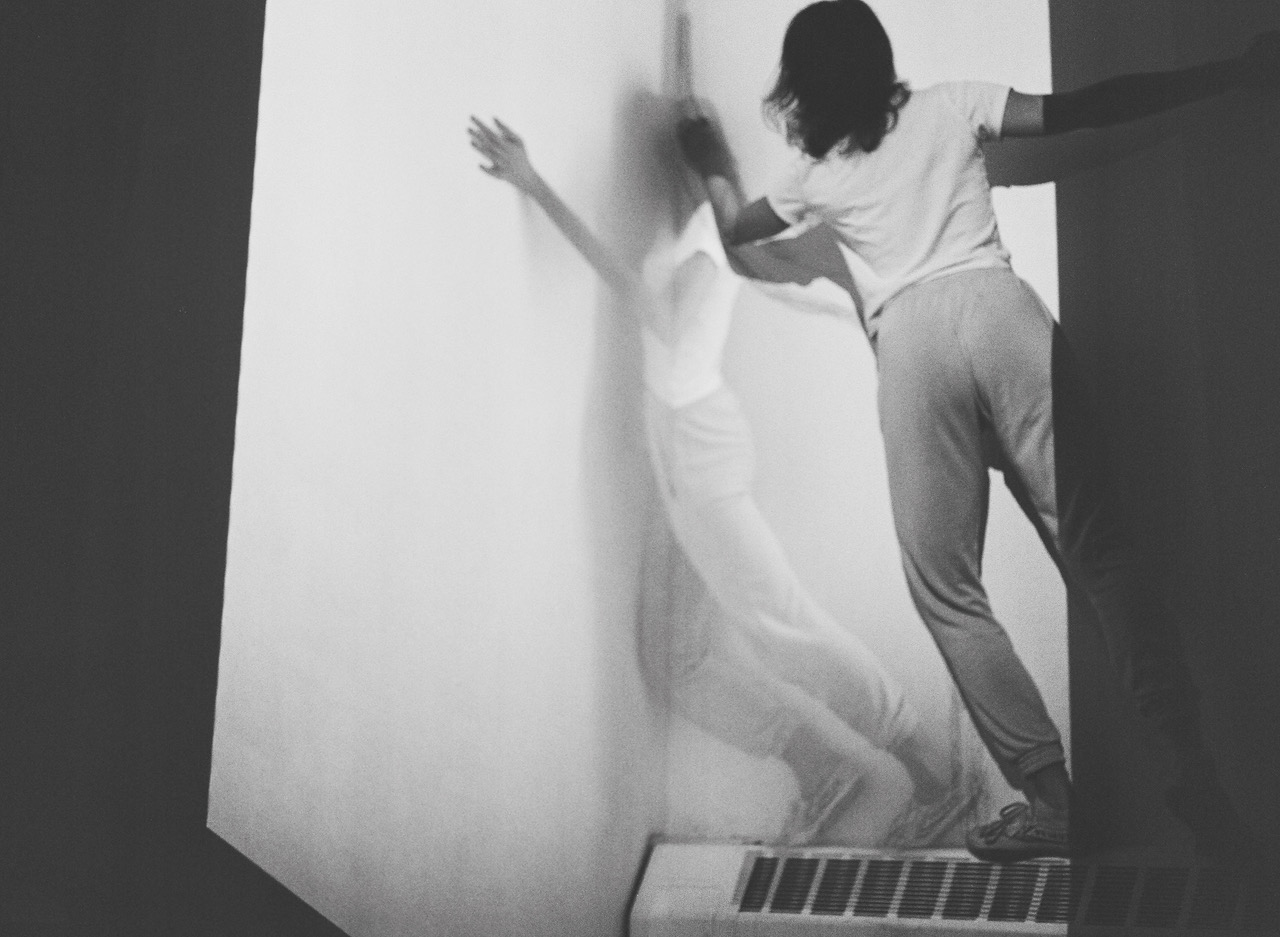
Veronika Schneider presents her audio piece to touch a cloud as well as works from her ongoing series Emoji
Clouds absorb and transform. These boundless forms, made up of dust particles and condensed water, have long served as images for humanity. After years of cloud-watching, the work ‘to touch a cloud’ reflects on changing states – such as consistencies, qualities or moods. Clouds as phenomena of change and the present moment. In times of war and climate change, the text, in the form of an audio recording, asks what clouds carry and what knowledge they hold.
For the Tuesday Workshop, to touch a cloud will be presented in a transformed form: Lea Rossatti and Hausmusik (Leo Weber and Lorenzo Mastrosimone) have each created their own versions of the material.
Whilst listening, one’s gaze can rest on current emojis – since 2018, Veronika Schneider has been painting and drawing snapshots. Over the years, this has resulted in an archive of moods that allows one to move forwards and backwards in time.
to touch a cloud will be available to listen to on Full Beans Radio following the event.
Tuesday-Workshop
The Künstlerhaus invites an artist or a collective—meaning any artists or cultural workers from any field or discipline—to talk about their working methods as well as their backgrounds and approaches. We want to establish a platform for a more in-depth interaction with regard to artistic practice, and in doing so to create a network, show solidarity, and mutually strengthen one other.
The series is aimed at all members of Künstlerhaus Stuttgart, artists either living in Stuttgart and the surrounding area or just traveling through, all cultural workers, art mediators, curators, etc., and is open to everyone!
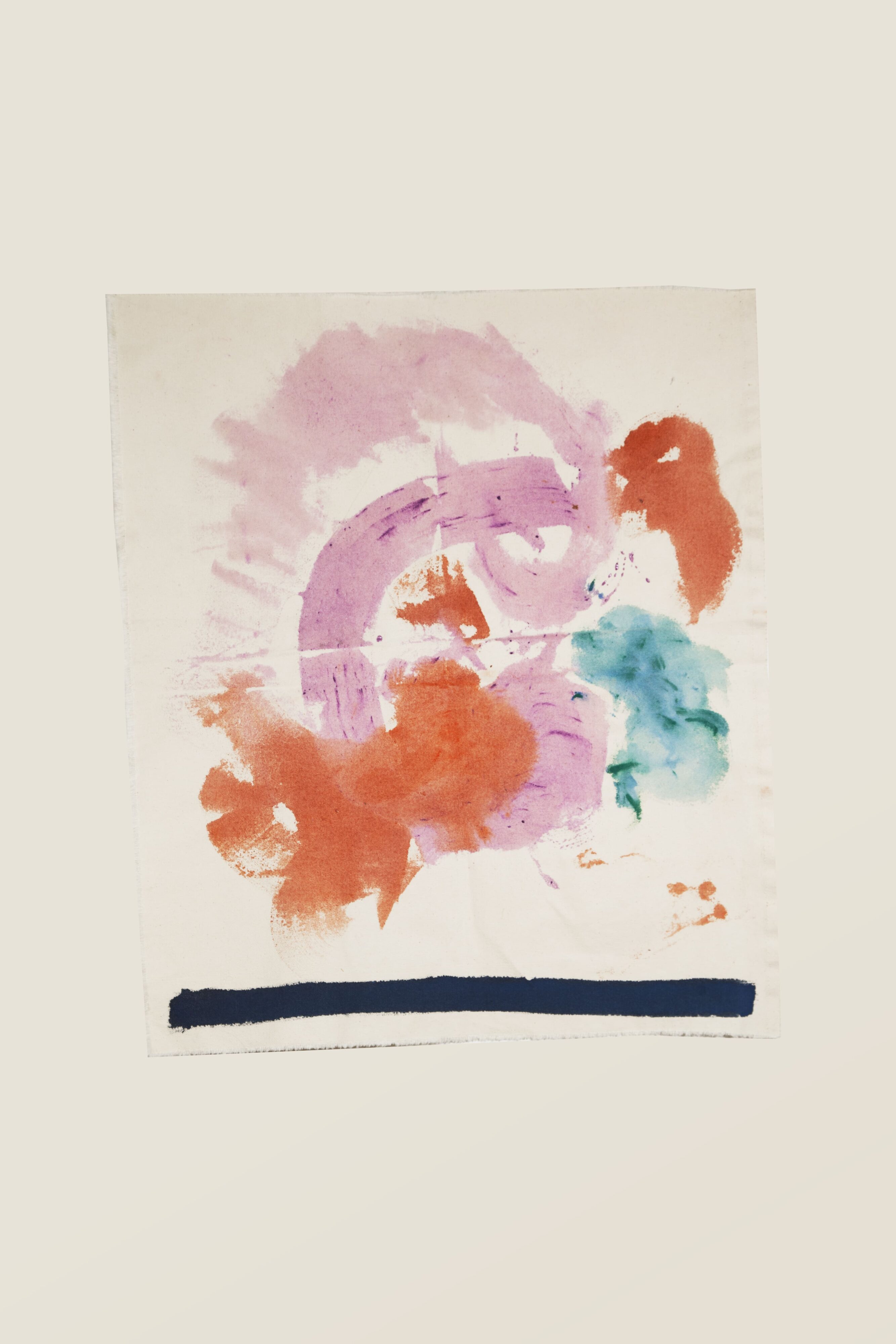
What is the role of smell in our political lives? How has smell been industrialized and with what economic effects? To what extent is the management of smell related to the governance of space? Is the honeybee a product of contemporary industrial factory farming?
Humans, as well as animals and plants use odors to communicate, to recognize, to evaluate. Odors profoundly affect our social life by triggering emotions, forming memories and allowing us to bond with others. The loss of the sense of smell, on the other hand, often means alienation and isolation from our environment. At the same time, smell has been industrialized, with profound effects on food, bodies and cities.
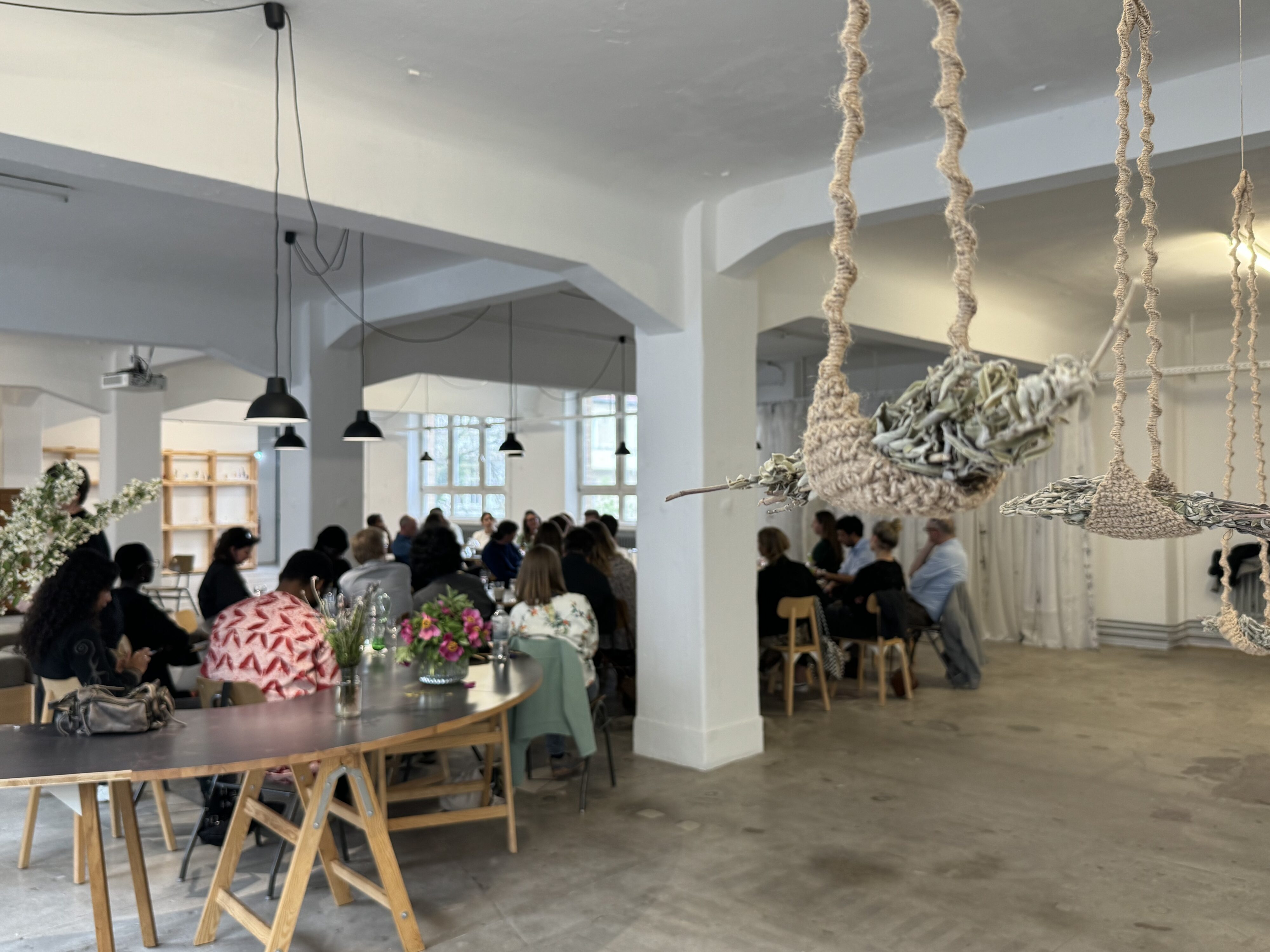
This event examines how smell, politics and economics are interrelated. Together with artists, biologists, and geographers, we will follow the smellscapes of the city of Stuttgart and discover new perspectives on the politics of metabolism and the senses.
With Freia Achenbach & June Fàbregas (anima ona), Tini Aliman, Maan Barua, Uli Beisel, Giovanni Galizia, Matthew Gandy, Felix Heidenreich, José Morbán, Piloya Irene, Hannah Liya & Sophia Sadžakov, Angelo Neira, Silke Sachse, Marie Skeie, Kirsten Traynor, Tamarind Rossetti & Stephen Wright
Where and When:
April 17, 6 pm: Akademie Schloss Solitude
April 18, 10 am: Hohenheimer Gärten; 3 pm Künstlerhaus Stuttgart (Floor 2)
The event is the second in a series on the topic of metabolism, initiated by Maan Barua and organized by the Akademie Schloss Solitude in collaboration with the Künstlerhaus Stuttgart and the Zukunftskolleg at the University of Konstanz. With support from the Canadian Institute for Advanced Research (CIFAR).
PROGRAMME
Friday, April 17 Akademie Schloss Solitude
- 6 pm: Welcome & Introduction
- 6:30 pm: Beyond the Waggle Dance: How Honey Bees Communicate
Keynote by Kirsten Traynor
- 7:15 pm: Panel Conversation
With Kirsten Traynor, Giovanni Galizia & Silke Sachse
- 8 pm: Solitude Signals: Biodata and Sonic Memory
Sound performance by Tini Aliman
- Afterwards: Snacks & Drinks
Saturday, April 18
Hohenheimer Gärten
- 10 am: MUTED SCENT
A sensory investigation of the Hohenheim Gardens with Irene Piloya
Places are limited. Please register until Friday, April 13 with Patrick Urbani,
intern.programs@akademie-solitude.de
- Afterwards: Conversation on Smell & Olfactory Plasticity
With Irene Piloya and Giovanni Galizia
Künstlerhaus Stuttgart
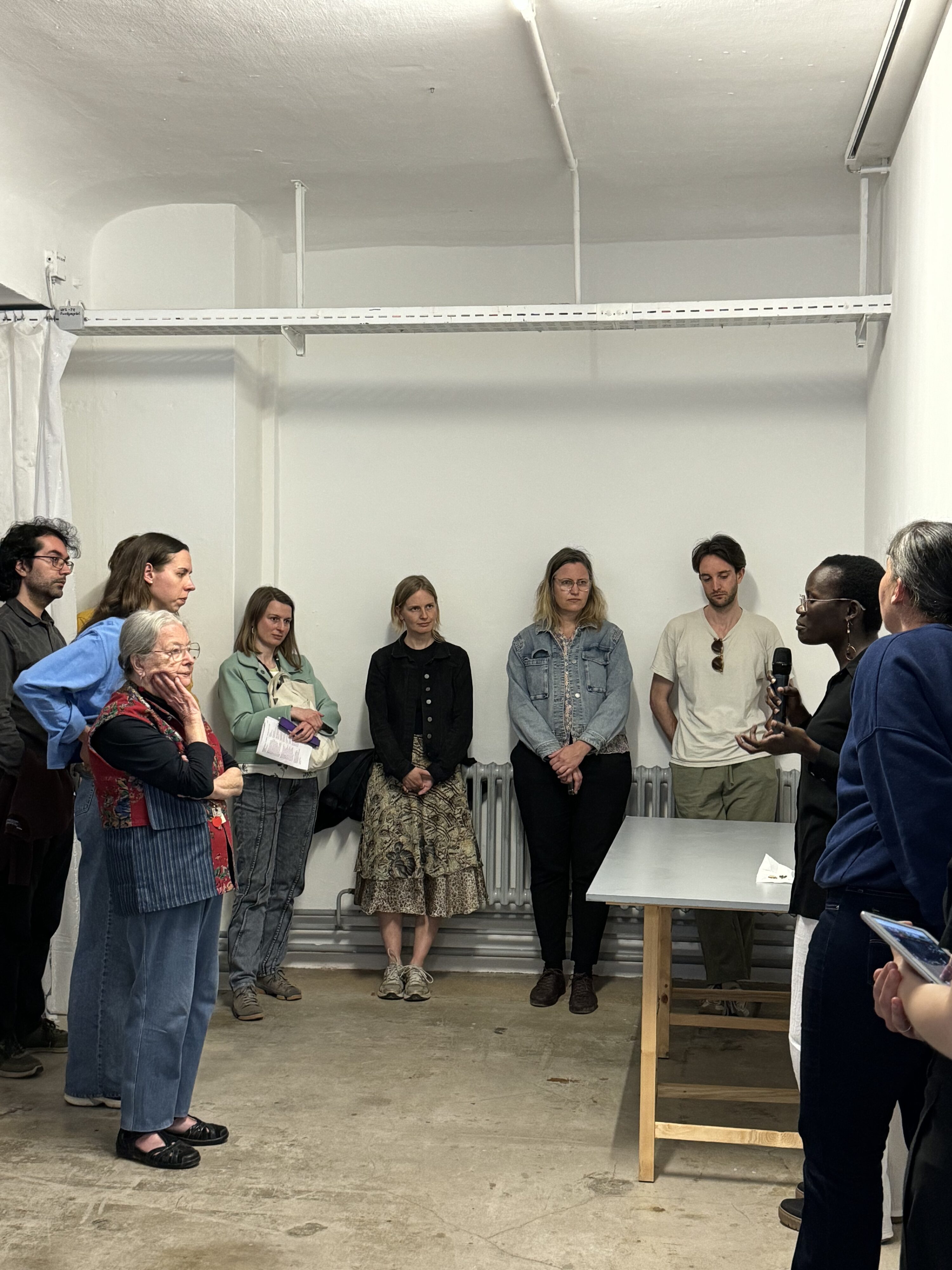
- 3 pm: Sage Passages: Sensescape of Places and Memories
A sensorial walk shaped by the intertwined stories of a bundle of sage, guided by
Marie Skeie
- Afterwards: A tour through the exhibition Terra Alchimia – Landscape in the Making With anima ona (Freia Achenbach & June Fàbregas)
- 5 pm: Pick Your Process
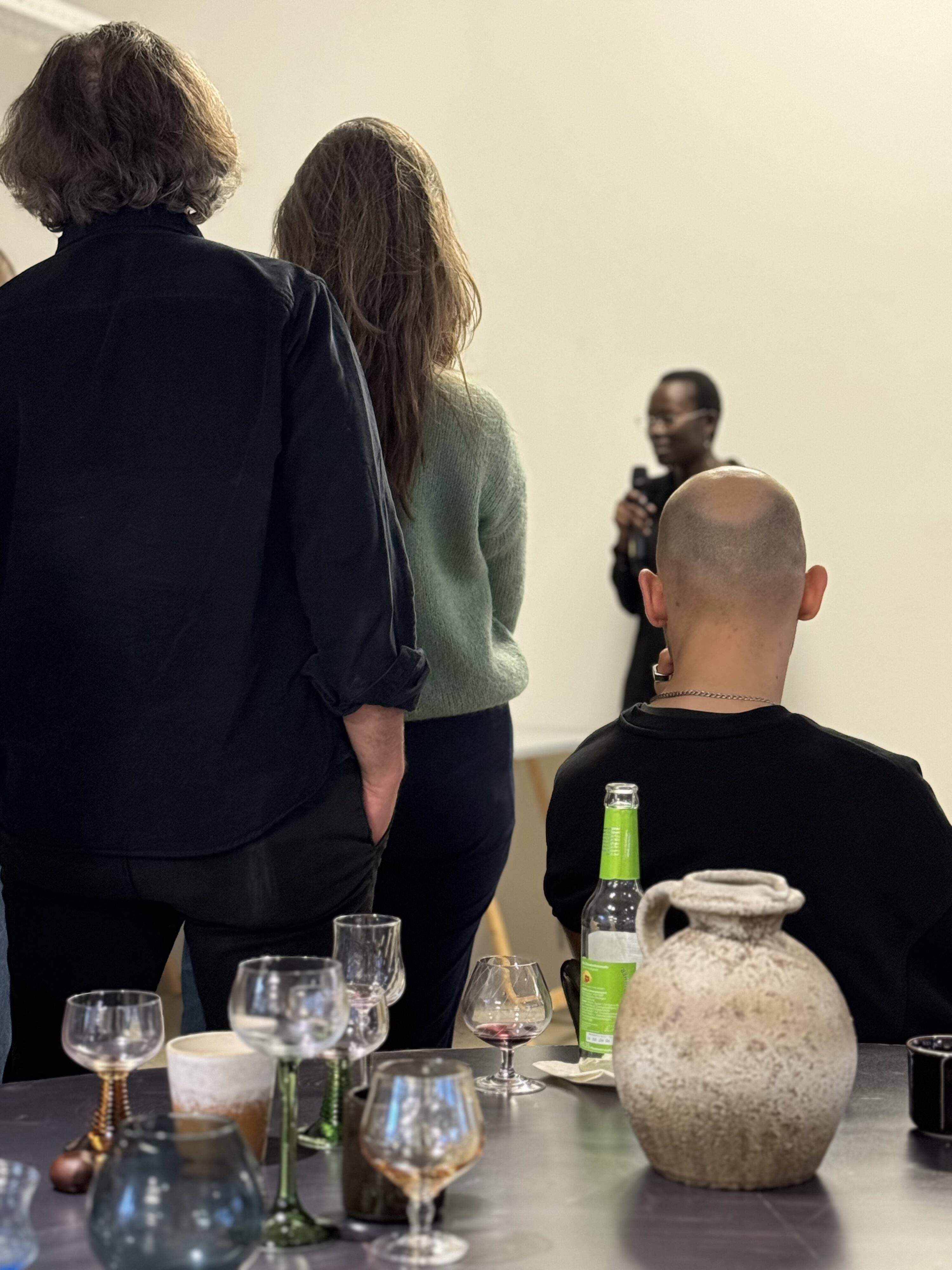
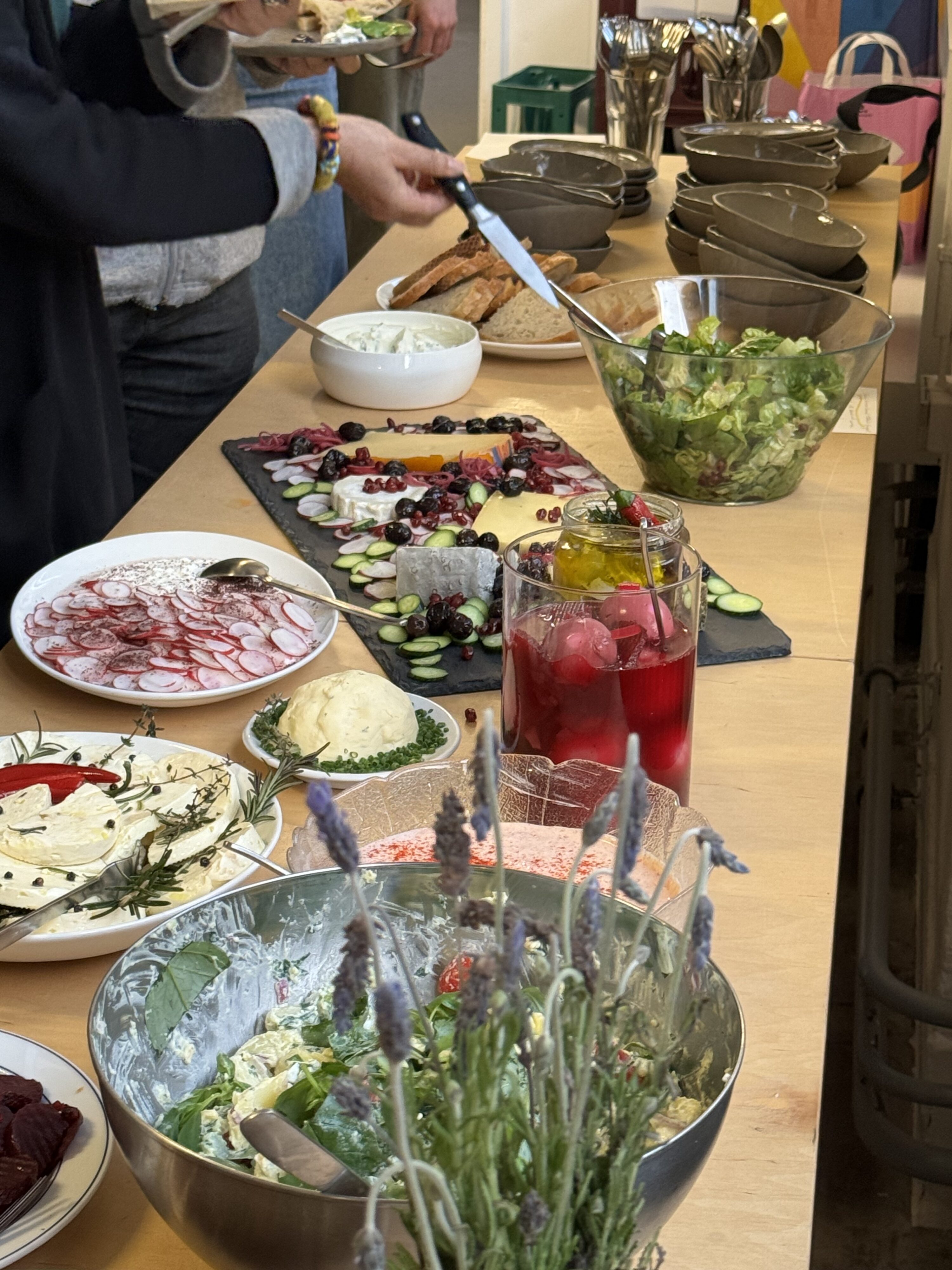
Communal table gathering, led by Maan Barua, Stephen Wright & Tamarind Rossetti; With inputs by José Morban, Piloya Irene, Angelo Neira, Uli Beisel, and Matthew Gandy - 7 pm: Performative Wine & Food Tasting
With Hannah Liya & Sophia Sadžakov
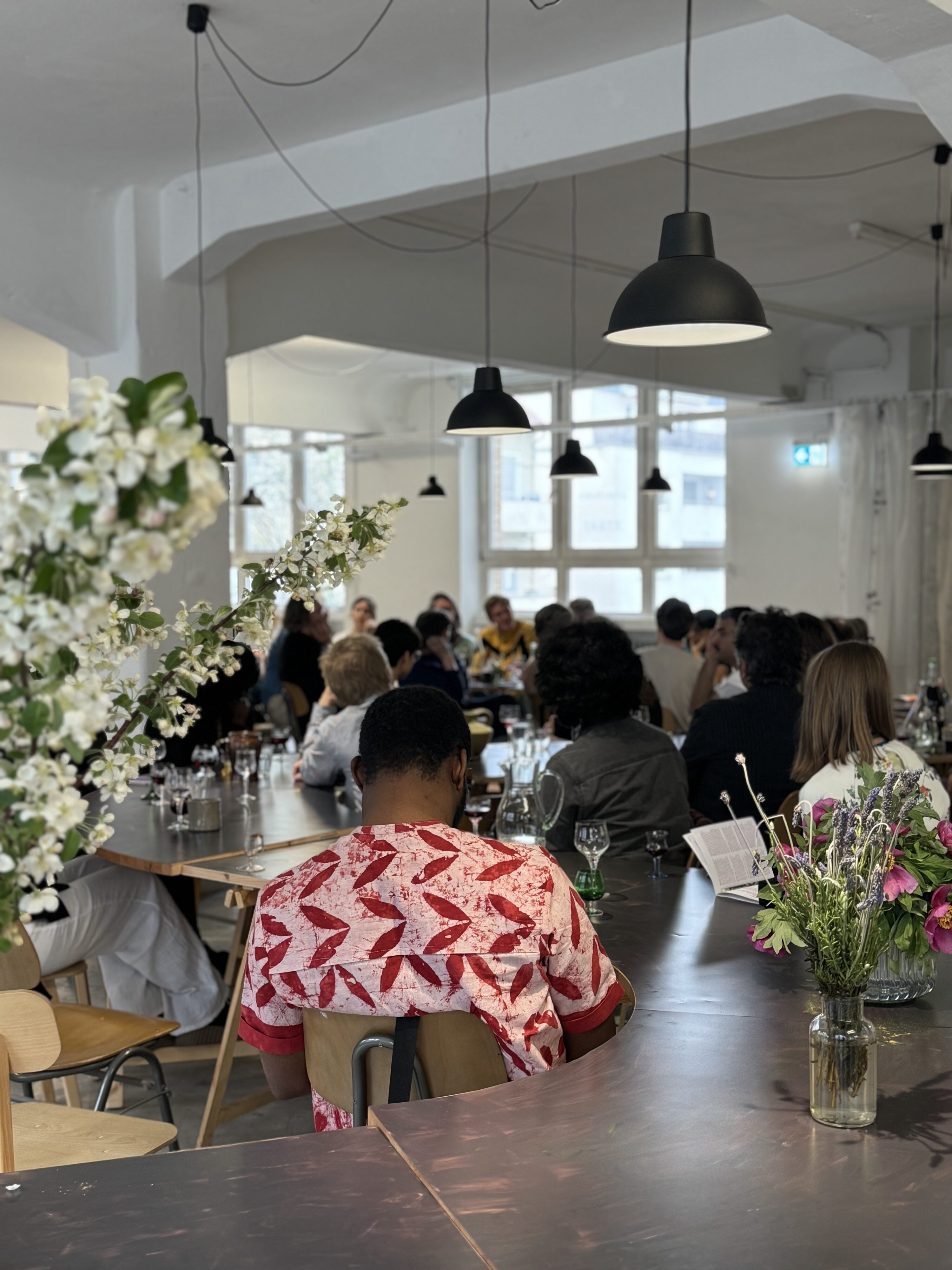
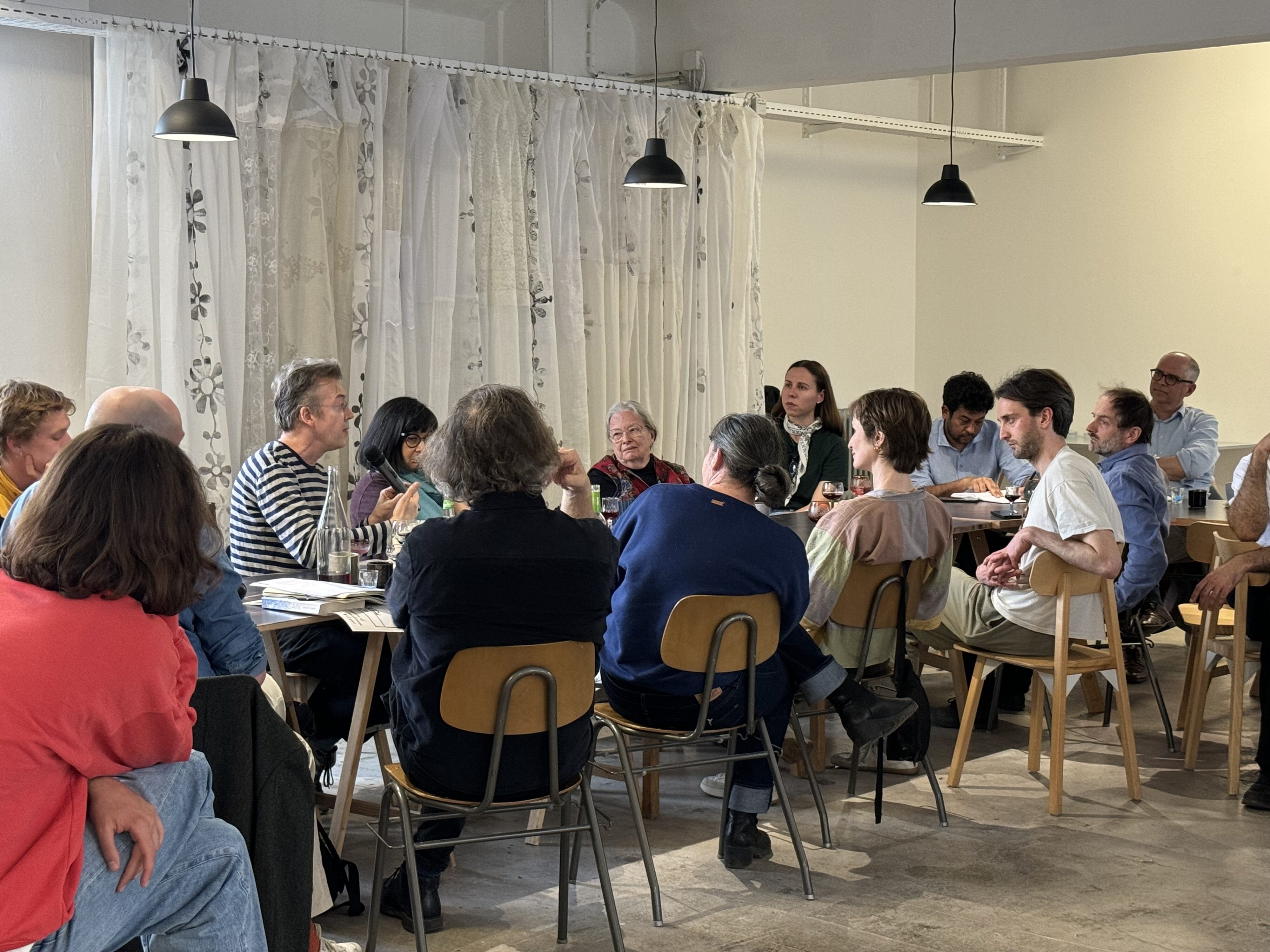
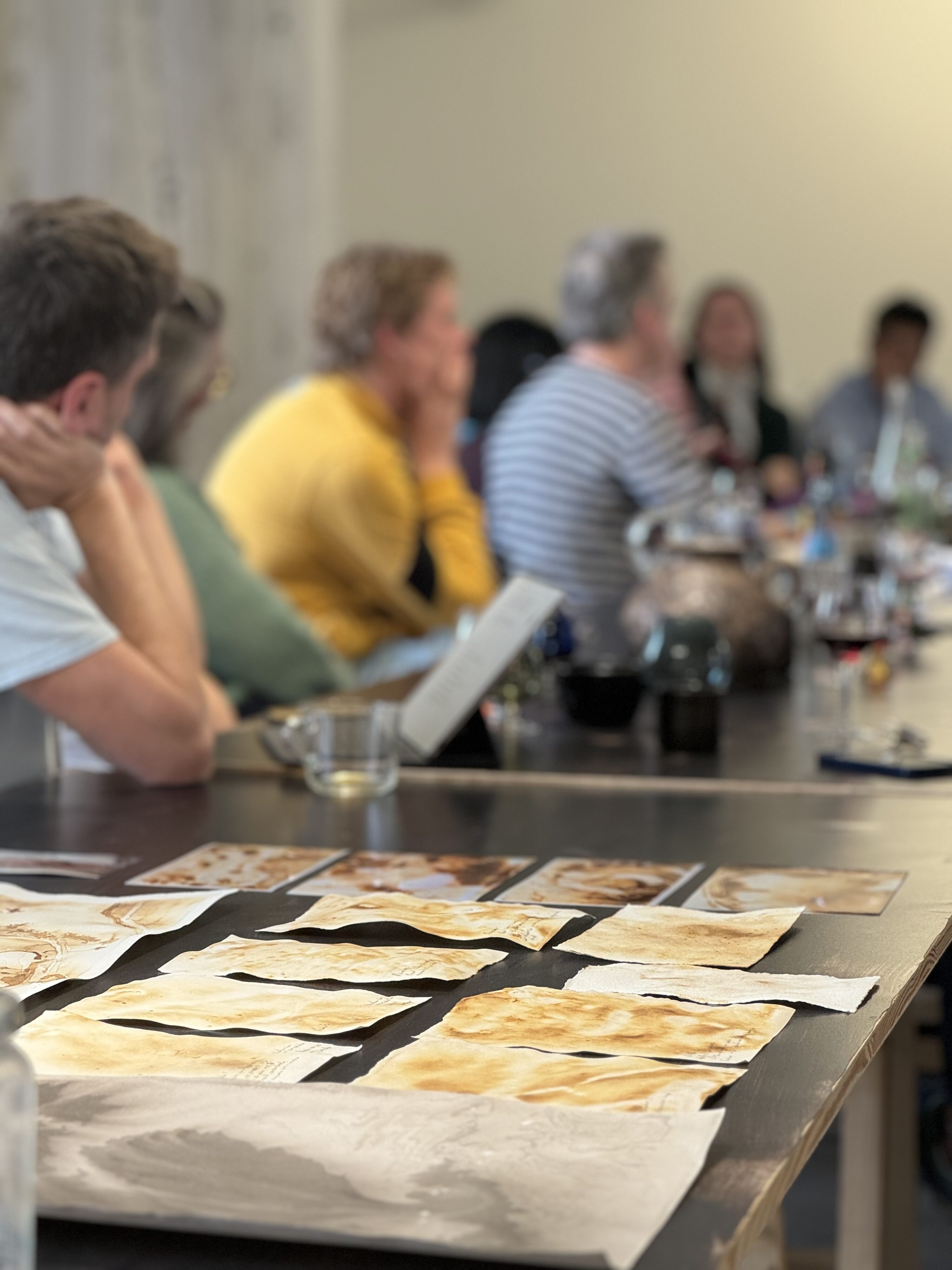
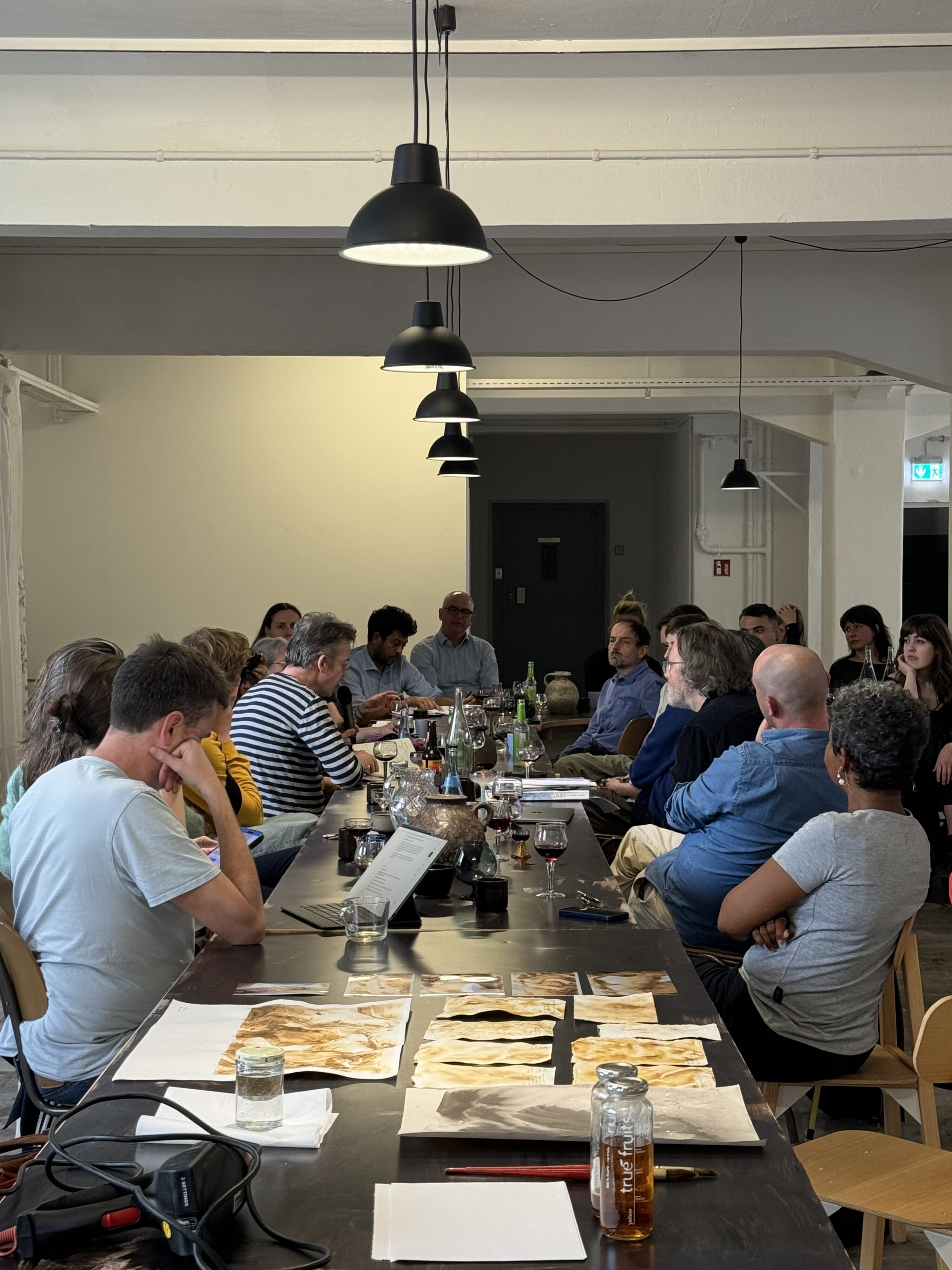
“My family was poor from the time I was little,
and we never went out for a meal like everyone else.
Whenever my mum was at work,
I’d cook myself some ramen.
At some point, I’d had so much of ramen that
I argued with her and begged her to let us eat something tasty.
Then, reluctantly, she took out her hidden emergency money
and ordered
me a bowl of jajangmyeon, and I was over the moon.
But for some reason,
my mother didn’t eat it.
She said she hated jajangmyeon.
She said she hated jajangmyeon.”
-G.o.d, To Mother, 1999
Even if we disregard the fact that constantly exploring unknown terrain on foot is an instinctive act that stimulates the human brain in a particularly efficient way, the question remains: why do people leave their homes, their villages, their ‘LÄND’, at all, to discover new places, test their abilities under their own steam, and set out on rickety iron machines? Even in this age of high efficiency, when we can observe the world through our ‘phones’ as if they were surveillance cameras and follow global events from the comfort of our own homes, many people still roam far and wide for a wide variety of reasons. To attribute noble or even grand intentions to such actions would be yet another insult to their decisions.
8,200 kilometres from home, I certainly didn’t have any grand plans. I don’t keep a diary. That’s why I have no recollection of what I thought, in my early twenties, about moving away from Korea. Yet before I knew it, I was in Germany, at the Stuttgart Art Academy, where I studied for ten years, and had become something of a ‘famous foreigner’. This fact shaped my everyday life and my artistic practice.
But this shadow was alive. To put it another way: my life as a foreigner had become so deeply ingrained in my daily existence that I had so much to say to the world, and my artistic sensibility gave voice to these words in a natural and passionate way. I envy works of art that deal exclusively with other art.
But I have realised that I do not have that choice. It is probably a great luxury for an artist to be able to choose the subjects they wish to explore – just as it is for those people who have been blessed with the choice of whether to move or not.
I had no right to put down roots in the country of my birth.
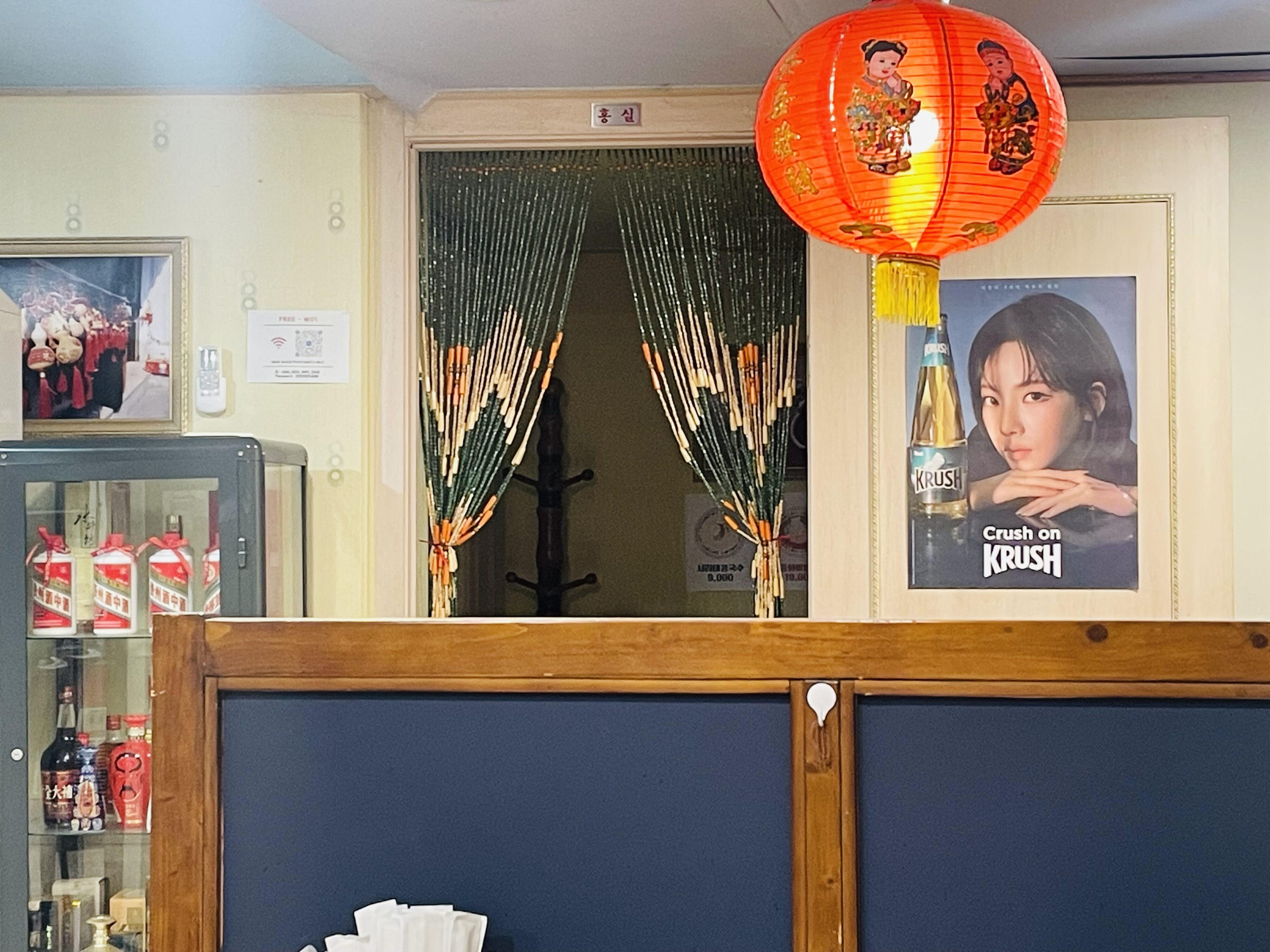
There were certainly many reasons why I left my unstable homeland, South Korea, which emerged during the Cold War following the Japanese colonial era. There was my father, who grew up in a remote mud hut on the brink of starvation and had to work over 85 hours a week for Samsung. Then there were the hardships of my mother, who was born in a remote mountain village without electricity and was never able to finish school because she had to feed her six siblings and tend to the livestock. This zeitgeist is evident in the lyrics of ‘To Mother’, a song by the K-pop group G.o.d from 1999 (even their band name is unmistakably Korean; in Europe, where monotheism is taken seriously, they would not have dared to use such a name). The descendants of those who fled to China and Manchuria before Japanese rule to fight for Korea’s independence, who endured the freezing cold and never returned, now run jajangmyeon restaurants in Korea as ‘guest workers’, as cheap labour and often illegally.
‘Zhajiangmian’, originally a dish from the Chinese province of Shandong, was adapted by them into the Korean dish jajangmyeon. Their descendants, known as the ‘Joseonjok’, took on the various challenging tasks that contributed to the remarkable development of Korean society. The “Joseonjok” men who worked in my mother’s 24-hour restaurant would end their gruelling day in front of these bead curtains, drinking soju advertised by K-pop singers and listening to loud K-pop music until dawn.
Perhaps these unseen stories are hidden behind the glittering bead curtains that hang between the kitchens and the diners in countless ‘Chinese restaurants’?
Text: Mizi Lee
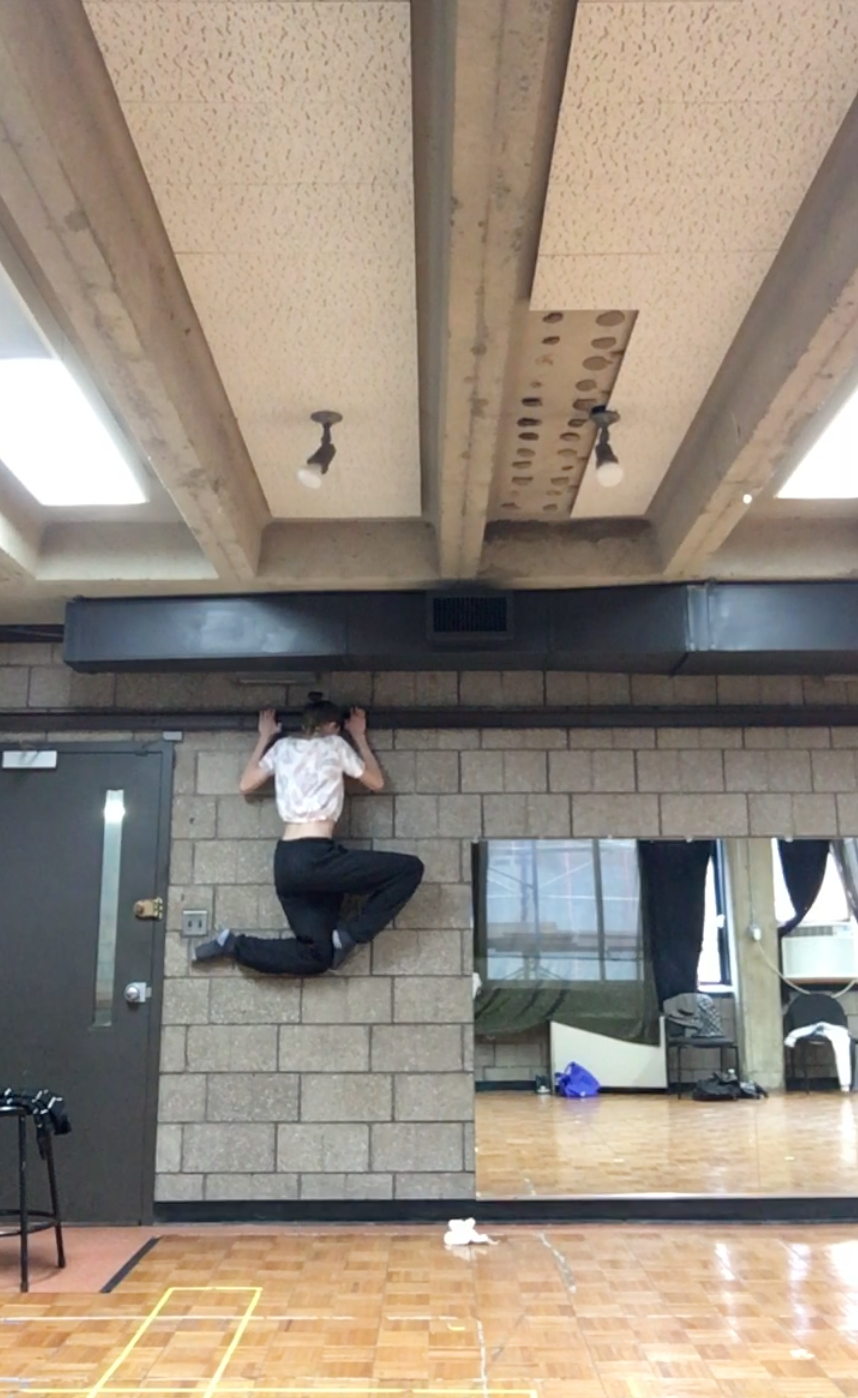
Obsessive listening is embodied listening, it’s listening with the brain, it’s listening and memorizing, it’s repetition.
Sounds, pieces of music, sequences of notes and harmonies settle in the inner ear, creating a connection that is physical and alters perception – when a piece of music or a song strikes the right chord, I listen to it over and over again until it becomes a part of me, or I become a part of the piece –
Liv Rahel Schwenk invites participants to engage in obsessive listening and explains the role that repetition and physicality play in her work with rule-based drawings, performance and video.
This is the eighth event in the ‘Listening Sessions’ series in the recording studio at Künstlerhaus. Artists are invited to bring along the music that inspires, shapes and accompanies them. We will listen to this music together in the recording studio.
The regular series offers a space to exchange ideas about sonic influences and personal connections to music. This series of events was conceptualised by Lena Meinhardt, artist and manager of the audio workshop at Künstlerhaus.
As places in the recording studio are limited, please register at audio@kuenstlerhaus.de
04:00pm–05:30pm
Who speaks when we commemorate Jewish victims of the Holocaust? This workshop focuses on a satirical text from Oyf der fray, the Yiddish-language magazine of the Stuttgart DP camp – written by people who had just survived the Nazi genocide and were now using black humour to grapple with the question of what a ‘DP’ – a Displaced Person – actually was. The text appeared in 1946, a few months after Shmuel Dancyger was shot by the German police, and is a document of Jewish self-assertion that is as witty as it is incisive. Reading and discussing it together will serve as a starting point for fundamental questions: How can the voices of survivors truly be heard in the culture of remembrance, and what do these voices tell us, if we really listen to them, about the pitfalls of a culture of commemoration that all too easily reduces Jews to their status as victims? The workshop concludes the programme and invites participants to reflect together on the fundamental questions that run through it.
Tal Hever-Chybowski is a scholar, cultural activist and artist specialising in Yiddish and Jewish culture. From 2014 to 2025, he directed the Paris Yiddish Centre – Medem Library. Since 2025, he has been a research fellow at the Department of Jewish Studies at Martin Luther University Halle-Wittenberg. He has taught Yiddish language and literature at the YIVO Institute for Jewish Research (New York), the Yiddish Book Center (Amherst, Massachusetts), the Free University of Berlin, the Université libre de Bruxelles, the University of Basel, the University of Mannheim and Martin Luther University Halle-Wittenberg. He edited Daniel Boyarin’s A Talmud: a Personal Take (Mohr Siebeck, 2017) as well as the journals Mikan Ve’eylakh, Der Yidisher Tam-Tam and Netivot Olam. As an author and translator, he publishes in several languages. He is also active as a director and actor and has appeared in Unorthodox (Netflix, 2020), Jacob Jacobson (Theatre of the Oppressed, Paris, 2021) and Transatlantic (Netflix, 2023).
Registration for the walking workshop with Tal Hever-Chybowski at the Künstlerhaus Stuttgart.
info@stuttgart-reinsburgerstrasse.de

On 4 April 1946, a week after Shmuel Dancyger’s death, the Displaced Persons organised large-scale protests to demonstrate against German police brutality. During a guided walk along their route, Ann-Kathrin Müller and Judith Engel share insights into Shmuel Dancyger’s story, life at the Stuttgart-West Displaced Persons Centre, and the often-forgotten resistance and anger of the DPs.
Registration for the walk with Ann-Kathrin Müller and Judith Engel
info@stuttgart-reinsburgerstrasse.de
Meeting point: Reinsburgstraße 208 B
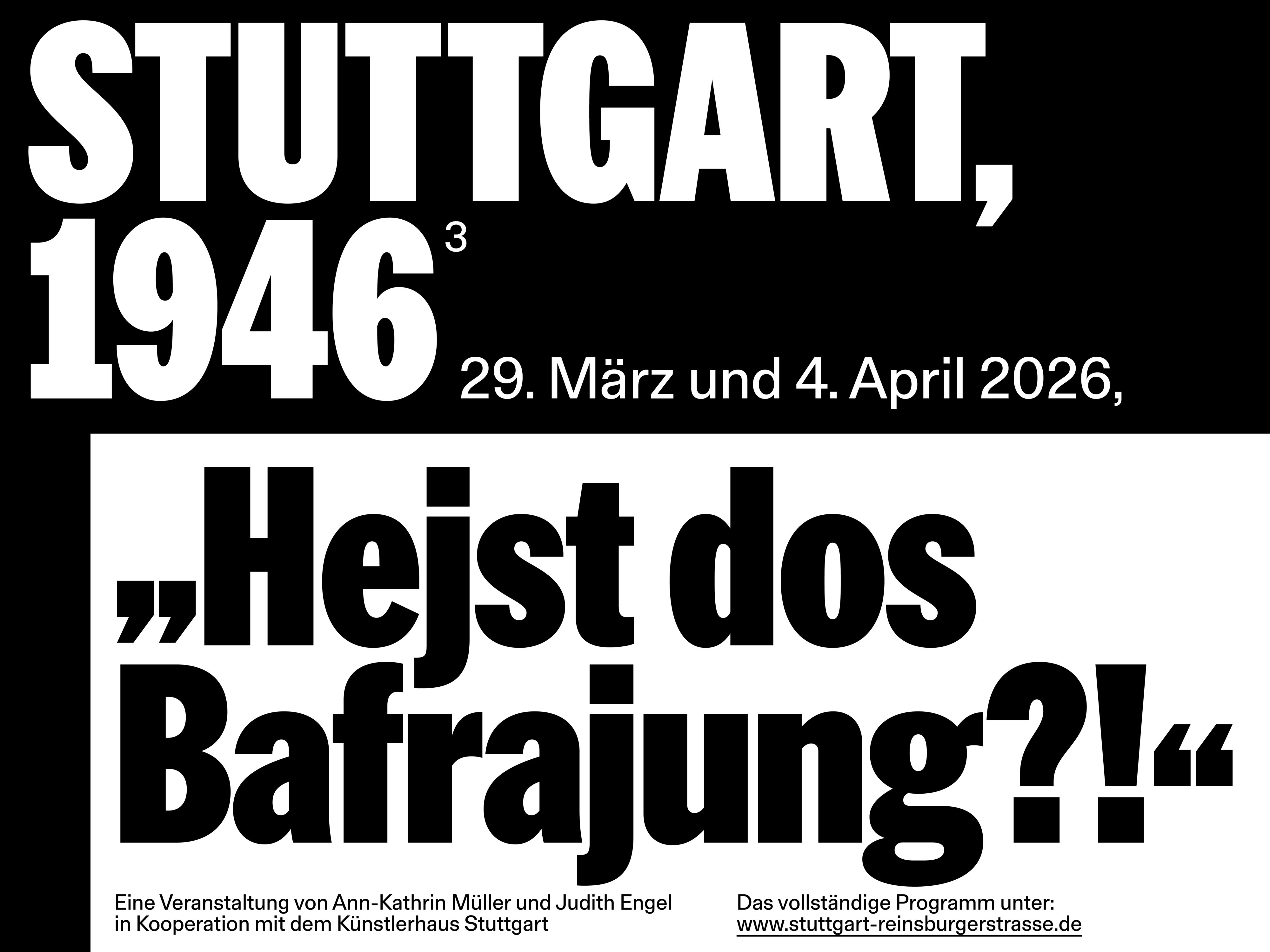
With “STUTTGART, 1946³”, artist Ann-Kathrin Müller and author Judith Engel continue the “STUTTGART,” series on the history of the former Displaced Persons Centre on Reinsburgstraße in Stuttgart-West. The series began in 2024 with the summer school “STUTTGART, Reinsburgerstrasse¹” and was instrumental in the naming of Shmuel-Dancyger-Platz in 2025.
A full programme can be found here.
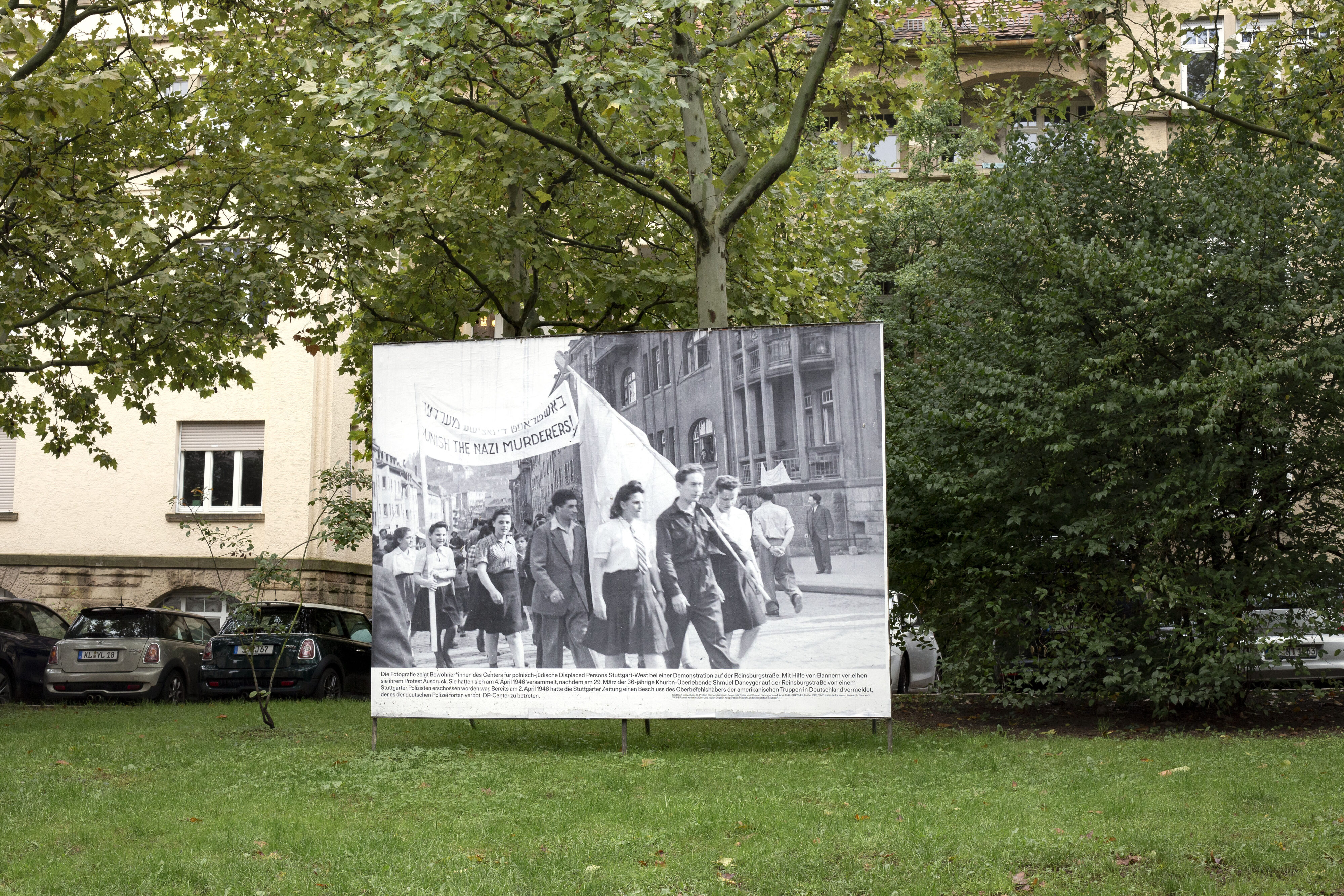
Through the audio installation “Hejst dos Bafrajung?!” on Shmuel-Dancyger-Platz and a programme of public discourse, “STUTTGART, 1946³” links historical events with contemporary social debates. How can places, anniversaries and memorials serve as starting points for a vibrant engagement with the present? How can we prevent anti-Semitic and racist violence from being historicised as “the past”?
This event includes an audio installation, a workshop and a walk. With Tal Hever-Chybowski, Sharon Brauner, Hershl Grant, Eva Dörr, Simon Heinze, Lena Meinhardt, Ann-Kathrin Müller and Judith Engel.
With “STUTTGART, 1946³”, artist Ann-Kathrin Müller and writer Judith Engel continue the “STUTTGART,” series on the history of the former Displaced Persons Centre on Reinsburgstraße in Stuttgart-West. The series began in 2024 with the summer school “STUTTGART, Reinsburgerstrasse¹” and was instrumental in the naming of Shmuel-Dancyger-Platz in 2025.
Programme
Sunday, 29 March 2026
Location: Shmuel-Dancyger-Platz
2.00 pm Welcome
2.30 pm “Hejst dos Bafrajung?!”, audio installation
3.30 pm Discussion
Saturday, 4 April 2026
Location: Reinsburgstraße 208 B
11.00 pm “Der protest miting fun der jidiszer bafelkerung”, a tour of the neighbourhood with Ann-Kathrin Müller and Judith Engel
Location: Shmuel-Dancyger-Platz
2.00 pm Introduction
2.30 pm “Hejst dos Bafrajung?!”, audio installation
Location: Künstlerhaus Stuttgart, Reuchlinstraße 4b
4.00 pm “Who are we?” – A Yiddish voice from the Stuttgart DP camp, a workshop with Tal Hever-Chybowski at the Künstlerhaus Stuttgart
Registration for the walk with Ann-Kathrin Müller and Judith Engel, and for the workshop with Tal Hever-Chybowski
info@stuttgart-reinsburgerstrasse.de
You can find the full programme at
stuttgart-reinsburgerstrasse.de
An event organised by Ann-Kathrin Müller and Judith Engel in collaboration with the Künstlerhaus Stuttgart on Shmuel-Dancyger-Platz.
“STUTTGART, 1946³“ is supported by the Department of Art in Public Spaces at Stuttgart’s Cultural Office, as well as by the Berthold Leibinger Foundation and the LBBW Foundation.
³ “?! שטוטגרט 29.3.1946 הייסט דאס באפרייונג” asks the Yiddish title of a poster now held in the YIVO Archives in New York. Translated into Latin script, it reads: “STUTTGART, 29 March 1946 Hejst dos Bafrajung?!” (Eng.: “Is this what you call liberation?!”). The poster shows black-and-white photographs of a raid during which the German police forcibly entered the Stuttgart West Displaced Persons Centre on 29 March 1946. Between 1945 and 1949, over a thousand Polish-Jewish displaced persons who had survived the Nazi genocide of European Jews were housed there. One of the photographs depicted shows the body of Shmuel Dancyger, who had been shot during the raid. The question “Hejst dos Bafrajung?” encapsulates the horror felt by the displaced persons at the German police violence, which, following the official “liberation” by the Allies, appears to be continuing the Nazi fascism.


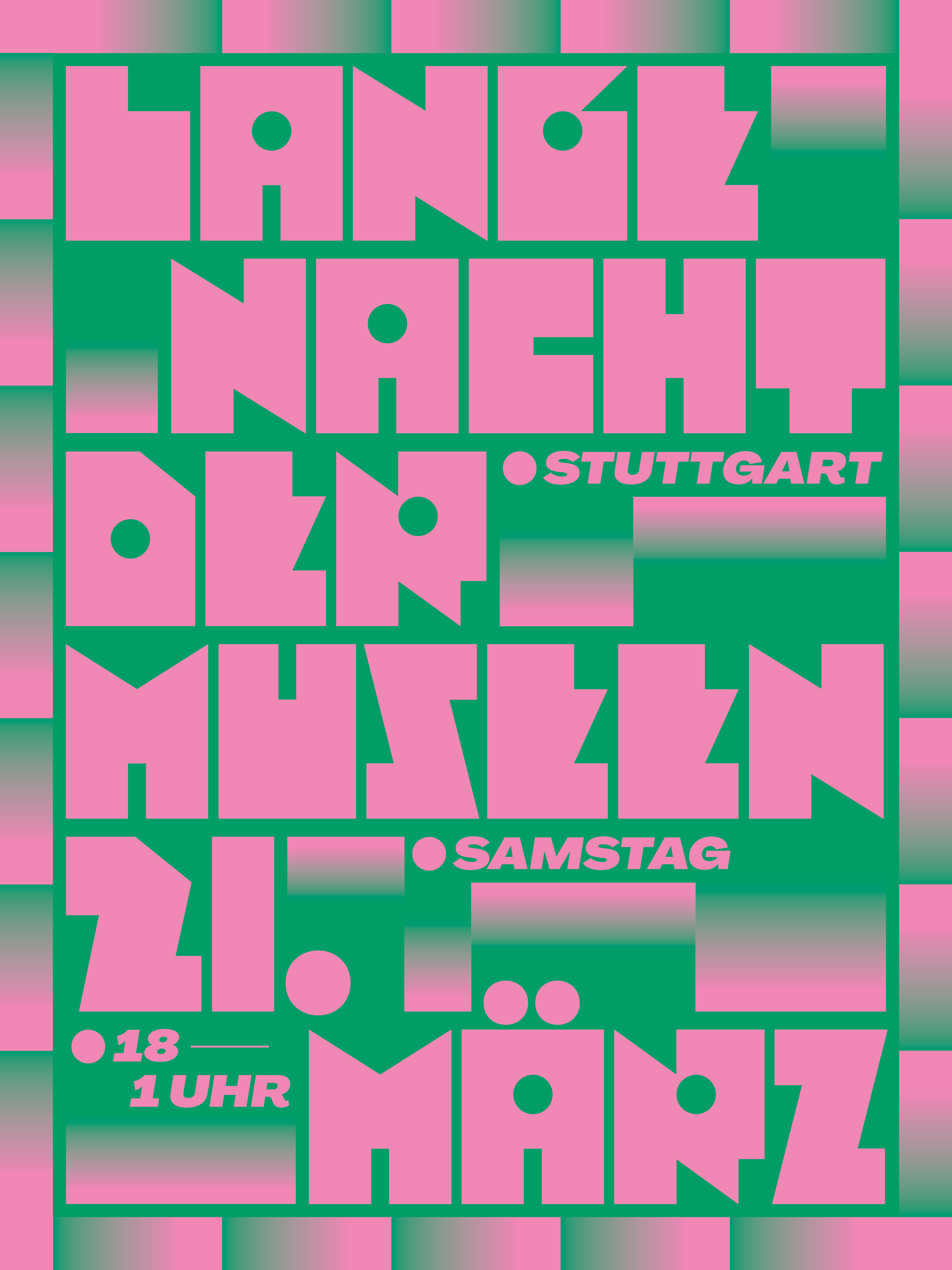
On Saturday, 21 March 2026, from 6 pm to 1 am, visitors will have the opportunity to take part in various events on the four floors of the Künstlerhaus as part of the Long Night of Museums:
Workshops on the ground floor:
6 pm to 1 am
Open ceramics and printing workshops
7 pm to 9 pm
Book Release with Thora Gerstner
The artist Thora Gerstner presents her new artist’s book – Fragments of Public Space, a limited edition screen print produced at the Künstlerhaus Stuttgart.
Workshops on the 1st floor:
6 pm to 1 am
Open audio workshop with contributions from its users: Émilie Bovigny, Elisabeth Haselberger, Heide Both, Lena Meinhardt, Leonie Klöpfer & Ivo Hagenmaier, Liv Rahel Schwenk, Nina Welte, Paco Ladrón de Guevara
6 pm to 1 am
Open photo lab
2nd floor:
6 pm to 7 pm
Stones in Our Phones
Workshop with Maja Van Der Velden
Under the instruction of Maja Van Der Velden, participants dismantle old smartphones into their constituent parts and examine their mineral components.
Advance registration is requested.
9 pm to 10.30
Wine Tasting
with Hannah Liya & Sophia Sadžakov
Artists and winemakers Hannah Liya and Sophia Sadžakov present their work with Trollinger vines that are over 100 years old and grow on steep terraced hills above the Neckar River in Ludwigsburg.
Advance registration is requested. (The workshop is limited to a maximum of 30 participants.)
3rd floor:
6 pm to 1 am
Special exhibition:
WHAT DO PEOPLE DO ALL NIGHT?
Studio holders Tyler Cunningham, Liv Rahel Schwenk and Marcela Majchrzak, together with Jonas Bolle & Reinhold Buhr, are exhibiting installations, site-specific activations and performances on the studio floor.
4th floor:
6 pm to 1 am
Atmosphere
anima ona: Terra Alchimia – Landscape in the Making
With “Terra Alchimia – Landscape in the Making,” Freia Achenbach & June Fàbregas (anima ona) initiate and foster an atmosphere at the Künstlerhaus Stuttgart in which three states of what they call “earthbeing” come into interaction with one another. Anima ona integrate their ongoing research projects on the transmutation of soil and rock, vegetation in urban space, and the innovative use of agricultural by-products, into a common spatial narrative about material cycles, growth, and transience.
8 pm
Curator-led tour of the atmosphere with Tamarind Rossetti and Stephen Wright
10 pm, 11 pm and 0 am
Guided tours through the atmosphere with the artists
You can find more information about the programme here
Tickets cost €23, concessions (trainees, students, school pupils) €17, children under 6 years of age are admitted free of charge.
Advance tickets for the Long Night of Museums will be available from 24 February at
www.lange-nacht.de, via the ticket hotline on 0711/60171730 and at all advance ticket sales outlets in Stuttgart and the surrounding region.
There will be a cash desk at all participating venues. Tickets will be scanned at the first venue visited on the evening and exchanged for a ticket wristband.
The Long Night ticket entitles holders to free use of all trams, suburban trains and buses in the VVS network from 12 noon onwards.
For more information, visit www.lange-nacht.de, call the information and ticket hotline on
0711/601717 30 or visit the LIFT information stand on Schlossplatz between the Landesmuseum/Altes Schloss and Alte Kanzlei (from 3 p.m. on 21 March).



Ever wondered about the stones in your phone? It’s actually full of rocks! And in this workshop, we will take mobile phones apart, disassembling them to their tiniest bits. It will be immediately clear that mobile phones are designed to be hard to open and hence to repair. We will then take a closer look at what materials are concealed inside, and begin to think about how they got there – which is where technology meets geology and geopolitics. Delving into the Materials Library of Stones, which includes all the minerals used in producing cellphones, participants will together map the stones with the components found in the phones and with their points of extraction from the earth planetwide.
About the artists
Dr. Maja van der Velden is an artist and professor of Technology and Sustainable Futures at the University of Oslo. Director of the University’s Sustainability Lab she also leads the Circular Energy project. Her current research – informed by critical informatics, feminist technoscience, and socioecological systems-thinking – focuses on repurposing digital technologies, digital degrowth, (big) tech companies and international crimes. Through her projects, research and collaboration, she explores the social and ethical effects of technology design and use. She is cofounder, with Andrea Gasparini, of The Materials Library of Minerals.
Dr. Andrea Gasparini is an artist and Senior Librarian at the Library of the University of Oslo. He is also a cofounder, with Maja van der Velden, of The Materials Library of Minerals, a mobile collection of rocks found in key technologies: smartphones, laptops, data centers, sensors, wind turbines, solar panels, and batteries. By making these chunks of Earth tangible, the Library highlights their links to both people and the planet, with a view to prompting policymakers, researchers, designers, engineers, and the public to confront the social and environmental impacts of digitalisation and a shift to clean energy.
Participation
The workshop is part of the Lange Nacht der Museen festival. Please register in advance by sending an email to ll@kuenstlerhaus.de. (The workshop is limited to a maximum of 20 people.) A valid ticket for the Lange Nacht der Museen is required to participate. Tickets can be purchased via www.lange-nacht.de, via the ticket hotline (0711 60171730), or at all advance ticket outlets in Stuttgart and the surrounding region.
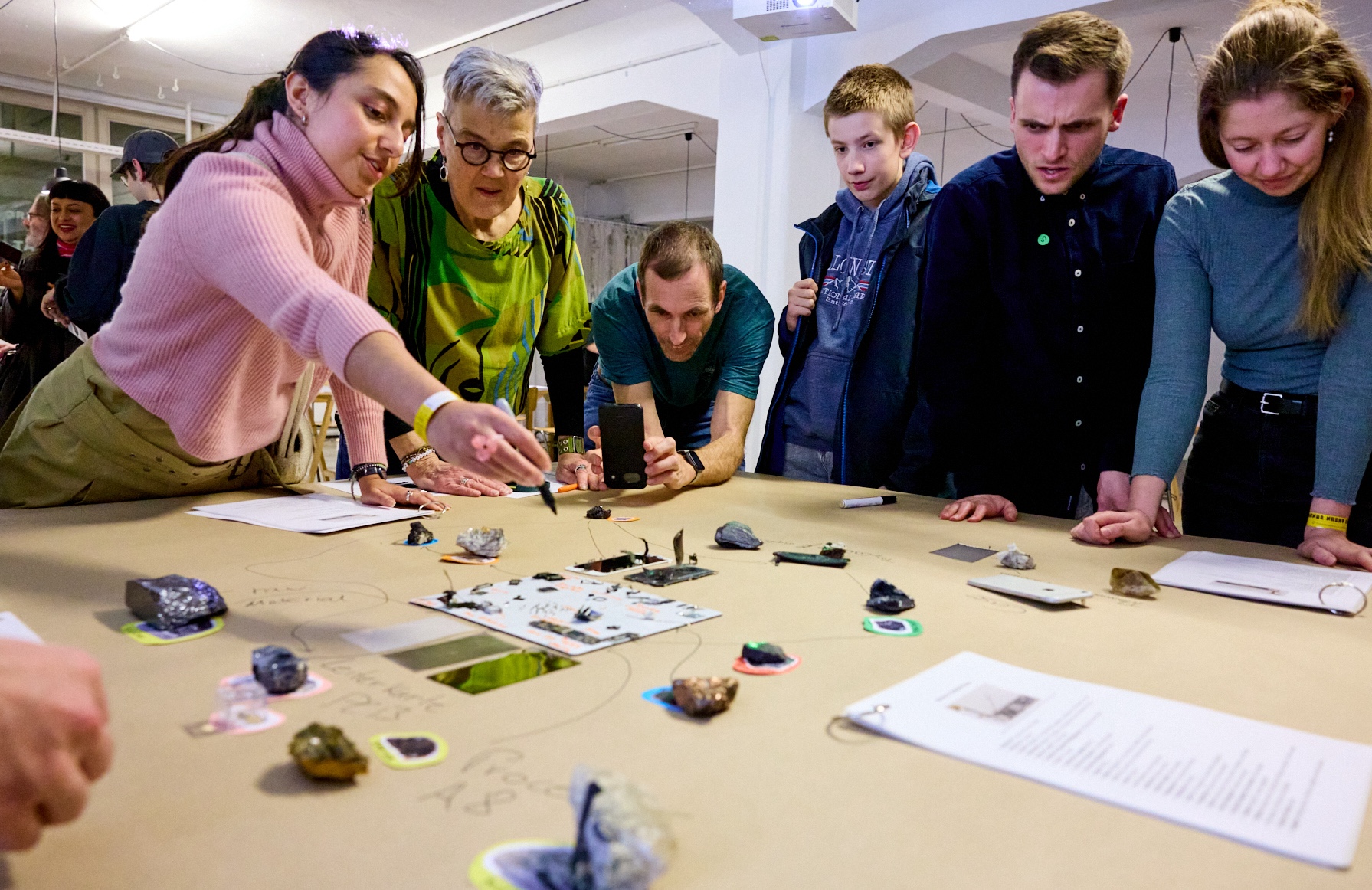
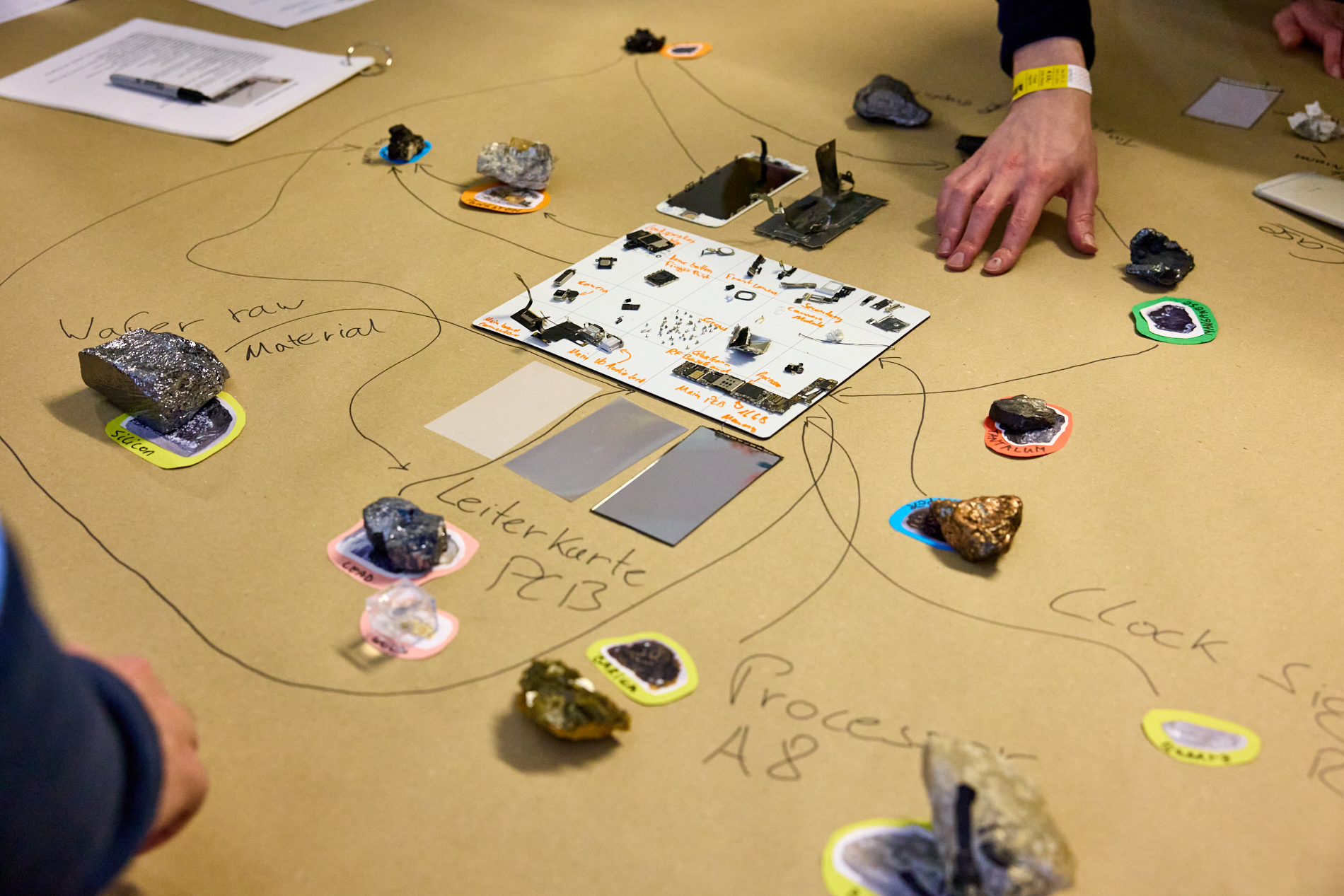
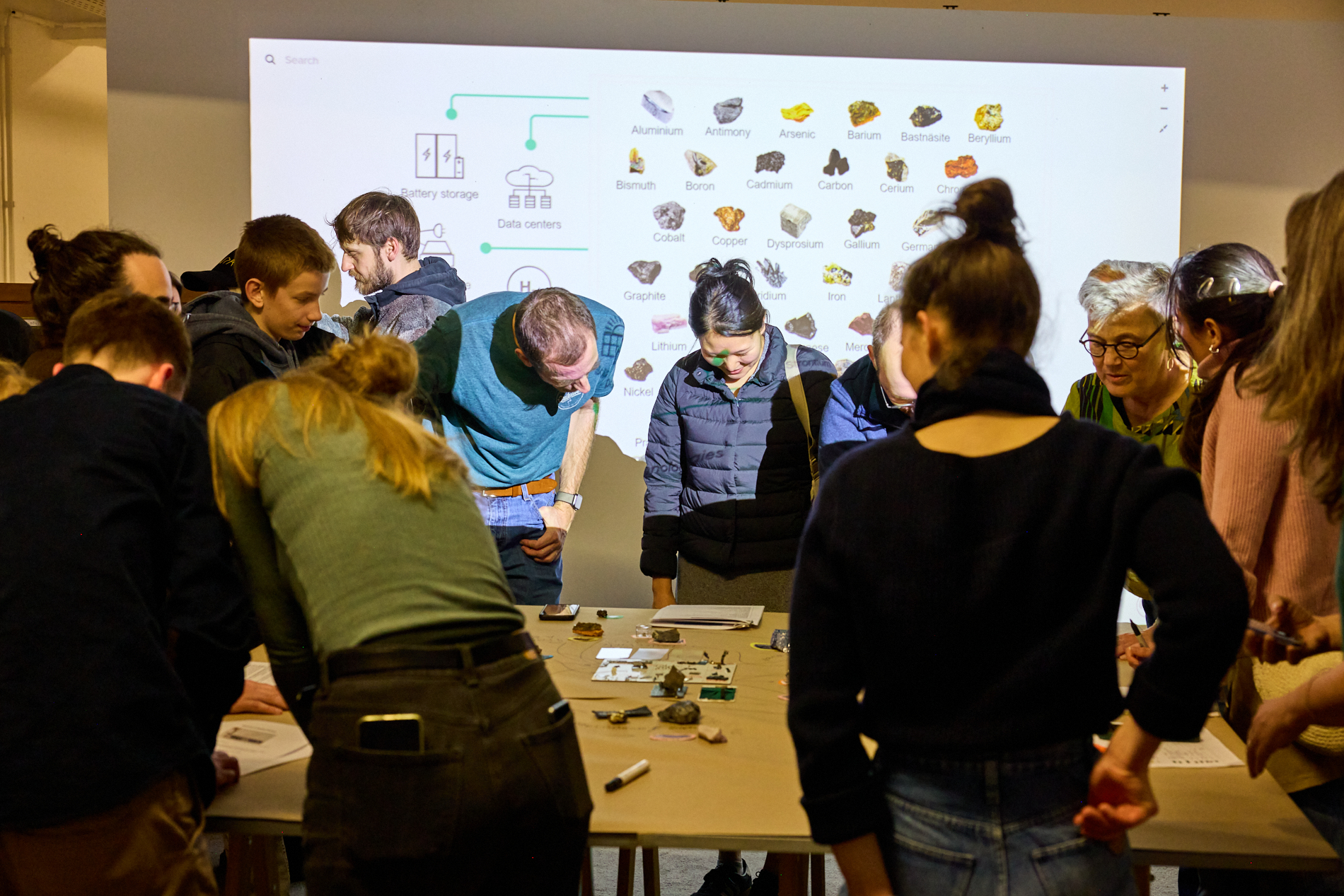
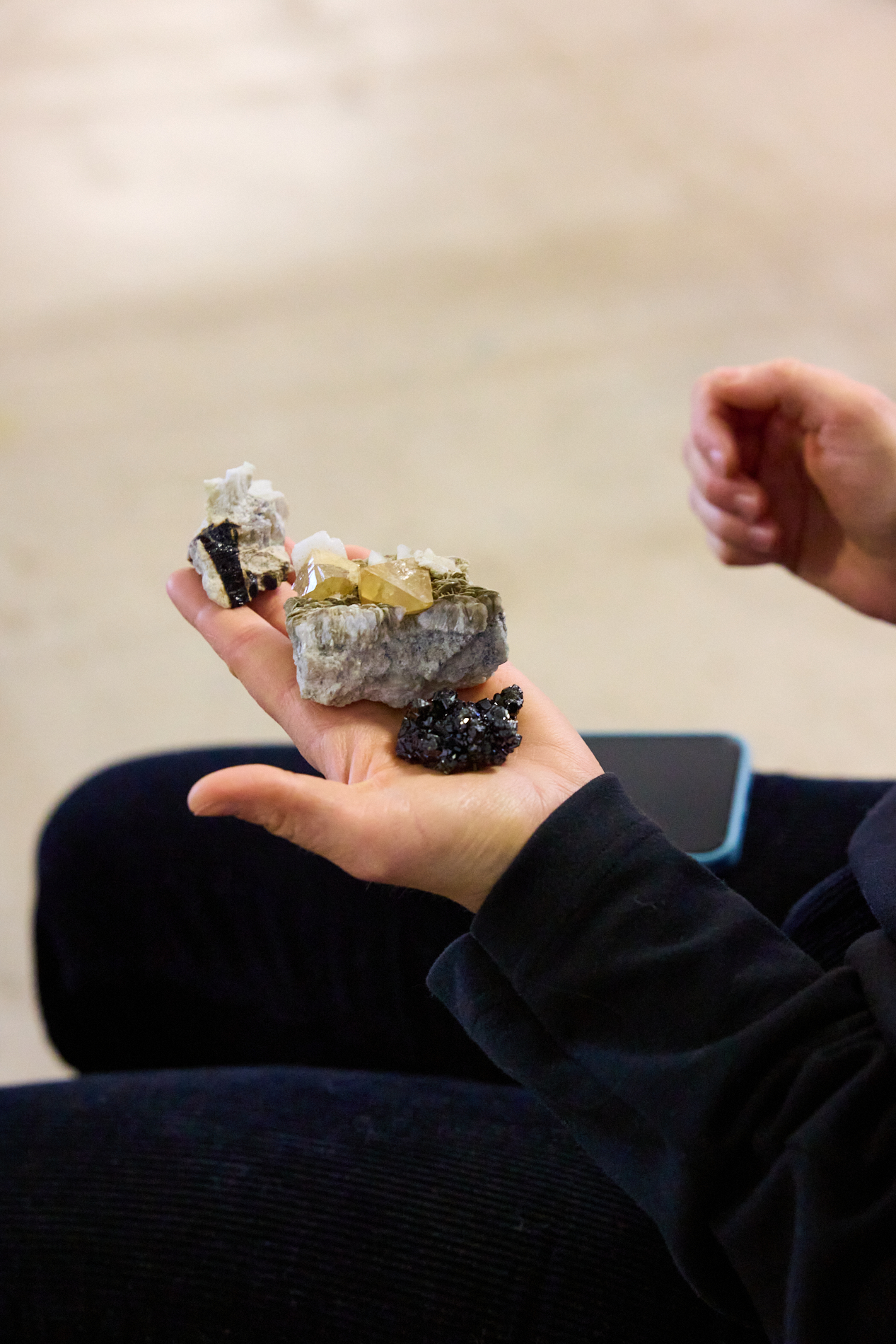
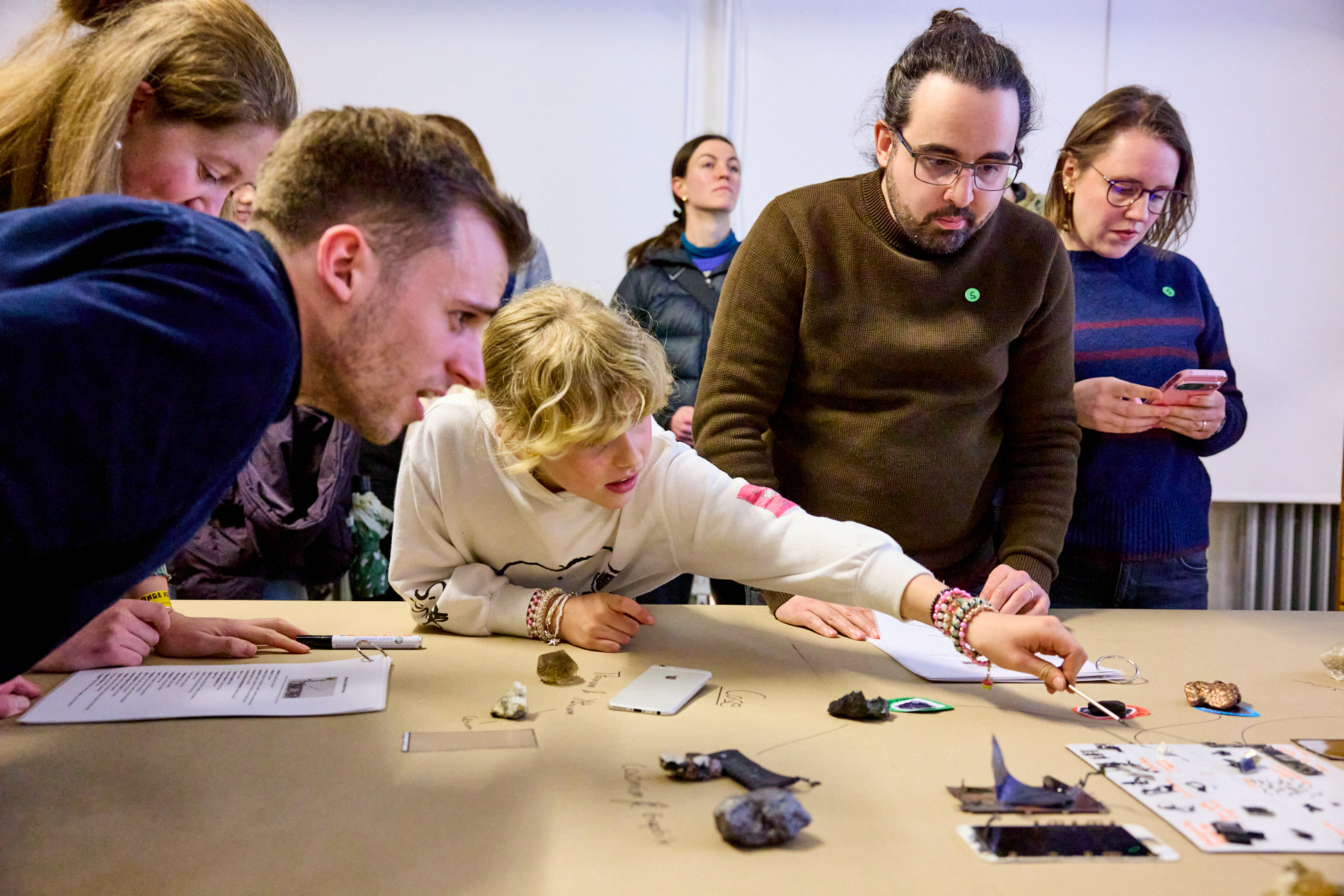
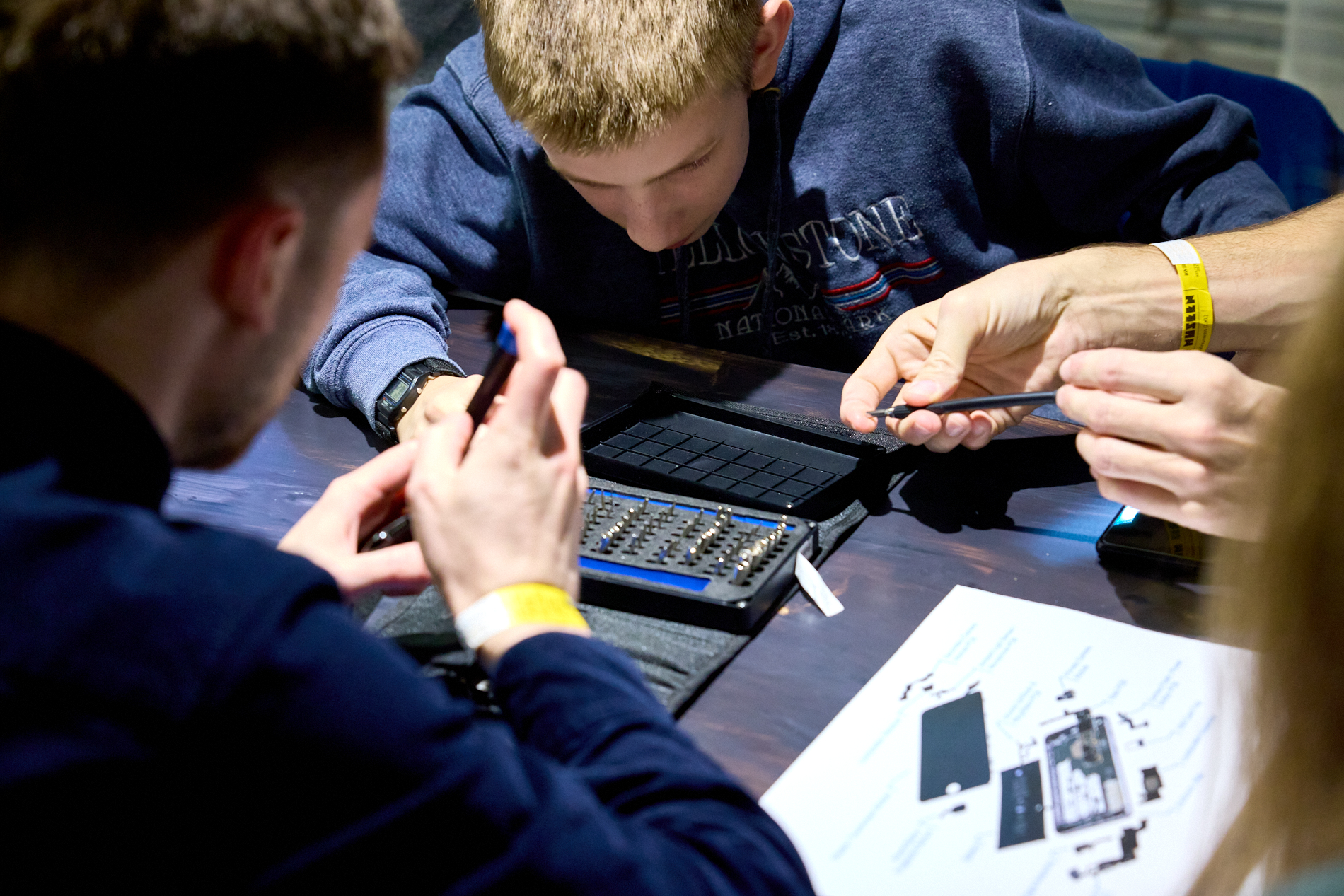
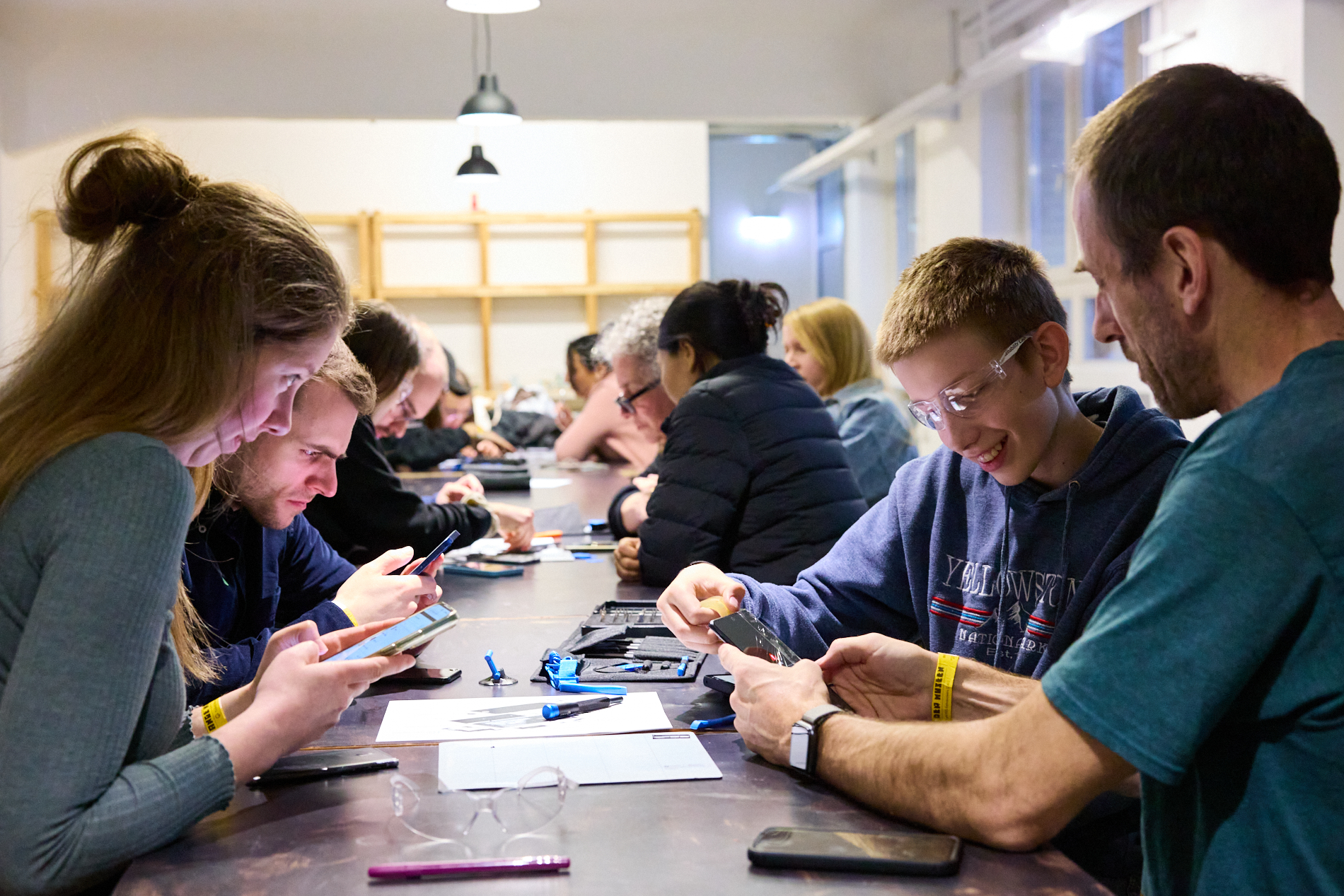
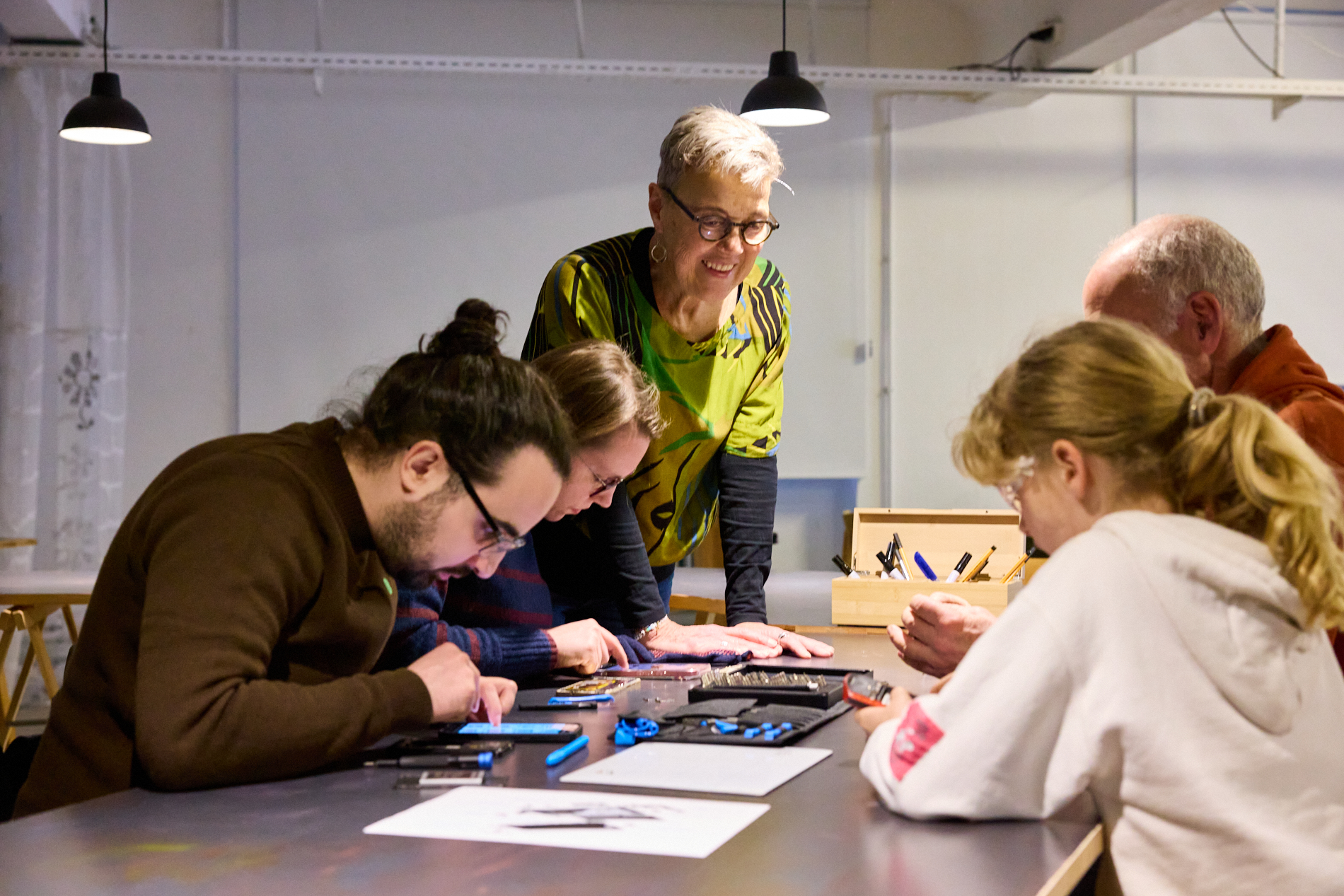
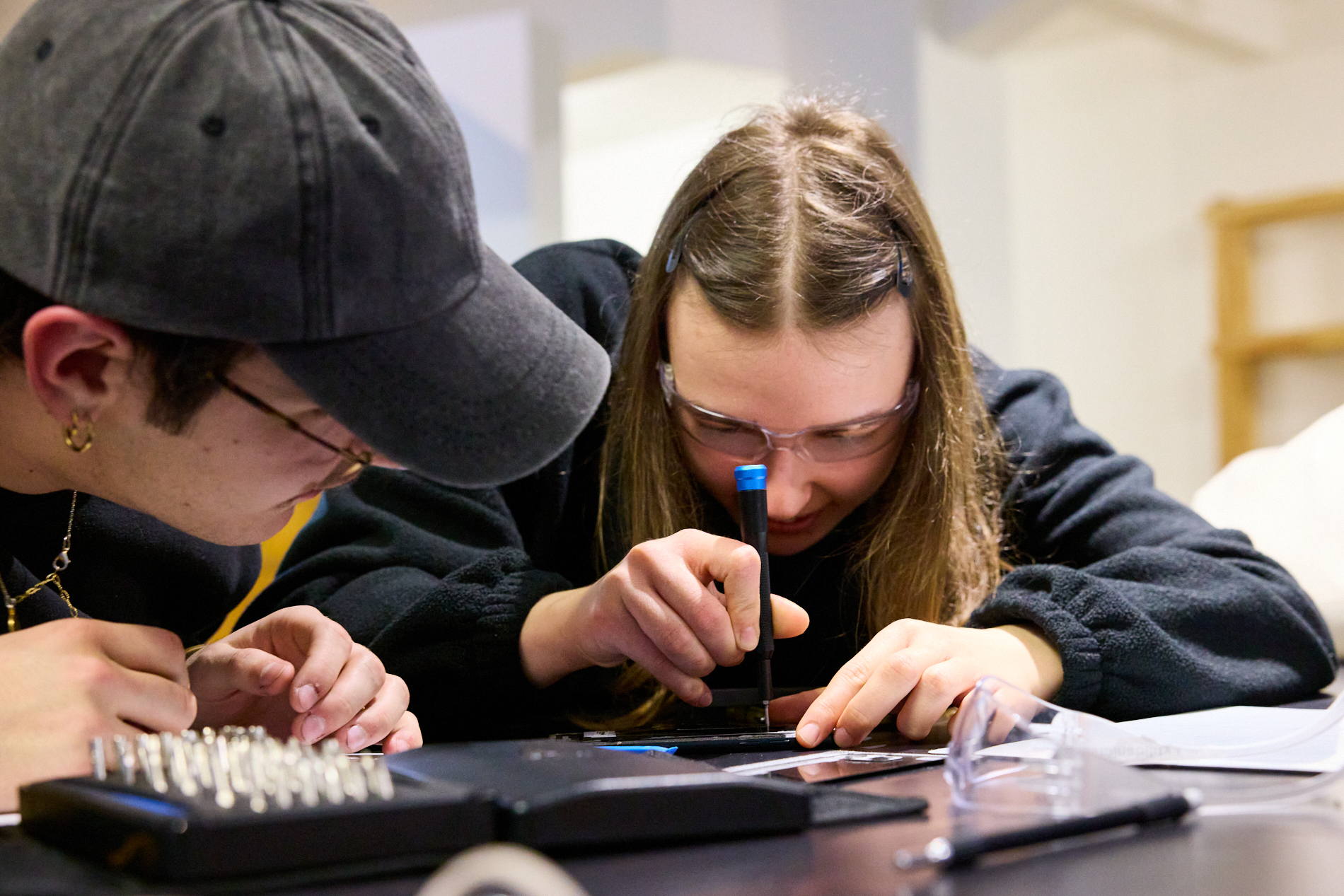
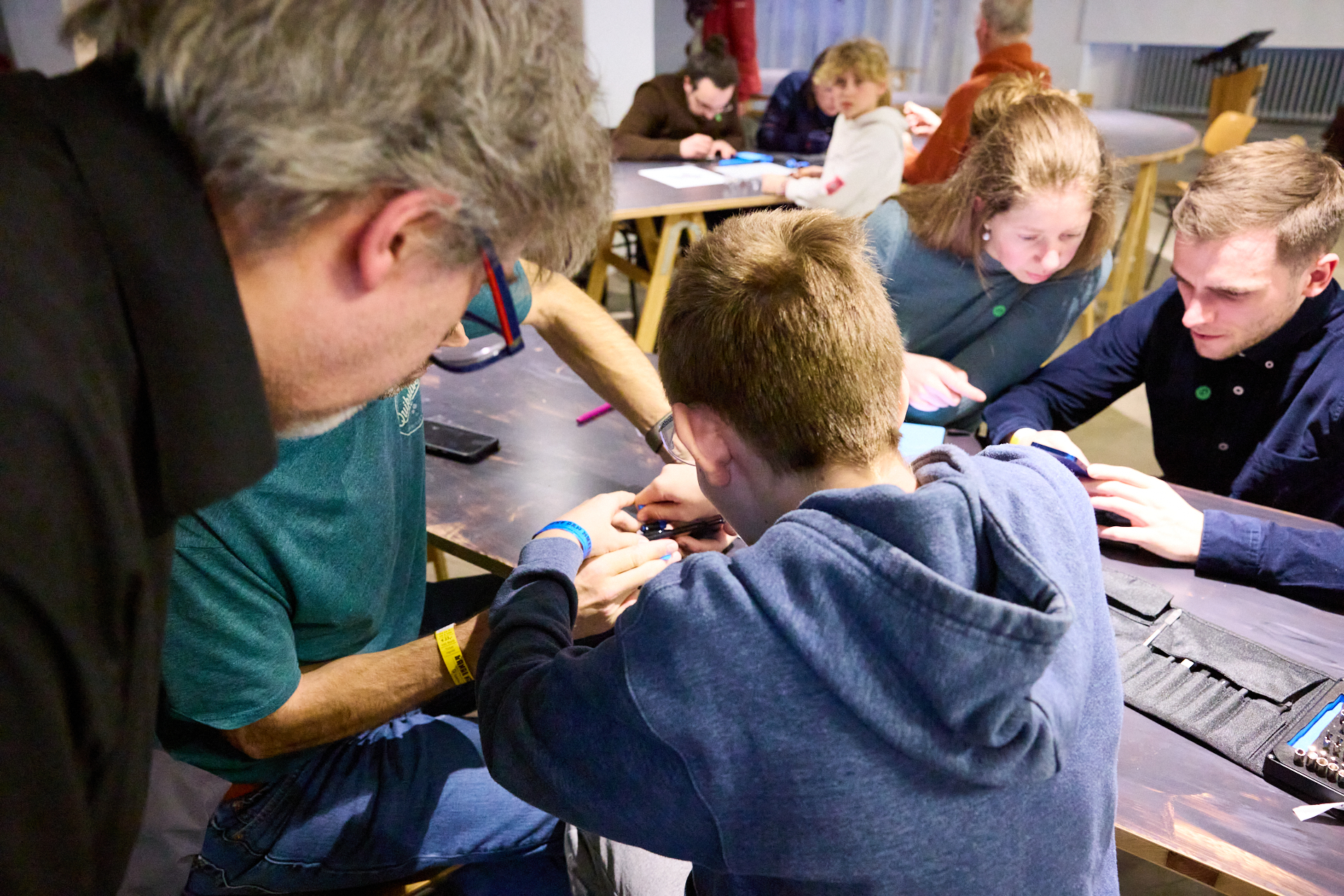
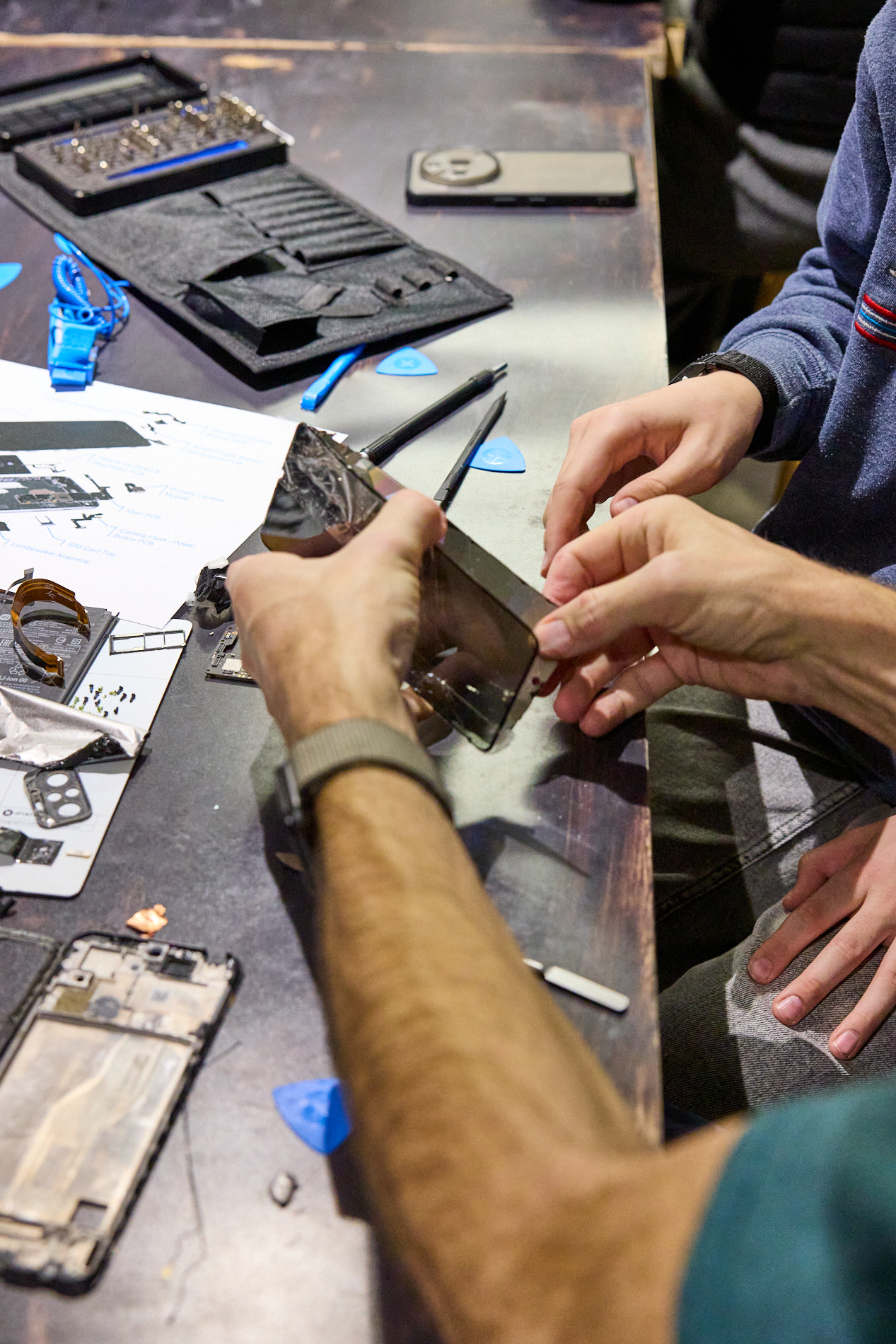
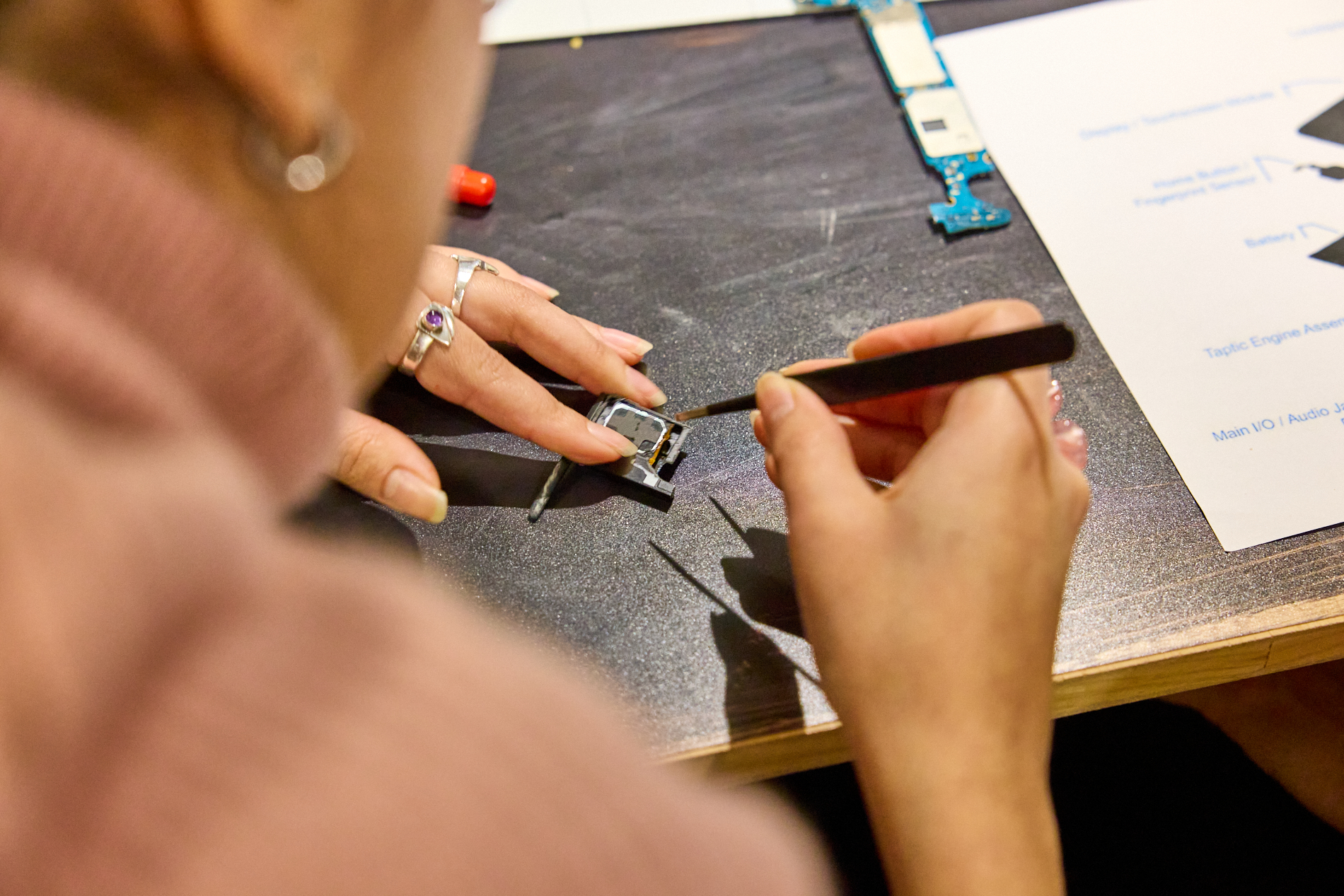
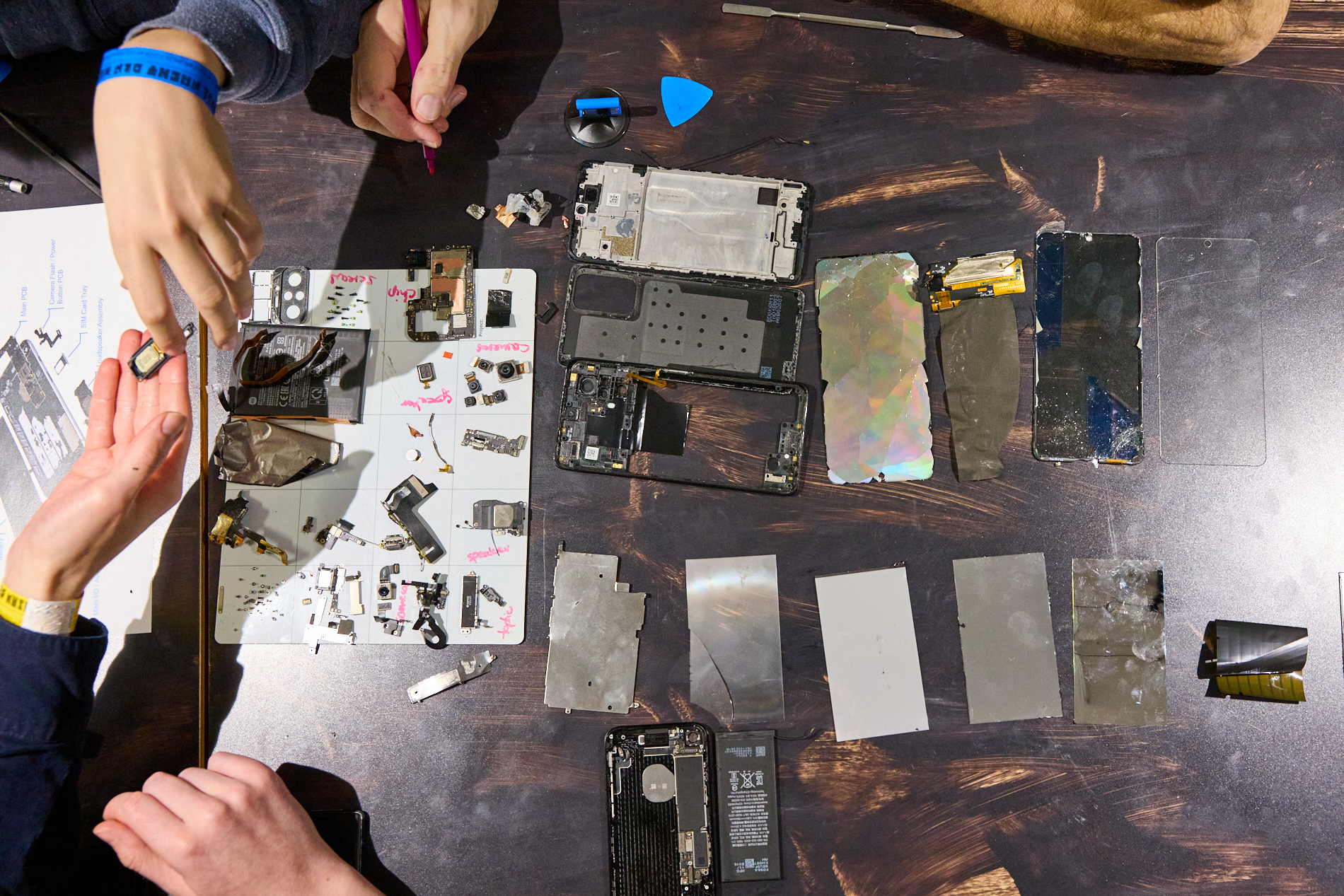
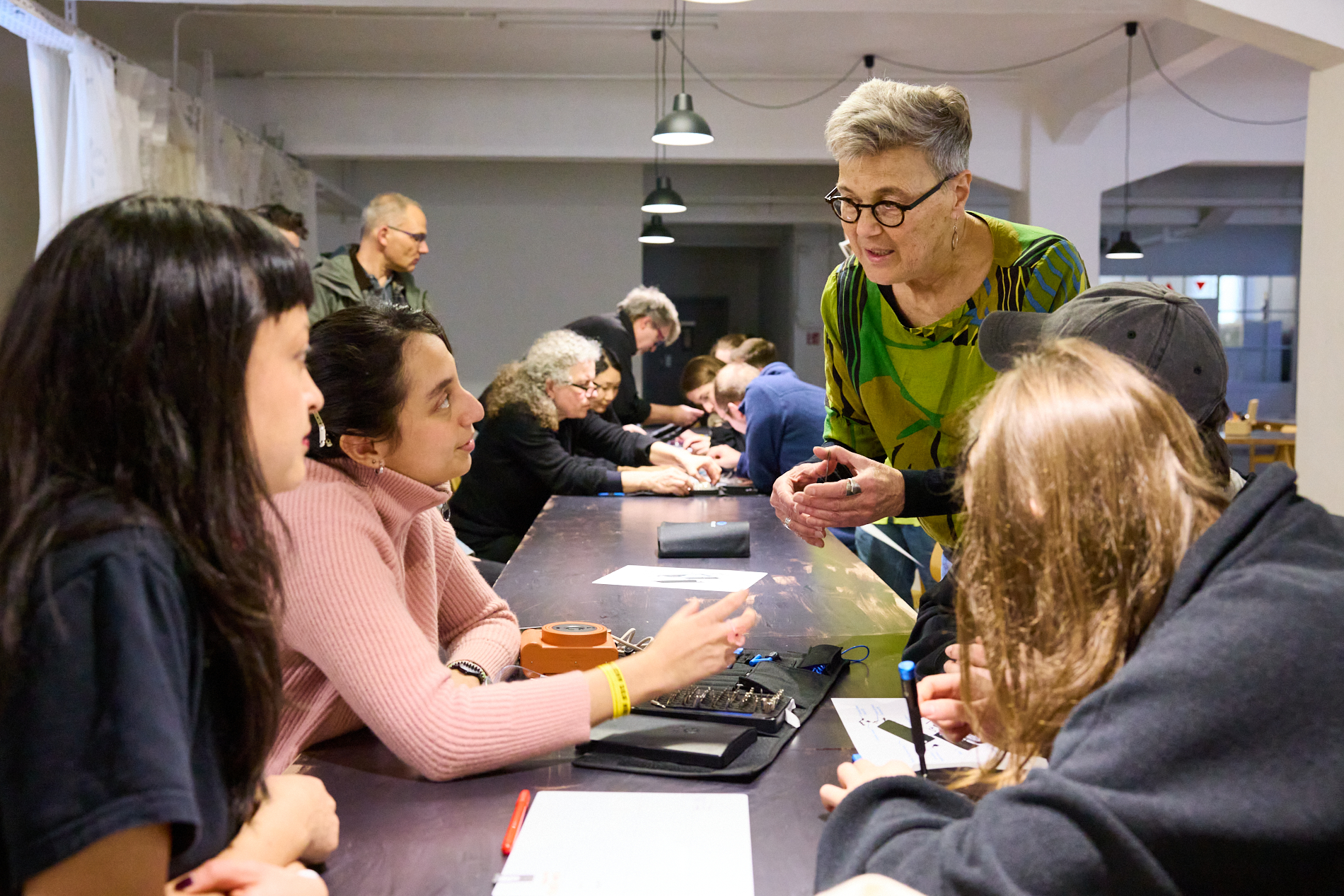
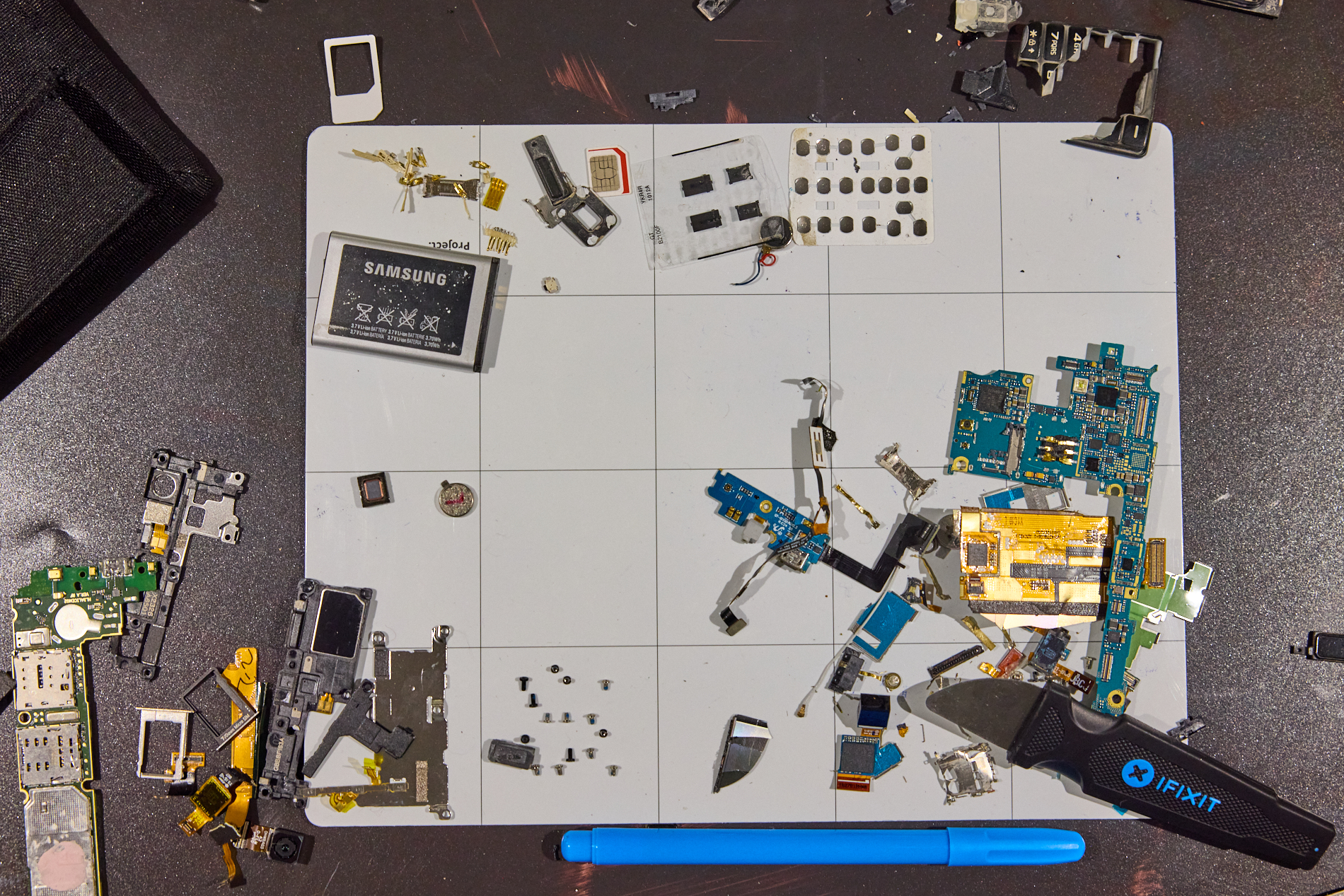
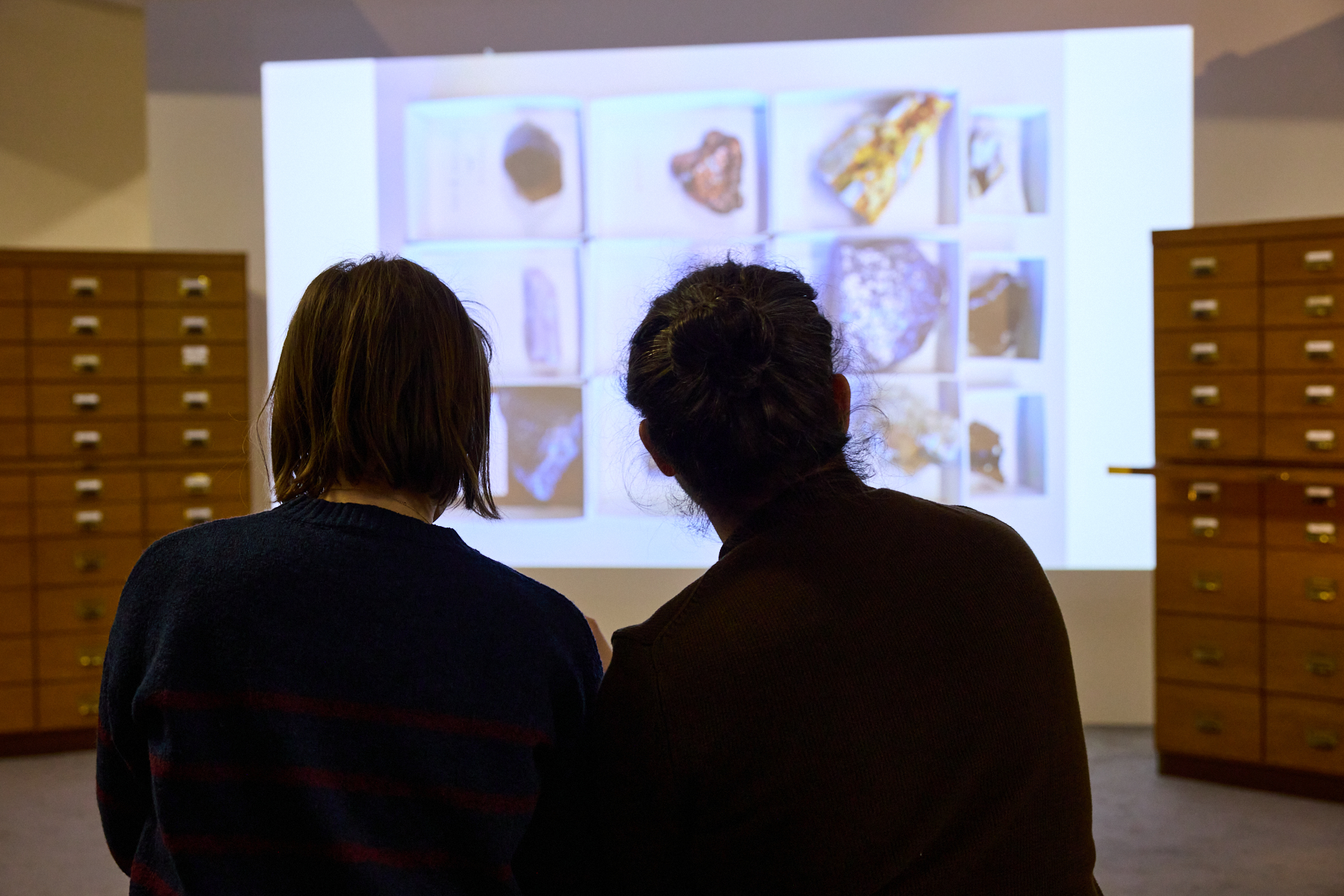
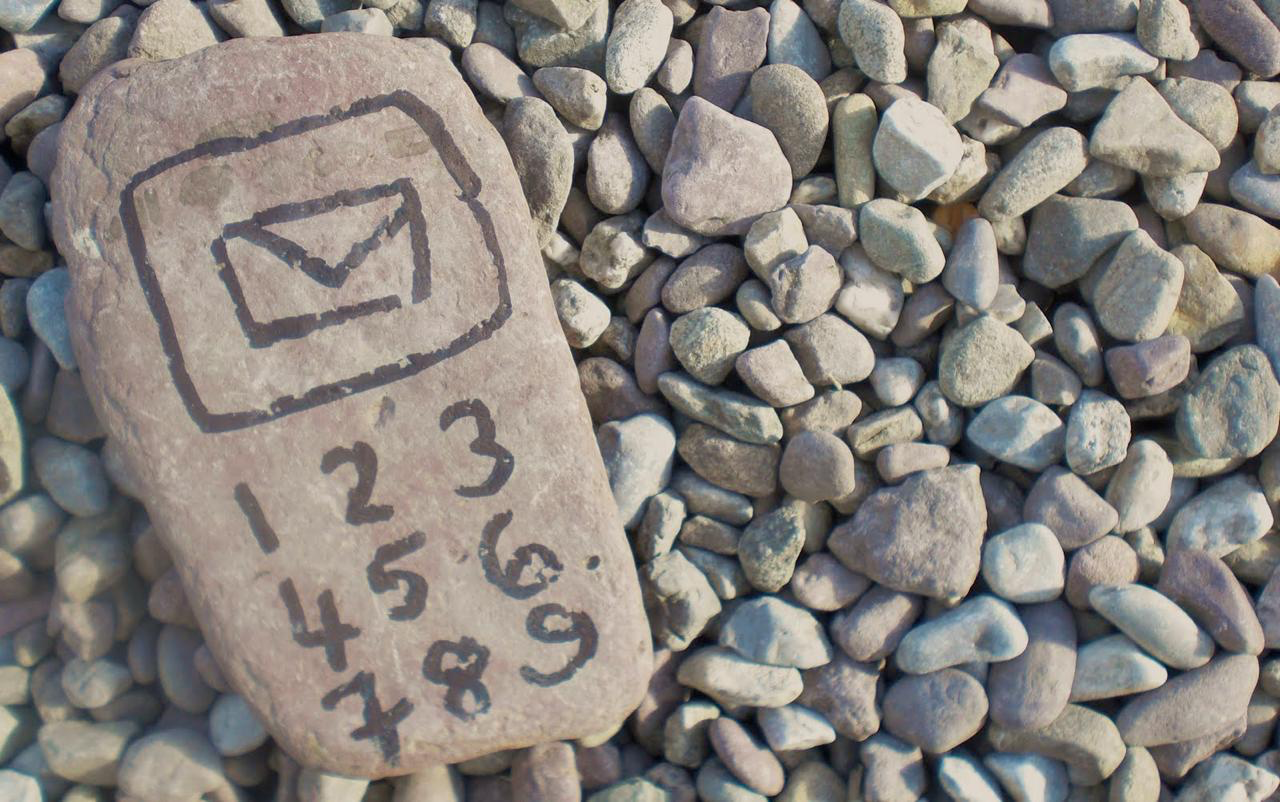
The Materials Library, founded by Maja van der Velden & Andrea Gasparini, is a mobile collection of the minerals – or put more plainly, of the rocks – found in key technologies: smartphones, laptops, data centers, sensors, solar panels and batteries. By making these chunks of Earth tangible, the Library highlights their links to their usership – to both people and the planet, inviting us to confront the social and environmental impacts of both digitalisation and the shift toward clean energy. The Library is activated through geo-tech workshops where groups carefully dismantle everyday digital devices, identify the stones that make them work and then map their place both within the digital circuitry and on the broader geopolitical map, opening conversations about how those stones got into our phones.
In addition to The Materials Library itself, a digital version brings online the forty-some materials of the physical Library, adding those which are impossible to physically store in the cabinets. Instead of categorizing entries by chemical family, The Digital Materials Library profiles each mineral around key questions – How rare is it? How critical? Which ore yields it? – then links that mineral to the technologies that rely on it.
Earth is inseparable from the code that animates it. Every street, supply chain, social feed and climate model is a code/space – an ecosystem where digital code and physical materials are in constant dialogue, each one shaping and creating the other. Our friendships, enmities and conversations are shaped by social media platforms; our money and markets run on lightning-fast trading programs; big computer models predict how our actions today will impact the planet tomorrow. Yet the digital is always physical. Each swipe and simulation is underwritten by kilometres of optical fibre, megawatts of electricity and tons of rocks. The environmental imprint of cloud infrastructure shows that digitalization’s dematerialized depiction is always grounded in mines, wells, power plants and energy grids that pull resources out of the earth and keep everything running. Understanding this material interconnectedness between human metabolic rhythms and those of the earth – its stones and soils – is crucial to break the reifying spell of human exceptionalism. A crucial dimension of any New Georgics.
March 20th 2026, 2nd floor
Material Literacy and a Library of Stones:
with Maja van der Velden & Andrea Gasparini
Artists talk 6-6:30 pm
Workshop 6:30-8:00 pm
After working for years at the intersection of design, technology, and society, Maja van der Velden & Andrea Gasparini have become increasingly interested in the materials used in our digital devices and energy hardware. Where do they come from? What is their story? And what is the story of the people who mine them and prepare them for manufacturing our technologies? Where do they go after we move on to newer technologies? One outcome of that journey is their Materials Library of Stones. It contains most of the minerals needed for the energy and digital transition – the famous Twin Transition. The aim of the Materials Library is to address the lack of material literacy and to explore human-stone relationships.
The workshop following the artist talk is limited to a maximum of 20 people. Participants are asked to bring an old phone to deconstruct. Guided by Maja and Andrea, you will trace the elements back to the minerals in the Library. Please register in advance by sending an email to ll@kuenstlerhaus.de.
About the artists
Dr. Maja van der Velden is an artist and professor of Technology and Sustainable Futures at the University of Oslo. Director of the University’s Sustainability Lab she also leads the Circular Energy project. Her current research – informed by critical informatics, feminist technoscience, and socioecological systems-thinking – focuses on repurposing digital technologies, digital degrowth, (big) tech companies and international crimes. Through her projects, research and collaboration, she explores the social and ethical effects of technology design and use. She is cofounder, with Andrea Gasparini, of The Materials Library of Minerals.
Dr. Andrea Gasparini is an artist and Senior Librarian at the Library of the University of Oslo. He is also a cofounder, with Maja van der Velden, of The Materials Library of Minerals, a mobile collection of rocks found in key technologies: smartphones, laptops, data centers, sensors, wind turbines, solar panels, and batteries. By making these chunks of Earth tangible, the Library highlights their links to both people and the planet, with a view to prompting policymakers, researchers, designers, engineers, and the public to confront the social and environmental impacts of digitalisation and a shift to clean energy.
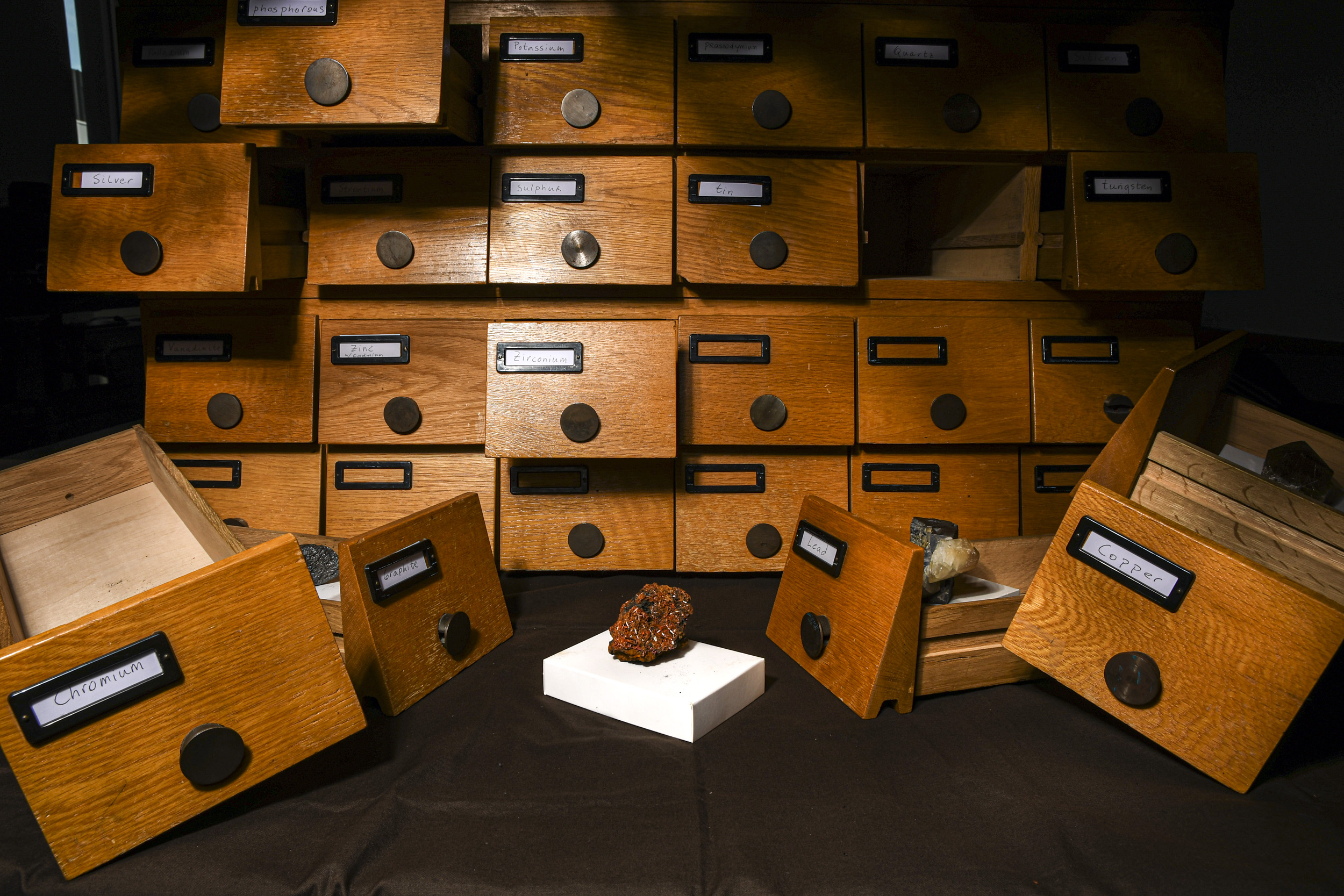
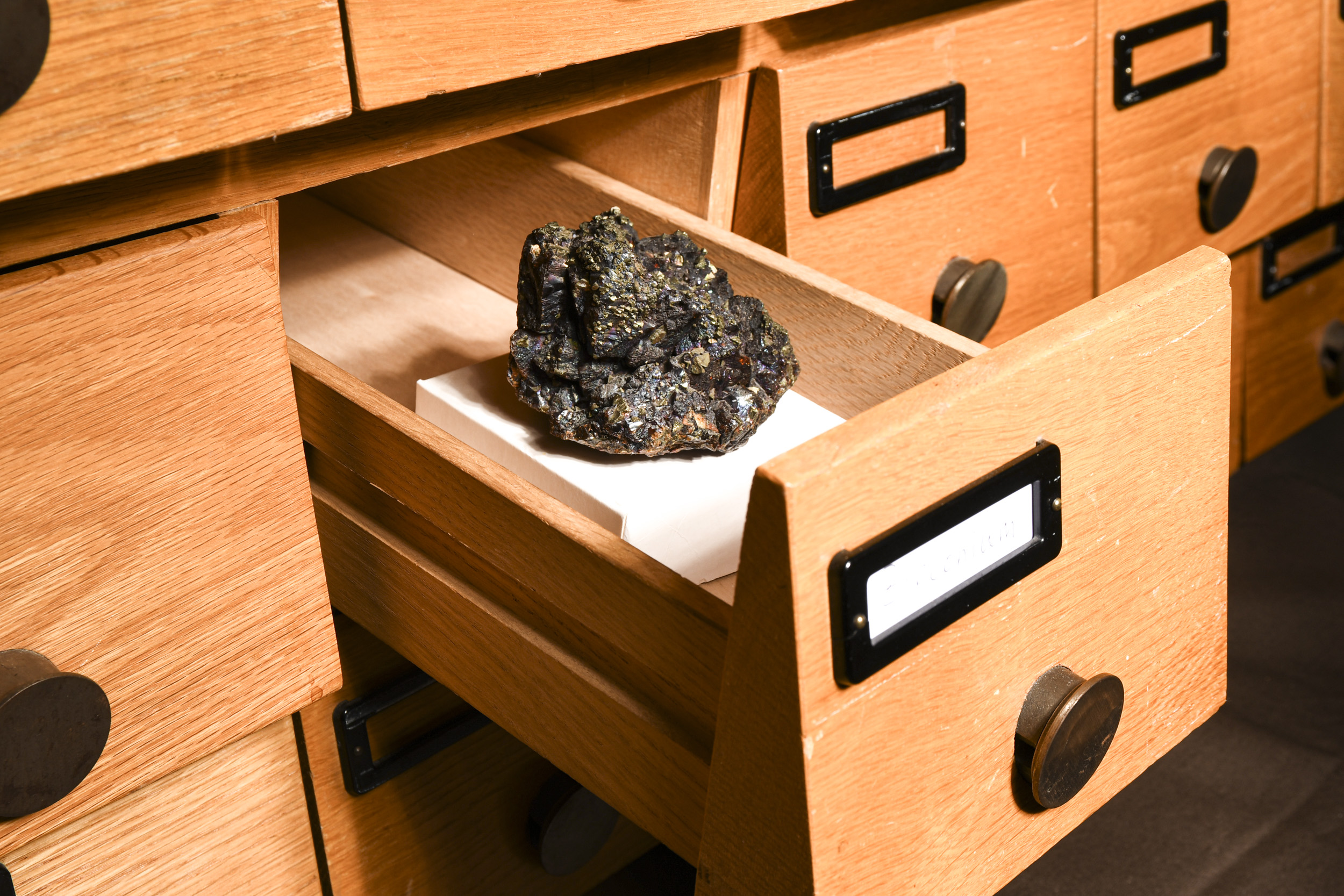
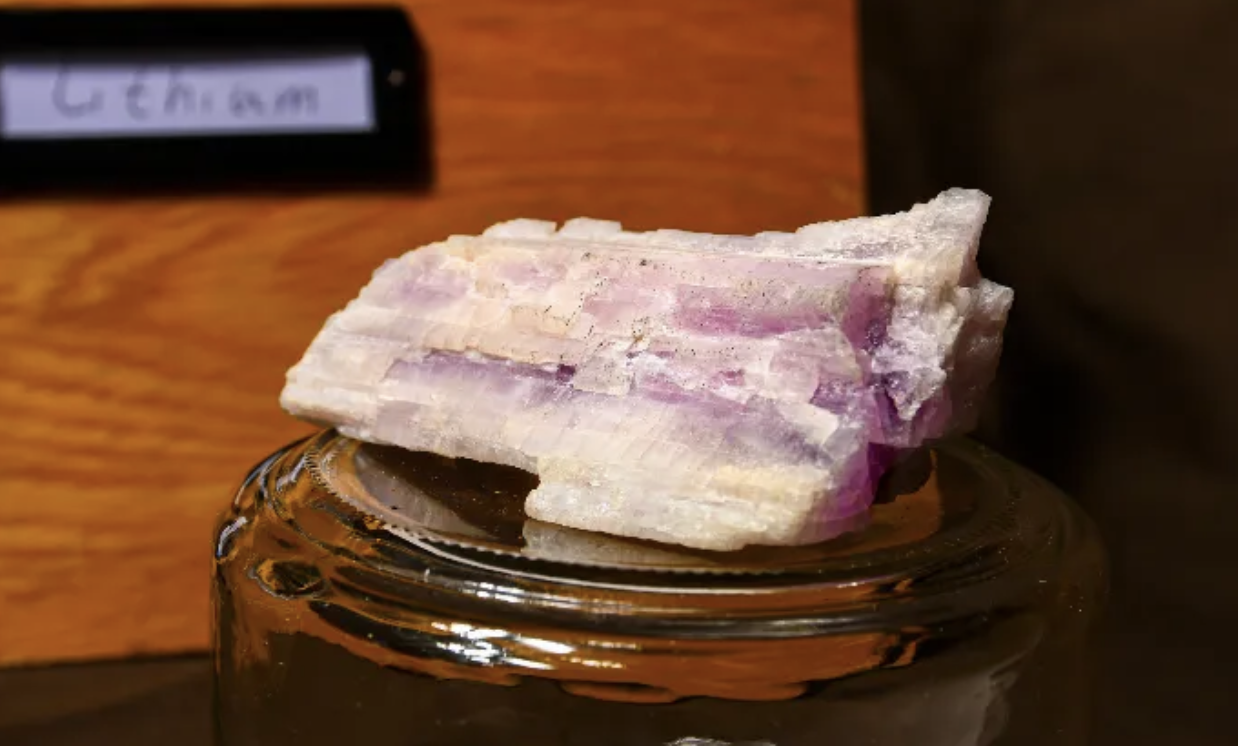
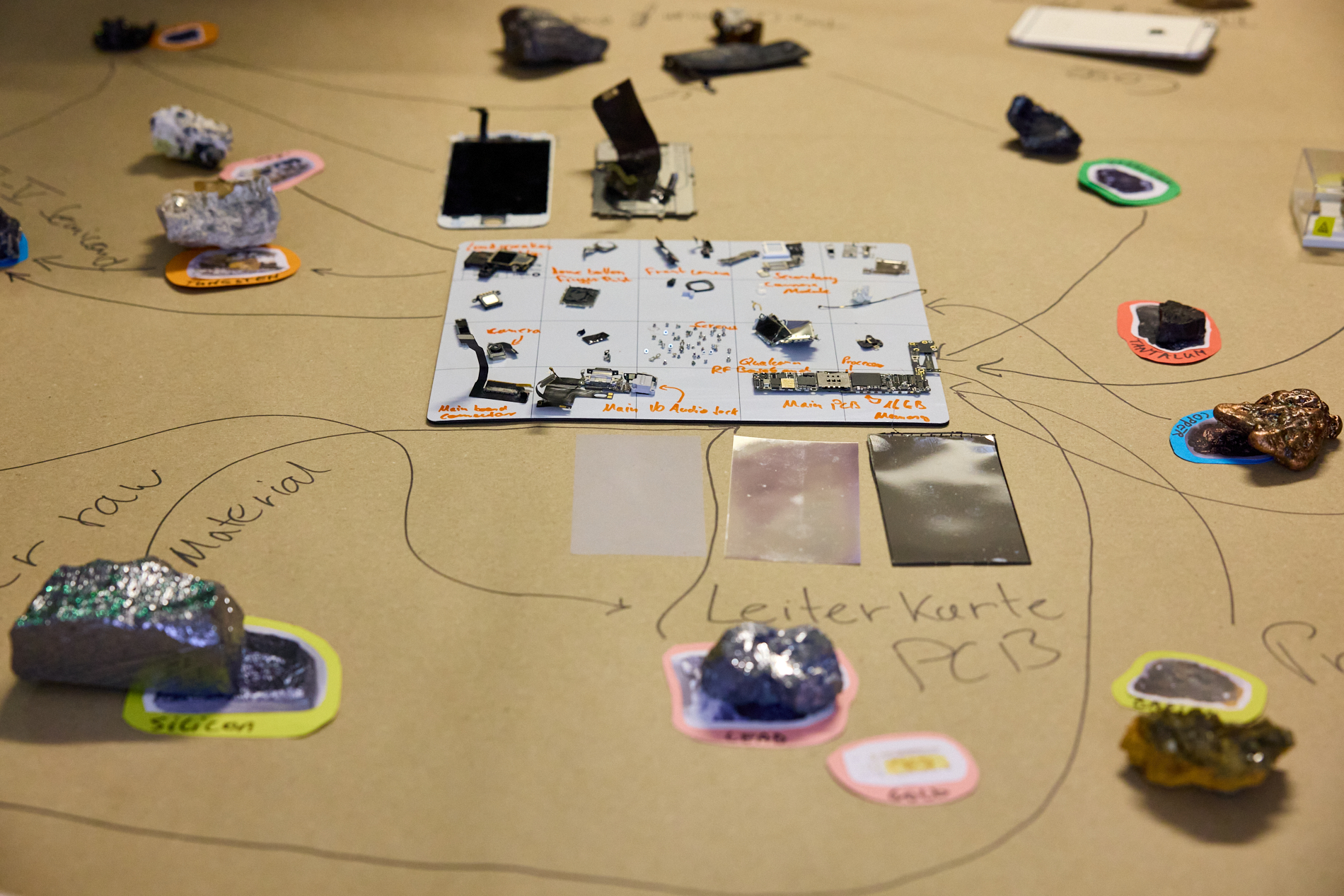
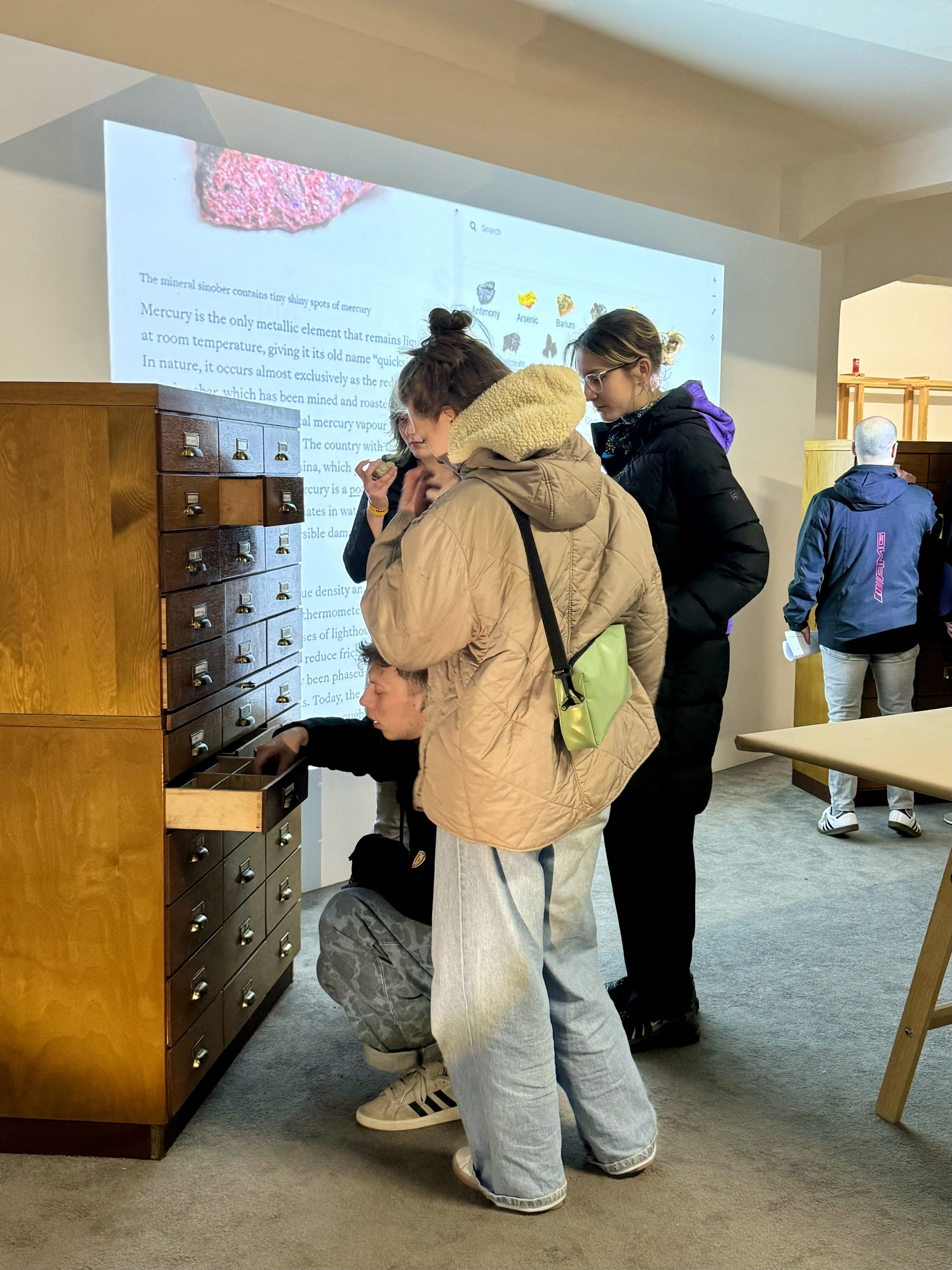
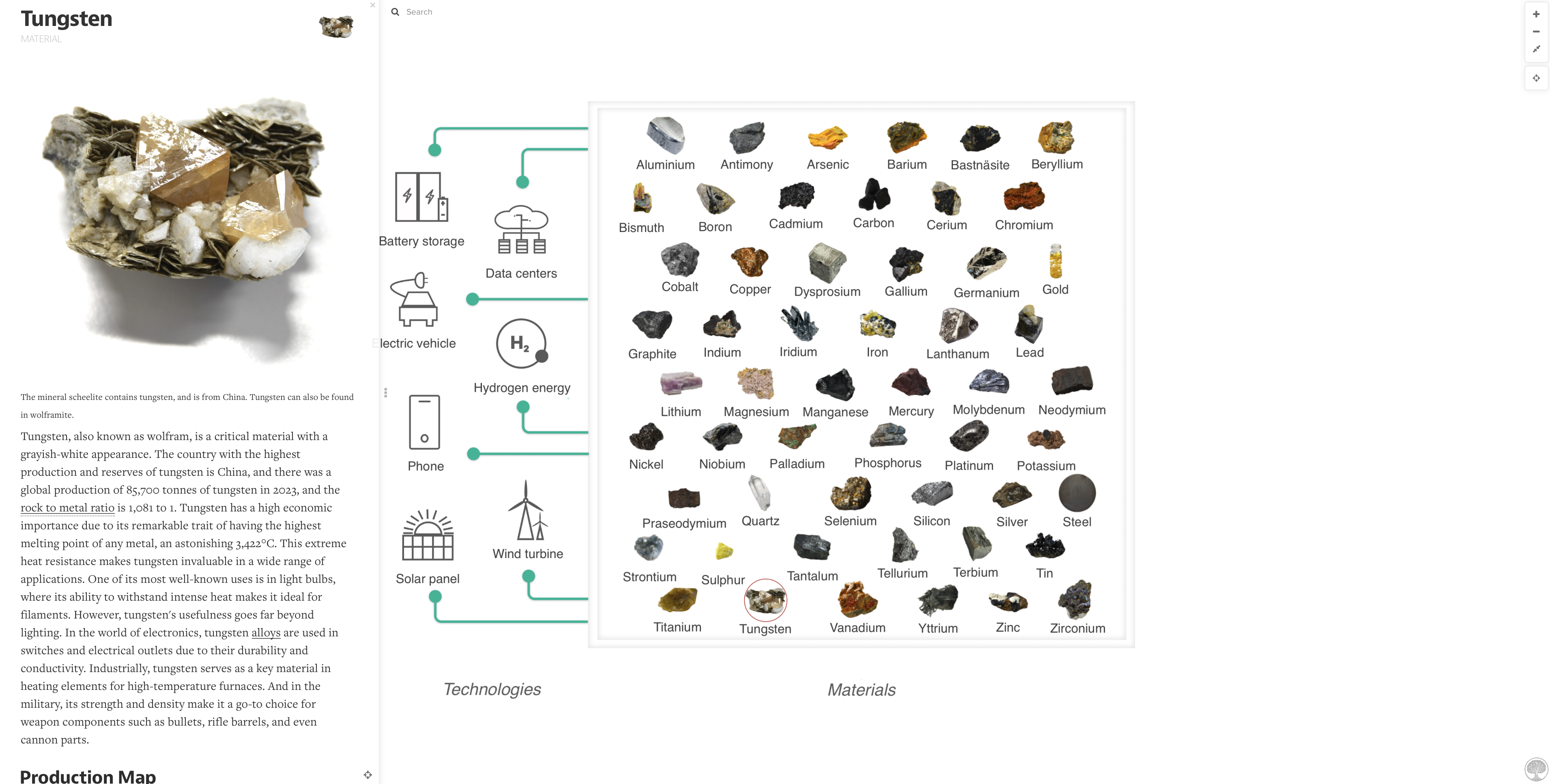
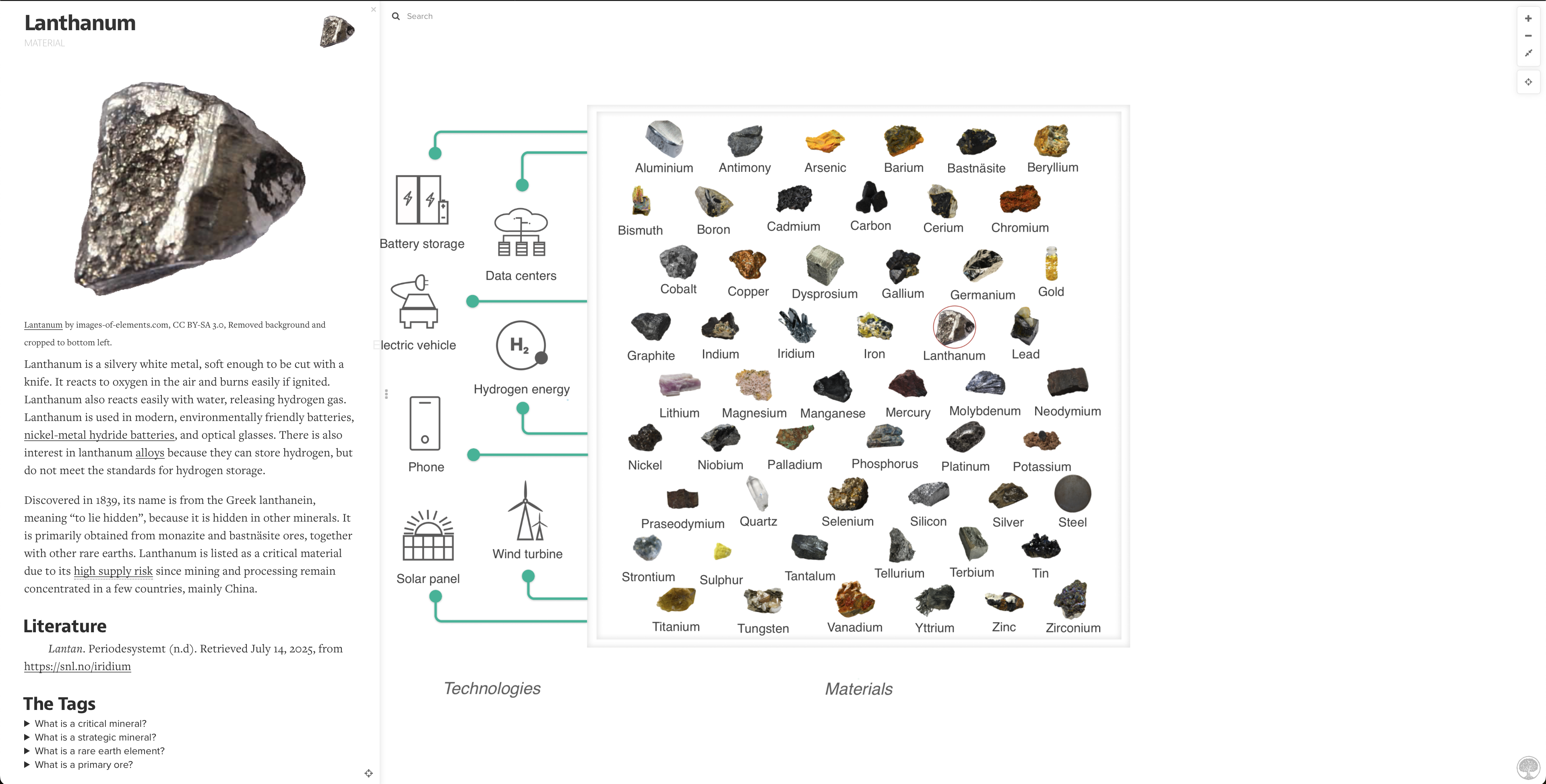
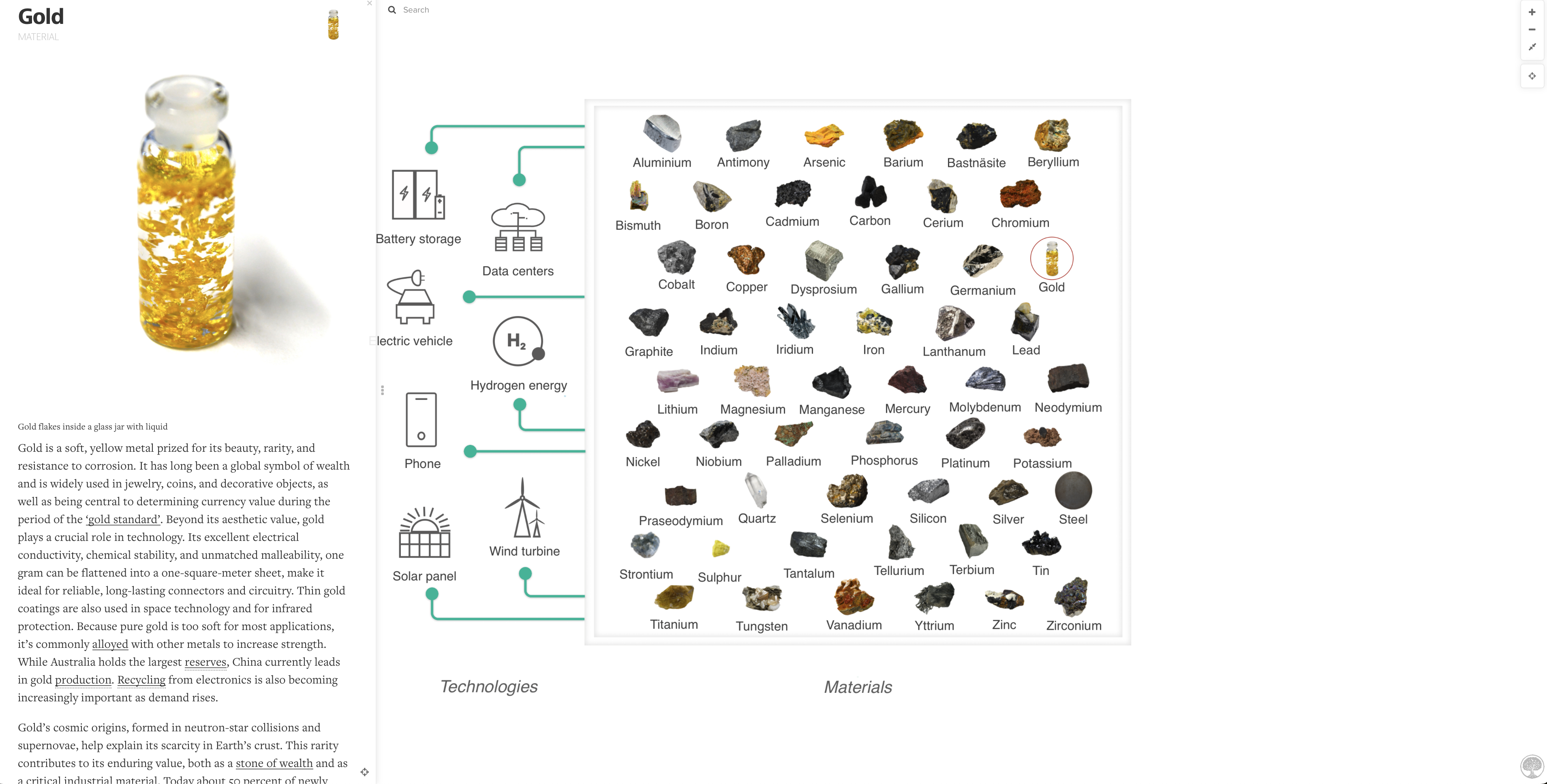
02:00pm–08:00pm
The printing workshops open their doors on the Day of Printmaking.
Under supervision, visitors can print small motifs themselves and experience the workshop as an open space for printmaking. Among other things, insights are provided into the screen printing and letterpress workshops.
Across Germany, around 15 March, artists, print workshops, museums, universities, art associations and other stakeholders will demonstrate how vibrant the art of printing is, from traditional techniques to experimental printmaking.
Further information on the Day of Printmaking can be found here.
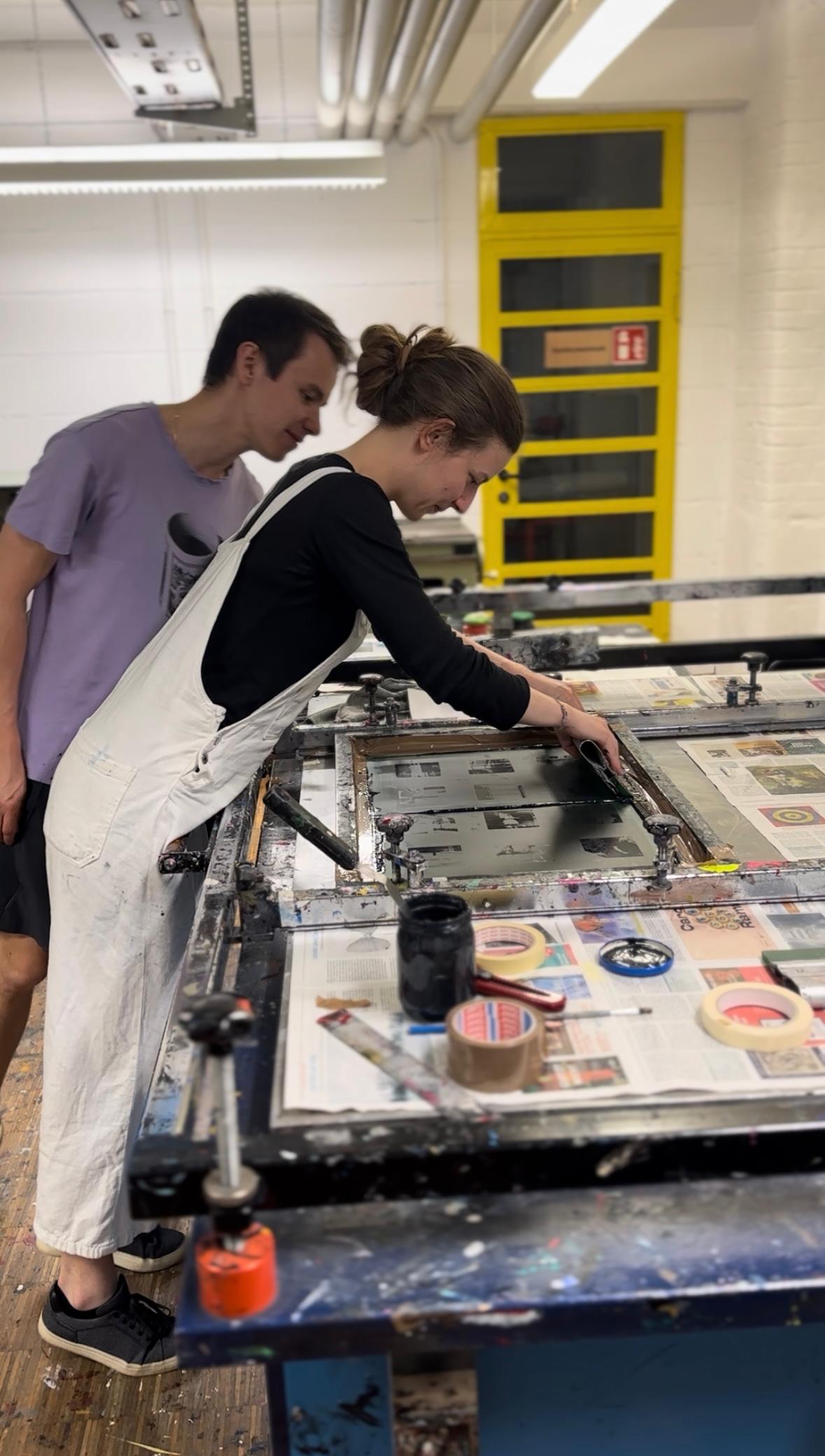
In the 51st Tuesday Workshop, Eunyoung Bae presents her work Salted Burden.
The starting point for the installation is a used riding saddle, which is stretched freely in the room and visible from both sides.
As an object between human and animal, the saddle becomes a contact zone – a surface characterised by movement, weight and dynamics.
The artist shapes the friction surface between horse and saddle from clay fired once at a high temperature and then treats it repeatedly with salt water. The process of drying and reapplying creates visible traces of crystals. The salt appears as a material residue and functions as a sign of sweat, energy loss and circulation.
At the heart of the work is an interest in cycles: in processes of evaporation, deposition and transformation. Salted Burden makes these invisible processes visible and understands salt as an indicator of exchange processes between bodies – human and non-human.
Afterwards, we invite you to join us for a discussion and exchange.
Tuesday-Workshop
The Künstlerhaus invites an artist or a collective—meaning any artists or cultural workers from any field or discipline—to talk about their working methods as well as their backgrounds and approaches. We want to establish a platform for a more in-depth interaction with regard to artistic practice, and in doing so to create a network, show solidarity, and mutually strengthen one other.
The series is aimed at all members of Künstlerhaus Stuttgart, artists either living in Stuttgart and the surrounding area or just traveling through, all cultural workers, art mediators, curators, etc., and is open to everyone!
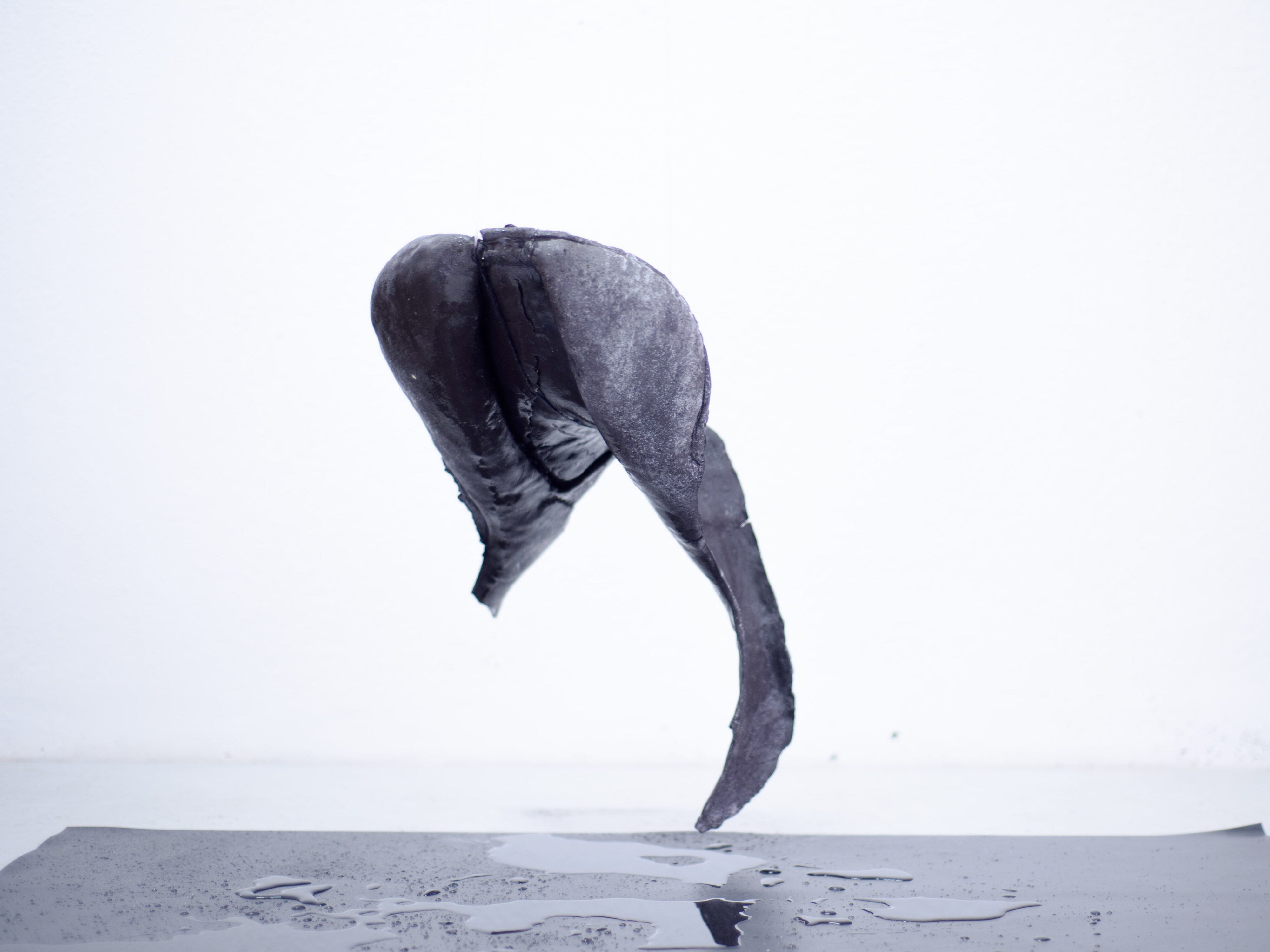
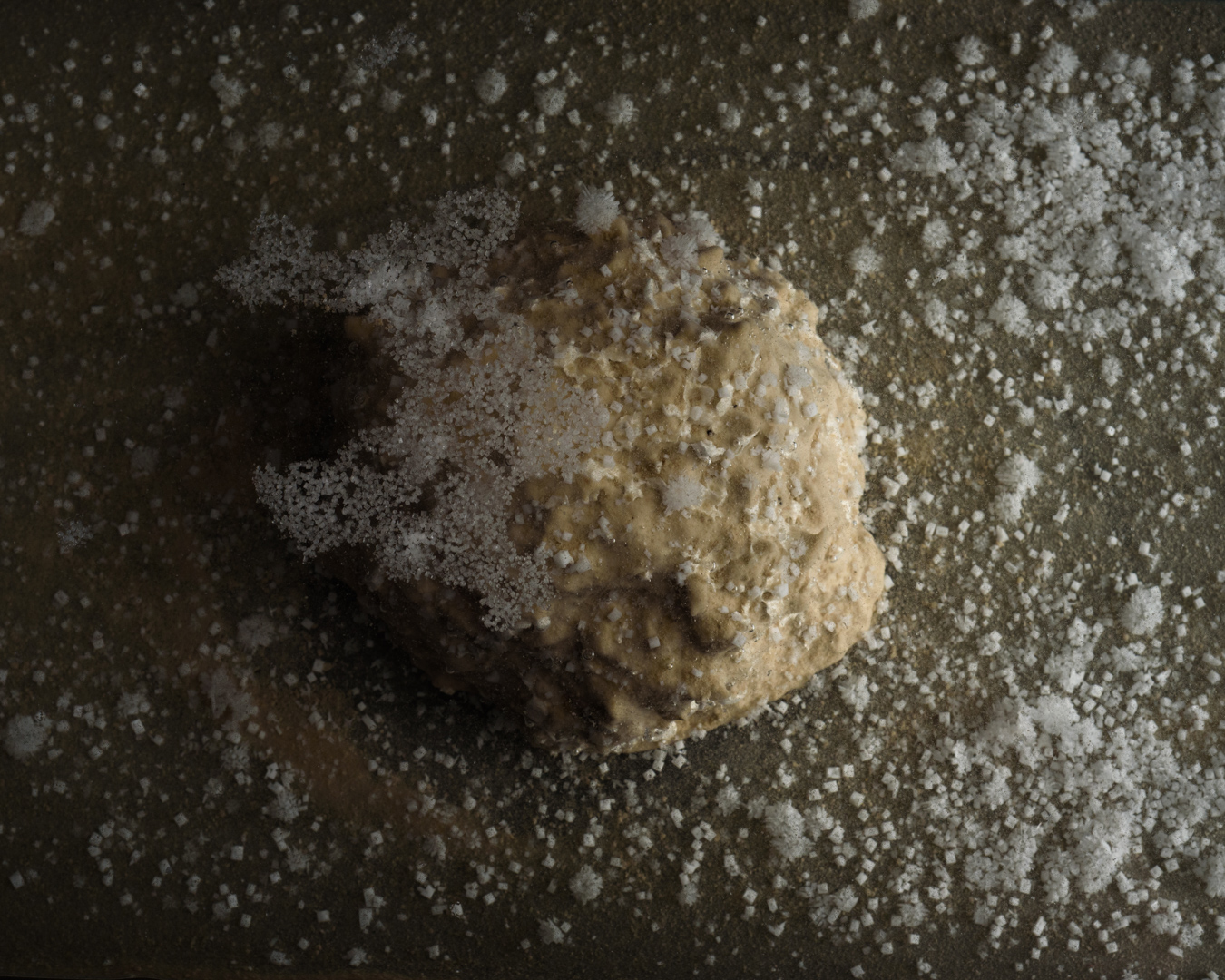
11:00am–03:00pm
Join the multidisciplinary duo anima ona (Freia Achenbach & June Fàbregas) as they fire up their stone crusher and invite you to participate in practical experiments involving the transformation of soil, stones, and agricultural by-products into new sustainable building materials.
The workshop opens up a space for practical experimentation and shared research, providing insights into the ongoing research project on the transmutation of earth and rock using geopolymer technology. In an alchemical transformation process, new rock forms are created that reveal hyperlocality, geodiversity, and material diversity.
Feel free to bring your own stones.
The workshop is limited to a maximum of 8 participants.
Register at ll@kuenstlerhaus.de
(Update: We sincerely appreciate everyone’s enthusiastic registration. The workshop is now fully booked. As places are limited, please send us an email at ll@kuenstlerhaus.de if you would like to participate. We will contact you as soon as there are additional spots.)
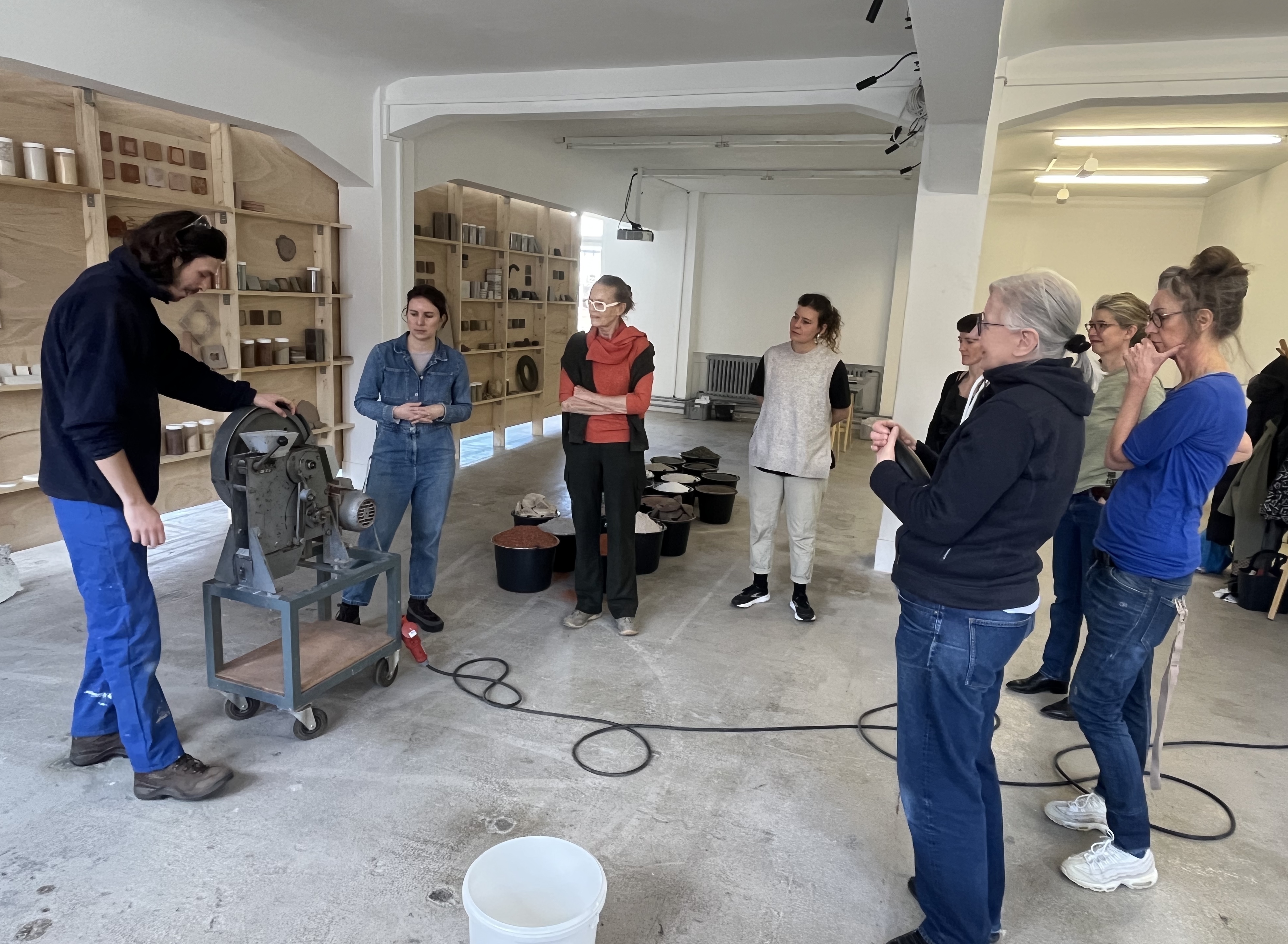
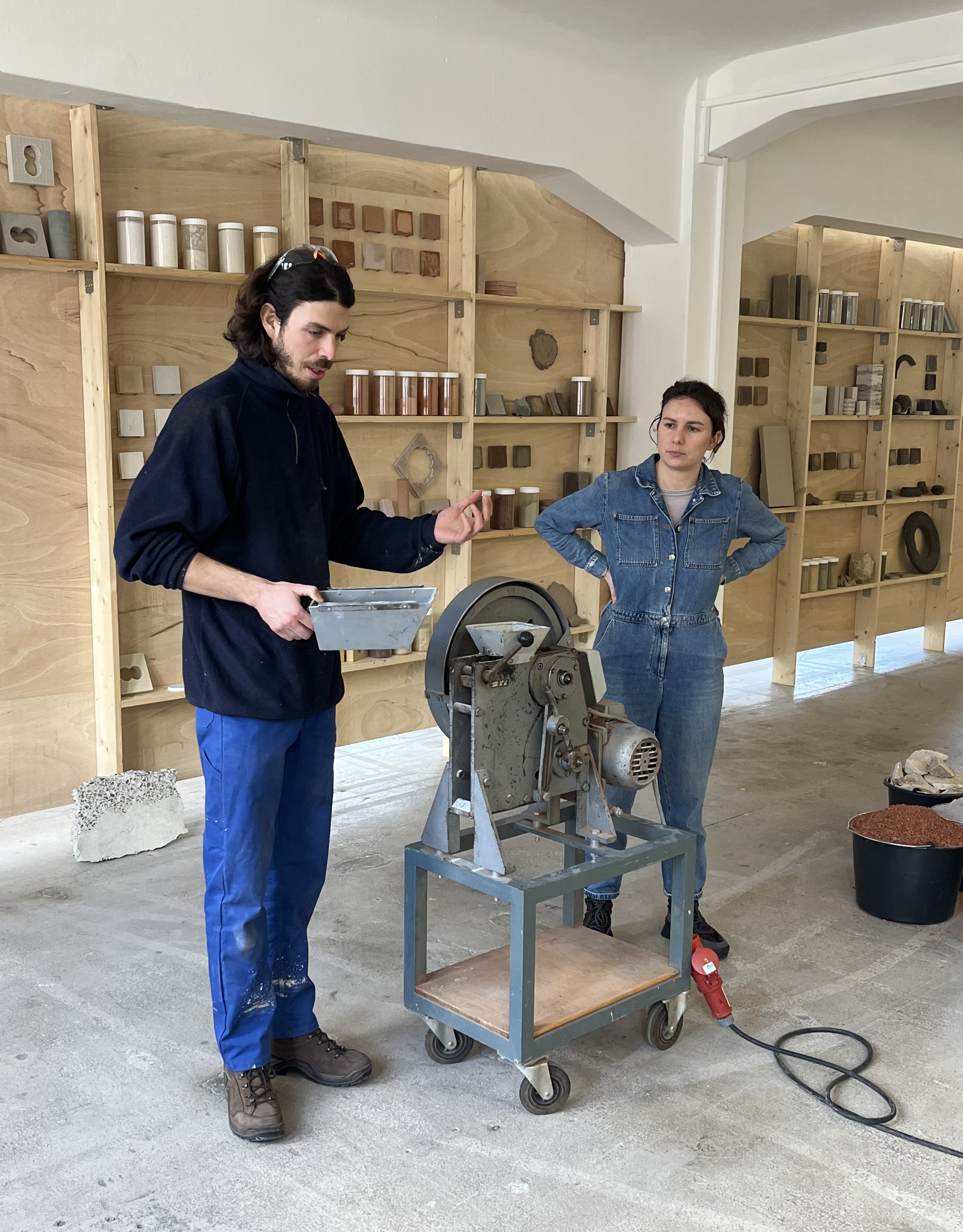
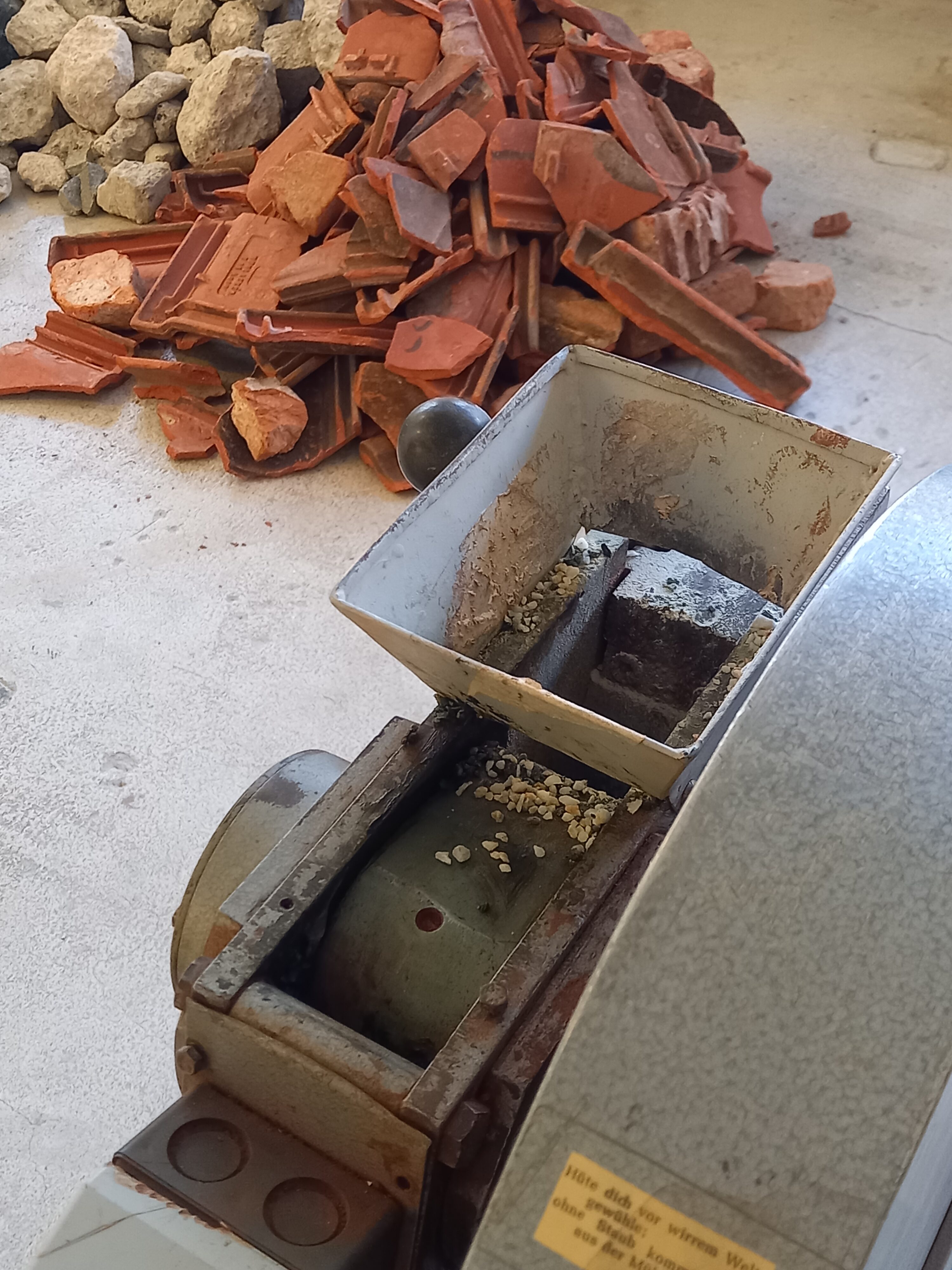
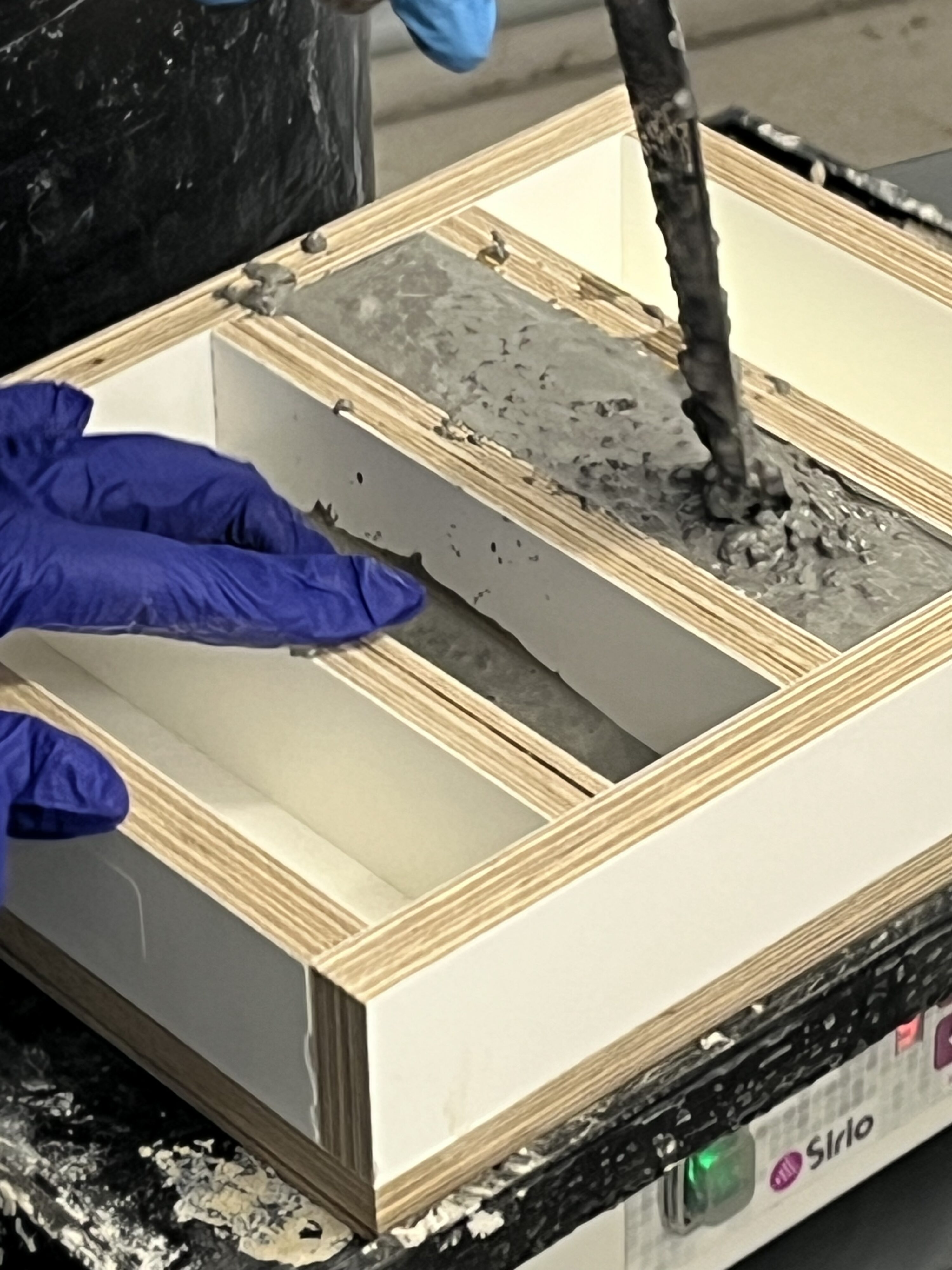
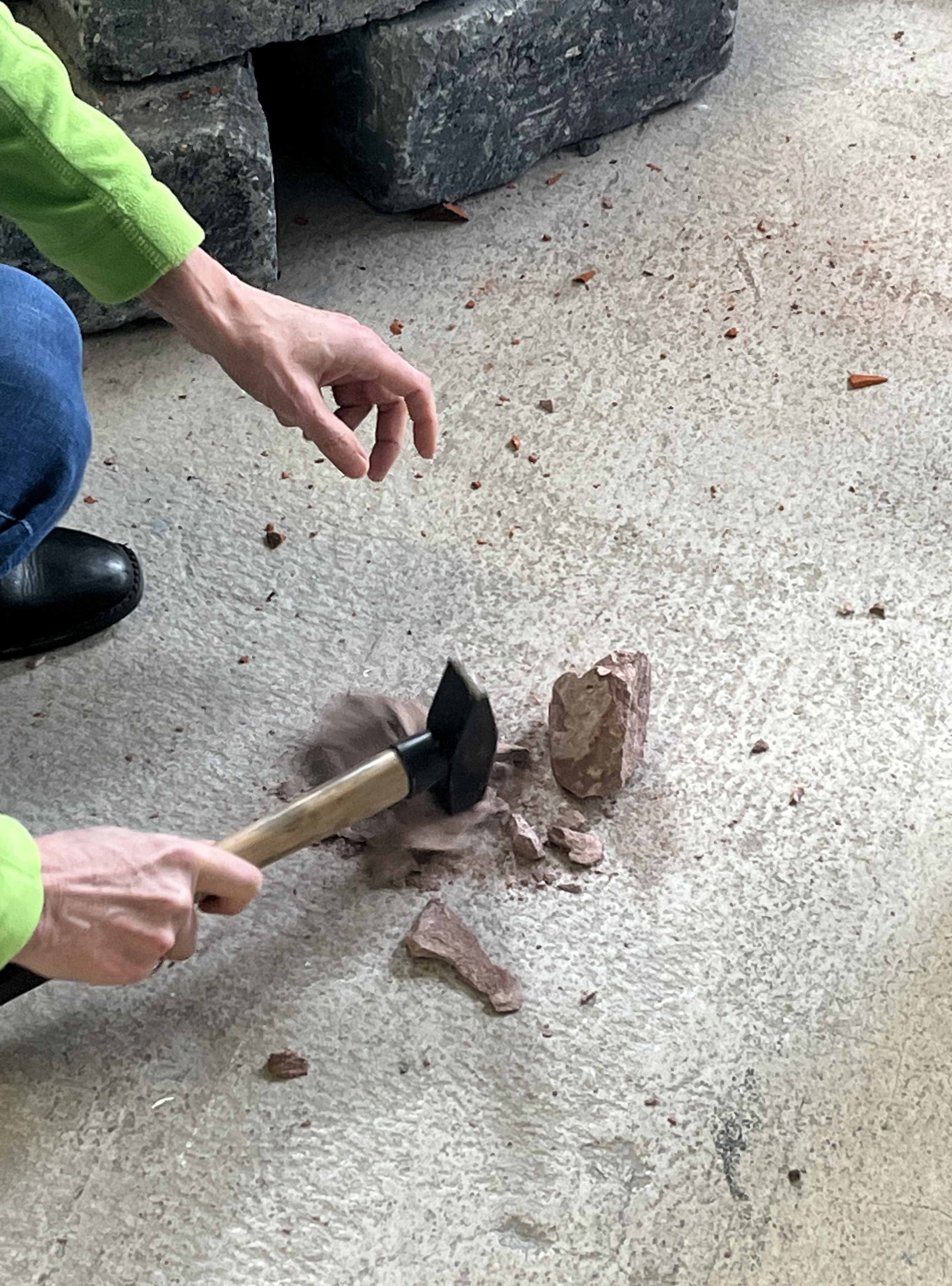
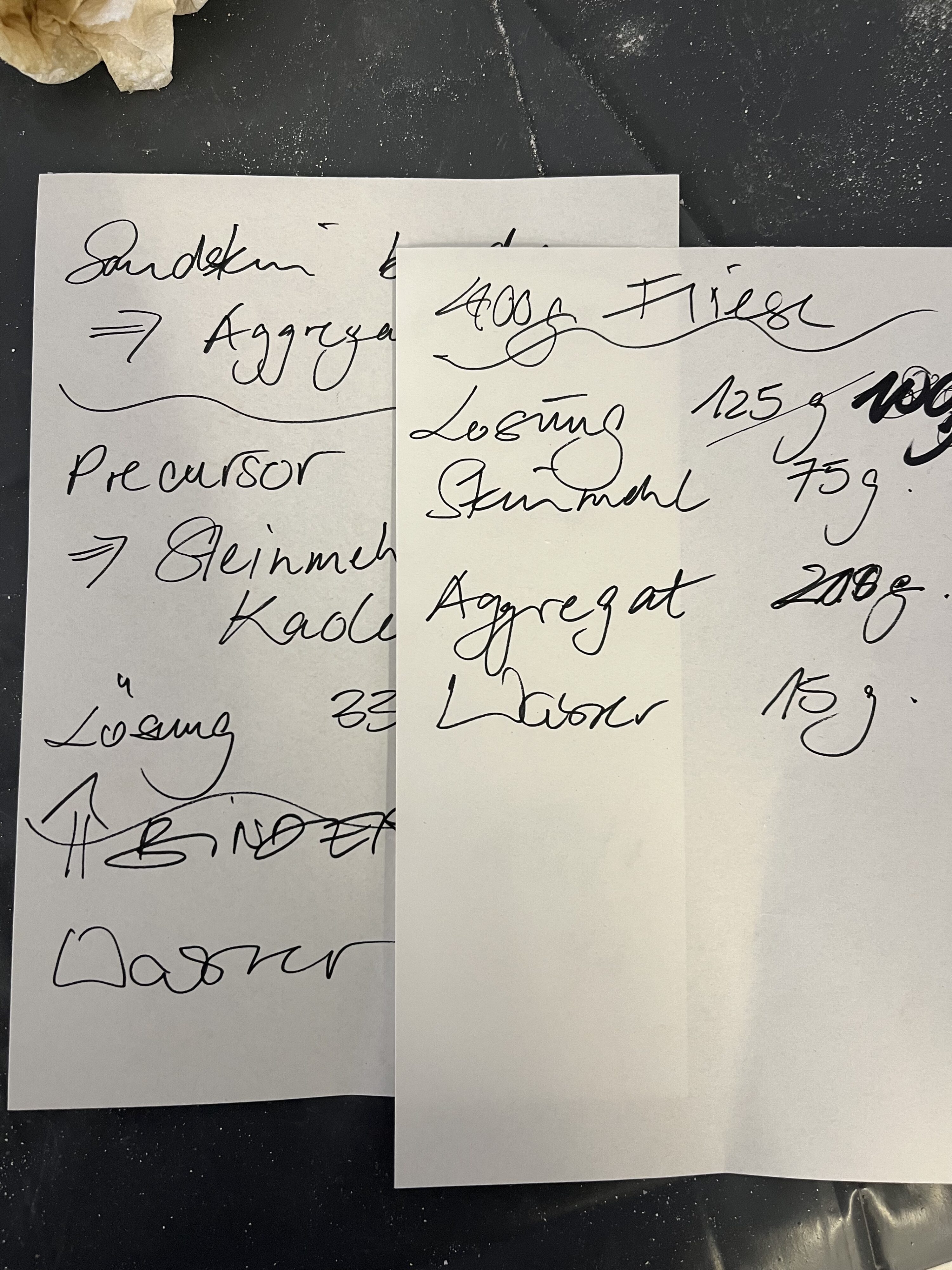
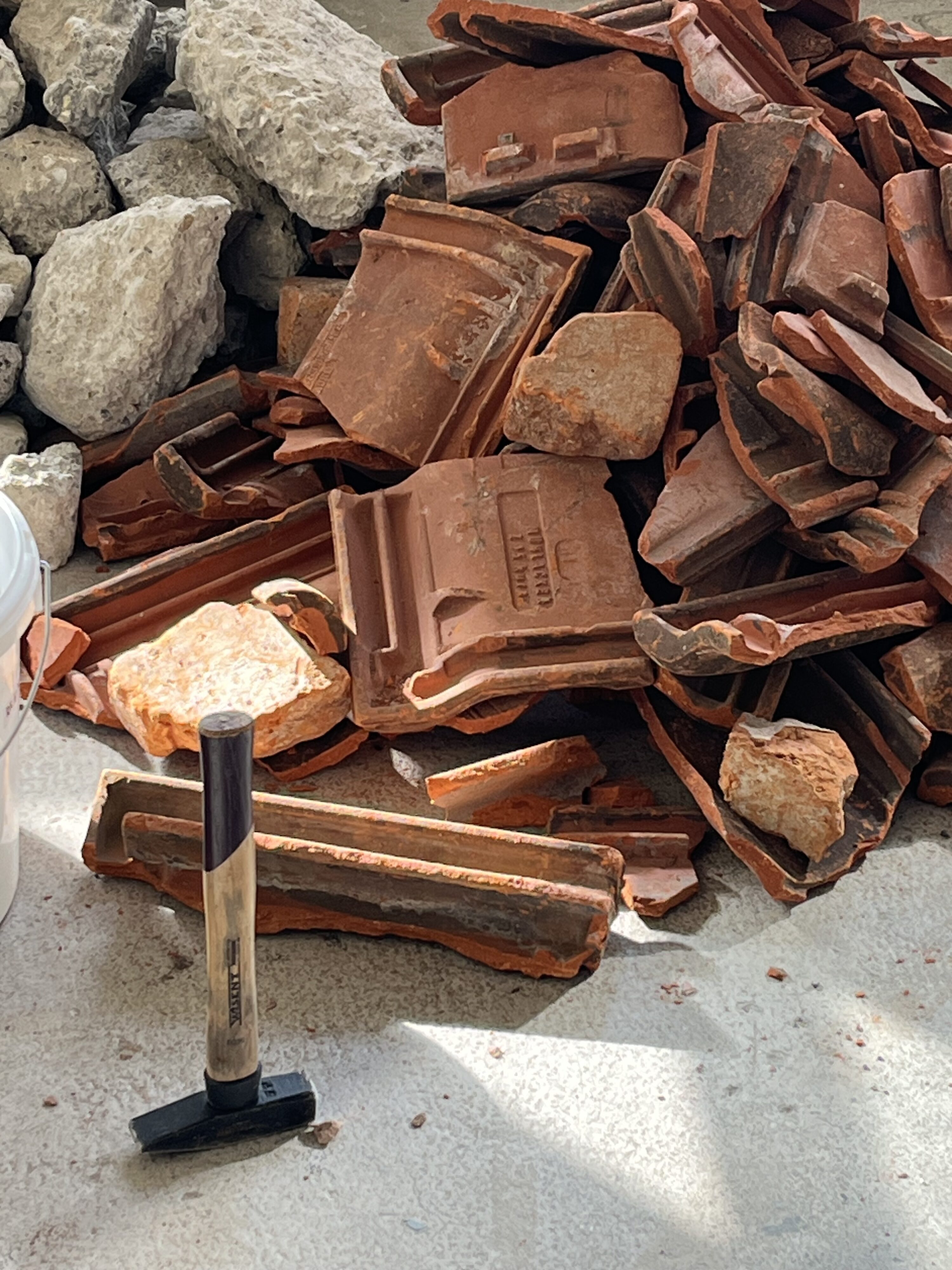
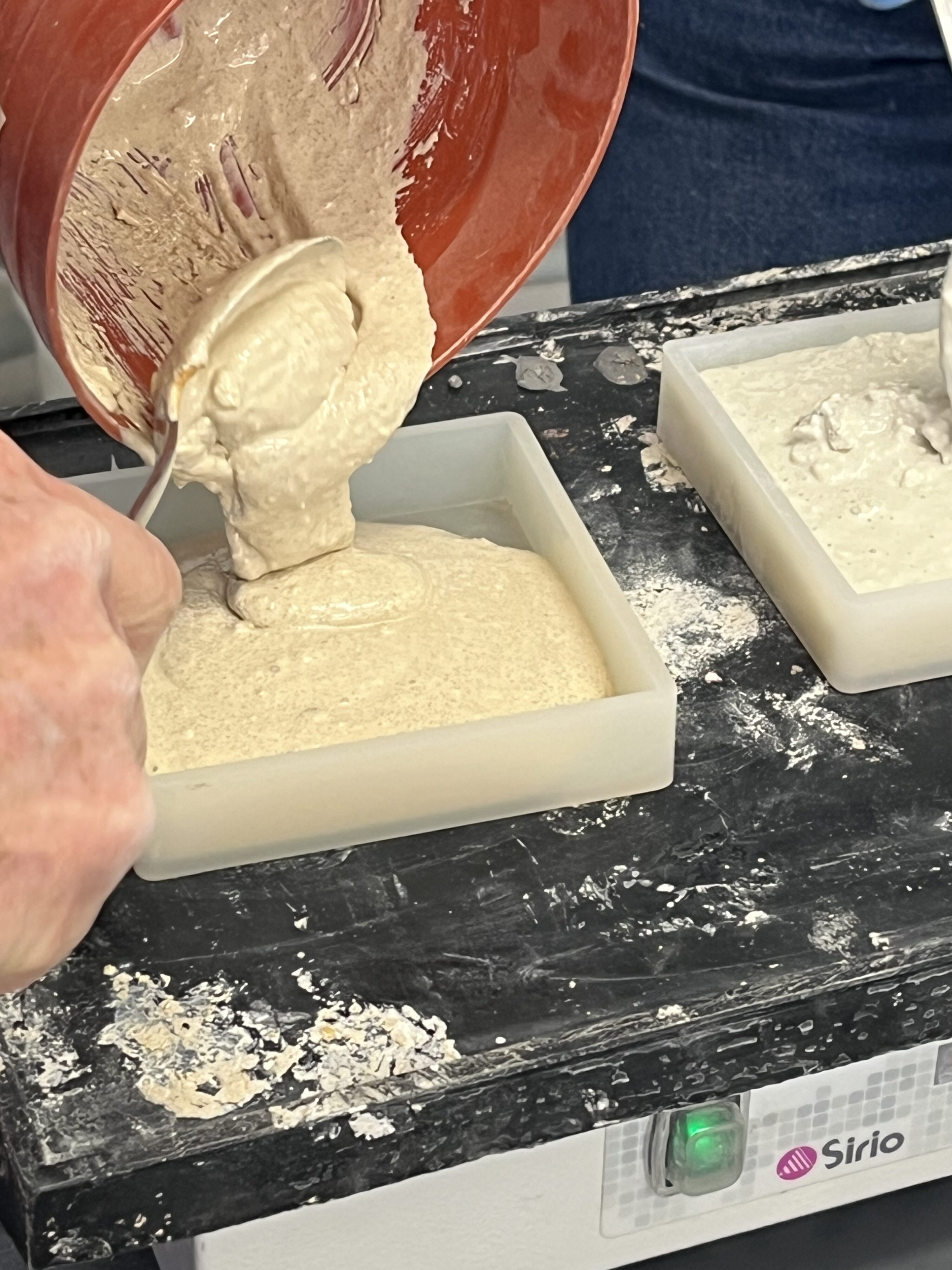
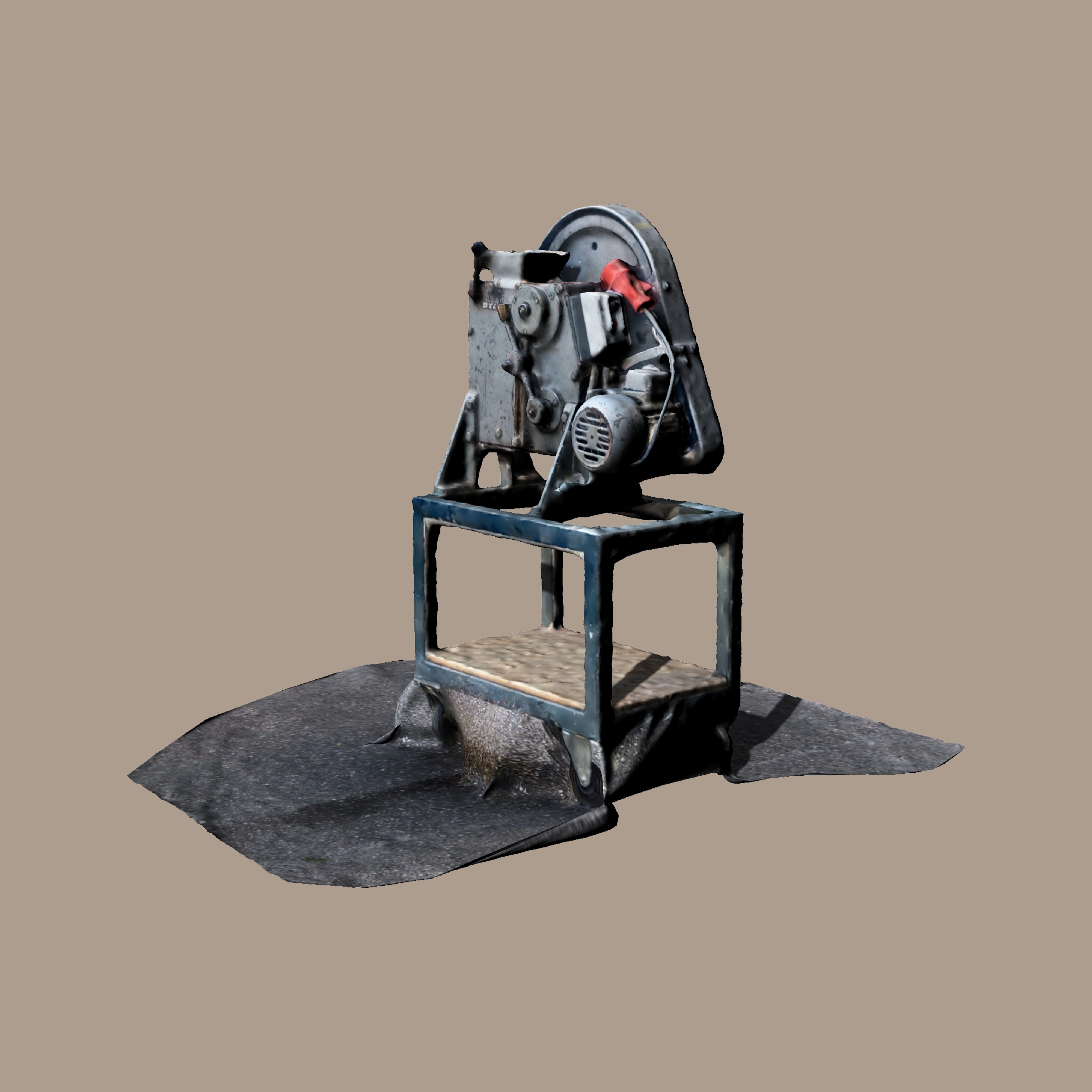
The 24-minute short film A Glimpse Of Balance: A Real Fiction about Unreal Estate and the Value of the Land shows how the protagonist maneuvers through agro-cultural structures over the course of two years and takes root in a location where growing has an emancipatory value.
The 830sqm location is not only for the protagonist a place to radically imagine; it is also home to many heat-loving, endangered species. They and the place are washed away.
Liquids, gases, energies, images and more connect the bodies. The preservation of the habitat and the integrity of the protagonist are in inseparable and mutual dependence.
Except for one scene, Hannah Liya filmed with her mobile phone in her hand.
What can be seen is very close to her and is almost real.
Director/Camera 1: Hannah Liya
Camera 2: Marius Schwingel
Speaker 1: Eberhardt Simon
Speaker 2: Hannelore Oetinger
Speaker 3: Irene Baumann
News anchor: Hanna Araujo Ulmer
The film screening is open to everyone and the participation is free of charge. The event will take place on the 2nd floor of Künstlerhaus Stuttgart.
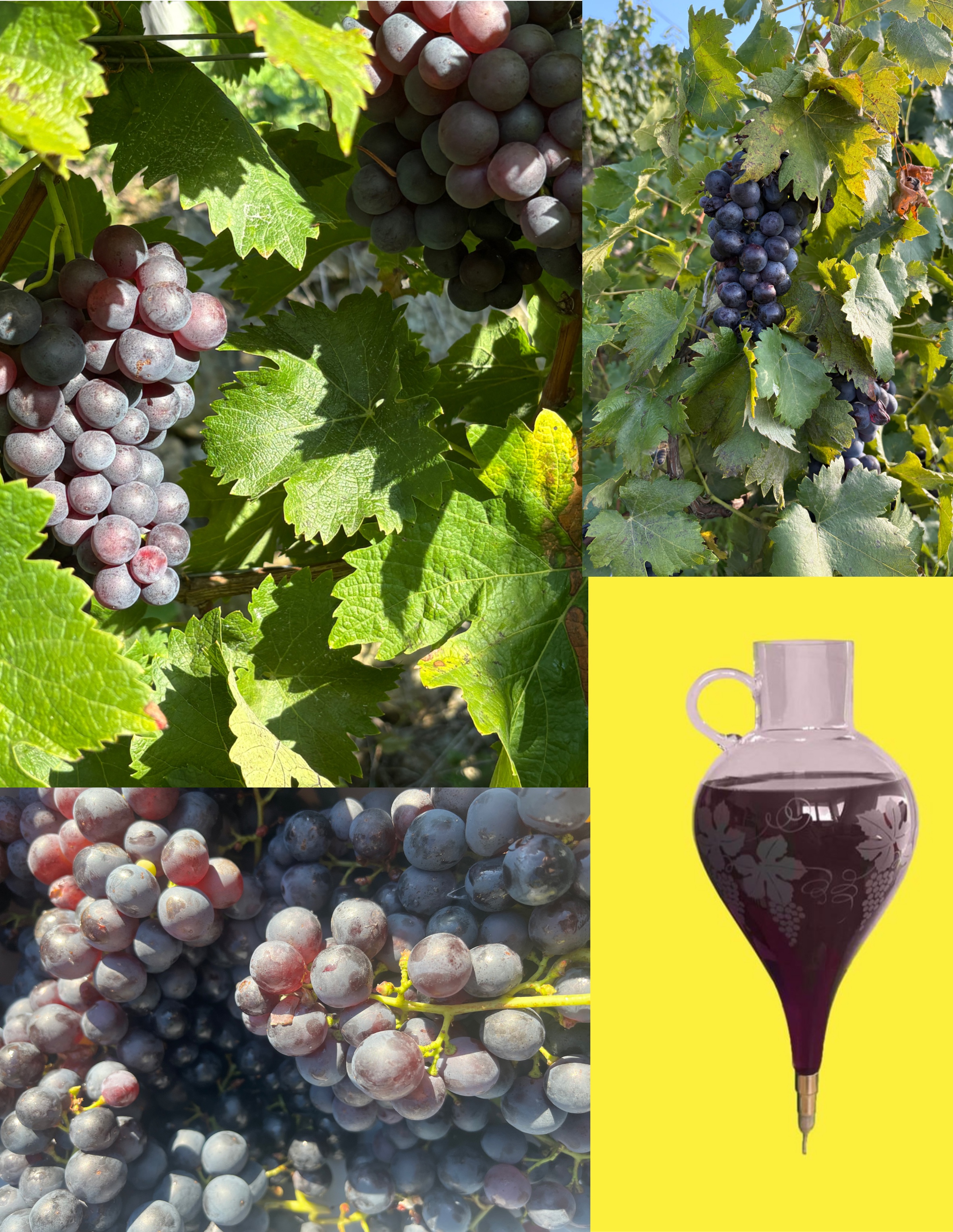
We ask a nurse about the role played by smell and taste in care. She claps her hands and shouts: “I could write an entire book on the subject!” She proceeds to list off countless smells and describe how the care she gives is guided by her nose.
As artist-winemakers, Hannah Liya and Sophia Sadžakov view their task as taking care of the terraced landscape of grape vines along the Neckar River near Ludwigsburg-Hoheneck. They have been working these vineyards on the steep limestone slopes since 2021, producing small-batch, spontaneously fermented wines from the sometimes century-old vines.
They understand the wines as bearing silent, gustatory witness to these landscapes and their stewardship. In the tasting workshop, the artist-winemakers will guide you through the 2025 vintage. Through tasting and smelling we will hone our central tools of care. The tasting exercise will culminate with all workshop participants blending their own micro-cuvée.
- Vernissage: Saturday February 14th 2026, 7 pm, 2nd Floor
As a preview of the upcoming workshops, the artists’ Merlot 2025 will be served.
- Tasting-Workshop I: Saturday, March 7th 2026, 5 pm – 7 pm, Registration (Registration is closed.)
- Tasting-Workshop II: Saturday, March 21st 2026, 9 pm – 10:30 pm, Registration (Registration is closed.)
Each workshop is limited to a maximum of 30 participants. A valid ticket for the Long Night of Museums is required to participate. Tickets can be purchased online or in advance during office hours at the Künstlerhaus Stuttgart.
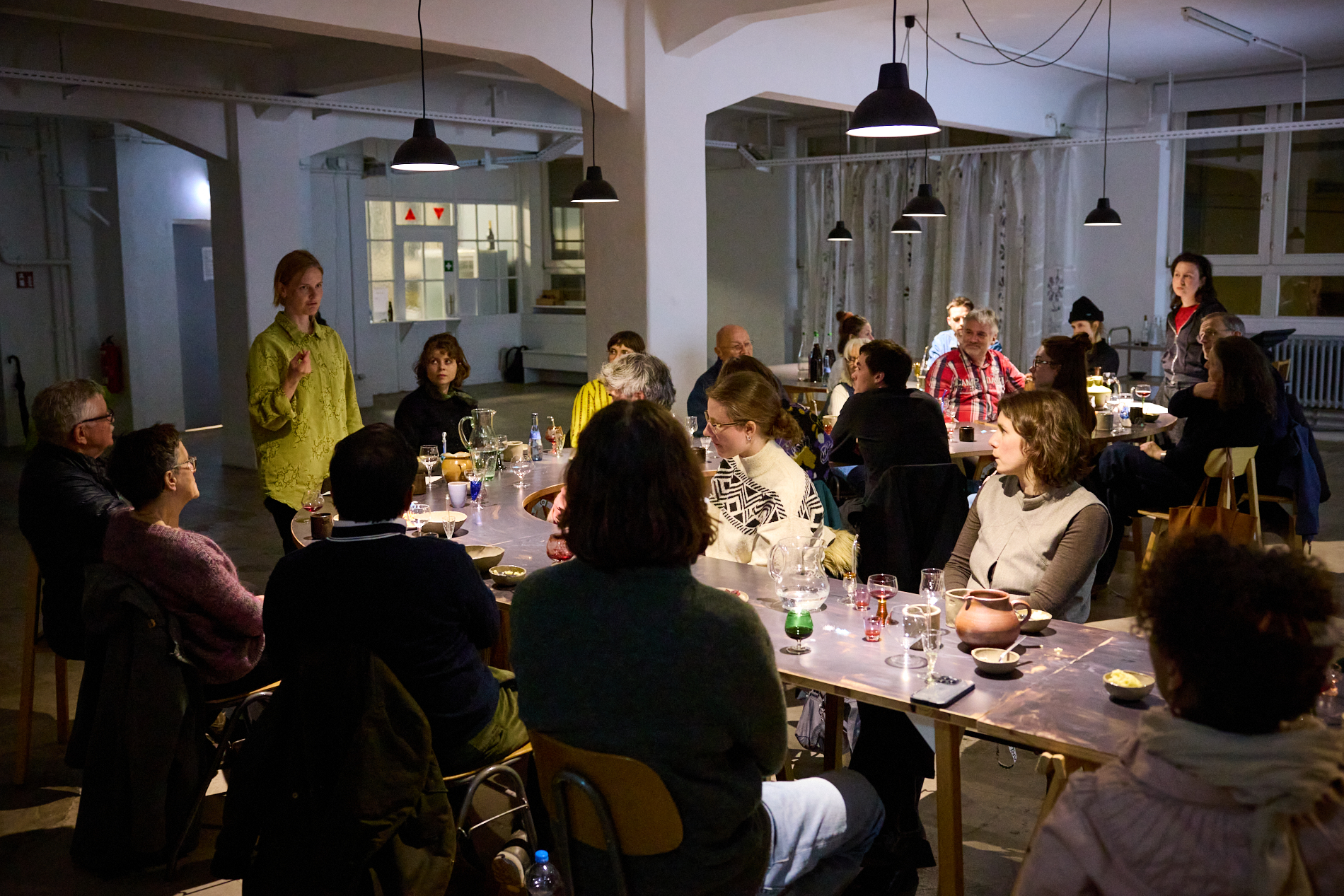
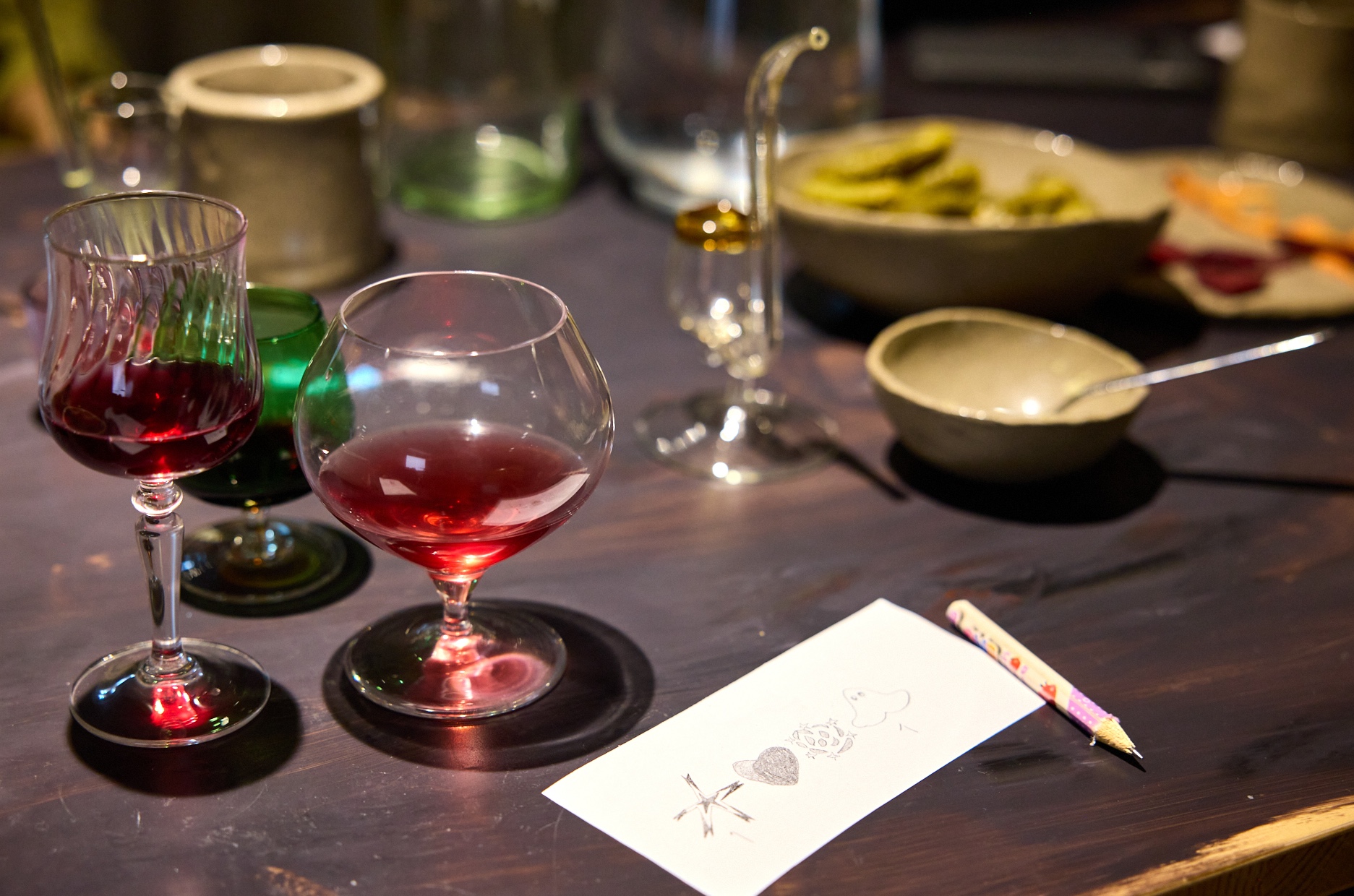
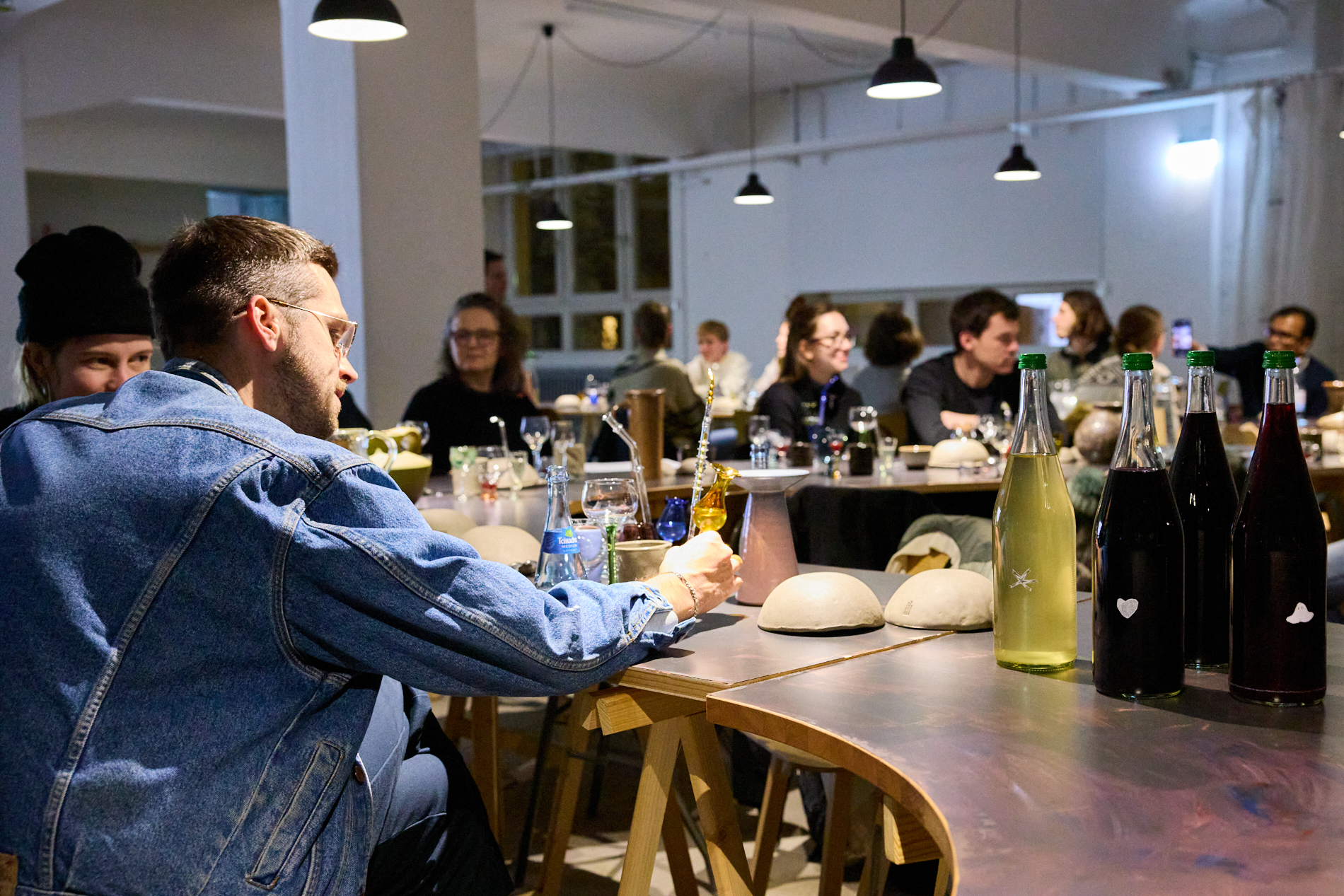
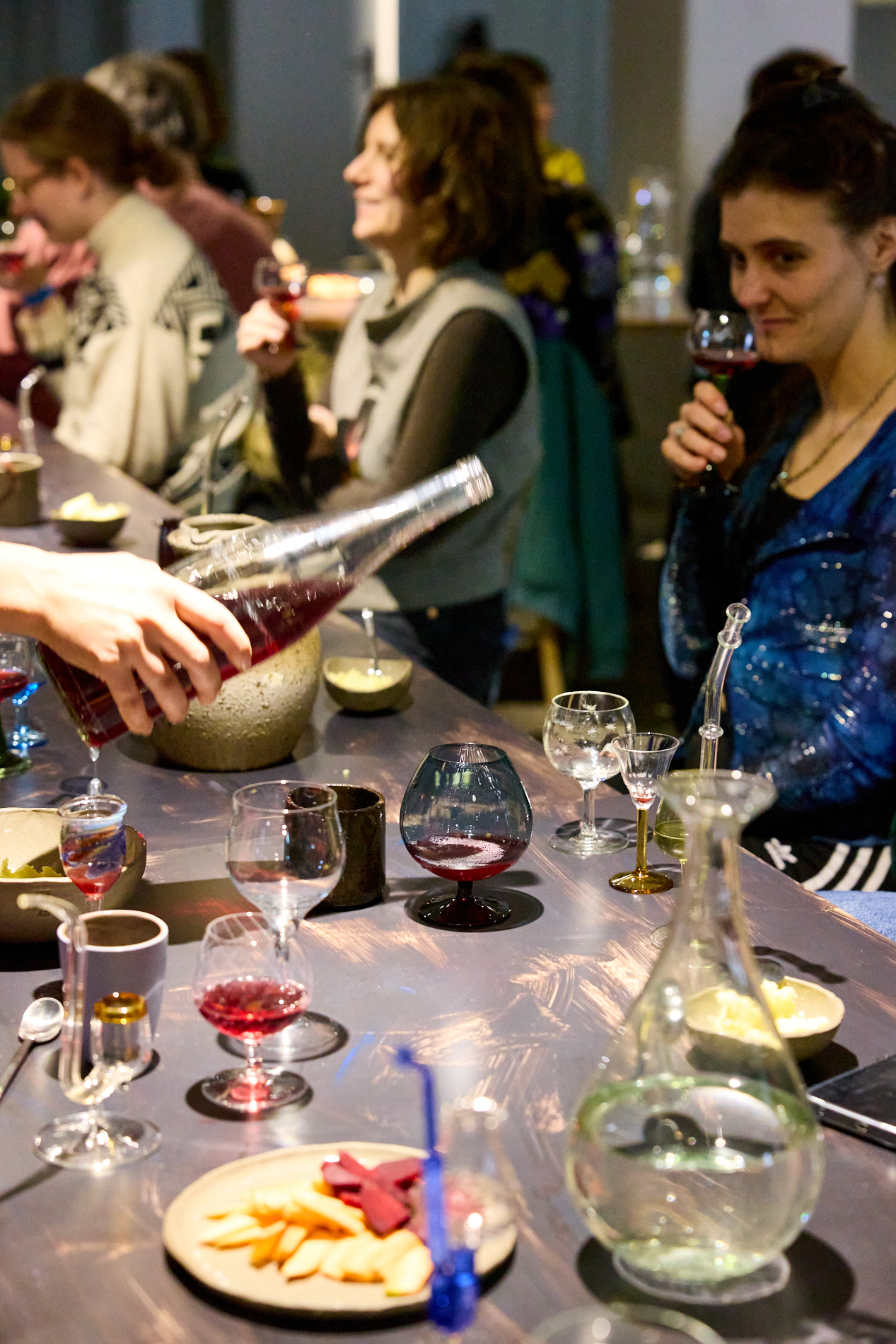
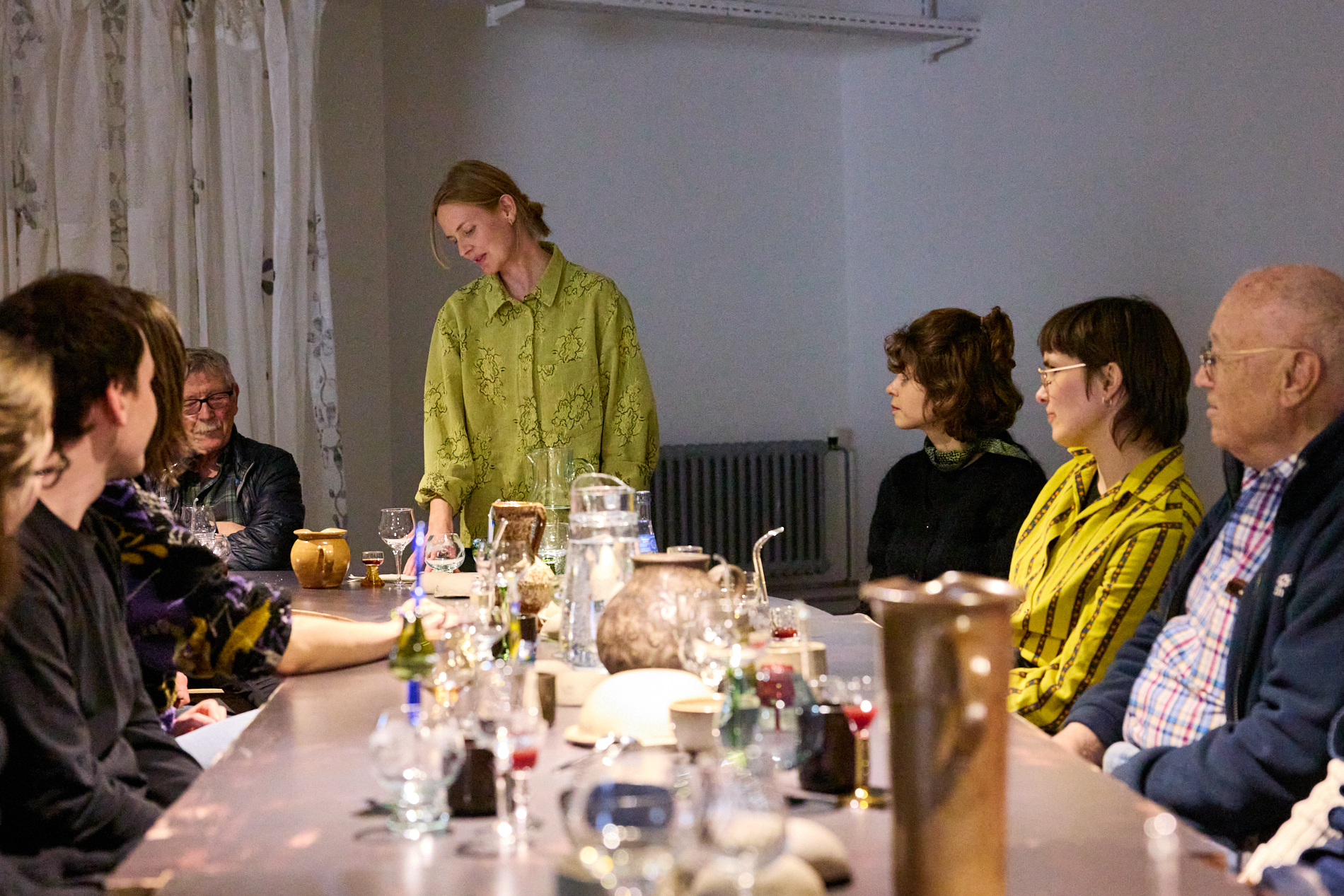
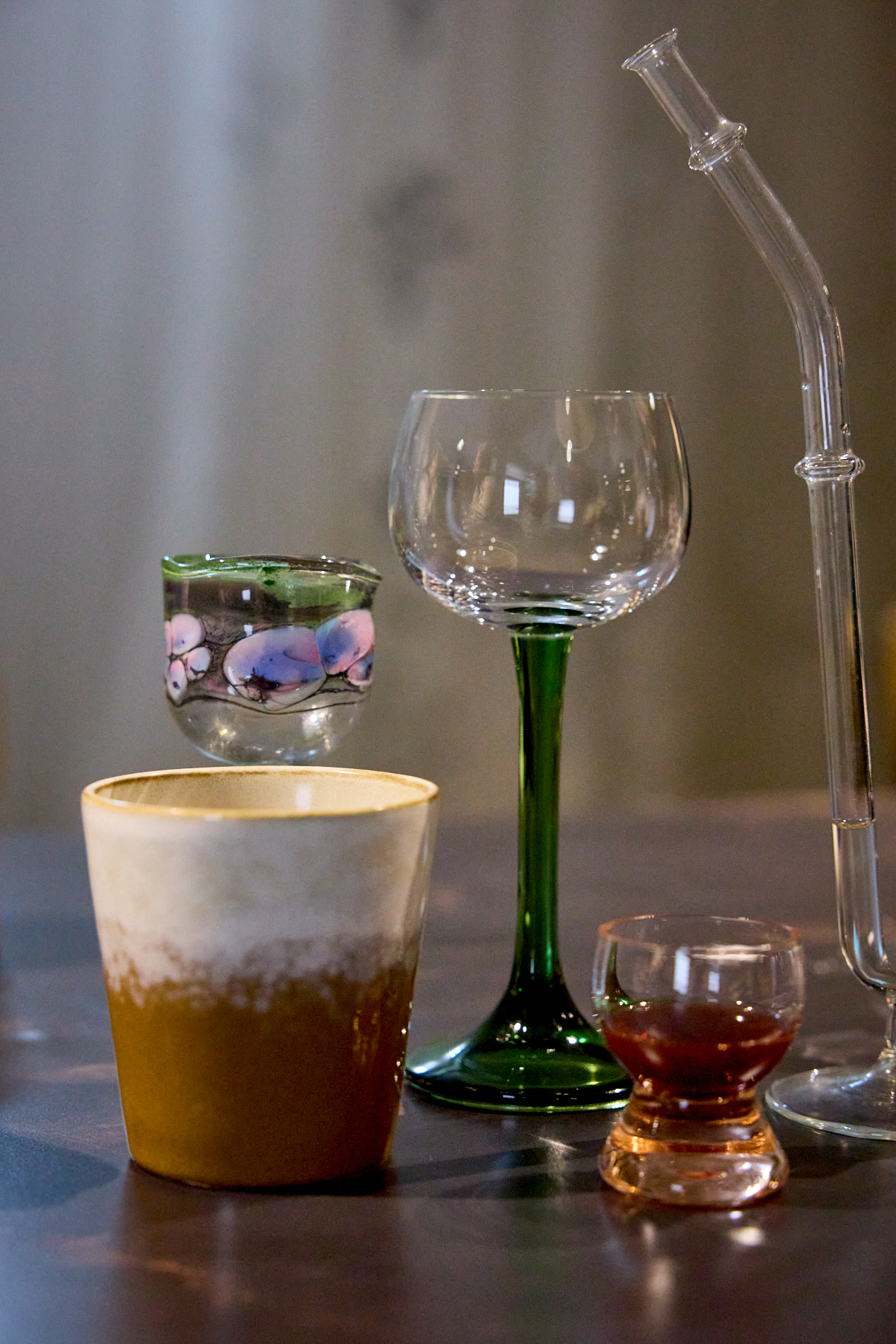
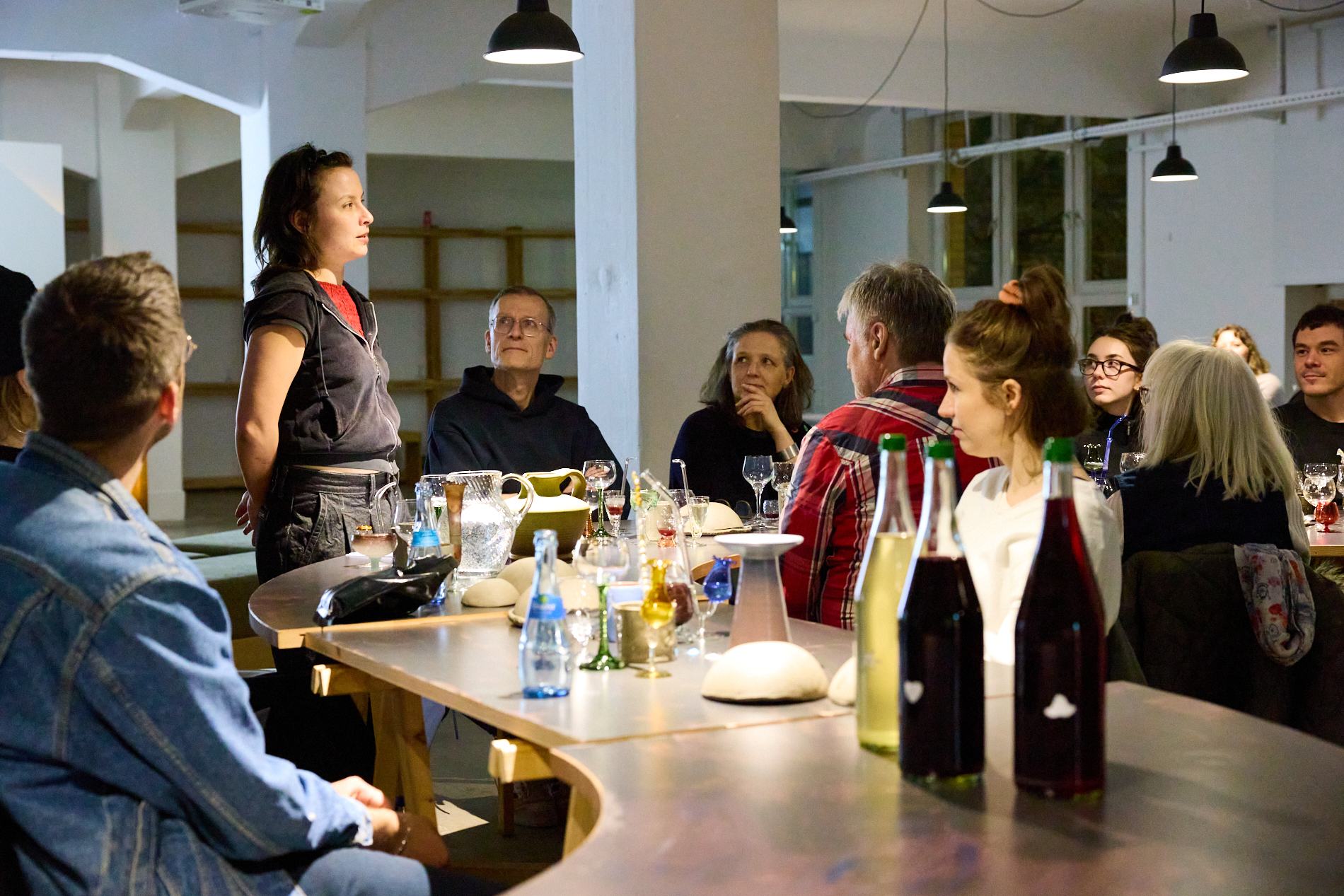
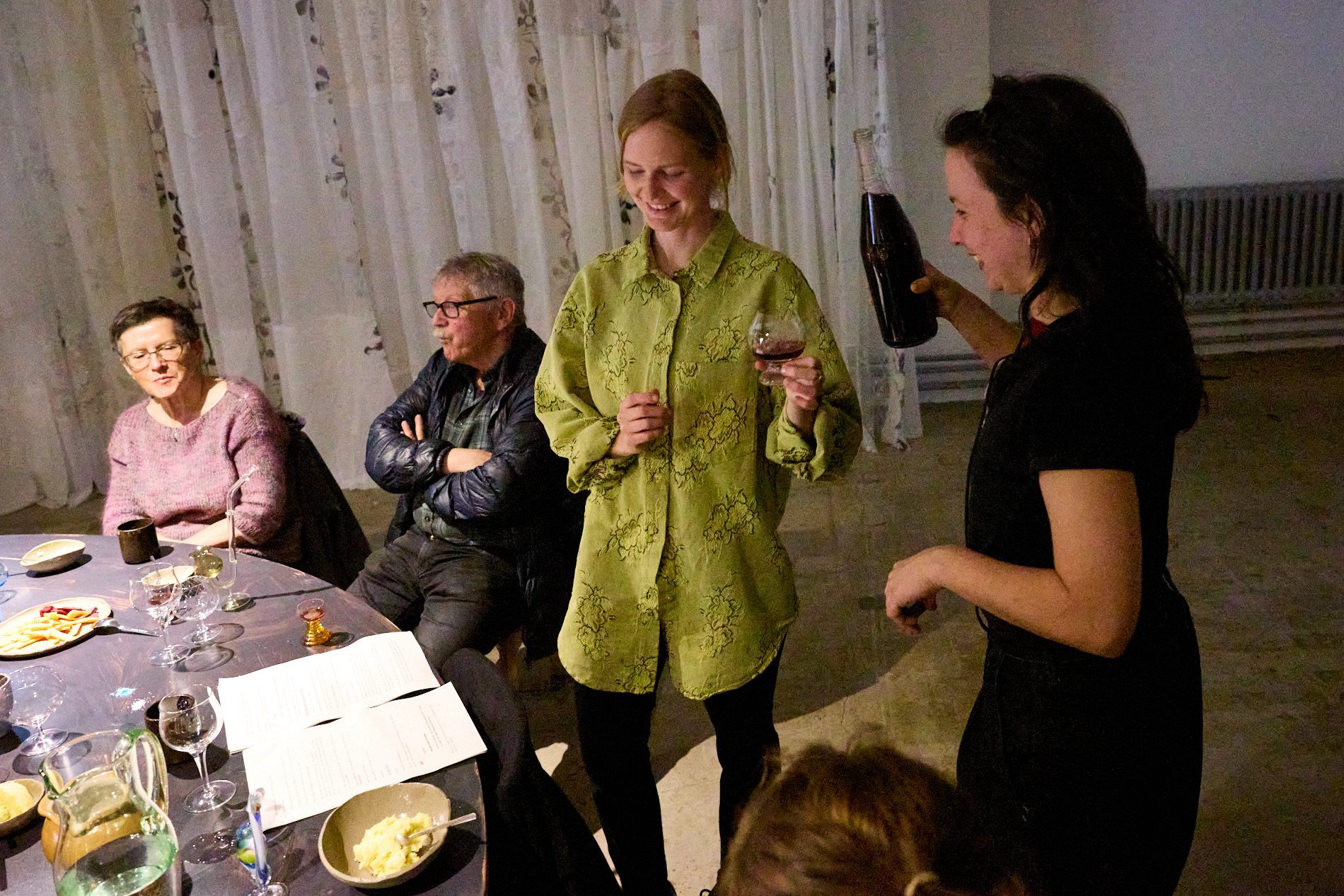
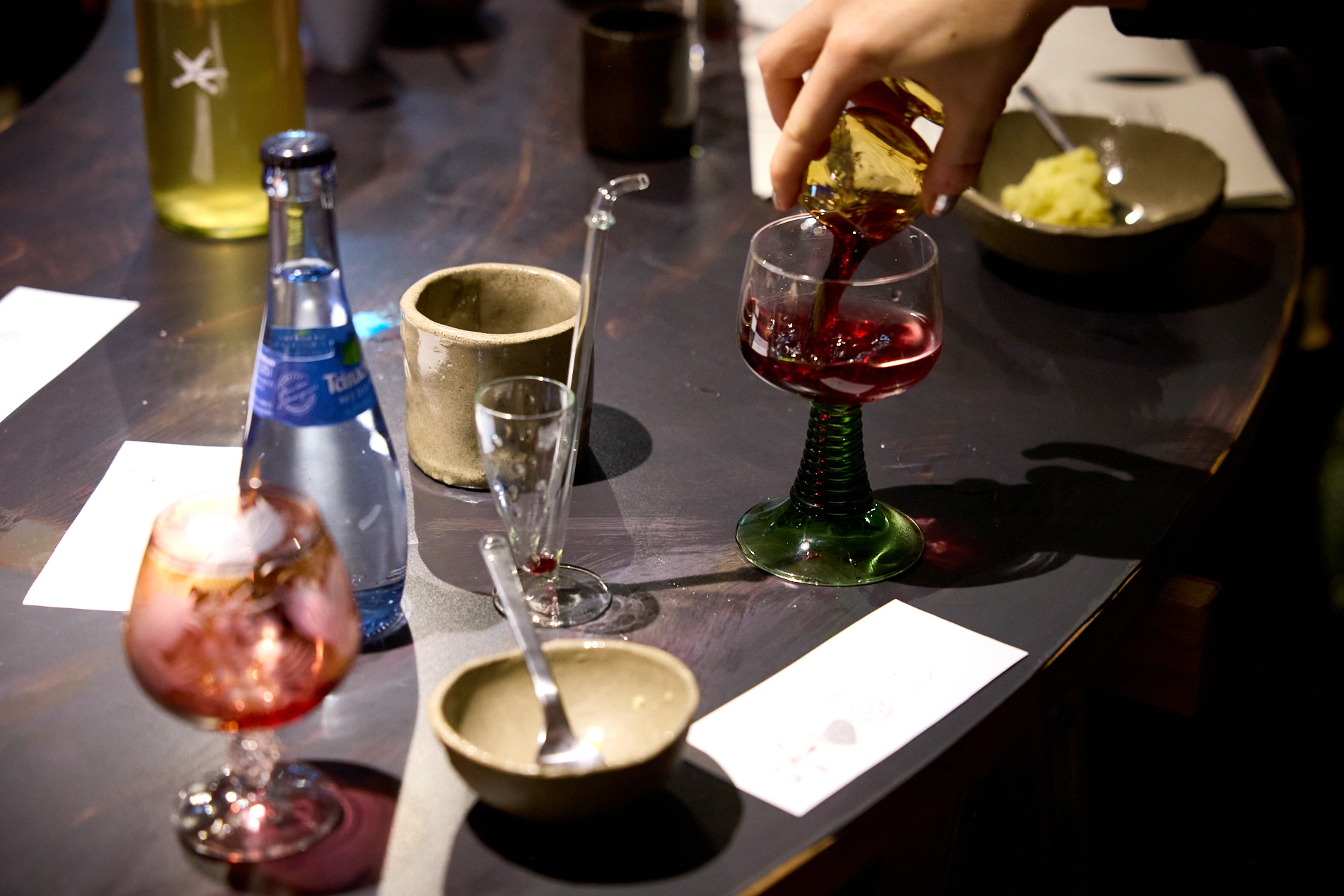
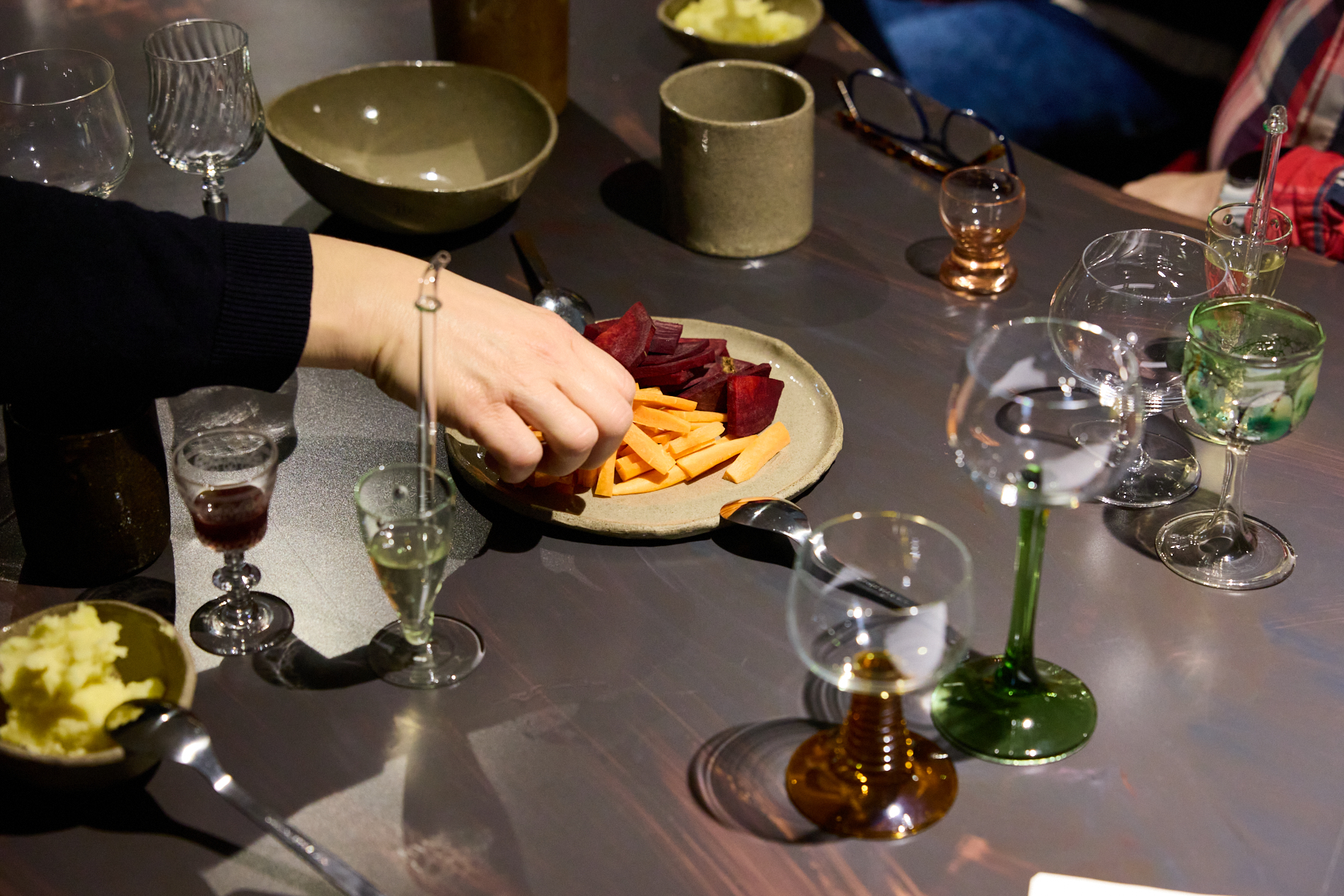
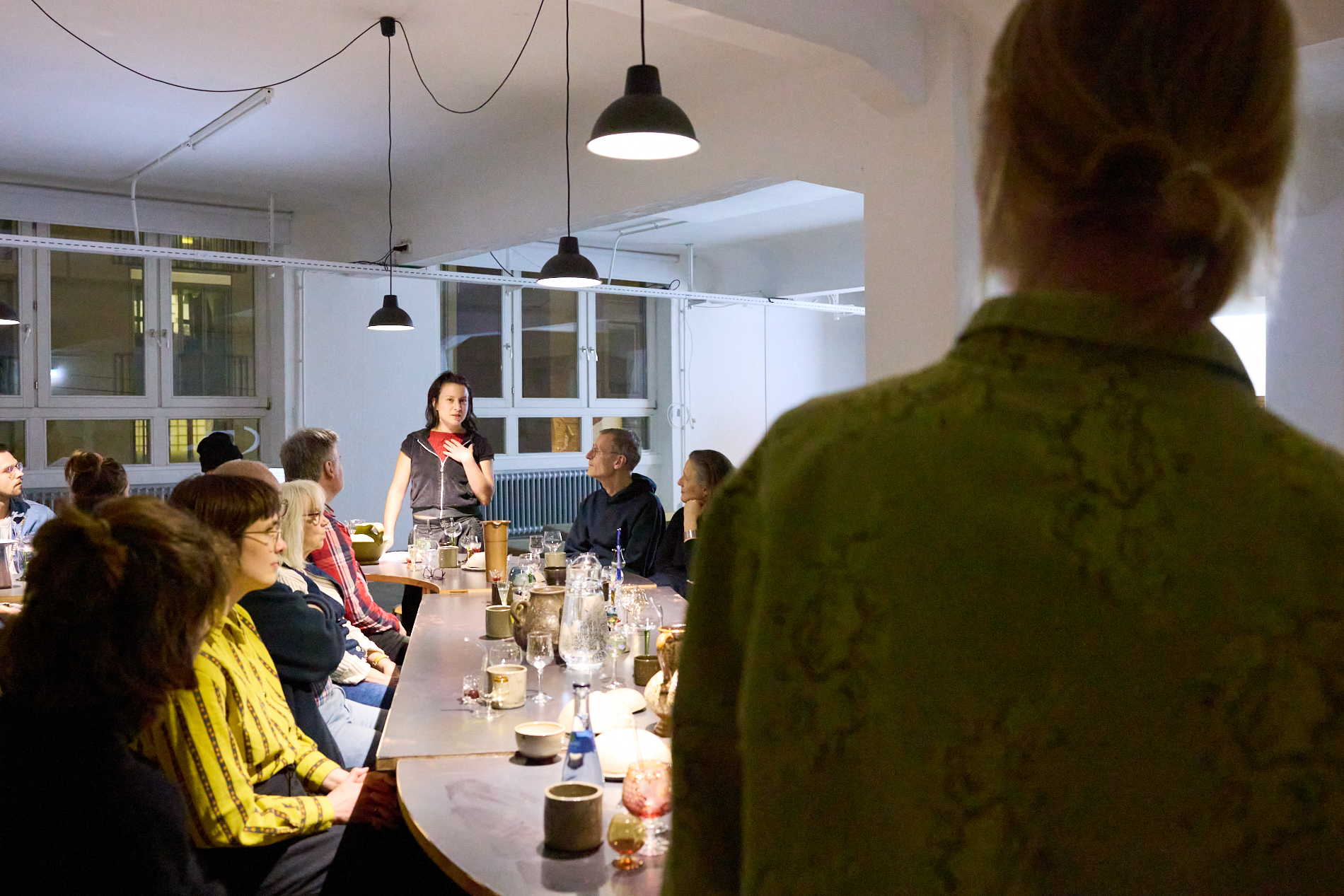
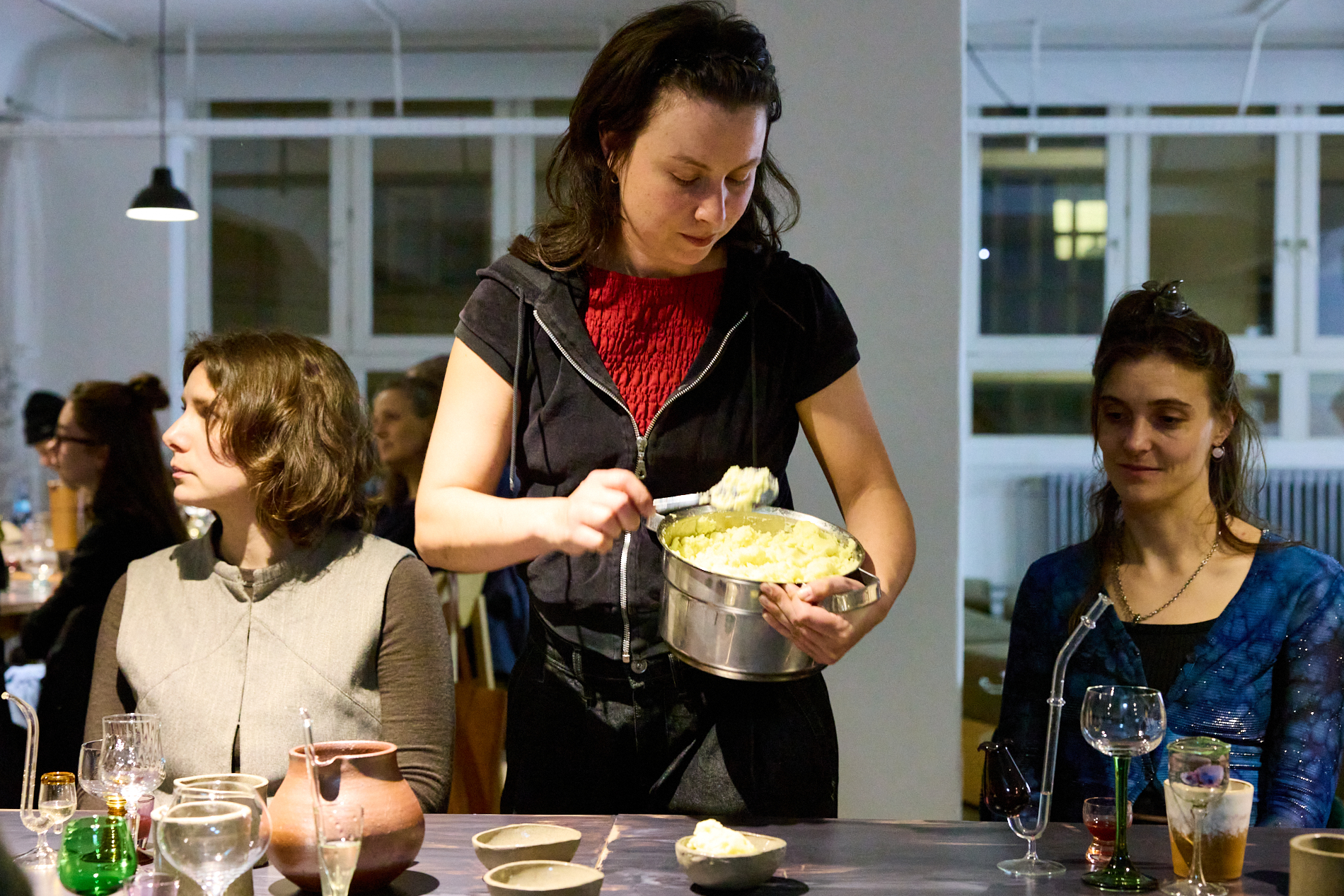
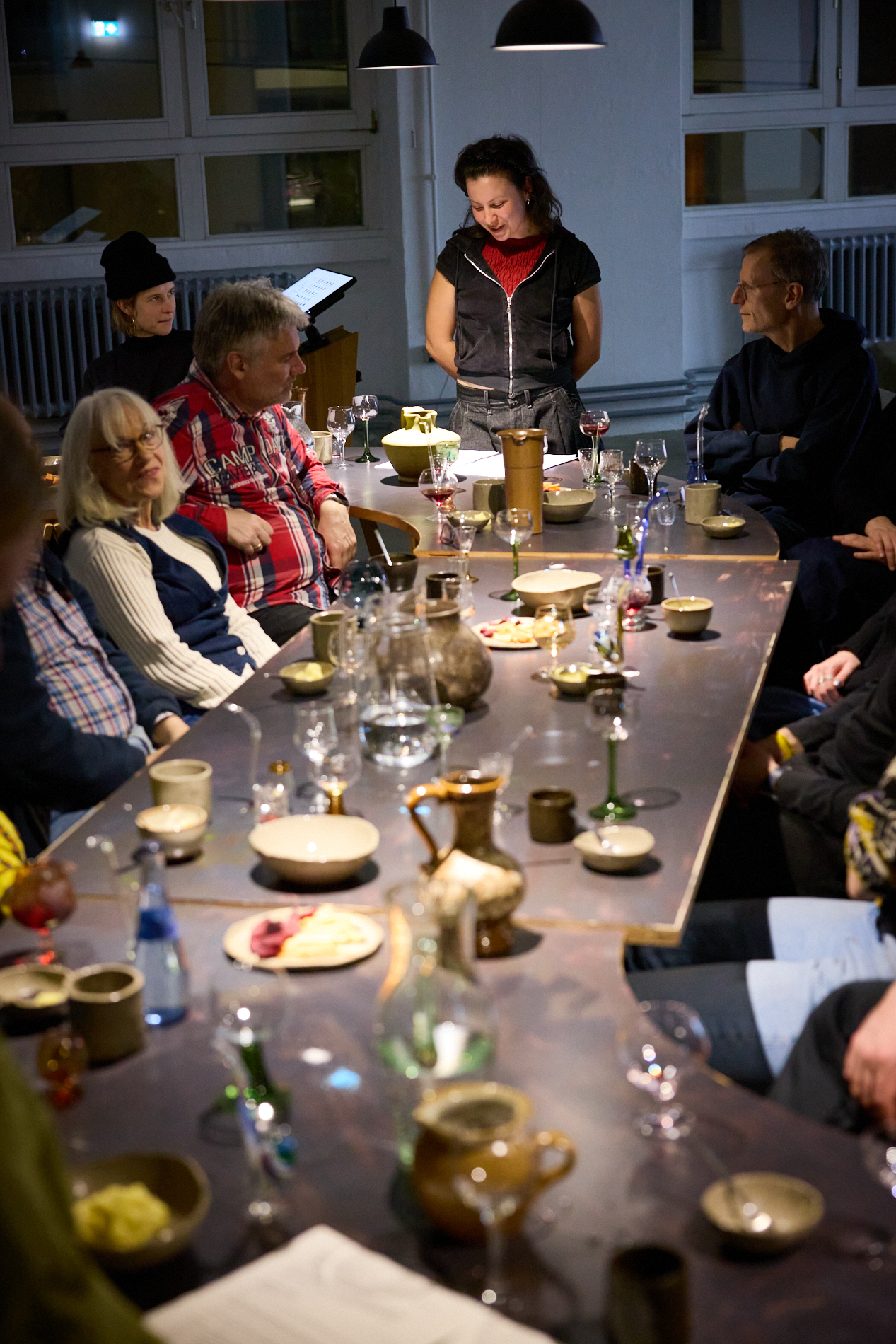
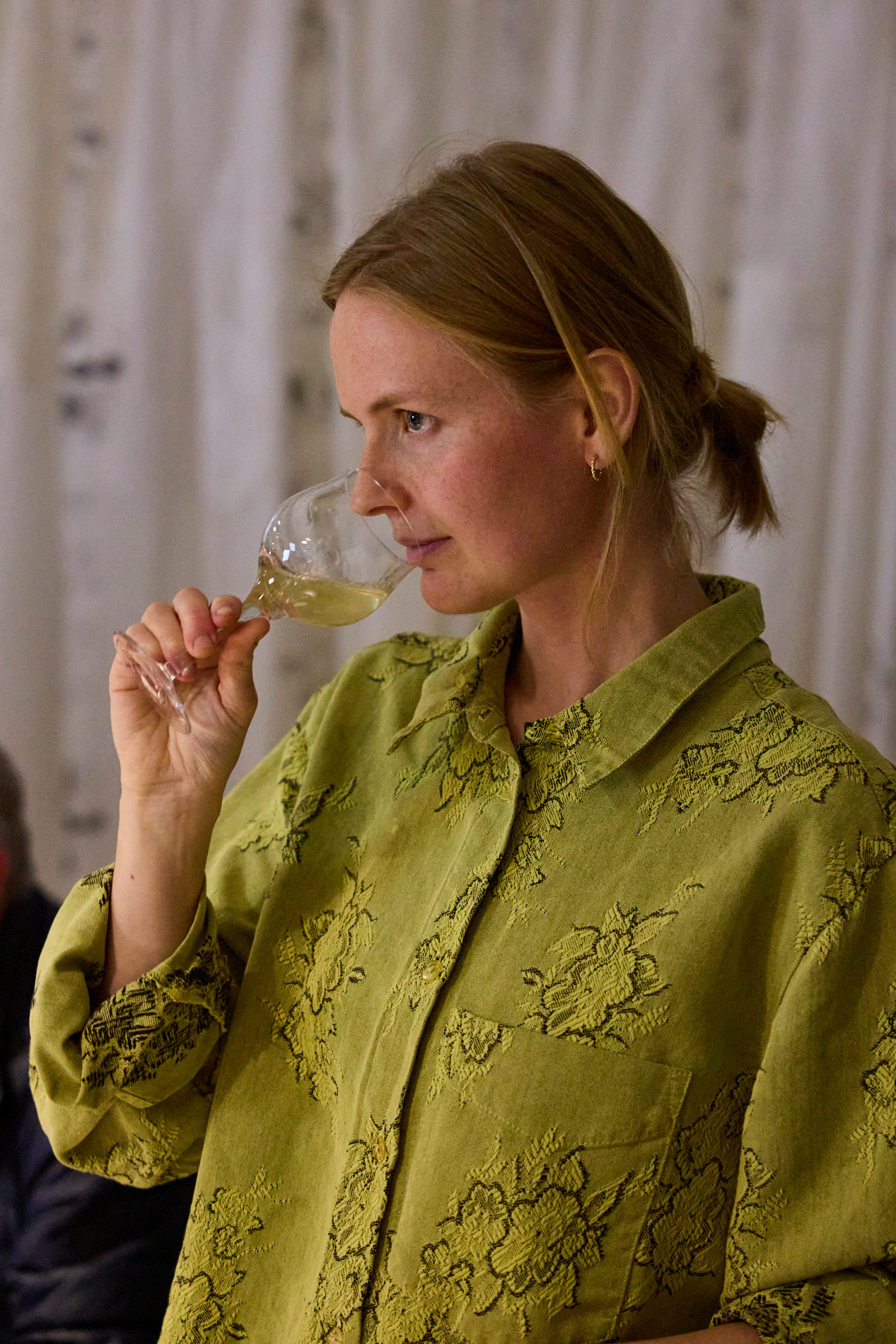
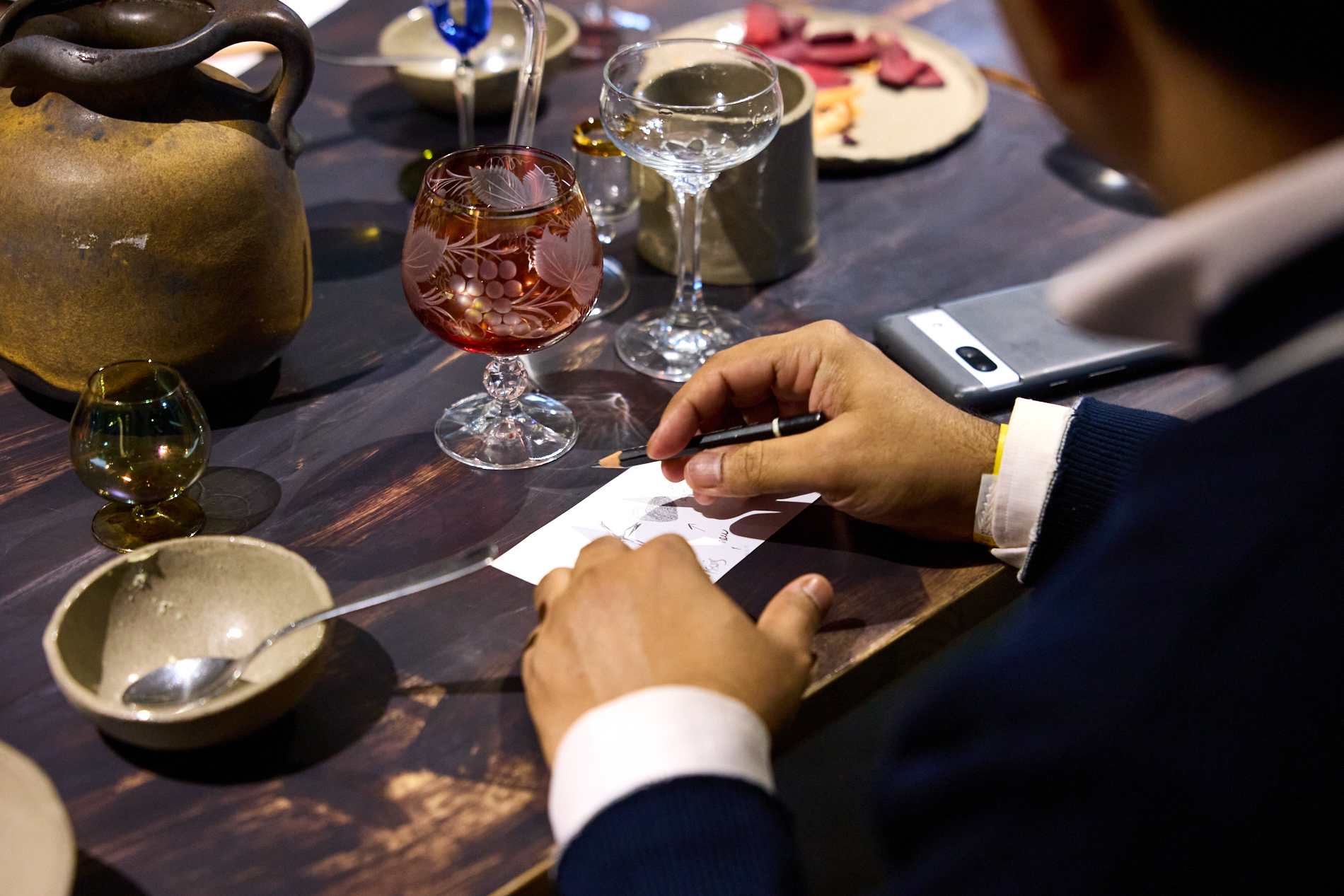
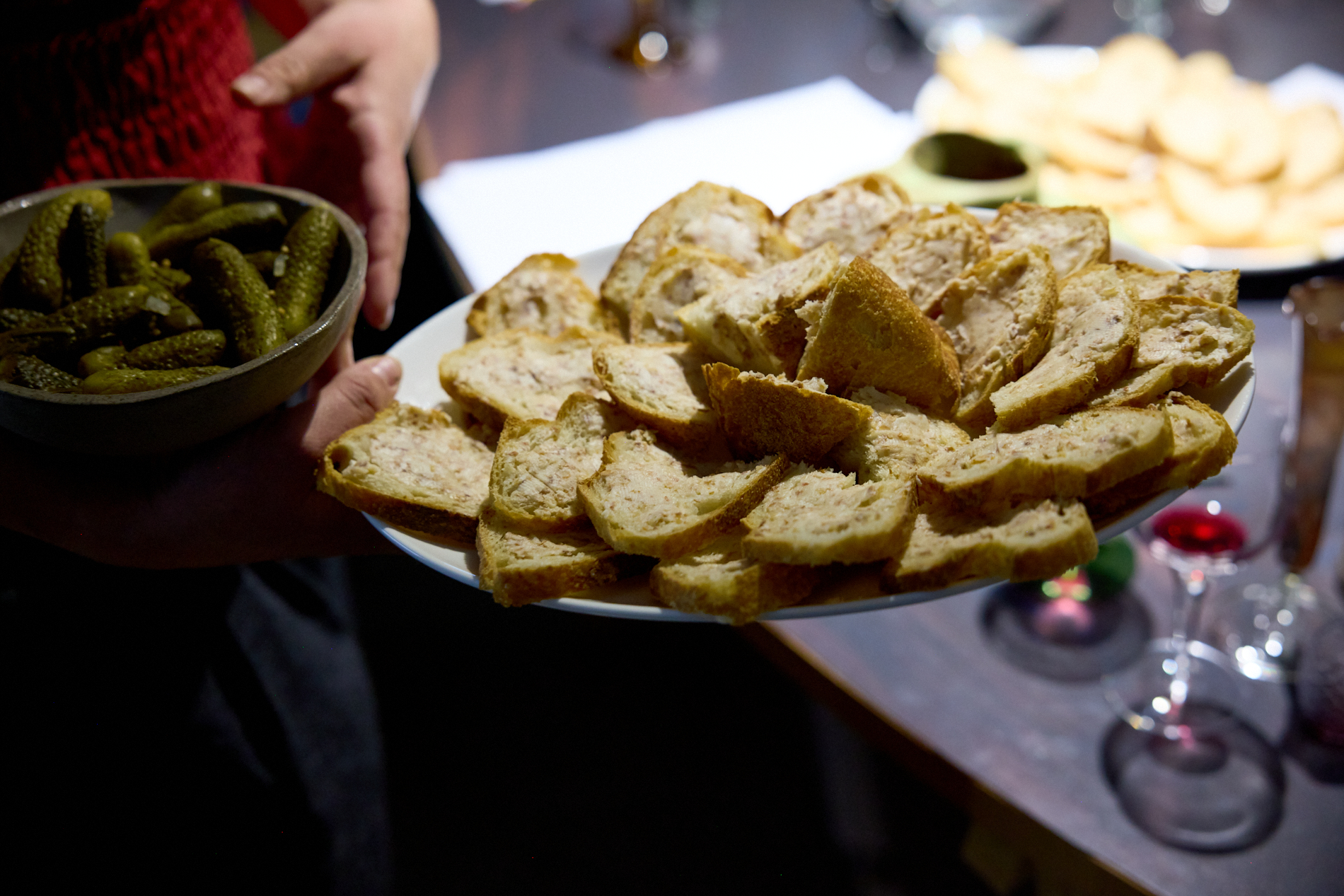
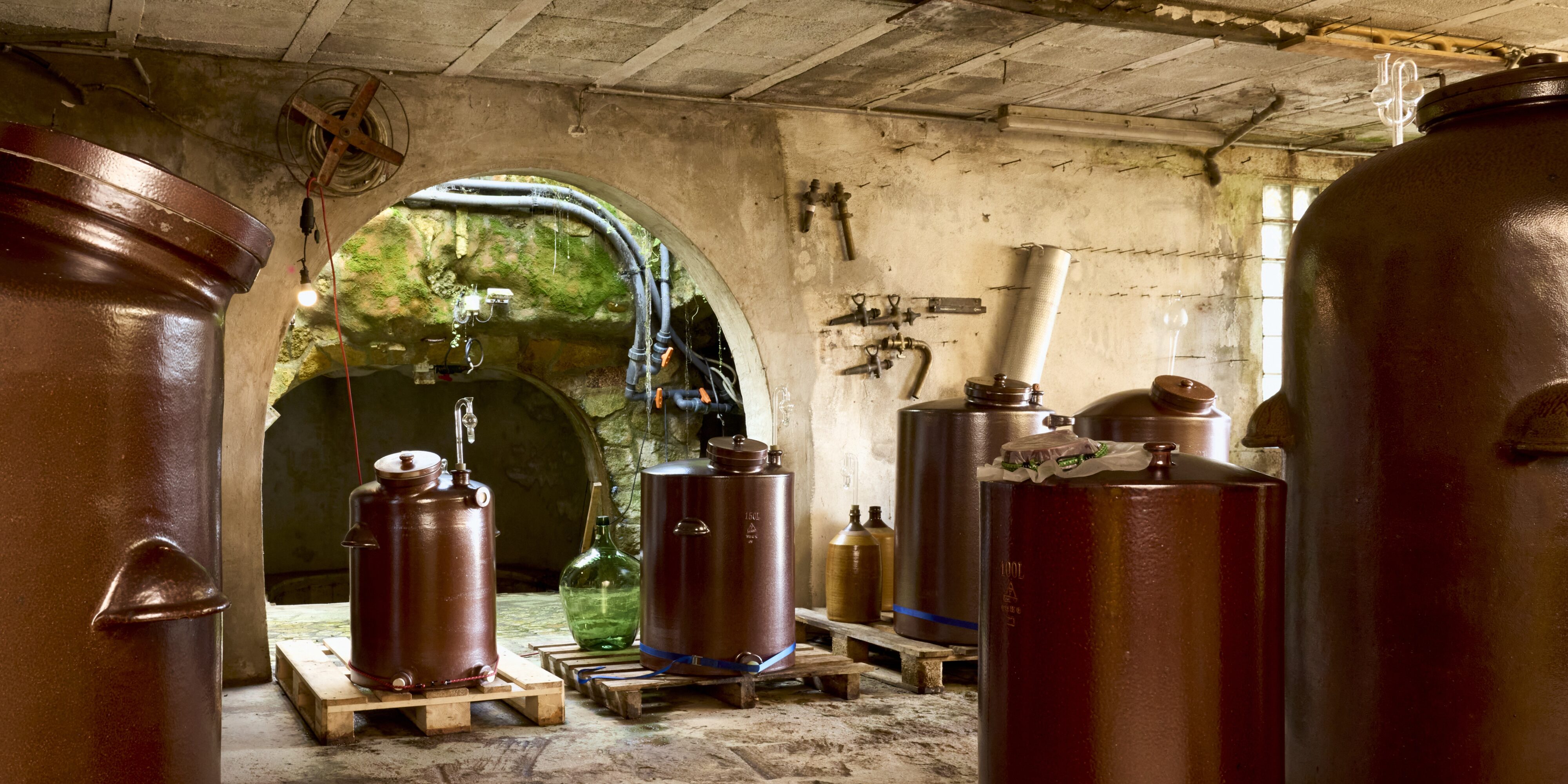
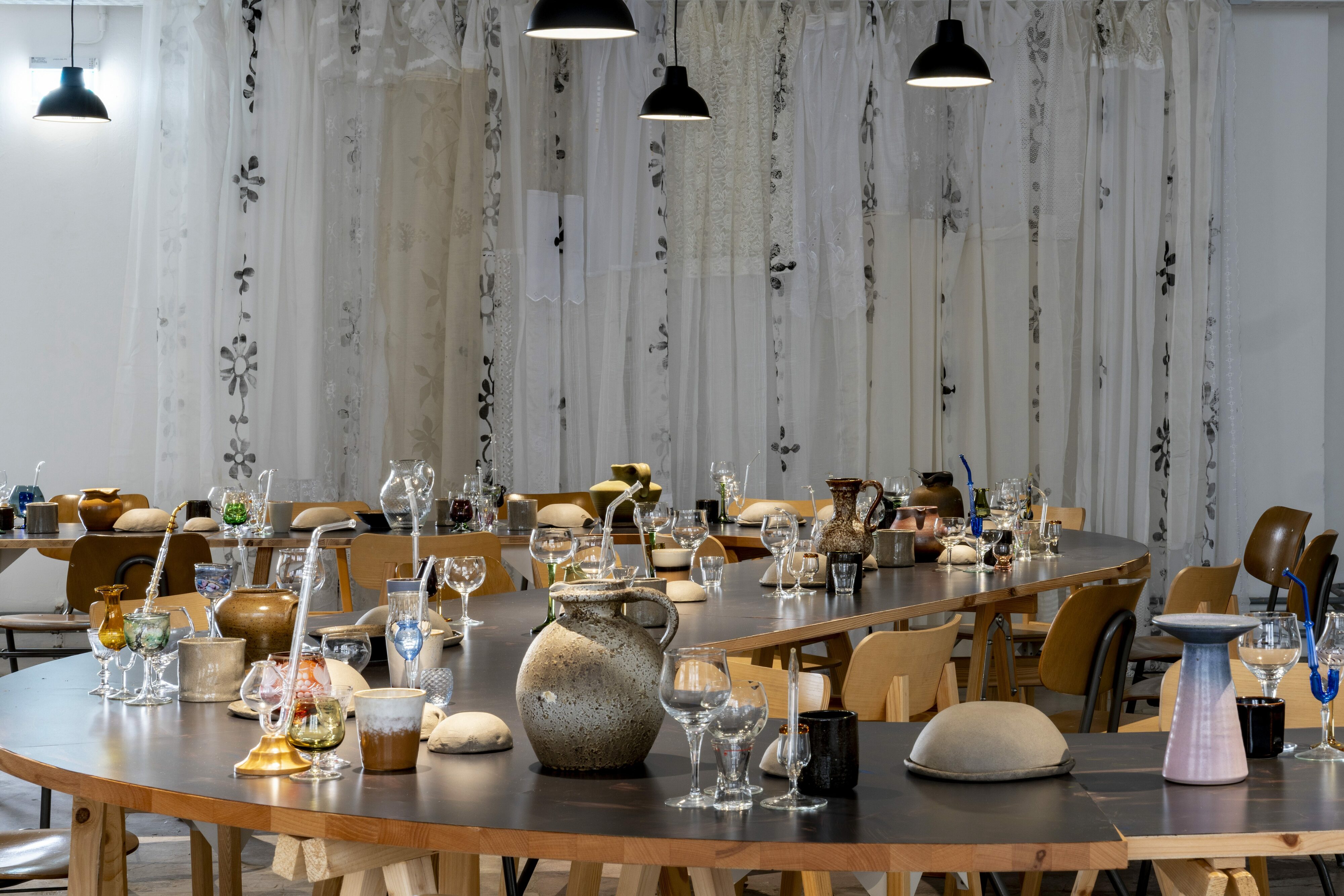
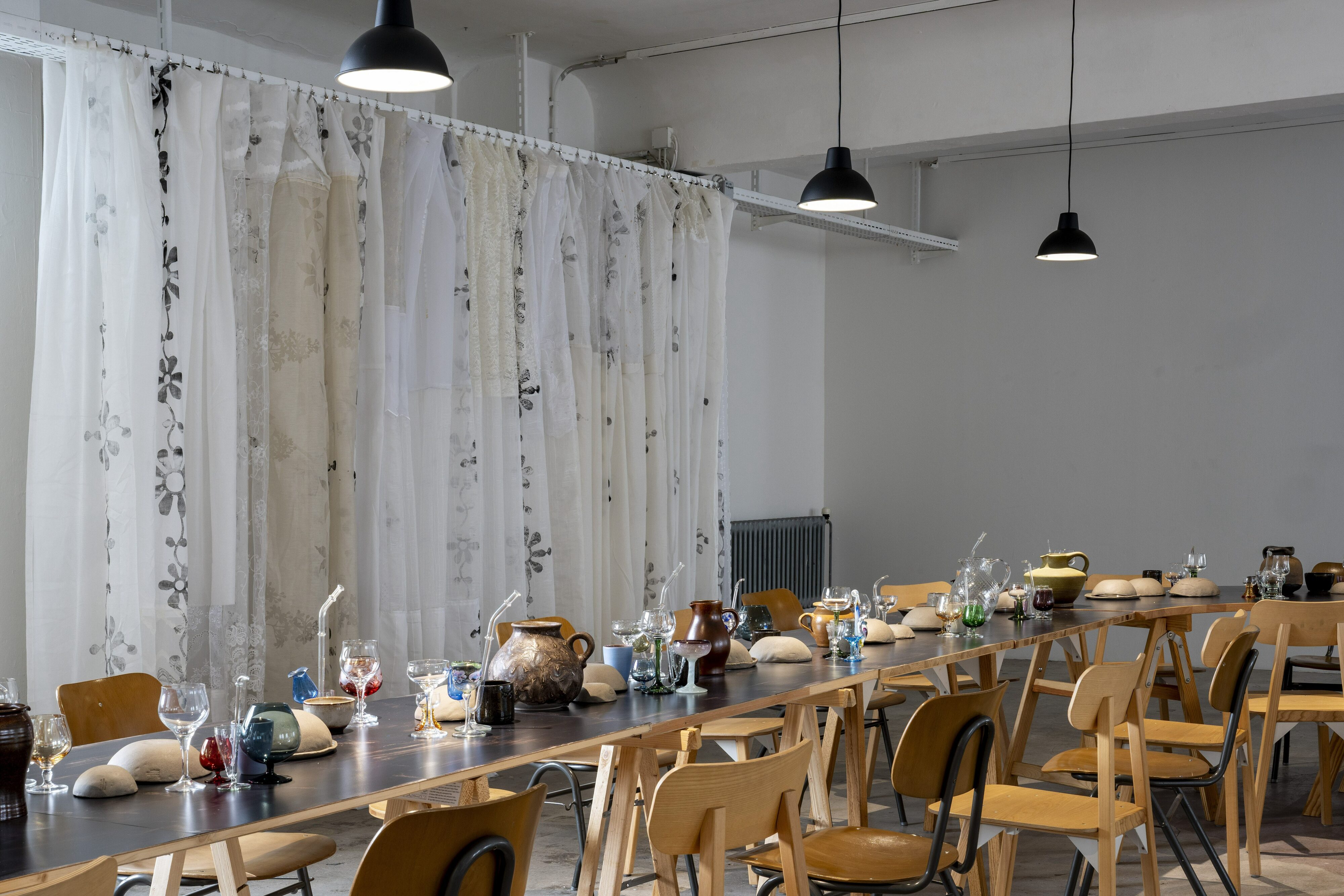
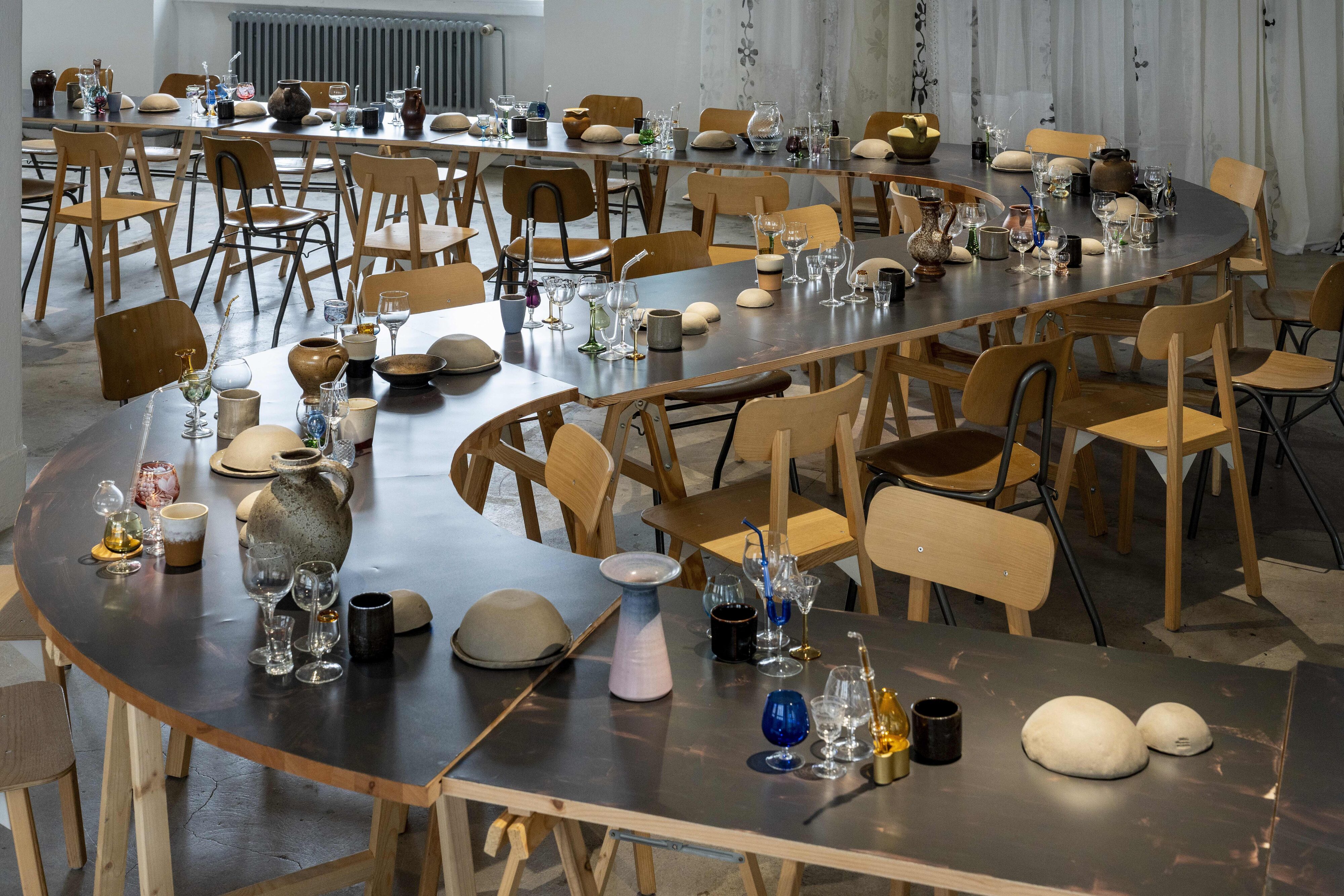
Siggi Kalnbach is known to some as the long-standing technical manager of the Künstlerhaus Stuttgart. He has been active in the arts and culture sector for over thirty years. For just as long, he has been working at the ABK Stuttgart as an artistic-technical teacher in the fields of stage design and performance. He founded a cultural association and was the director of the Marbach Summer Theatre for many years.
In recent years, Kalnbach has become increasingly interested in the subject of light, on which he also gives workshops. He himself calls it ‘investigations of the image in relation to light’. This raises the question for him of what distinguishes an image from a picture and what framing results from this.
For some time now, he has been working on ‘sorting’.
Siggi Kalnbach will present the preliminary results at the 50th Tuesday Workshop at the Künstlerhaus Stuttgart. Afterwards, we invite you to join us for a discussion and exchange.
Tuesday-Workshop
The Künstlerhaus invites an artist or a collective—meaning any artists or cultural workers from any field or discipline—to talk about their working methods as well as their backgrounds and approaches. We want to establish a platform for a more in-depth interaction with regard to artistic practice, and in doing so to create a network, show solidarity, and mutually strengthen one other.
The series is aimed at all members of Künstlerhaus Stuttgart, artists either living in Stuttgart and the surrounding area or just traveling through, all cultural workers, art mediators, curators, etc., and is open to everyone!
„rooms, walls and corridors that sing”
Maryanne Amacher
Musician, performer, and live sound engineer Fender Schrade invites you to a special listening session in the recording studio. In “Fingerprints,” field recordings, sound manifestations, and the acoustic characteristics of the rooms merge into a shared musical event. Schrade works with his body and understands the spaces in which he operates as living resonance surfaces. He uses these spatial events as an archive and mirror of himself, a means of making encounters with people and the machines of electroacoustic music tangible. This creates intense encounters and new connections between the people around him. In this session, Schrade not only opens doors to his sound worlds, but also to the sources of inspiration for his work.
This is the seventh event in the ‘Listening Sessions’ series in the recording studio at Künstlerhaus. Artists are invited to bring along the music that inspires, shapes and accompanies them. We will listen to this music together in the recording studio.
The regular series offers a space to exchange ideas about sonic influences and personal connections to music. This series of events was conceptualised by Lena Meinhardt, artist and manager of the audio workshop at Künstlerhaus.
As places in the recording studio are limited, please register at audio@kuenstlerhaus.de

With “Terra Alchimia – Landscape in the Making,” Freia Achenbach & June Fàbregas (anima ona) initiate and foster an atmosphere at the Künstlerhaus Stuttgart in which three states of what they call “earthbeing” come into interaction with one another. Anima ona integrate their ongoing research projects on the transmutation of soil and rock, vegetation in urban space, and the innovative use of agricultural by-products, into a common spatial narrative about material cycles, growth, and transience.
Out of alchemy-inspired material transformations, architectural fragments, and urban interventions, there emerge poetic and pragmatic visions of a differently built environment that comprises care, diversity, and ecological embedding as its constituent spatial qualities. The atmosphere unfolds as a process of growth: beginning on January 16, it will only gradually take its full shape by the vernissage on
14 February.
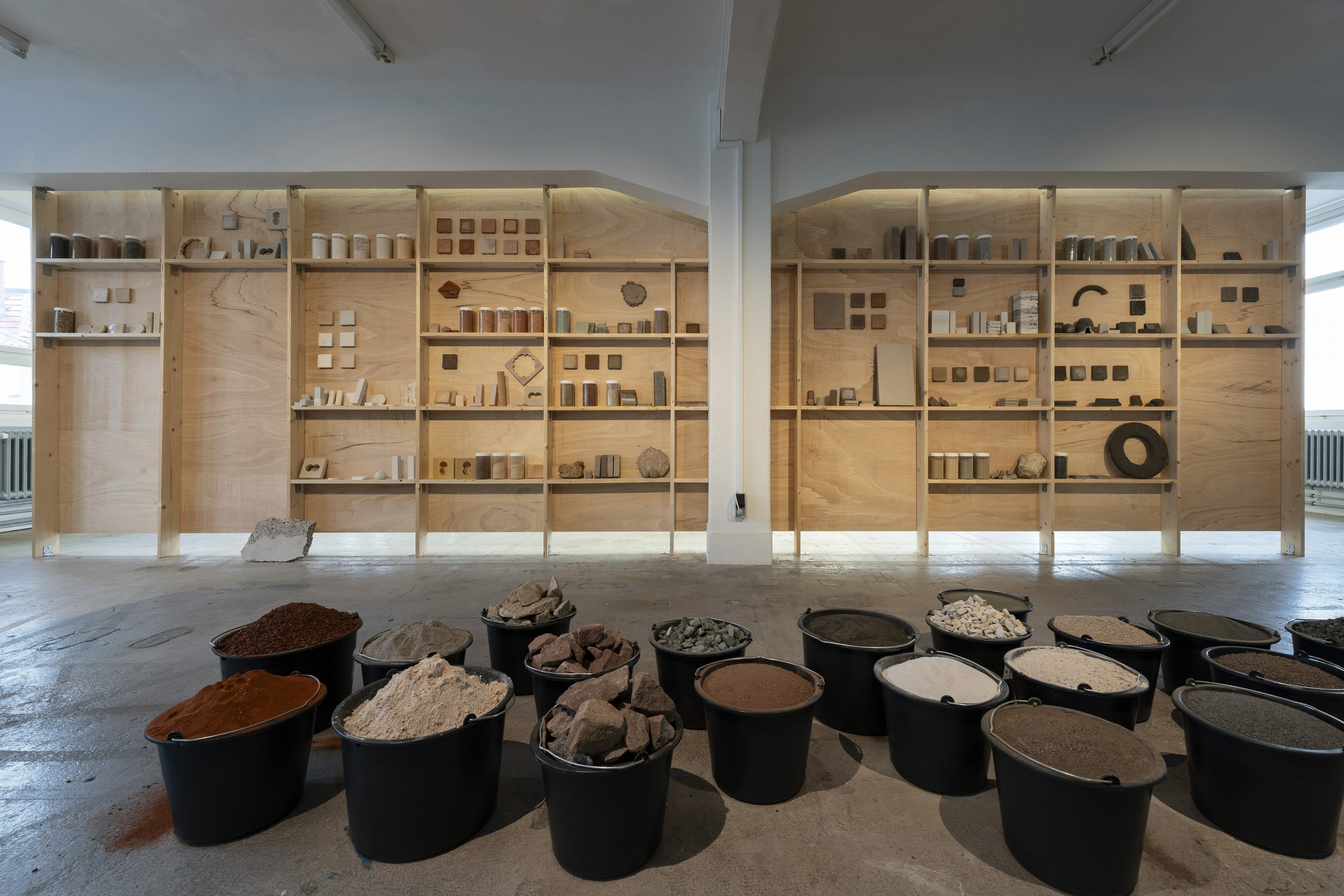
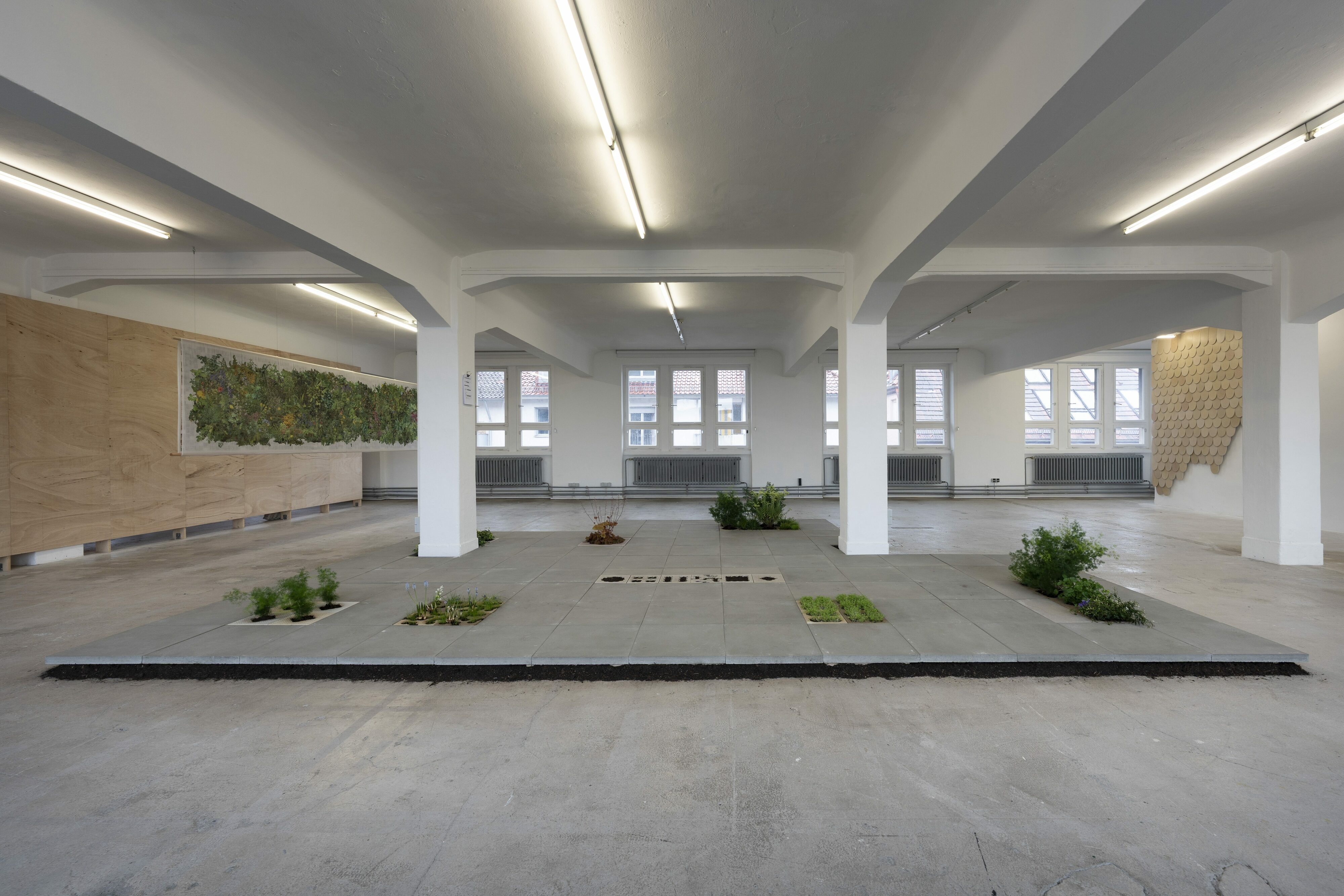
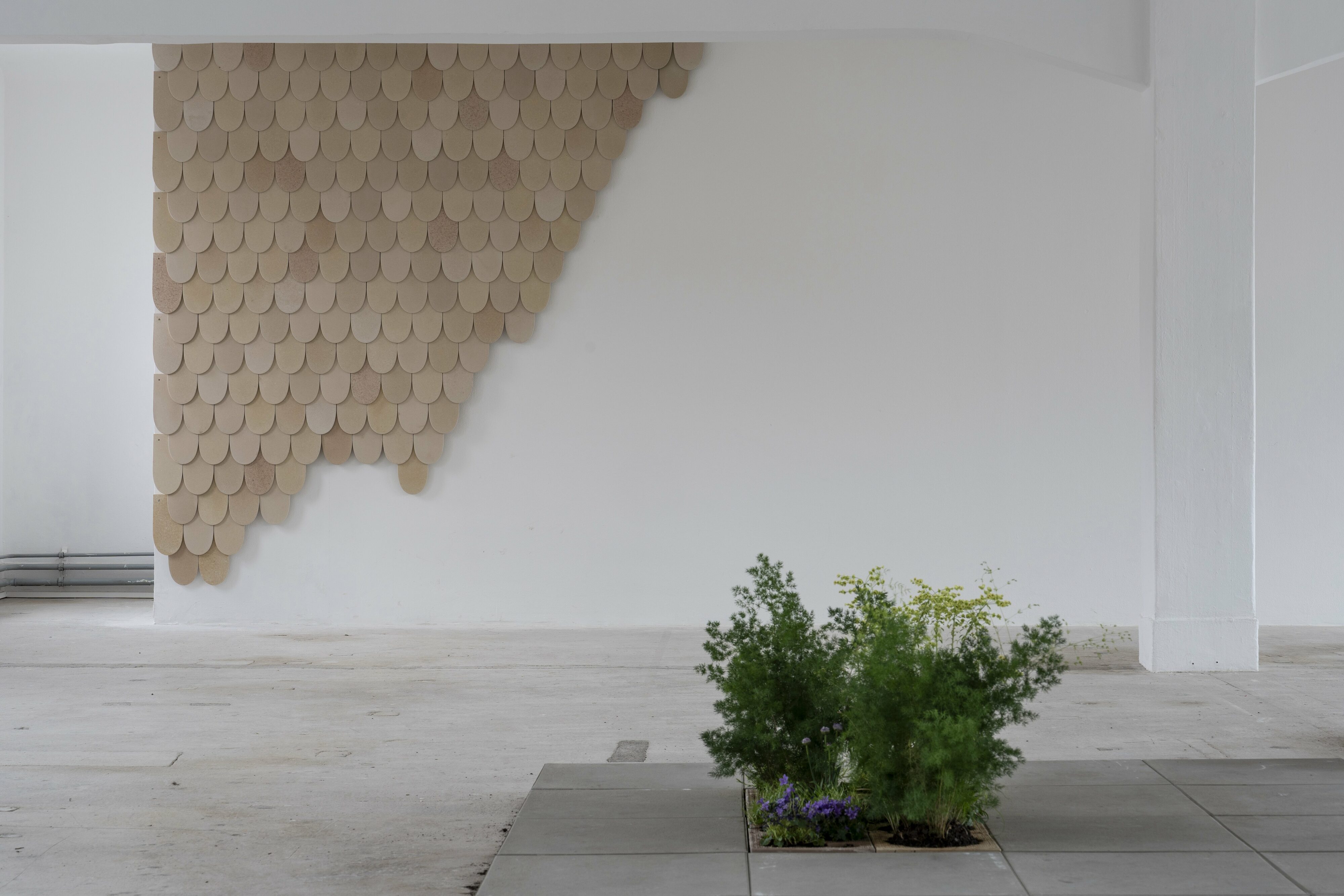
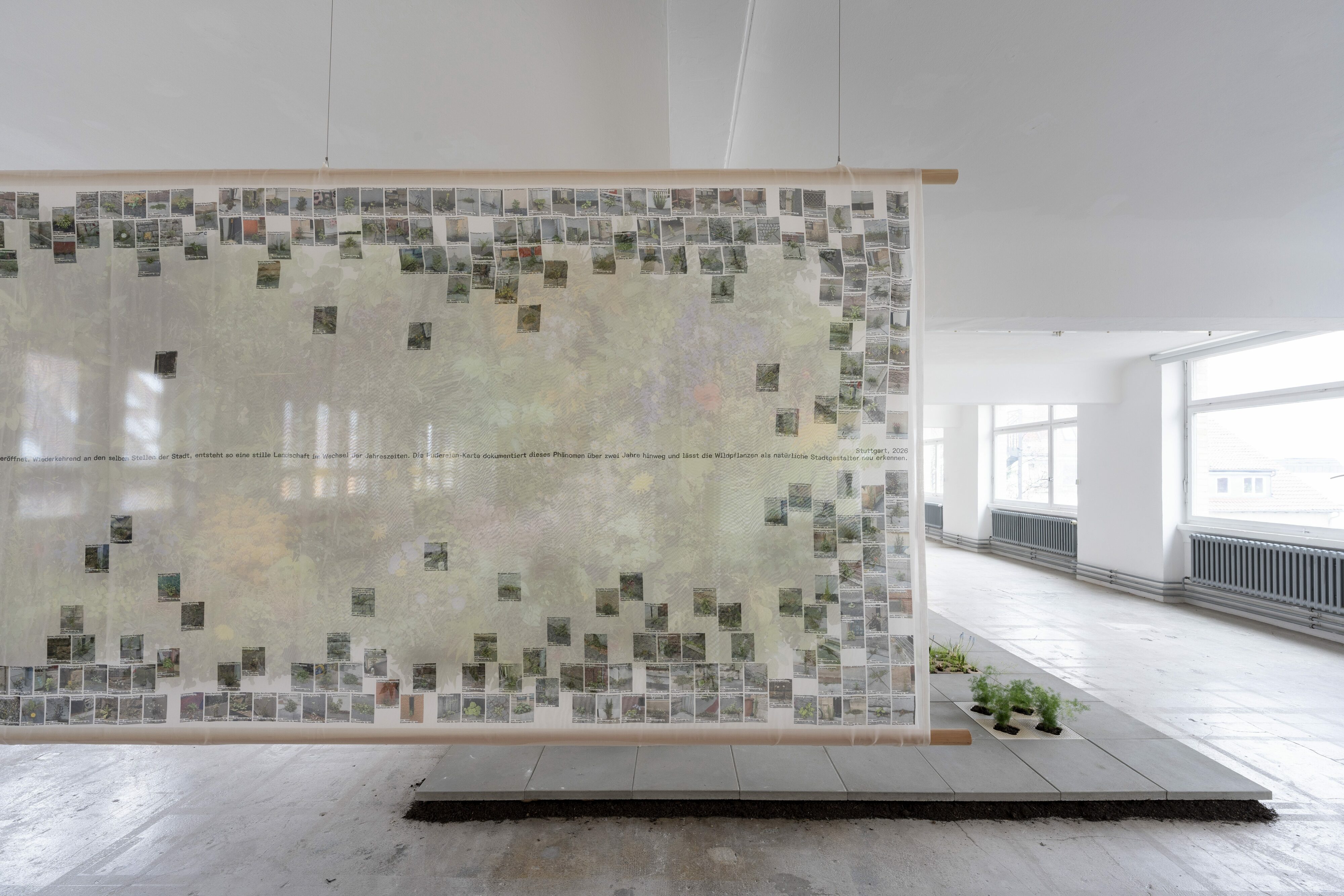
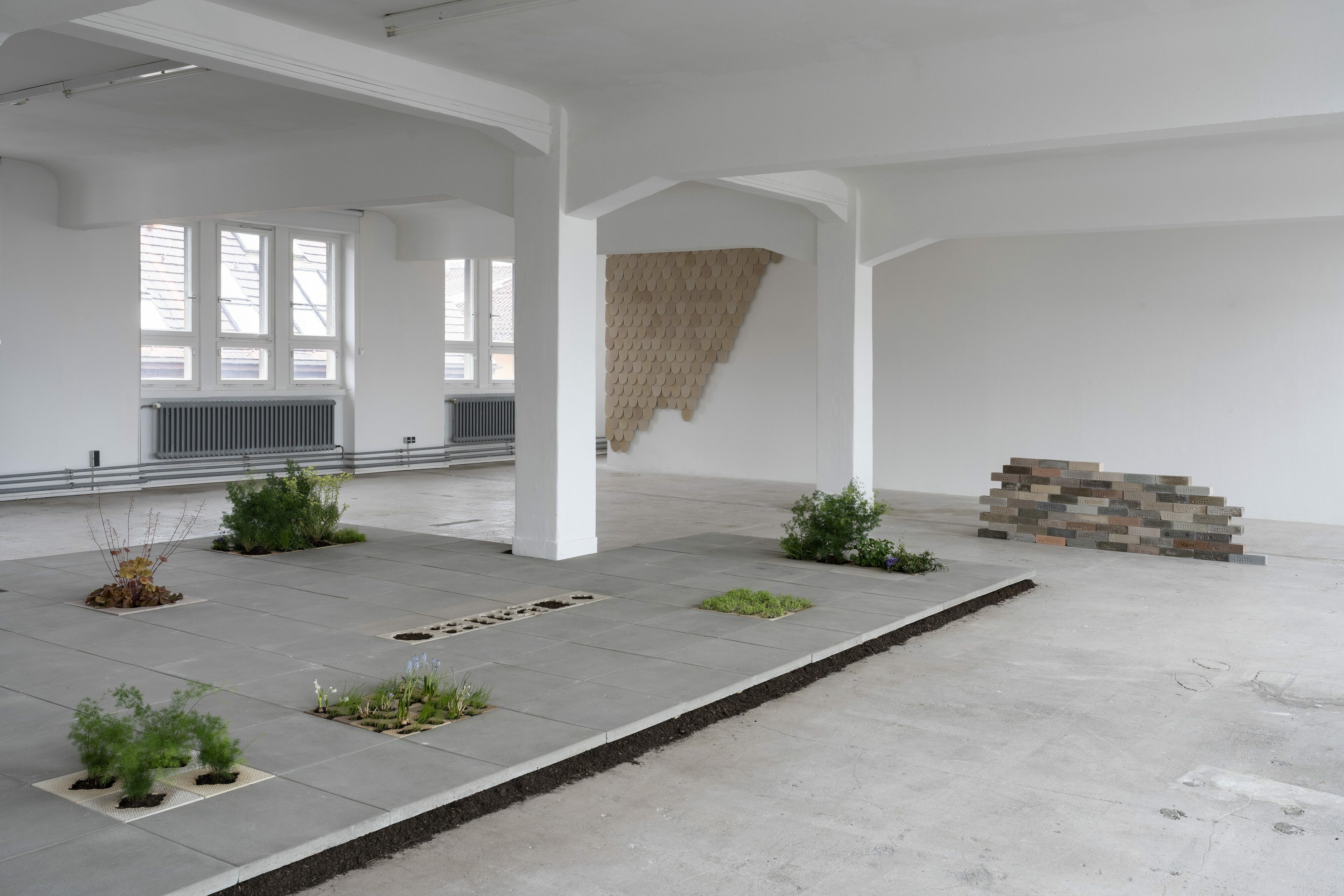
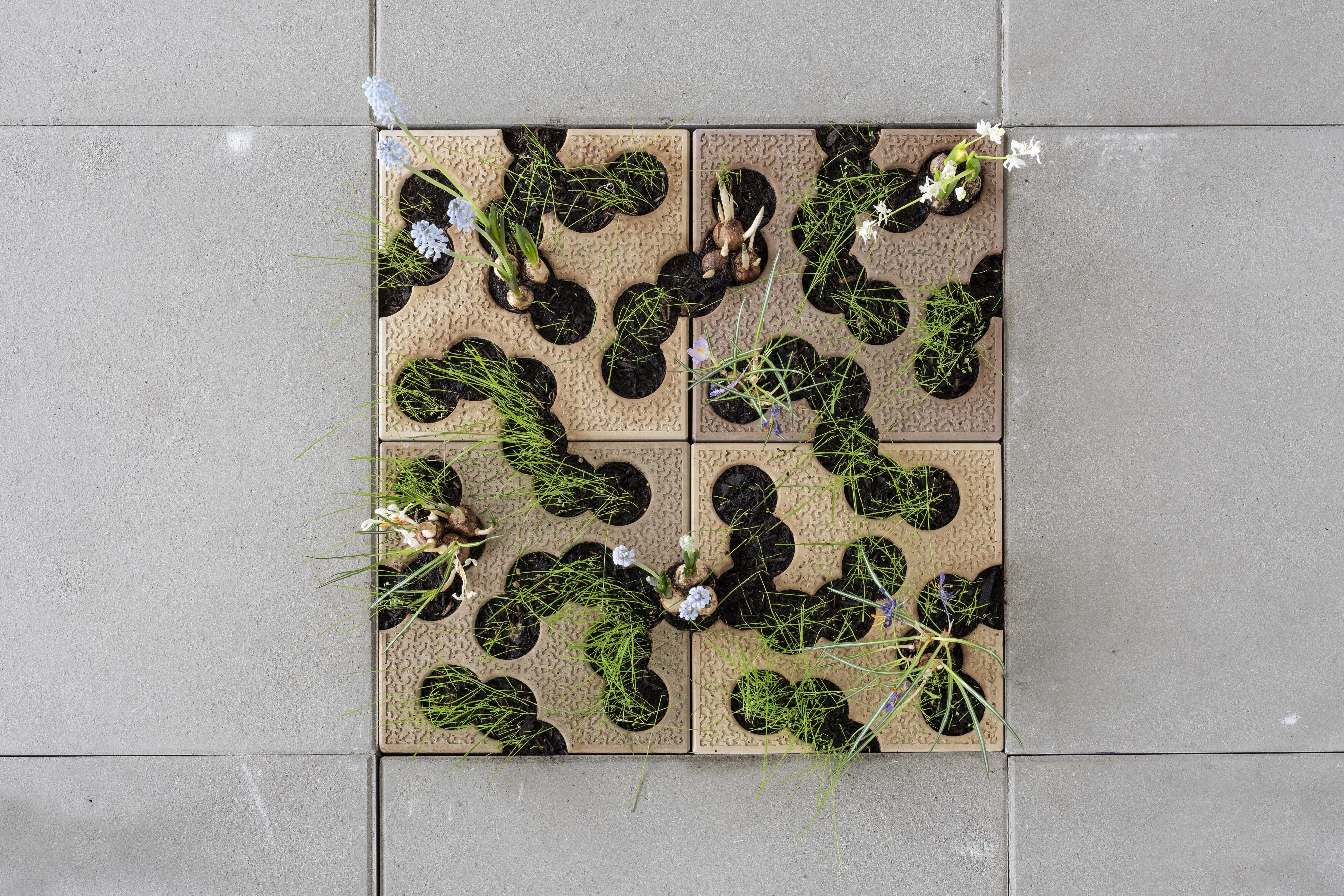
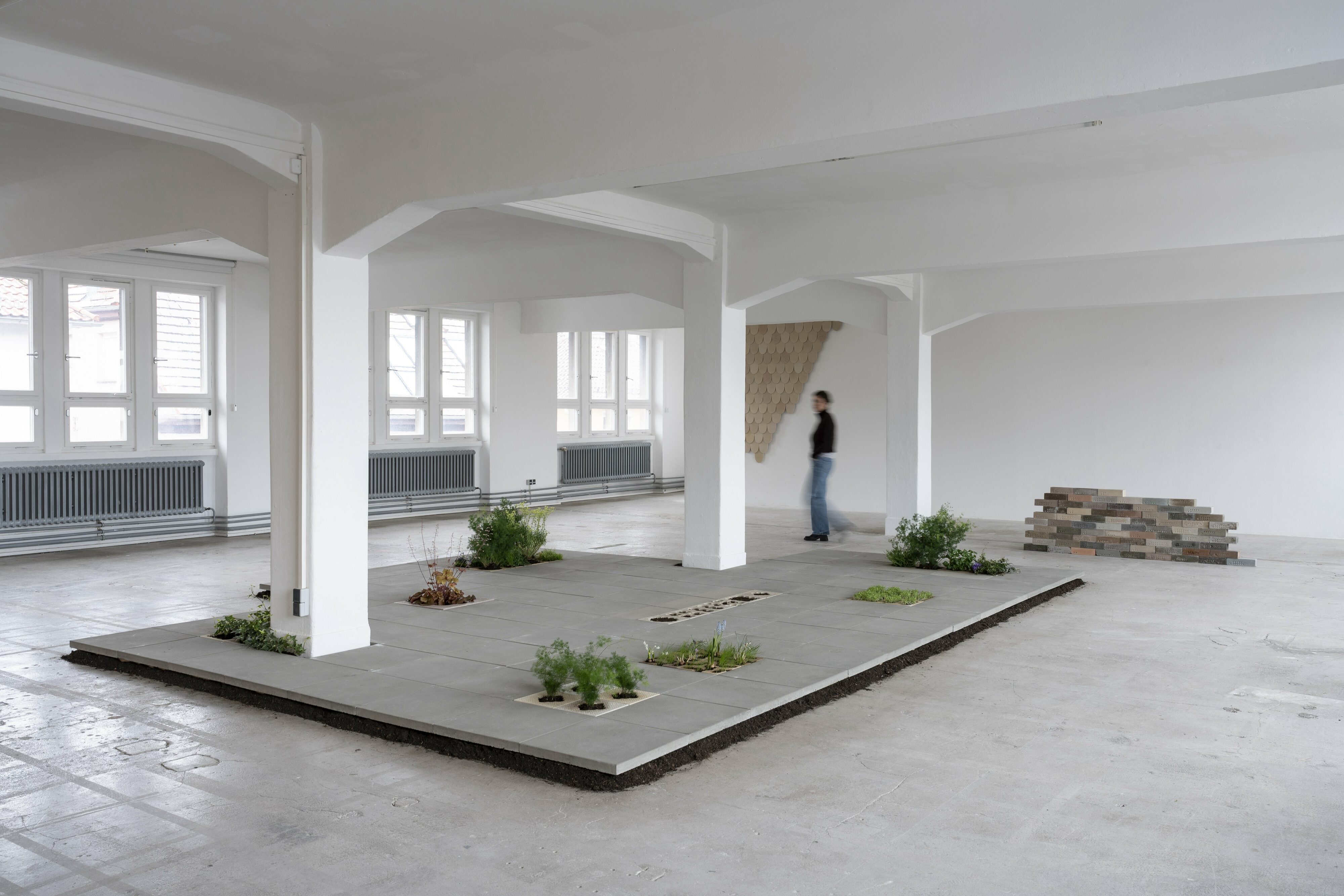
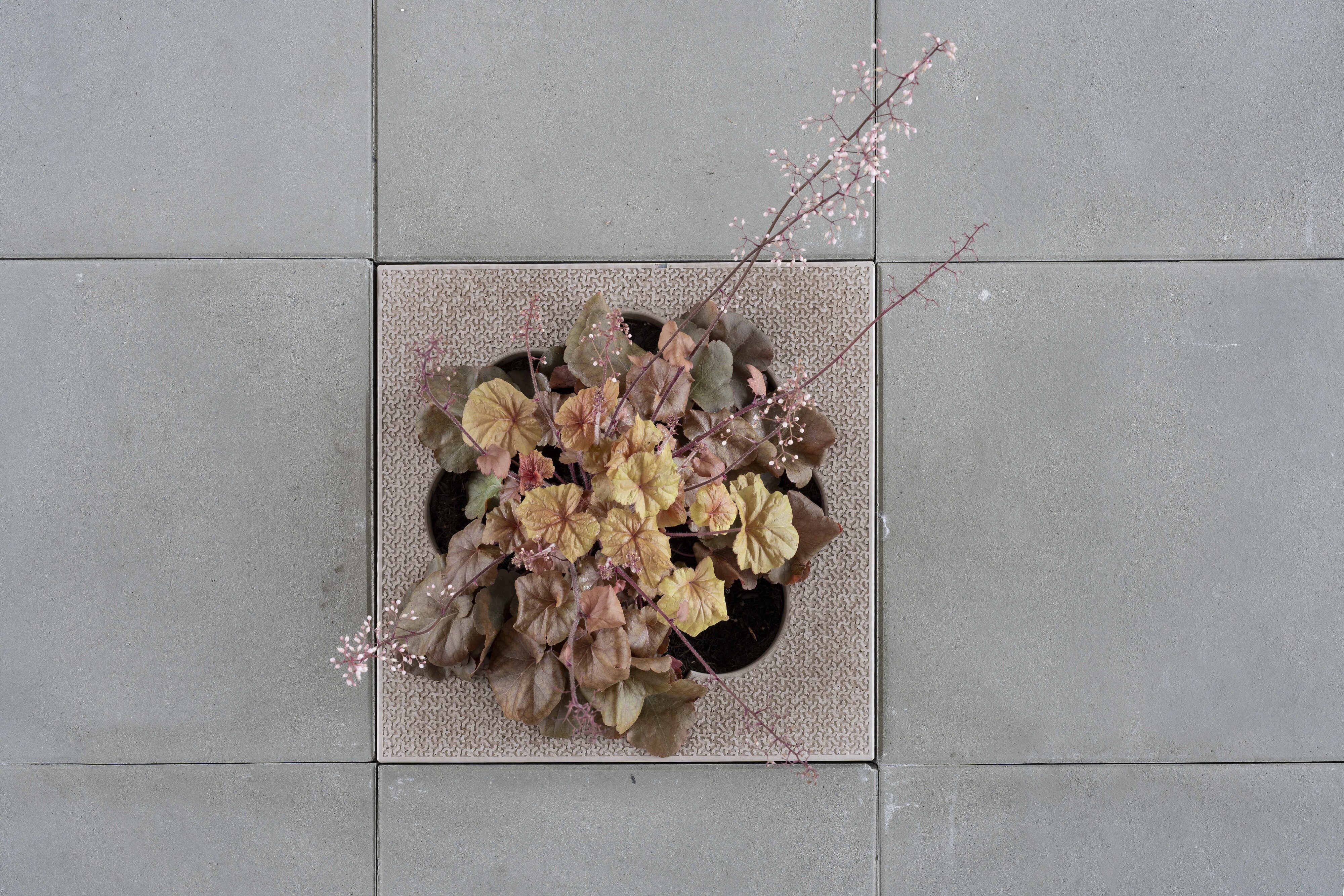
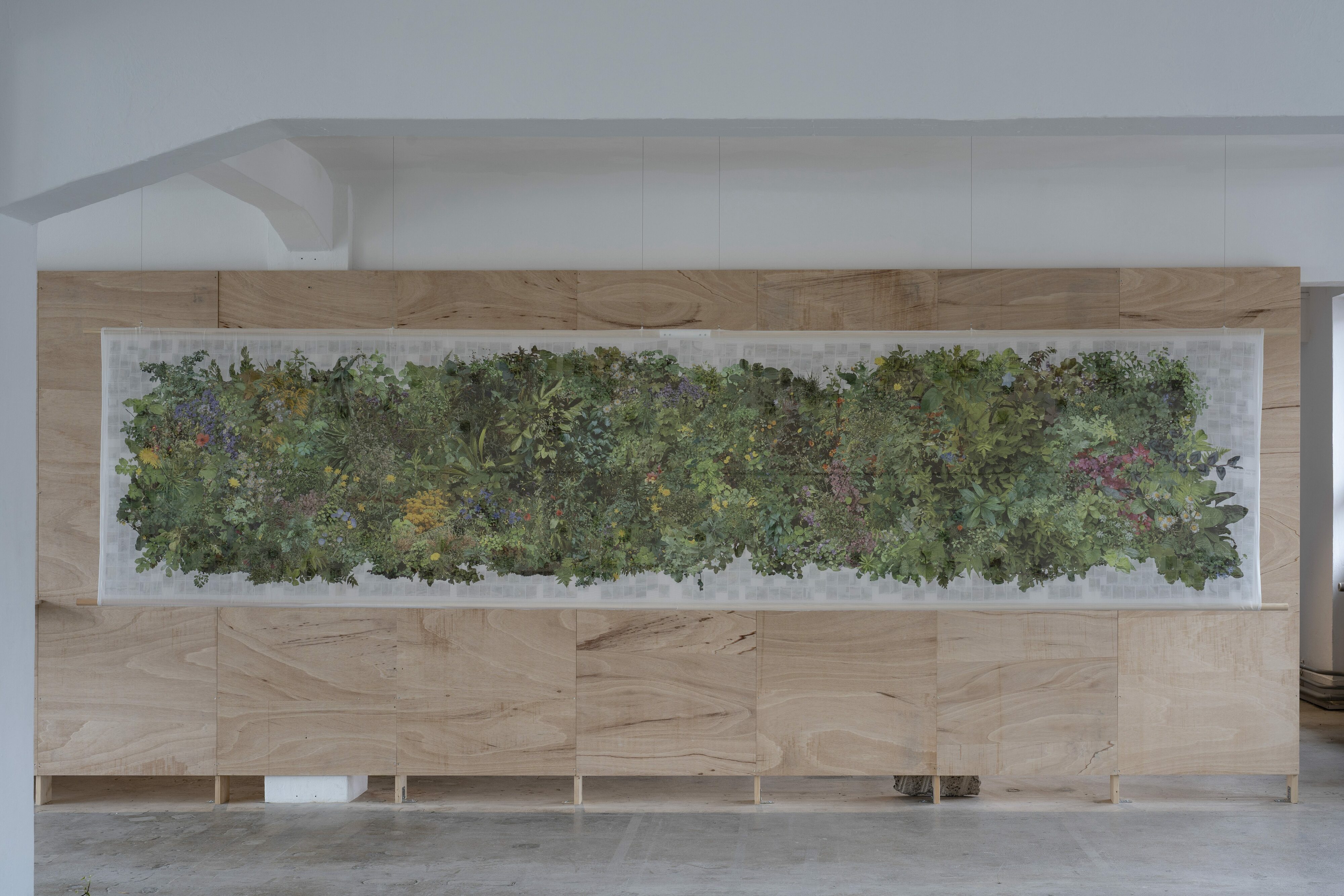
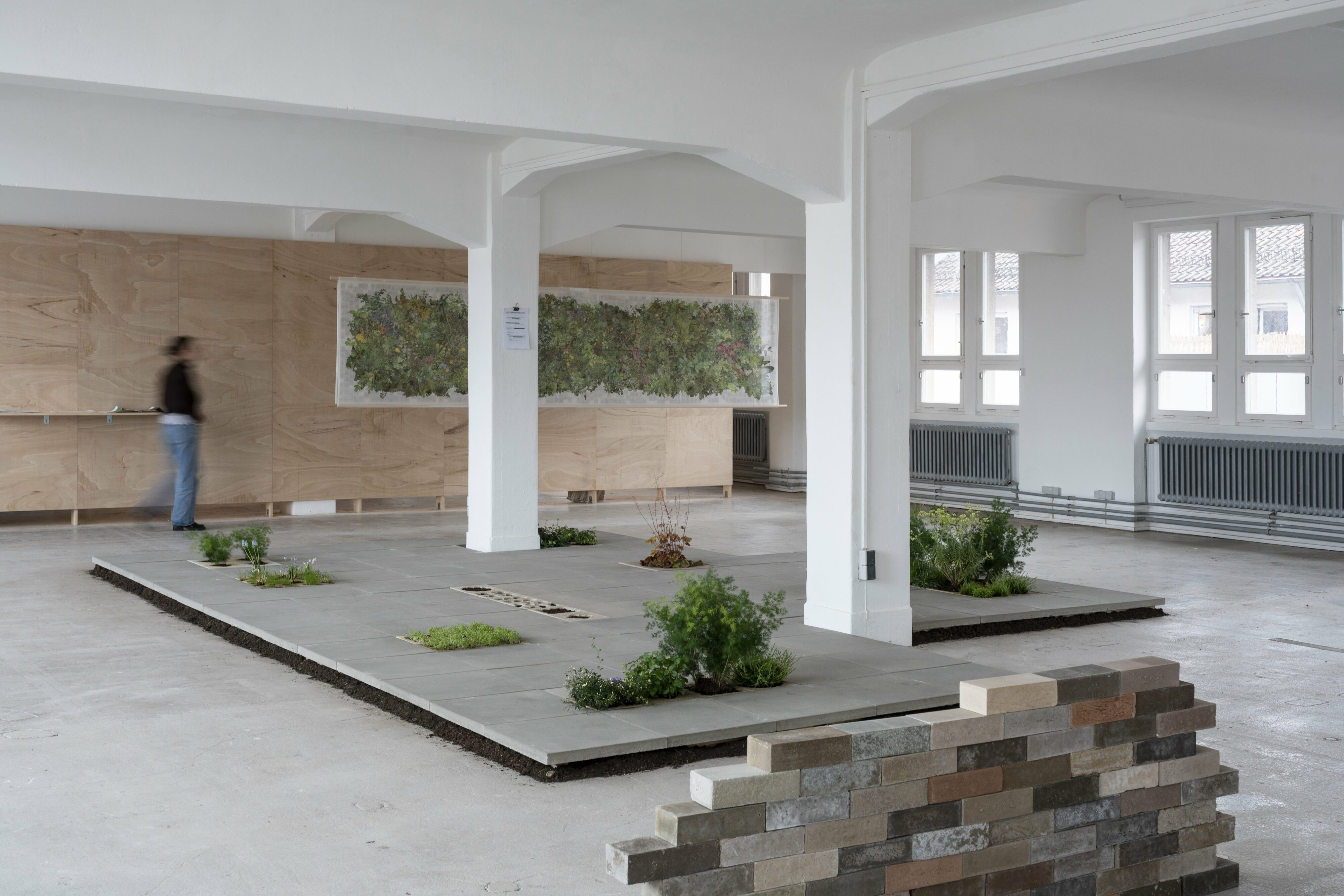
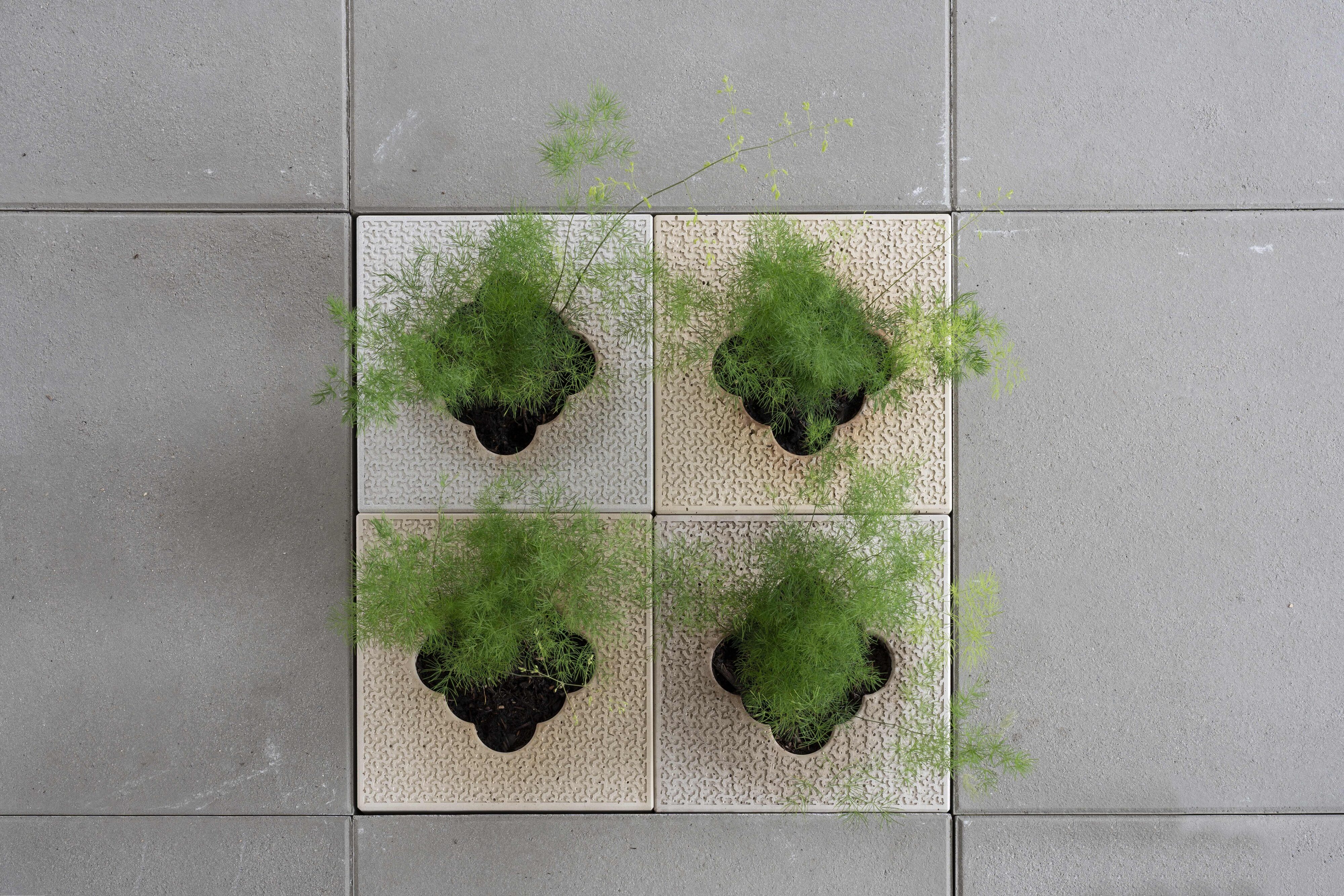
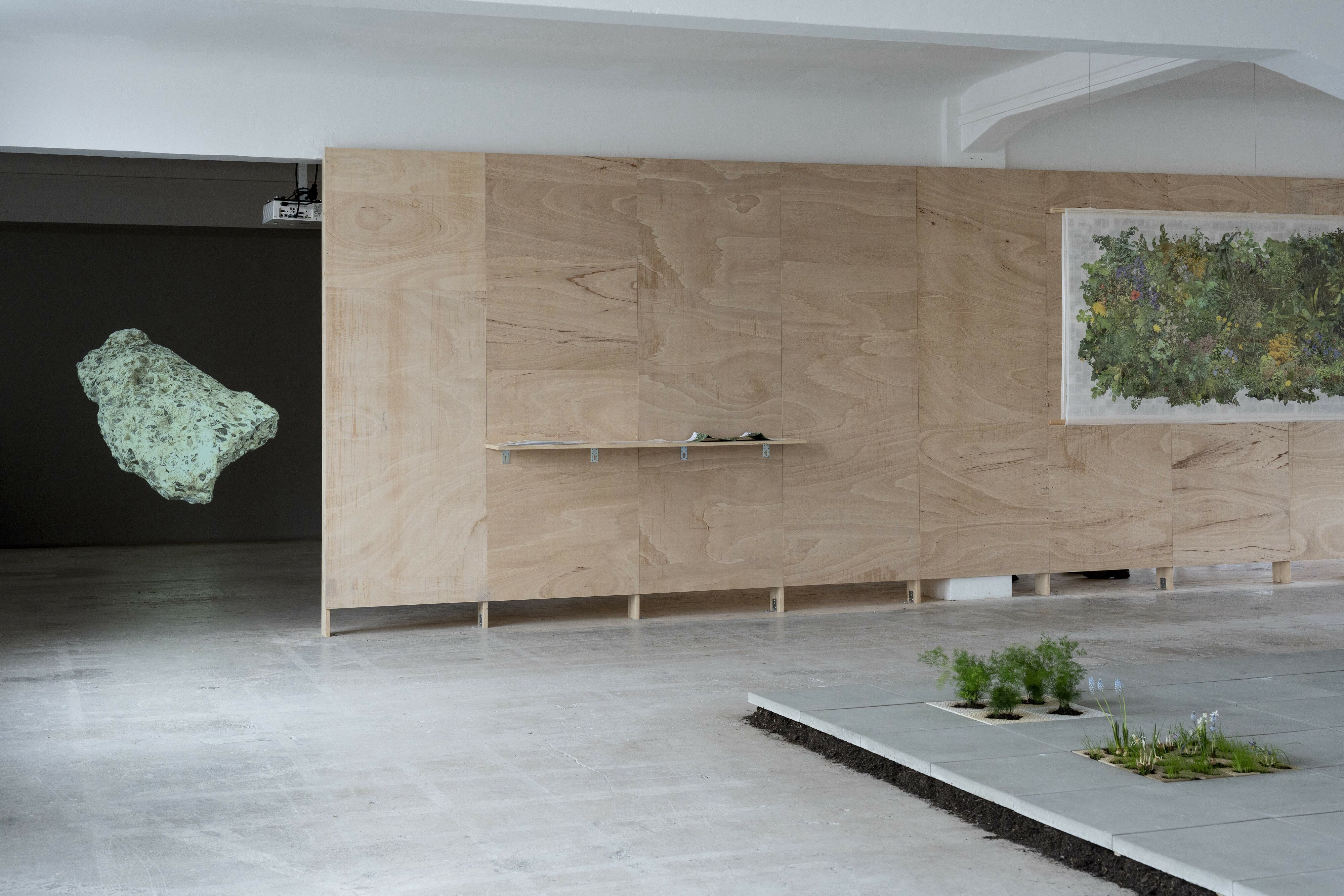
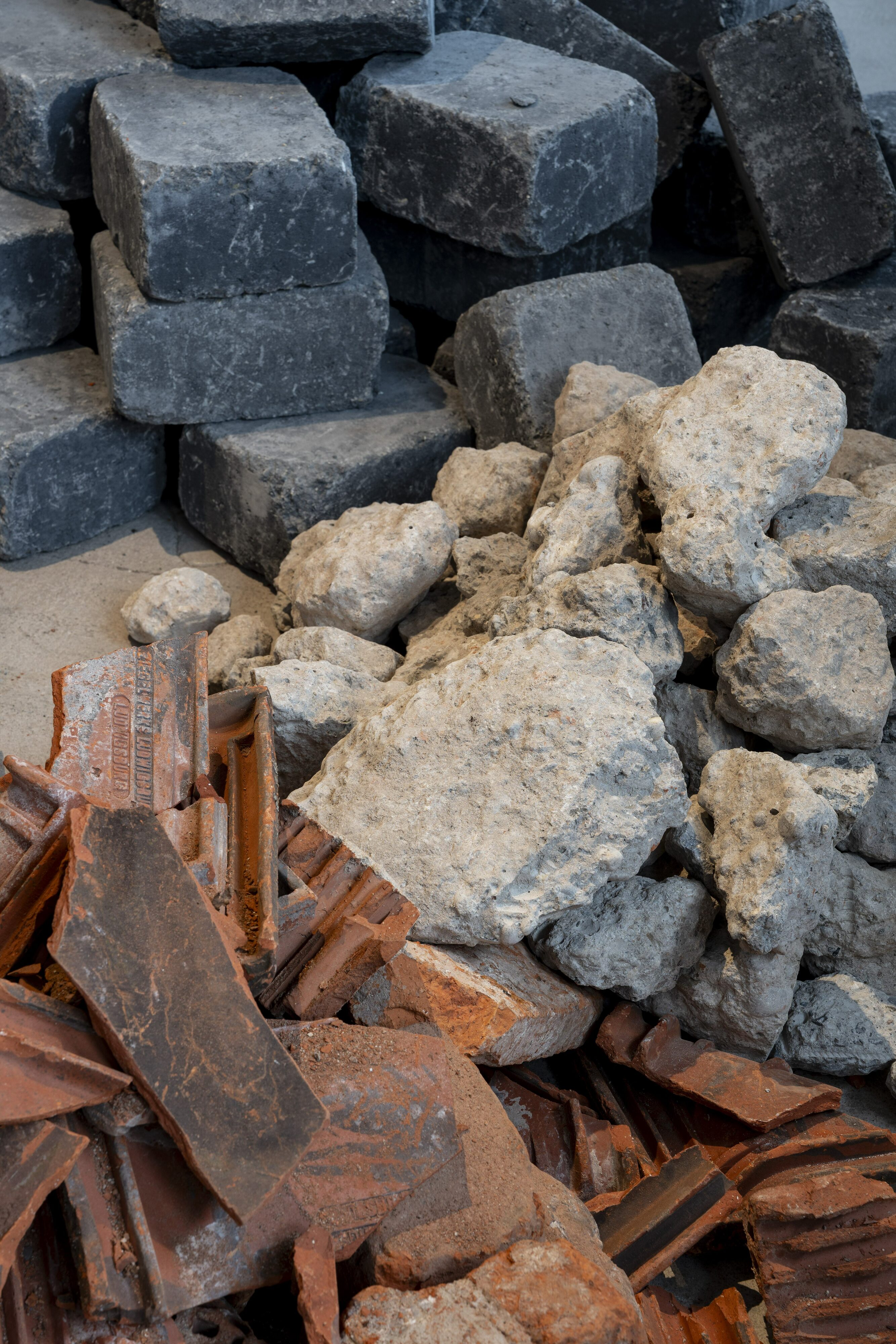
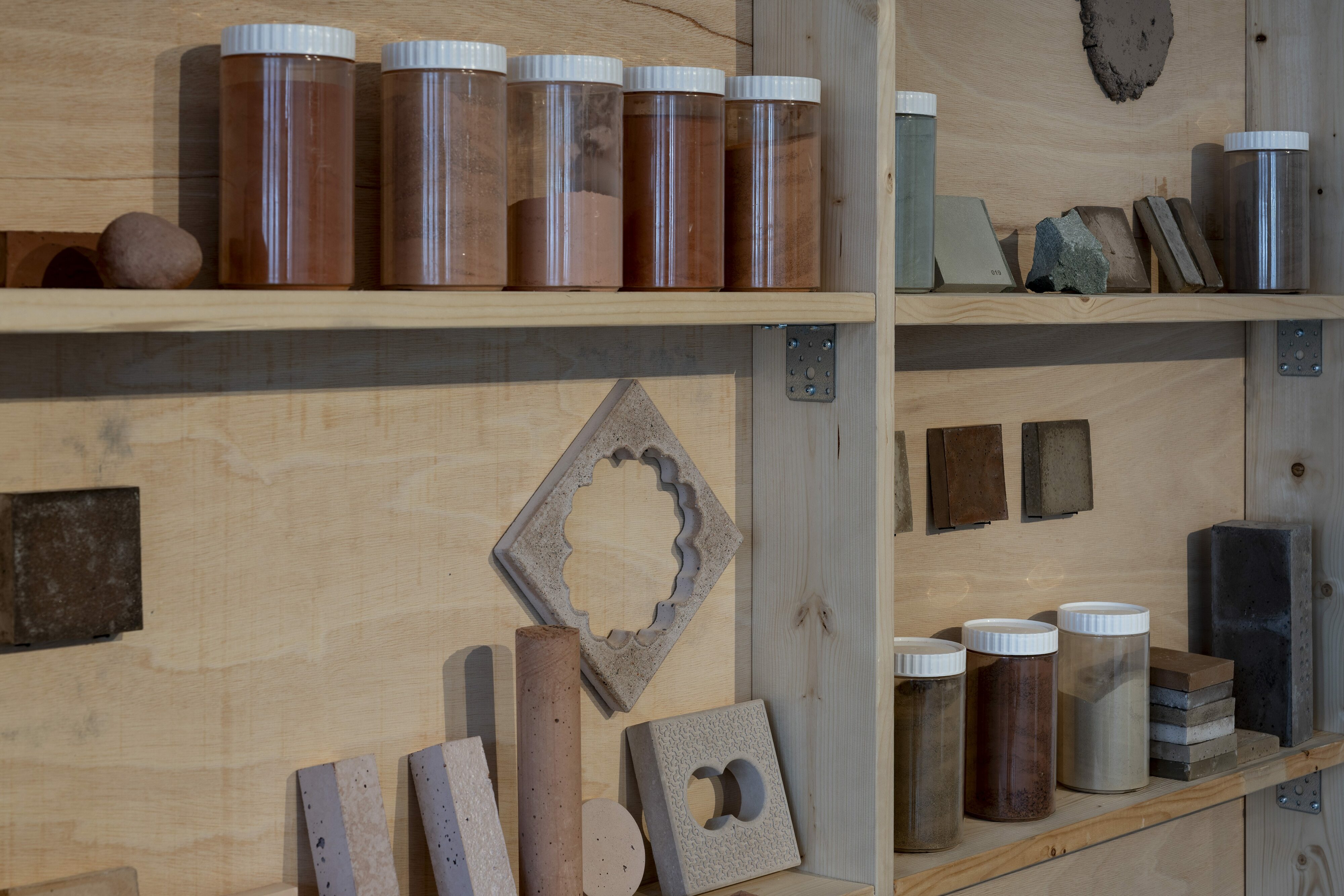
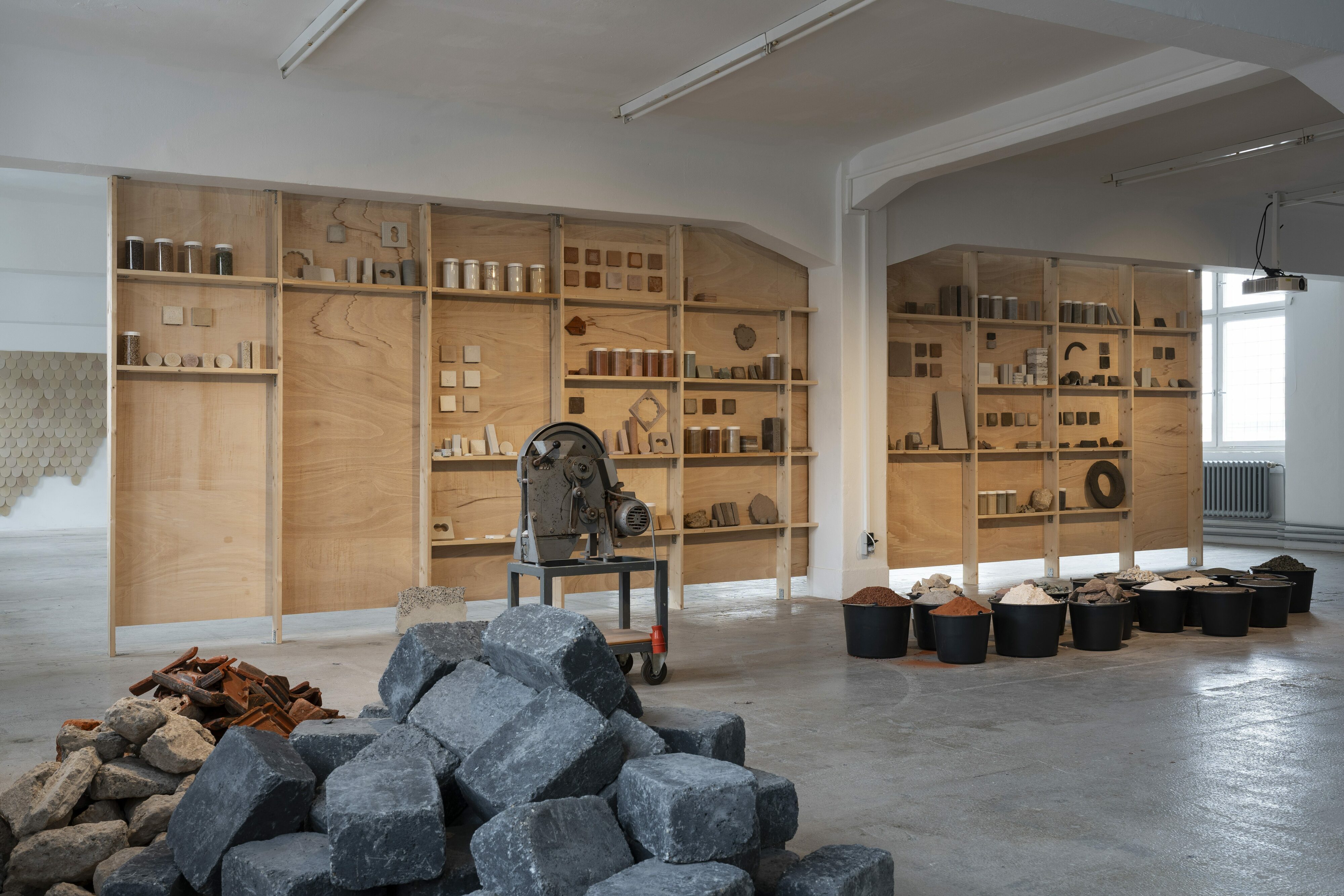
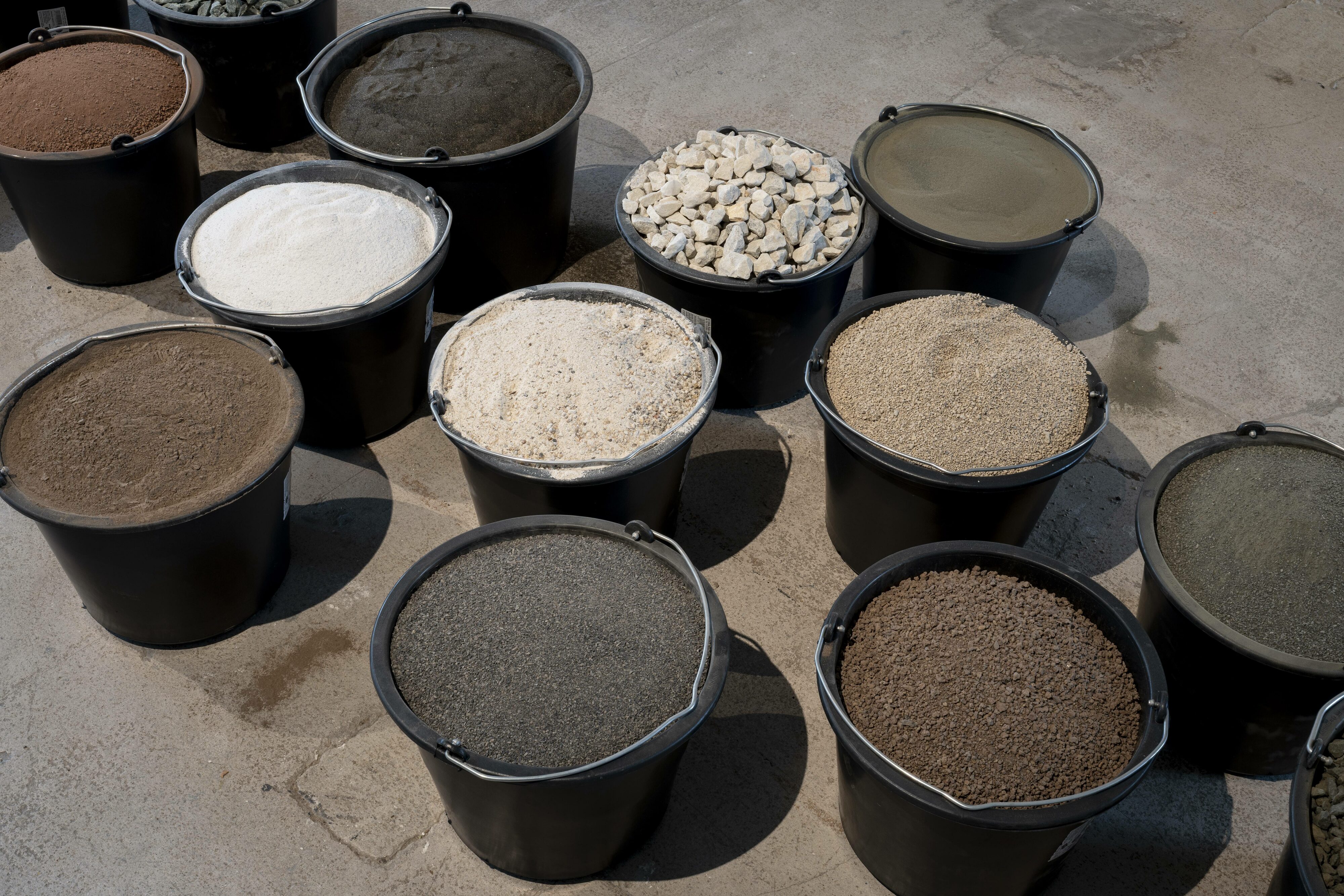
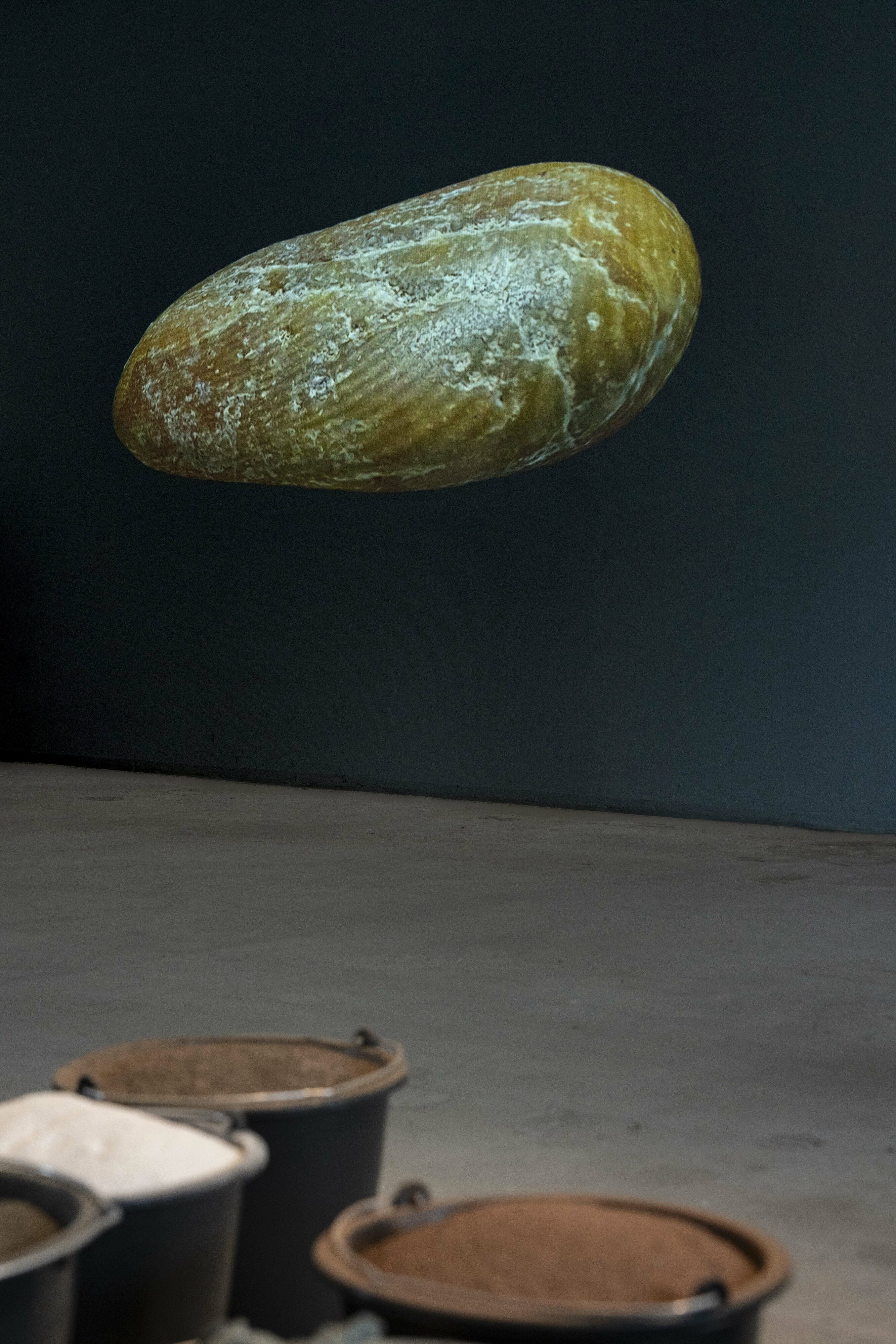
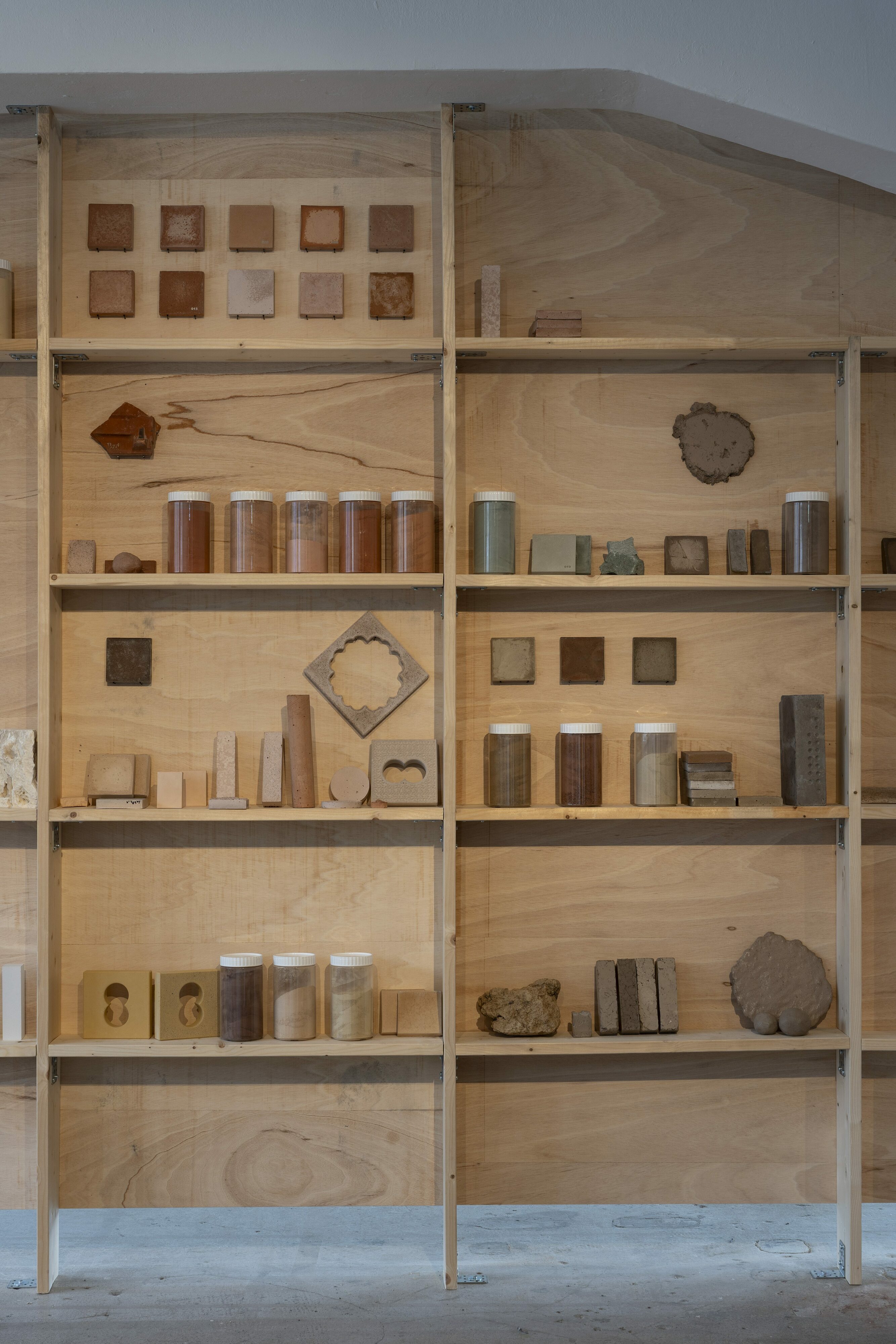
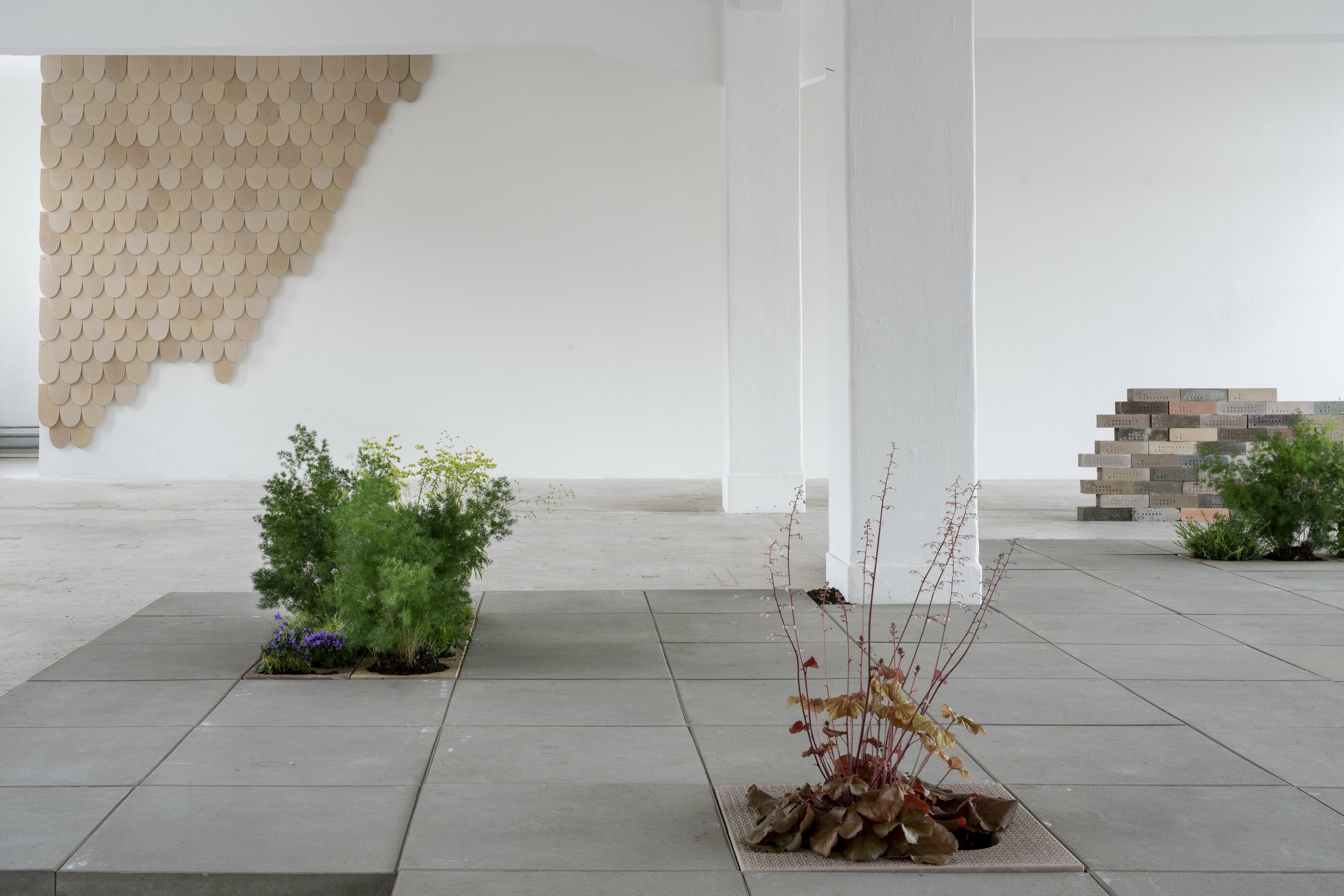
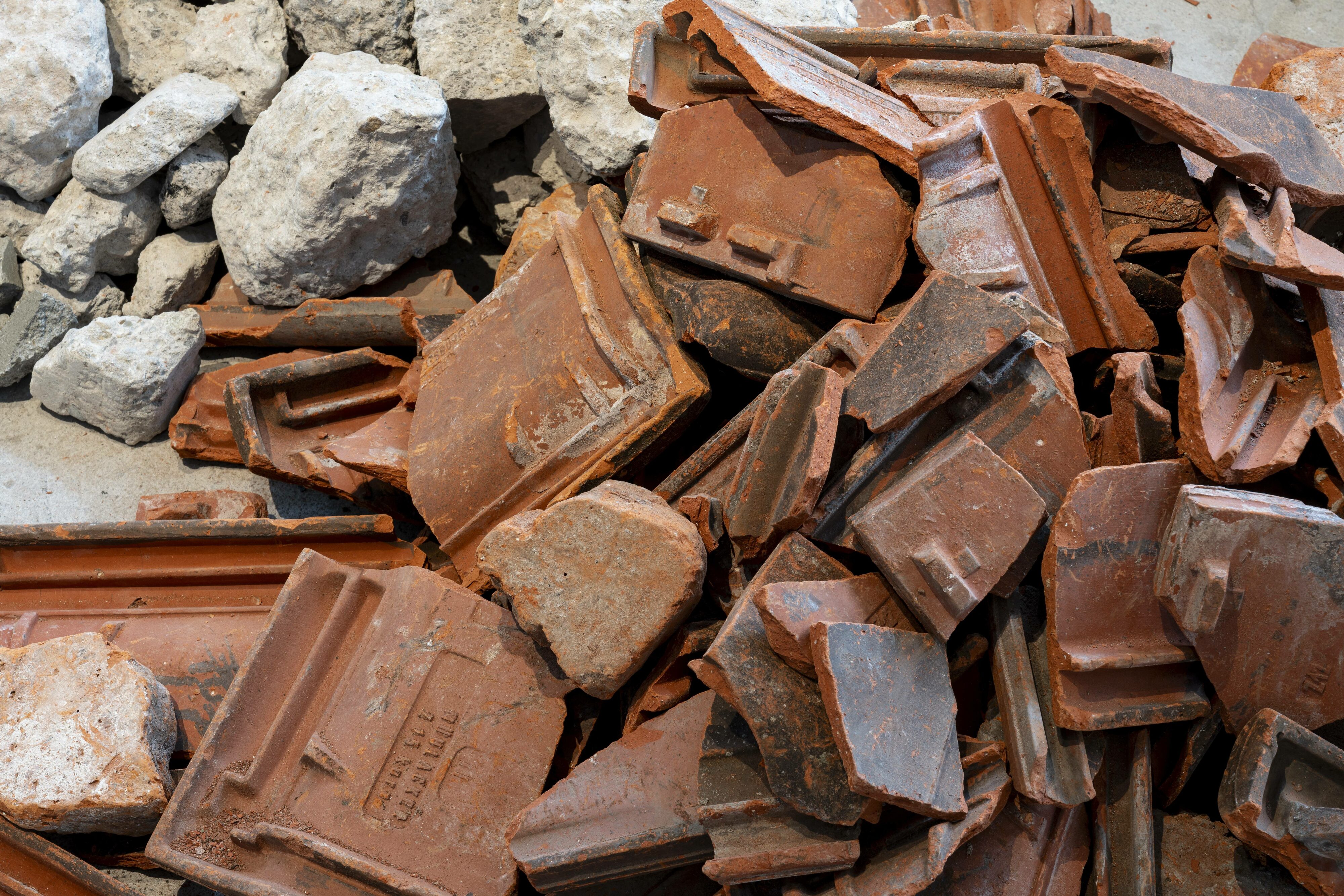
Audio essay followed by a presentation with Theo Ferreira Gomes
Since the deregulation of global financial markets in the 1970s, economic success and smart investment are increasingly understood as integral to personal well-being. The listening session »Moneyfestations« merges sound-healing technologies with a desire for market domination and invites listeners into a spa for financial wellness. The bubbly soundbath slowly drifts between internet filter bubbles, speculative bubbles, and crypto bubbles, resoundingfoamy constellations of meaning. Bubble-hopping between AI-generated music for money attraction, Bitcoin ASMR, and meditation music for financial traders, the essay questions what is implied when we think of financial wellness. By tuning to these co-isolated systems, a set of undercurrents emerges that turns the structural conditions of wealth inequality into background noise and primarily benefits the wellness of the wealthy elites.
Theo Ferreira Gomes (*1993 Niterói/Brazil) is a transdisciplinary researcher working between curating, community programming, and sound. His independent research revolves around alternative monetary systems, new economies,and financialization. Together with Kosmas Phan Ðinh, he is exploring resistance at the threshold of audibility and the politics of silence. Among others, he worked with Akademie Schloss Solitude (art, science & business program), ORNAMENTA 2024, Max Planck Institute for Behavioural Biology, Konstanz, and The Indian Sonic Research Organisation. From 2019–2023, he was Deputy Chairman at the non-profit art space Leerstand als Freiraum e.V. (LAF), and he is currently a fellow of the SHIFT research grant and at the studio program of Künstlerhaus Stuttgart.
Tuesday-Workshop
The Künstlerhaus invites an artist or a collective—meaning any artists or cultural workers from any field or discipline—to talk about their working methods as well as their backgrounds and approaches. We want to establish a platform for a more in-depth interaction with regard to artistic practice, and in doing so to create a network, show solidarity, and mutually strengthen one other.
The series is aimed at all members of Künstlerhaus Stuttgart, artists either living in Stuttgart and the surrounding area or just traveling through, all cultural workers, art mediators, curators, etc., and is open to everyone!

For postwar modernity, rational arguments, empirical facts, abstract models were the framework for enlightened debate, deliberation and decision making in human communities. It is a euphemism to say that the reliance on this rationalist outlook is today in crisis. As rational argumentation struggles to get people to change their minds or impact their decisions, “narrative” takes on renewed significance. Alongside reason or logos, the ancient form of mythos has become a facilitator of future-oriented change: stories propel us towards the future.
What is the power, potential and challenges of using stories for a better future? Could a new form of “eco-mythology” close the gap between values and action in our political emotions? Does a better future include stories of new spirits of the forest, vengeful floods, and hybrid creatures? And what do they look like?
Stories for a Better Future is a collaborative project initiated by ILPÖ, IZKT and Institut für Philosophie of the University of Stuttgart, and the Künstlerhaus Stuttgart. The event will take place on the 2nd floor of the Künstlerhaus Stuttgart.
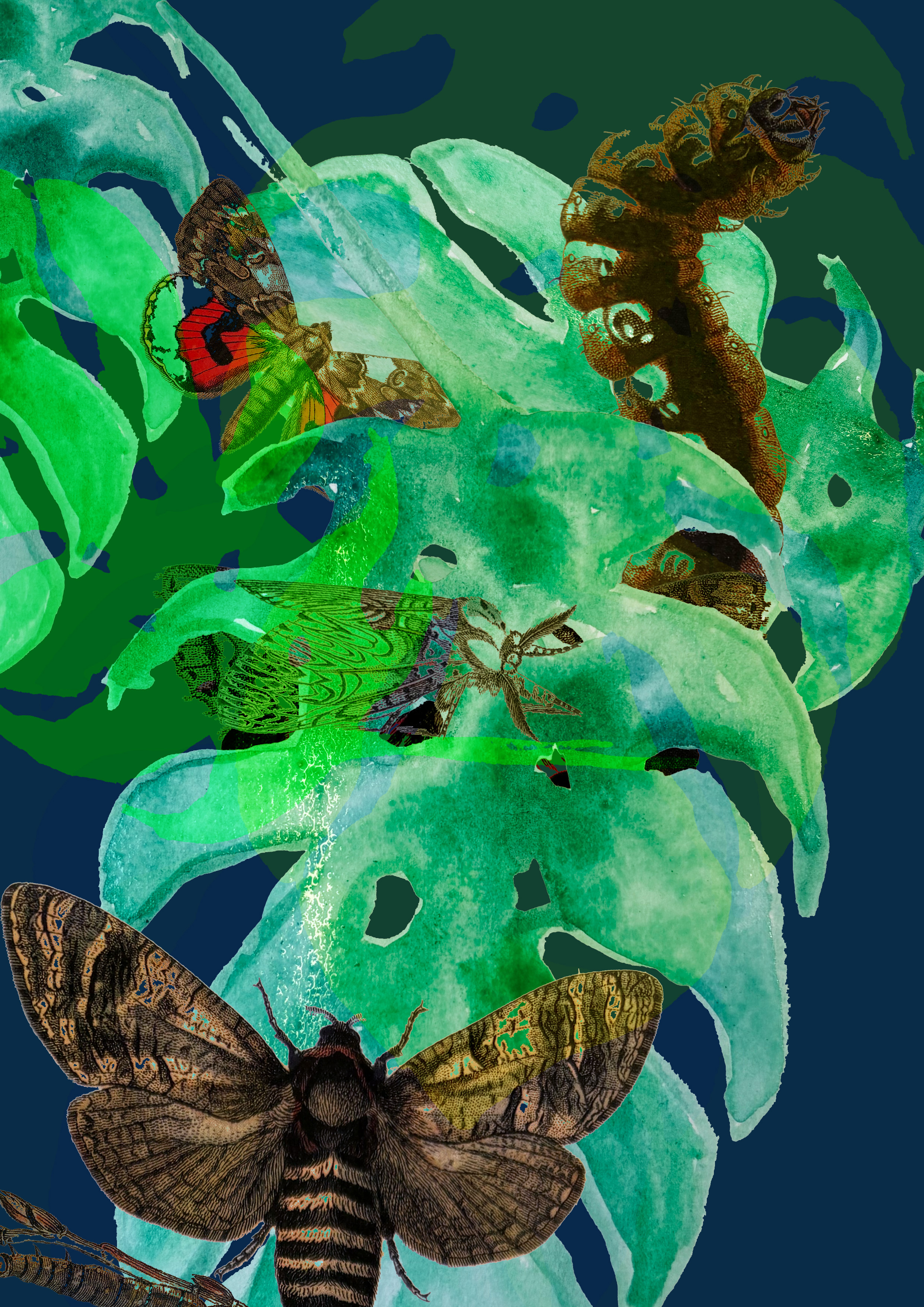
The Künstlerhaus invites you to the Haus Orkestra Concert!
After a year of singing and playing together at the Künstlerhaus Stuttgart, the Haus Orkestra, initiated by Monika Nuber and Natia Dikhtyar, will give a concert on December 9th. The singers and musicians will take the audience on a musical journey with songs from Georgia, Croatia, North Macedonia, and Romania, among other countries. The program also includes pieces featuring Natia Dikhtyar (vocals), Helga Freude (guitar and vocals), and Monika Nuber (double bass and vocals).
The HAUS ORKESTRA is composed of new and experienced singers and musicians, changing throughout the year with revolving members. Focusing on multi-part singing with instrumental accompaniment, Natia Dikhtyar leads each session with passion and playfulness. The goal throughout has been to learn new songs and musical pieces in a joyous way.
About the lead artists and musicians:
Monika Nuber is an animator and musician who intricately interweaves image and sound in her work. She plays double bass with Rózsák and Maslband, is a member of the Jon Shit Collective, and Mother Mountain (with Johanna Mangold and Lidija Paun). She gained extensive experience in projects with Hans Joachim Irmler at Faust Studio in Scheer.
Natia Dikhtyar, a singer and jazz musician from Georgia, composes and performs music that blends jazz-rock-Latin fusion grooves with Georgian folk elements and poetry. She teaches voice and piano and directs choirs and vocal ensembles with an international background.
The concert will take place on the 2nd floor of the Künstlerhaus Stuttgart.
In search of her own family history, artist Julia Scholl discovers a small hole that grows larger the deeper she tries to look into it. Where she had hoped to find answers, she is confronted with questions. Like dark matter, which shapes and influences everything yet remains invisible, the hole gapes in the construction of the narrative of the past and, in its silence, permeates the artist’s present. In the 48th Tuesday Workshop, she therefore focuses on what it means when we find ourselves in moments when something eludes us, shifts, and several truths suddenly exist simultaneously. How do we deal with it when certainties become fragile, we have to endure uncertainties, and we have to deal with ambiguities? How do we pursue open ends instead of closing them?
Julia Scholl’s work continuously deals with loss—not as an exceptional circumstance, but as a fundamental human experience. In her work, loss appears in the slipping away of memory, in the disintegration of familiar narratives, and in the finiteness of life as a whole. For the artist, the cracks that open up in these moments do not mark end points; rather, in her photographic, screen-printed, and sculptural works, she explores how new stories can emerge from the incomplete and how fragments and blurring shape knowledge and emotion.
After training as a nurse, Julia Scholl studied at the State Academy of Fine Arts in Stuttgart and the Tokyo University of the Arts in Japan in the sculpture class of Prof. Udo Koch, in the photography class of Prof. Ulrike Myrzik, in the printmaking class of Prof. Seiichiro Miida, and spent several guest semesters in the photography class of Prof. Ricarda Roggan. In 2020, she was awarded the Academy Prize of the ABK Stuttgart and received a scholarship from the Baden-Württemberg Foundation in the same year. In 2024, she completed her degree in fine arts. Her works have been exhibited at the Staatsgalerie Stuttgart, Werft 77 in Düsseldorf, Kobun Gallery in Tokyo, Galerie Gruppe Motto in Hamburg, and the Lindenmuseum Stuttgart, among others.
Tuesday-Workshop
The Künstlerhaus invites an artist or a collective—meaning any artists or cultural workers from any field or discipline—to talk about their working methods as well as their backgrounds and approaches. We want to establish a platform for a more in-depth interaction with regard to artistic practice, and in doing so to create a network, show solidarity, and mutually strengthen one other.
The series is aimed at all members of Künstlerhaus Stuttgart, artists either living in Stuttgart and the surrounding area or just traveling through, all cultural workers, art mediators, curators, etc., and is open to everyone!
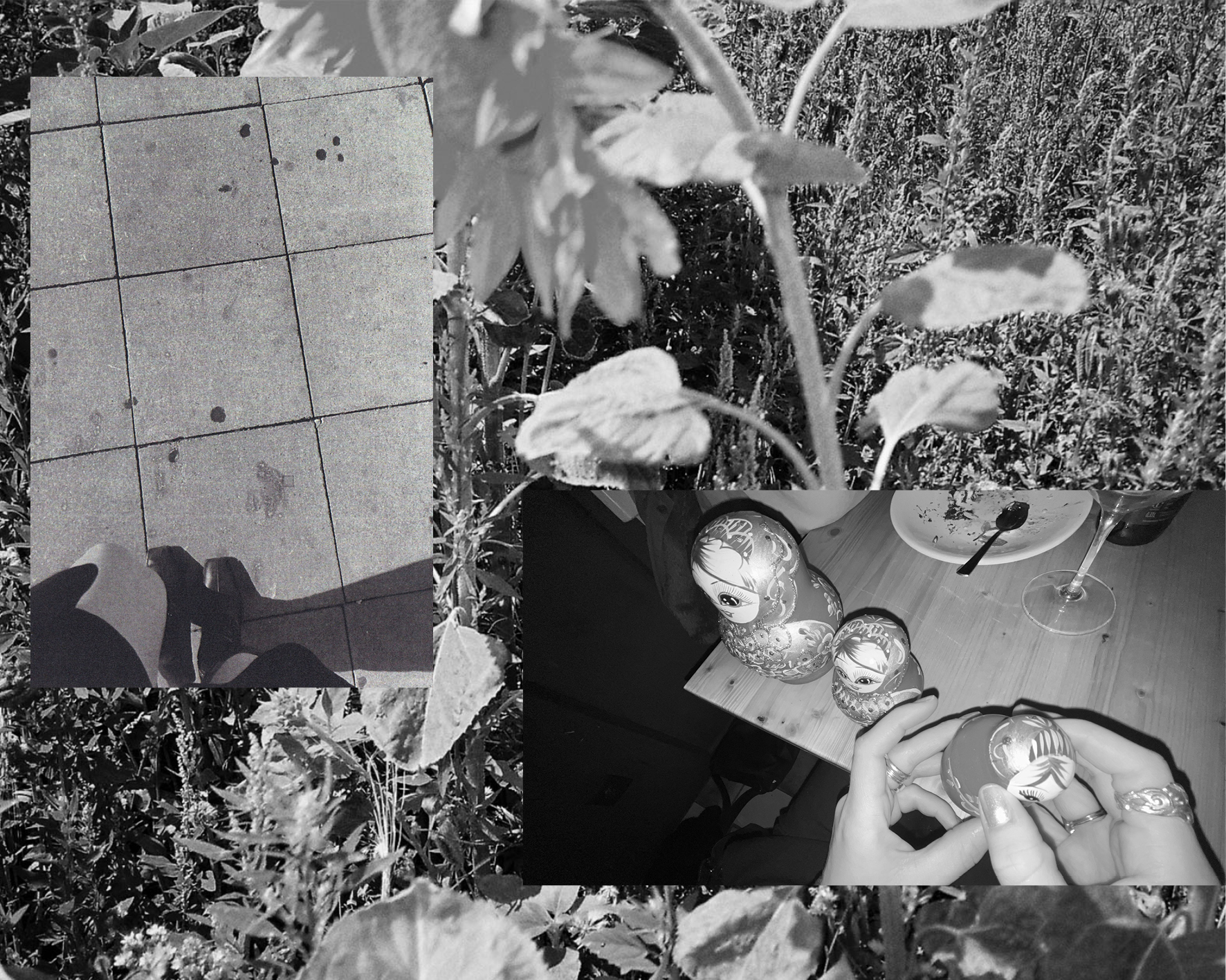
On 1 May 2026, the Künstlerhaus Stuttgart will award up to seven studios for a period of twelve months as part of its studio program. Six of the studios are approx. 25 square metres in size, and one is approx. 15 square metres. In addition, there is a large anteroom that can be shared with the other studio holders.
In addition to the rent-free workspace, the grant also includes free access to the Künstlerhaus workshops. However, membership of the Künstlerhaus is necessary and can be taken out at the start of the grant.
The Künstlerhaus Stuttgart was founded in 1978 by Stuttgart artists as a production and presentation venue for contemporary art and has since developed into a nationally and internationally renowned institution for contemporary art. In addition to the exhibition spaces, the Künstlerhaus maintains production workshops in the media sector (with equipment for video, audio and film). There is also a photo lab and workshops for screen printing, relief printing, etching, lithography and ceramics. A fee-based introduction is required to use the workshops.
We invite applications from the fields of art, architecture, theory and design that demonstrate the development of specific ideas and projects to which the institution’s offerings can contribute. Applications from groups are welcome, as are individual applications. Grant recipients are expected to give a public presentation of their work during their stay at the Künstlerhaus. Students are unfortunately not eligible to apply.
It is possible to extend the studio grant through applying for another year. This option is available up to two times, so that a maximum period of three years is possible if the jury selects the studio holder again.
Please note that these are working studios and that the grant is not linked to remuneration or accommodation. International applications are generally accepted, provided that applicants make their own arrangements for a visa and accommodation.
Application
Please include the following documents with your application:
- A short letter of motivation explaining how you intend to use the studio
- Informations about your artistic work, such as a portfolio, catalogues (max. 2), pictures, etc.
- CV
Please submit your application documents in digital form only, in a single PDF file, by email latest by 31 January 2026:
Contact: Juliane Gebhardt
Email: bewerbung@kuenstlerhaus.de
Subject: Studio Application
The jury, which is made up of the artistic advisory board, will meet by the beginning of March at the latest. All applicants will be informed about the decisions as soon as possible.
Any questions can also be sent to the above contact address.
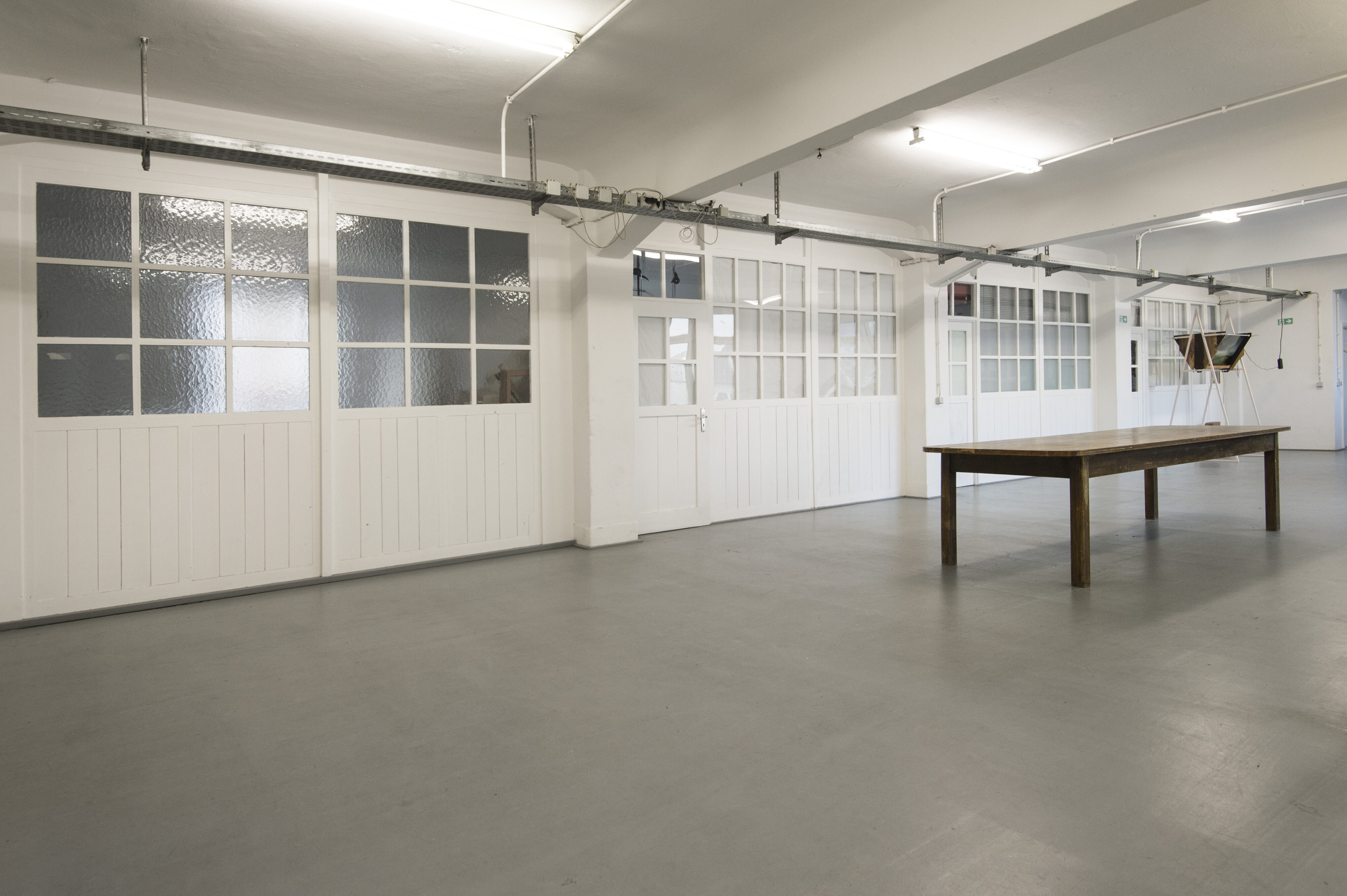
In 2006, Paul Sullivan travelled to Seoul, South Korea after Static Gallery, Liverpool, had been invited to carry out their Press Corps project as part of the Seoul Artists Forum International and the Gwangju Biennale (Curated by Park Chan-kyong and Kim Hong-hee respectively)
During this visit, Sullivan visited a Street Saju (fortune teller), at the former Sinchon Market Hall, in order to find out if the Press Corps project would be a success or a failure.
The result of that question was “No”, but the Saju continued “A man without his own language is like a seed perpetually floating on the winds, never to drop to the soil in order to germinate, never to be grounded”. He continued “English is your mirror front, a false language, the real word comes from a place in middle Europe, a place of salt, the place of rings. Your destiny is tied up in the discovery of these things. There is a person with a birthmark, a shape of concentric rings from the old country”
On the last evening of the research trip, Sullivan and Colleague John Byrne stumbled upon the Kalguksu Alley (Knife Noodle Alley), at Namdaemun Market. This chance visit triggered a number of long-standing ideas for Sullivan – namely the improbable linkages between Manet’s 1882 painting A bar at the folies-bergère, Juzo Itami’s 1985 Japanese cult classic film Tampopo, and Sullivan’s own investigations into migration, immigration control, planning and architecture control, identity, borders, public and private space and wanderlust. These ideas, combined with the new puzzle proposed by the Street Saju, led directly to Sullivan’s notorious 2008 Noodle Bar project.
The Establishment of the Noodle Bar
The Noodle Bar started as a series of adverts fly-postered around Seoul and also posted on online recruitment sites, in the early summer of 2008 (facilitated by Park Eunseon and Ssamzie Gallery), advertising for a Korean family to come to Liverpool, UK, to run the Noodle Bar for one year, and ended up as a one year legal dispute between the Static Gallery Noodle Bar and the Liverpool City Council Planning Enforcement Department, as the Noodle Bar kitchen – a repurposed shipping container situated on the gallery car park and connected to the gallery/eating area via a newly formed opening in the wall connecting the two – was erected without planning permission and described as a ‘one year temporary art installation’.
After selecting the Korean staff to run the Noodle Bar as part of the recruitment process in Seoul, work permits were applied for and rejected by the UK Border Agency resulting in the workers being re-invited as ‘visiting international artists’. The Noodle Bar opened as a business in October 2008 and the chefs left after two weeks. The resultant year long legal dispute explored and exposed the hierarchical structures of power within Liverpool City Council.
Noodle Bar was later inserted into an artworld frame as The Noodle Bar (Edit 1) film at BAK Gallery, Utrecht, Holland in 2013 (curated by Ben Fallon), and then morphed into Paul’s Kimchi Co at the Van Abbemuseum, Holland 2014, (curated by Annie Fletcher, Liam Gillick, Alistair Hudson and Steven Ten Thige), before shifting again as Kimchi Human, a ten year 1:1 scale business art project 2015-2025, a partial re-make of Tehching Hsieh”s 1980-81 performance piece Clocking on.
The project also surfaced as the Kimchi Workshop at the Jeanne Barret Space in Marseille 2023 (curated by Fred Pradeau), and as Paul’s Kimchi Café at the Künstlerhaus Stuttgart in the summer of 2024 (curated by Tamarind Rossetti and Stephen Wright), before being re-presented as an installation at the Broadside Gallery, Glasgow in 2025 (curated again by Ben Fallon). The key purpose of the later incarnation was to use the ‘installation’ event as a way to reach out to the protagonists of the original 2008 Noodle Bar, in order for them to access all the RAW footage of the project (film/audio/stills), to make their own version of the truth.
Paul’s Noodle Bar in Künstlerhaus Stuttgart (December 2025)
For the Paul’s Noodle Bar version of the project at Künstlerhaus Stuttgart in December 2025, there will be a nod to the previous Paul’s Kimchi Café menu, as well as a full feedback loop to both the original visit to the ‘Kalguksu Alley’ in Seoul in 2006 and a short fire attempt to make the perfect ramen dish as proposed in Itami’s Tampopo. There will also be an attempt to decipher the Street Saju’s riddle.
Sullivan will also begin a written work collaboration with Stephen Wright that addresses Sullivan’s description of projects like Noodle Bar as LIVE EDITS.
Paul’s Noodle Bar will take place on the 2nd floor of Künstlerhaus Stuttgart.
Press Corps was a project developed by Becky Shaw and Paul Sullivan for the Liverpool Biennial 2004.
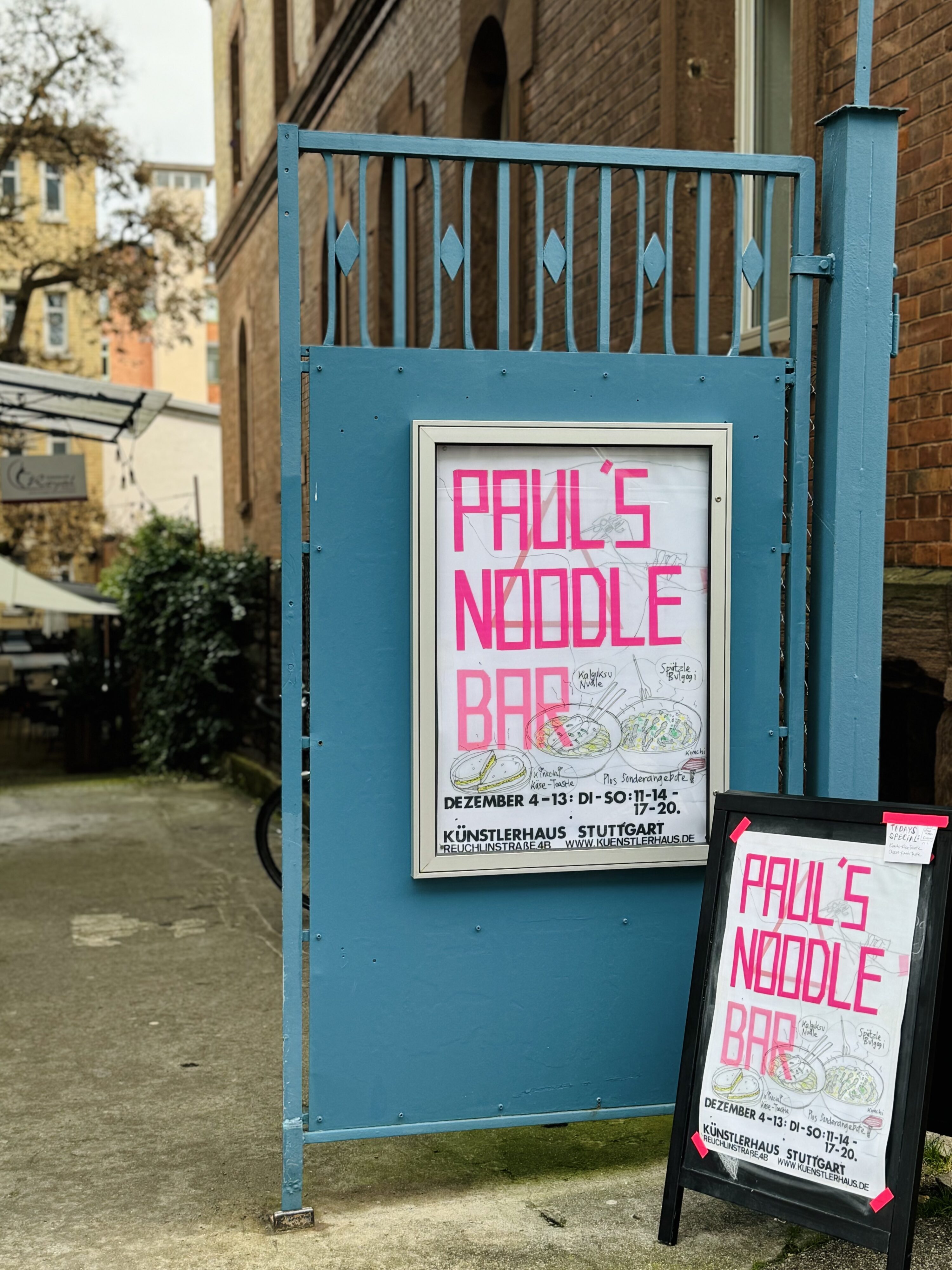
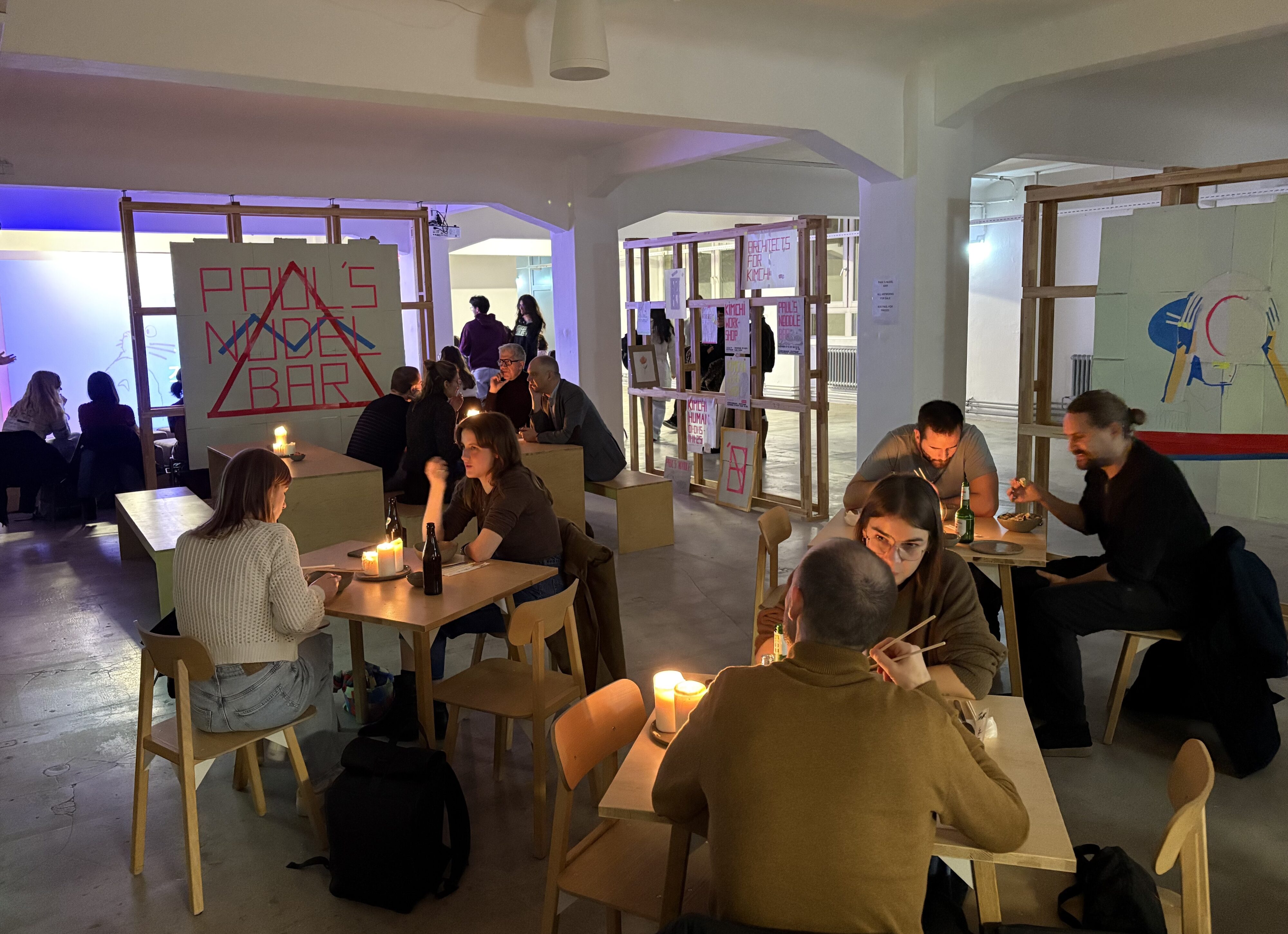
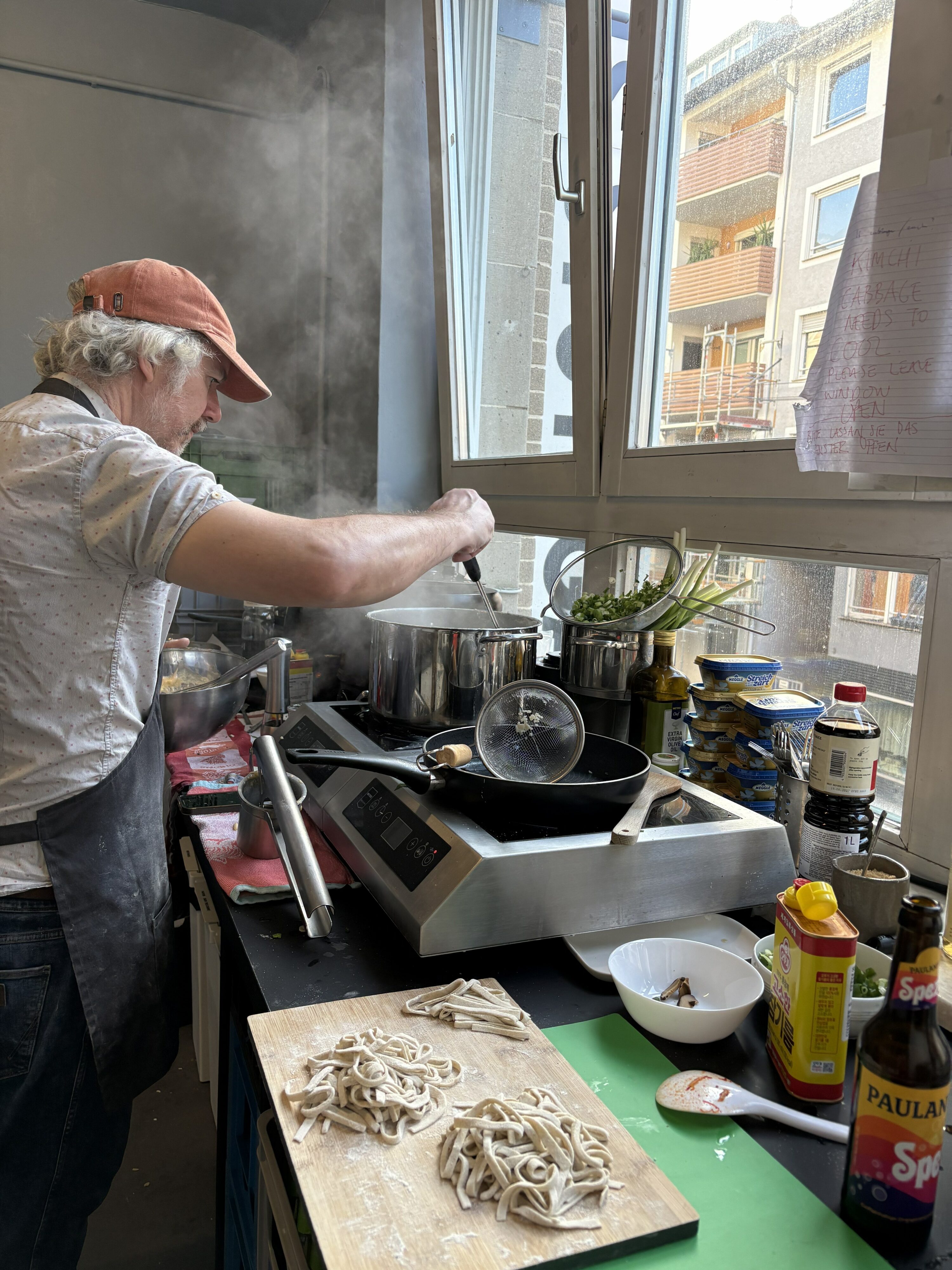
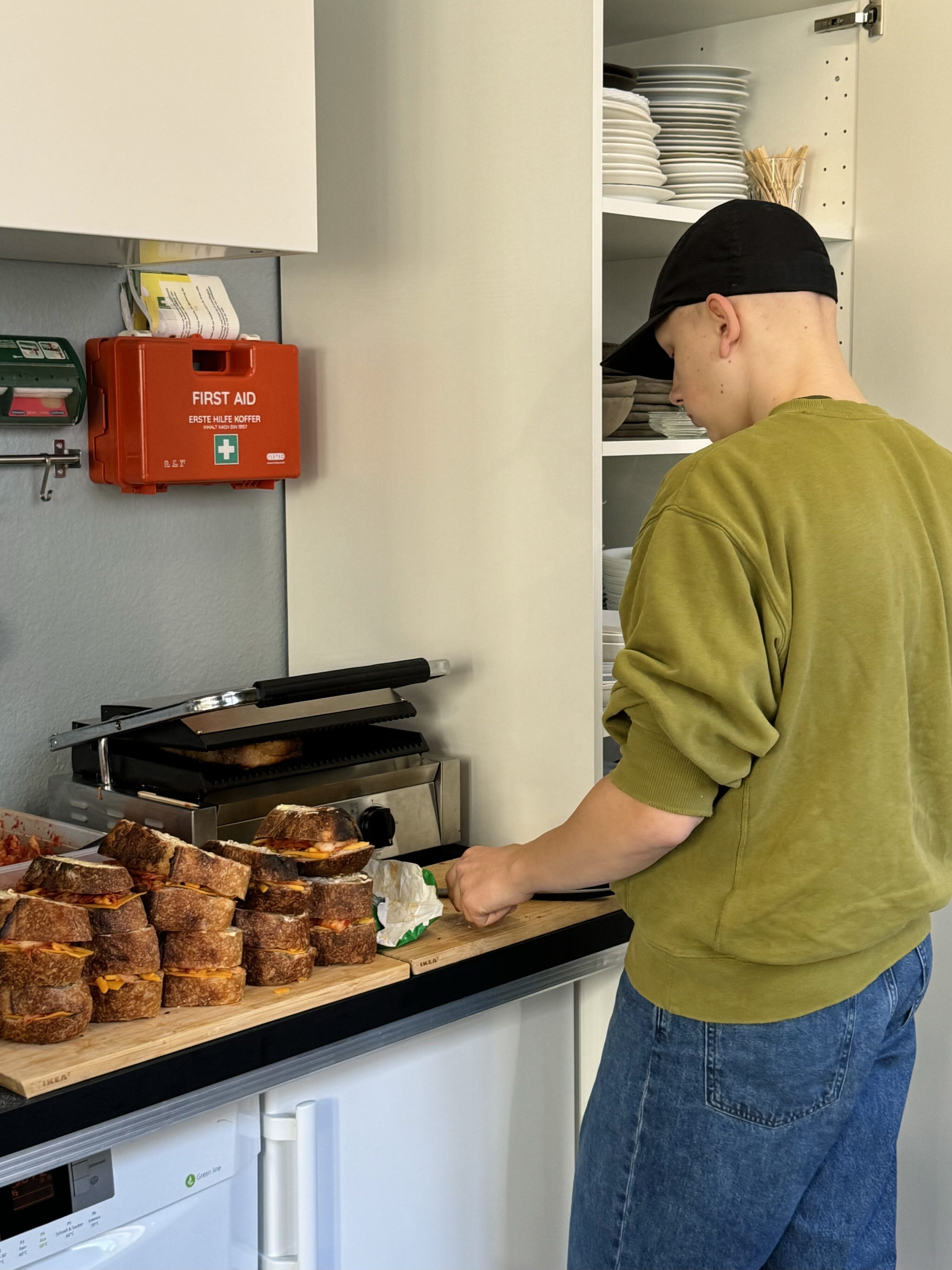
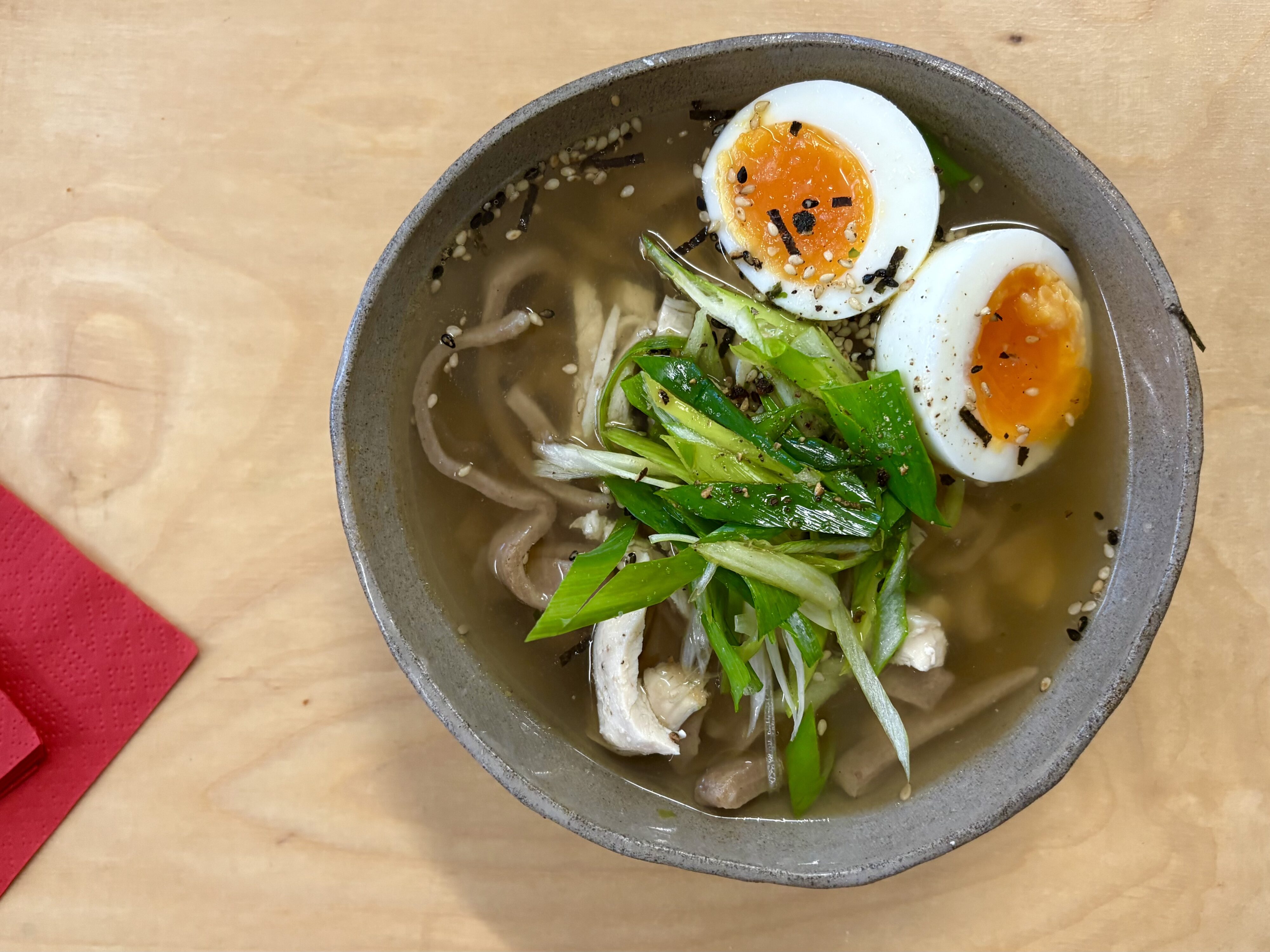
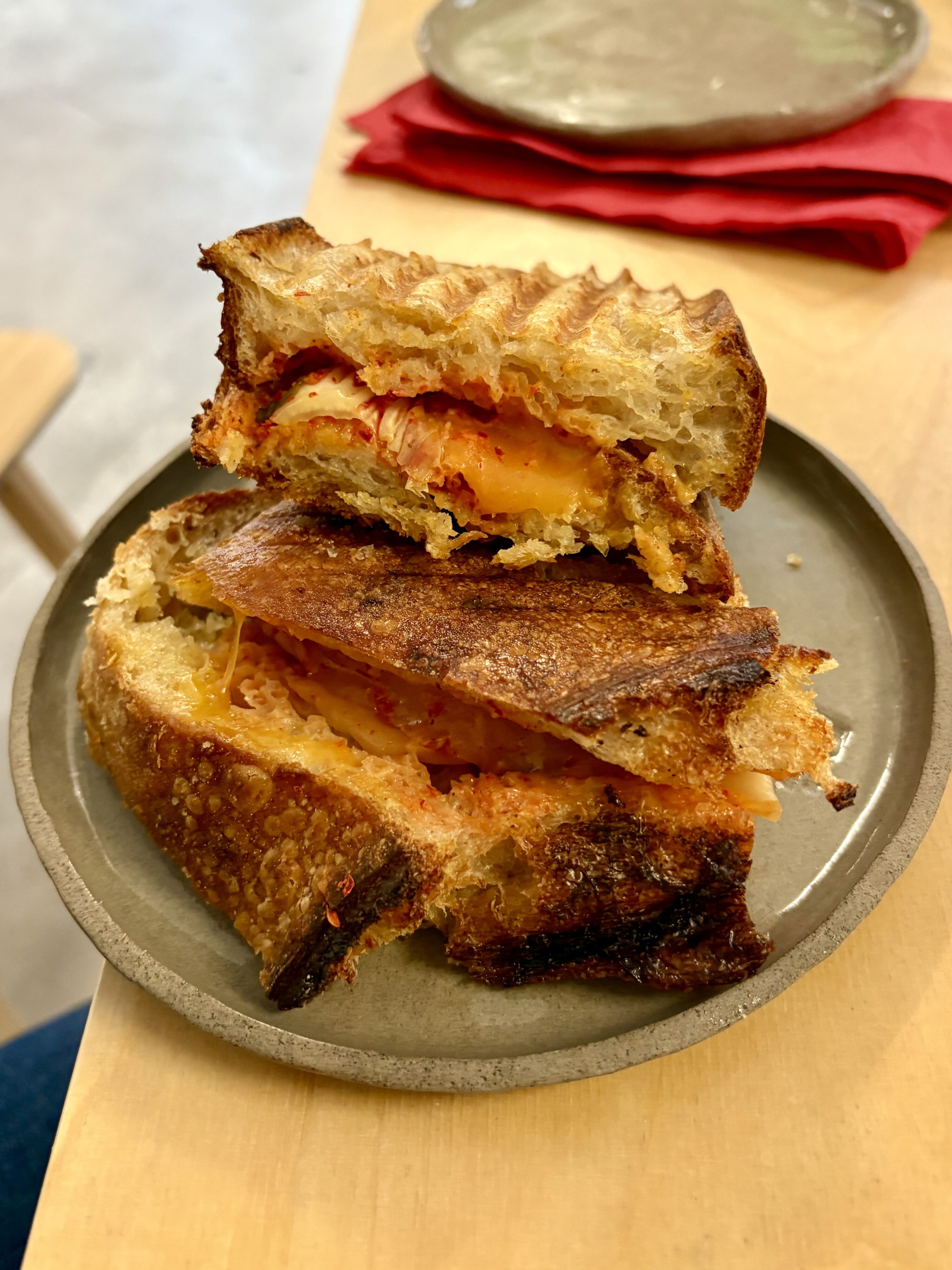
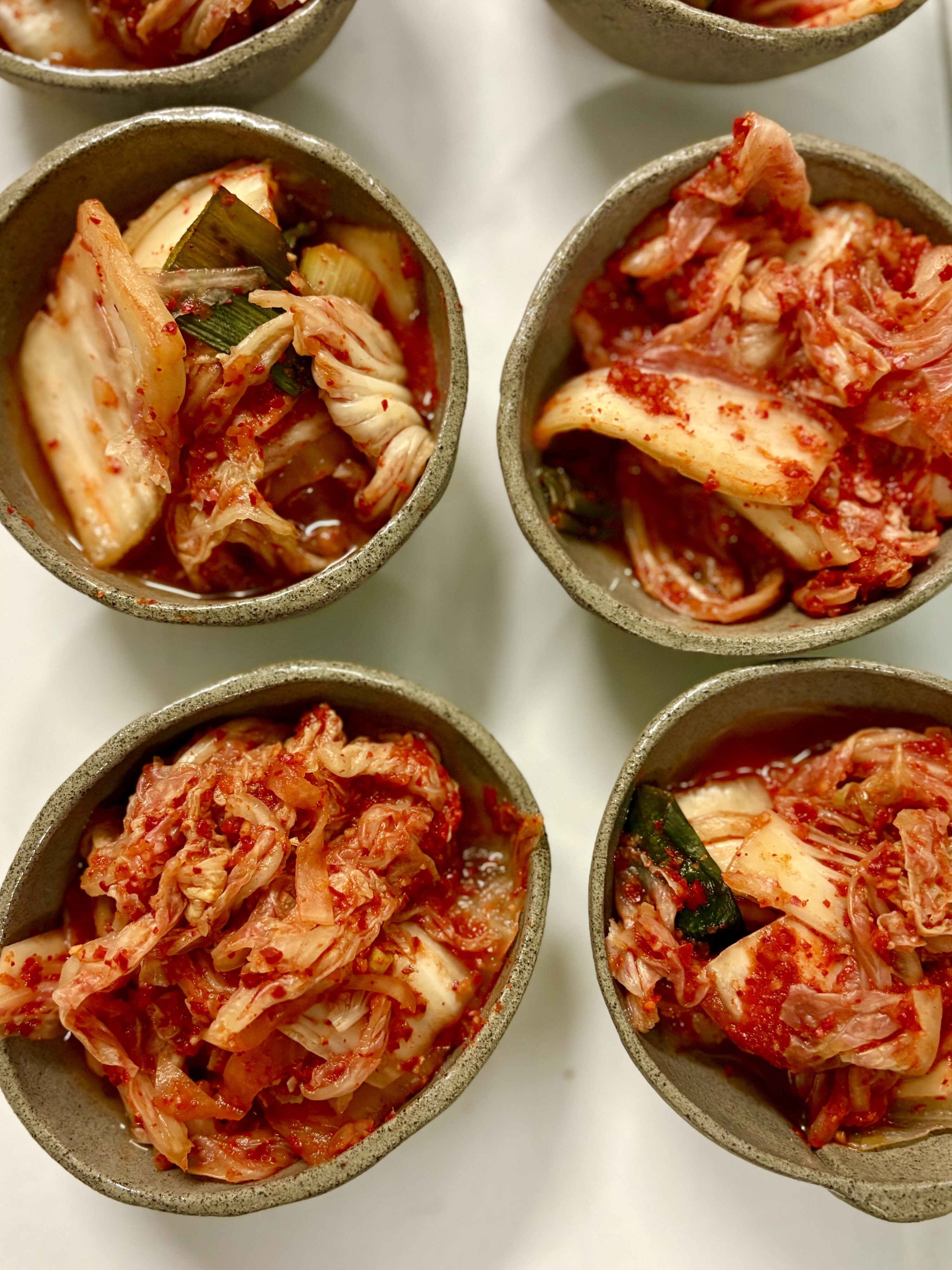
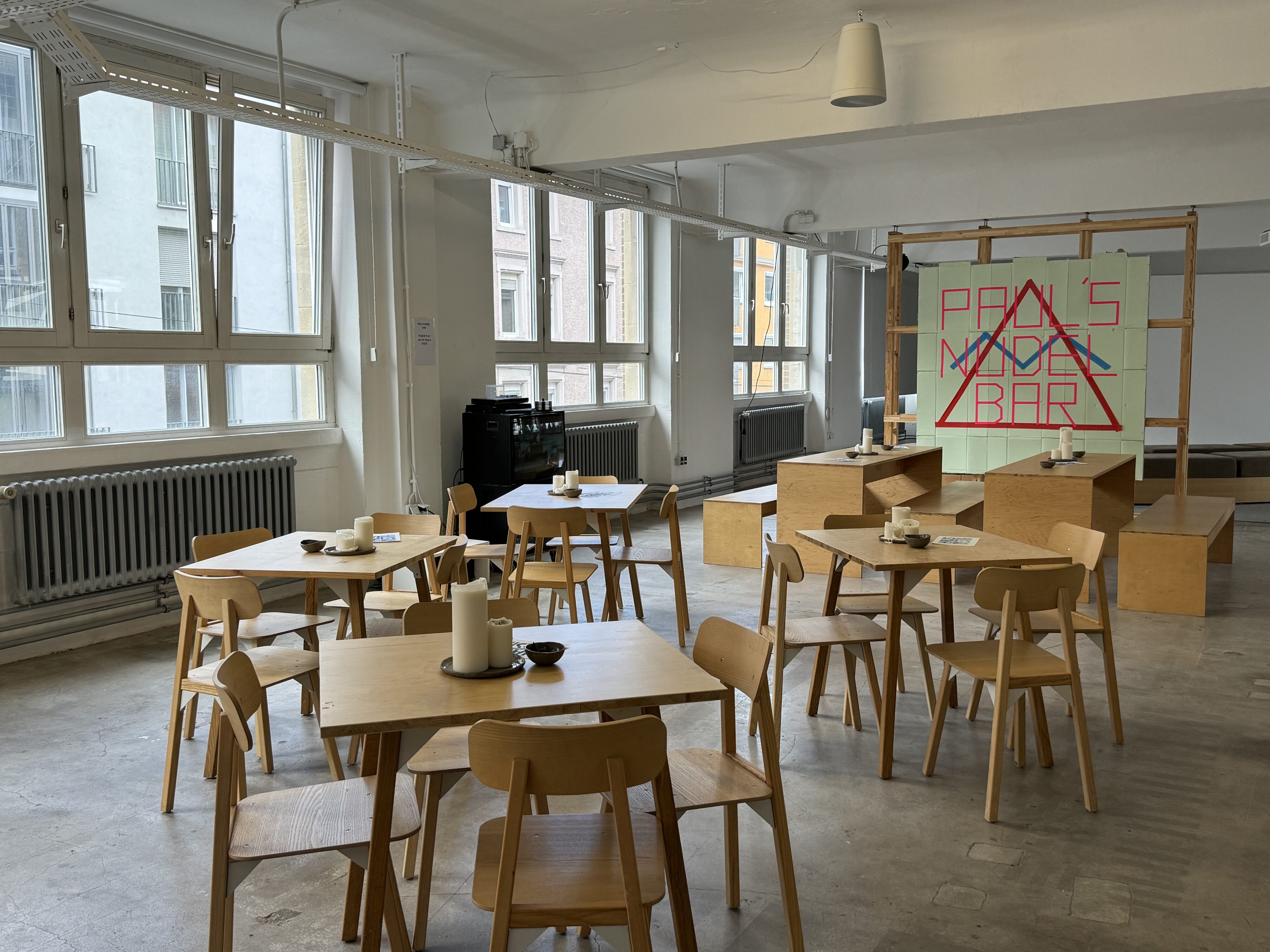
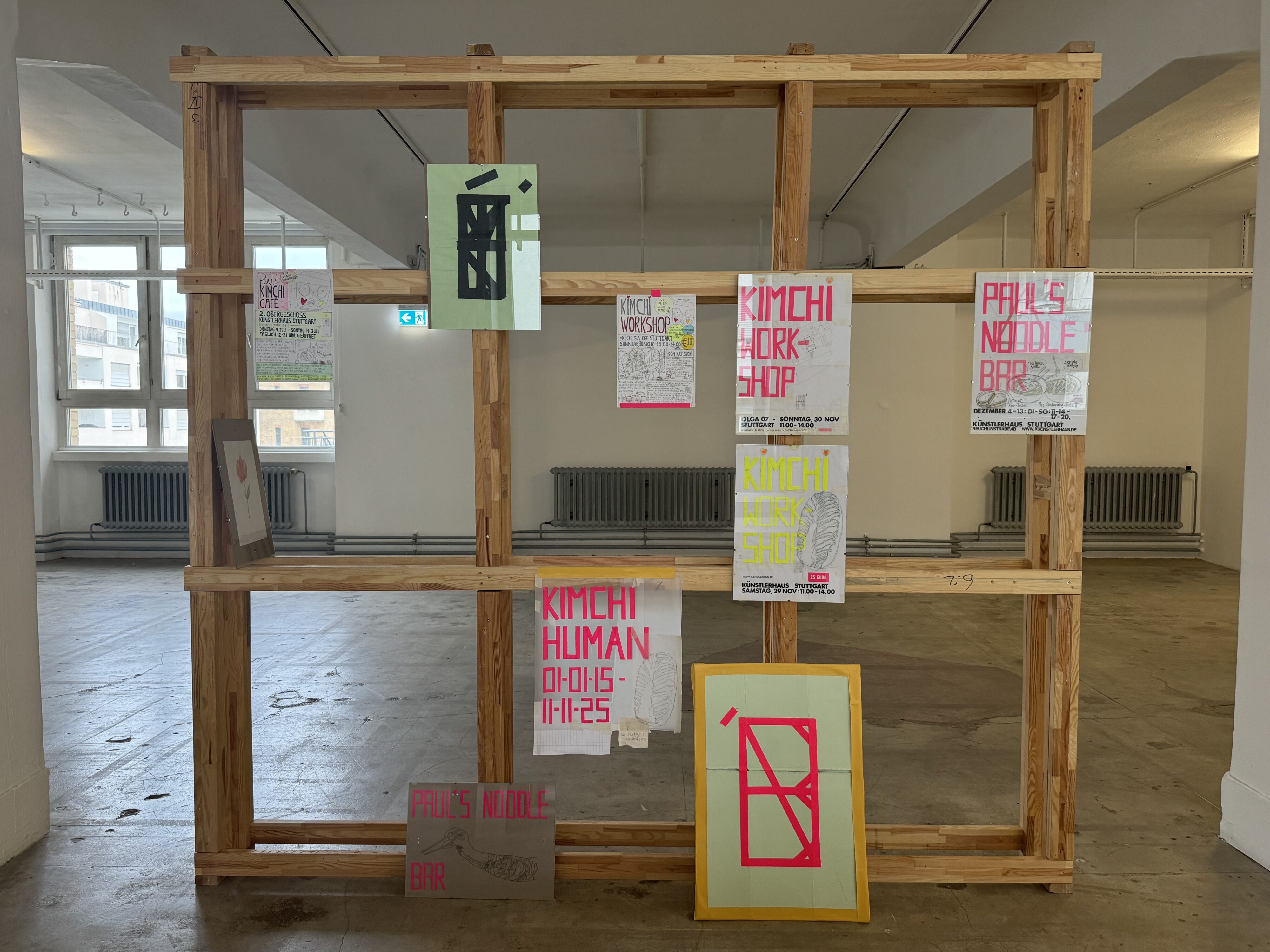
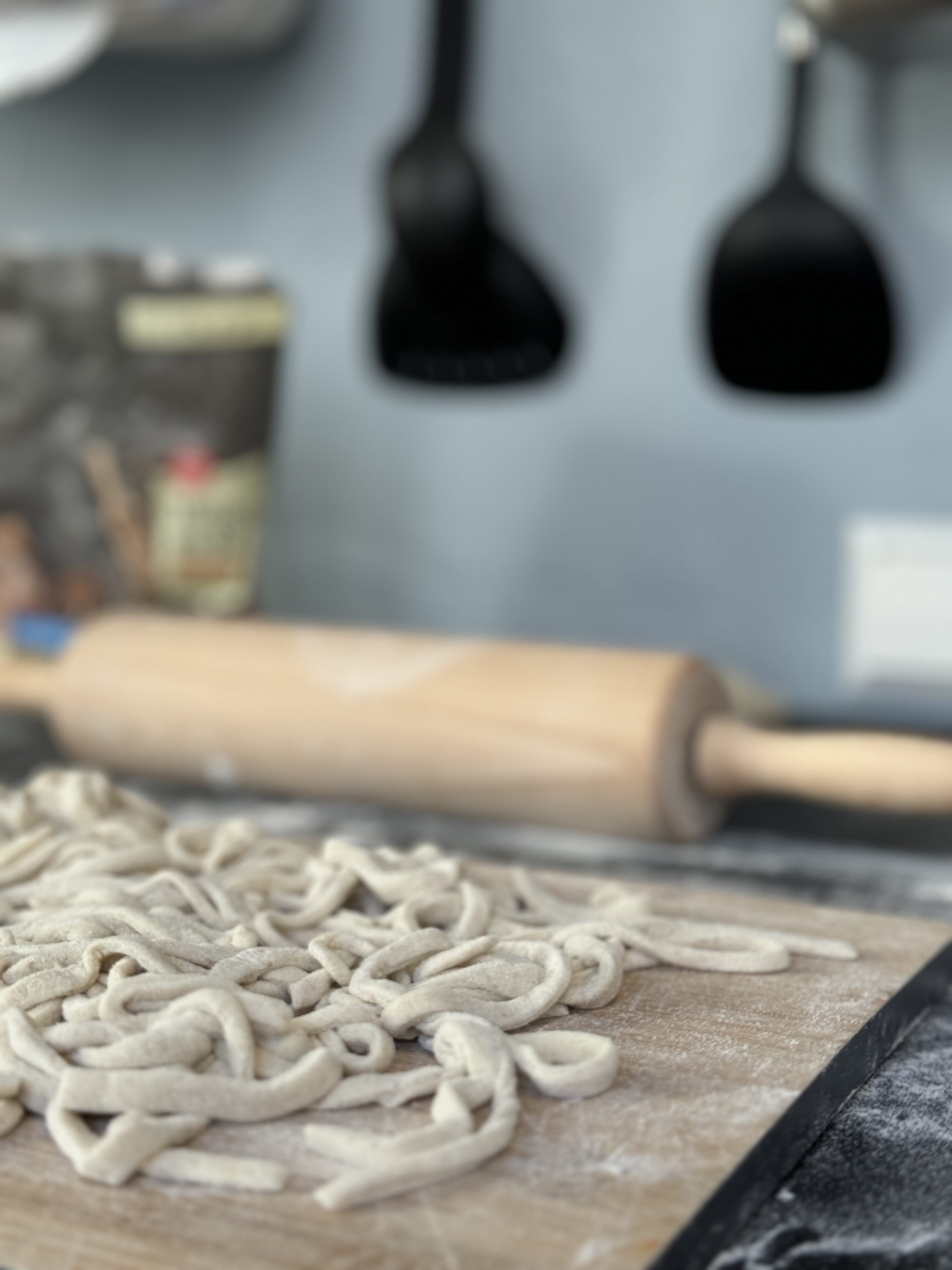
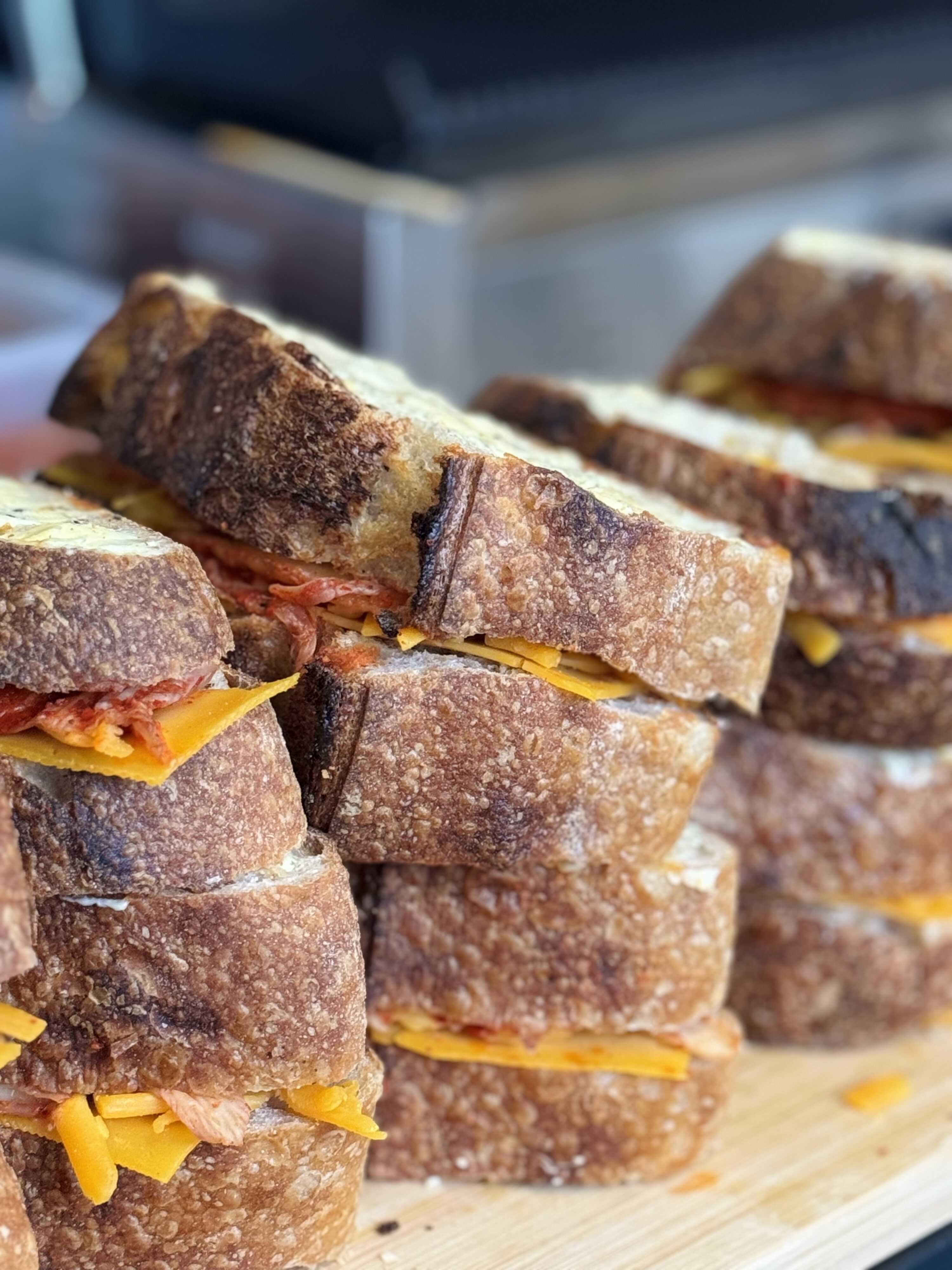
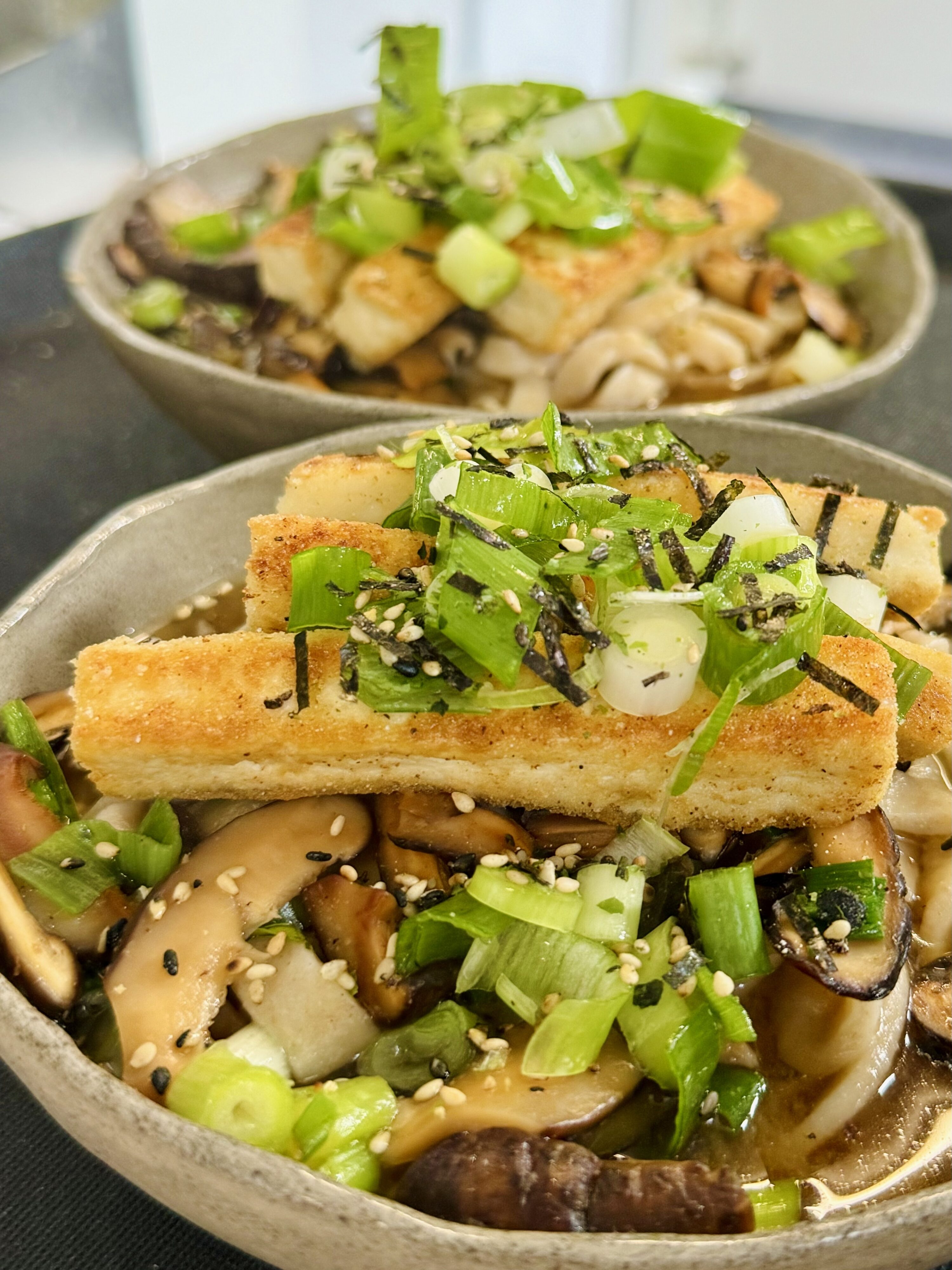
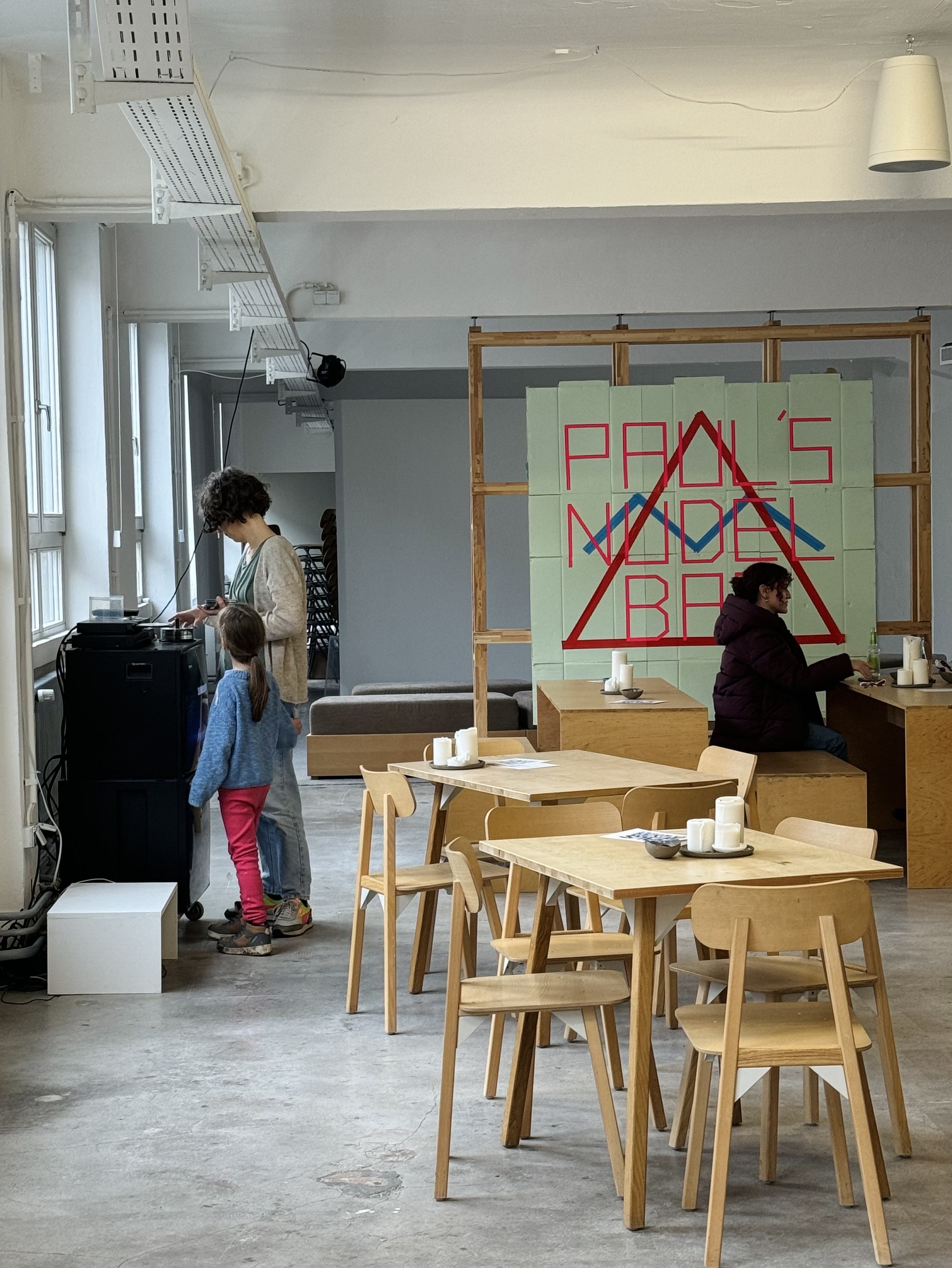
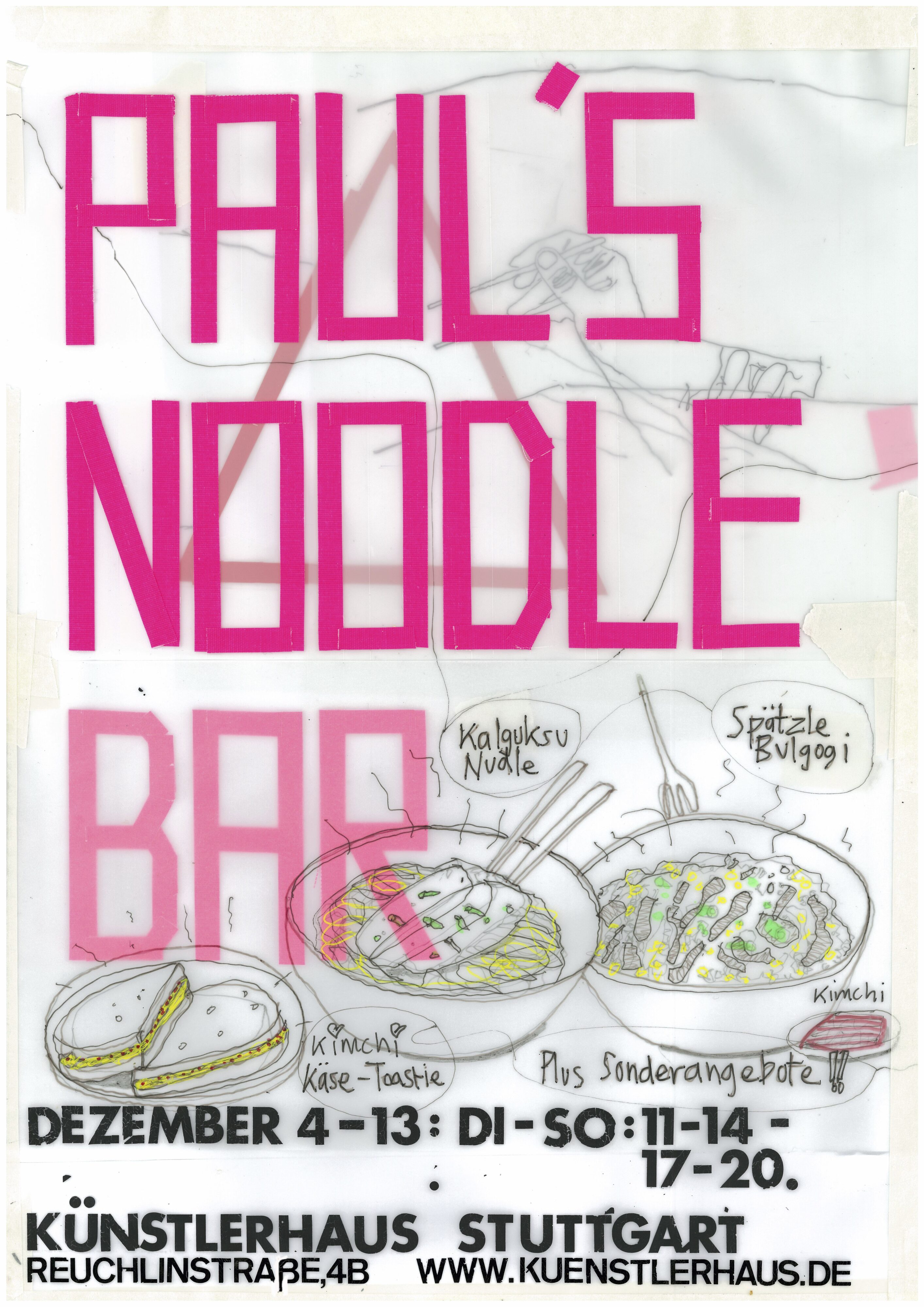
11:00am–02:00pm
After Paul Sullivan’s Kimchi Cafe pop-up at the Künstlerhaus in summer 2024, Paul returns with a new winter venture, Paul’s Noodle Bar.
During the kimchi making preparation, before the Noodle Bar opens on Thursday 4th December, Paul is delighted to once again offer a one-off kimchi-making workshop.
Whether you’re a kimchi making beginner, or a seasoned fermenter, the kimchi workshop is an opportunity to make traditional Korean Kimchi and learn insider tips under the stewardship of a self-styled Kimchi-Meister!
The event will be held in English. Vegetables and other ingredients are provided. A contribution of 15 Euros is requested. The number of participants for the workshop is limited. Please register by November 20 via the following link.
(Update: We sincerely appreciate everyone’s enthusiastic registration. The November event is now fully booked. Depending on demand, we may organize another Kimchi Workshop in December. As seats are limited, if you would still like to participate, please send an email to ll@kuenstlerhaus.de We will contact you as soon as another workshop is scheduled!)
Please also join us at Paul’s Noodle Bar (Dec 4th – Dec 13rd), serving Kalguksu Korean knife cut noodles, old favourites Bulgogi Spätzle a Korean/German fusion, and the one and only Cheese Kimchi Toastie! Look out for daily specials such as Paul’s Liverpool Dumplings……
Paul will also be selling one-off once in a lifetime ‘artworks’ made to decorate the new timber stud wall interior of the Noodle Bar.
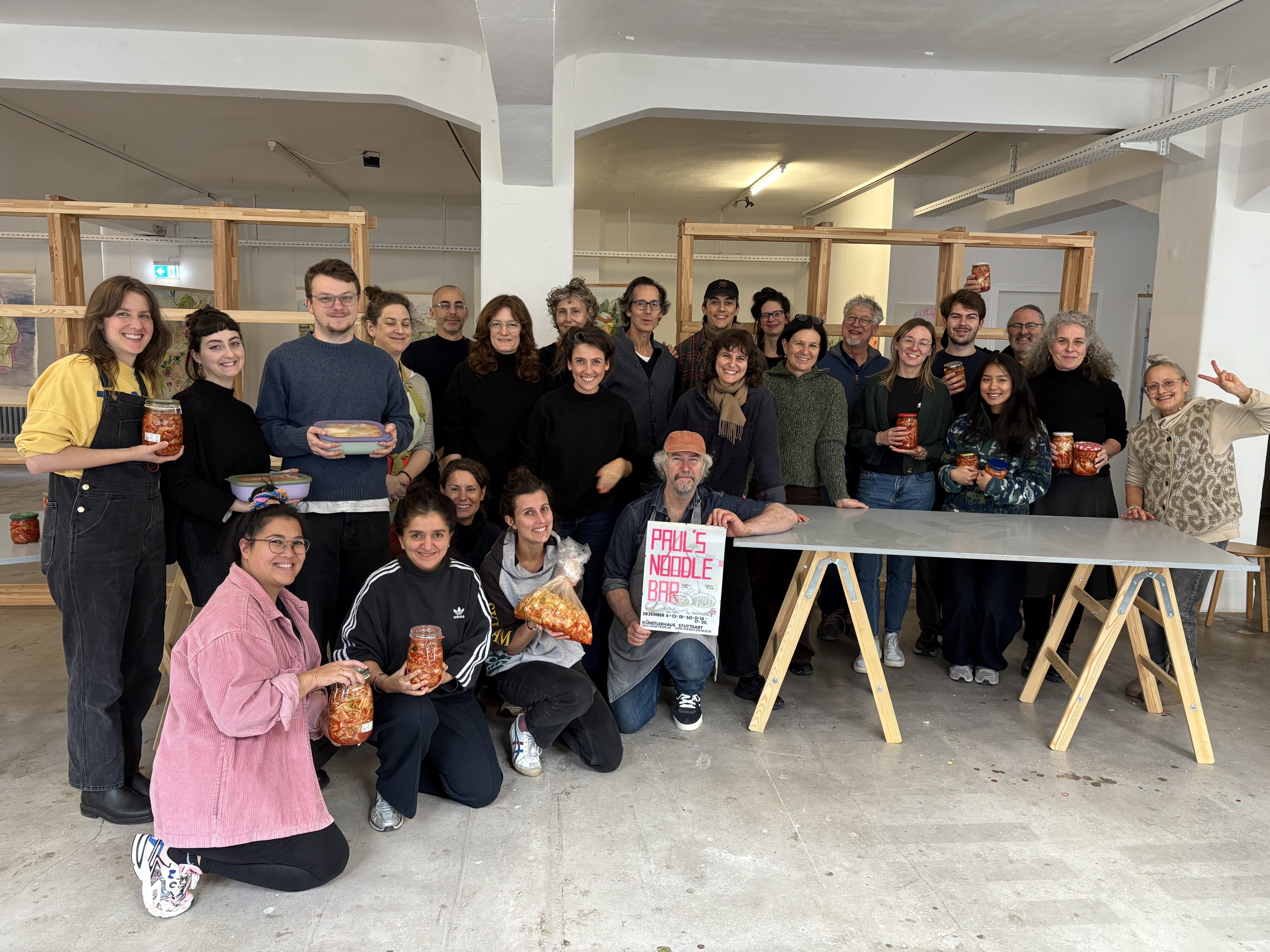
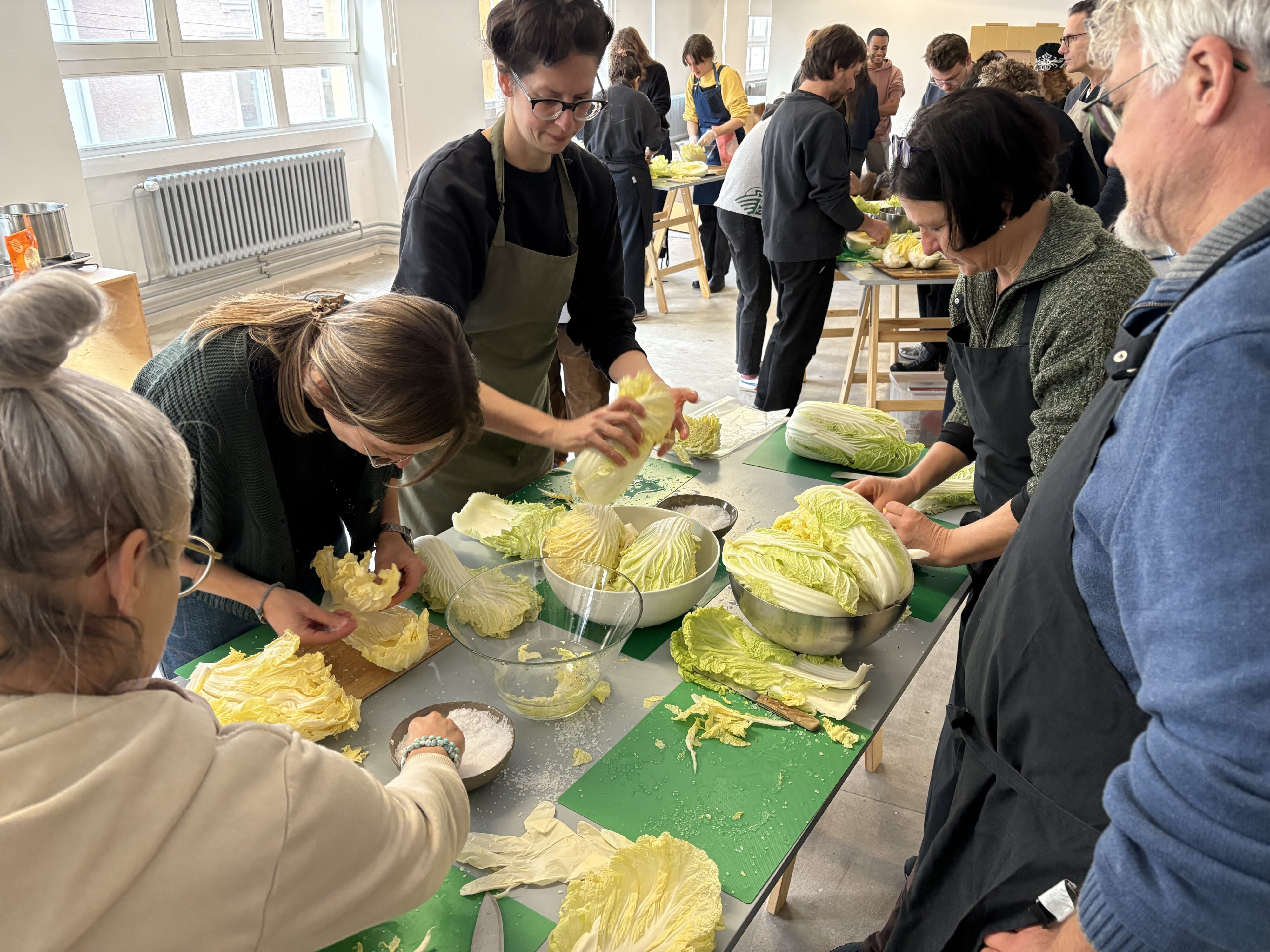
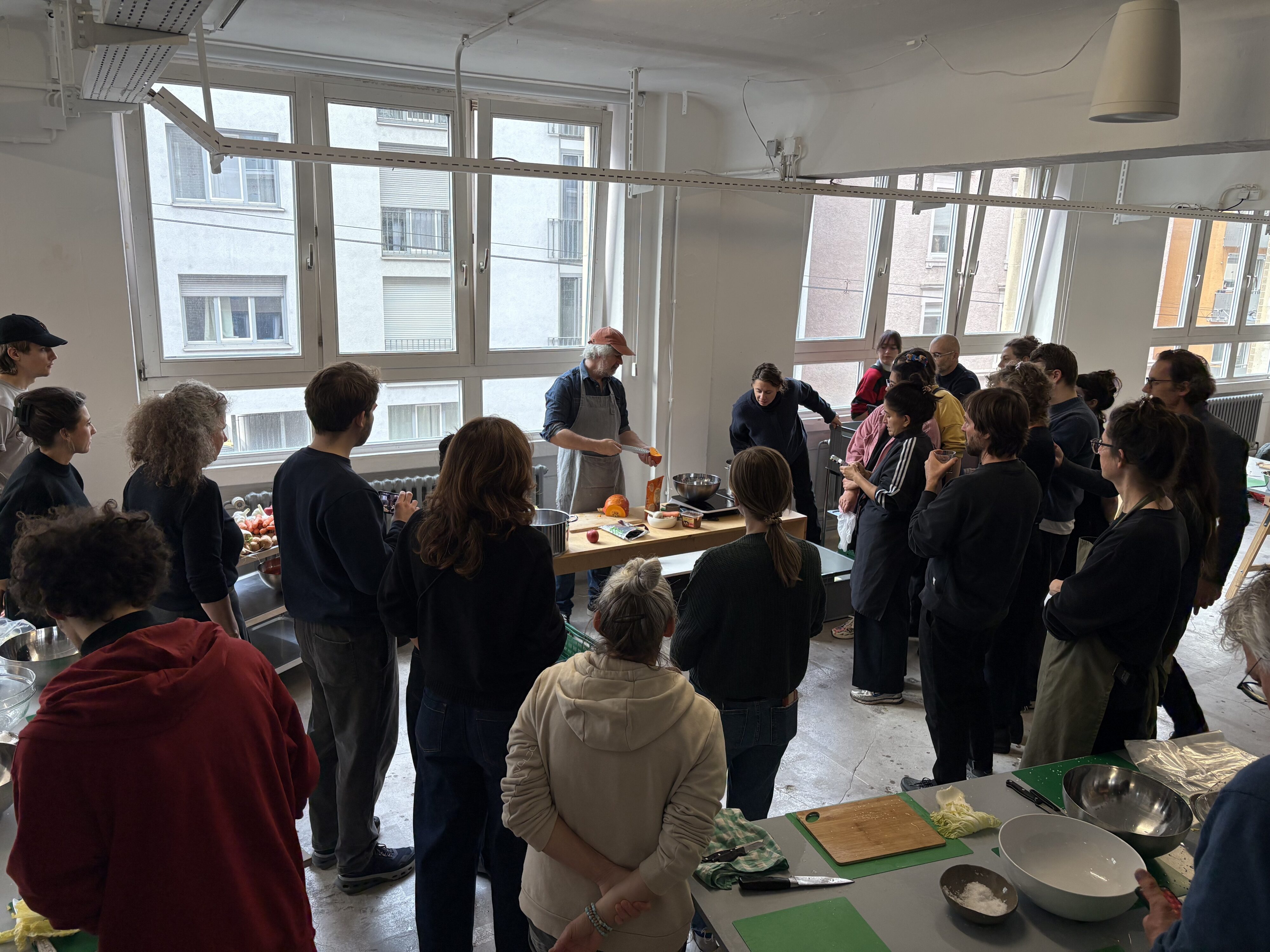
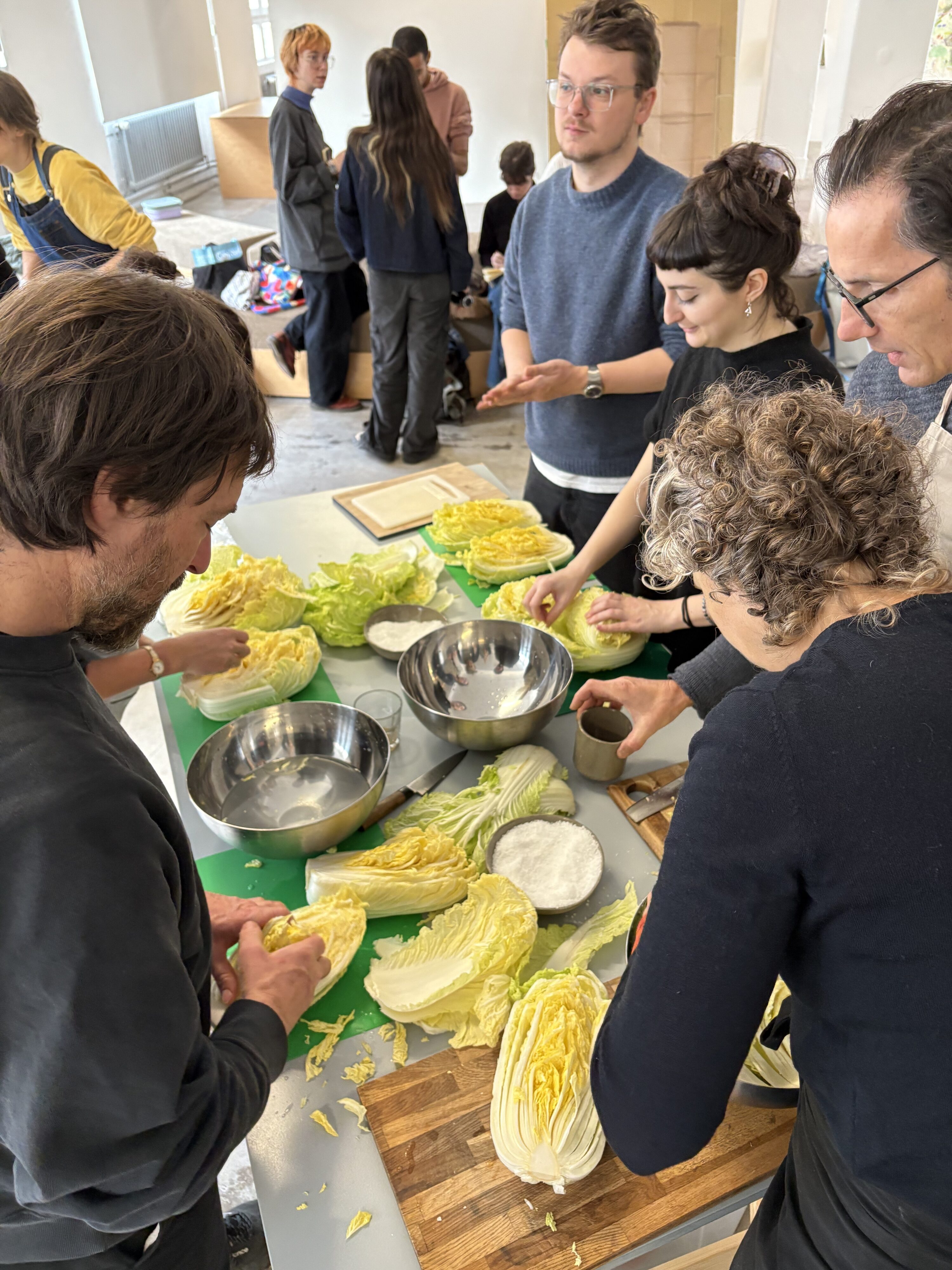
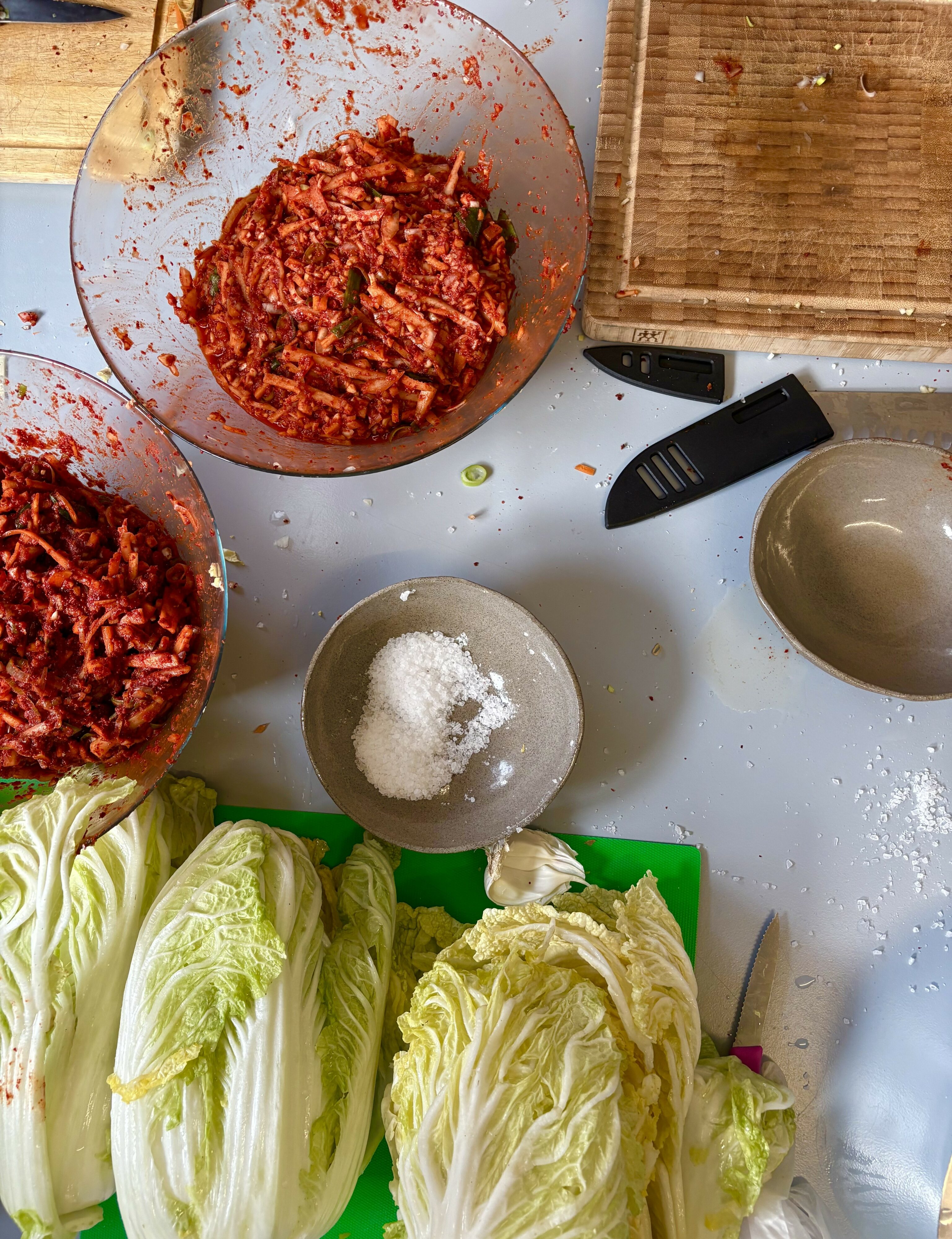
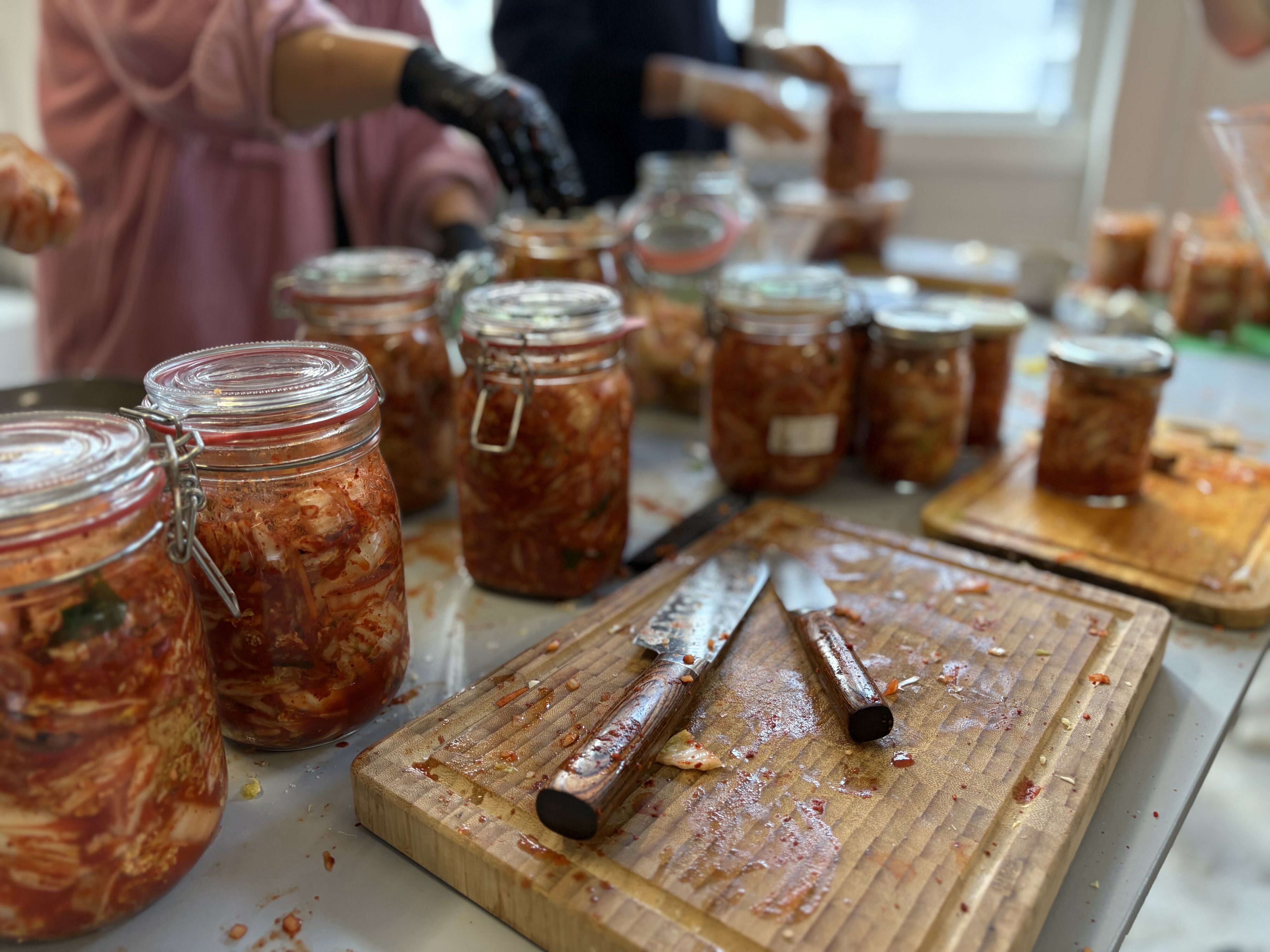
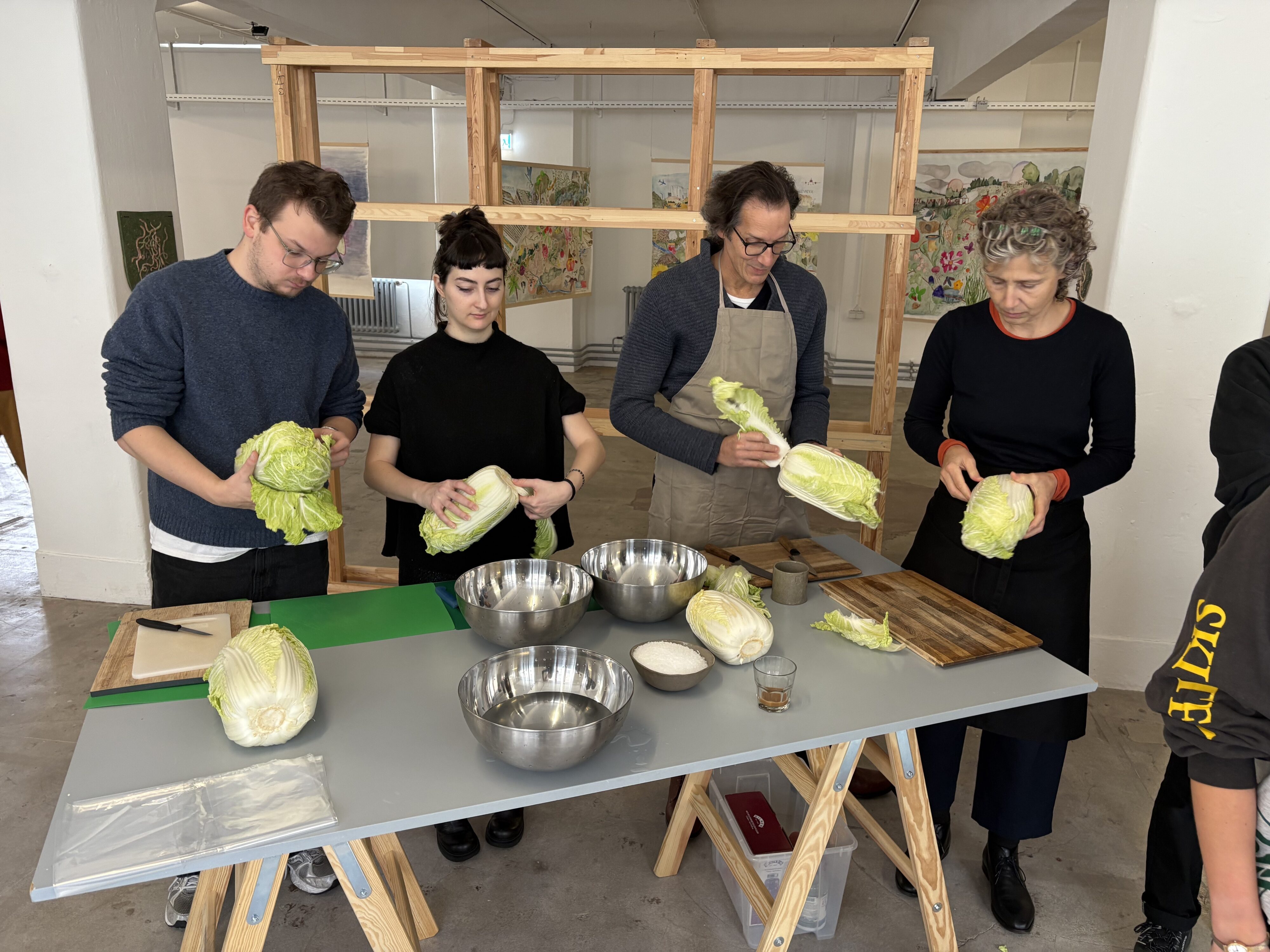
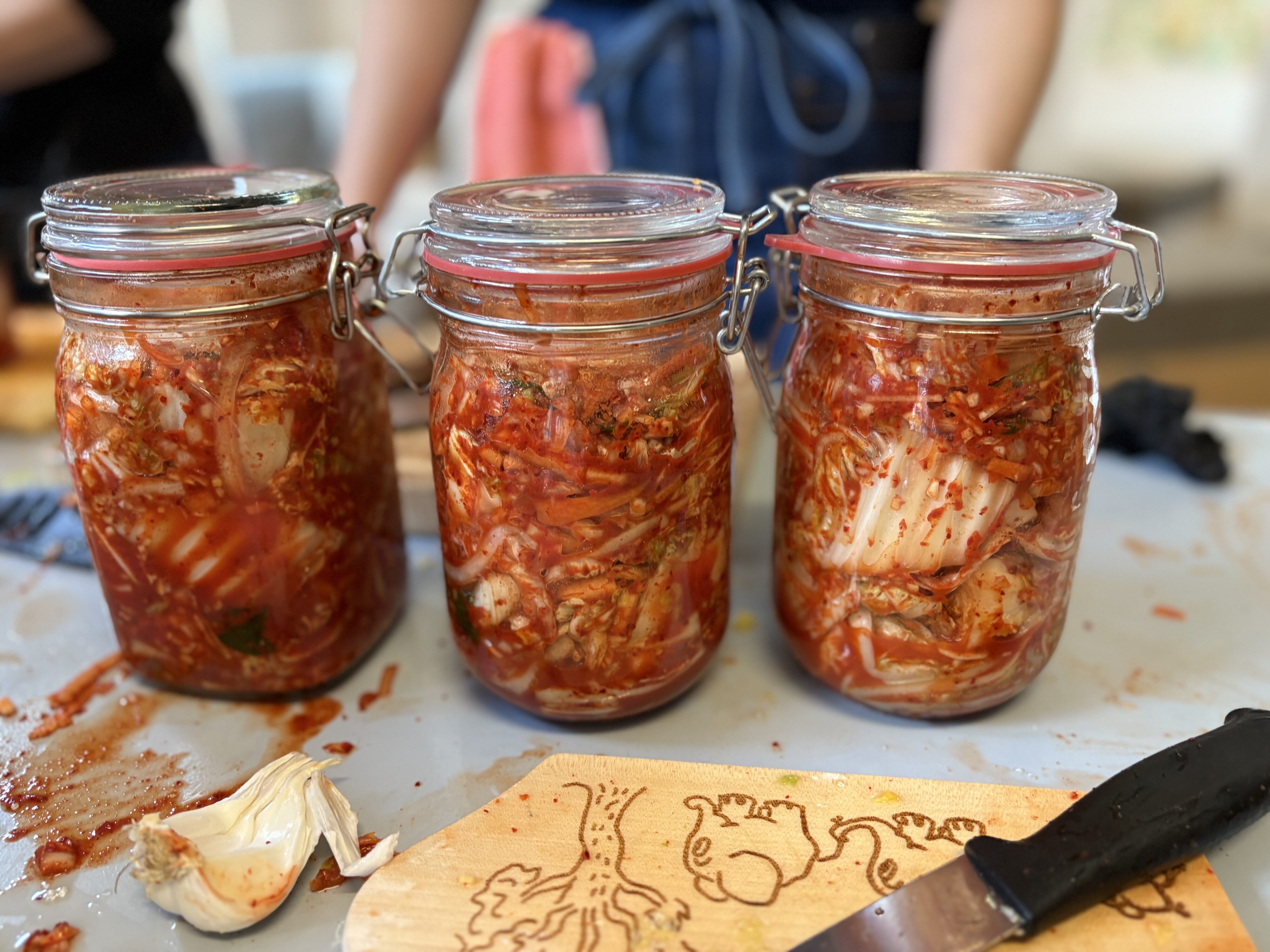
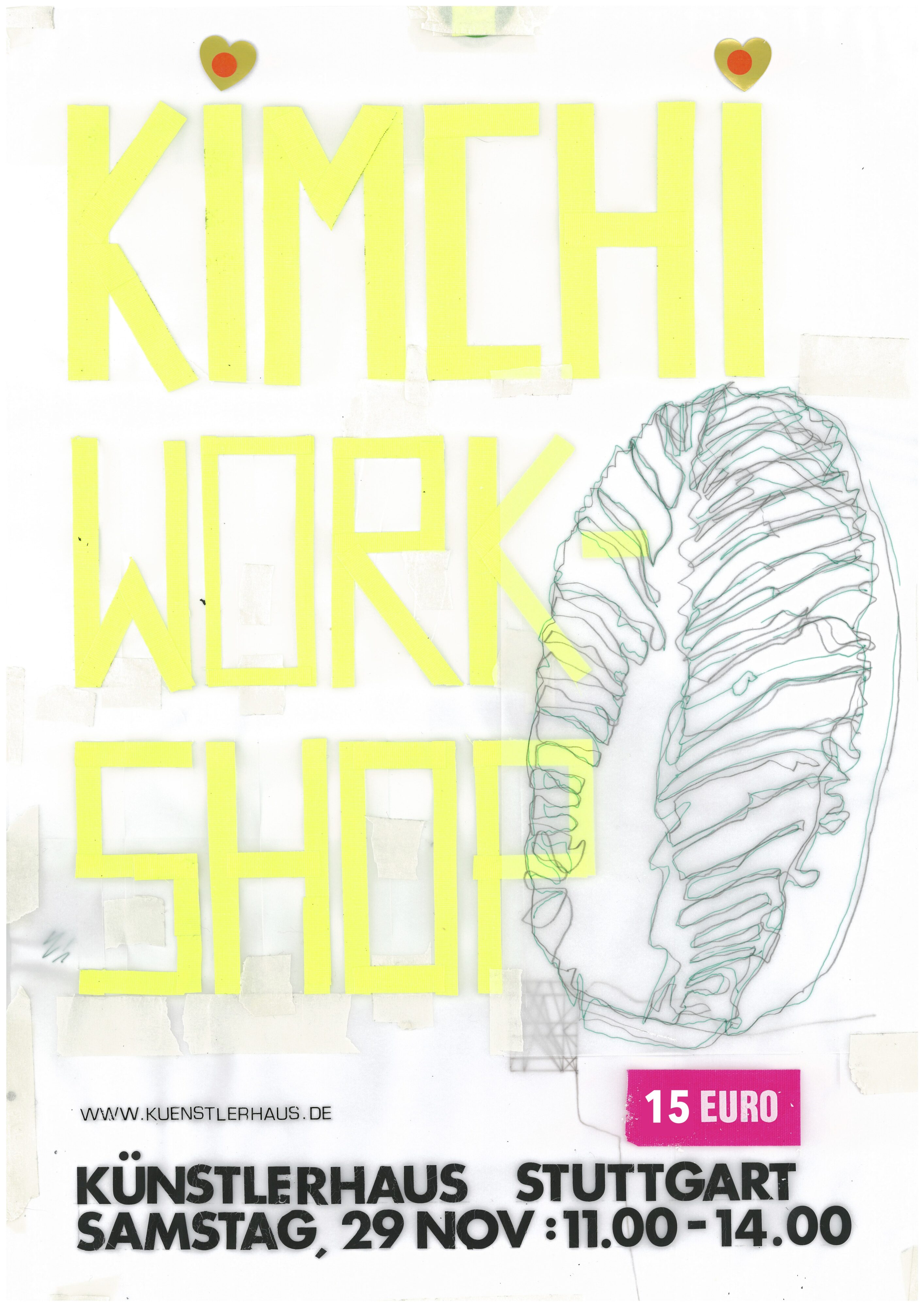
Stories for a better future: The power of myth in philosophy, urban ecology and politics is a collaborative project by ILPÖ, IZKT, Institut für Philosophie der Universität Stuttgart and Künstlerhaus Stuttgart. Collectively reflecting on Zheng Bo’s thought-provoking film installation, The Political Life of Plants, the evening’s conversation will explore the use and efficacy of narrative and “myth” as strategies for shaping attitudes to the future.
The rational arguments, empirical facts and abstract models characteristic of modernity have seen their power to change minds, impact decision-making or predict and mitigate disaster severely depleted. Alongside reason or logos, the ancient form of mythos has been and remains a powerful facilitator of transformative future-oriented change: stories propel us towards the future.
What kinds of stories accompany the political life of plants and the political and artistic agency of other-than-human lifeforms? And how do these stories, these myths, contribute to the shape of our future?
The talk will take place on the 4th floor of Künstlerhaus Stuttgart. The event will be held in English. All are welcome to join the open-ended discussion and inspiring exchange of thoughts.
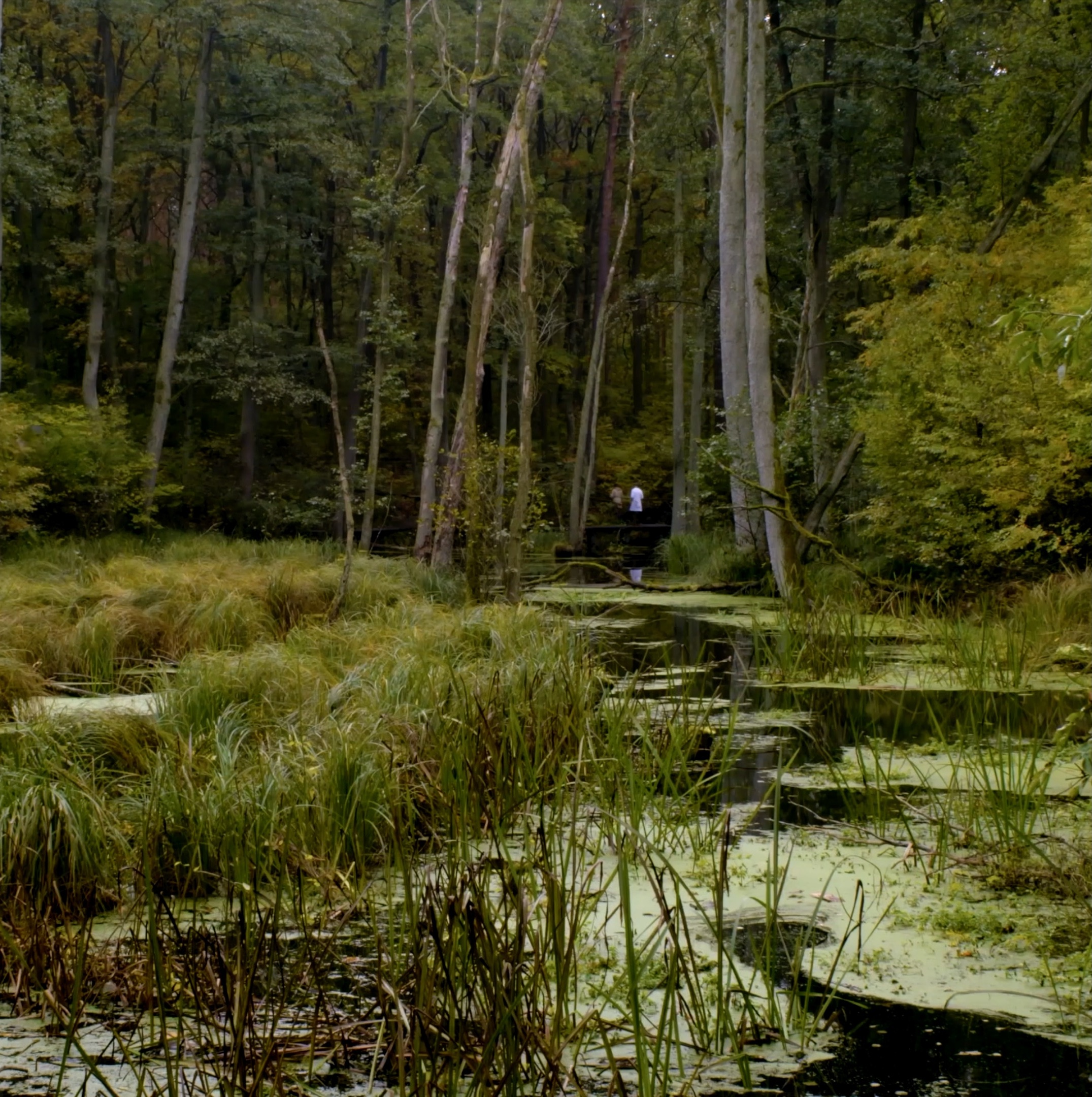
“Climb down into the well of your own night of deep, blind feelings.
Let yourself fall to the bottom of the sea, slip into the green darkness of the stones, circle in the eyes of the fish in the cold blood of their gills.
Let yourself be rocked in the seaweed
of the equinoxes.”
Rebecca Horn
In the sixth Listening Session, Marla Gwendolyn Fischinger opens up a poetic, sensual world of soothing sounds and songs for body and soul. Based on the working process for the video work Durst, in which water plays a central role as a symbol of healing, security and communication, an atmosphere is created that is carried by field recordings and ambient music, but also pop, classical and forever love for the harp, and which, fluid like water, carries us, envelops us and lets us float.
You’re invited to shed a tear.
Listening Sessions
This is the sixth event in the ‘Listening Sessions’ series in the recording studio at Künstlerhaus. Artists are invited to bring along the music that inspires, shapes and accompanies them. We will listen to this music together in the recording studio.
The regular series offers a space to exchange ideas about sonic influences and personal connections to music. This series of events was conceptualised by Lena Meinhardt, artist and manager of the audio workshop at Künstlerhaus.
As places in the recording studio are limited, please register at audio@kuenstlerhaus.de
Lost in Research
In the 47th Tuesday-Workshop, Leonie Klöpfer explores the question of how to proceed with the development of a project or concept after a long research phase and with all the new information at hand. Which wrong turns, delicate paths and unforeseen alleys actually lead to where you want to go?
She ‘s currently conducting extensive research on the topic of textiles in a hospital context. To this end, she completed a several-week internship at a hospital in Stuttgart. Her experiences and conversations, as well as her reading of a wide variety of texts, have woven together a tapestry of information, images and impressions, from which she is currently developing an exhibition project.
In Tuesday-Workshop, she will provide insights into her research and material samples and present her initial work, followed by an open discussion.
Leonie Klöpfer is a visual artist. In her work, she deals with the (metaphorical) healing of wounds and injuries and explores how injury and healing are interdependent in the form of large-scale installations, architectural interventions and drawings. By deconstructing (supposedly) real and metaphorical healing processes, she exposes underlying layers of injury, revealing their causes. This raises questions such as what form of injury, including immaterial wounds, must have occurred previously, what repairs have been made that may carry new injuries, and what scars remain visible or tangible. Fundamental to this is the constant idea of surfaces as shells with an inside and an outside: skin, textiles, architecture and other phenomena that function as boundaries and protection, the violation of which often means penetration into another system.
Before studying art at the ABK Stuttgart in Prof. Birgit Brenner’s installation class, !Mediengruppe Bitnik, Anike Joyce Sadiq and Flaka Haliti, Leonie Klöpfer studied German language and literature at the University of Stuttgart and spent a guest semester in communication design with Prof. Dr. h.c. Patrick Thomas. In 2020 and 2023, she was awarded the Academy Prize and, after graduating with a degree in fine arts in 2024, received the State Graduate Scholarship of Baden-Württemberg. Her work has been exhibited at the Kunstverein Neuhausen, the Staatsgalerie Stuttgart and Kunstraum 34 in Stuttgart, among others.
Tuesday-Workshop
The Künstlerhaus invites an artist or a collective—meaning any artists or cultural workers from any field or discipline—to talk about their working methods as well as their backgrounds and approaches. We want to establish a platform for a more in-depth interaction with regard to artistic practice, and in doing so to create a network, show solidarity, and mutually strengthen one other.
The series is aimed at all members of Künstlerhaus Stuttgart, artists either living in Stuttgart and the surrounding area or just traveling through, all cultural workers, art mediators, curators, etc., and is open to everyone!
03:00pm–06:00pm
Torshi: Manifestation Pickling with artist and architect Hanieh Fatouraee is an invitation to explore and exchange methods of food preservation together around a Sofreh made of fruits and vegetables. A Sofreh is a traditional cloth used for serving food or sharing meals while sitting together on the floor.
Together, we explore pickling as a ritual, caring, and communal practice – inspired by the tradition of Toroshi-making, which is common in several West Asian cuisines. Gathering around the Sofreh holds significance not only because it is a mobile nomadic tool of carrying food and a space of gathering but has long been part of many cultures as a ritualistic place for ceremonial events or celebratory symbolism like Haft-seen.
In this freestyle event, Hanieh Fatouraee will talk about some of her familial local preservation methods of the Urmia region followed by collectively sharing pickle recipes while cutting, peeling, gossiping, debating whose method is better, and designing colorful pickles with vegetables & fruits.
During these political times when intersectional solidarity is needed more than ever, we will take a moment to inscribe our desired manifestations onto the pickles. As we embody these pickles by eating them in the near future, we allow the act of preservation to infuse into our bodies with more care and acknowledgement.
The event will be held in English. The expense contribution for food is 5 Euros.
The number of participants for the workshop is limited. Please register by November 2 with Hanieh Fatouraee, haniehfatouraee@gmail.com
This event is part of Companion Planting, a collaborative series by Künstlerhaus Stuttgart and Akademie Schloss Solitude, inspired by the gardening practice in which different plants grow stronger side by side. The series cultivates a similar ecology of exchange, where both institutions support, nourish, and inspire one another, allowing new ideas and practices to take root and flourish. It regularly presents formats in which Solitude fellows engage with the community of Künstlerhaus Stuttgart, creating spaces for encounter, dialogue, and shared growth.
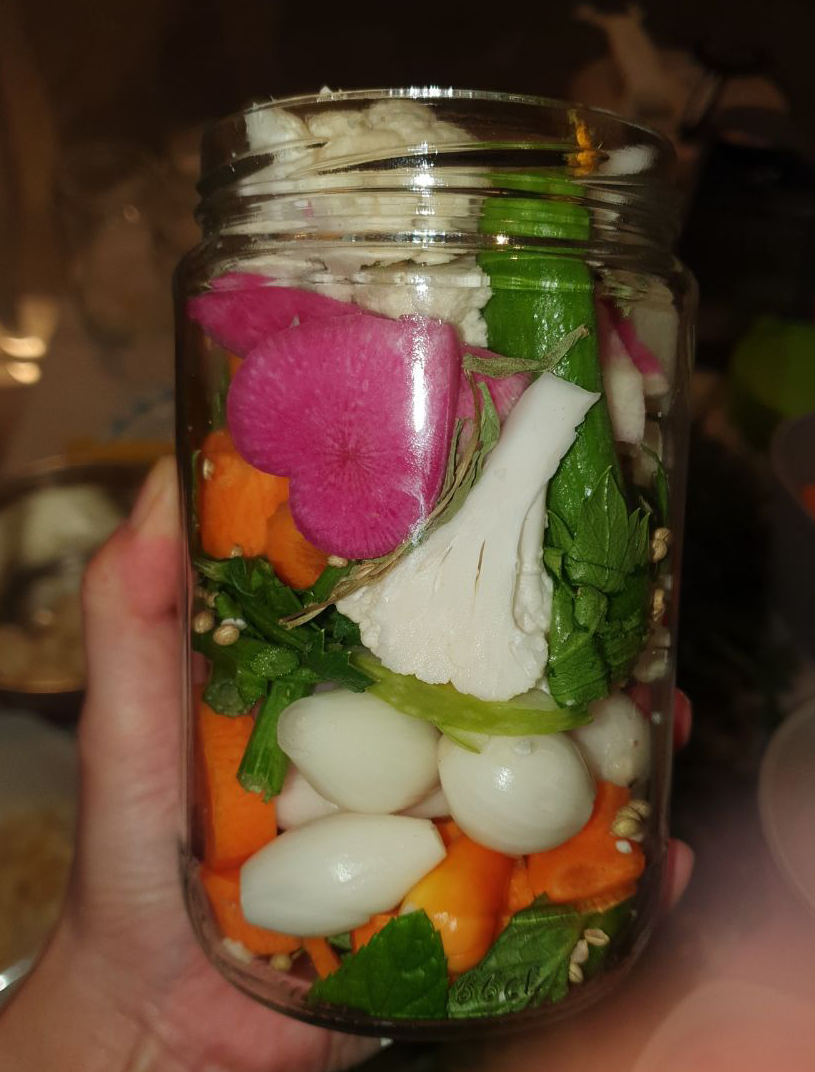
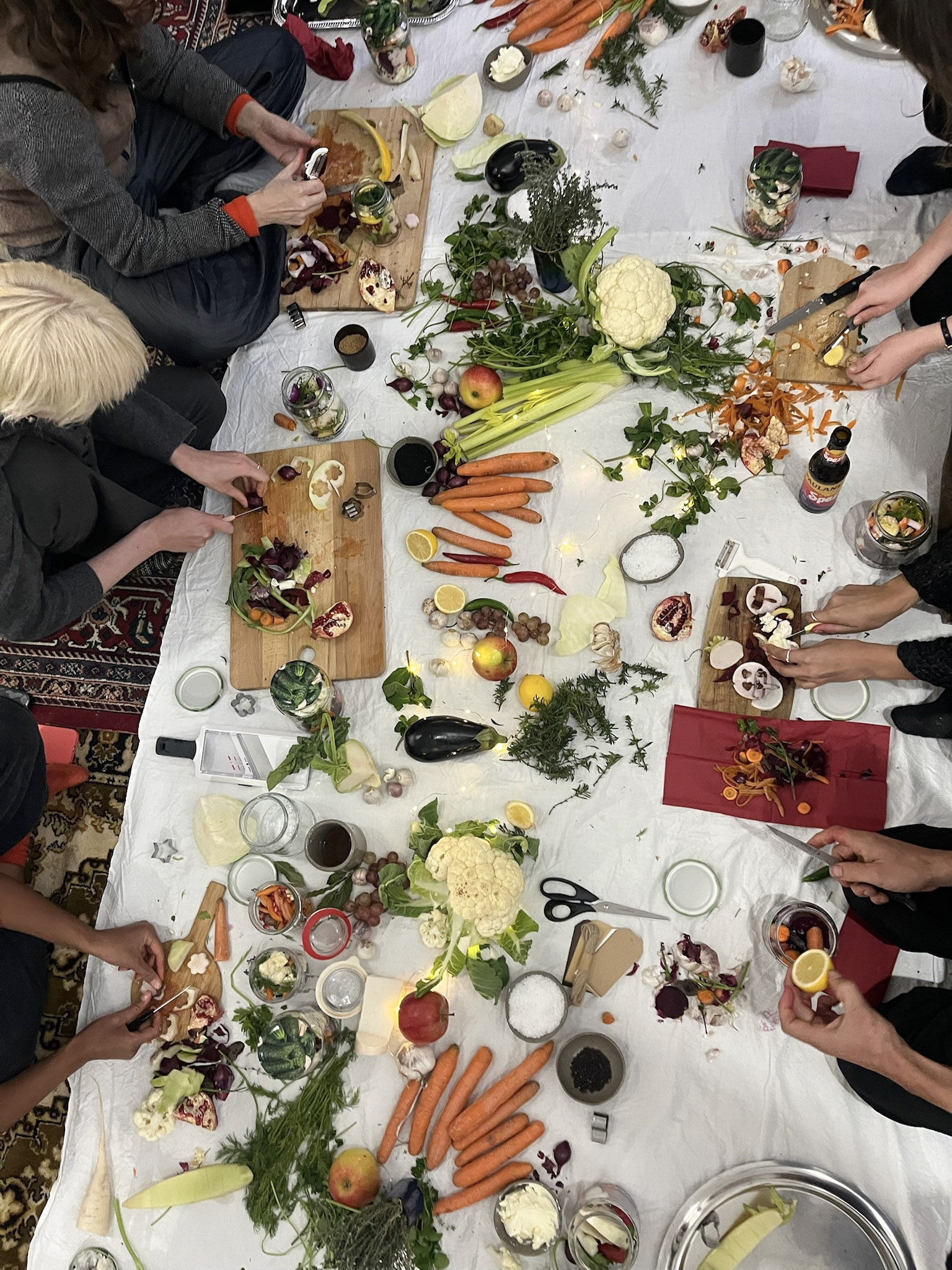
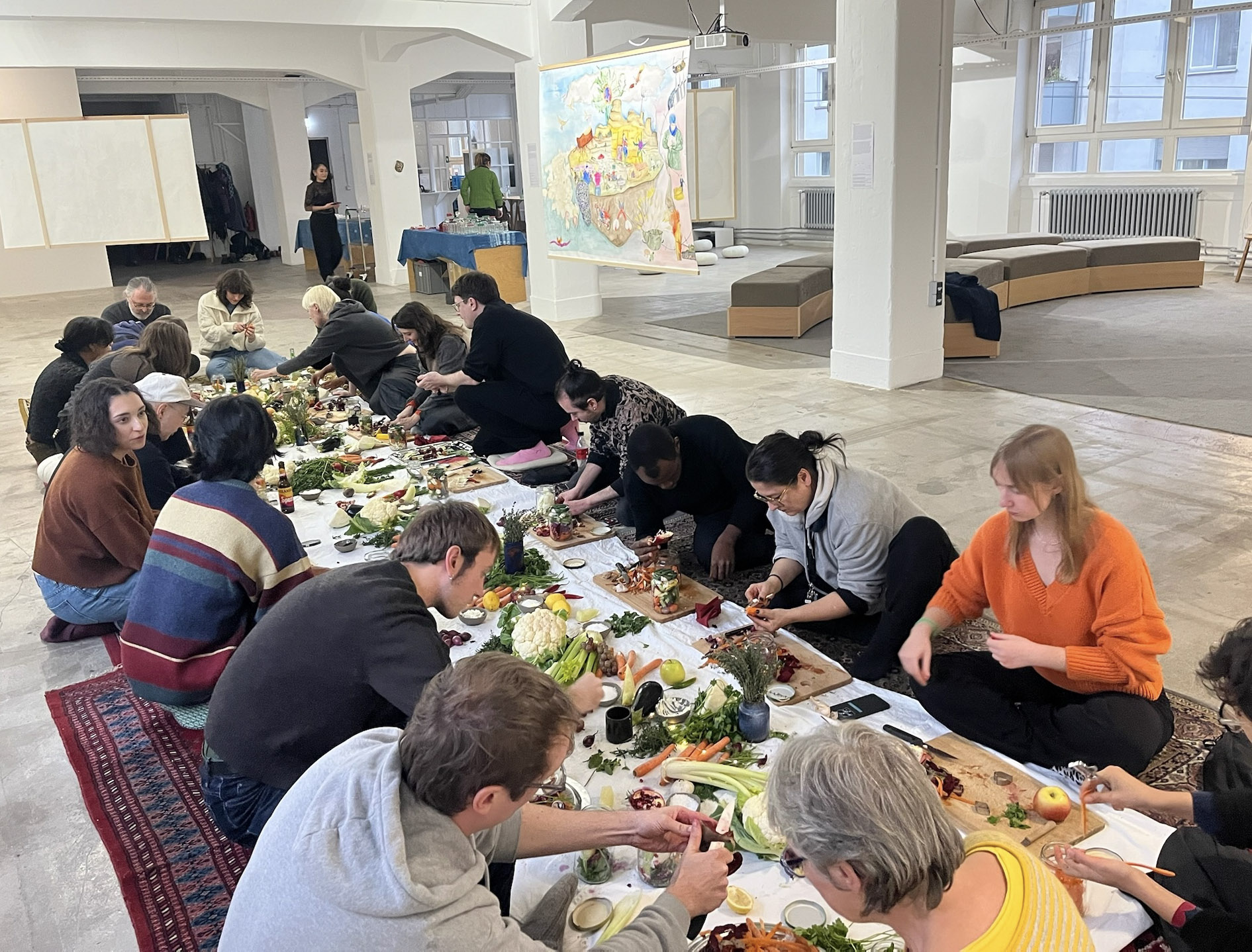
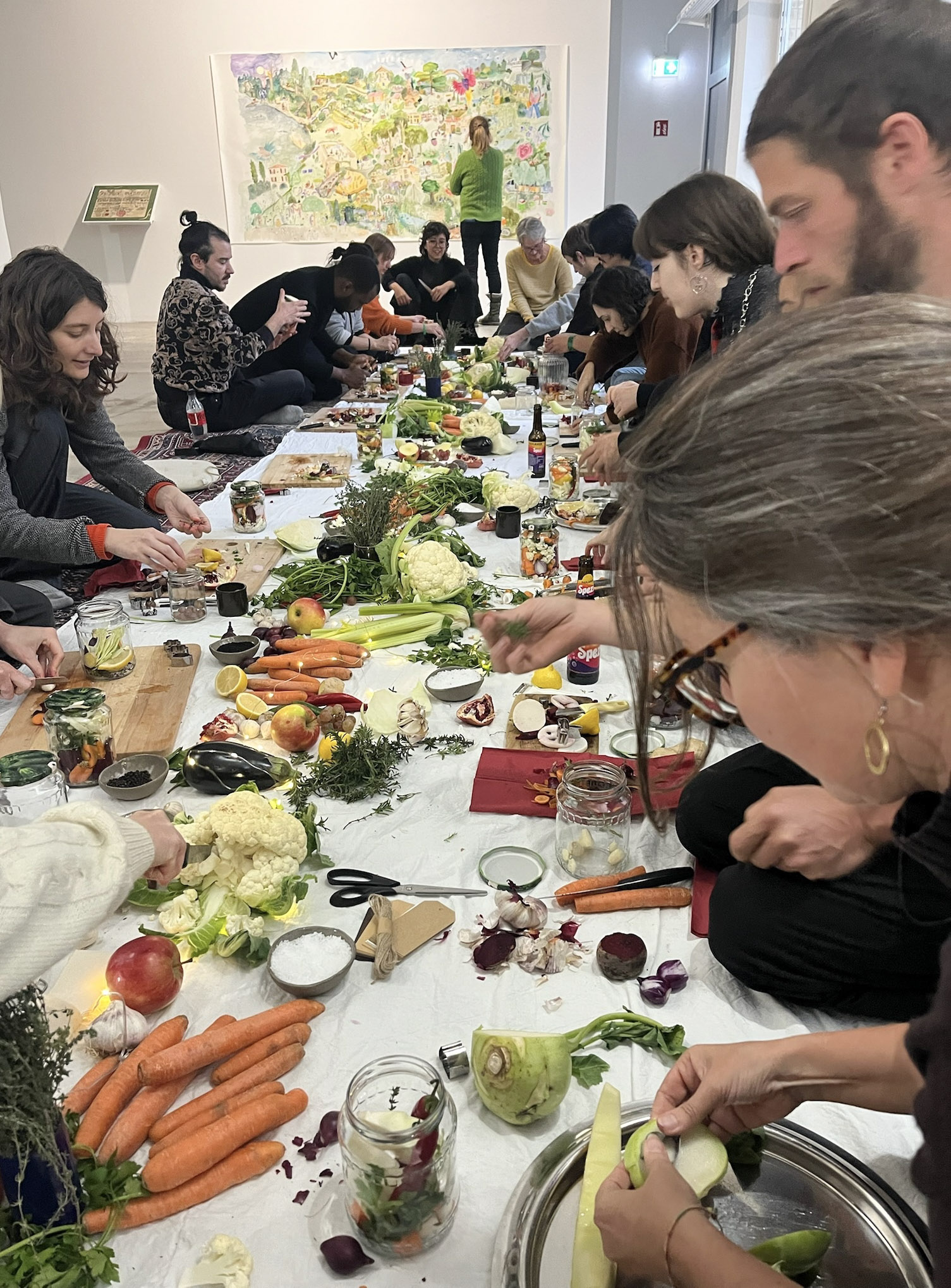
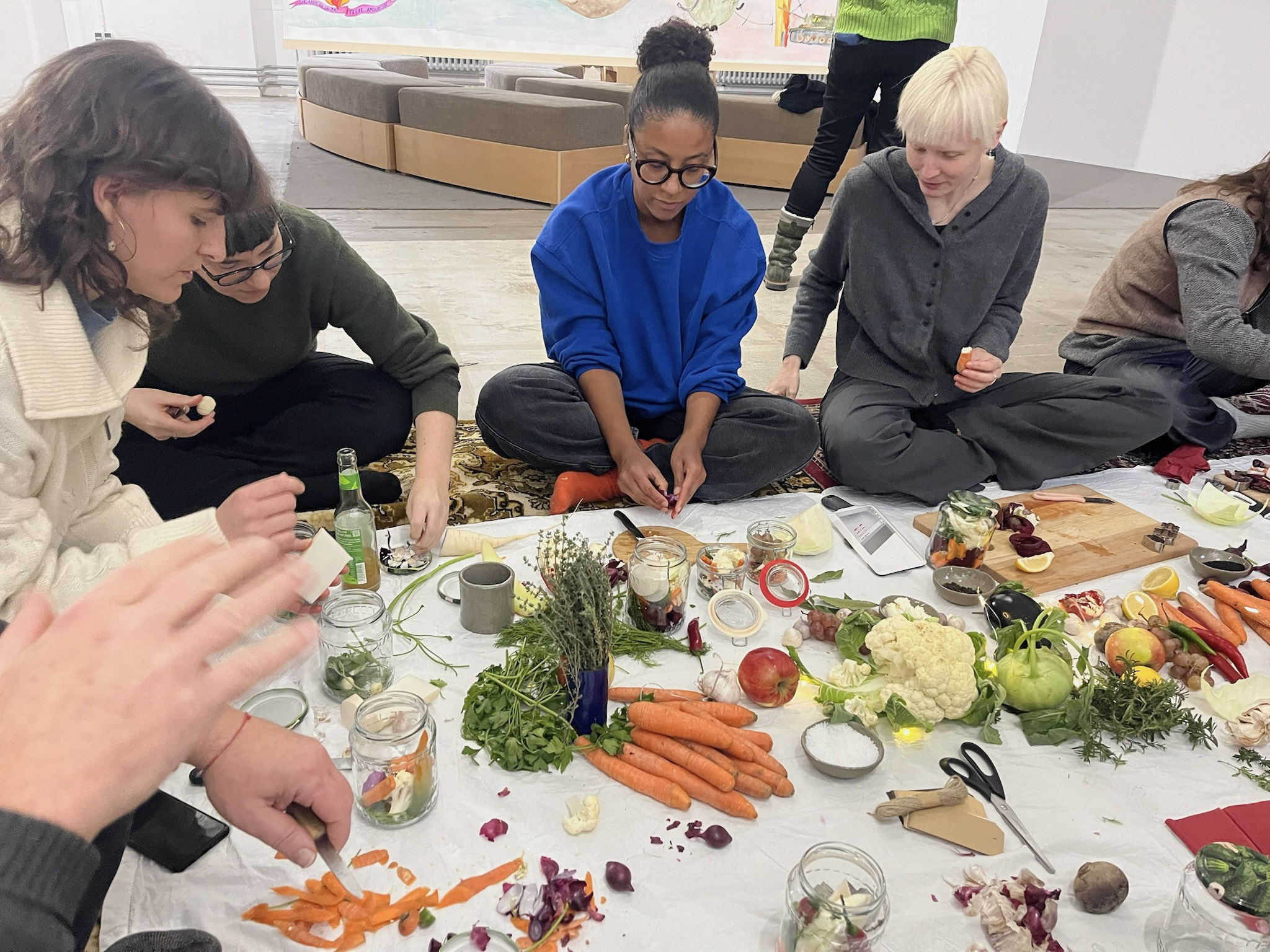
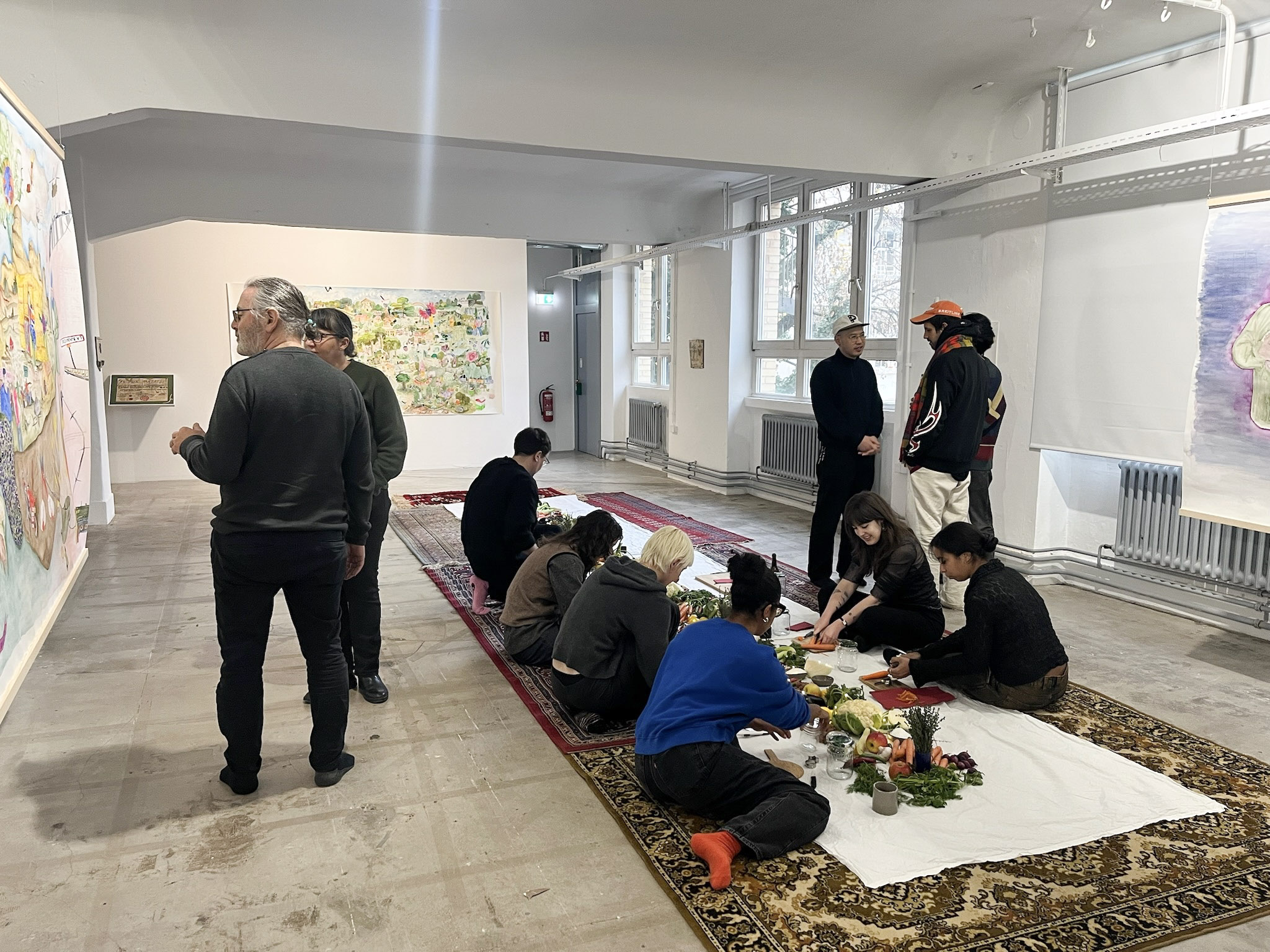
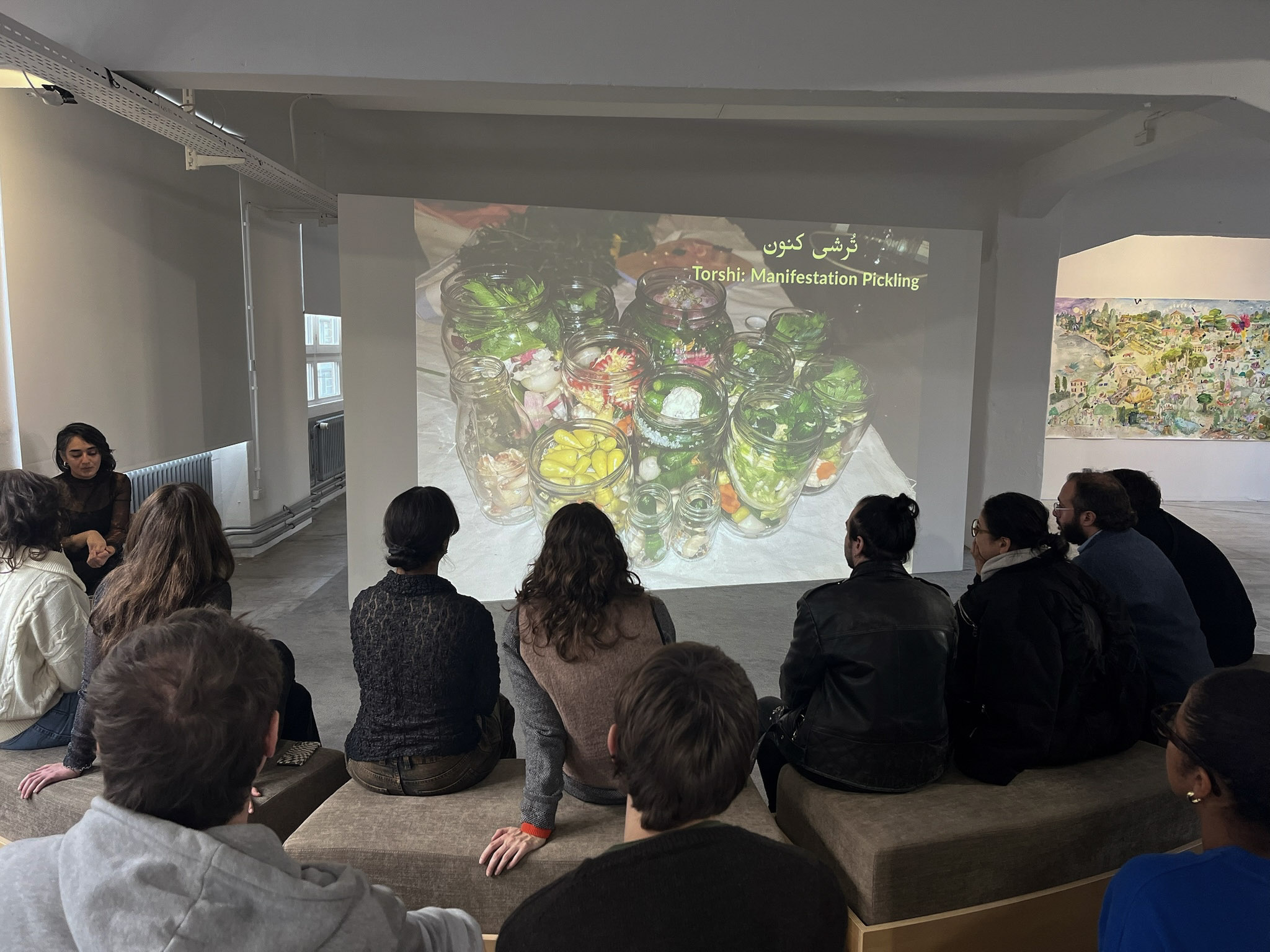
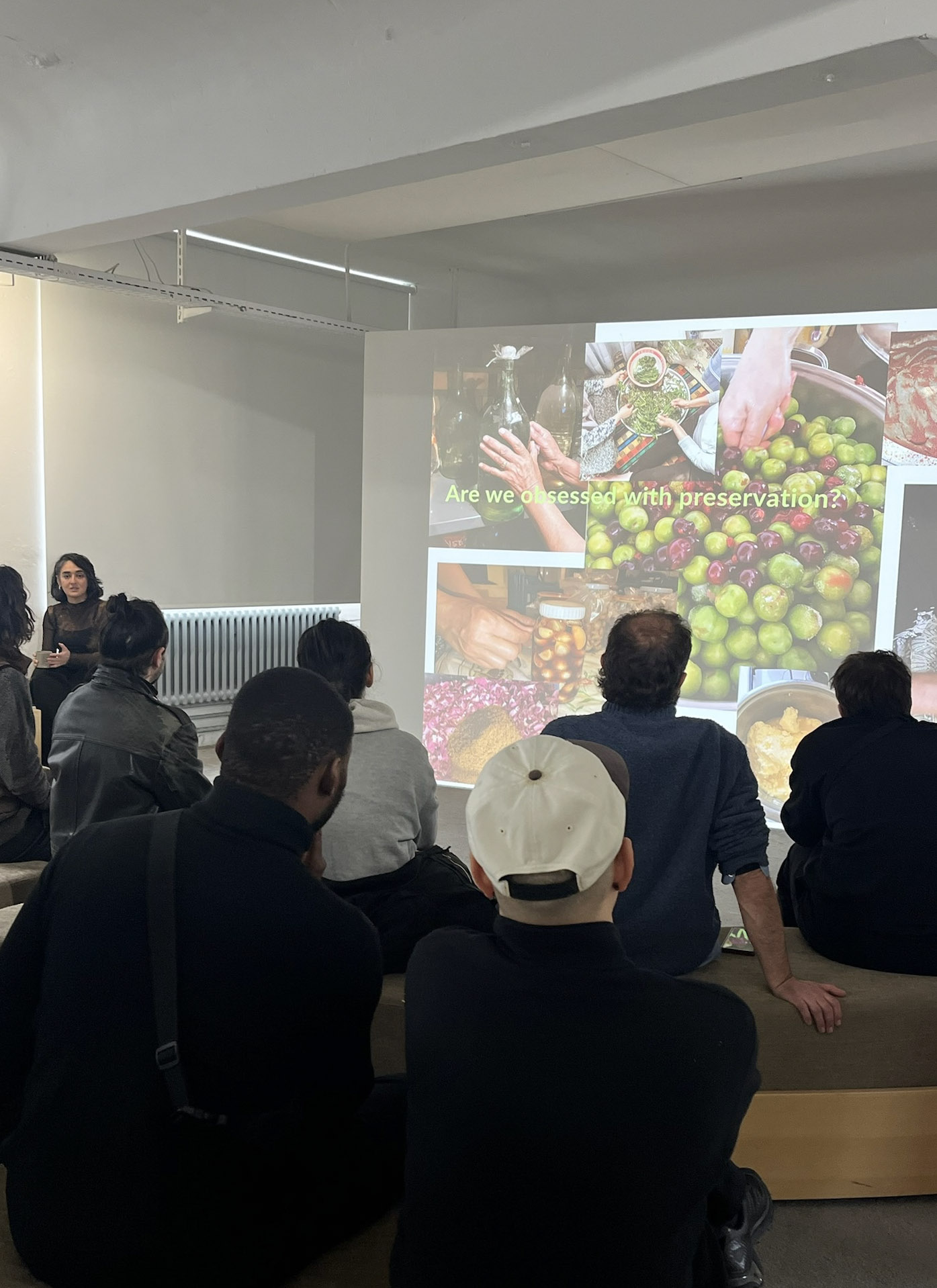
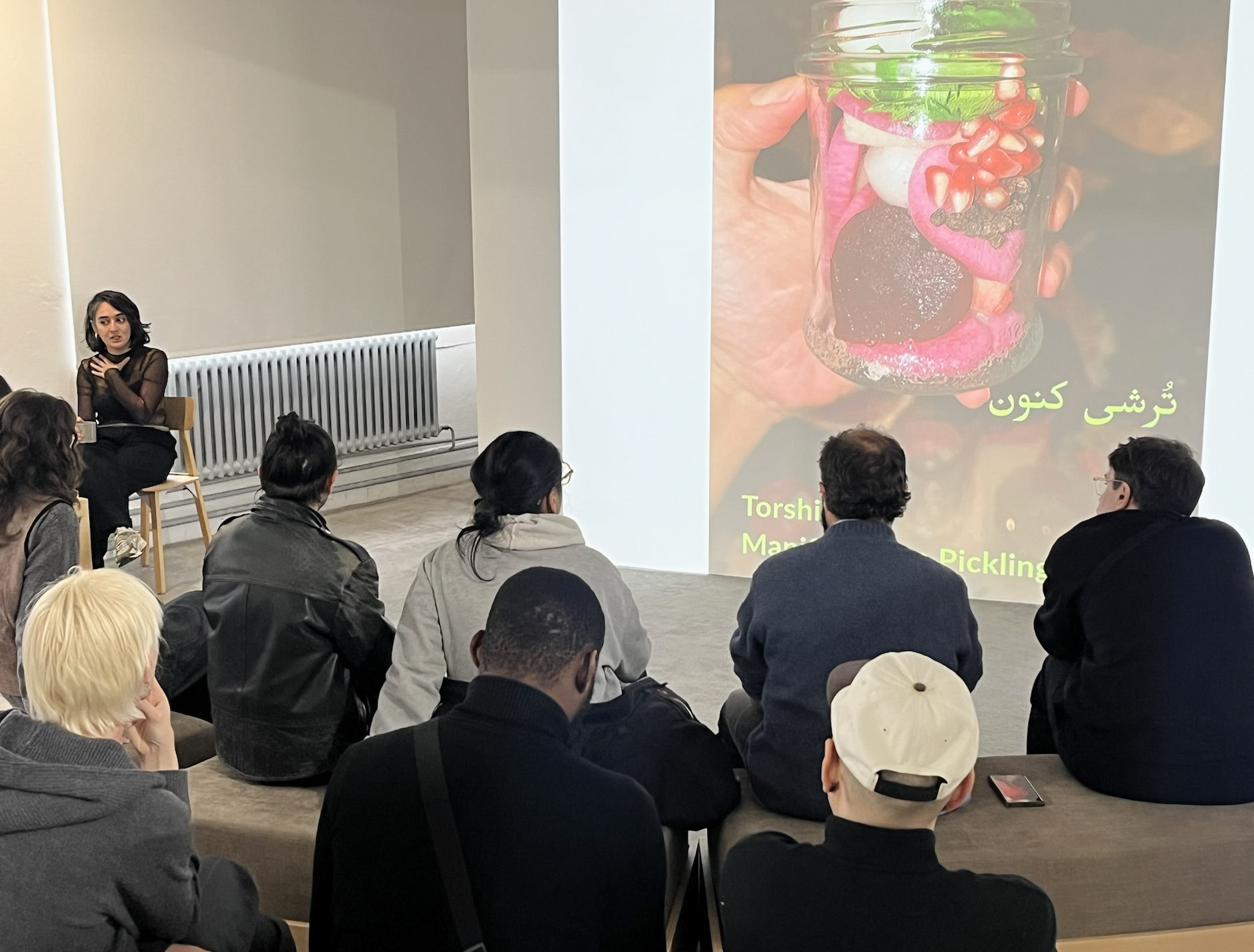
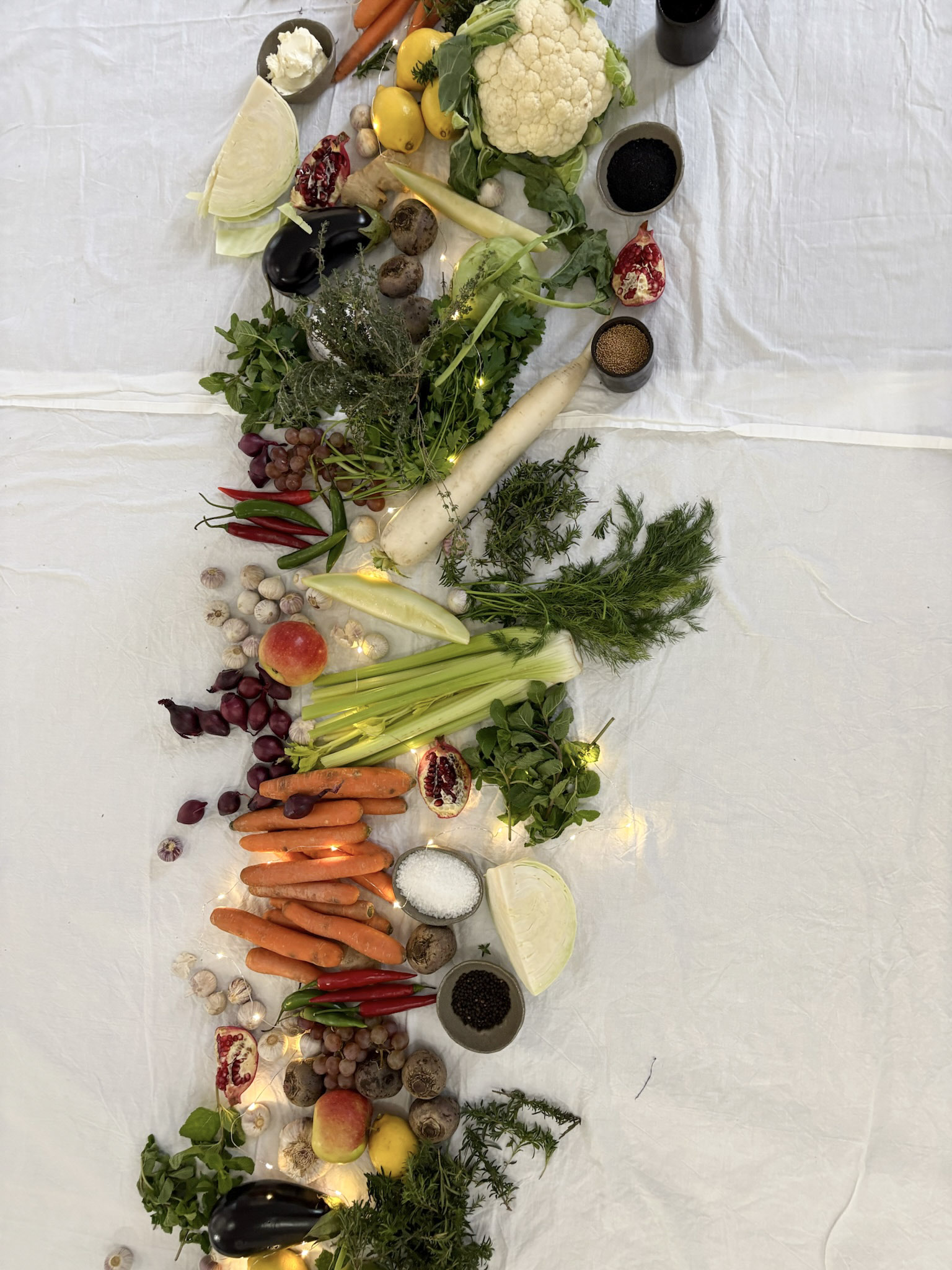
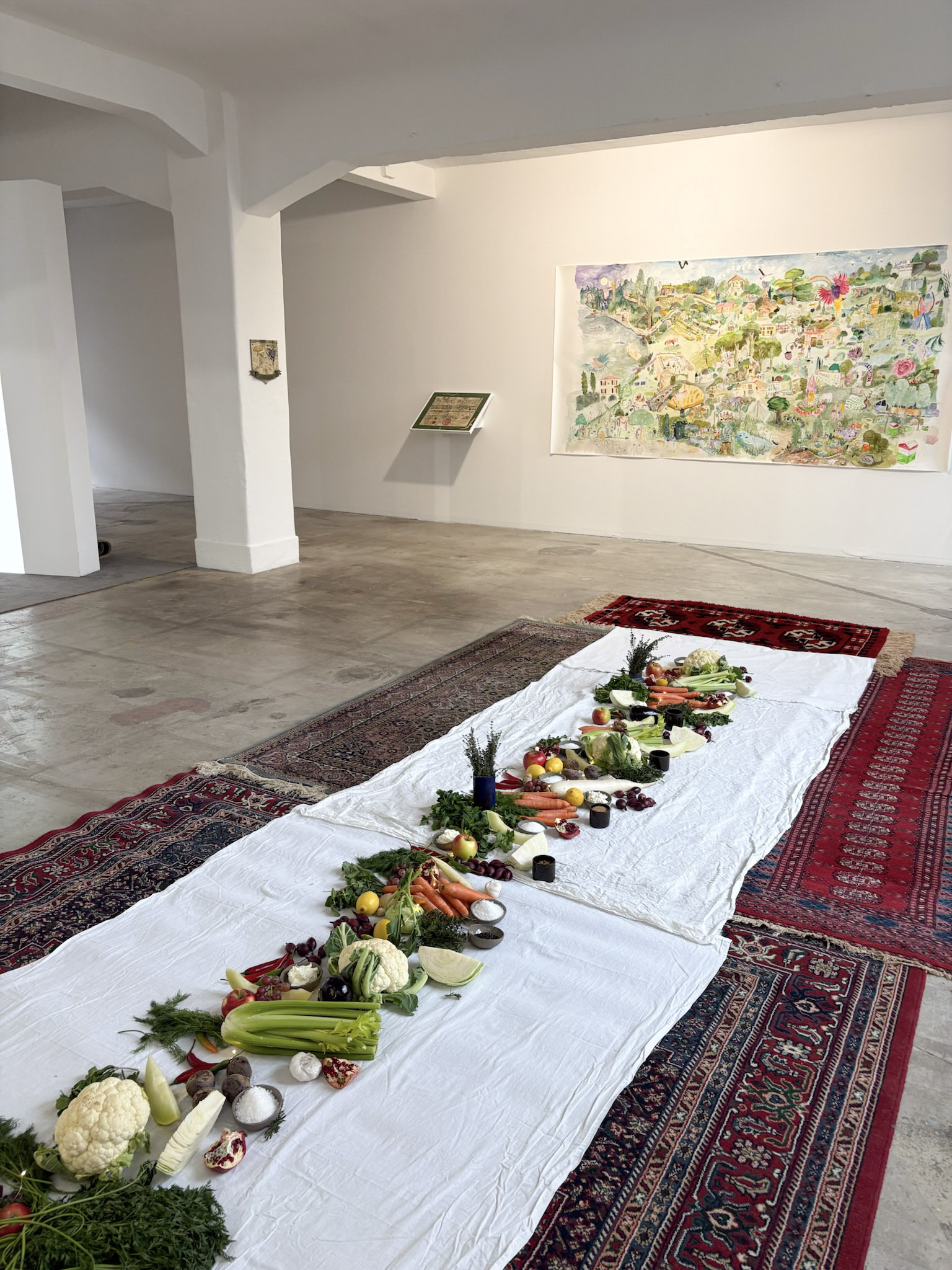
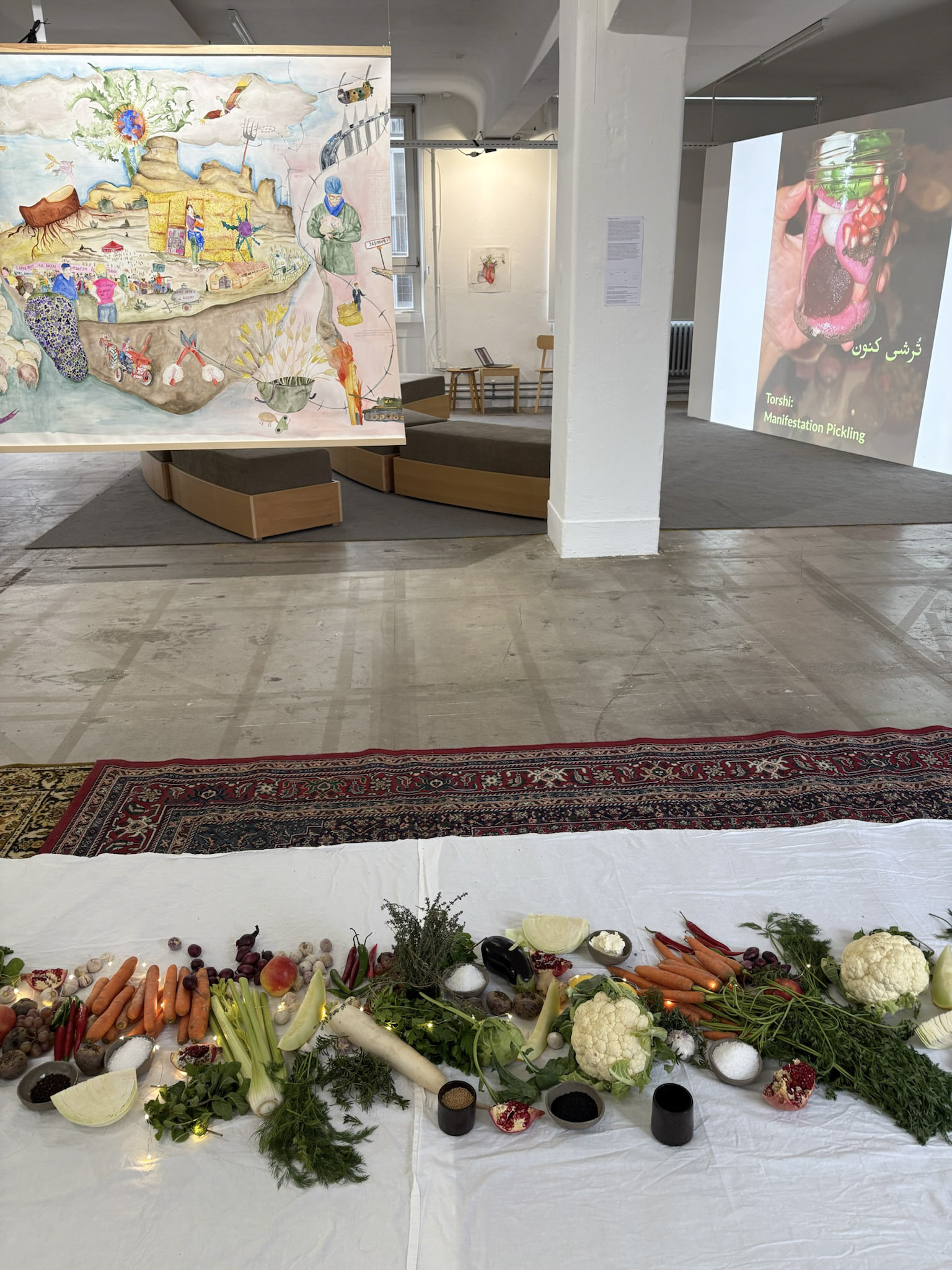
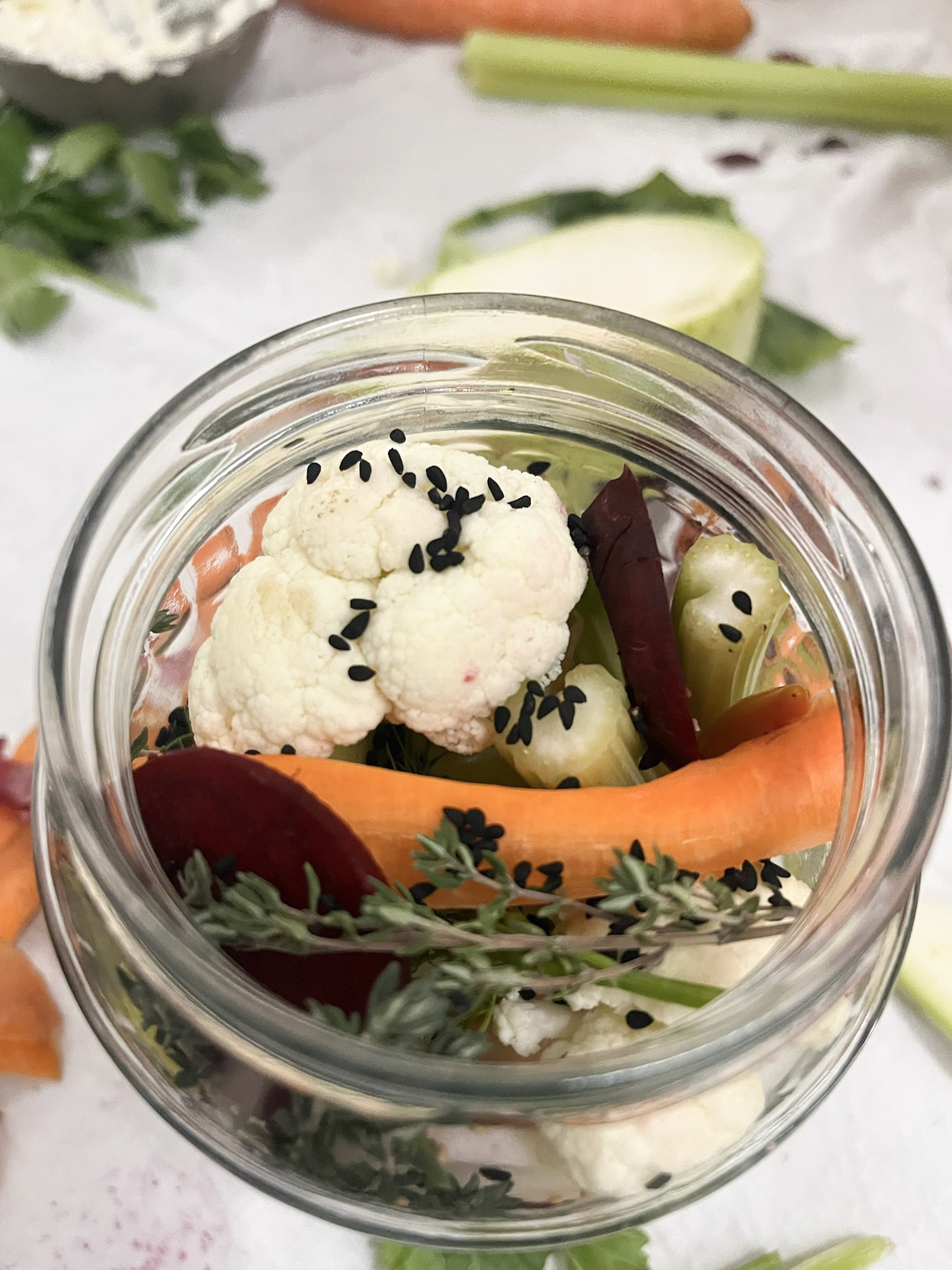
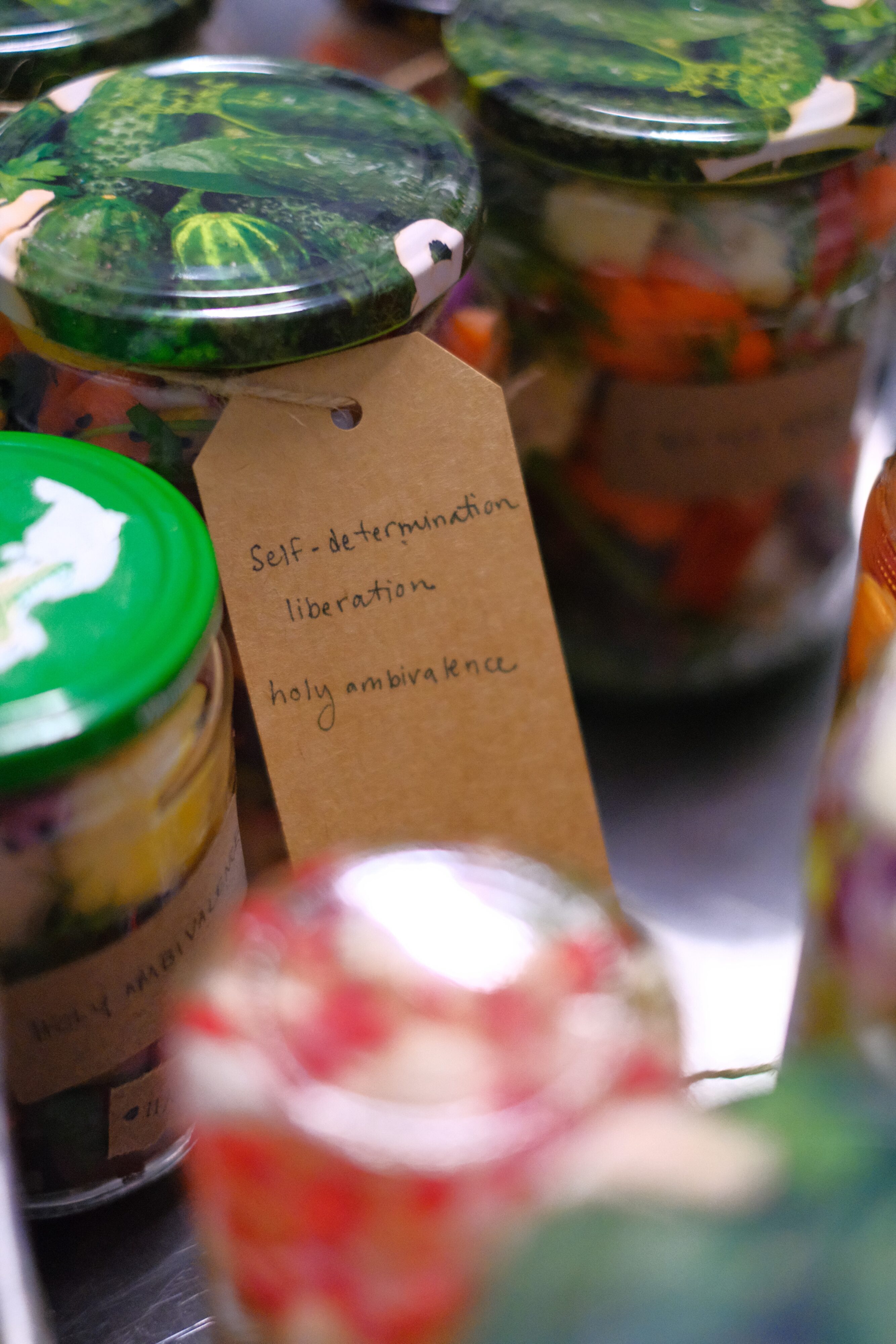
05:30pm–07:30pm
Join artist Stéphanie Sagot and mindfulness leader and physician Grégory Baptista on Sunday morning for a guided meditation session in the newly inaugurated meditation space, Galacté.e in the atmosphere of Voyage en Terres Amoureuses.
A second guided meditation session with Sagot and Baptista will be held on Monday evening from 5:30 pm to 7:30 pm, followed by an artist talk.
Galacté.e invites participants to develop through meditation a presence, attentive to the self, to others, and more broadly to the cosmos, in order to cultivate a “medicine-world” that cares for all, everyone and everything. These moments of meditation will be followed by an open exchange, reflecting on the immersive experience, surrounded by Sagot’s Cartes de Tendre, and bathed in a sound installation.
This meditative atmosphere is inspired, in part, by Albert Einstein’s understanding of the oneness of all things. As he put in a letter written in 1950, “A human being is a part of the whole, called by us “Universe,” a part limited in time and space. He experiences himself, his thoughts and feelings as something separate from the rest— a kind of optical delusion of his consciousness. This delusion is a kind of prison for us, restricting us to our personal desires and to affection for a few persons nearest us. Our task must be to free ourselves from this prison by widening our circles of compassion to embrace all living creatures and the whole of nature in its beauty.”
No previous meditation experience necessary. The group is limited to 21 participants. Registration: ll@kuenstlerhaus.de
Since July, Stéphanie Sagot’s Voyage en Terres Amoureuses has opened pathways into agroecology and land use, as well as the political, institutional, and deeply personal relationships that constitute such landscapes. Her large-format watercolors (250 x 150 cm), and ceramic works are inseparable from the agricultural, political and artistic communities and struggles in France and Spain, which they depict. They map what the artist calls “terres amoureuses”, and the relationships they nourish. These paintings are both personal and political cartographic documents.
Sagot’s first Carte de Tendre was inspired by Madeleine de Scudéry’s Carte de Tendre written in 1654, which created a visual geography of emotions and illustrated the dangers and pleasures to be attained on the path to courtly love. Sagot’s works include the literal landscapes of her chosen sites, in France, Spain and now Germany, and the inherent complexities of living on the land and in community, while referencing the joys and perils inherent in farming practices today. Since 2016, Stéphanie Sagot, together with Suzanne Husky, has instantiated “Le Nouveau Ministère de l’Agriculture”, a thoroughly researched, institutionally designed prefiguration of a new French Ministry of Agriculture, based on a love-inspired rural agroecology. In the tradition of Cartes de Tendre, her richly detailed and referenced historical watercolor maps form and reform landscapes beyond national boundaries, restricted zones and private property lines, representing them as loving lands.
At the commencement of Voyage en Terres Amoureuses, Stéphanie Sagot hosted a workshop where participants followed in her footsteps through the Voyage – gaining insights into how she researched the topics of these cartographic works, how she coalesced images, interviews, and ideas into a cartographic landscape, and finally how all this came together in the painting. She is now augmenting and activating the atmosphere with the meditative installation Galacté.e.
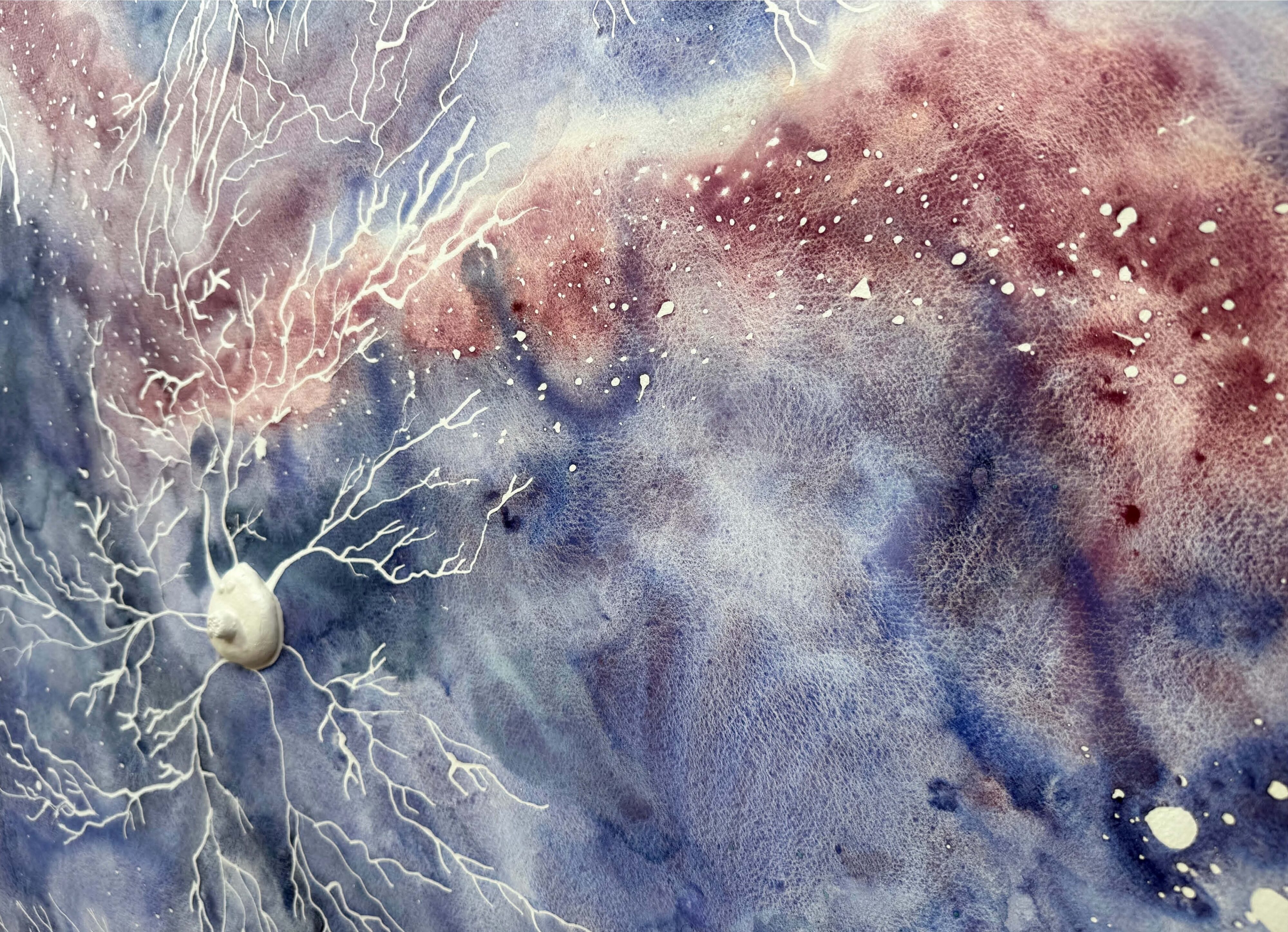
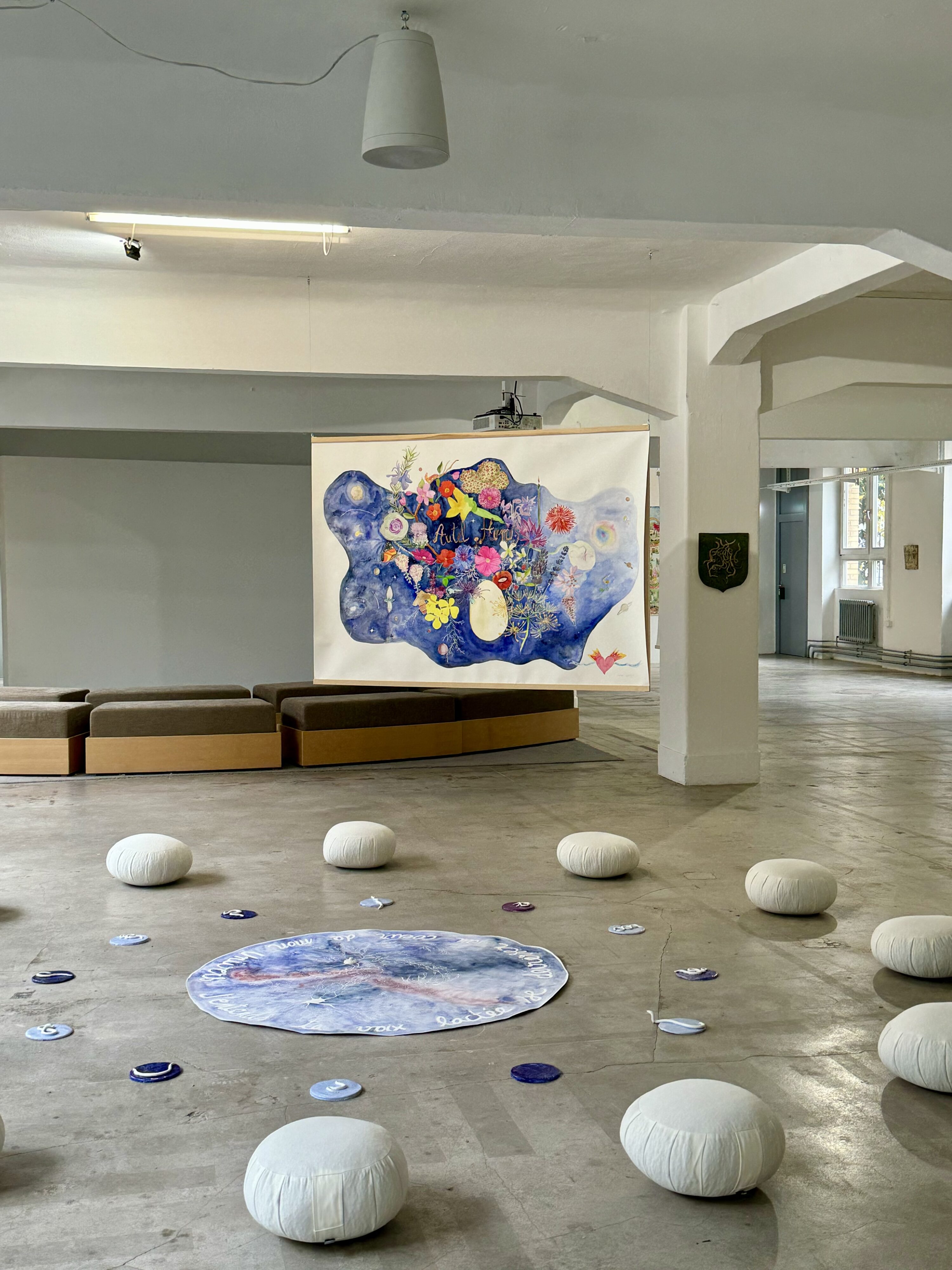
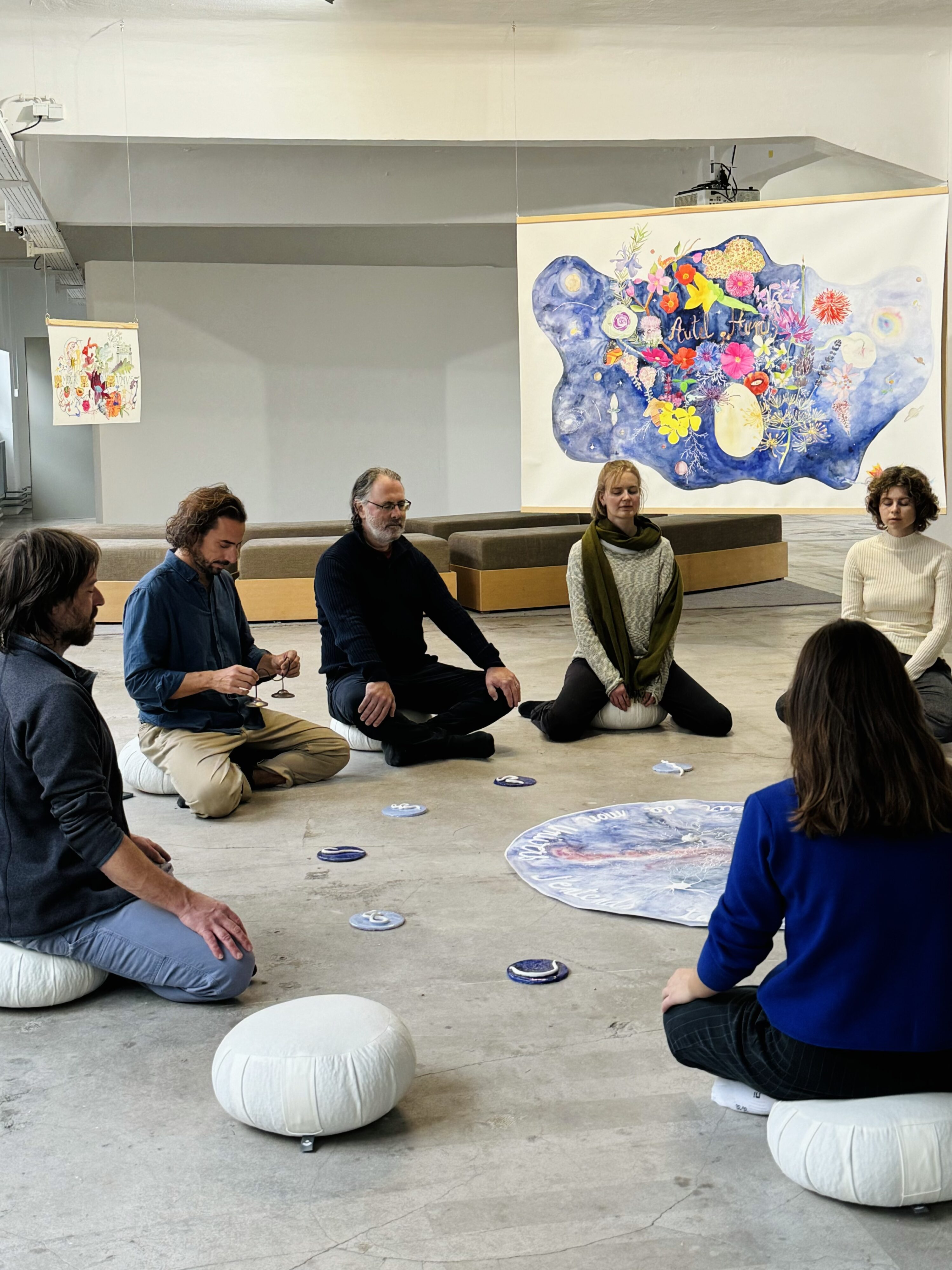
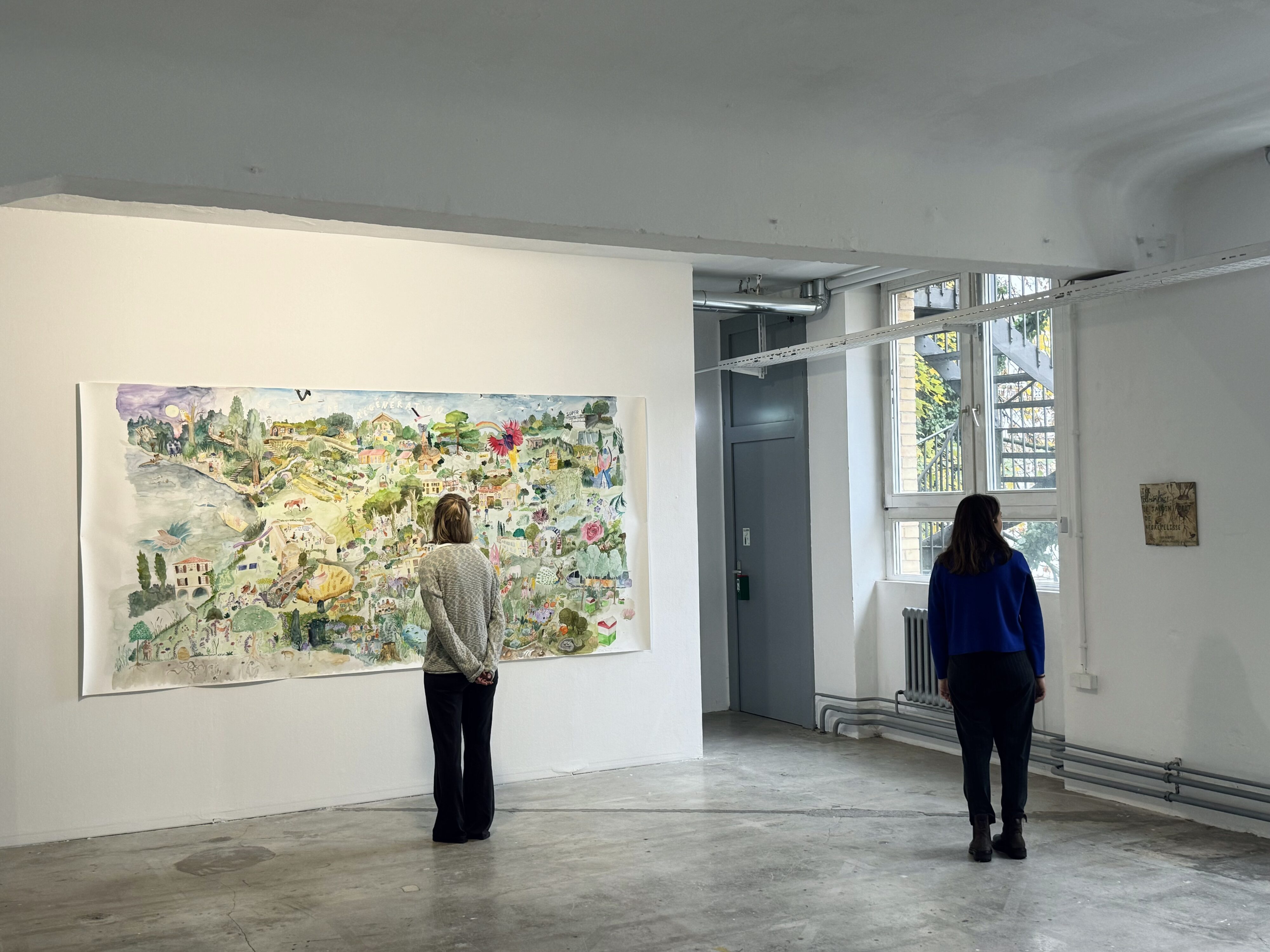
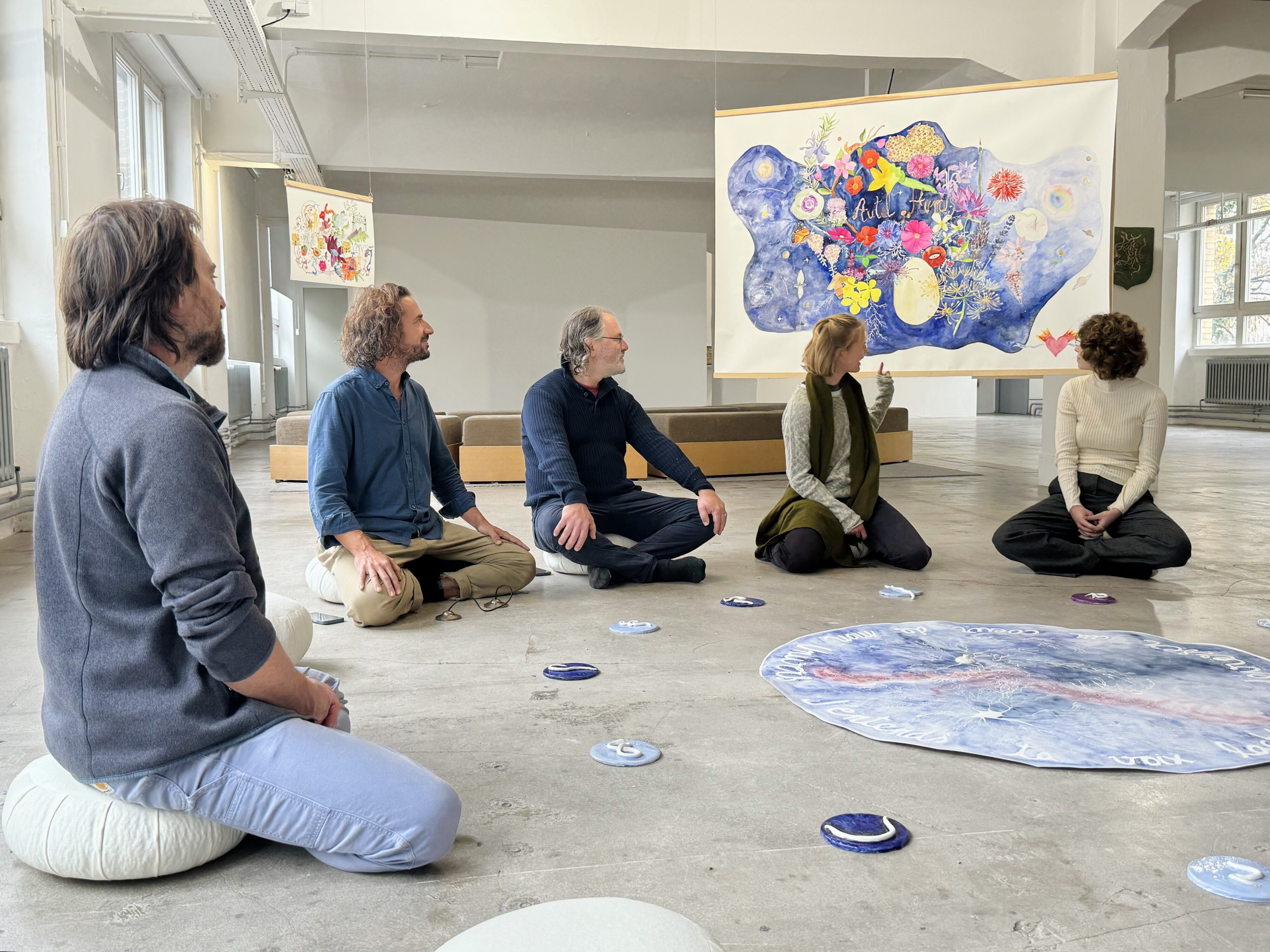
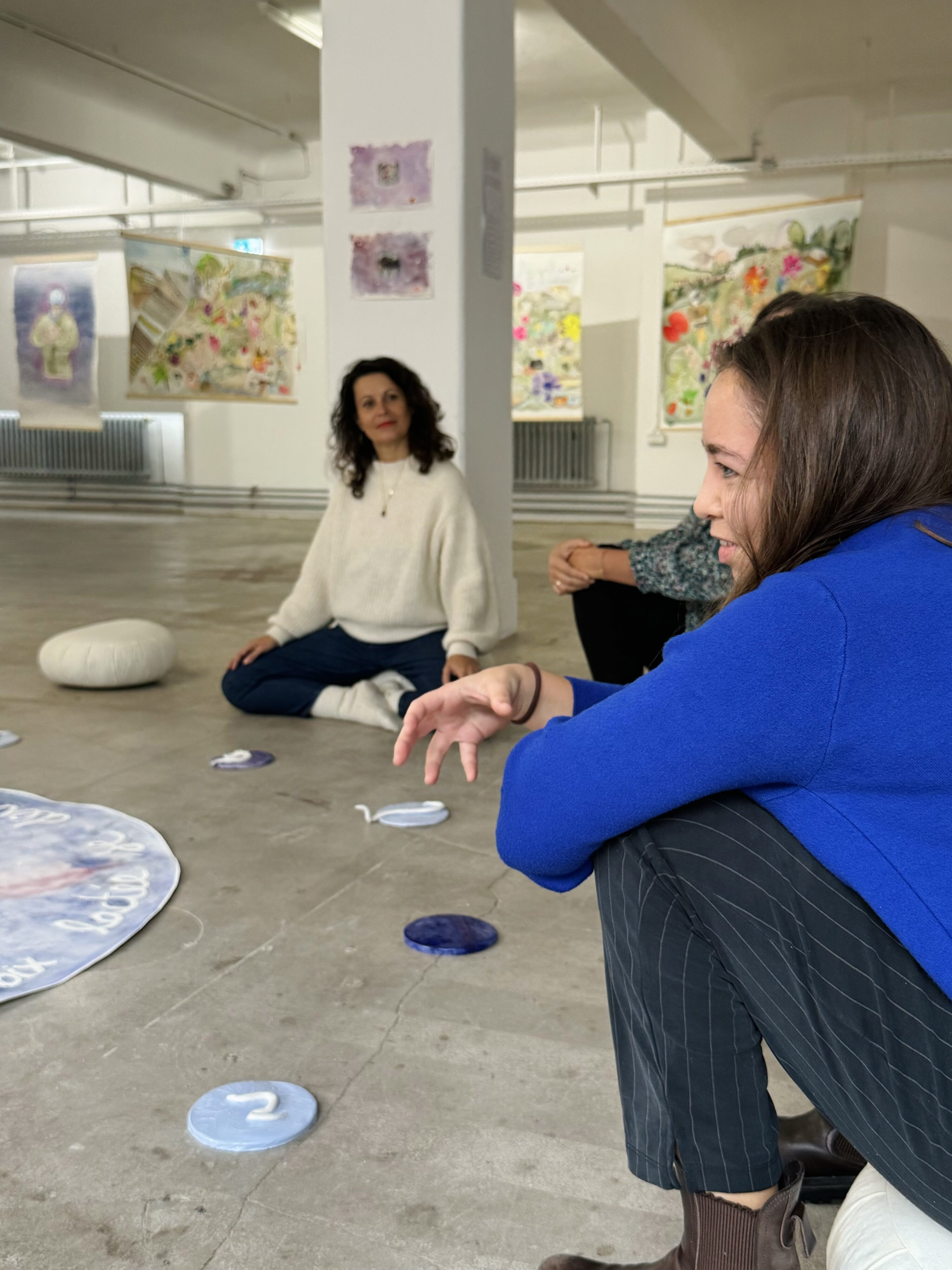
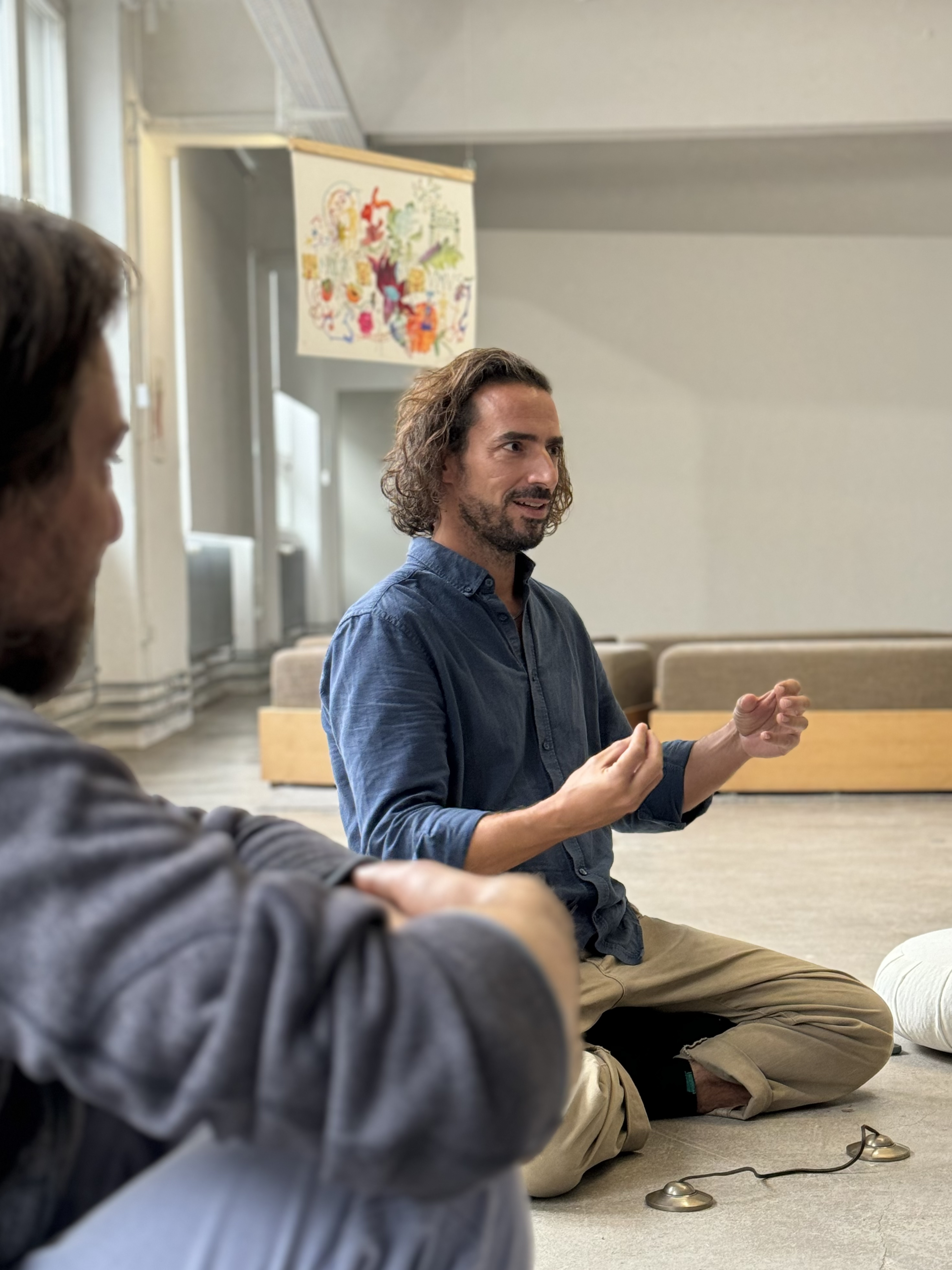
Thistles, traditionally associated with self-protection, resilience, and defensiveness, serve in Donna Volta Newmen’s recent works as a multifaceted symbol for current sociopolitical tensions. Using various etching techniques, the artist explores the characteristic tactile qualities of the plant during her residency at Künstlerhaus Stuttgart – its rough surfaces, delicate textures, and complex structures are combined with drawn and painterly elements of printmaking. Newmen’s thistles bloom where strength hesitates. This results in nuanced pictorial spaces that allow and investigate inner affinities and reciprocal relationships between plant and figure. Drawing on the mythological notion that thistles only came into being after the loss of paradise, the new series opens a symbolically charged point of departure for the artist.
Newmen’s works understand the portrait as a space of resistance and shifting power relations between history and the present. Respecting the complexity of her motifs—drawn from history, myth, or fiction—she avoids serial editions by continuously altering the printing plate. Through the combination of intaglio techniques with painterly monotypic elements, unique pieces emerge that reveal different facets of a personality.
The frequently occurring botanical structures in her portraits create subtle connections between plant forms and human figures—organic matter thus becomes the woven presence of the human and addresses themes such as interdependence, vulnerability, and transformation.
Donna Volta Newmen is a visual artist whose work combines traditional intaglio printmaking techniques with interdisciplinary methods on paper and film. Raised in a printmaking atelier, she studied at the intersection of fine art and feminist theory and completed her Master of Fine Art and Design at the Sandberg Institute Amsterdam in 2019. Her works have been exhibited internationally, including at Museum Gunzenhauser, Stuttgart Ballet, Kunstverein Wagenhalle, the Istanbul Design Biennial, and the British Film Institute.
Tuesday-Workshop
The Künstlerhaus invites an artist or a collective—meaning any artists or cultural workers from any field or discipline—to talk about their working methods as well as their backgrounds and approaches. We want to establish a platform for a more in-depth interaction with regard to artistic practice, and in doing so to create a network, show solidarity, and mutually strengthen one other.
The series is aimed at all members of Künstlerhaus Stuttgart, artists either living in Stuttgart and the surrounding area or just traveling through, all cultural workers, art mediators, curators, etc., and is open to everyone!
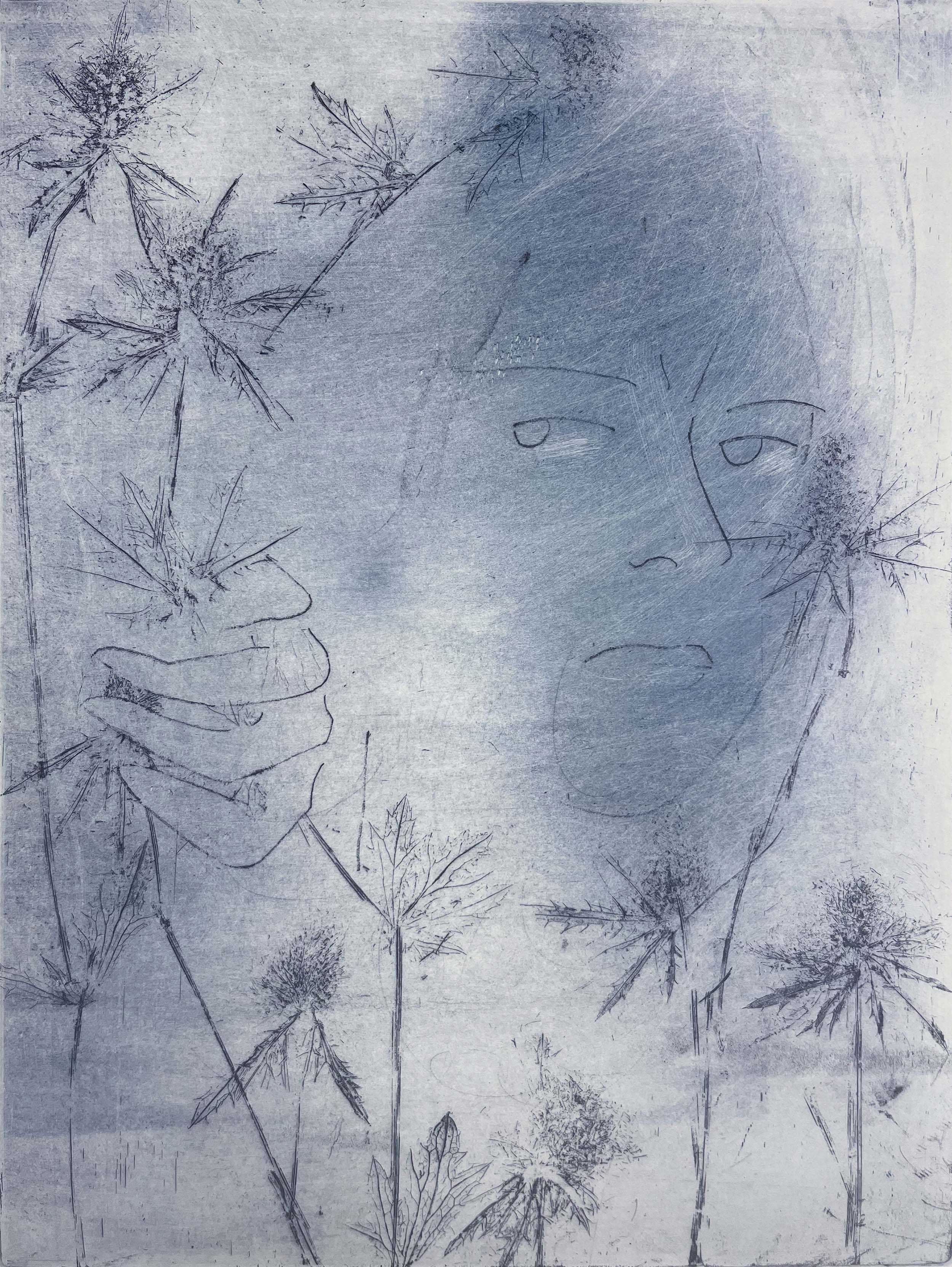
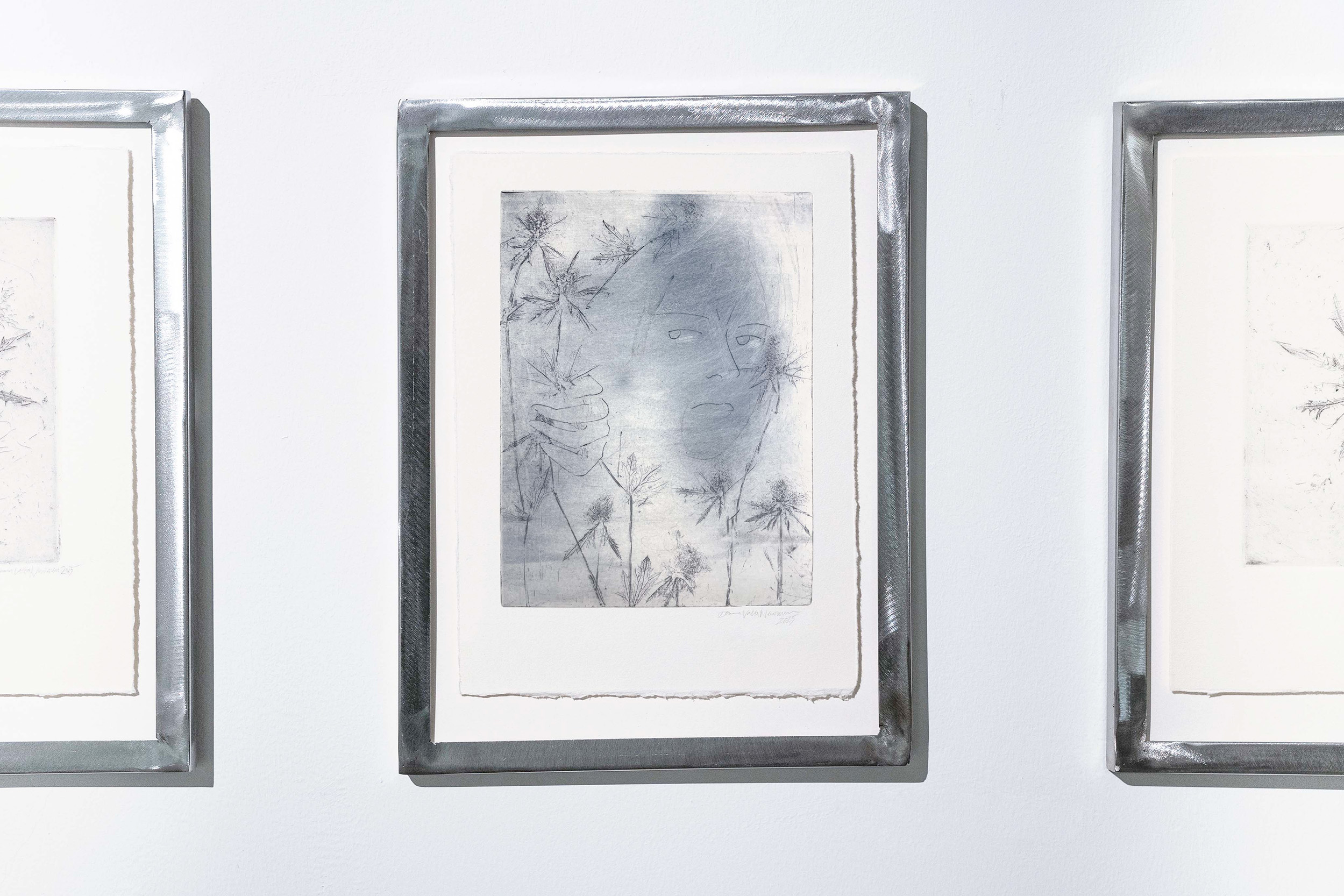
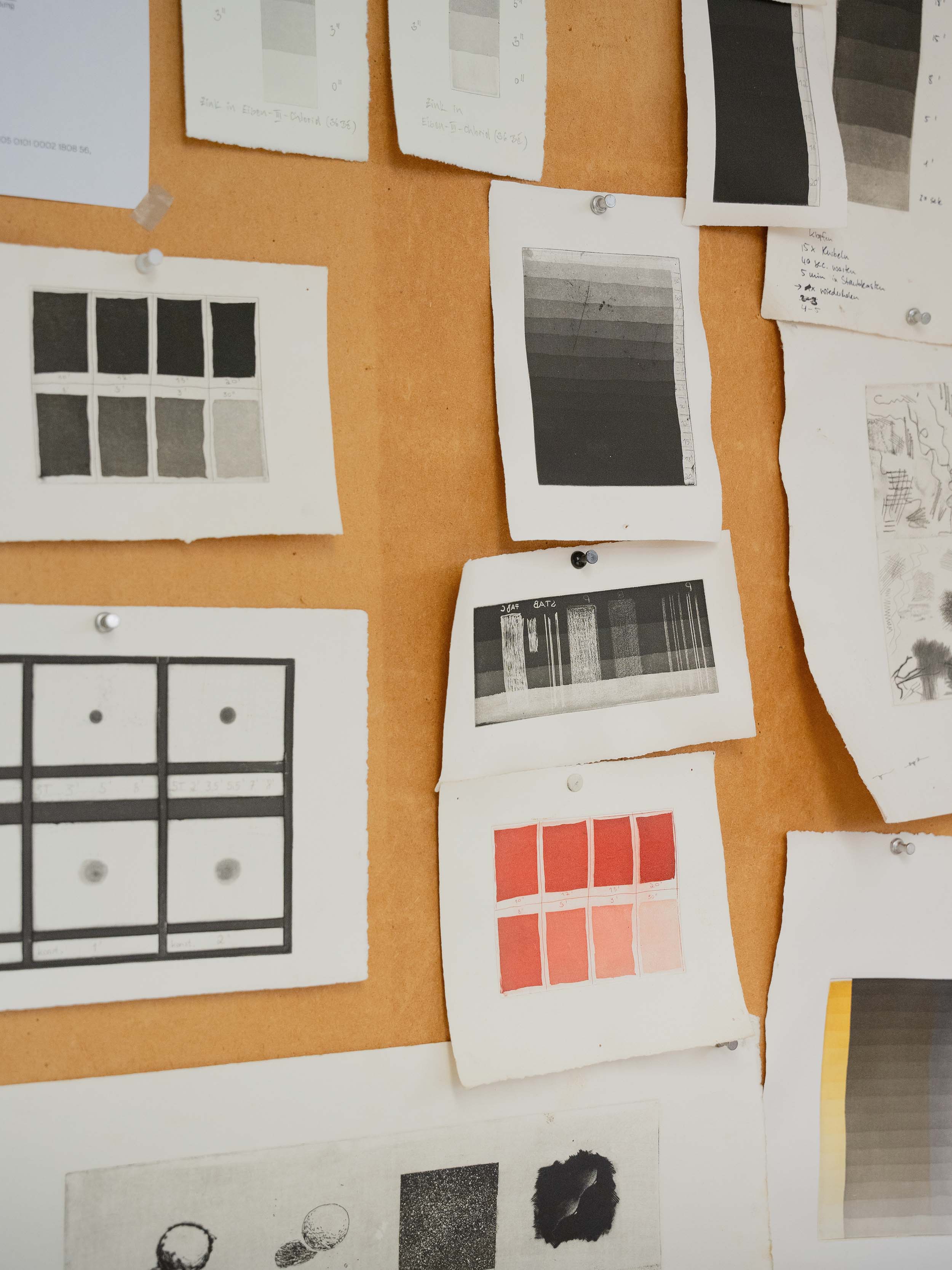
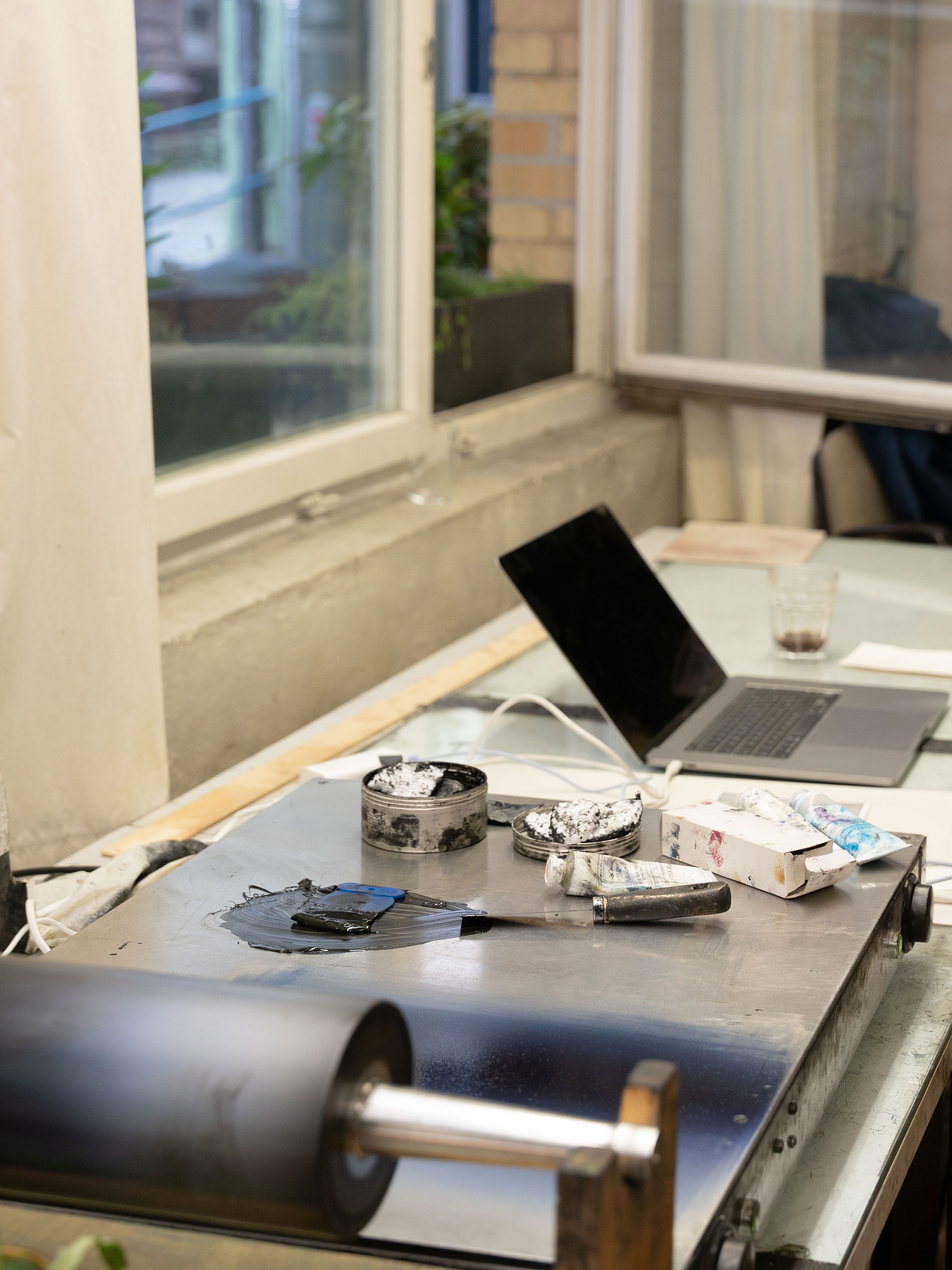
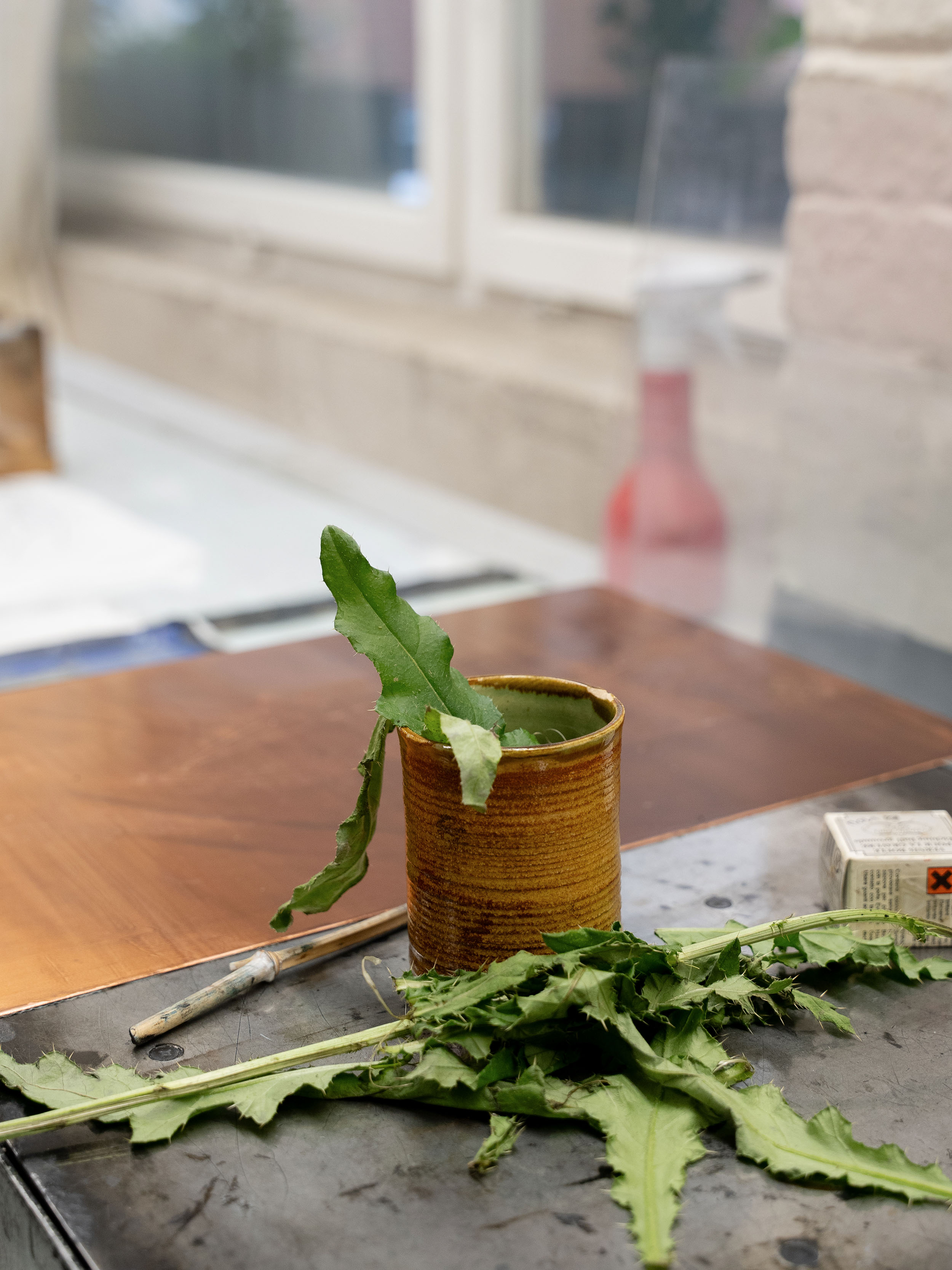
In this workshop, the artists platform Linienscharen invites you to spend an evening drawing with them and anyone else who is interested to join, with the idea of a first approach to the topic of their symposium. This is a collaborative work through wich participants are welcomed to bring their own projects, materials, agenda, and vocabulary.
How do we come together, how do systems collide, how do we deal with it when a plan is disrupted and we allow spaces for failures? They are looking forward to seeing the outcome of this experiment. The drawings created here, and perhaps also afterwards, will be exhibited at the Württembergischer Kunstverein during the symposium later in November 2025.
Linienscharen was established in 2012 as a community to gathers artists from Stuttgart and nearby regions. Their aim is to create ongoing dialogues about drawings and contemporary art.
The workshop is open for everyone and it will take place on the second floor of the Künstlerhaus.
For more information, please visit website of Linienscharen.
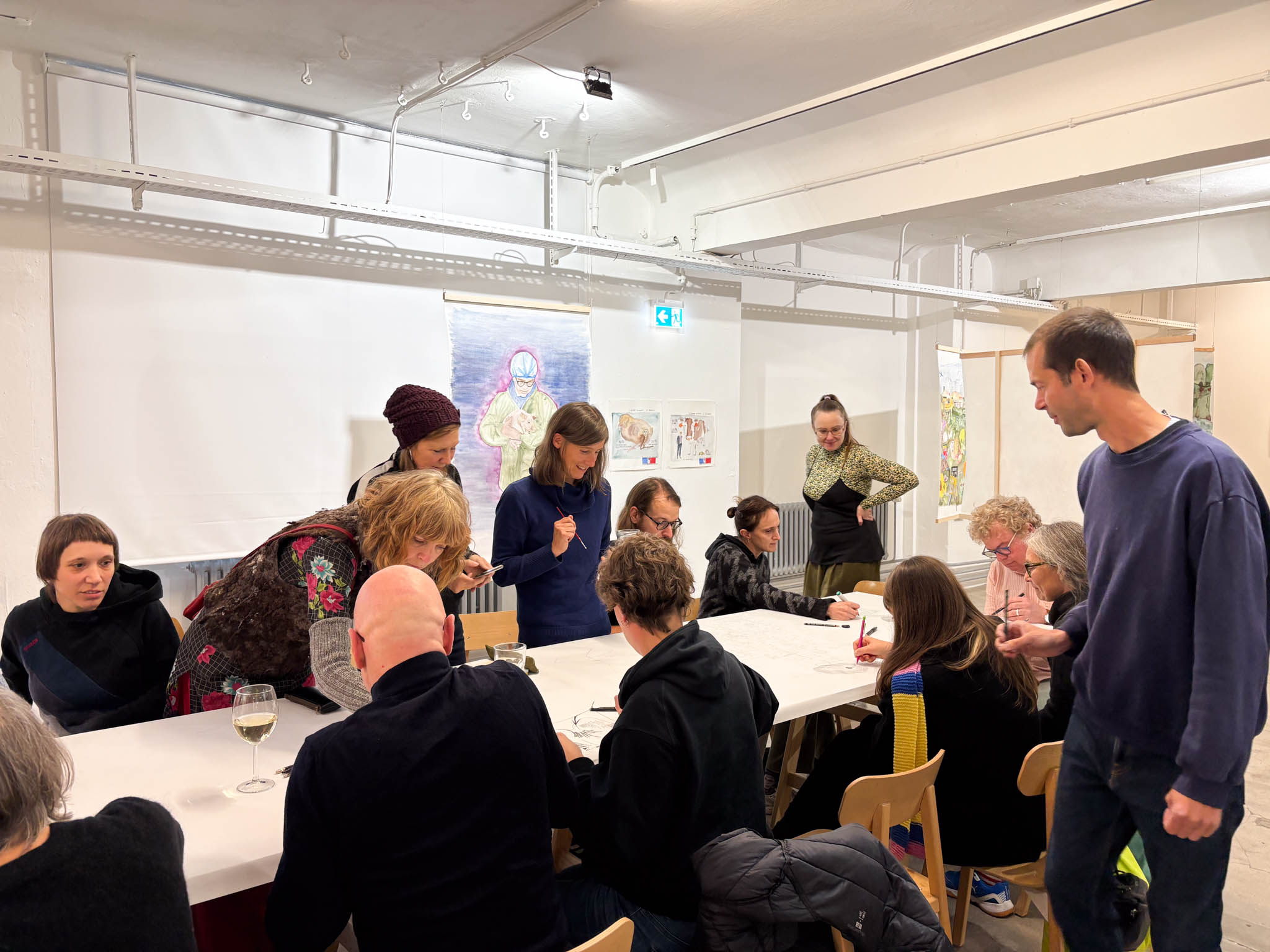
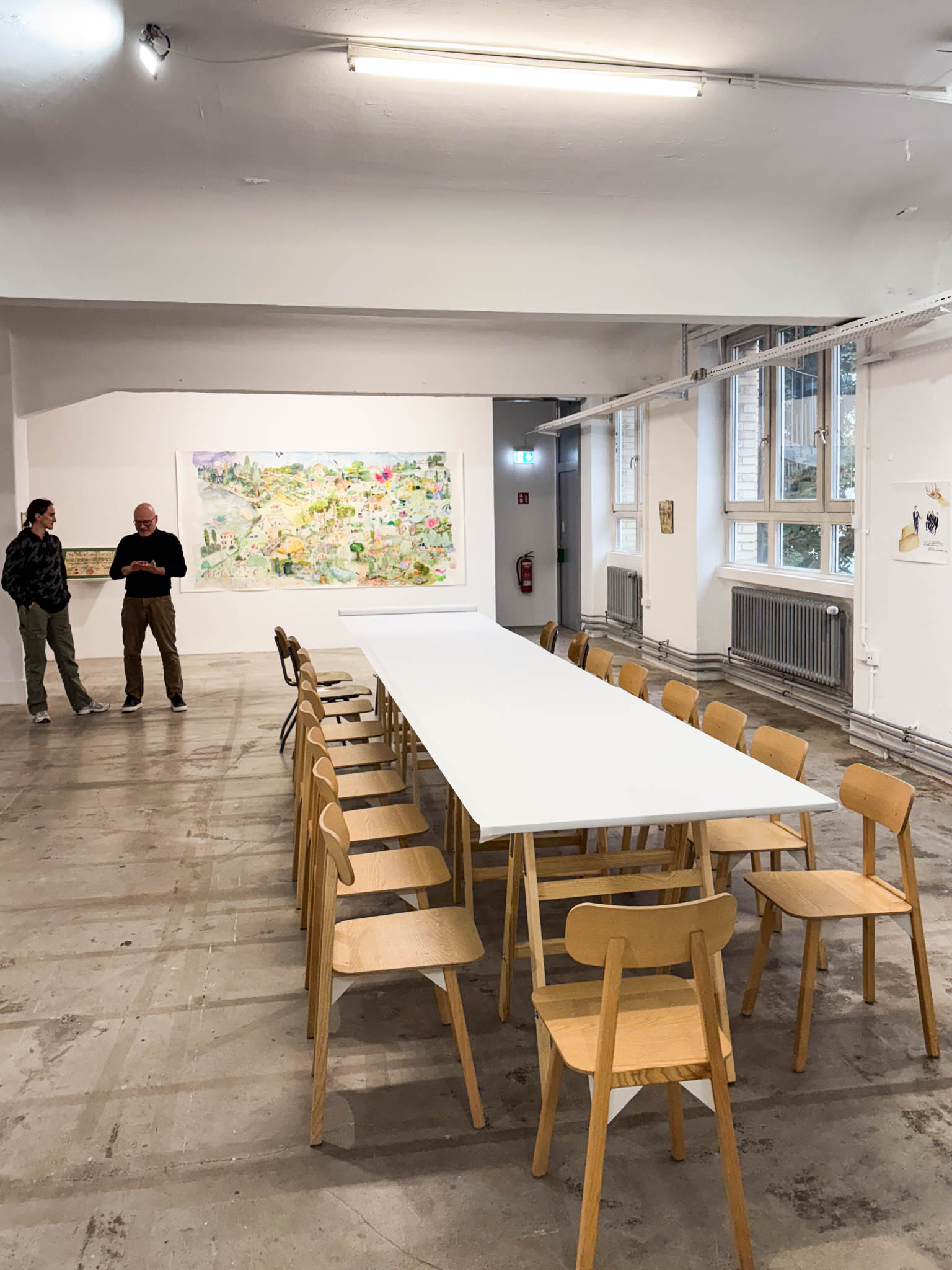
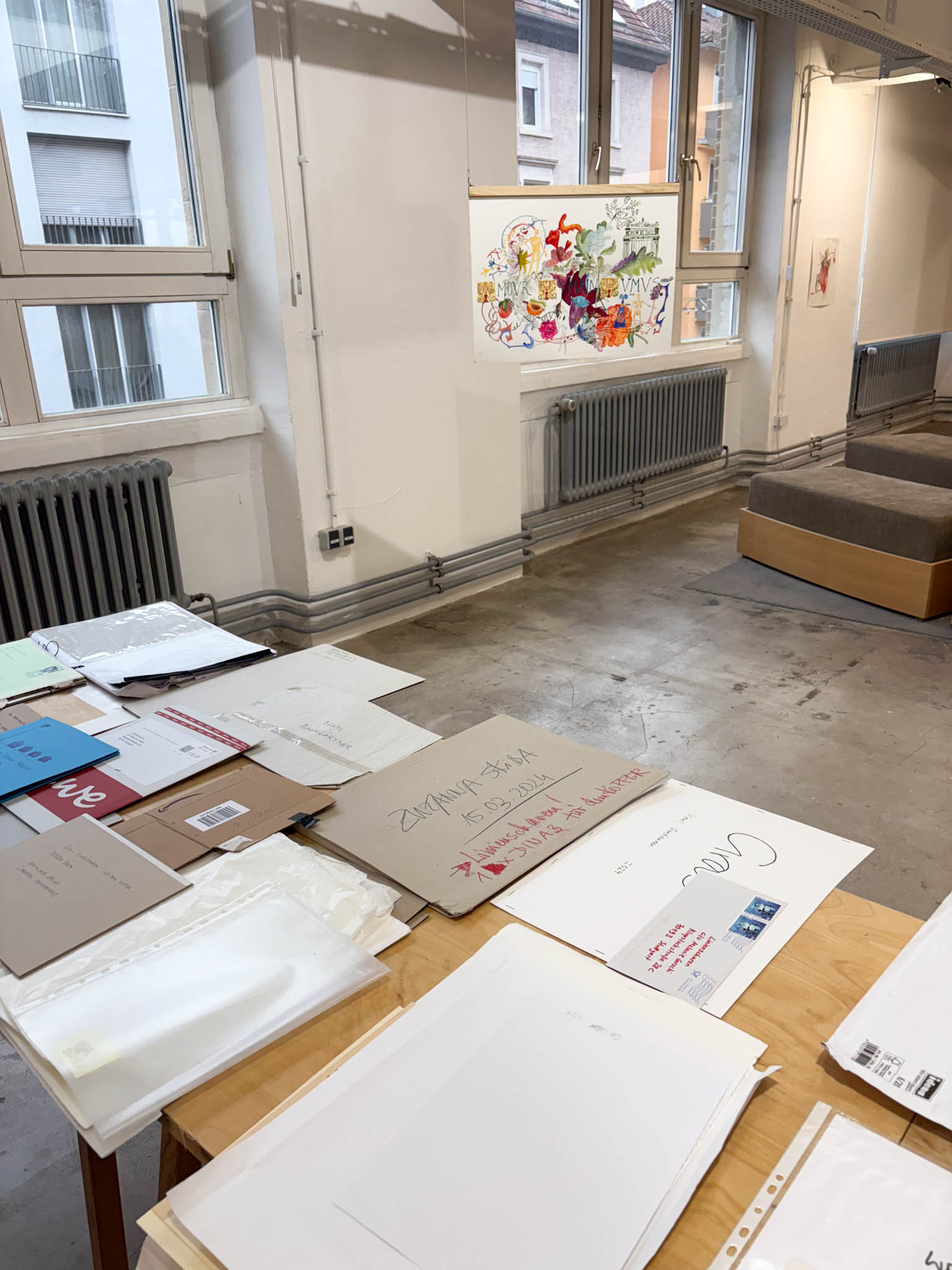
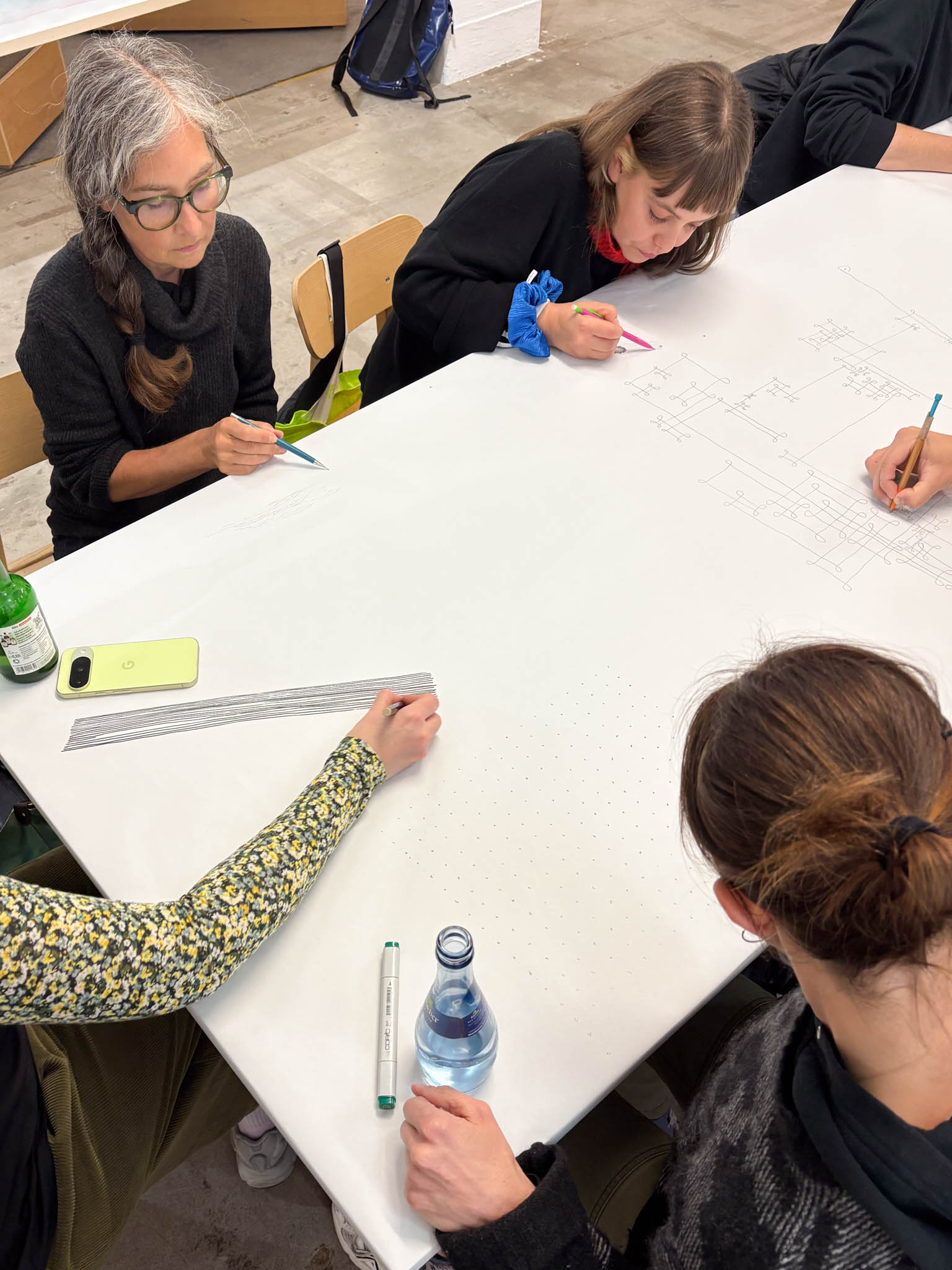
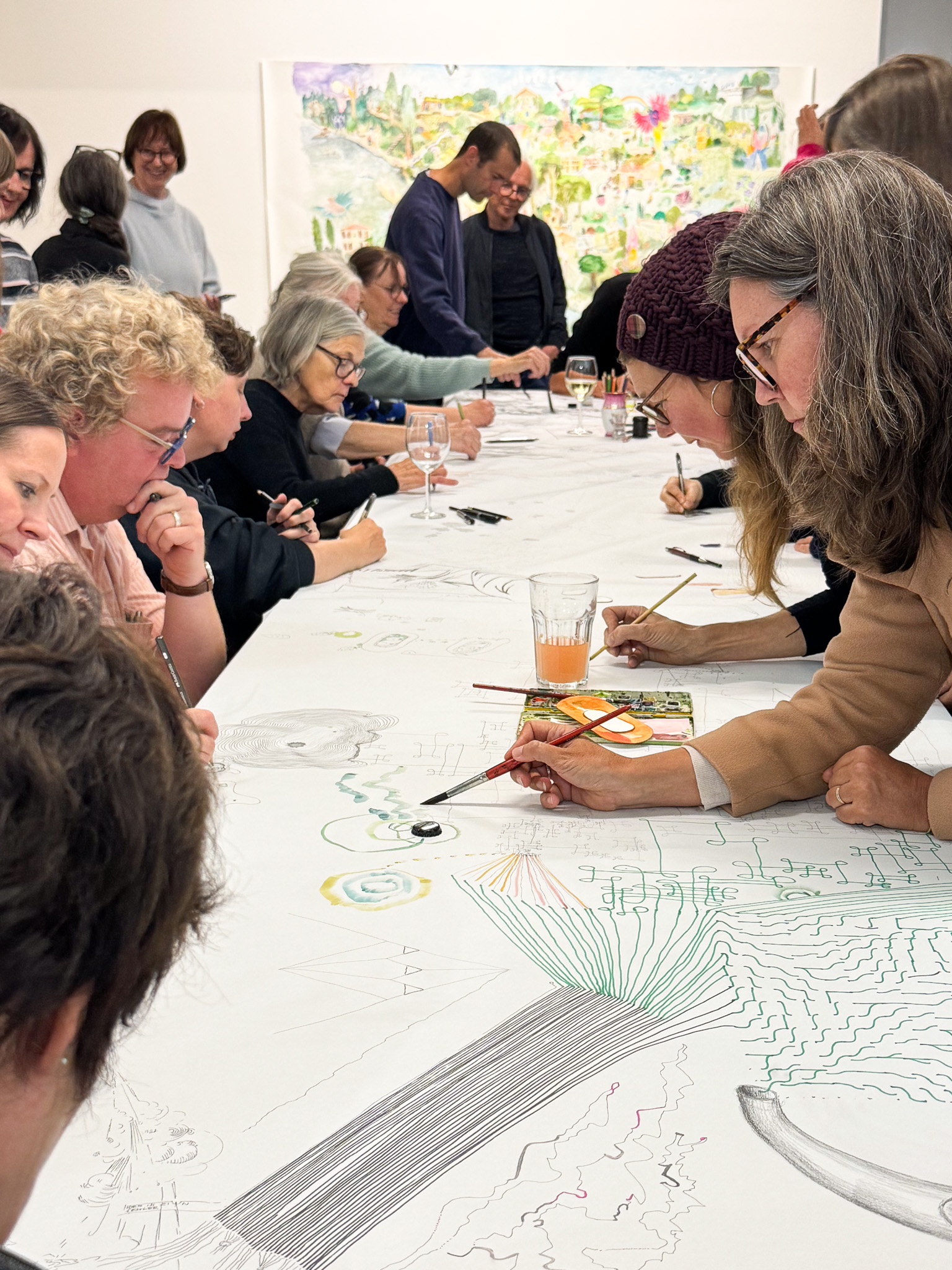
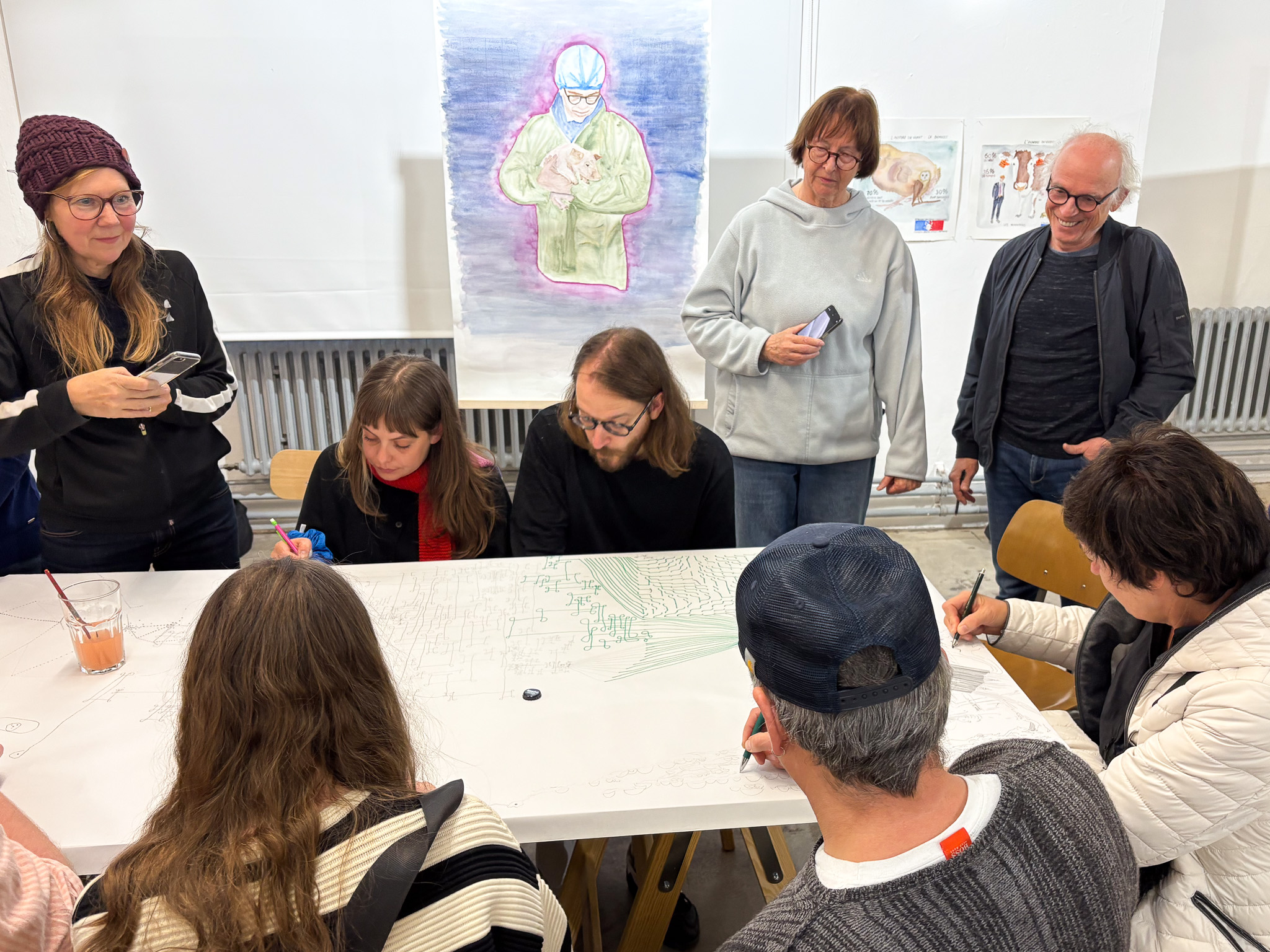
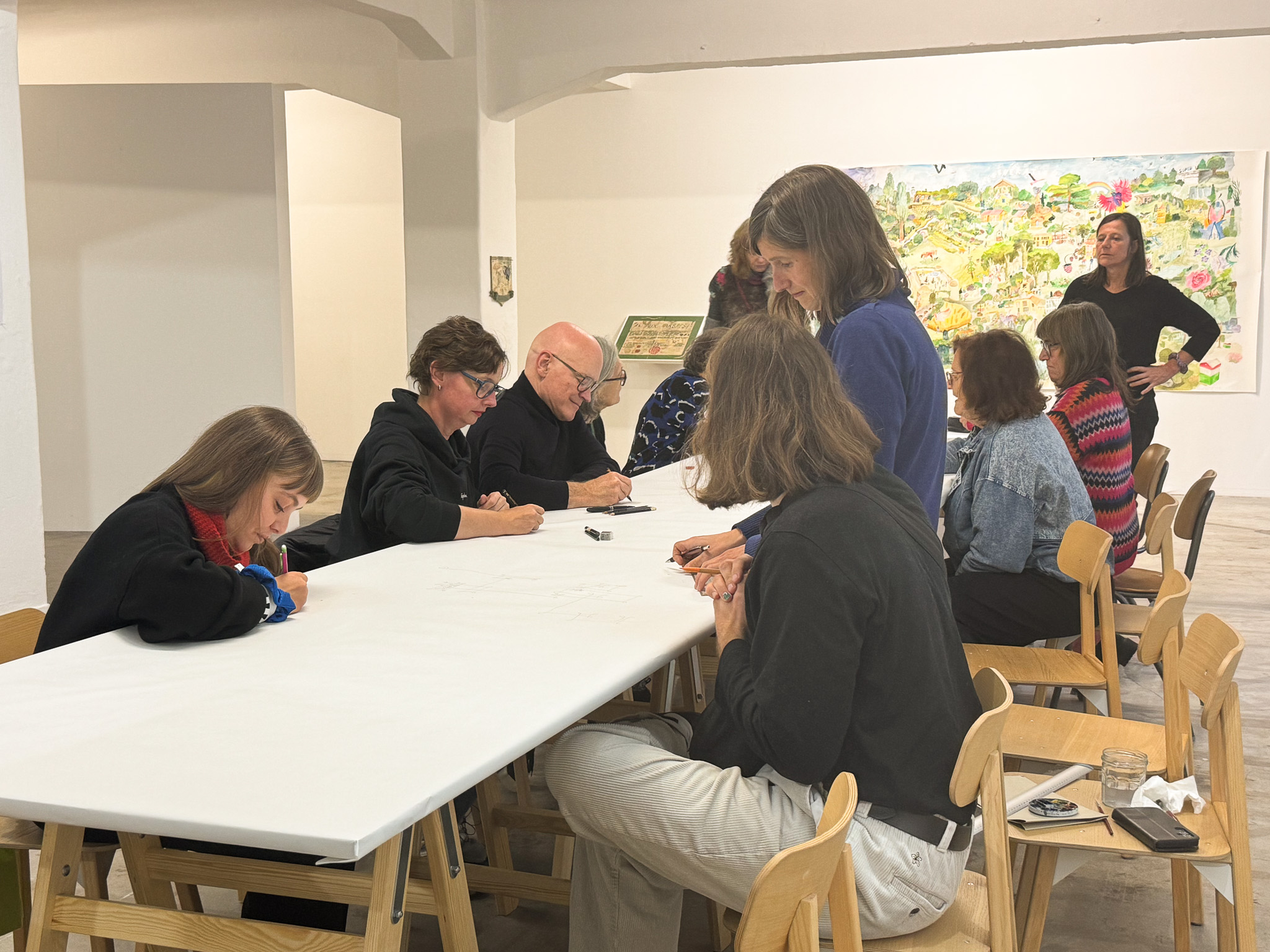
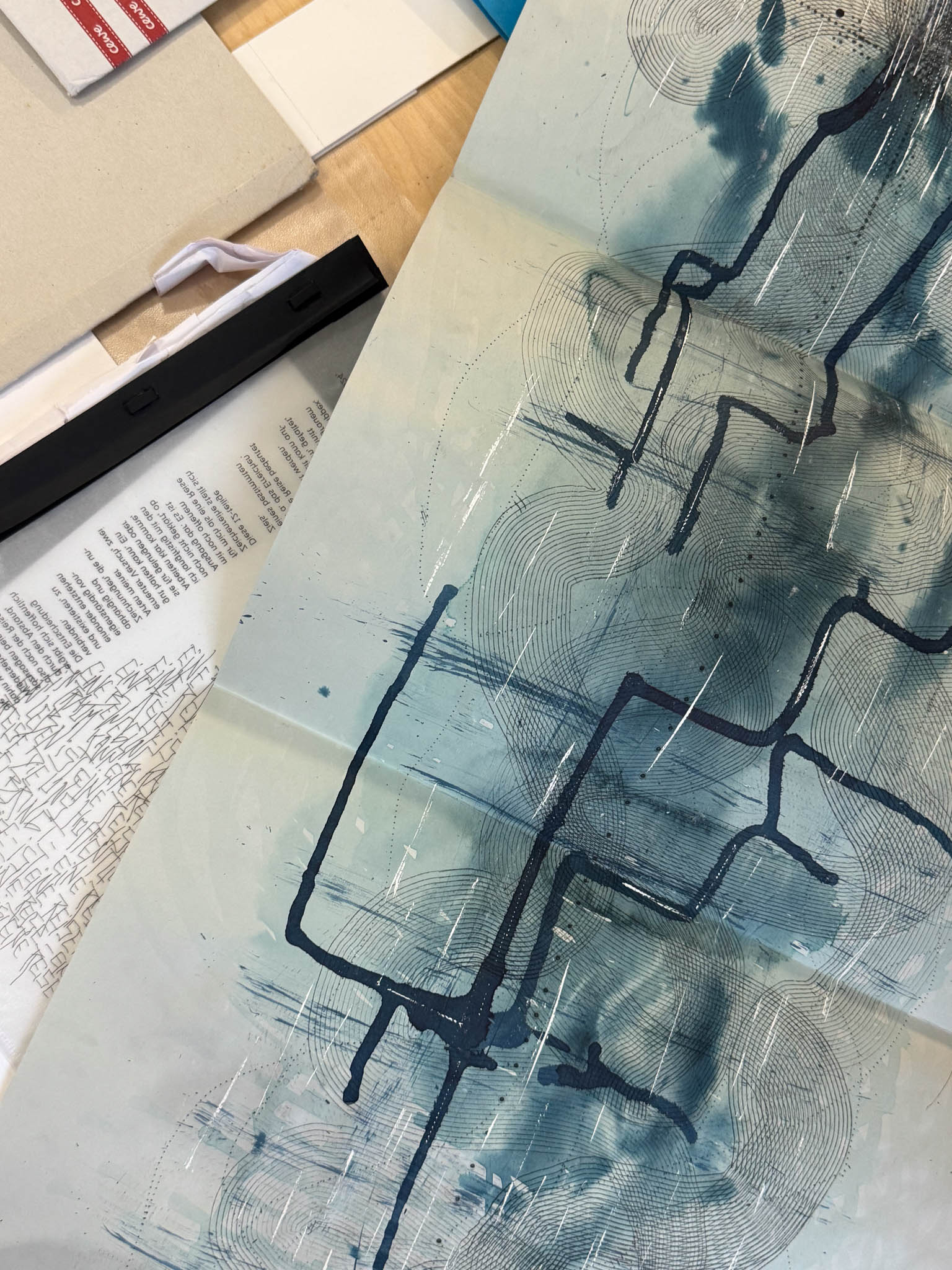
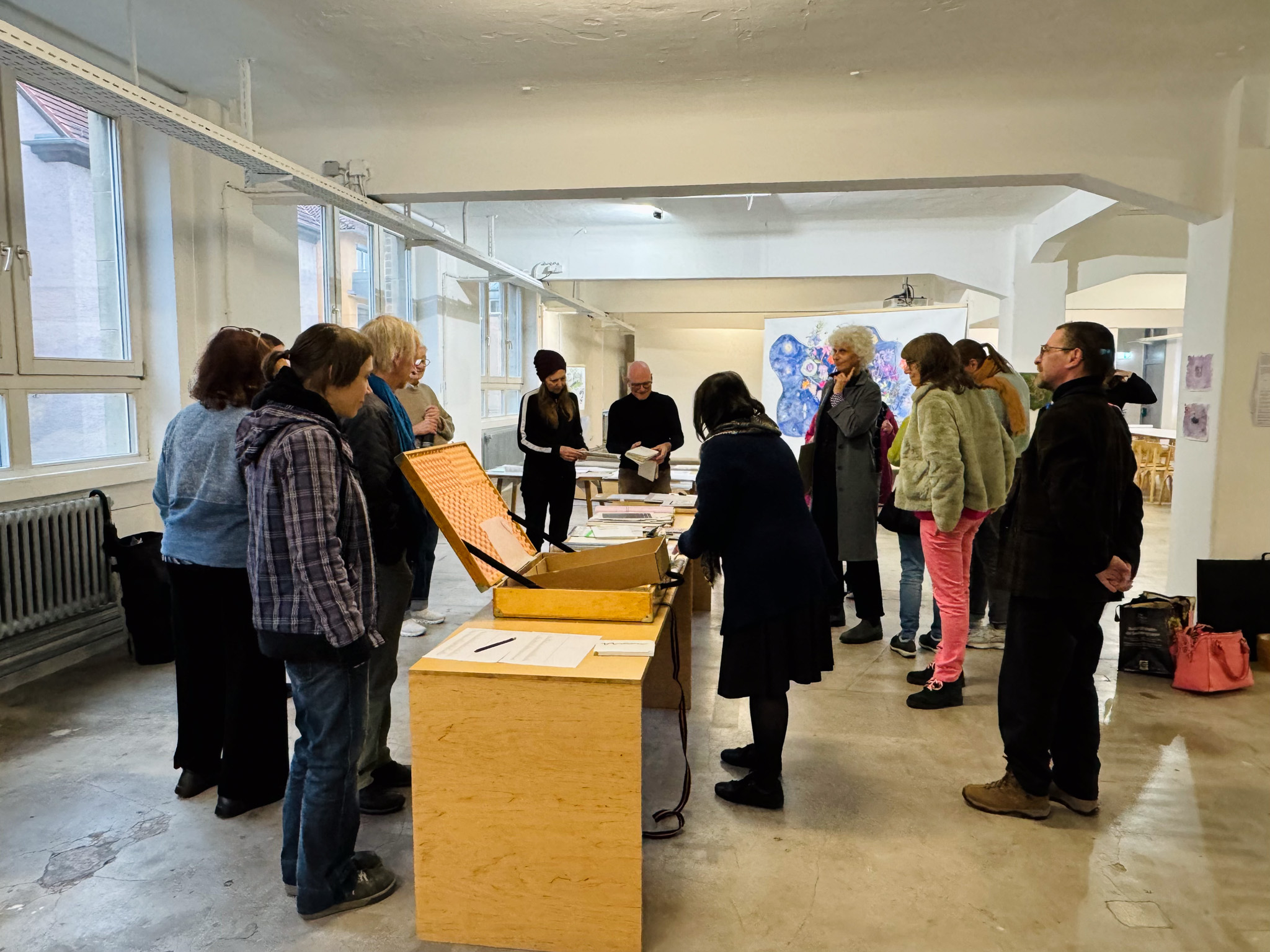
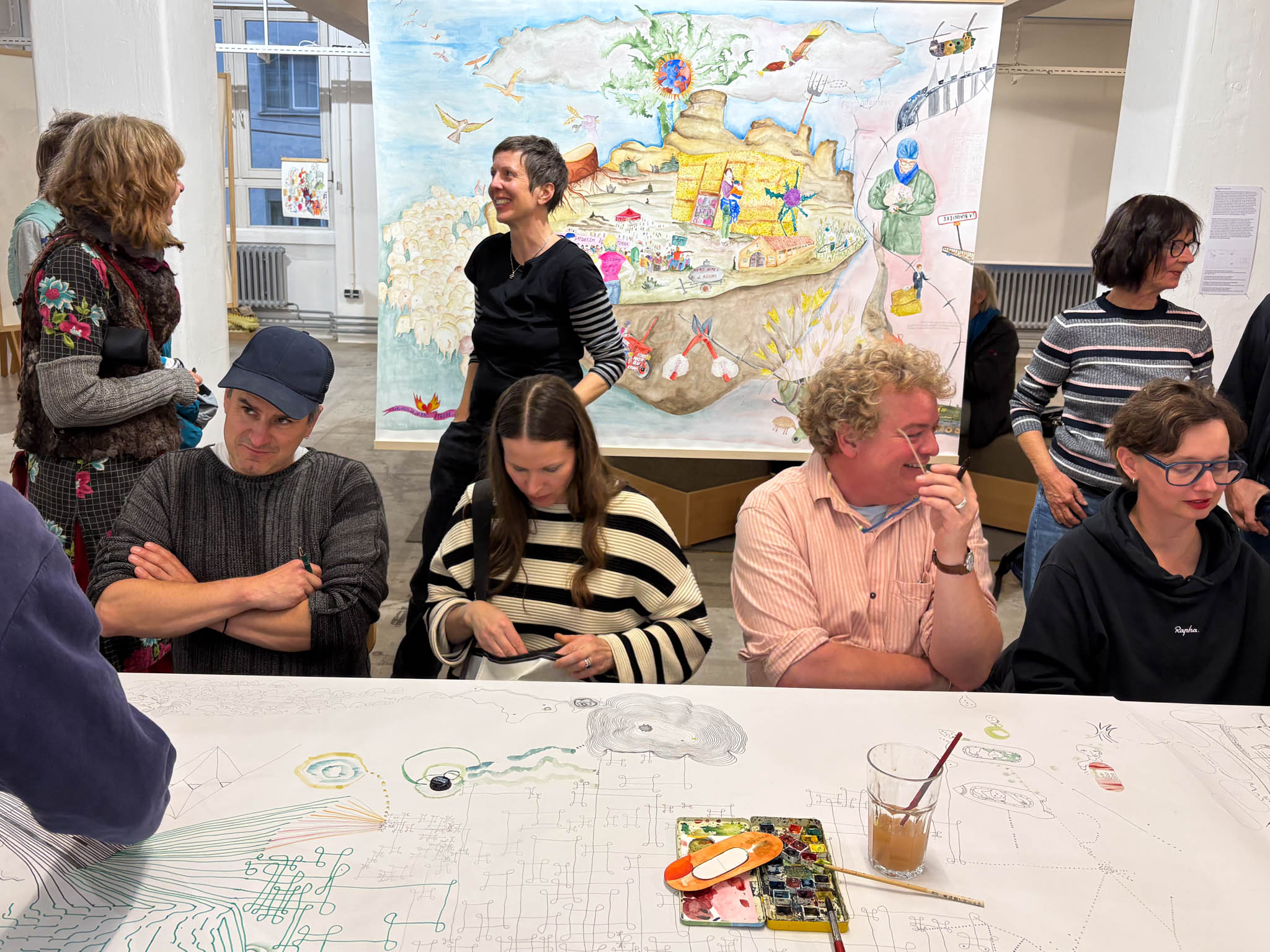
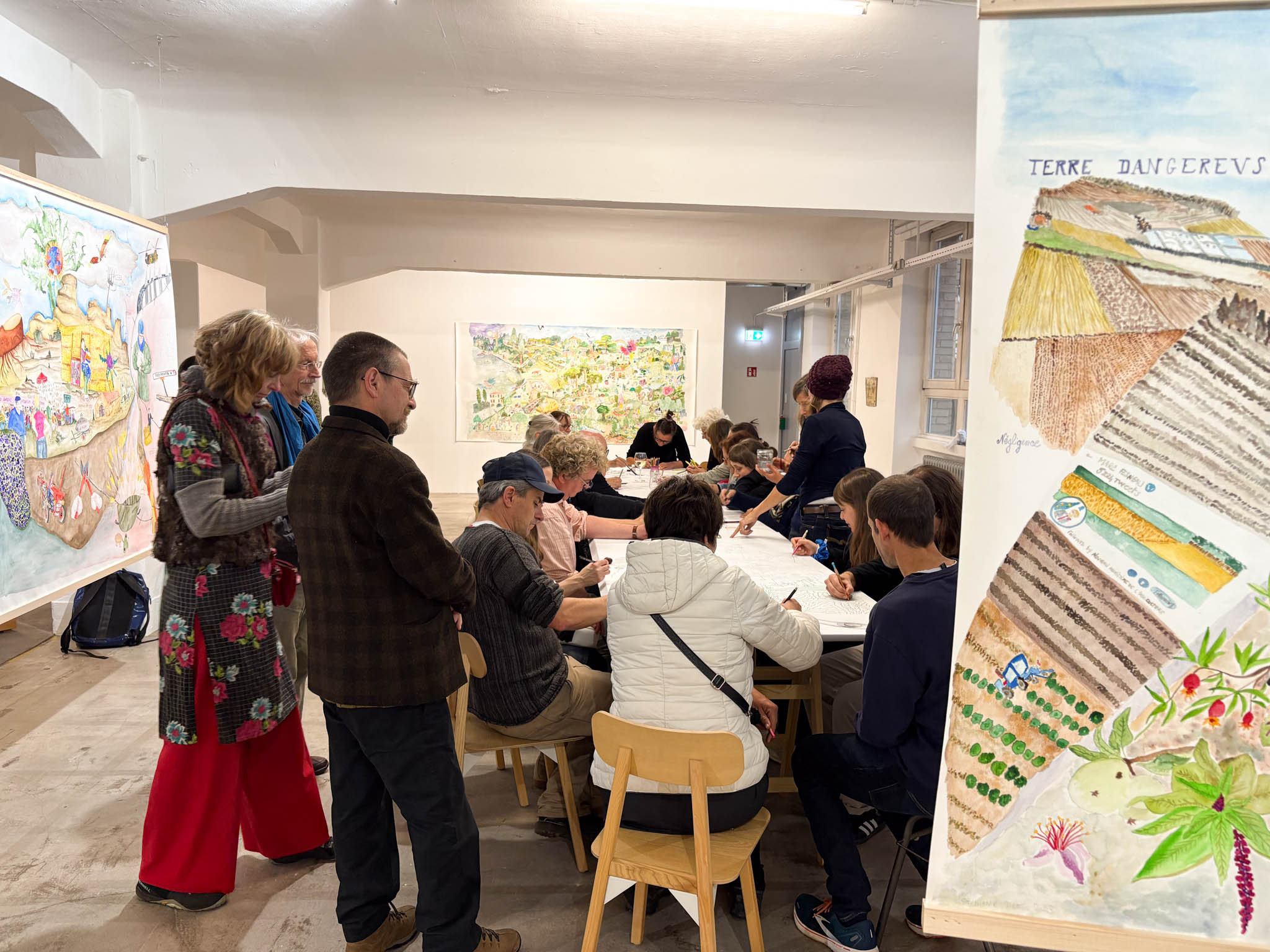
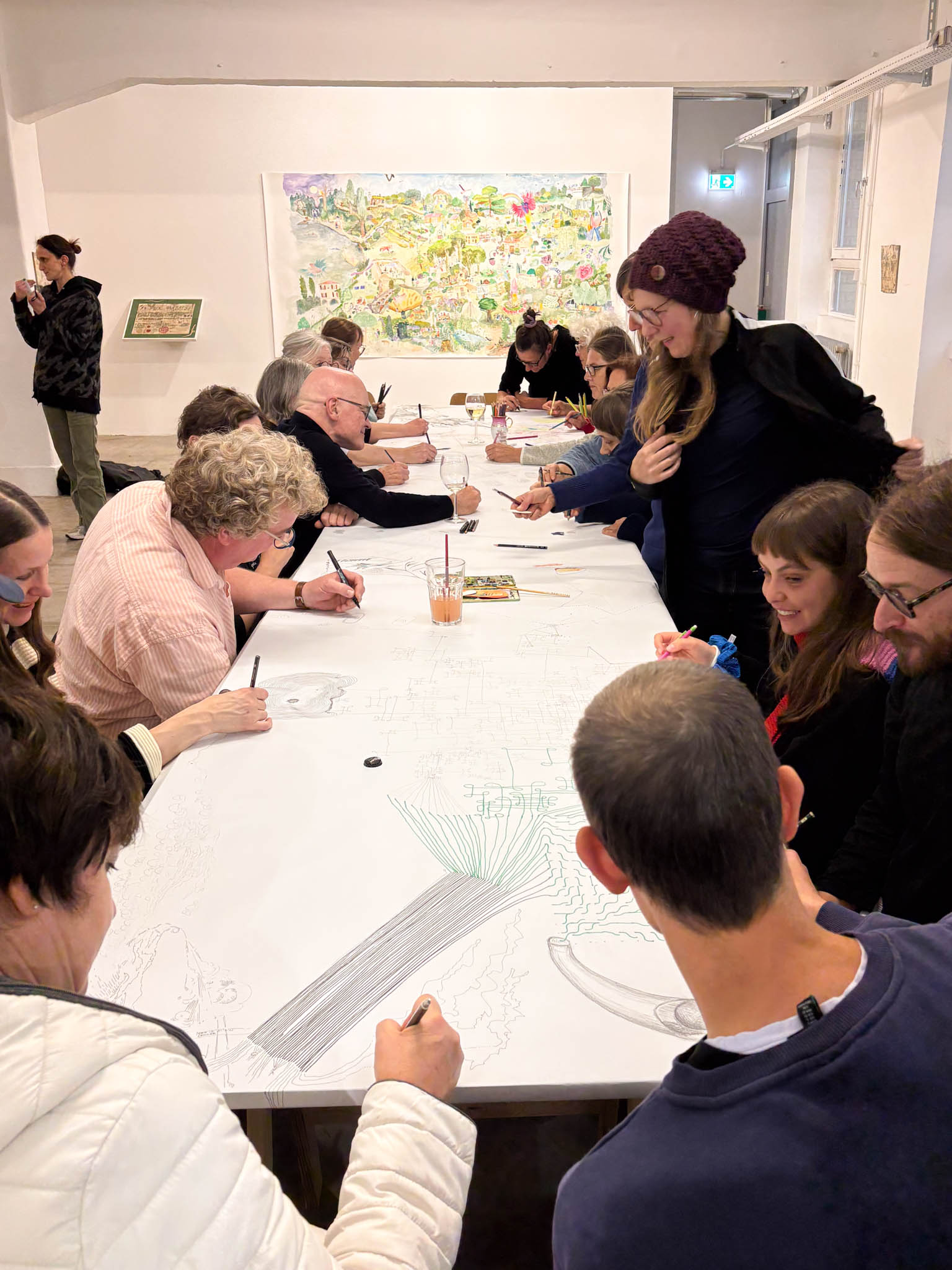
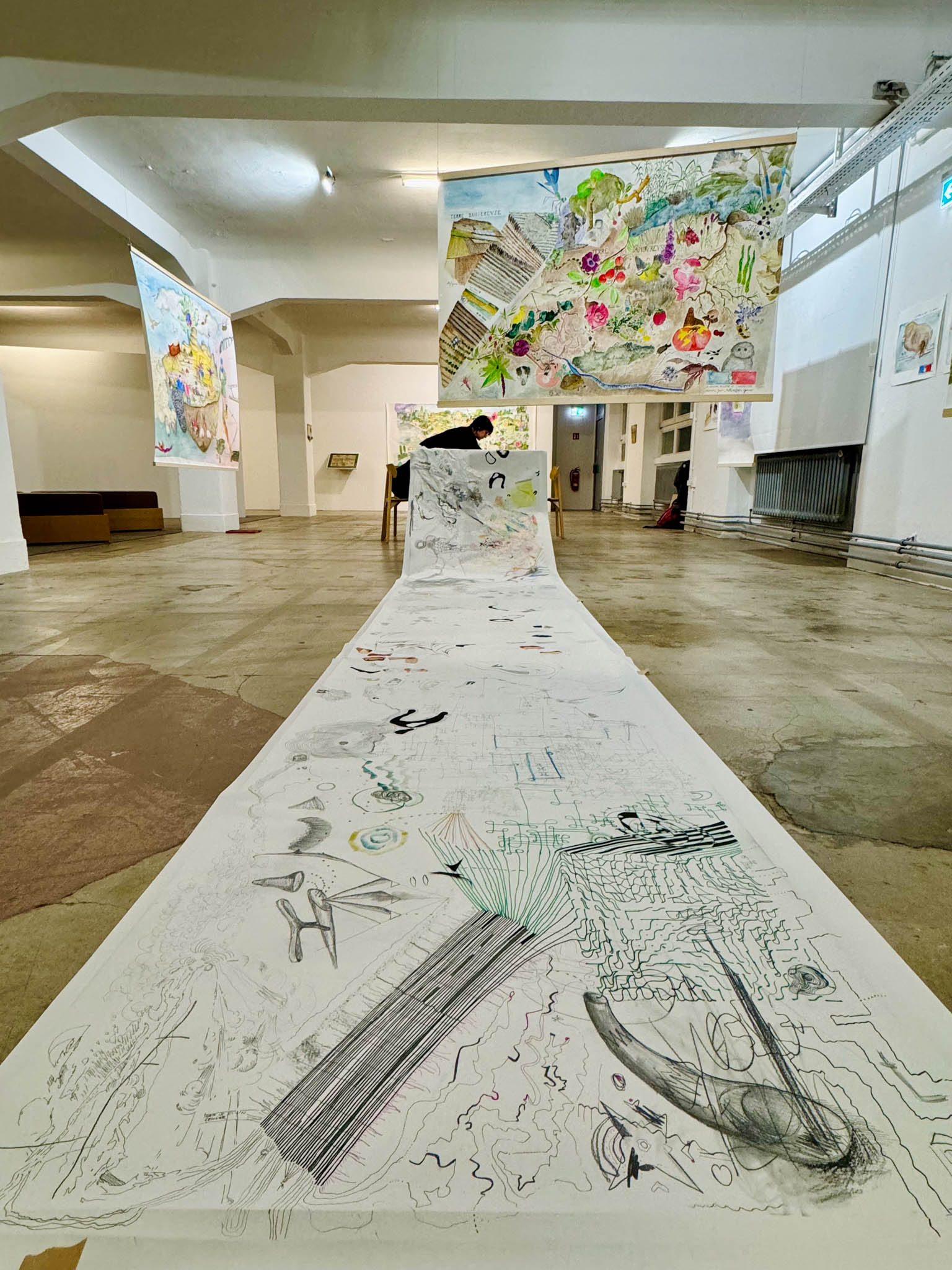
03:00pm–06:00pm
In this workshop, we will work together to develop a sprawling script for the Künstlerhaus. Based on observations of plants, flowers, stones, and other objects from nature, we will draw simple shapes, lines, and structures. These drawings will serve as the basis for individual glyphs, which we will combine to form a collective script.
Our working method is based on the hidden forms of communication found in nature: plants and forests exchange signals via chemical substances, scent, electrical impulses, and fungal networks—an invisible system also known as the “Wood Wide Web.” Inspired by this, we will create an alphabet that defies the standardized, functional standards of contemporary digital typography.
The analog characters are transferred to digital form so that the font can be used in the Künstlerhaus and at the same time begins to overgrow the digital space.
The workshop is open to everyone; no prior knowledge of font design is required. Participation is free of charge. The workshop will take place on the 4th floor of the Künstlerhaus Stuttgart.
If you have any questions about the workshop please send an email to info@isabelmotz.com.
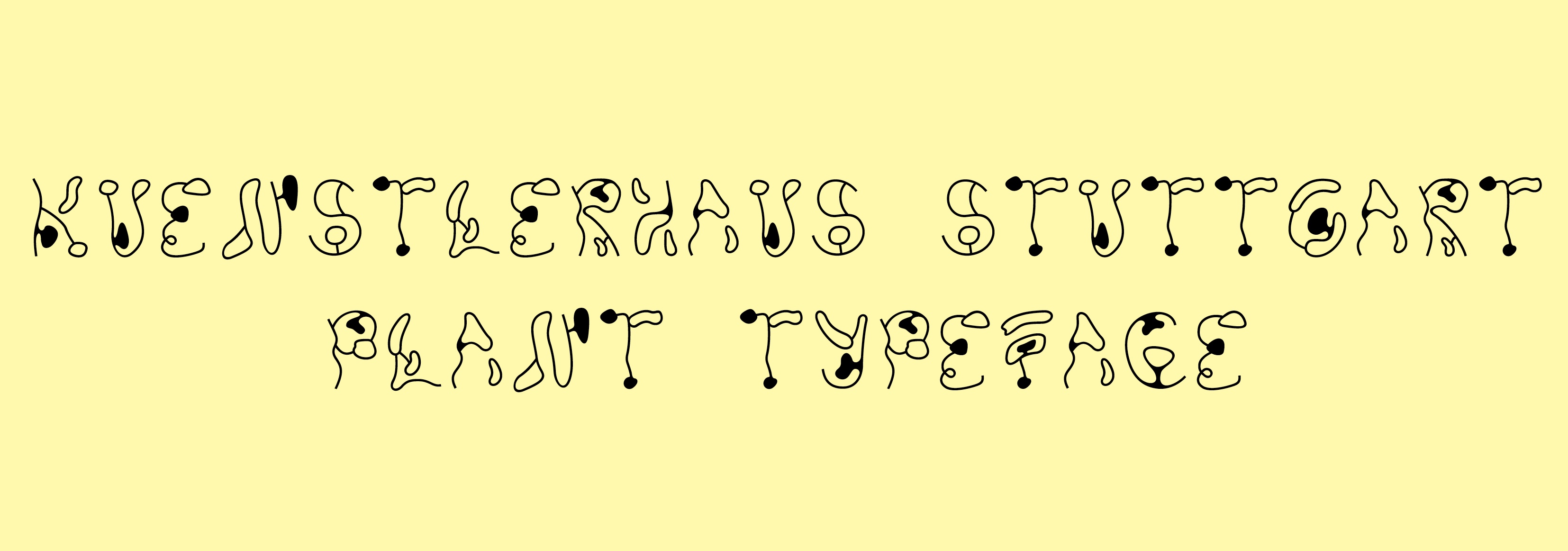
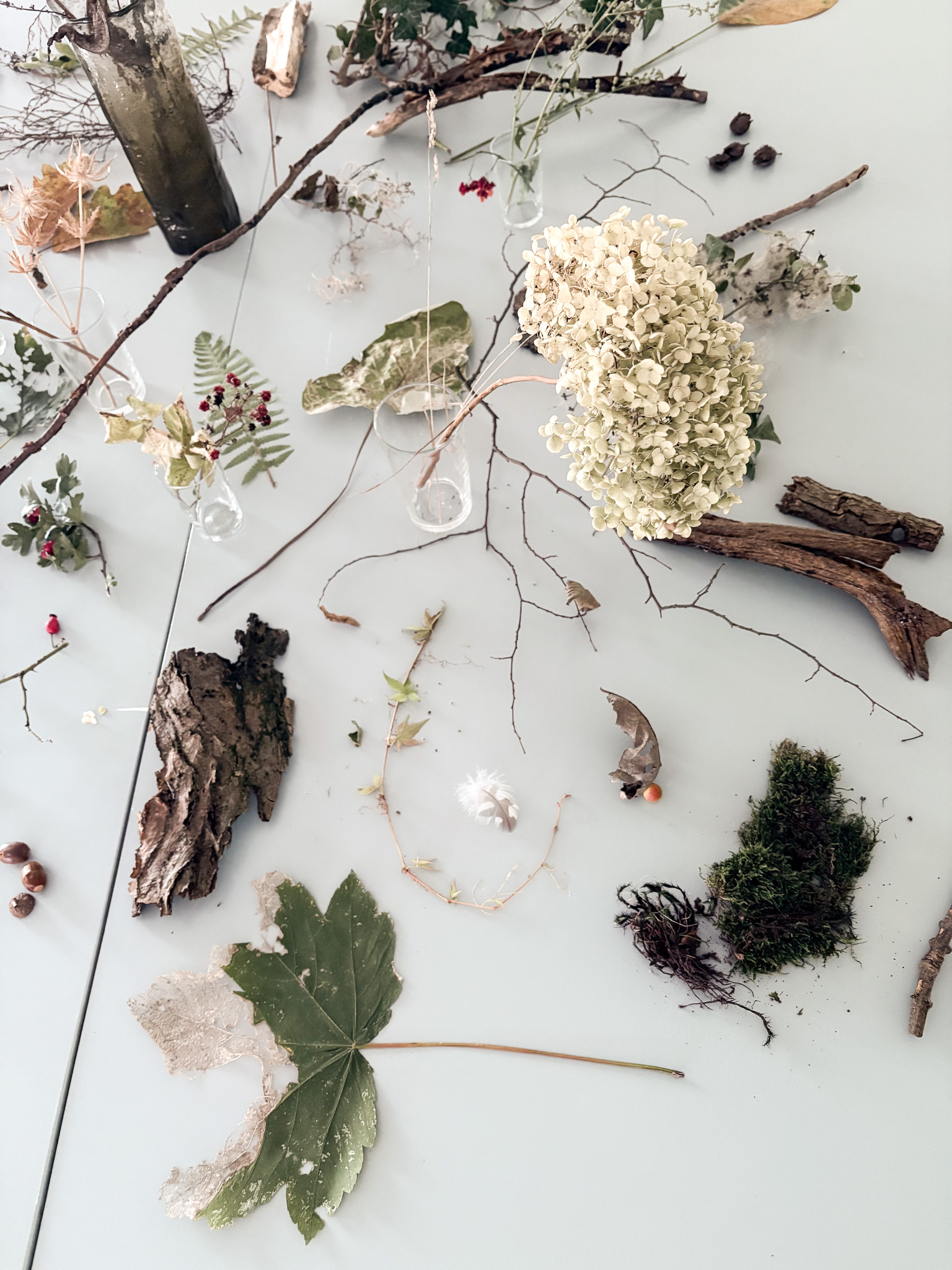
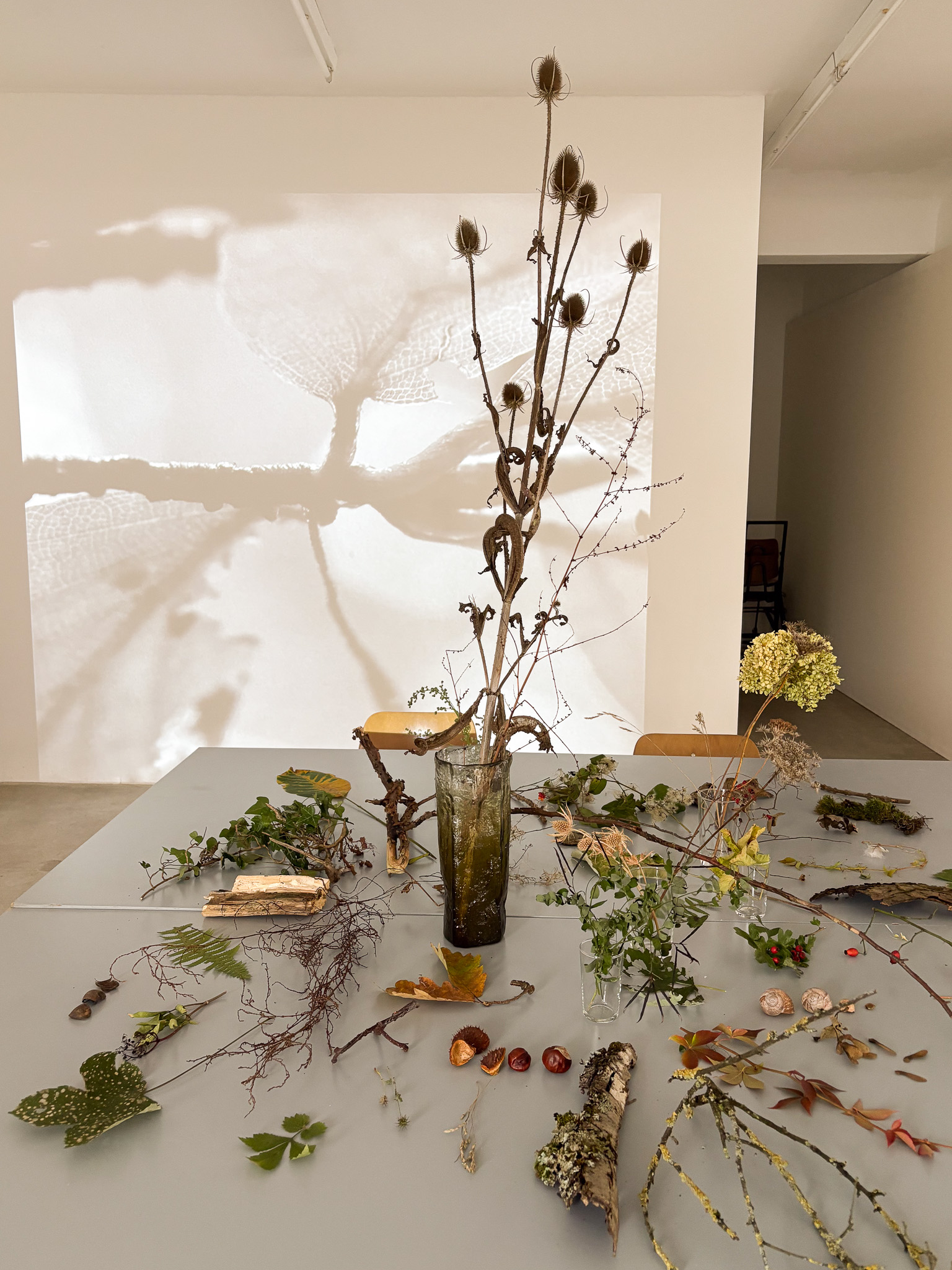
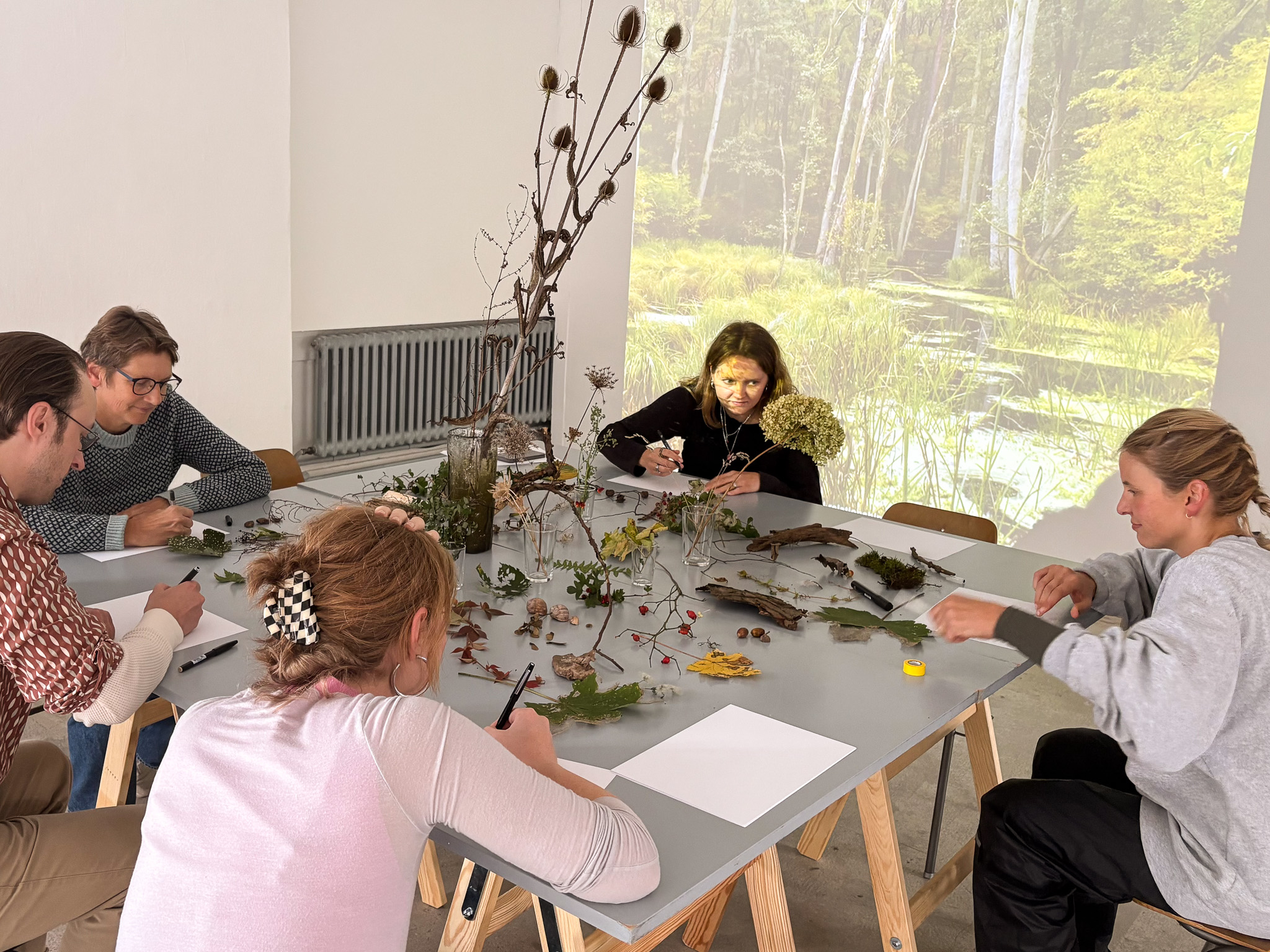
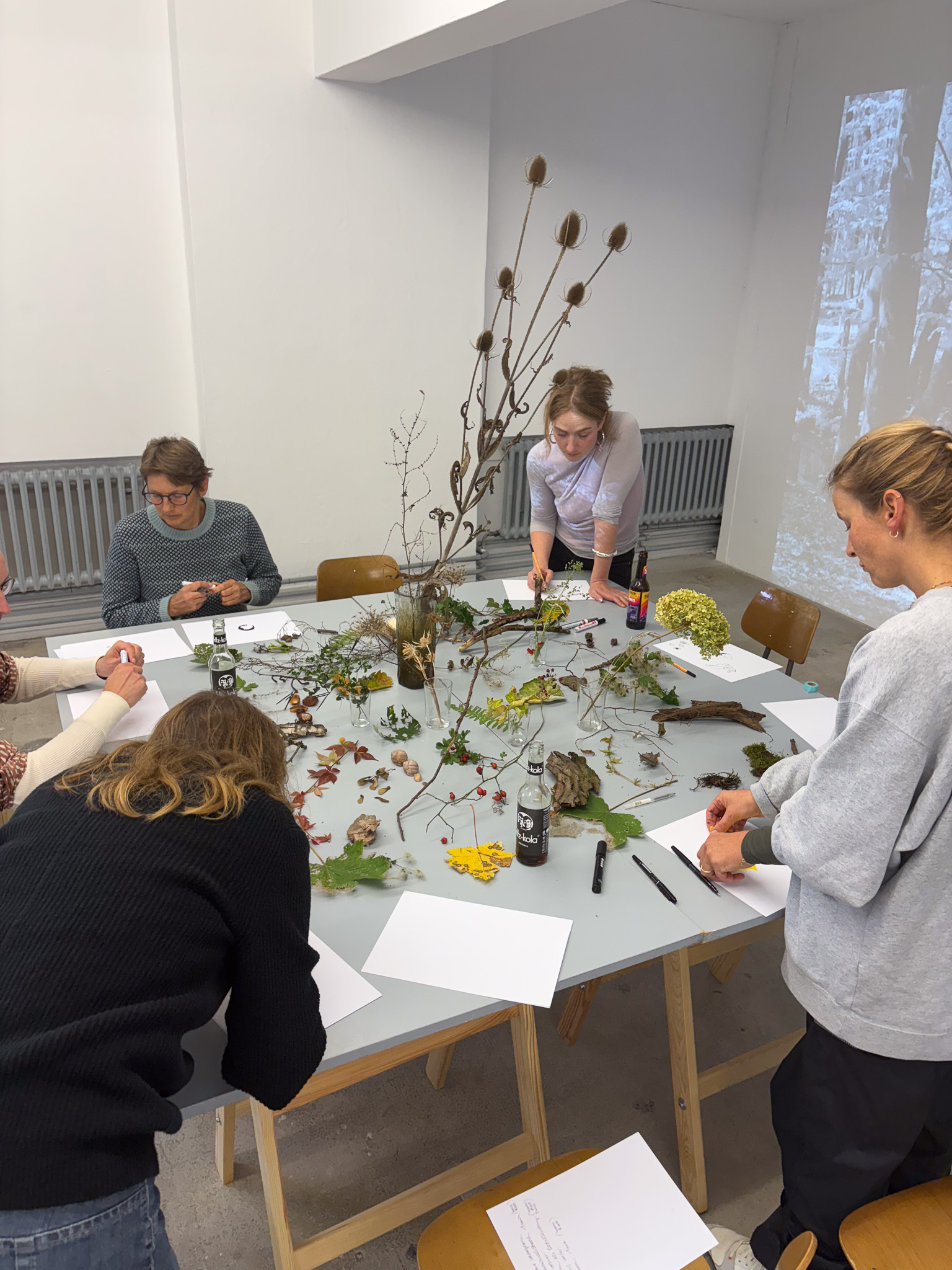
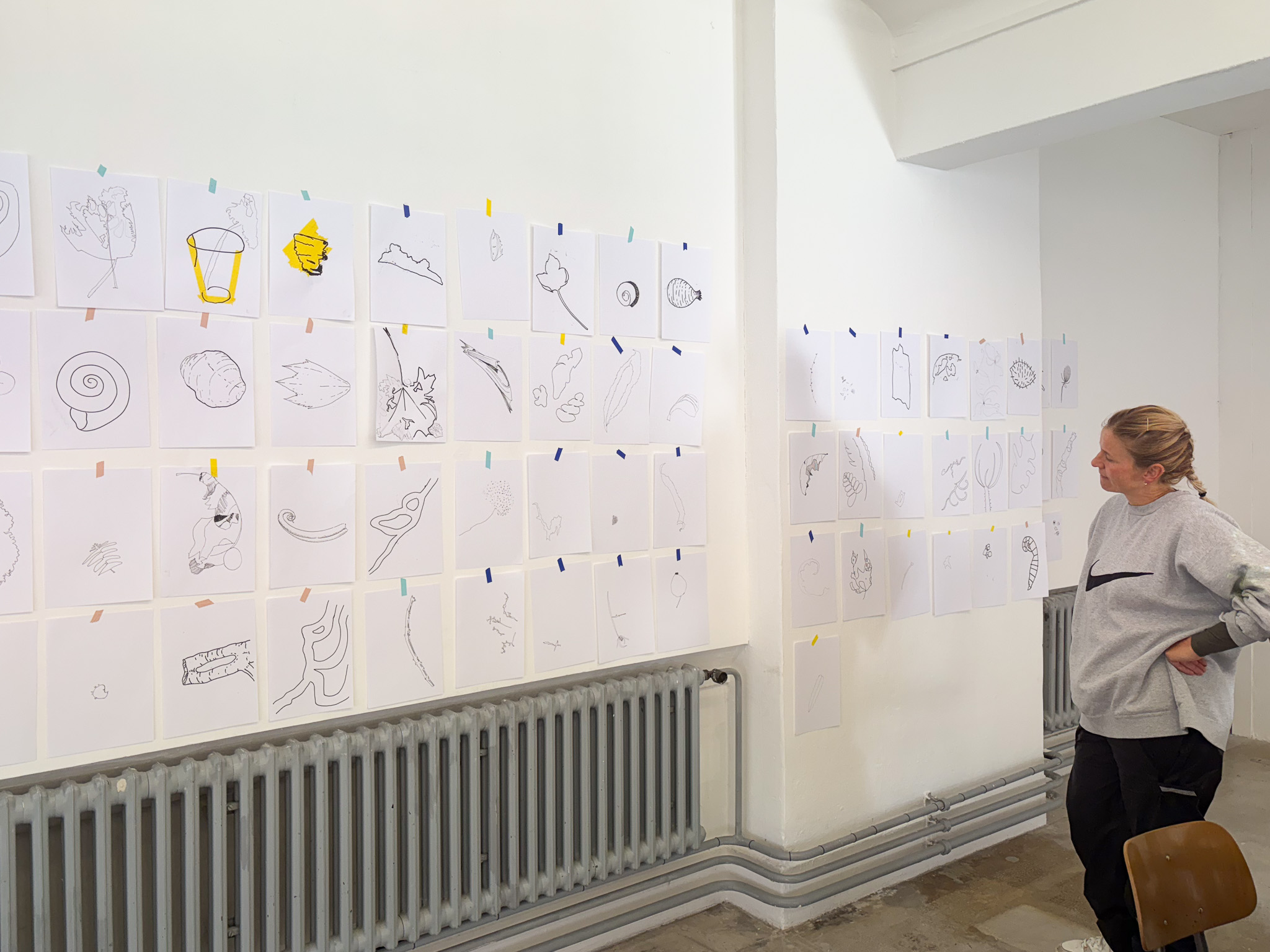
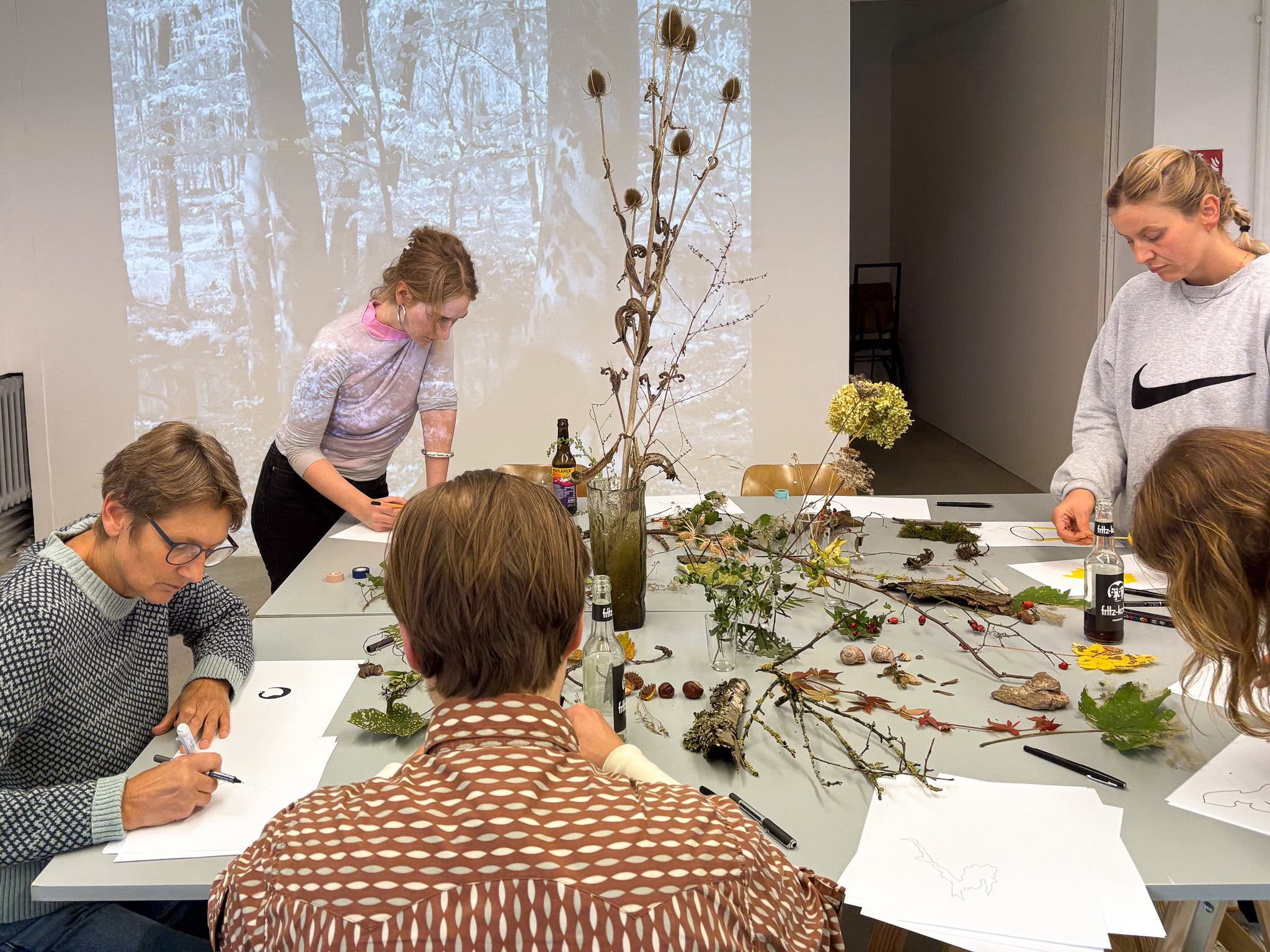
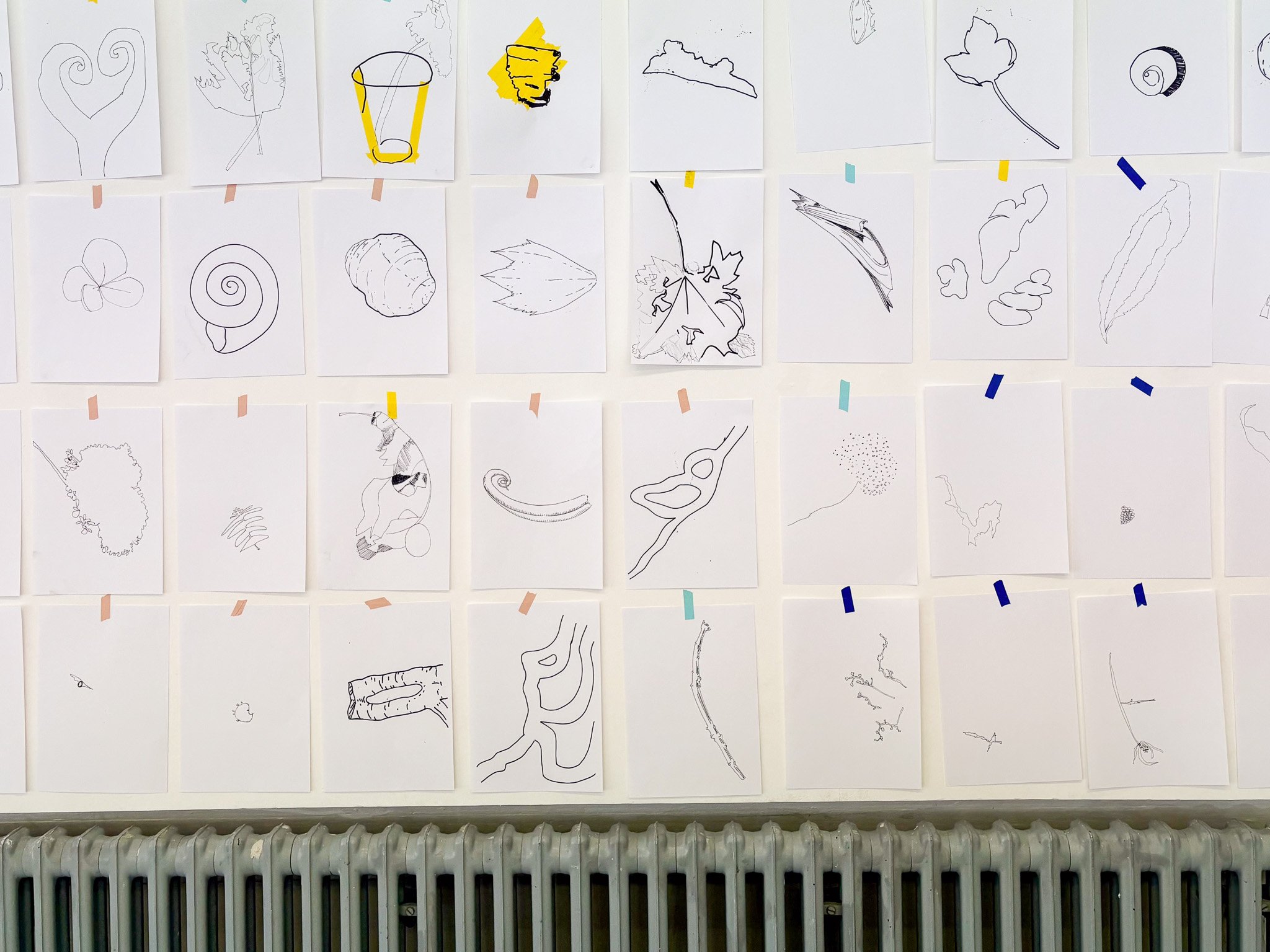
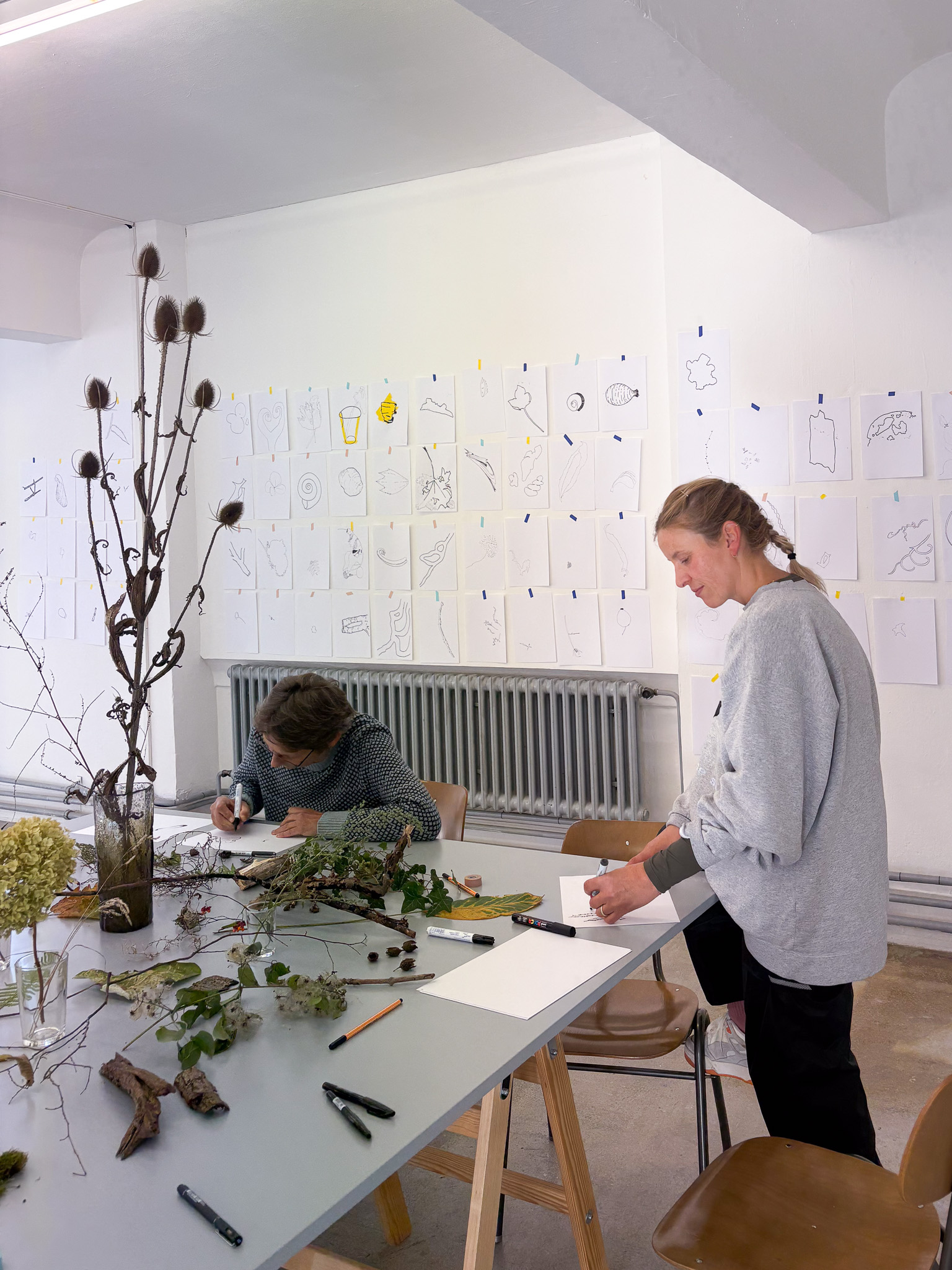
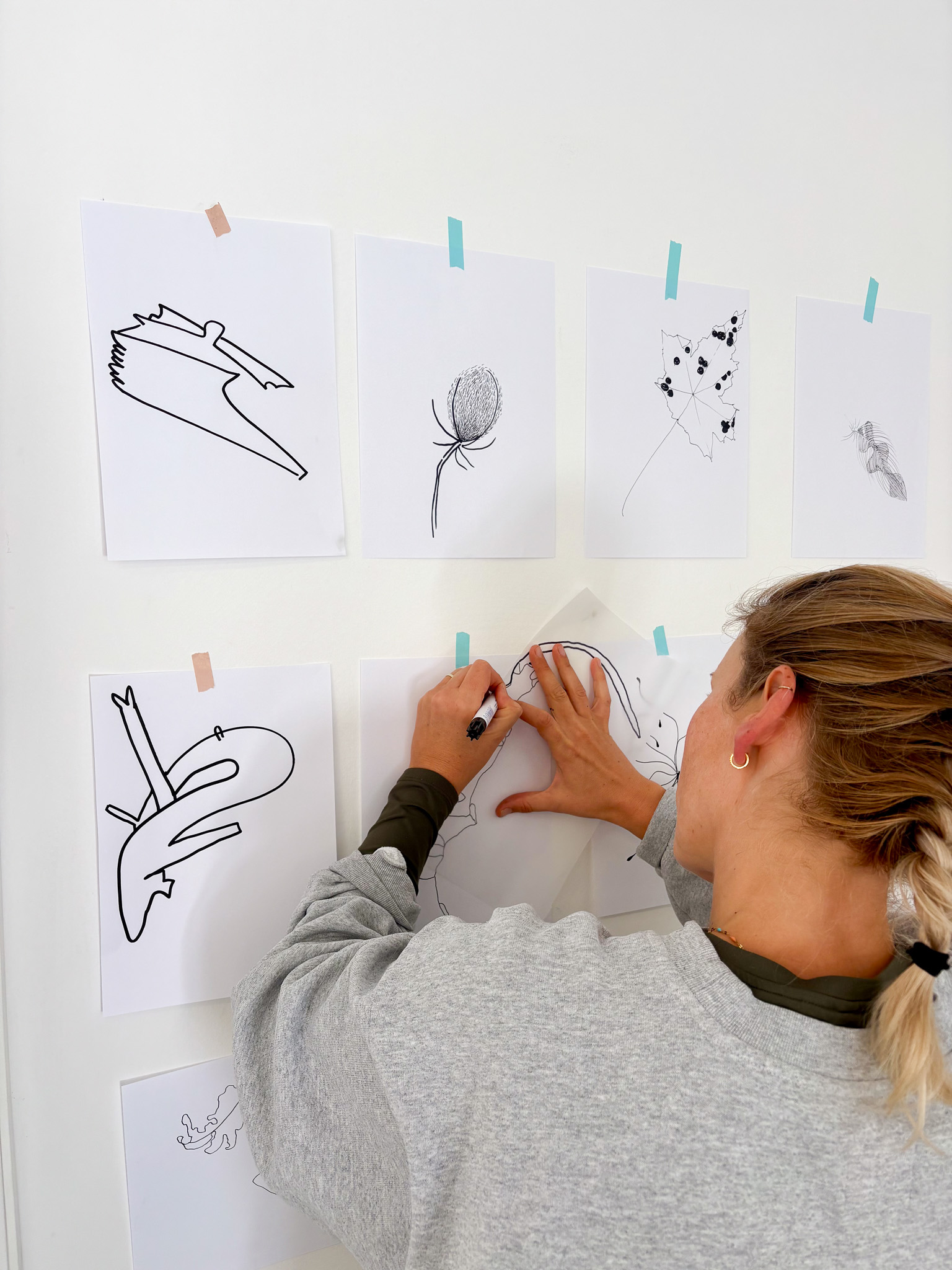
What influence does music have on the artistic process of a painter? Could moods seep into painting in a way that is seemingly imperceptible?
In the fifth Listening Session, painter Ivan Zozulya presents his selection of songs and pieces from a wide range of genres – from pop and blues to garage punk, experimental electronic music and ambient – songs and albums that he plays on repeat to stay in the flow.
Listening Sessions
This is the fifth event in the ‘Listening Sessions’ series in the recording studio at Künstlerhaus. Artists are invited to bring along the music that inspires, shapes and accompanies them. We will listen to this music together in the recording studio.
The regular series offers a space to exchange ideas about sonic influences and personal connections to music. This series of events was conceptualised by Lena Meinhardt, artist and manager of the audio workshop at Künstlerhaus.
As places in the recording studio are limited, please register at audio@kuenstlerhaus.de.
At first sight, musical composition and the printing technique of etching have nothing more in common than the fact that musical scores were engraved rather than typeset for a long time. Johann Sebastian Bach engraved some of his piano works himself. With the introduction of modern printing techniques, this practice has become obsolete.
Stuttgart composer Jan Kopp has been working in the Künstlerhaus etching workshop for a year and a half. For him, there is much more that connects the two arts. For example, the differentiated application of pressure plays a central role in both the production of sound and etchings. In addition, the function of the etching plate in the working process is similar to that of a musical score: in both cases, the form of the artwork is designed and fixed, but neither is directly visible to the audience. Rather, it is the print and the performance that make the etching and composition sensually experienceable and, at the same time, reproduce them. This act of reproduction is usually delegated to a third party, be it a printing workshop or an orchestra. Designing and printing an etching plate at the same time is then equivalent to the performance of a composition by the composer.
In addition to these general references, Kopp is particularly interested in the specific design possibilities offered by the media. In etching, for example, it is the design of plate edges and engraving depths that lead to differentiation in the print under the press and to different reliefs in the paper. Recently, Kopp has been exploring two-colour printing from a single plate and the combinations offered by the use of multiple partial plates, which allow for the creation of series. (A technique that can also be found in his 2021 composition ‘offen. 31 Farben der Hoffnung’ [open. 31 colours of hope].)
In cooperation with the ceramics workshop, he is also exploring the possibility of printing etchings in clay.
Jan Kopp will provide insights into his musical and artistic work at the 45th Tuesday Workshop. Afterwards, we invite you to join us for a discussion and exchange of ideas.
Tuesday-Workshop
The Künstlerhaus invites an artist or a collective—meaning any artists or cultural workers from any field or discipline—to talk about their working methods as well as their backgrounds and approaches. We want to establish a platform for a more in-depth interaction with regard to artistic practice, and in doing so to create a network, show solidarity, and mutually strengthen one other.
The series is aimed at all members of Künstlerhaus Stuttgart, artists either living in Stuttgart and the surrounding area or just traveling through, all cultural workers, art mediators, curators, etc., and is open to everyone!
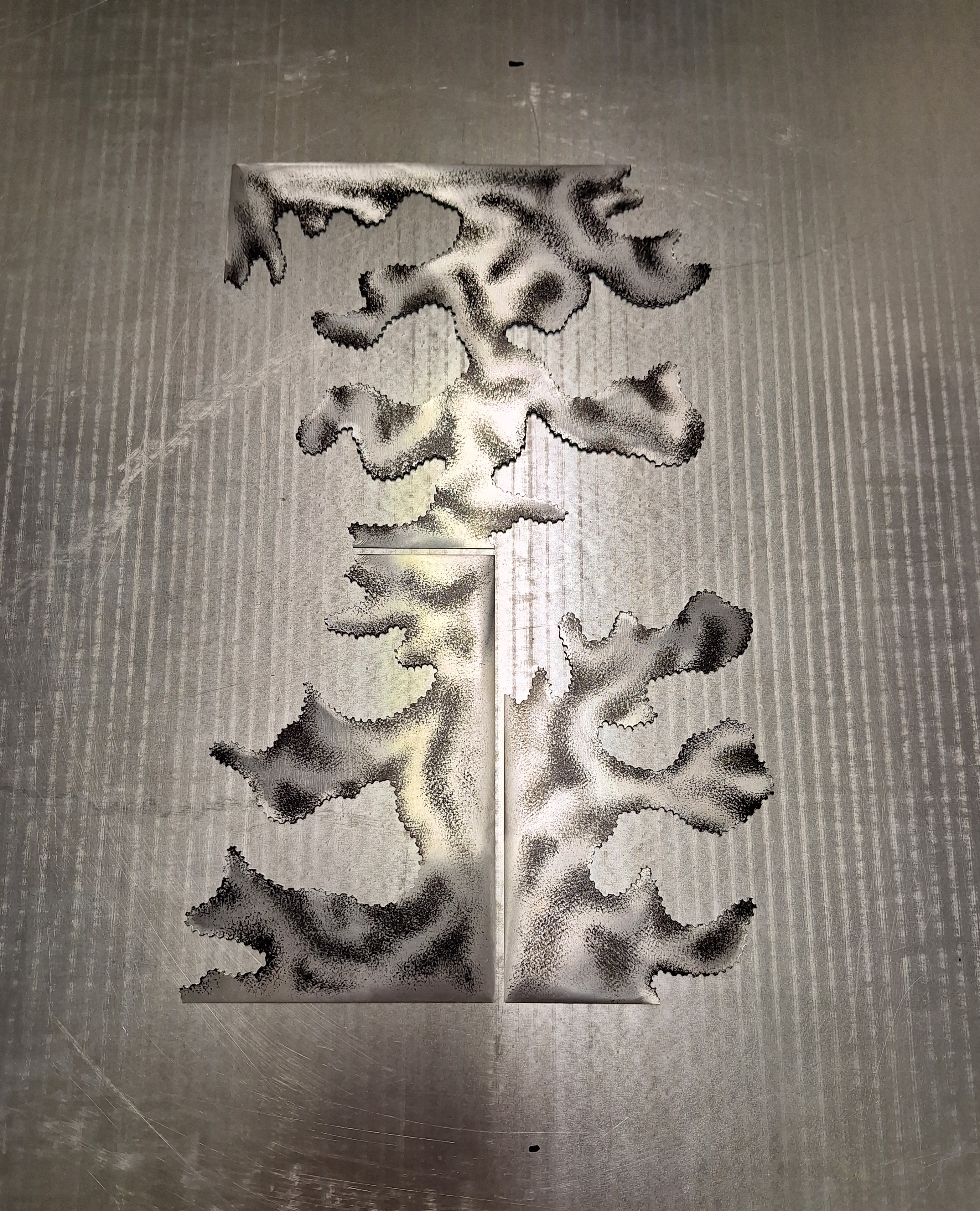
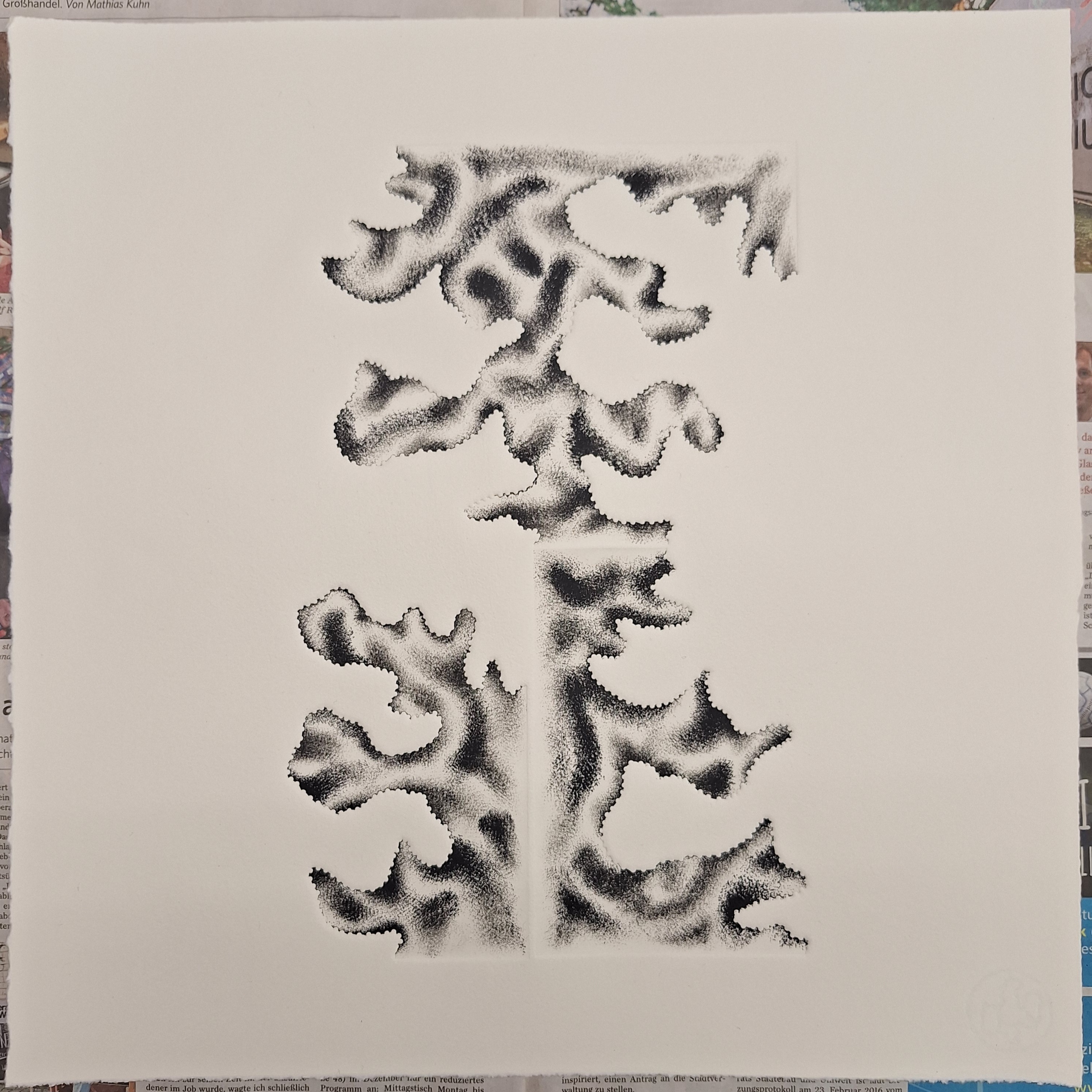
Flowing from the riverine atmosphere at the Kunstlerhaus Stuttgart, filmmaker and Akademie Schloss Solitude Fellow Louis Henderson will screen his recent Afterthoughts of a Walk on the Naze (2024) and join us in conversation about his practice.
‘In the year of his death, my great-uncle, the artist Nigel Henderson, wrote a letter addressed to my future self. In his letter, he asked me to decipher a painting he made of the fossilized cliffs at Walton on the Naze in Essex, in the east of England. As a clue, he sent me a photocopied manuscript of the novel “The Fourbanks of the River of Space” by the South American novelist Wilson Harris, who lived nearby. Afterthoughts of a Walk on the Naze is a quantum fiction that attempts to answer his letter. I revisit the house and studio where he made the painting and film the surrounding seascape/riverscape and the cliffs the painting references. Harris’ book, the landscapes and the painting work together in counterpoint, revealing ideas about artistic inheritance, creation, death, weather and time.’
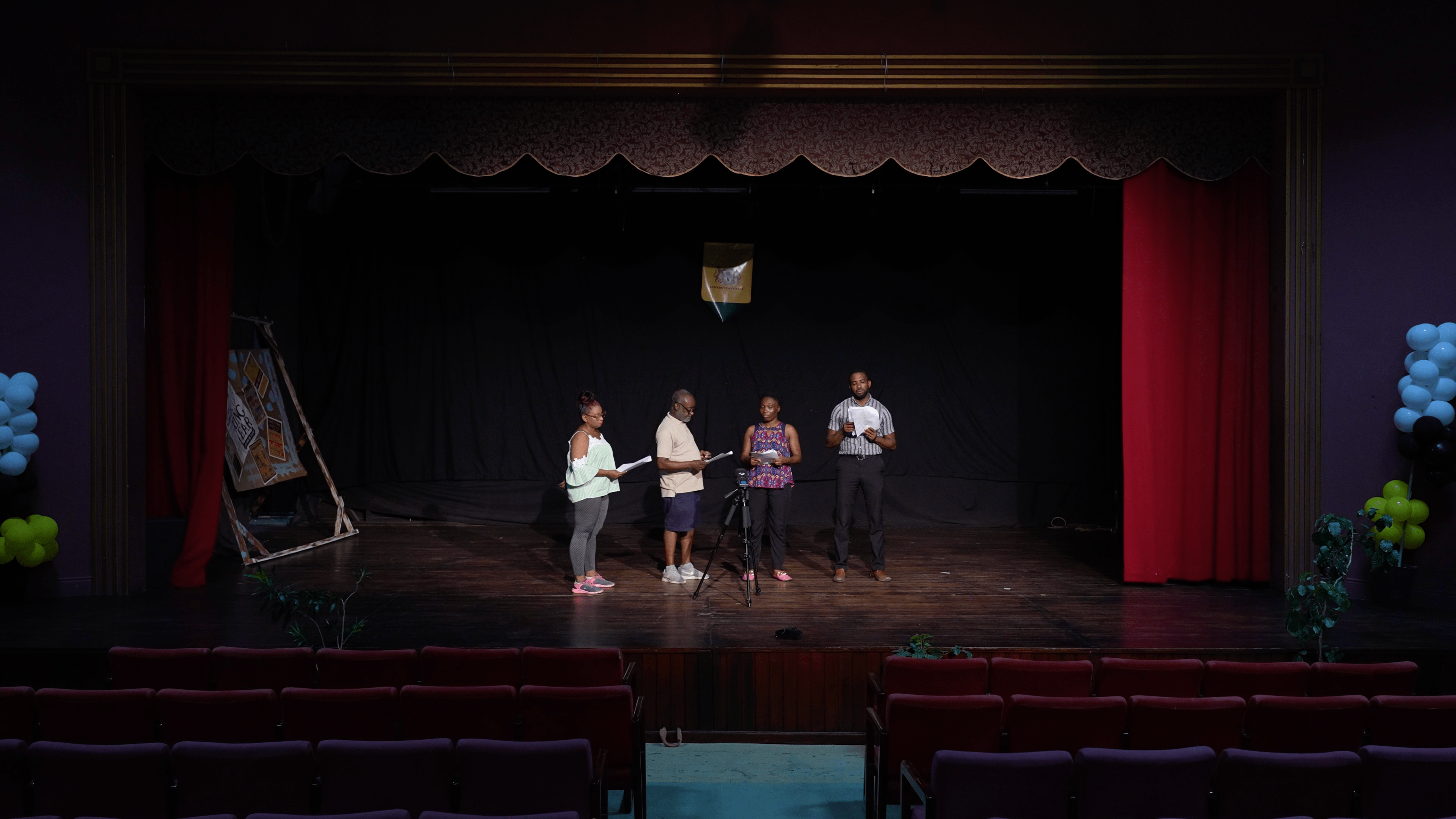
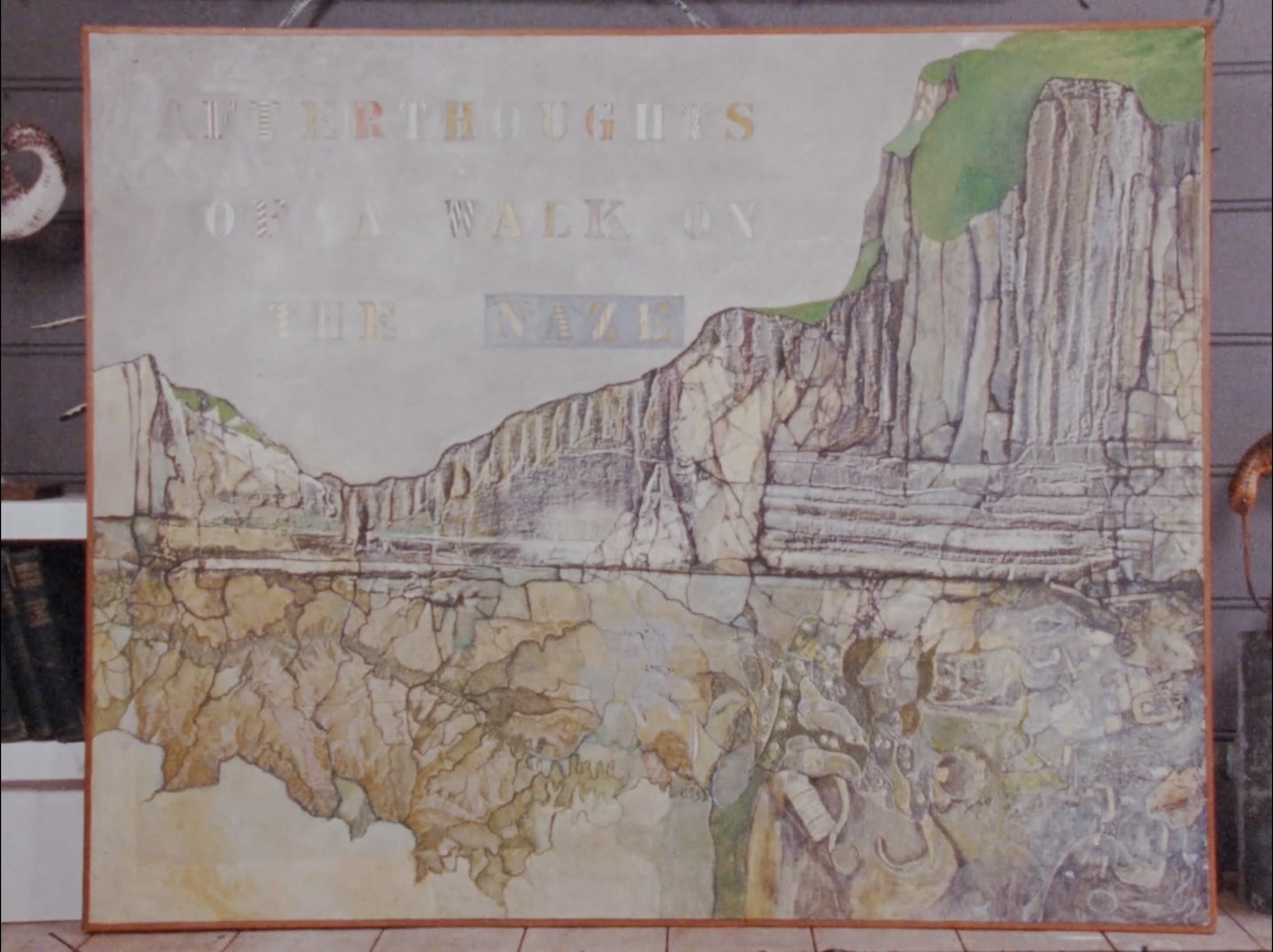
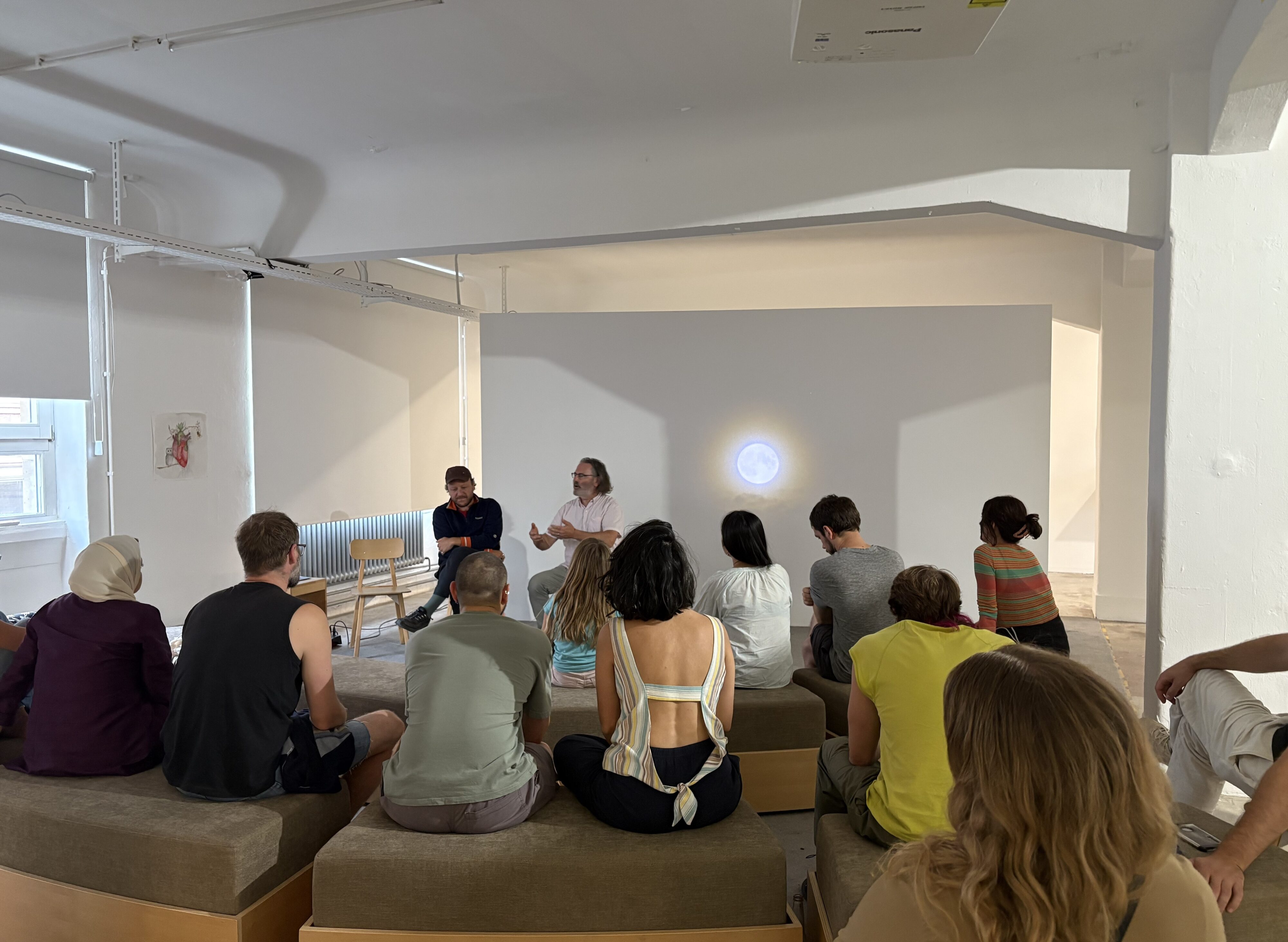
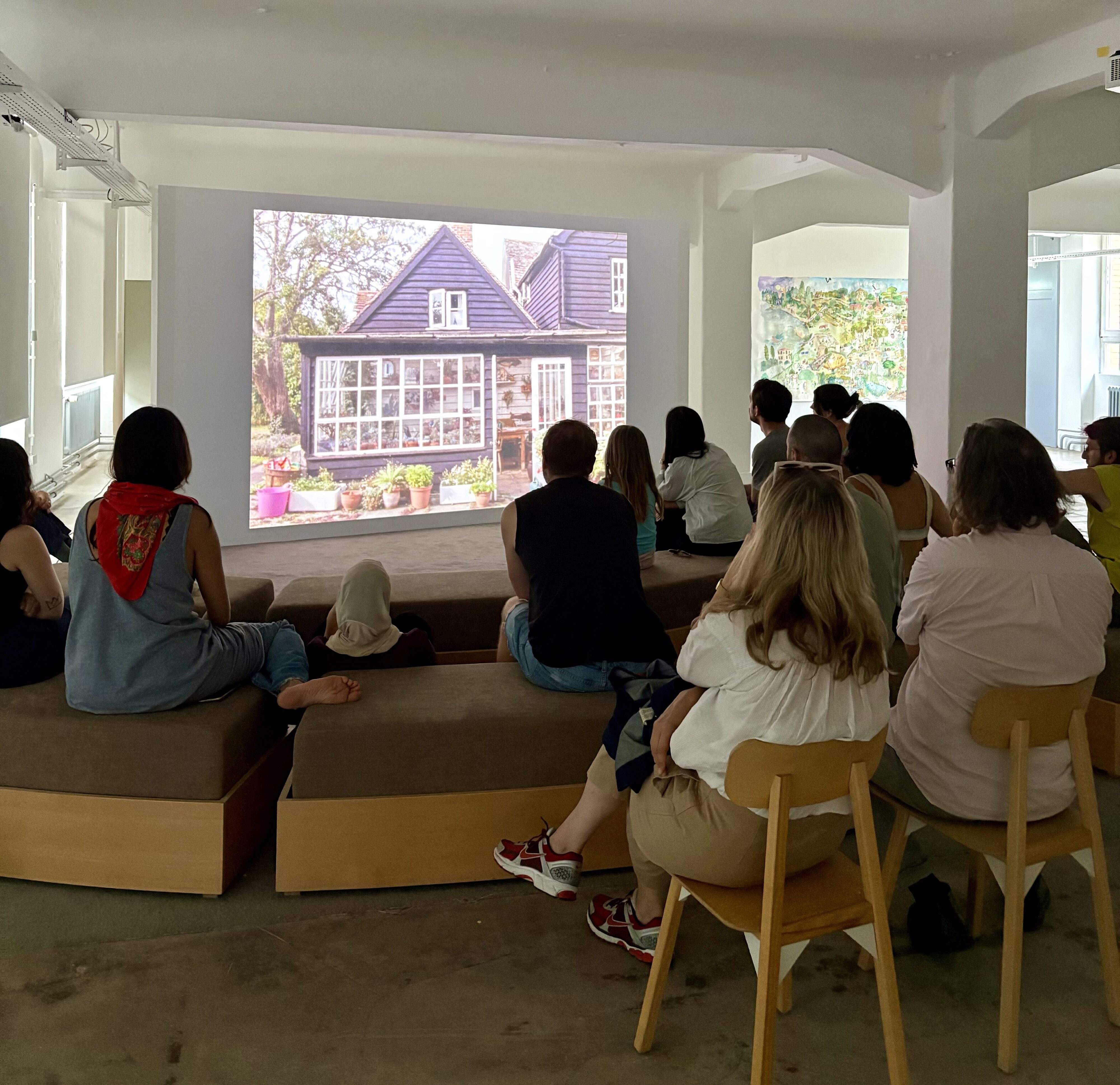
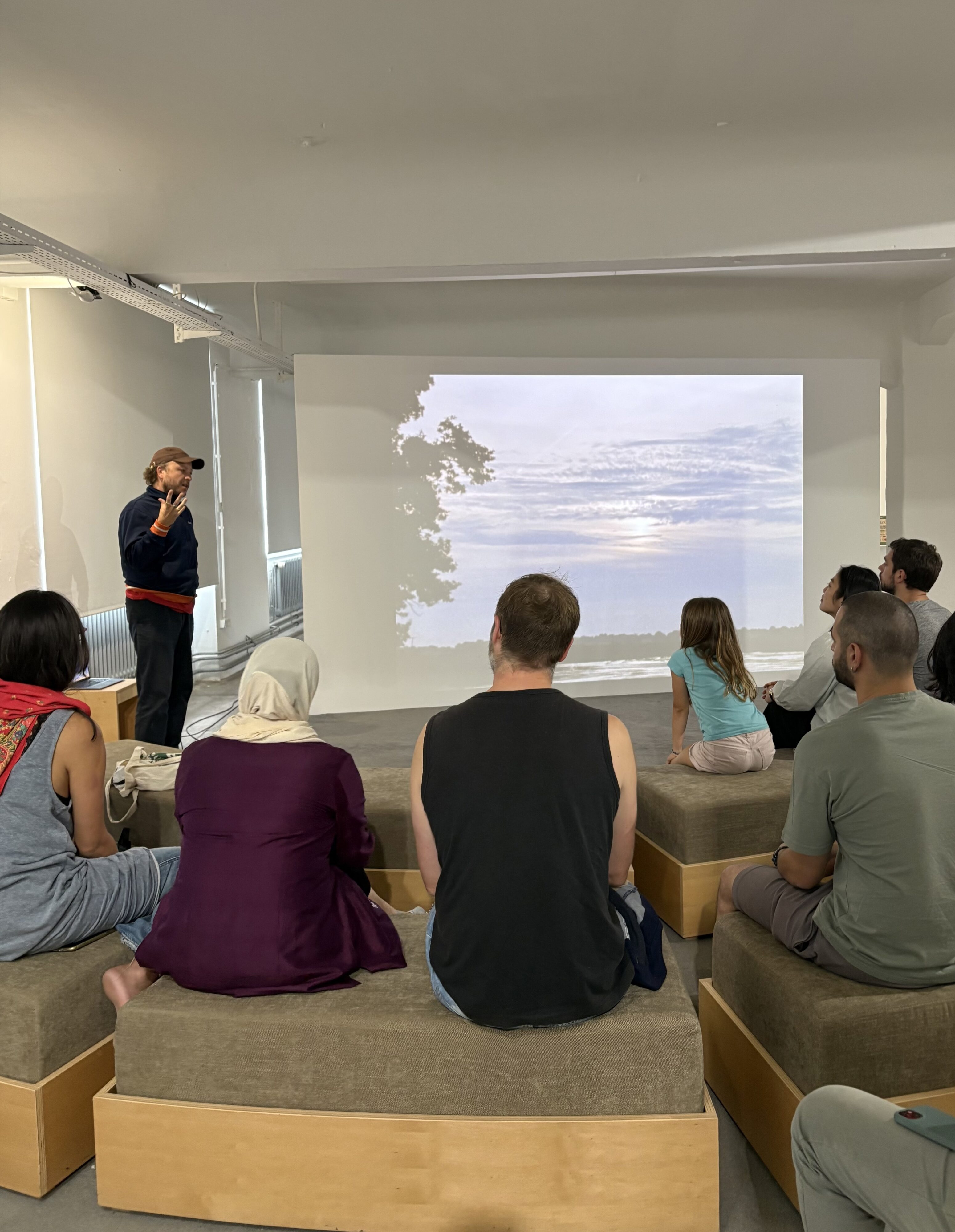
On 20 July 2025, the second alumni meeting of all former and current studio holders of the last 27 years took place at Künstlerhaus Stuttgart.
A meeting and reunion, accompanied by artistic contributions and good conversations.
Many thanks to all scholarship holders for the wonderful day.
Photos: Jochen Detscher
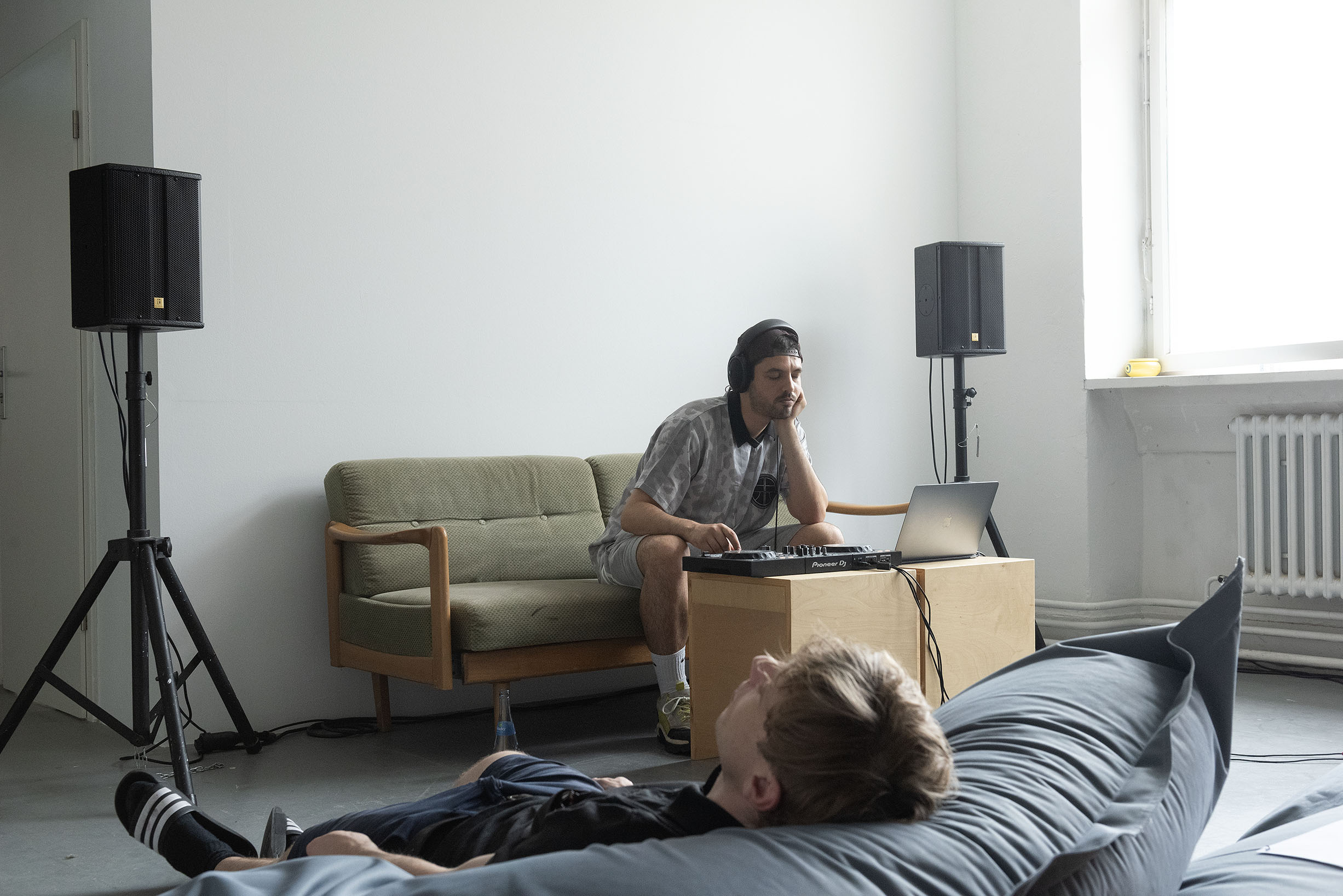
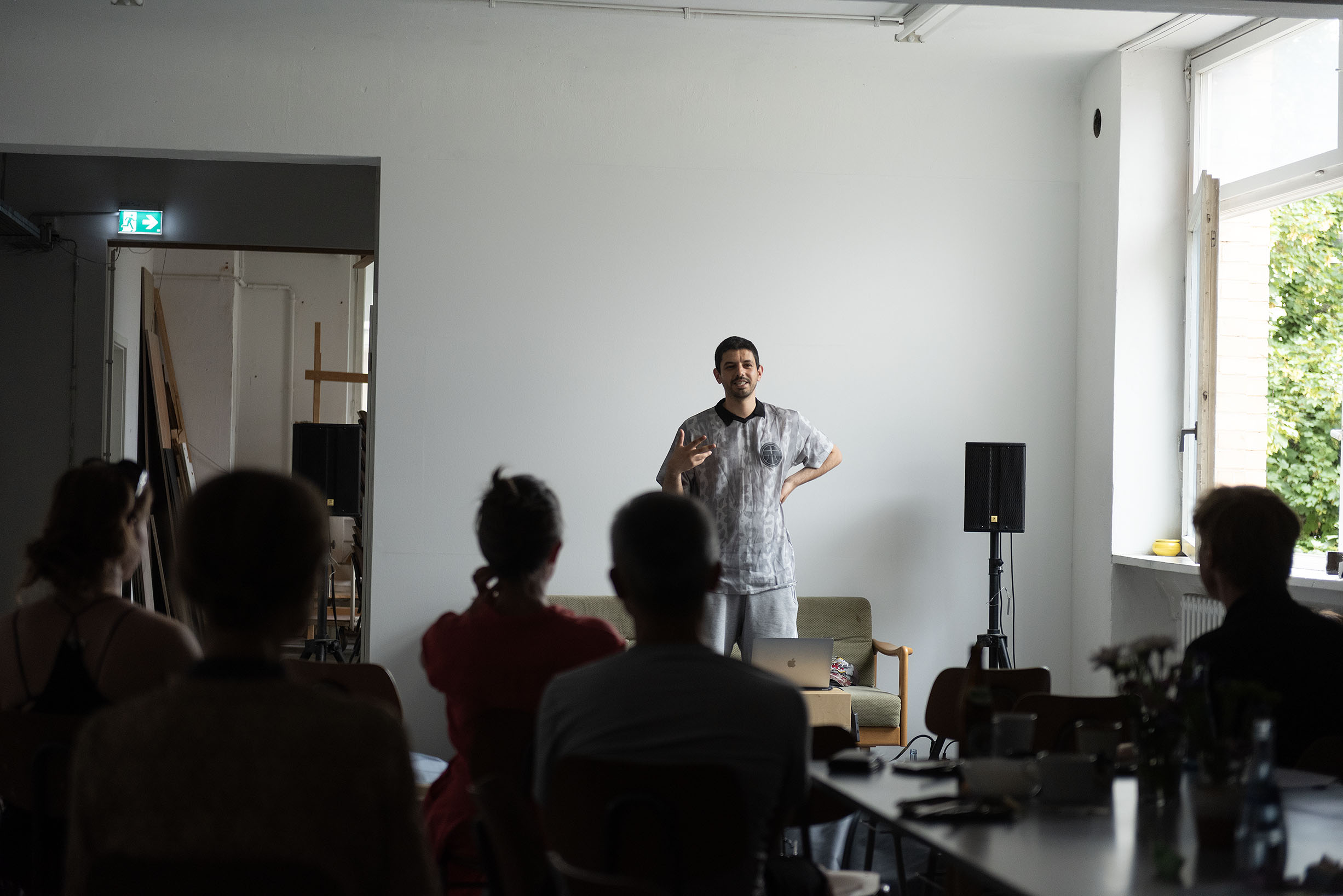
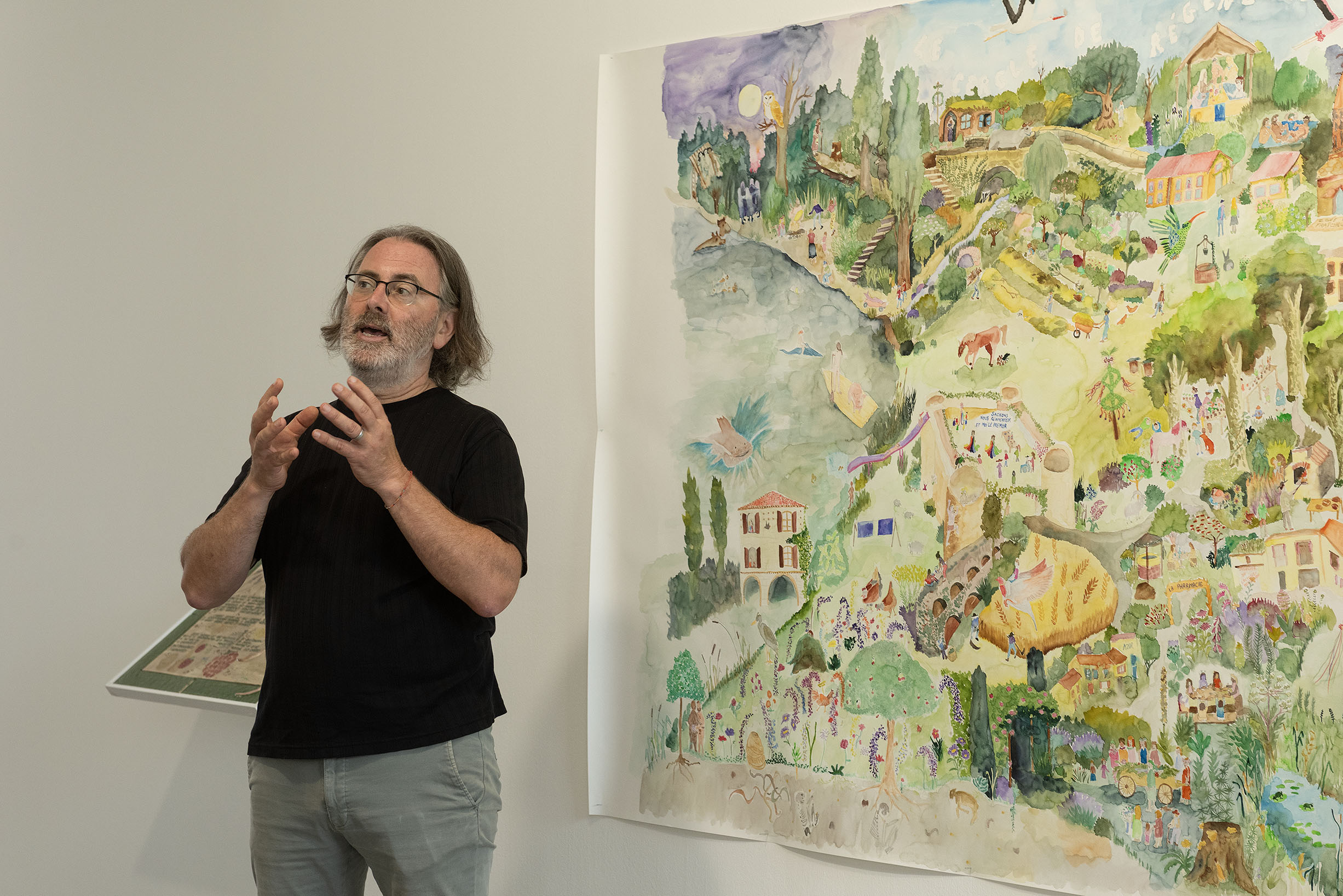
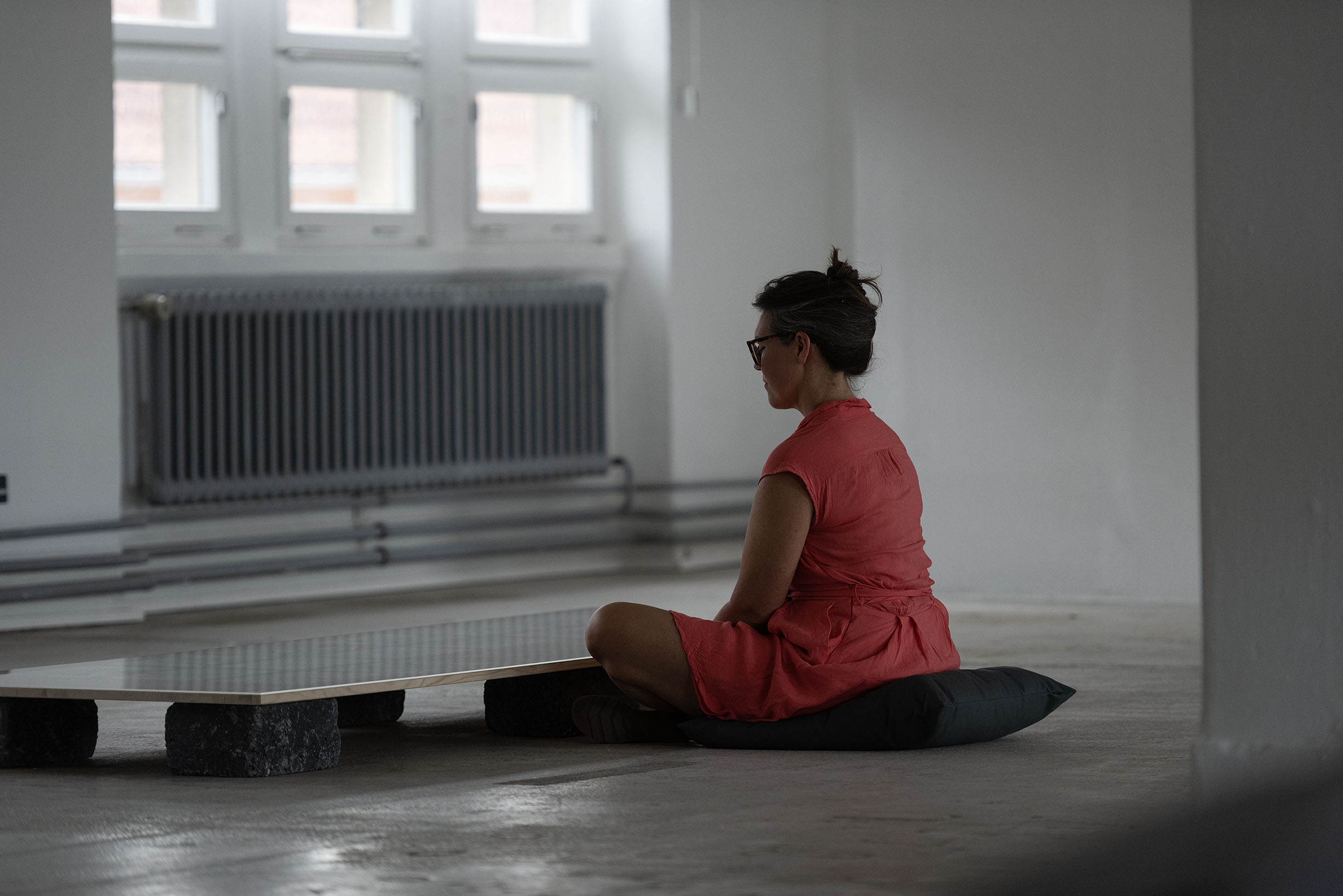
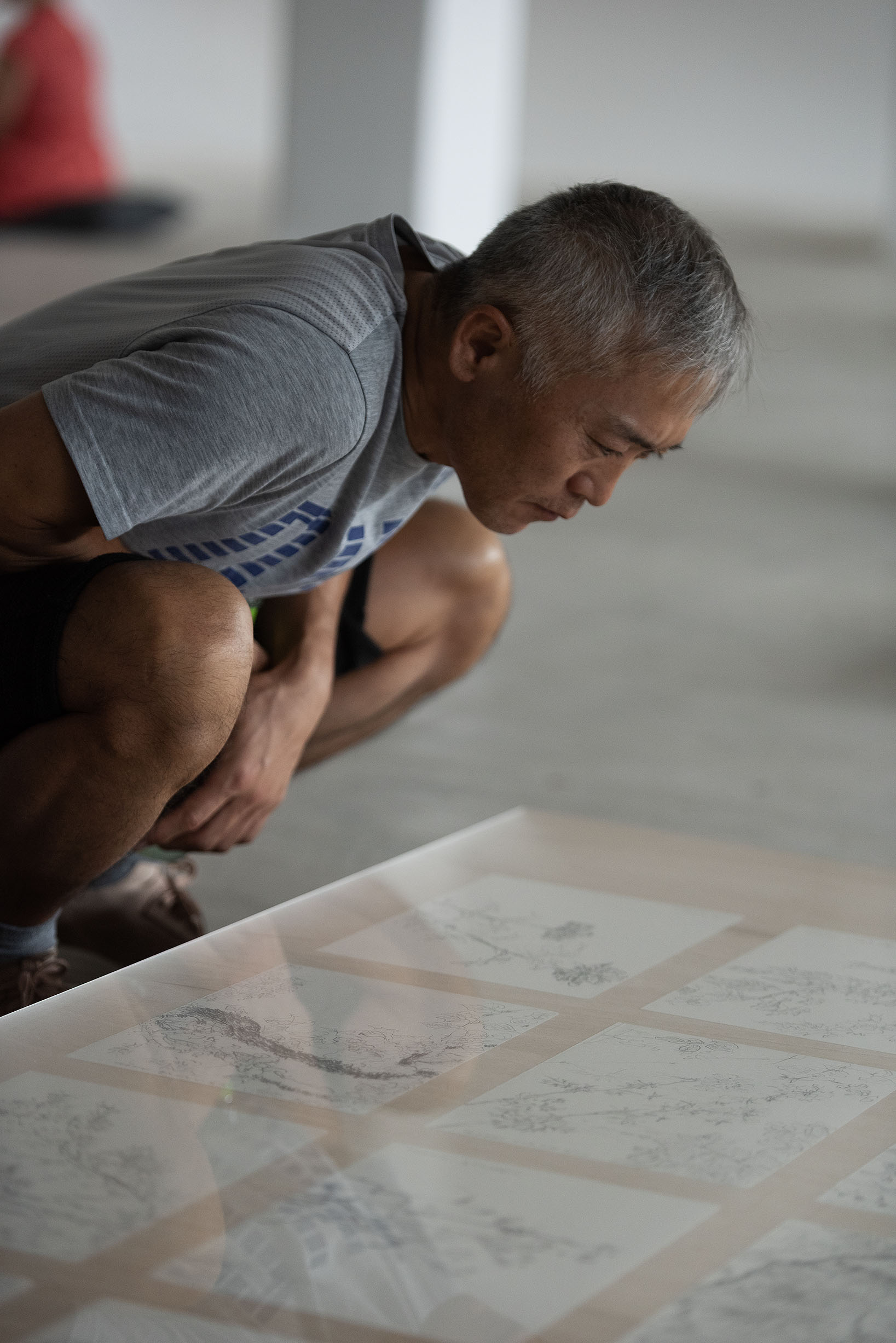
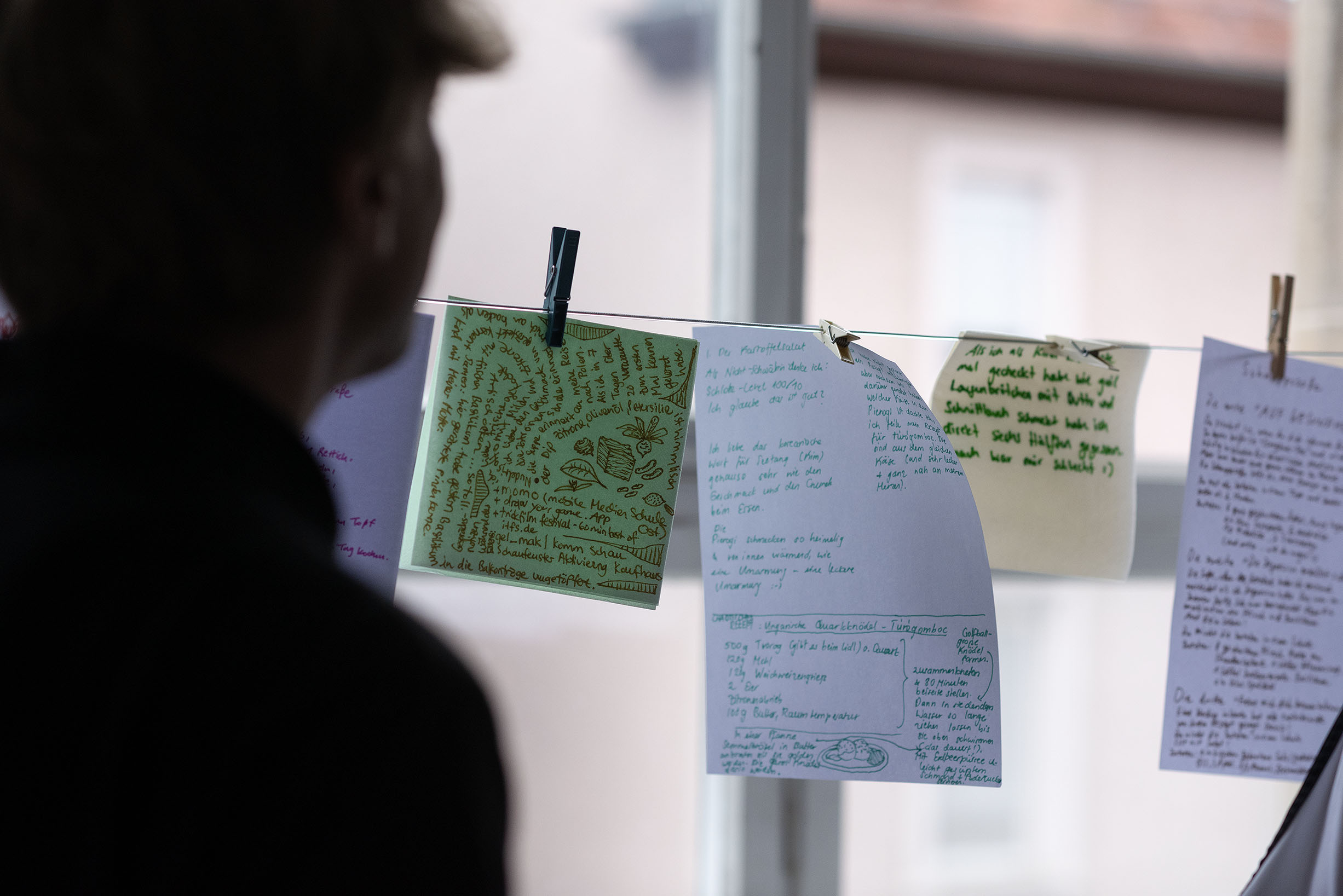
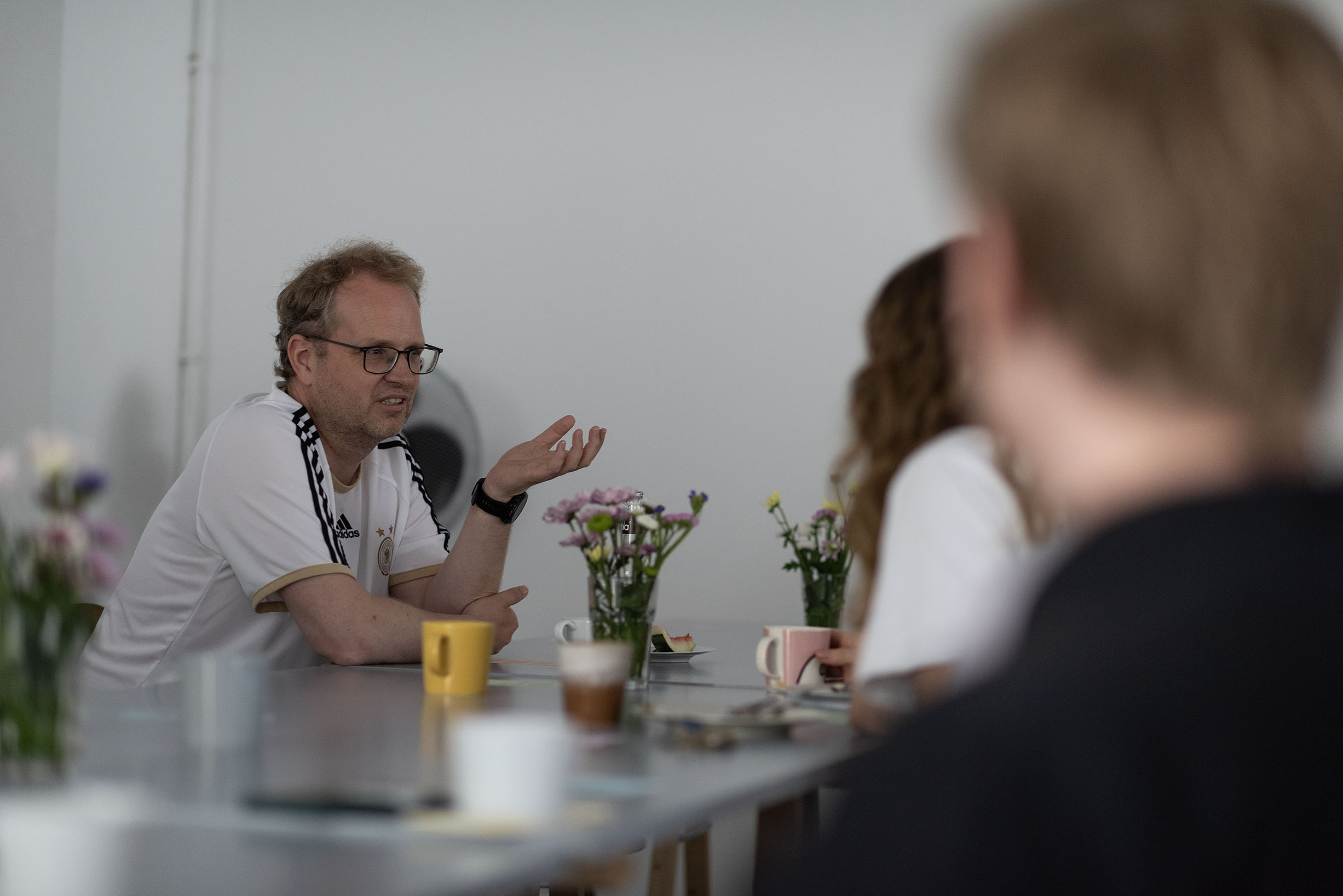
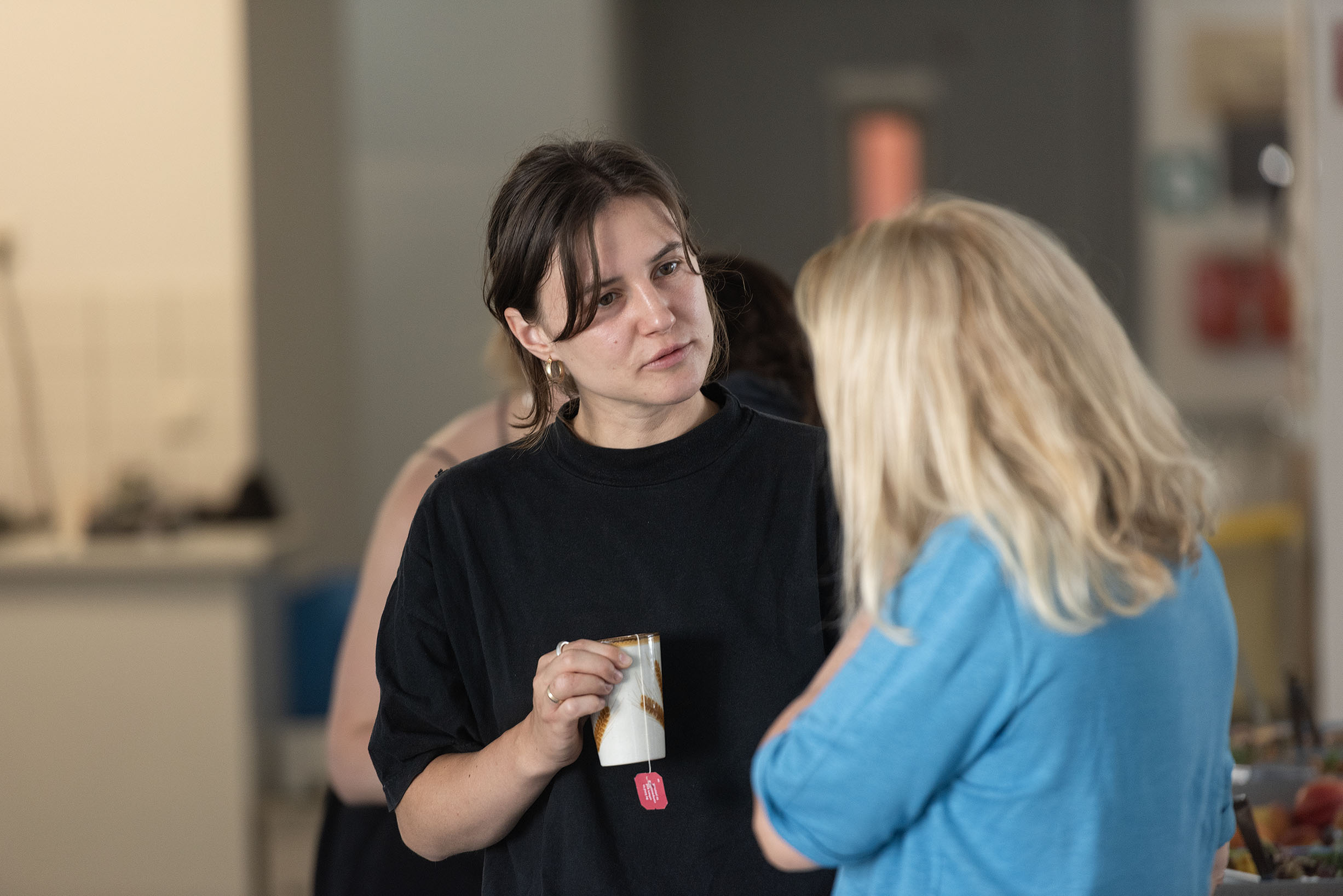
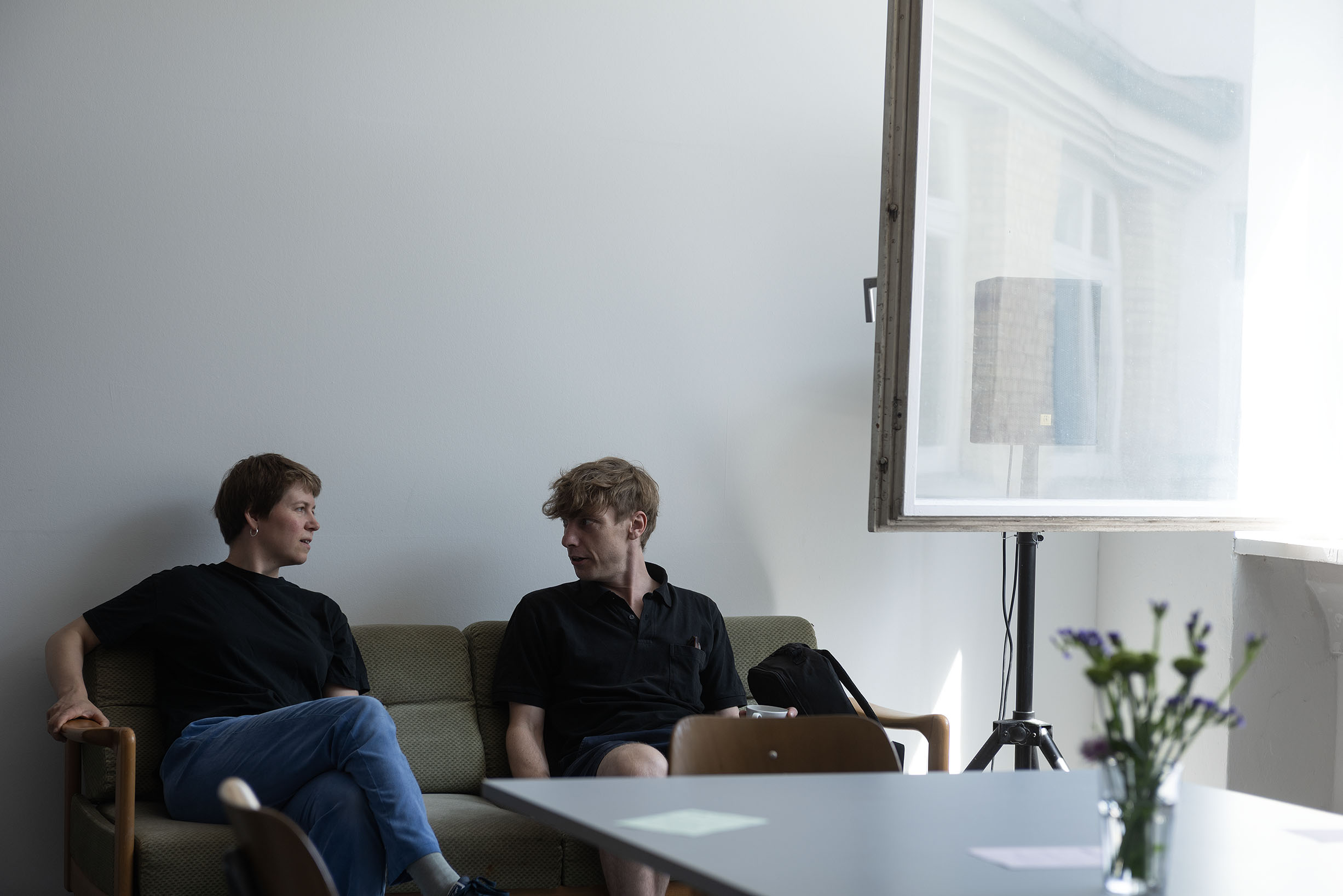
The vibrant and ecologically investigative watercolors of Montpellier-based artist Stéphanie Sagot, Voyage en Terres Amoureuses, fill the second floor of Künstlerhaus Stuttgart with all the fullness of a summer harvest – teeming with life and foregrounding interconnectedness with the land, with all that grows, at once documenting resistance and mapping out enclaves of potentiality. Sagot’s large-format watercolors are at once maps and paintings of land usership and agroecological practice – depicting both what is and what might be –, fusing geopolitical, institutional and profoundly personal landscapes. They map what the artist calls “terres amoureuses” – loamy, loving lands – and the relationships that they nurture, taking their historical inspiration from Madeleine de Scudéry’s 1654 “Carte de tendre,” based on a visual geography of emotions. As the atmosphere evolves, Sagot will produce a similar such map of the Künstlerhaus itself as an ecosystem, indeed as a kind of farm in its own right. Through workshops, observations and conversations with the farmership of the house, she will create a cartography of the Künstlerhaus Farm in its complex relational and physical landscape.
Voyage en Terres Amoureuses is constellated as an archipelago of conceptual islets throughout the second floor gallery. Humain Humus, Cartes de Tendre, Résistance and Ecotopie concrète are different cycles of work, connected through visible and subterranean threads cultivating care for living things.
A holistic concept of medicine, drawing on a medieval cosmovision, where art and care are closely intertwined, is the foundation for Humain Humus. Drawing lines between the cosmological imagery of illuminated twelfth-century manuscripts, an altar honoring decomposition, and contemporary theories of One Health, these works telescope far-flung imaginaries of not-yet-realized utopies with more documentary landscapes of meditation and the life of the soil. Cartographies of agriculture, political ecology, agroforestry and livestock farming intersect through lived relationships in the imaginary landscapes of Cartes de Tendre. Sagot’s maps document the collective constellations of the artist-farming collective INLAND, blending rurality and urbanity, economy and shepherding; food resilience and urban farming in Zone Sensible; permaculture and trance healing in Férale.
“We are Nature defending itself” reads a slogan on a woman’s t-shirt in Resistance. The Larzac plateau in southern France has been a focal point of sustainable farming practices and agroecological experiments – and remains a hotbed of peasant-led resistance to monoculture, chemical-intensive agriculture, land appropriation and the militarization of “underused” or “empty” landscapes. In 1971, 103 smallholder farmers rose up against the expansion of a French military base on the plateau, an initiative to which Sagot pays tribute in her “Terre Amoureuse – Gardarem lo Larzac,” and Larzac today is a vital landscape of ongoing resistance. A loamy and loving landscape, and an emblem of the continued fight for the health of living soils, the free flow of rivers and the cultivation of a shared atmosphere.
Ecotopie concrète points toward post-extractivist practices in such works as Le Nouveau Ministère de l’Agriculture. From 2016-2023, in collaboration with Suzanne Husky, Stéphanie Sagot took the agricultural policies of the French Ministry of Agriculture as a central object of study and détournement. Responding to the government agency’s unfulfilled responsibility to care for biodiversity, animal welfare, the well-being of farmers, soil health, and food sustainability, Le Nouveau Ministère de l’Agriculture created a manifesto, developed media outreach, appointed a highly qualified but highly unconventional Minister, and together created a drawing, a vision, a visual statement: Aux Arbres! Le Nouveau Ministère de l’Agriculture. Ecotopie concrète might be seen as a tool-sharing initiative, in order to rethink agricultural circles, bringing them into contact and collision with radically different lines of thought and enquiry.
Opening:
Saturday, July 19, 7pm, 2nd floor
8–9pm: live-music with Lea Rossatti
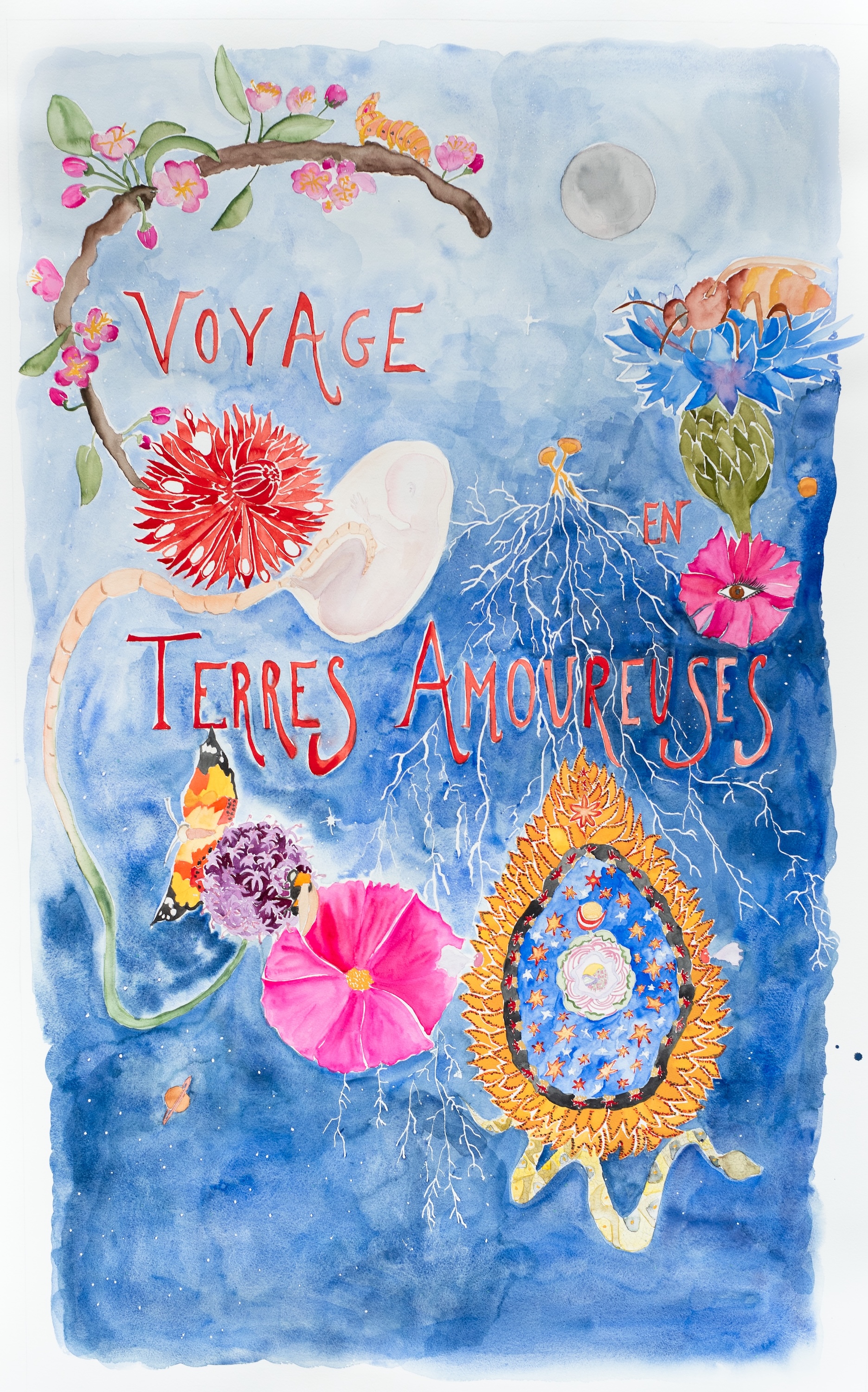


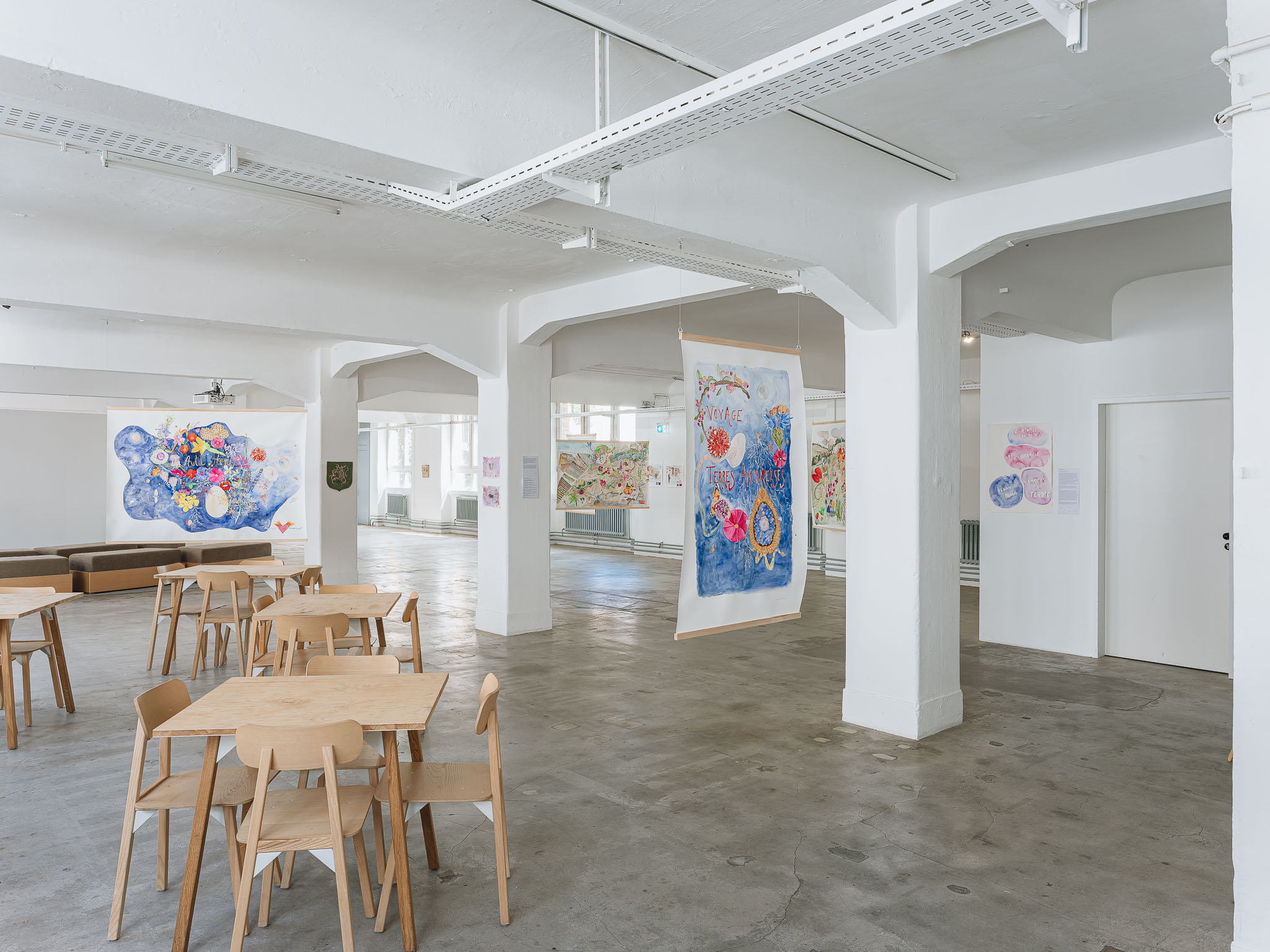
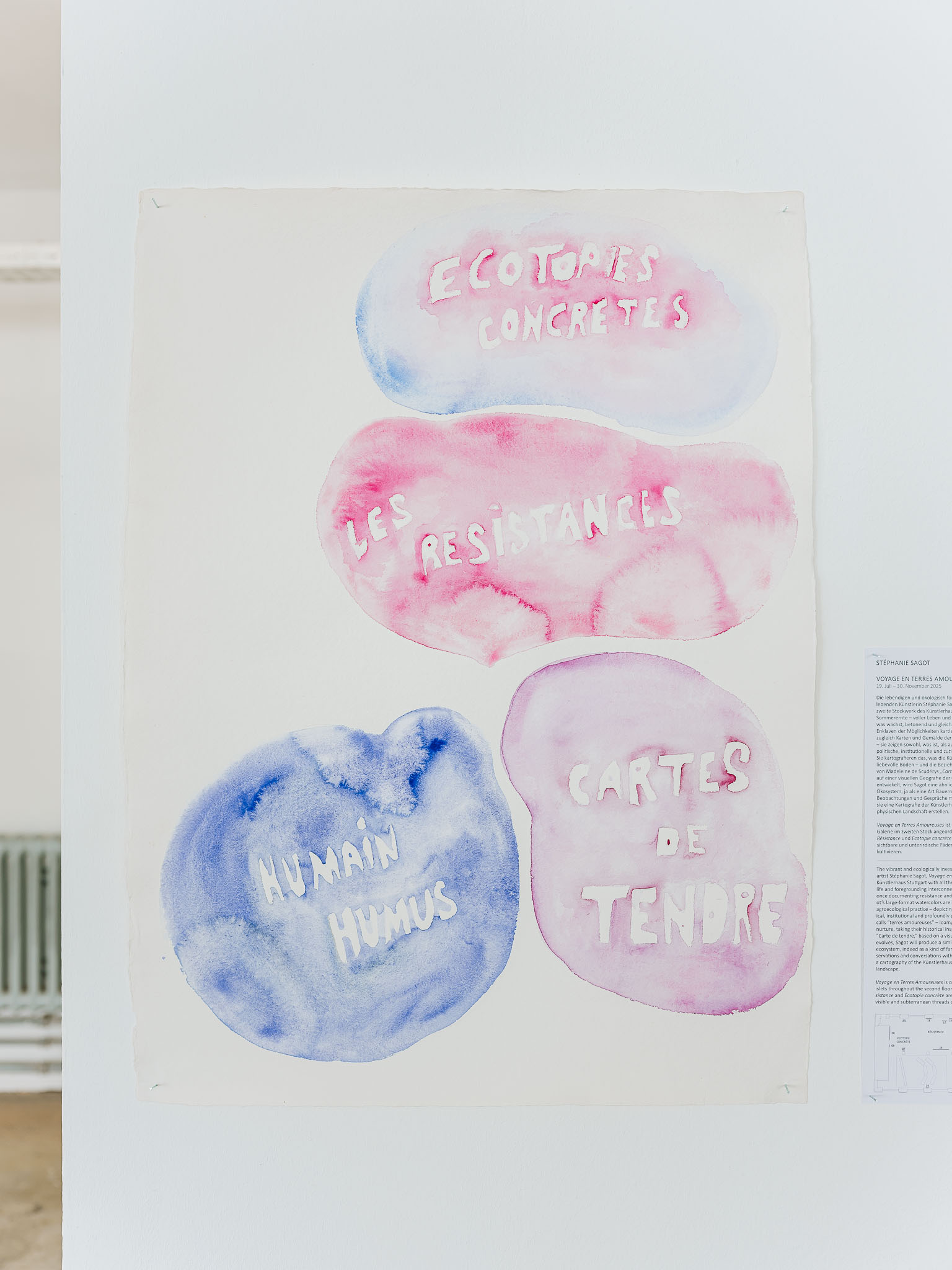
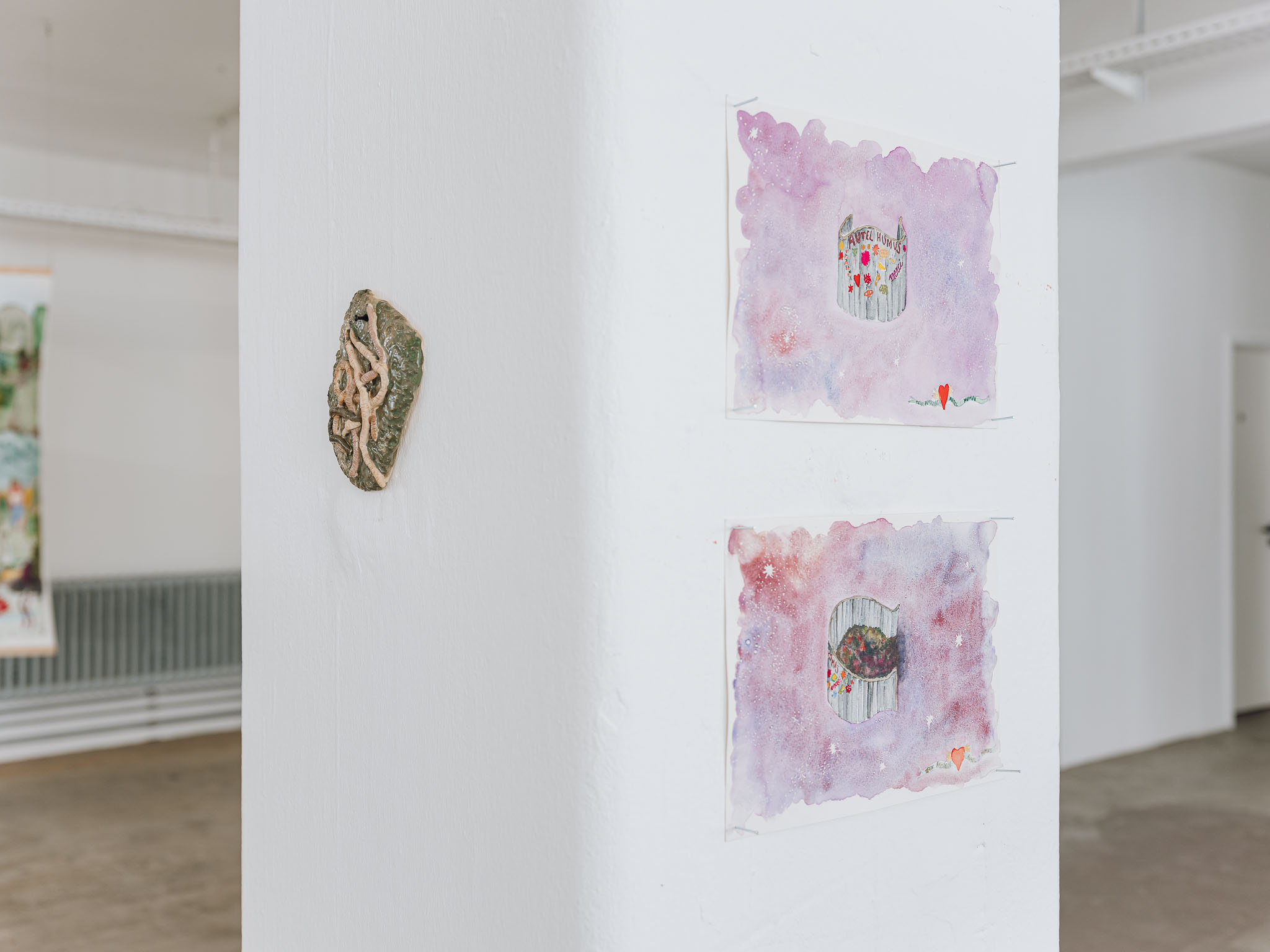
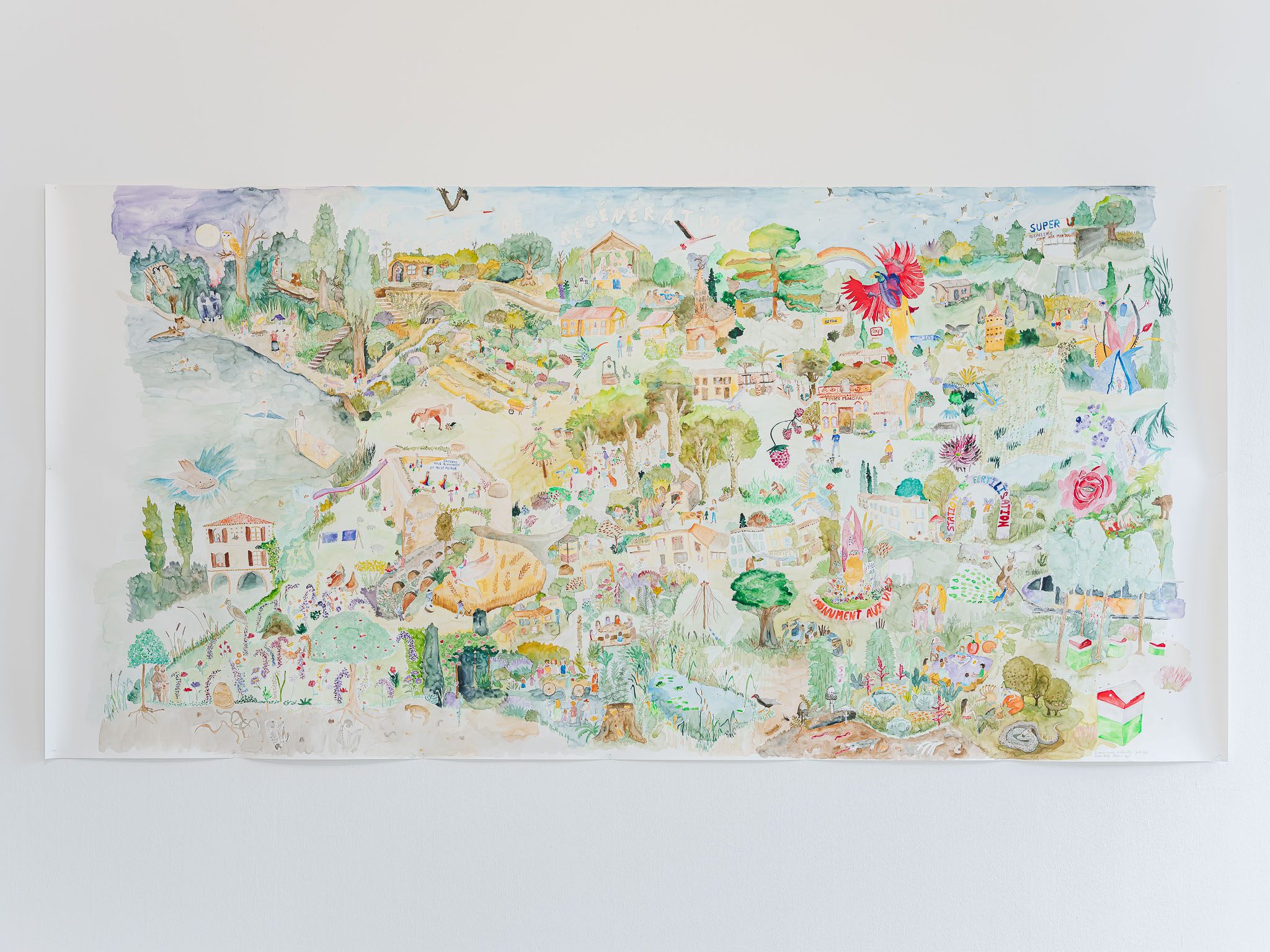
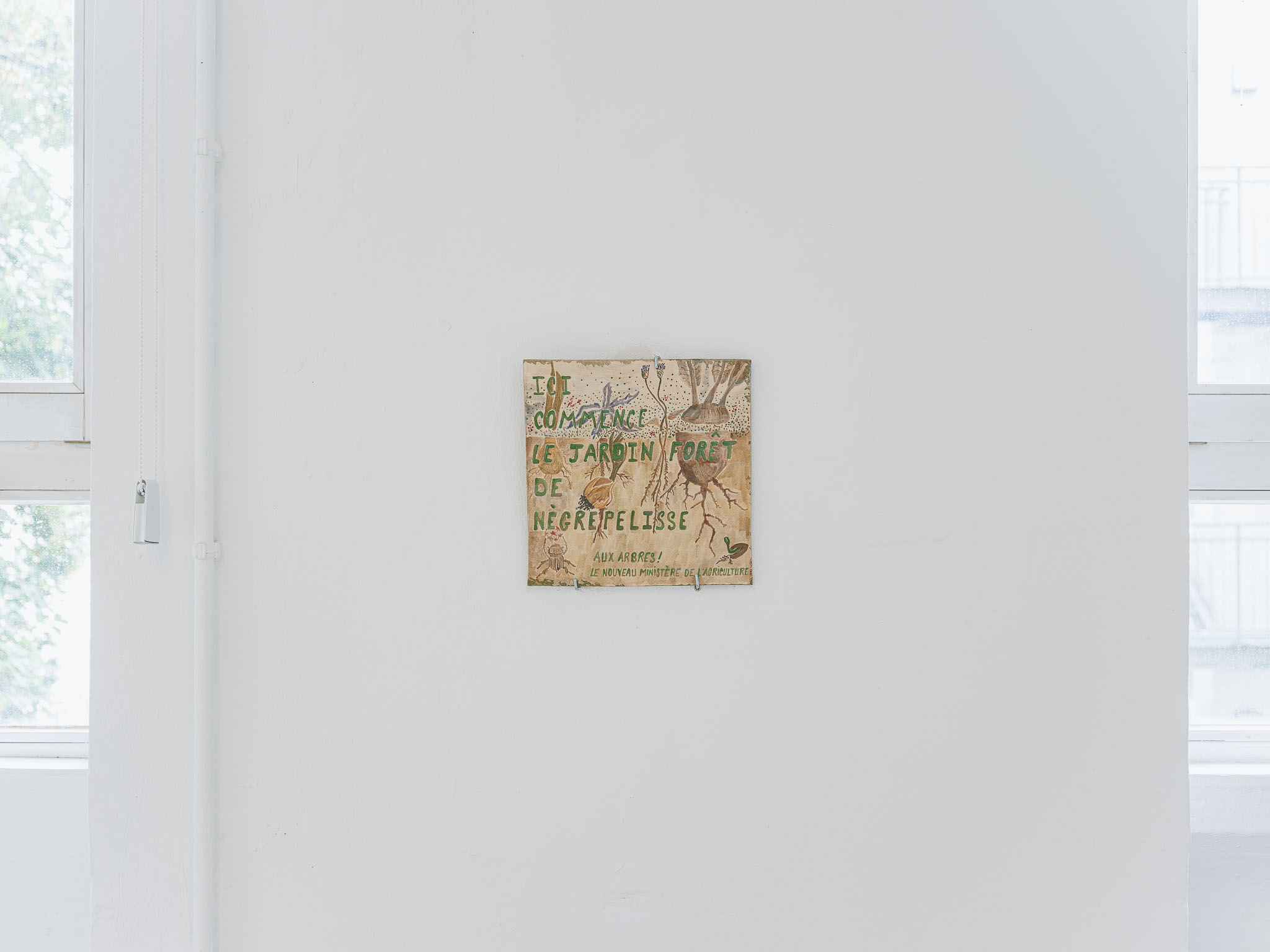
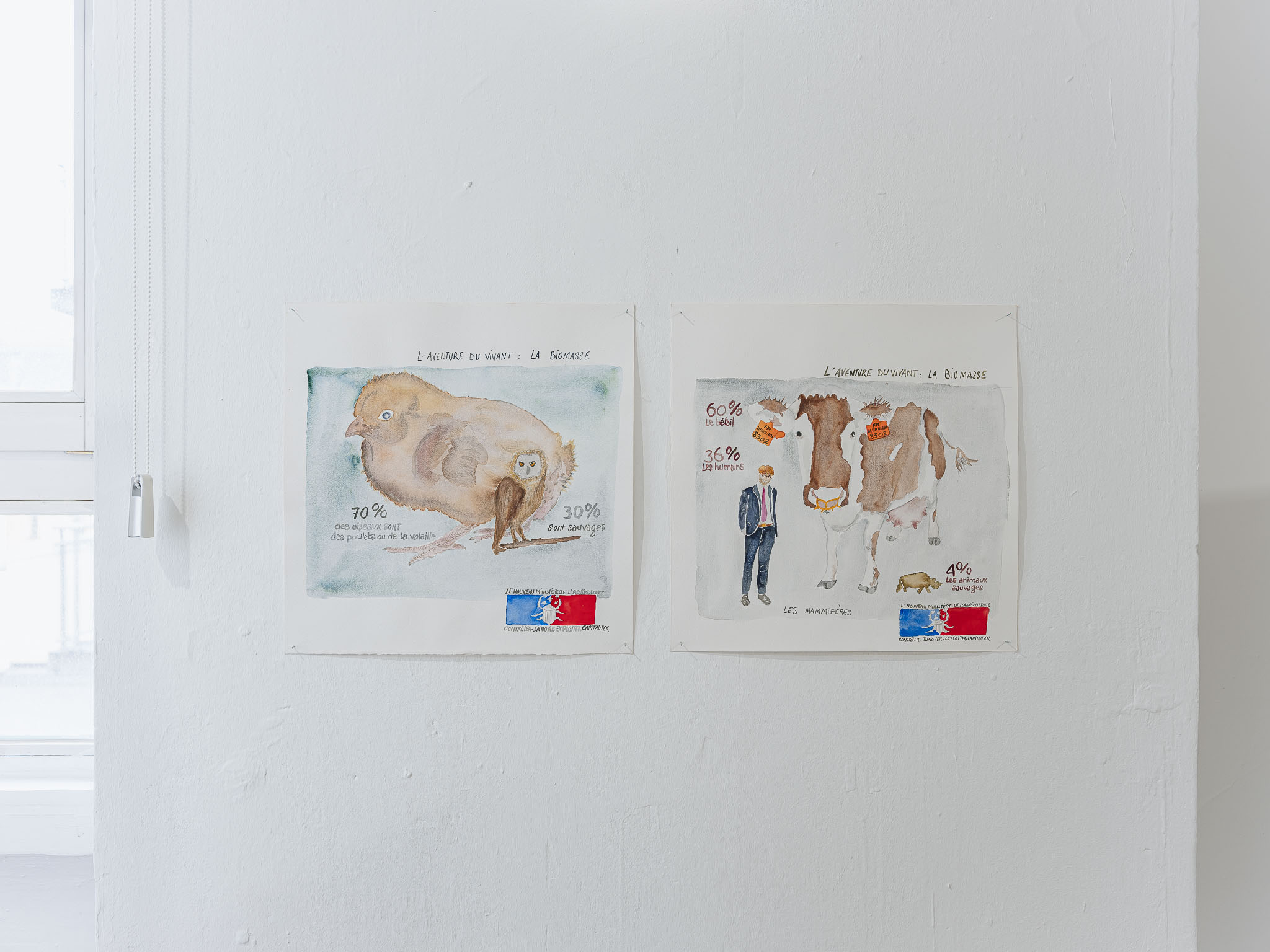
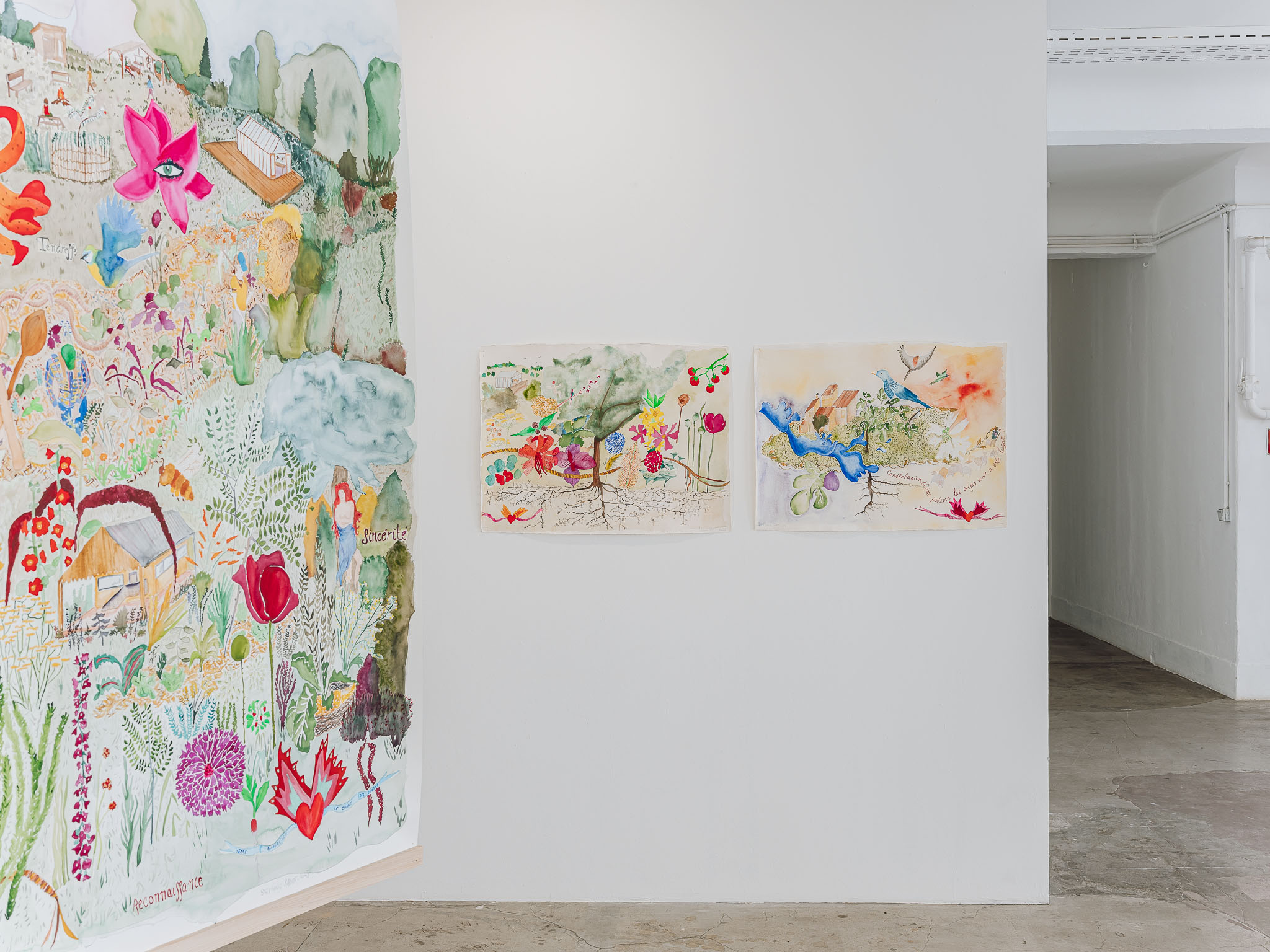
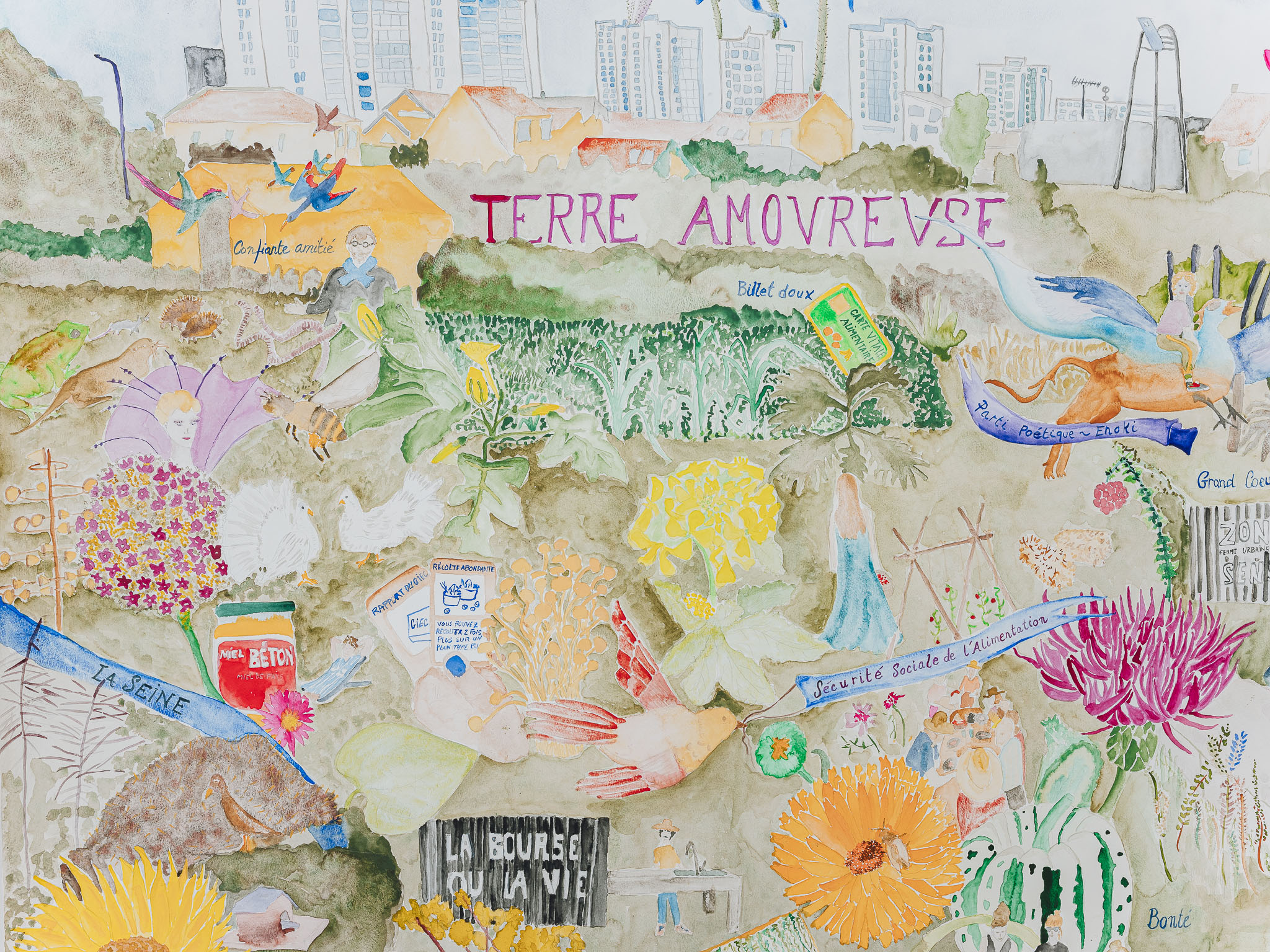
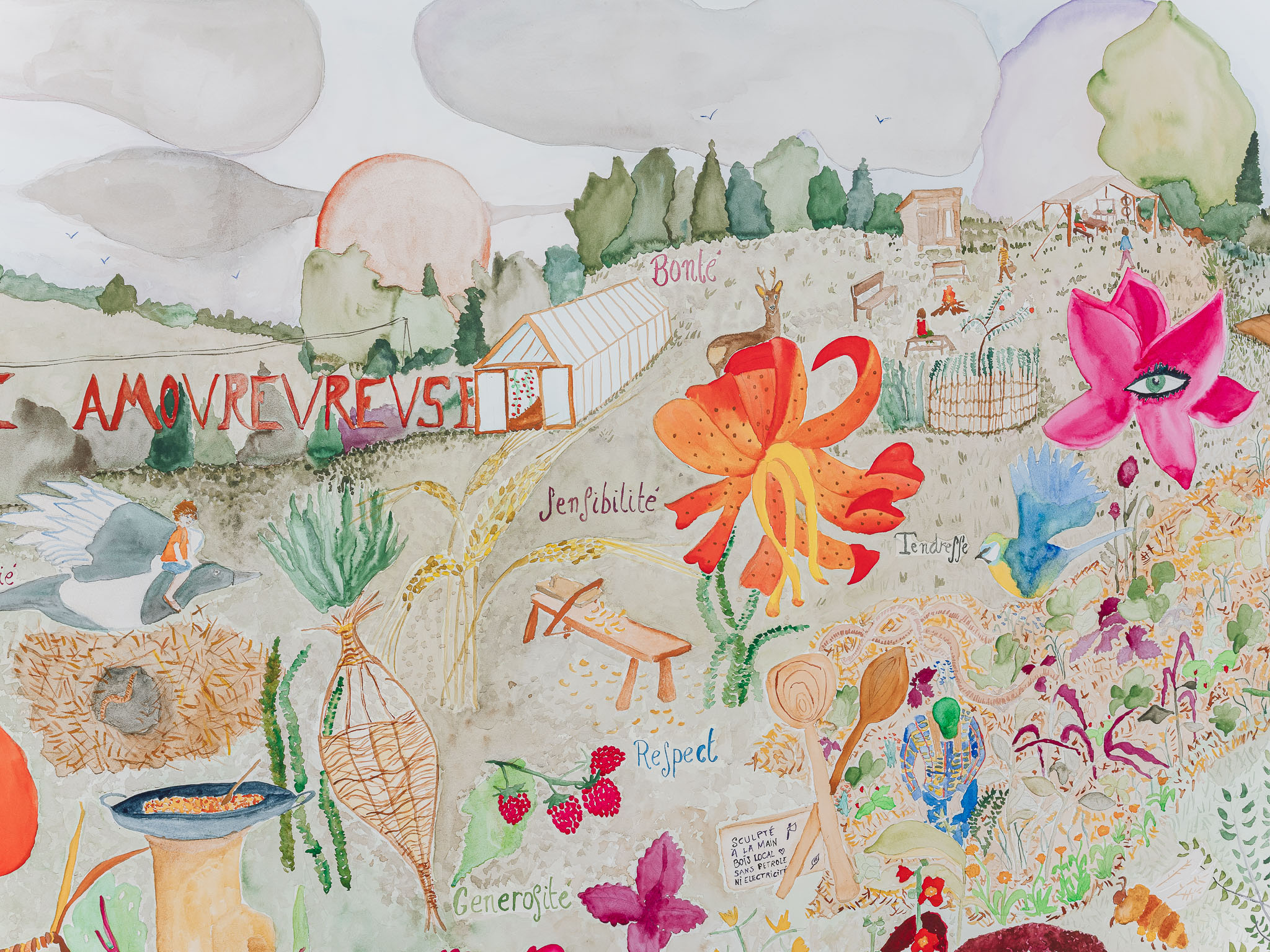
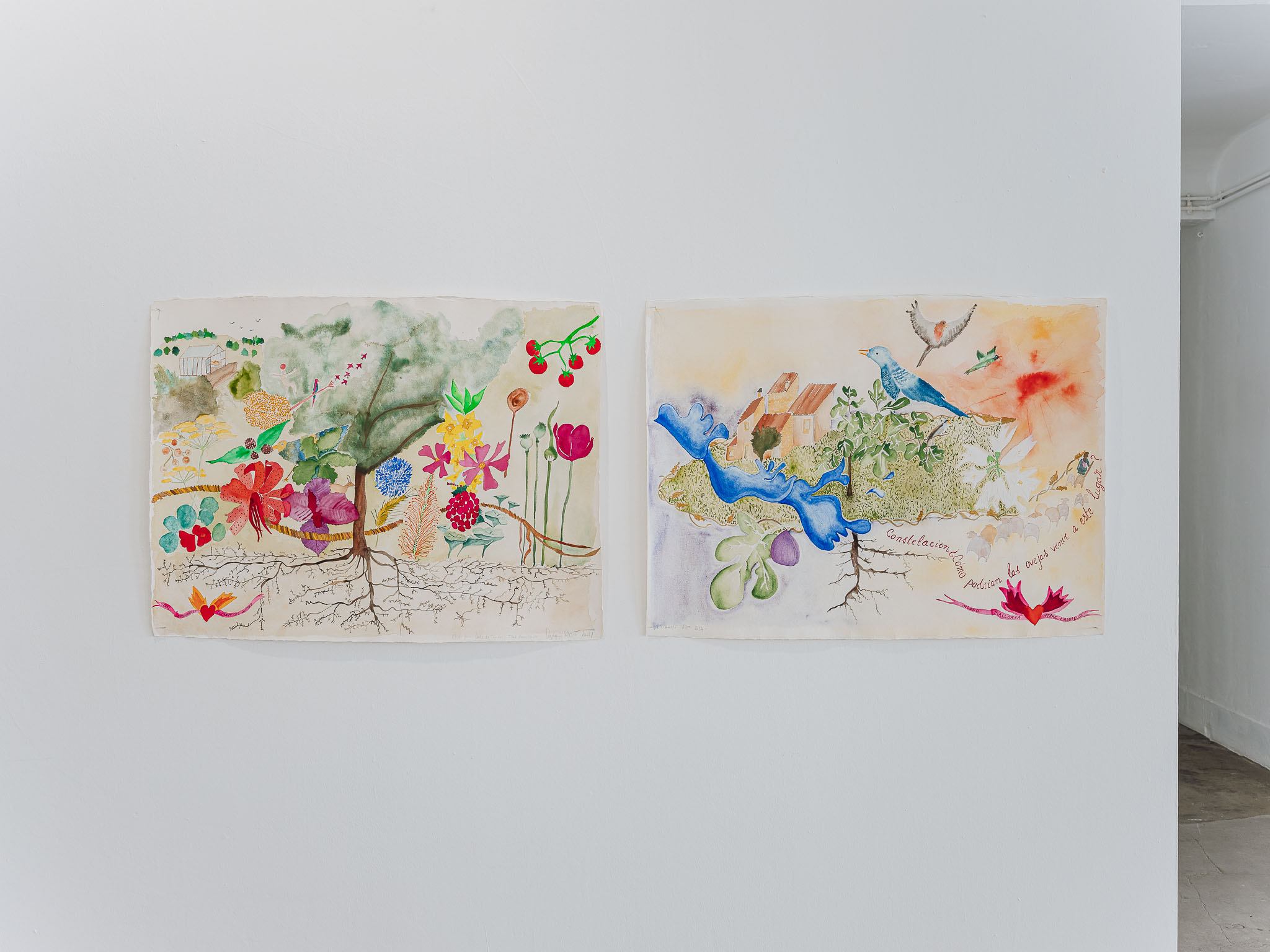
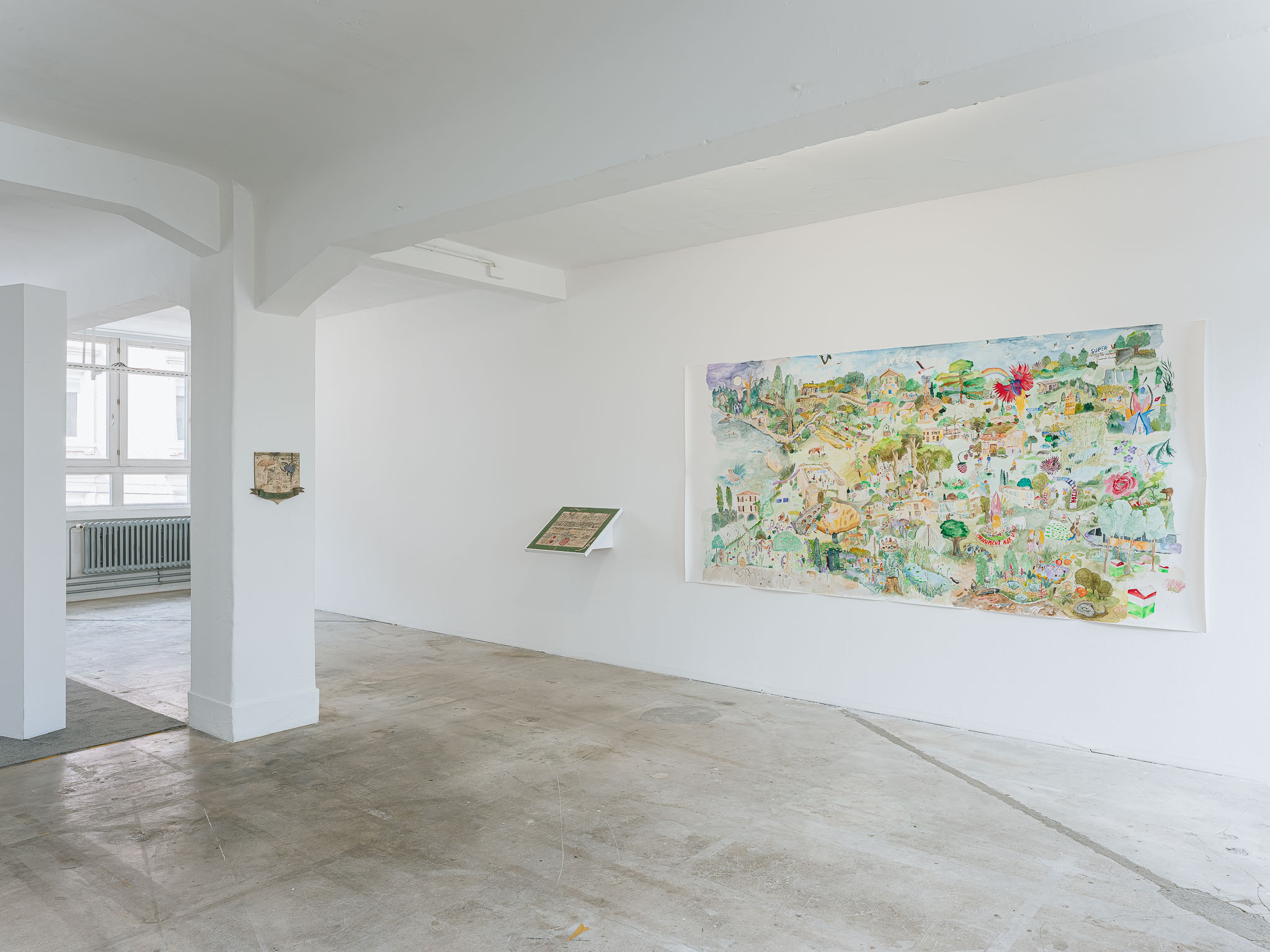
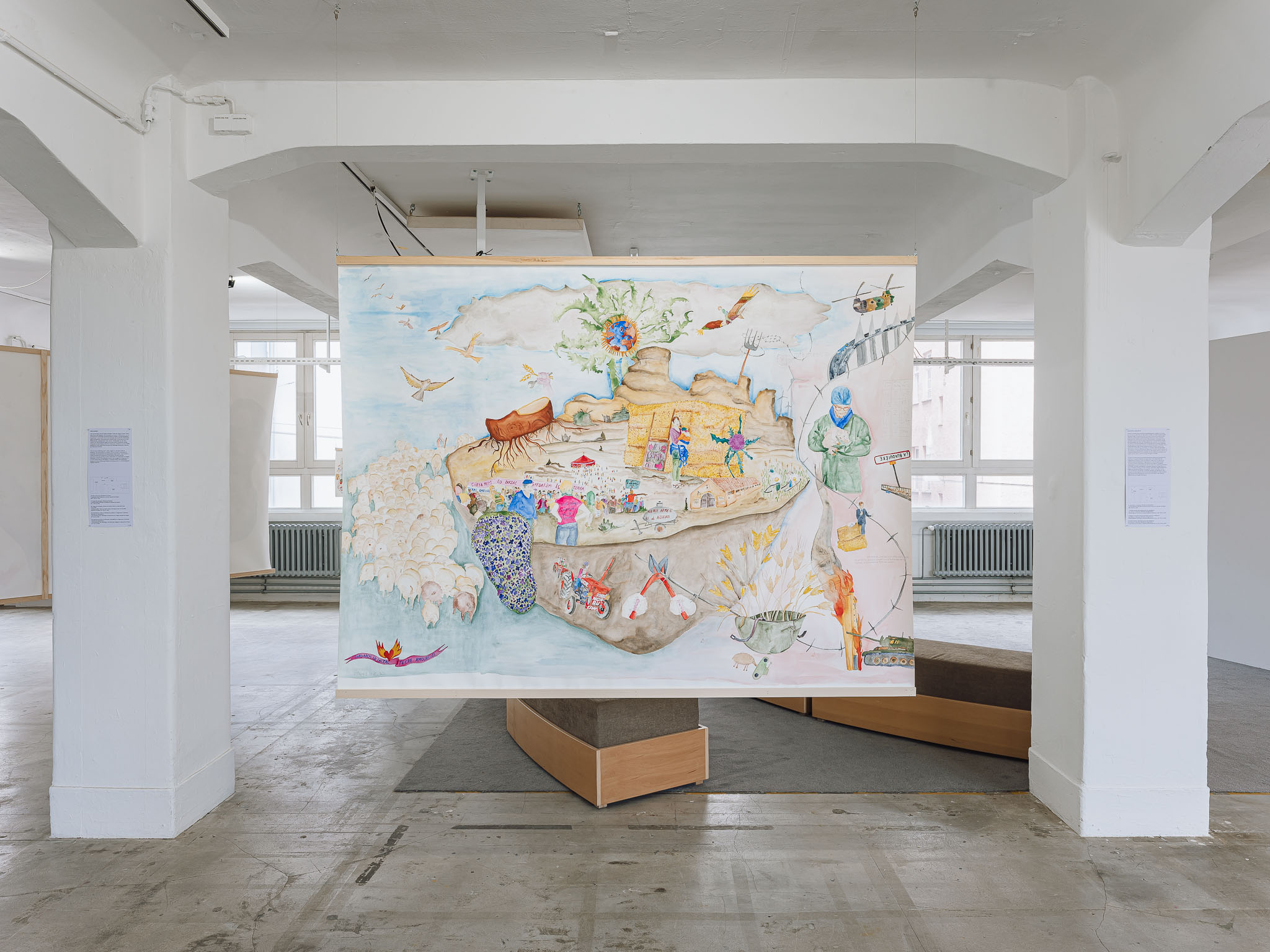
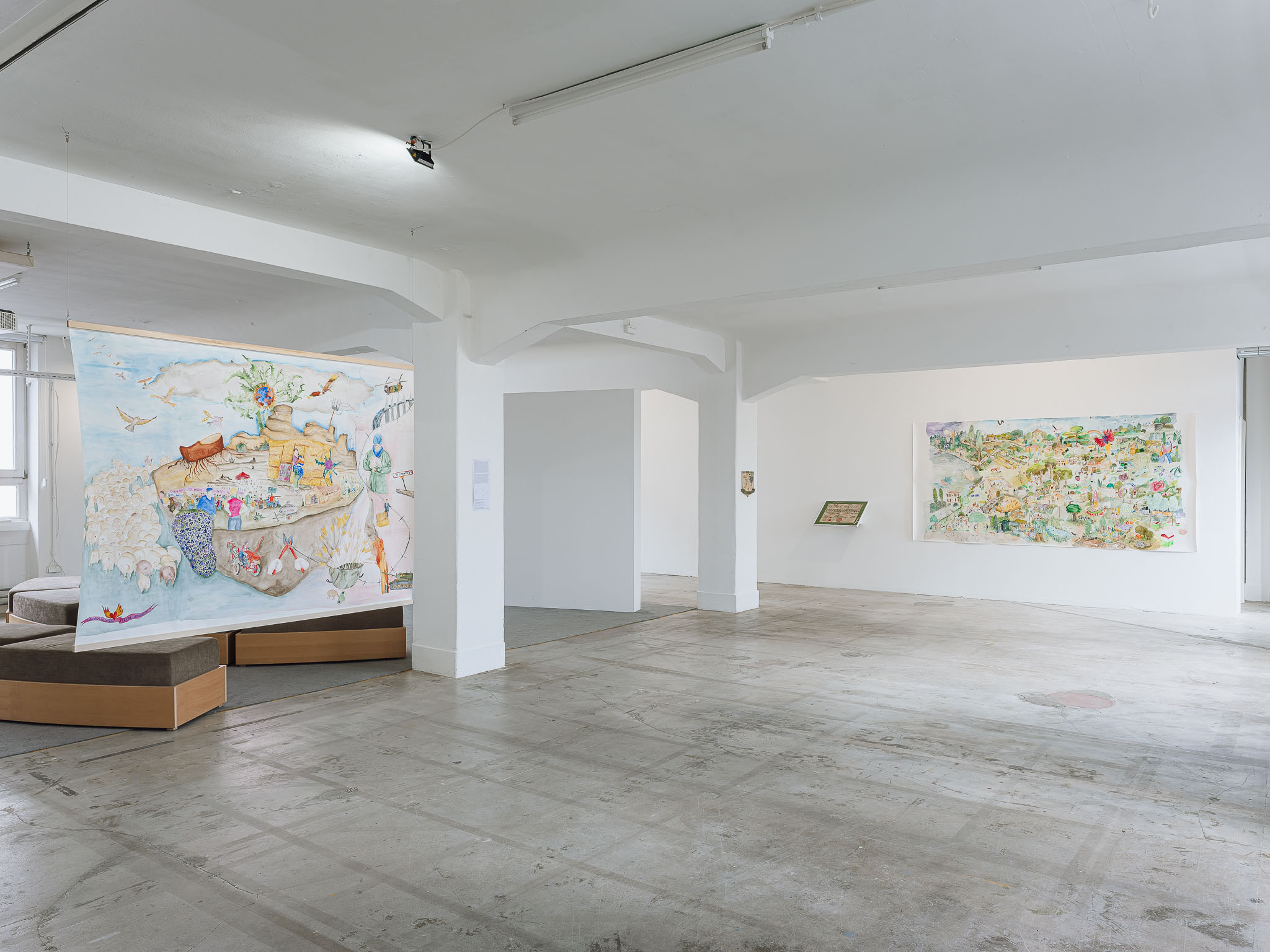
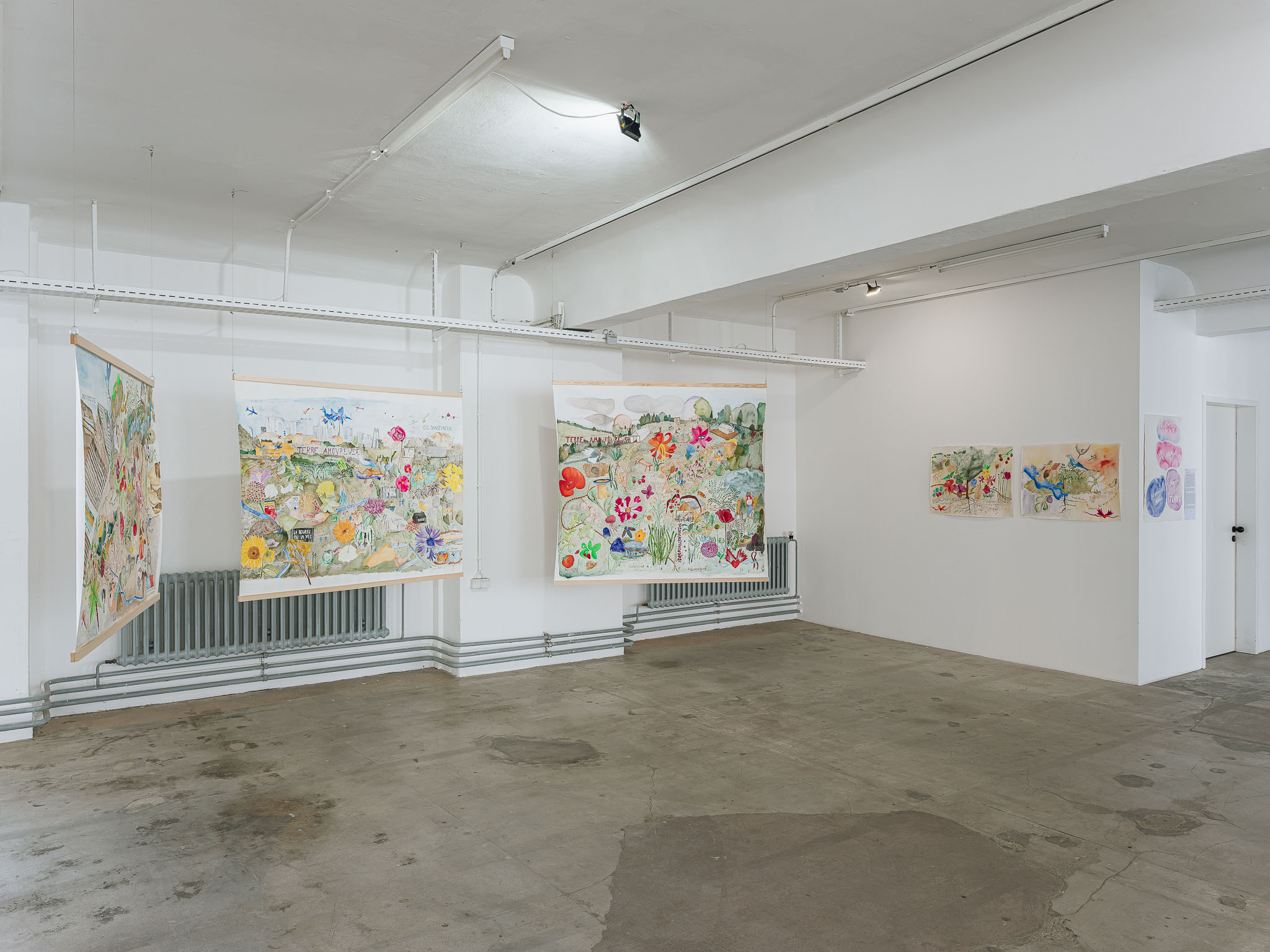
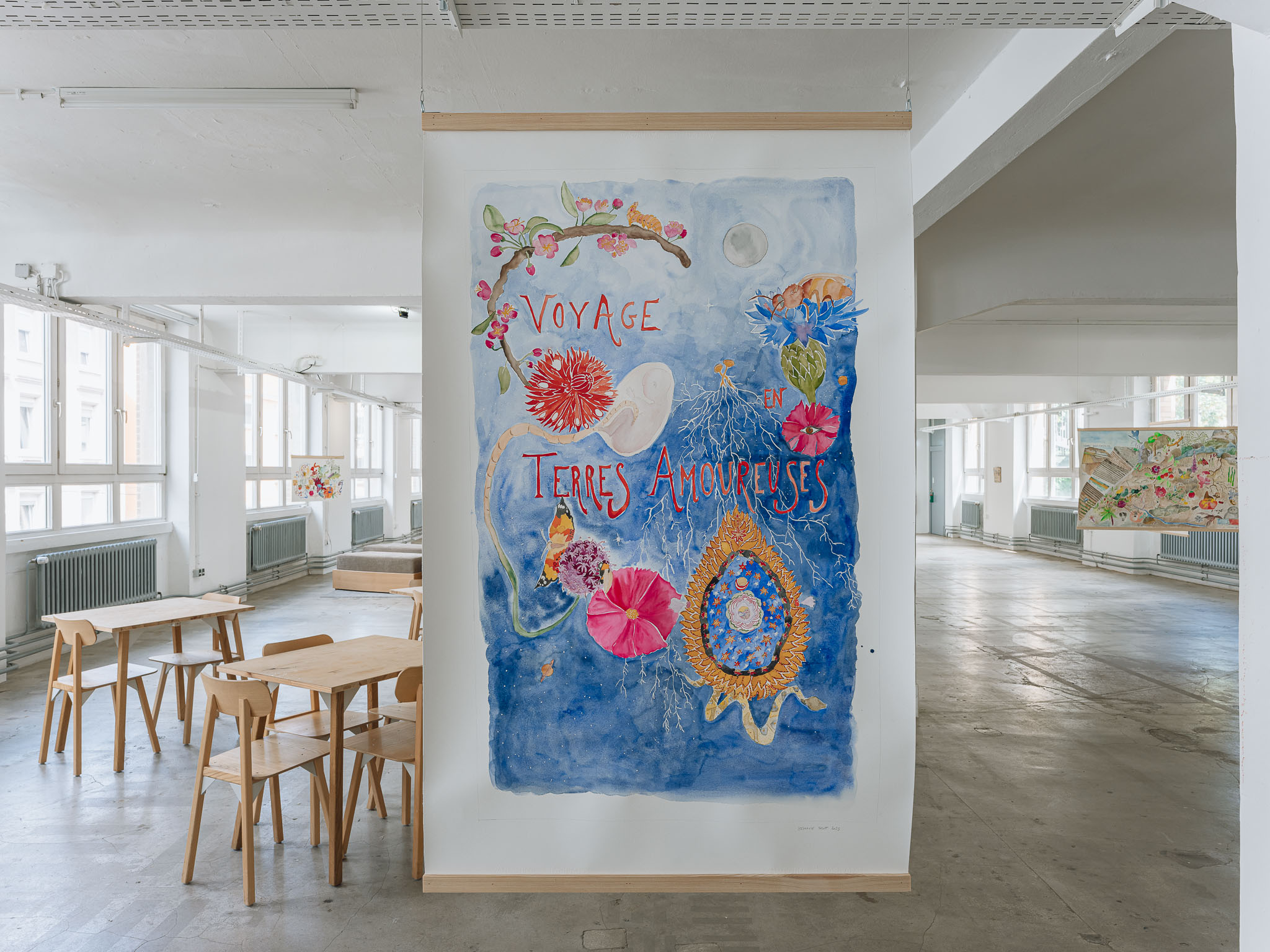
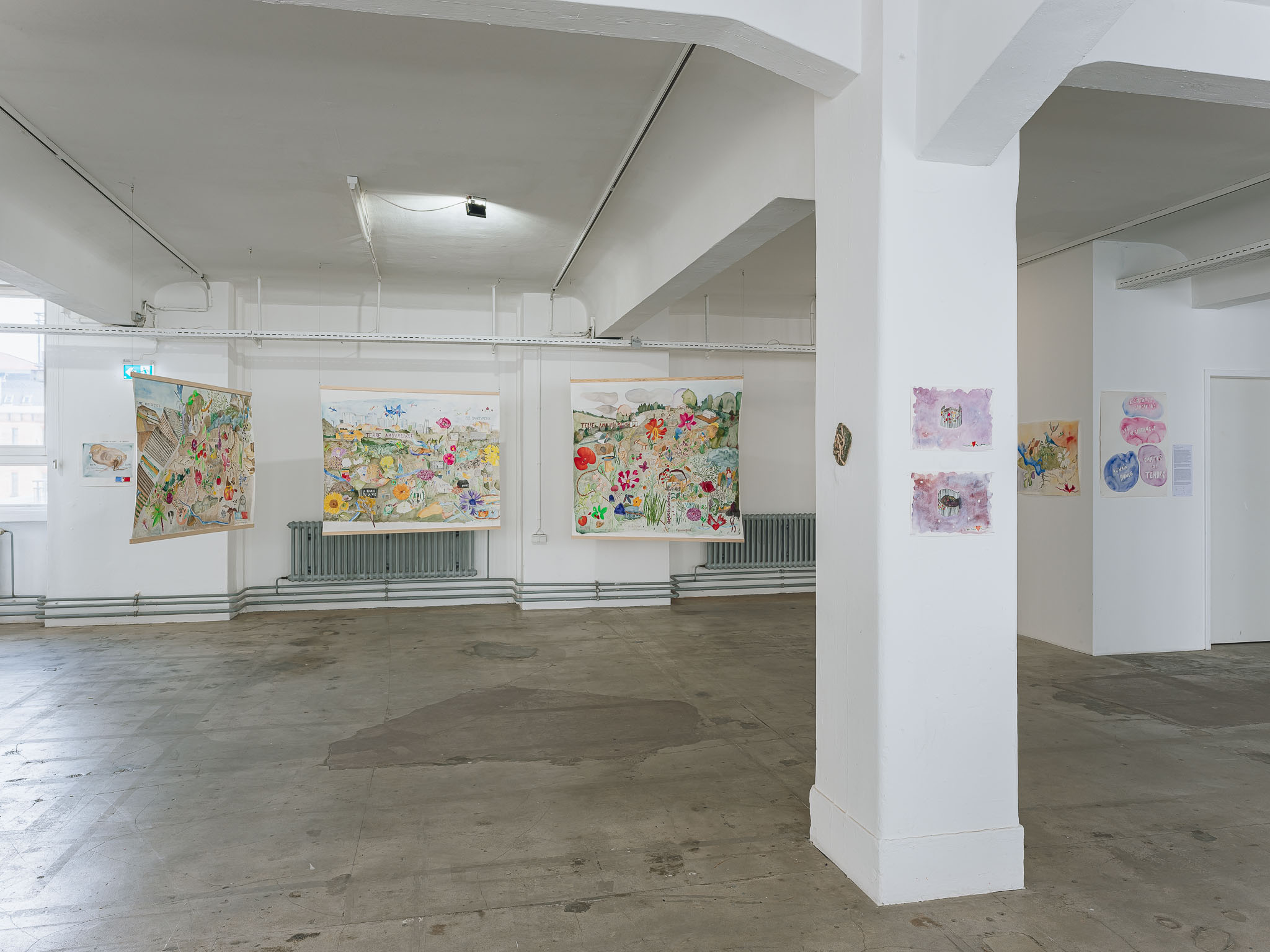
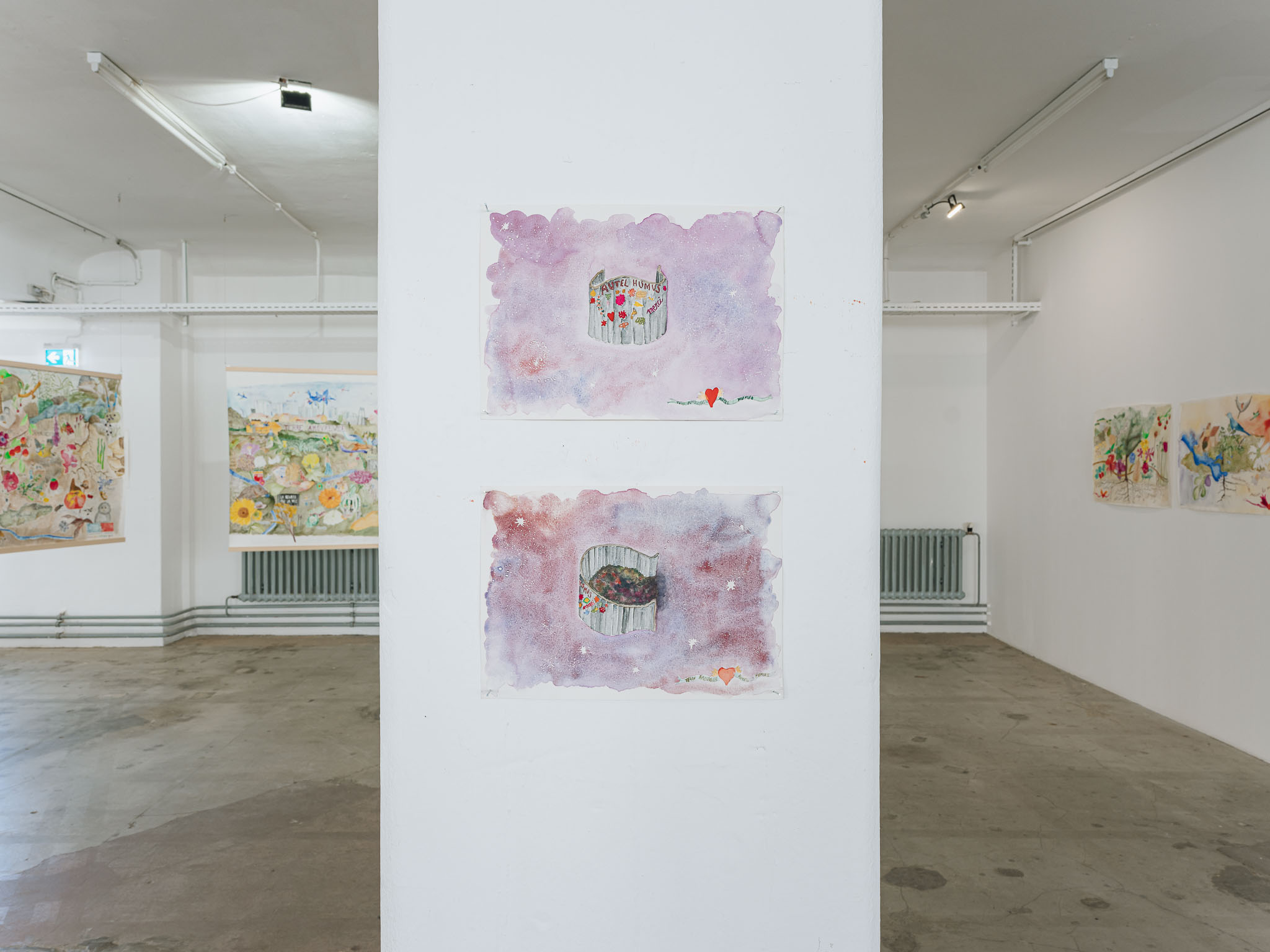
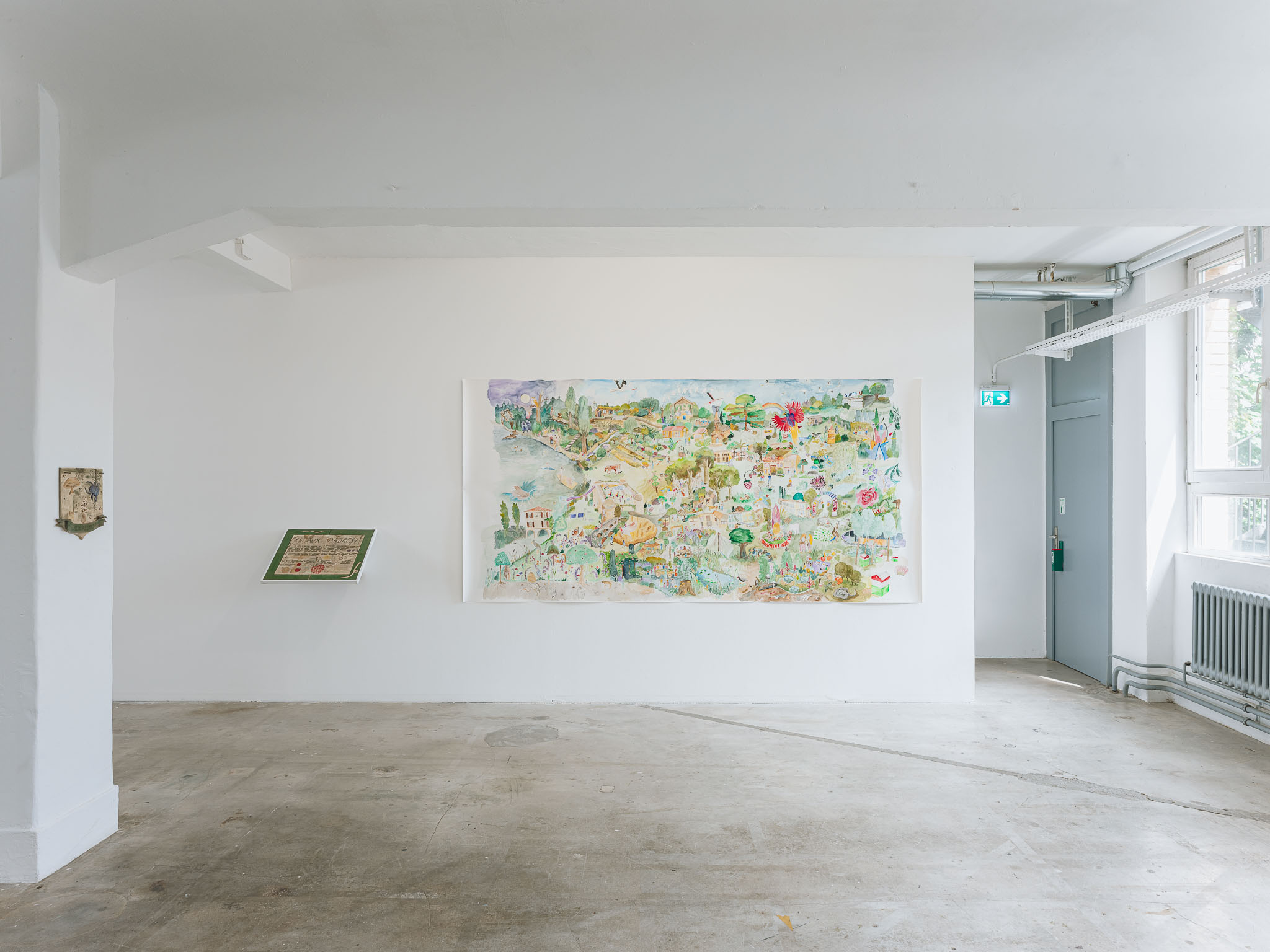
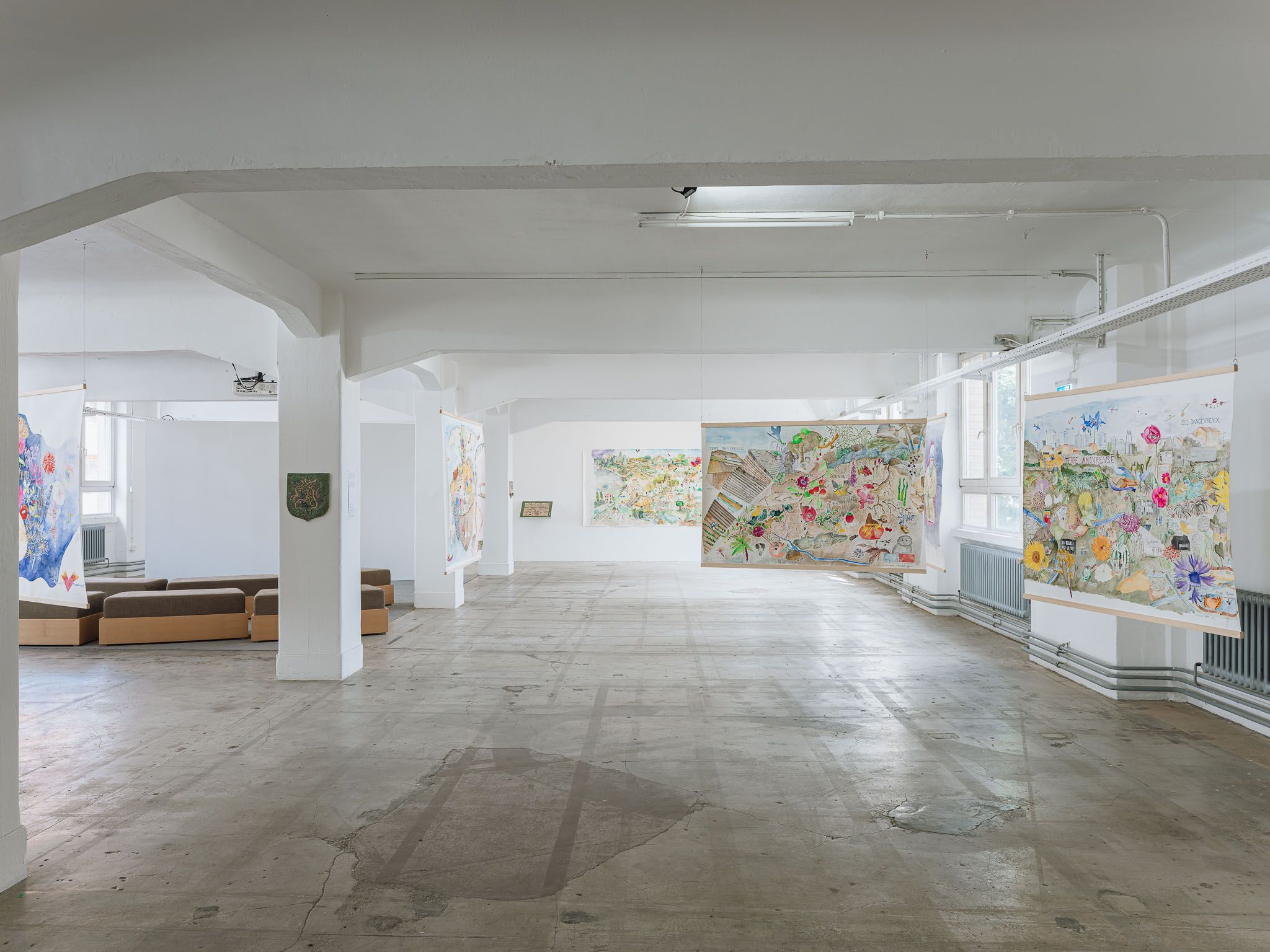
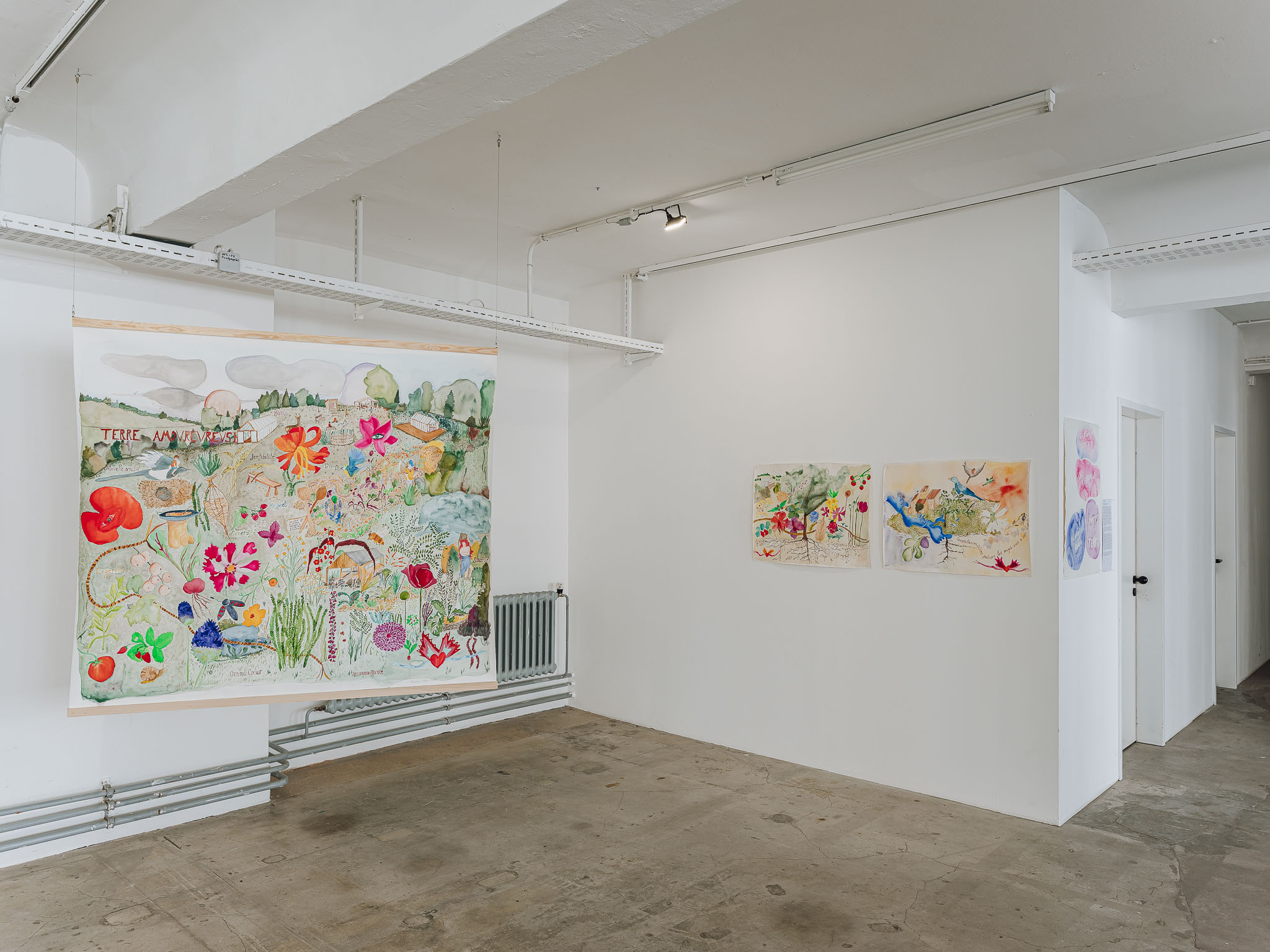
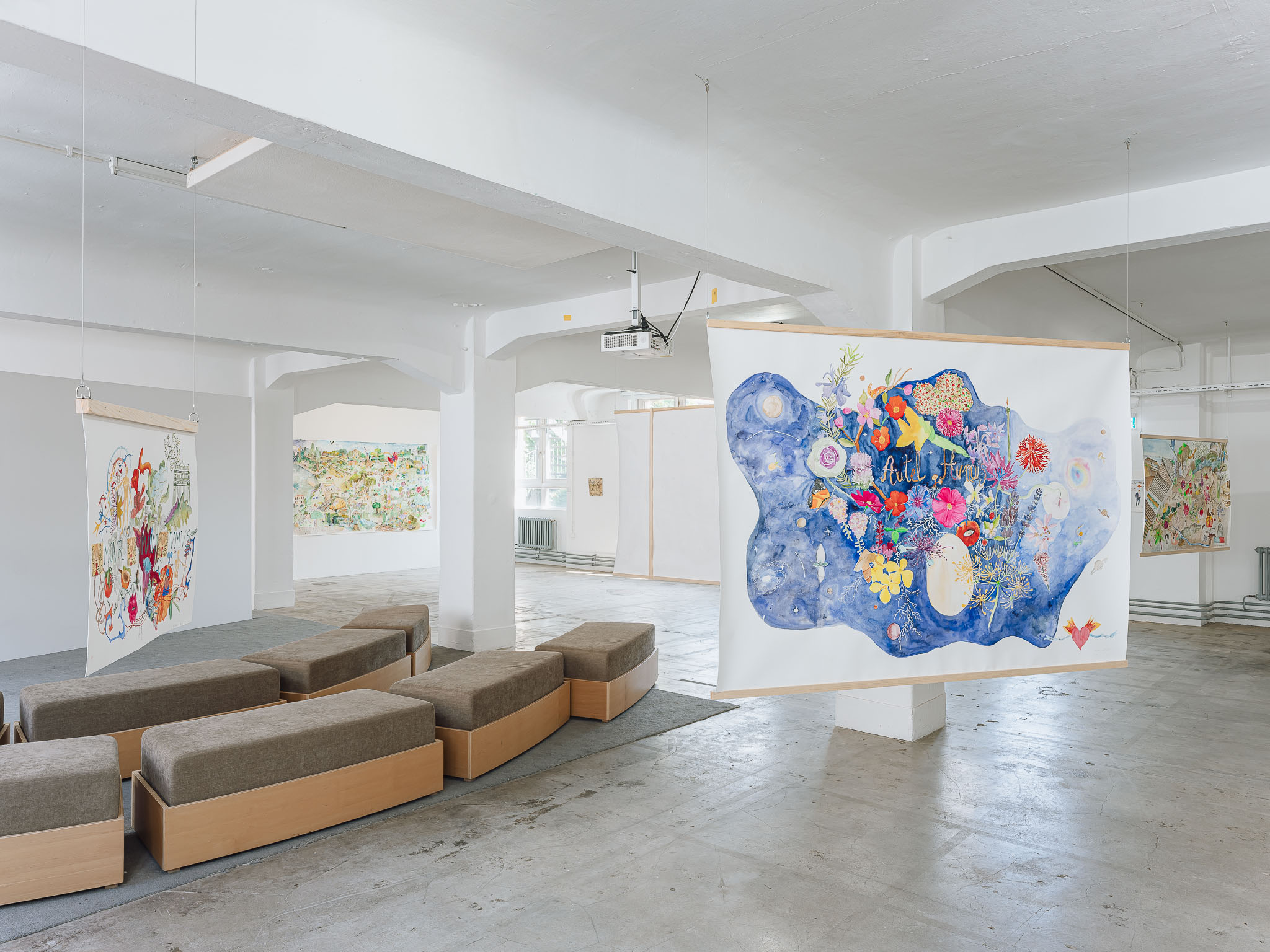
As the reality of the Anthropocene draws attention to the hubris of human agency, it has raised previously neglected – or even repressed – questions regarding other-than-human agency, including the political and artistic agency of vegetal life. The question is no longer (as it was even a few years ago) whether plants, crops and forests make complex communal decisions regarding the strategies they will collectively implement with respect to changing conditions, but rather how that collective decision-making works and what it feels like. Humans, when called upon to take political decisions with respect to their environment, will typically take one or perhaps two factors into account – to consider further factors becomes exponentially more complex. Forests, on the other hand, factor in everything; although the biorhythm of trees is incommensurate with that of humans (for whom trees often appear as immobile statues rather than lively dancers, the way they must seem to lichen or moss) they cannot but take all factors into account. Such is one of the mainstays of Hong Kong-based artist Zheng Bo’s long and contemplative video installation, filmed in Grumsin, an ancient beech forest in Brandenburg and one of Germany’s UNESCO World Heritage sites, indicatively entitled The Political Life of Plants (2021-23). The title doesn’t beat around the bush: plants are political agents whose political and aesthetic action is self-documenting within the eco-cycle that sustains it.
This visually compelling, conceptually fascinating, two-part film installation – drawing cinematic inspiration from Soviet vanguard cinema of a century ago, and featuring discussions between the artist and leading ecologists and plant neurobiologists, including plant adaptation specialist Roosa Laitinen and soil-ecologist Matthias Rillig, overheard but barely seen through the greenery of the trees – considers the life-sustaining processes of forests both from a biological and (above all) political perspective. How do forests deliberate? How do they achieve consensus, and manage dissensus? How do they prioritize different factors in decision making? What are the timeframes for implementing decisions once taken? Because the film’s starting point is not (as is all too often the case) whether forests have political agency, but rather how that agency plays out, and how we can learn from trees, the experience of the film is irreversibly transformative.
Alongside the film installation, a sequence of eight sets of drawings of plants from Zheng Bo’s ongoing Drawing Life series is the quintessence of the atmosphere to which it appropriately lends its name. Every day, the artist leaves his home on rural corner of Lantau Island in greater Hong Kong with a 6B pencil and a sheet of paper to document, graphically, the foliage, plants and other vegetation that share his surroundings – developing his sensitivity and understanding of their rich political life, without any pretention to speak in their stead. The subtle drawings are arranged on tables according to “solar terms,” in keeping with the traditional East-Asian lunisolar farming calendar, each term made up of a set of between 14 and 16 drawings, depending on the number of days. The drawings are placed under glass on wooden planks set on rough-hewn stones on the floor, inviting visitors to the atmosphere to kneel on cushions to look more closely at the work and perhaps join the artist’s embodied contemplation of his plant neighbors.
This atmosphere of plants-political, very much in alignment with the ongoing artistic programming at Künstlerhaus Stuttgart, focusing on an ecosystemic and expanded-farming approach to art and its usership, is conceived to take the watchword, Farm Everything!, a step further, considering that ultimately the political life of plants might be something like this: that the best farmer is always a plant, for it both requires a habitat and provides one for others.
Opening
Saturday, July 19, 7pm (4th floor)


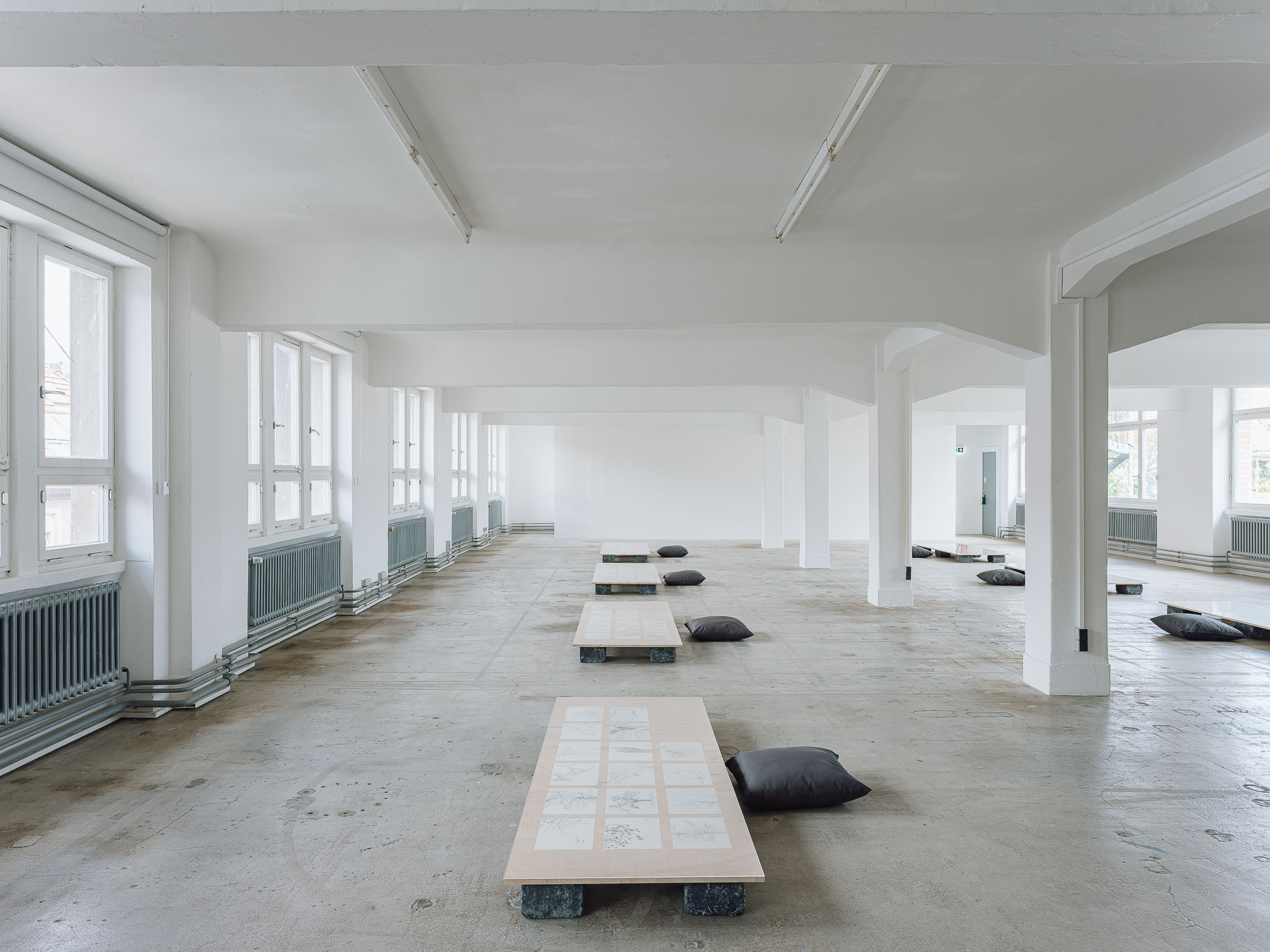
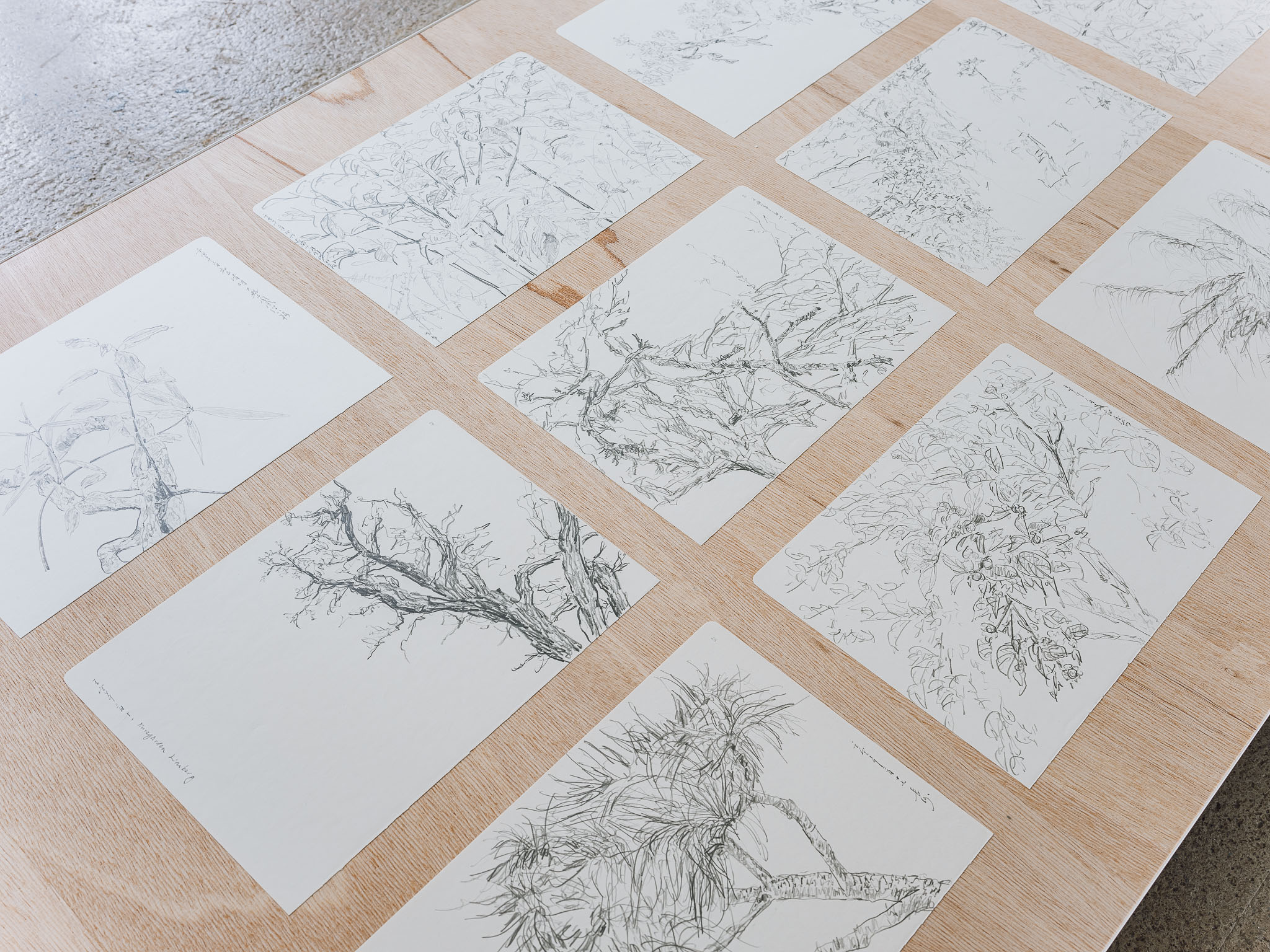
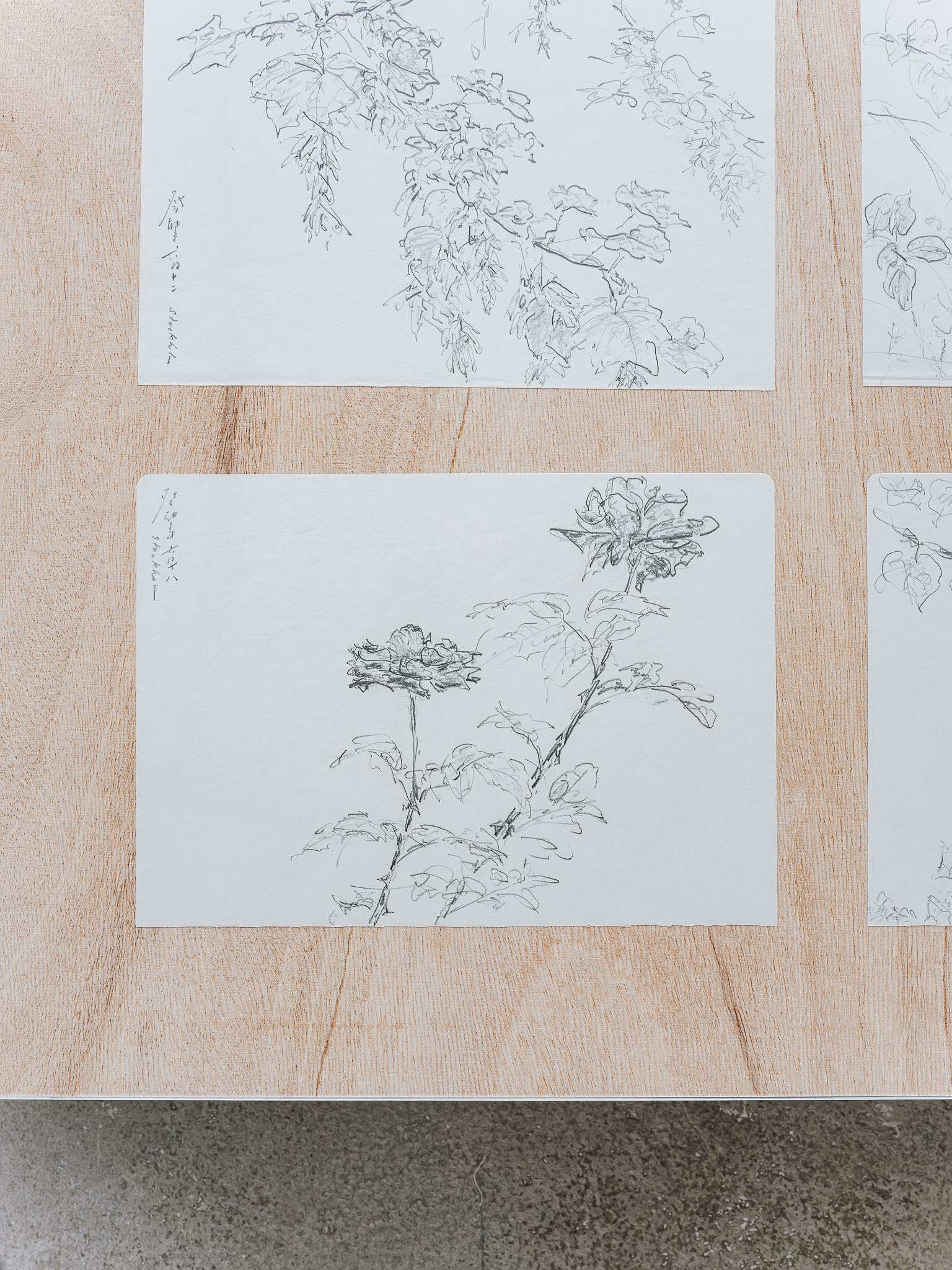
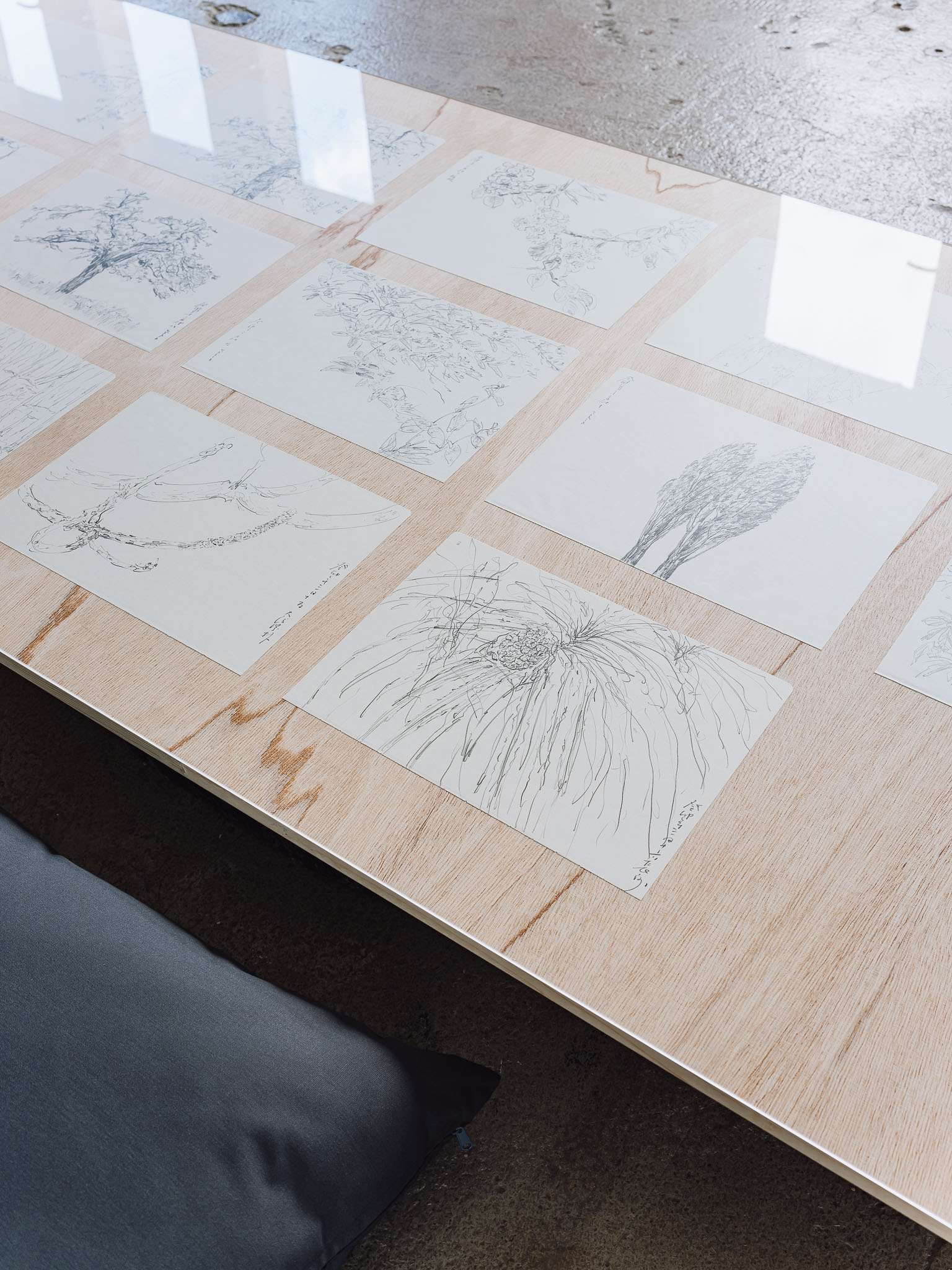
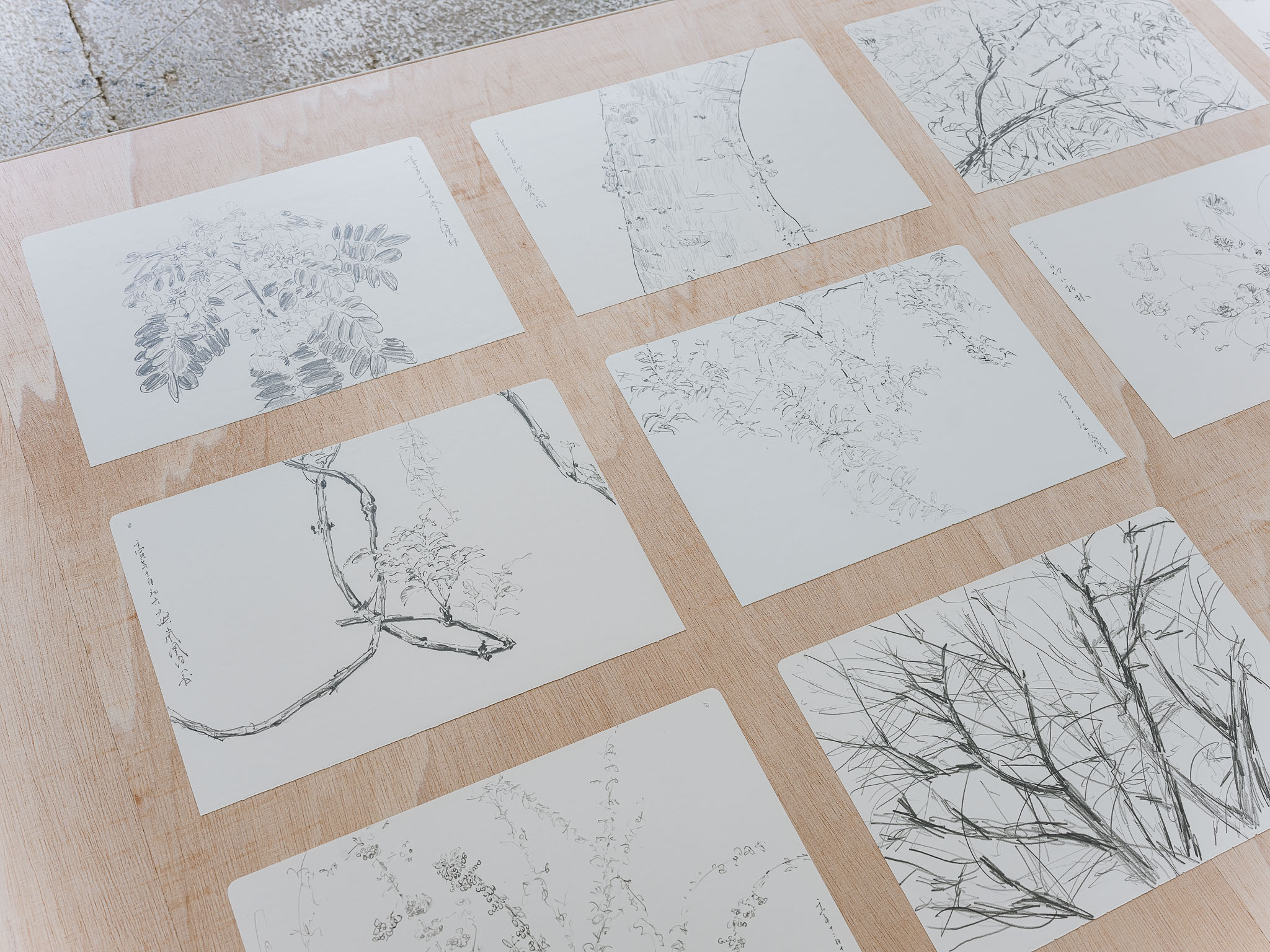
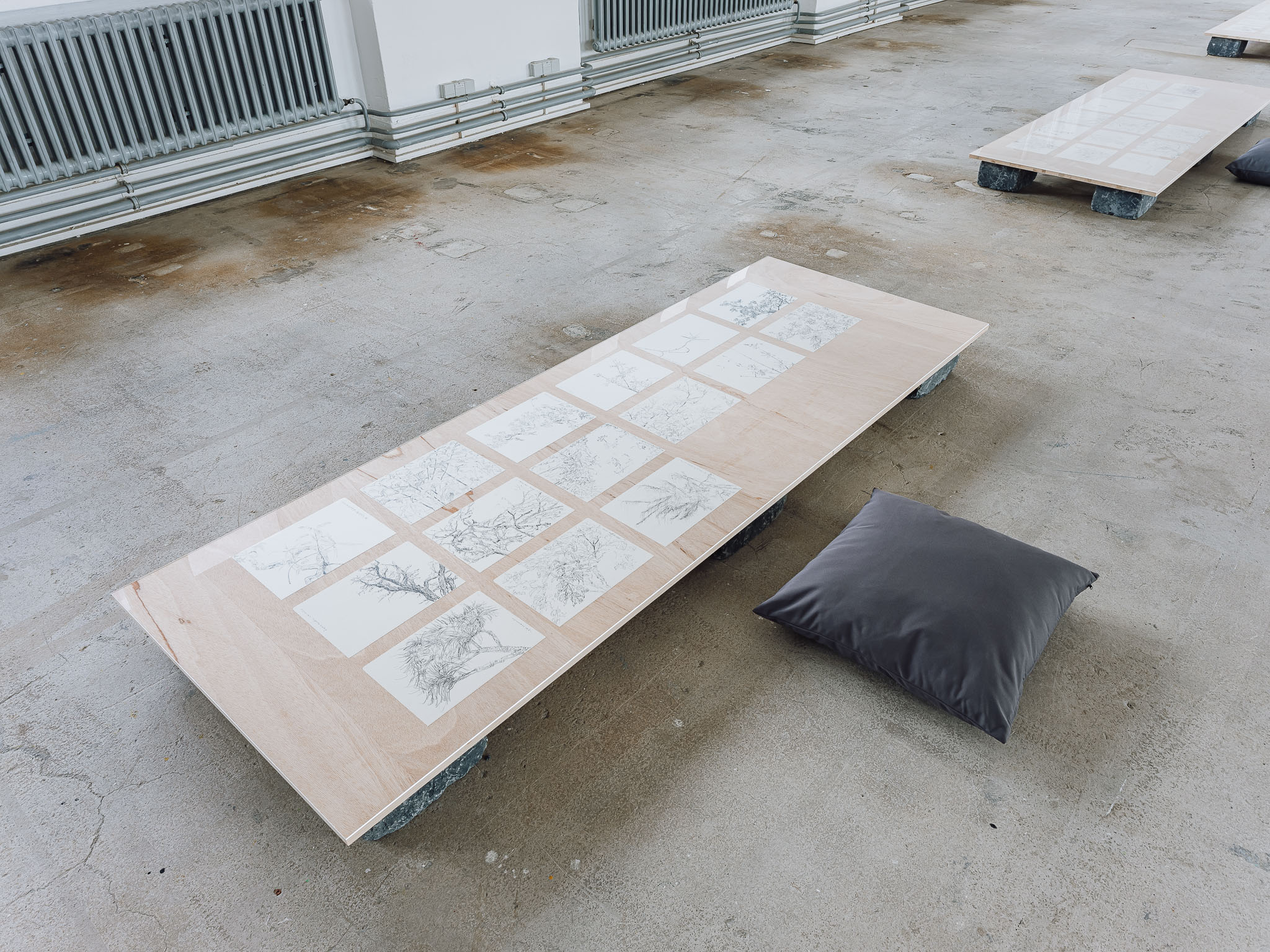
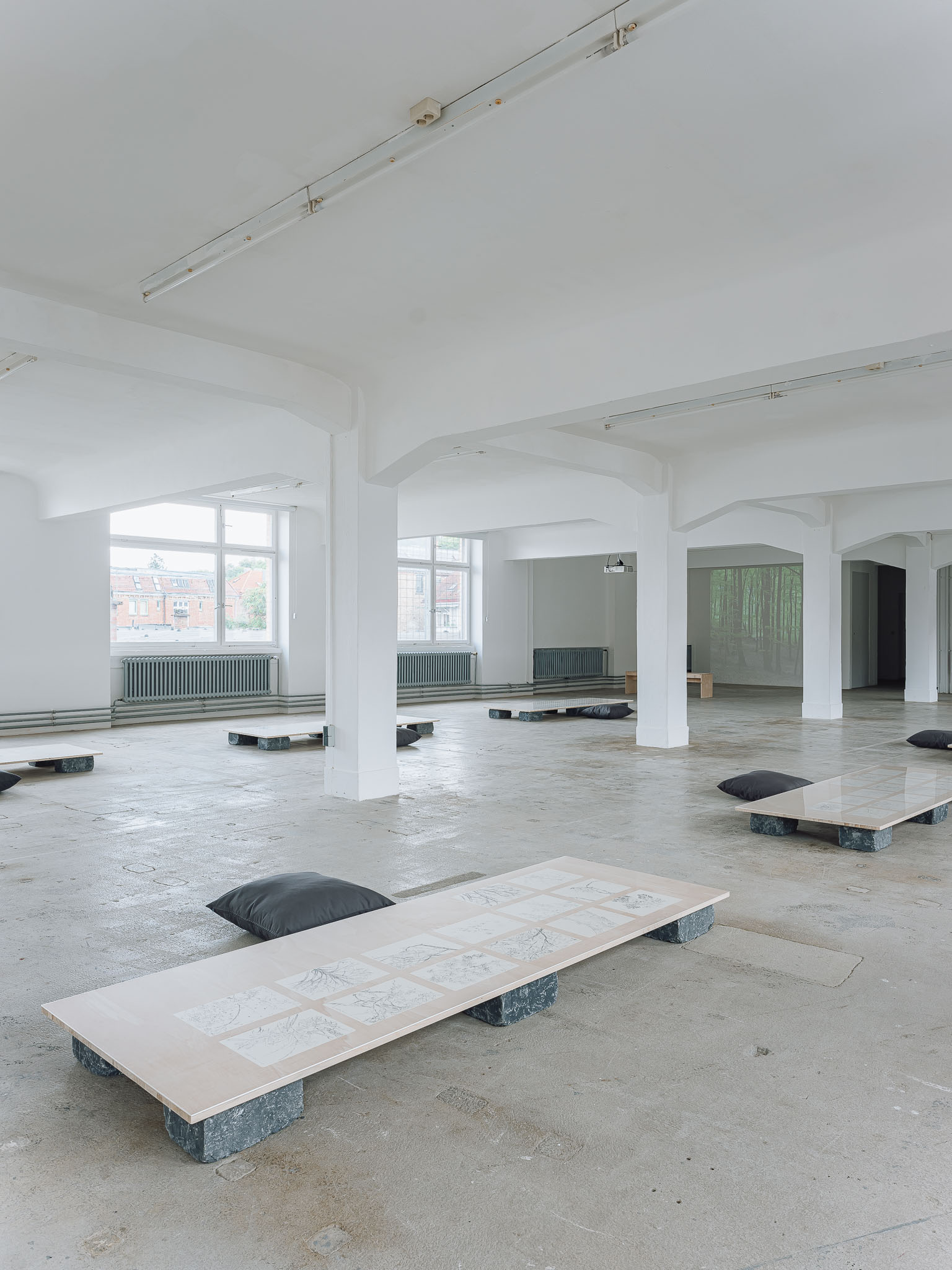
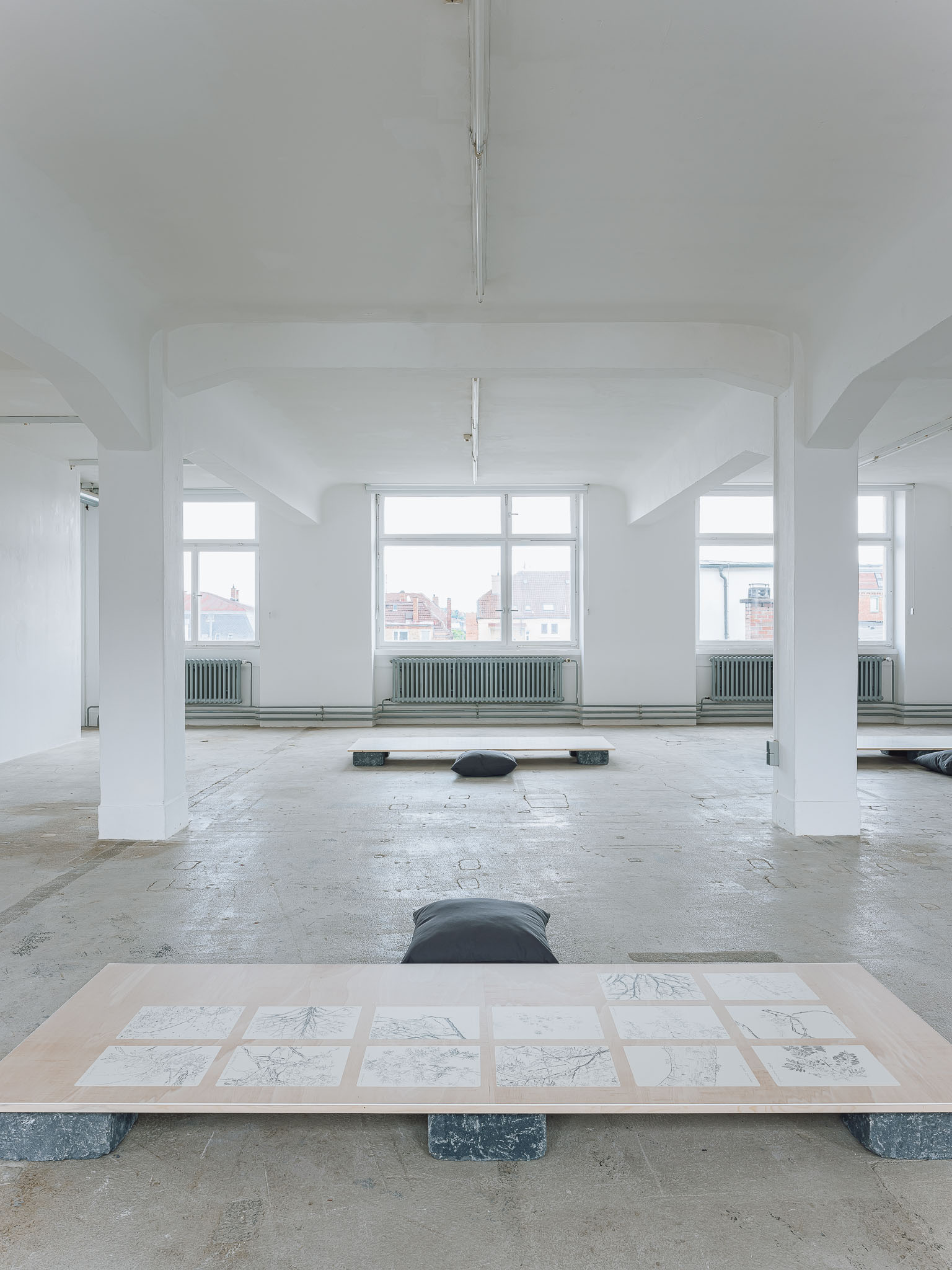
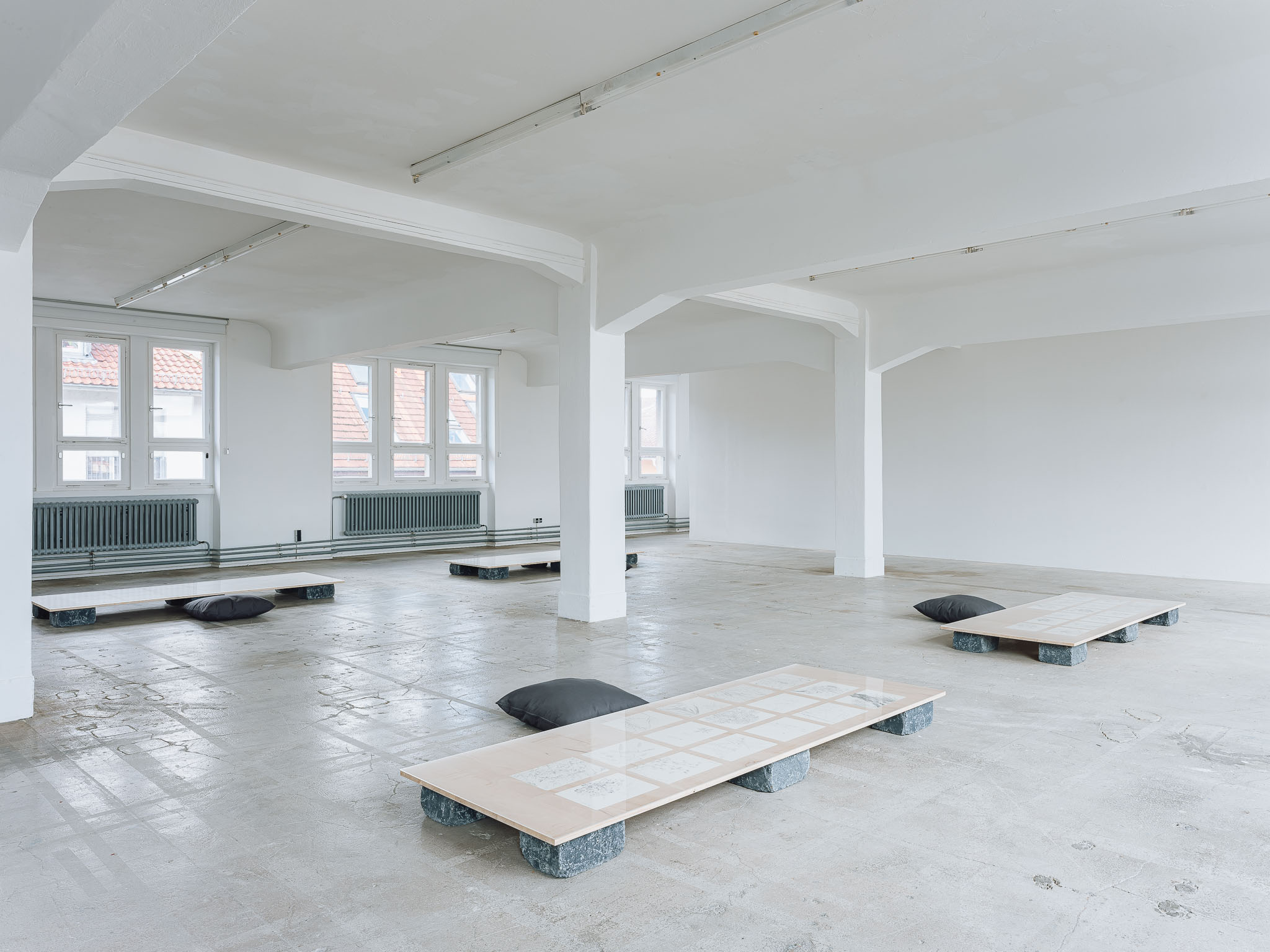
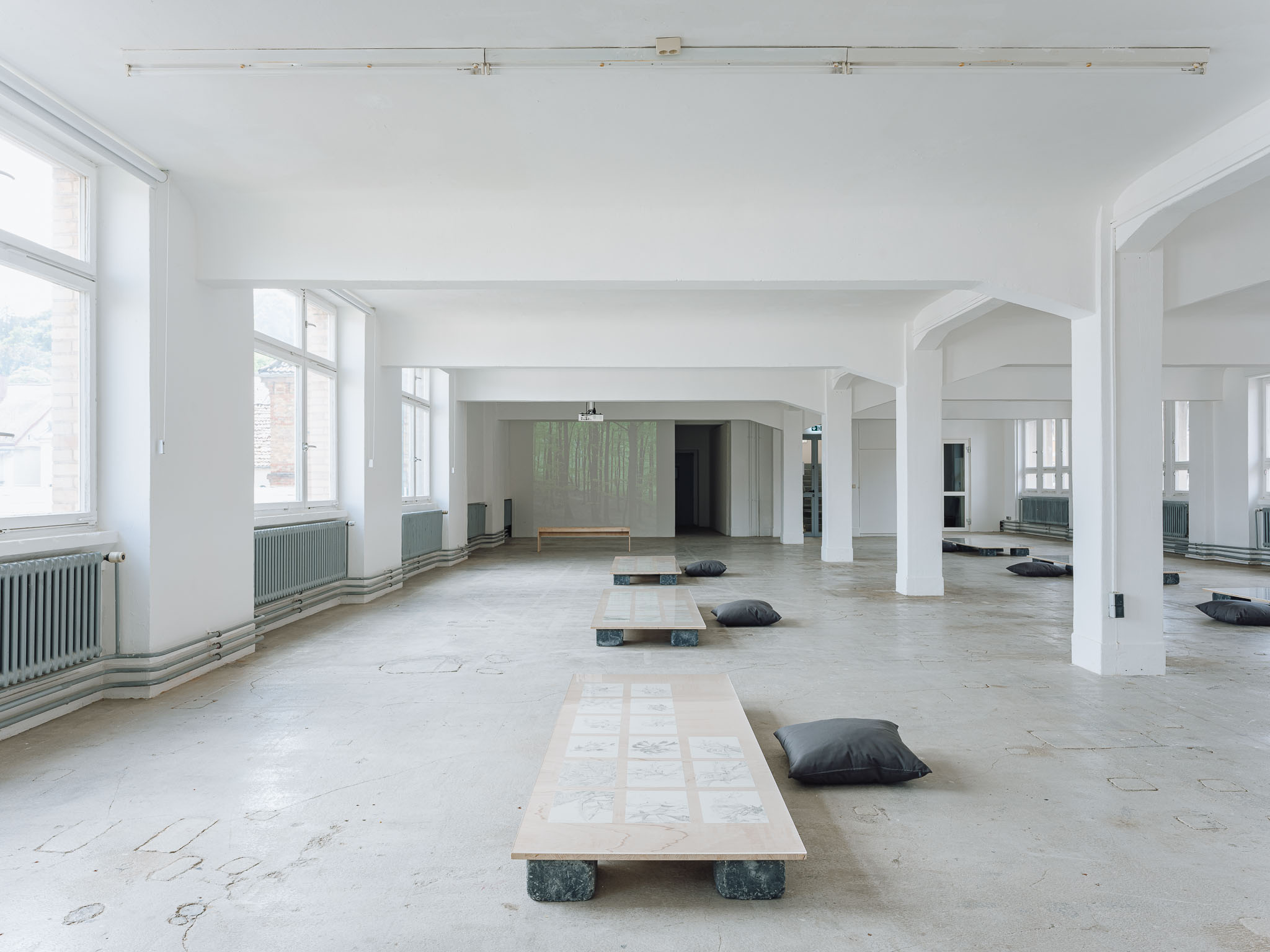
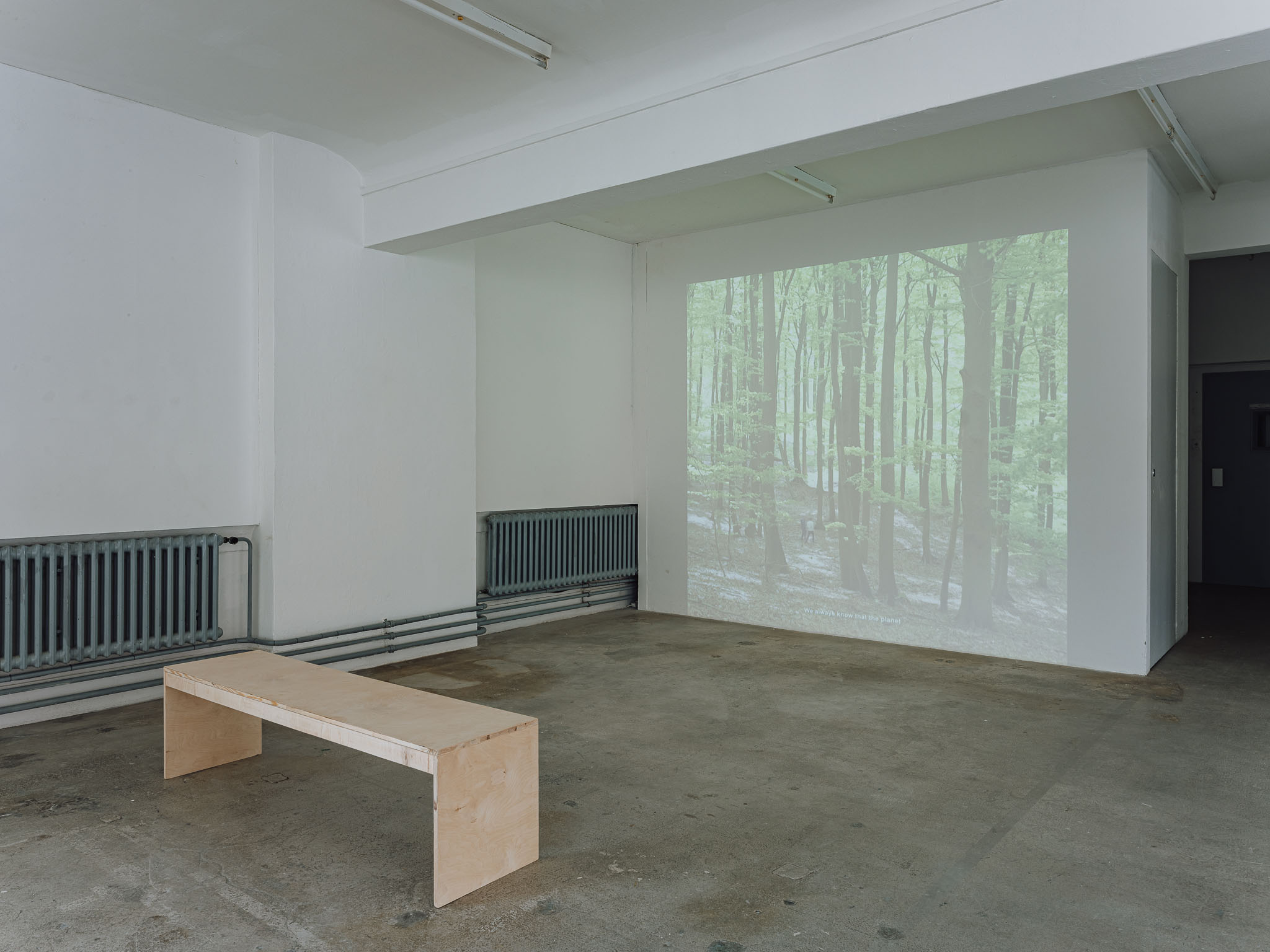
In the 44th Tuesday Workshop, Florina Leinß will give an insight into her work, which was created as part of a workshop scholarship in the etching workshop at Künstlerhaus Stuttgart.
For some time now, the interweaving of digital drawing gestures and analogue printmaking has formed a sideline to the artist’s painterly-installative practice. In a series of etchings, Florina Leinß explores the colour aquatint in an experimental way, in which she encounters the traditional technique of etching with a contemporary view – characterised by digital influences.
Despite the apparent dichotomy between digital drawing and manual printmaking, the artist seeks a connection in the tactility of both processes. The physical gestures with which we operate touchscreens – swiping and touching – are surprisingly close to the haptic work with the etching plate. In this shared space of gesture and touch, she explores the tension between clearly defined vector drawings, digitally connoted colourfulness and a gestural-material approach to the image.
Afterwards, we invite you to join us for drinks and snacks and a dialogue.
Tuesday-Workshop
The Künstlerhaus invites an artist or a collective—meaning any artists or cultural workers from any field or discipline—to talk about their working methods as well as their backgrounds and approaches. We want to establish a platform for a more in-depth interaction with regard to artistic practice, and in doing so to create a network, show solidarity, and mutually strengthen one other.
The series is aimed at all members of Künstlerhaus Stuttgart, artists either living in Stuttgart and the surrounding area or just traveling through, all cultural workers, art mediators, curators, etc., and is open to everyone!
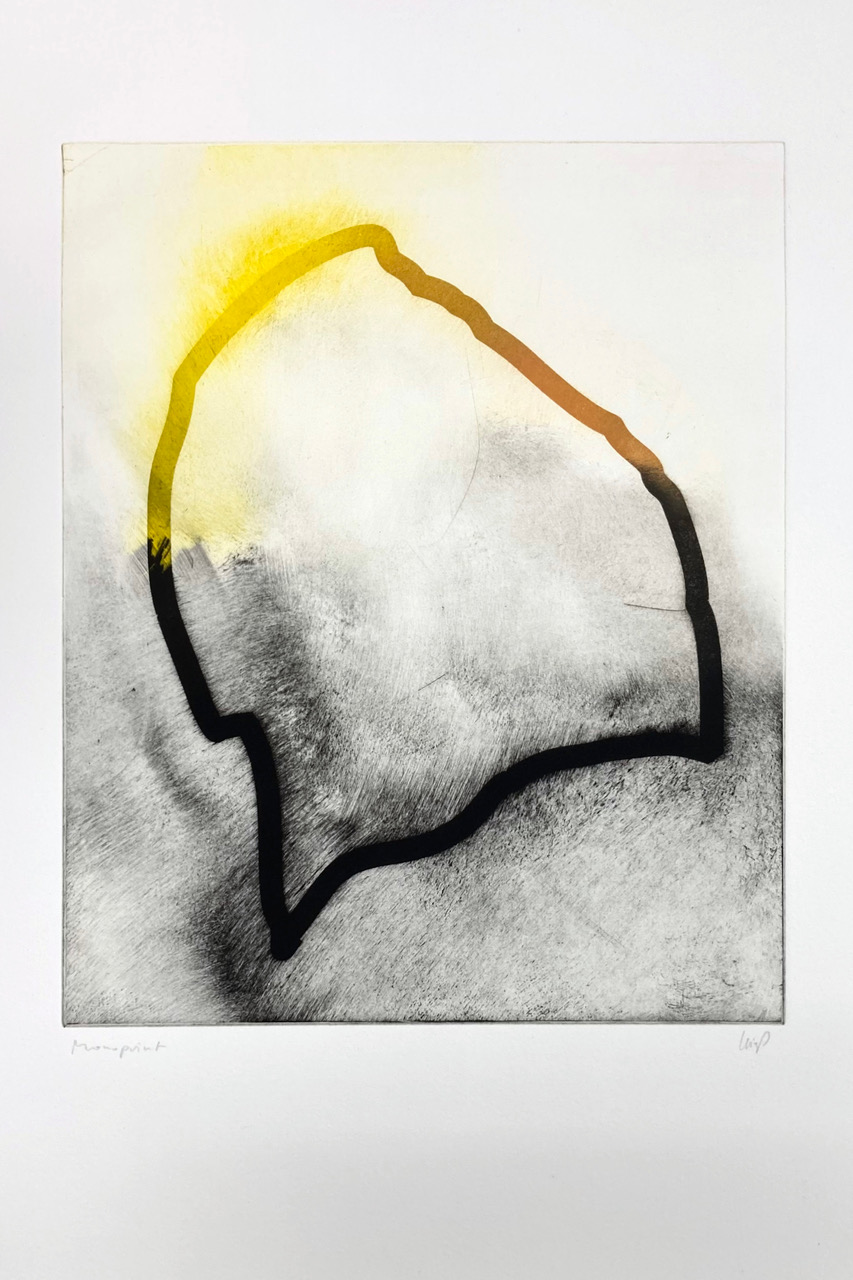
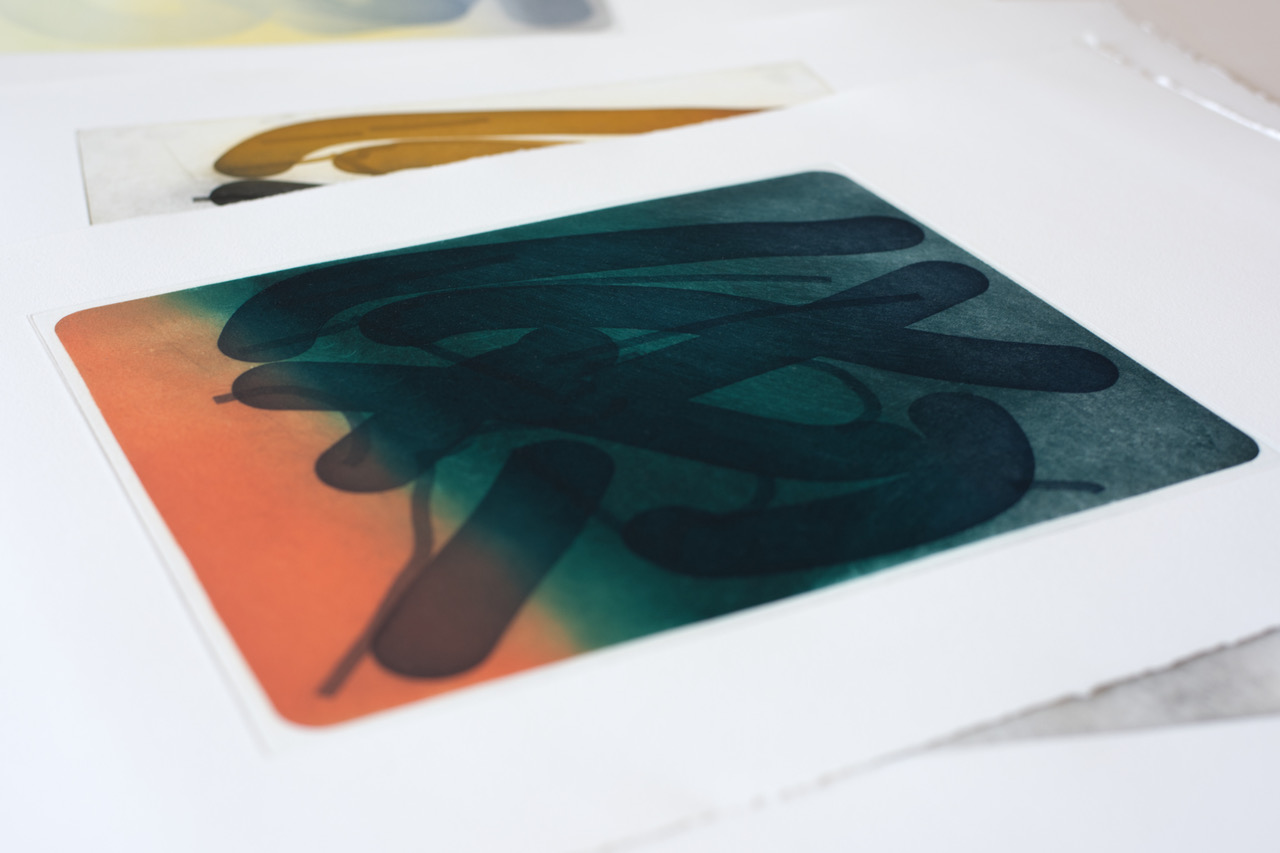
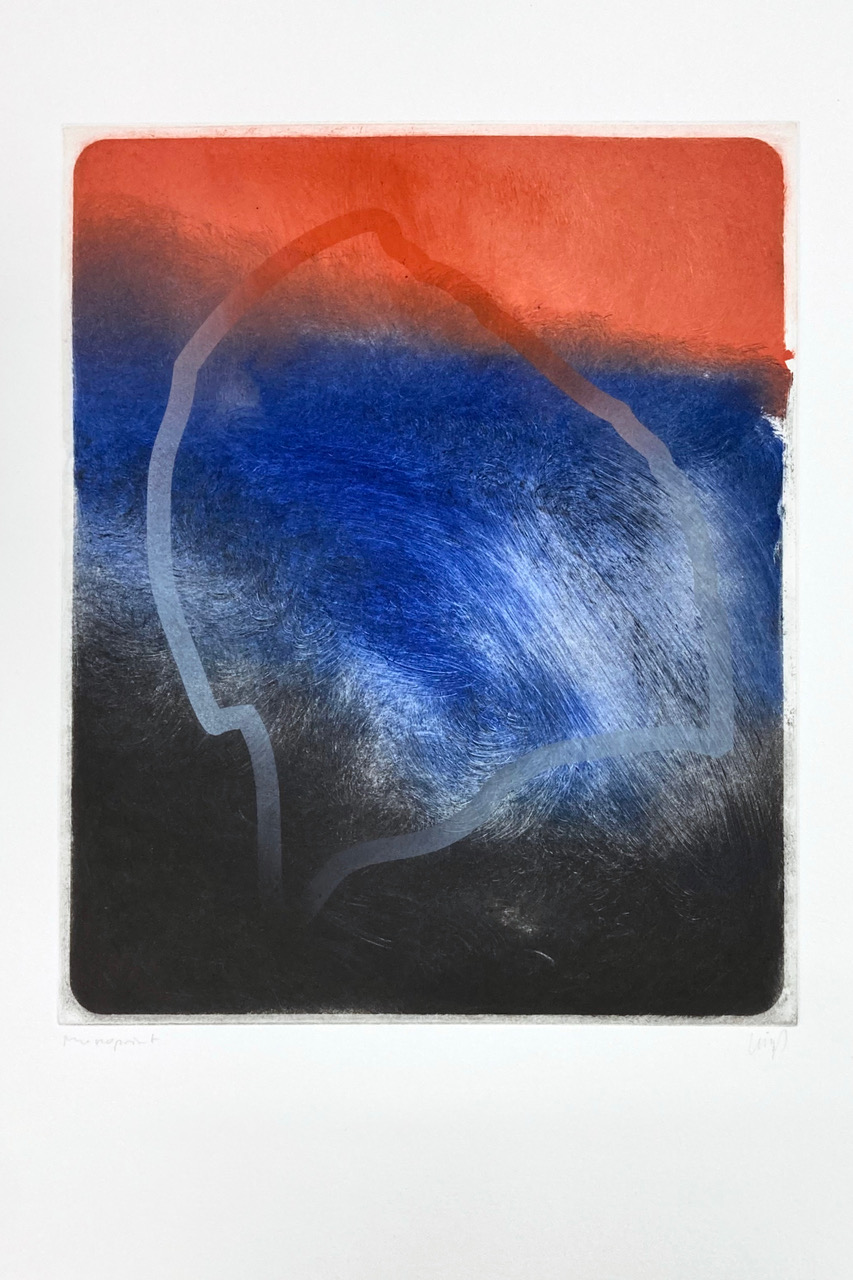
Theresa Dorn listens to everyday life.
Together with her Westhafen studio collective, she explores walking as an artistic practice.
Sound, dialogue and perception of place flow into installative and performative works.
Perspectives – What stands out and when? What penetrates the consciousness? What remains in the background? What surrounds us and how much do we perceive? How does our everyday life and our surroundings sound? How do things, tones and sounds change when we pay attention to them? And how do perspectives change when we share them?
Listening Sessions
This is the fourth event in the new ‘Listening Sessions’ series in the recording studio at Künstlerhaus. Artists are invited to bring along the music that inspires, shapes and accompanies them. We will listen to this music together in the recording studio.
The regular series offers a space to exchange ideas about sonic influences and personal connections to music. This series of events was conceptualised by Lena Meinhardt, artist and manager of the audio workshop at Künstlerhaus.
As places in the recording studio are limited, please register at audio@kuenstlerhaus.de.
03:00pm–05:00pm
Folding, creasing, gluing. At the end of the ECHO-LOGY atmosphere, we invite you to leave the boundaries of the classic book behind. Inspired by the wildly proliferating artists’ books of the Centre des Livres d’Artistes (cdla), we will create our own books and notebooks under the guidance of artist Theo Dietz. Using recycled materials, a lot of improvisation and a love of the process, we create book objects that are crooked, beautiful, weird – but guaranteed to be unique. Whether you are a skilled craftsman or curious and chaotic: in this workshop, bookbinding is seen as a field of experimentation!
Theo Dietz is an artist, designer and art educator. Trained at the ABK Stuttgart and the Dirty Art Department in Amsterdam, his practice moves between public intervention and speculative didactics. Situated between classroom, landfill and highway, he develops performative works that combine humor, waste and criticism. In the process, temporary zones of solidarity and contradiction are created – provisional and always alert to the value systems and circular economy logics of late capitalism.
Everyone is welcome. Participation is free of charge.
Bookbinding workshop with Theo Dietz
Saturday, June 28, 2025, 3-5 p.m., 2nd floor
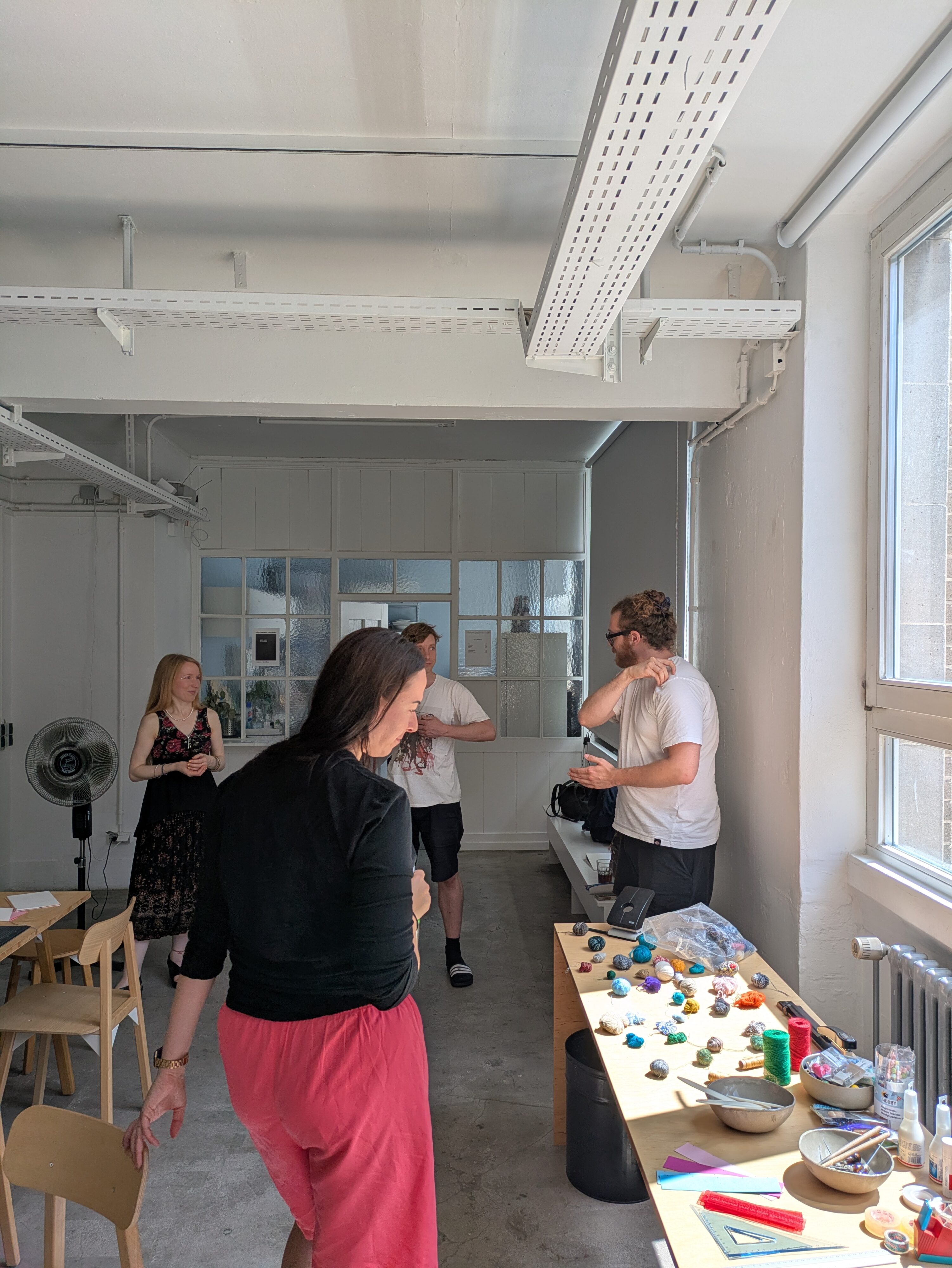
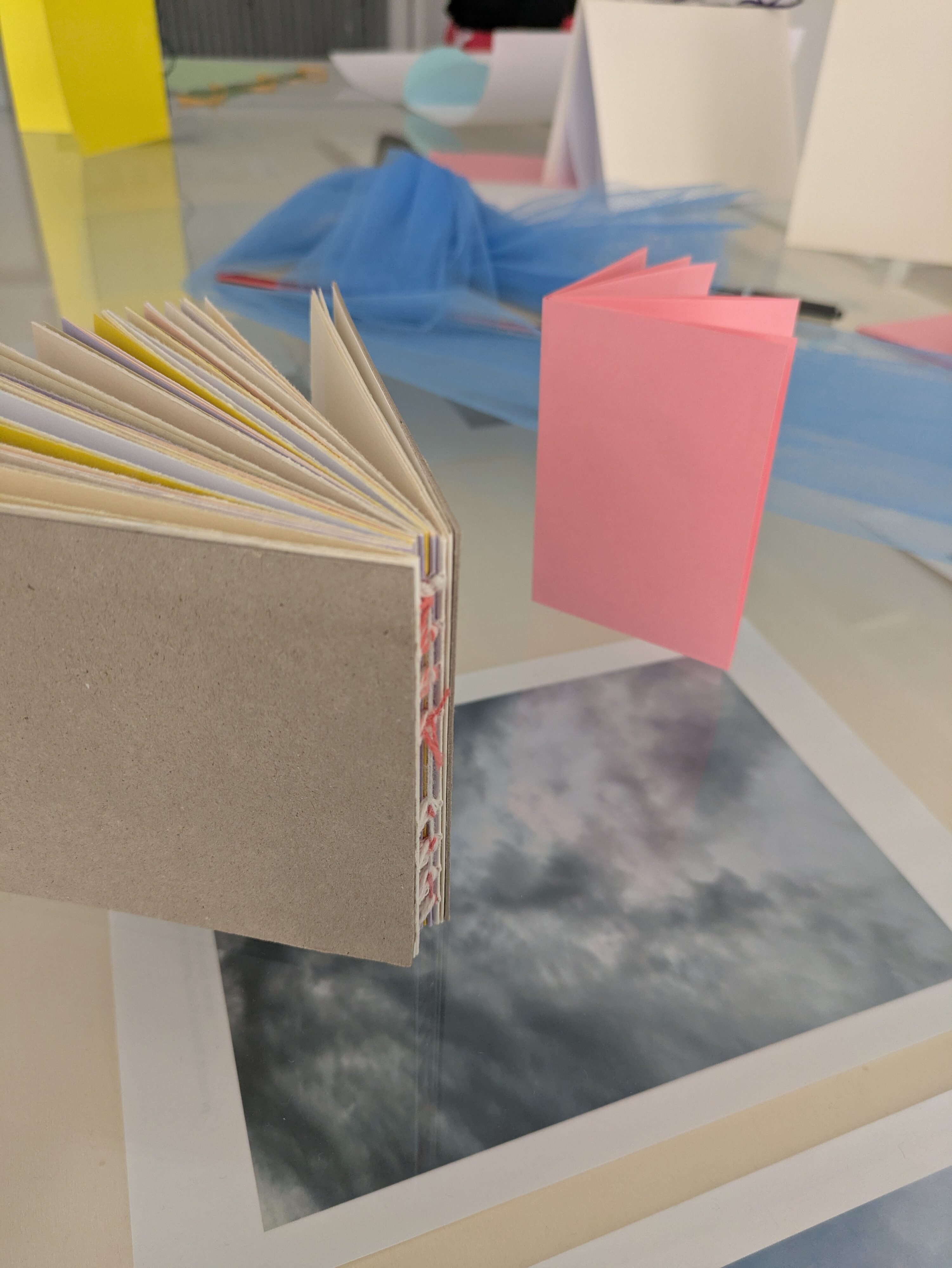
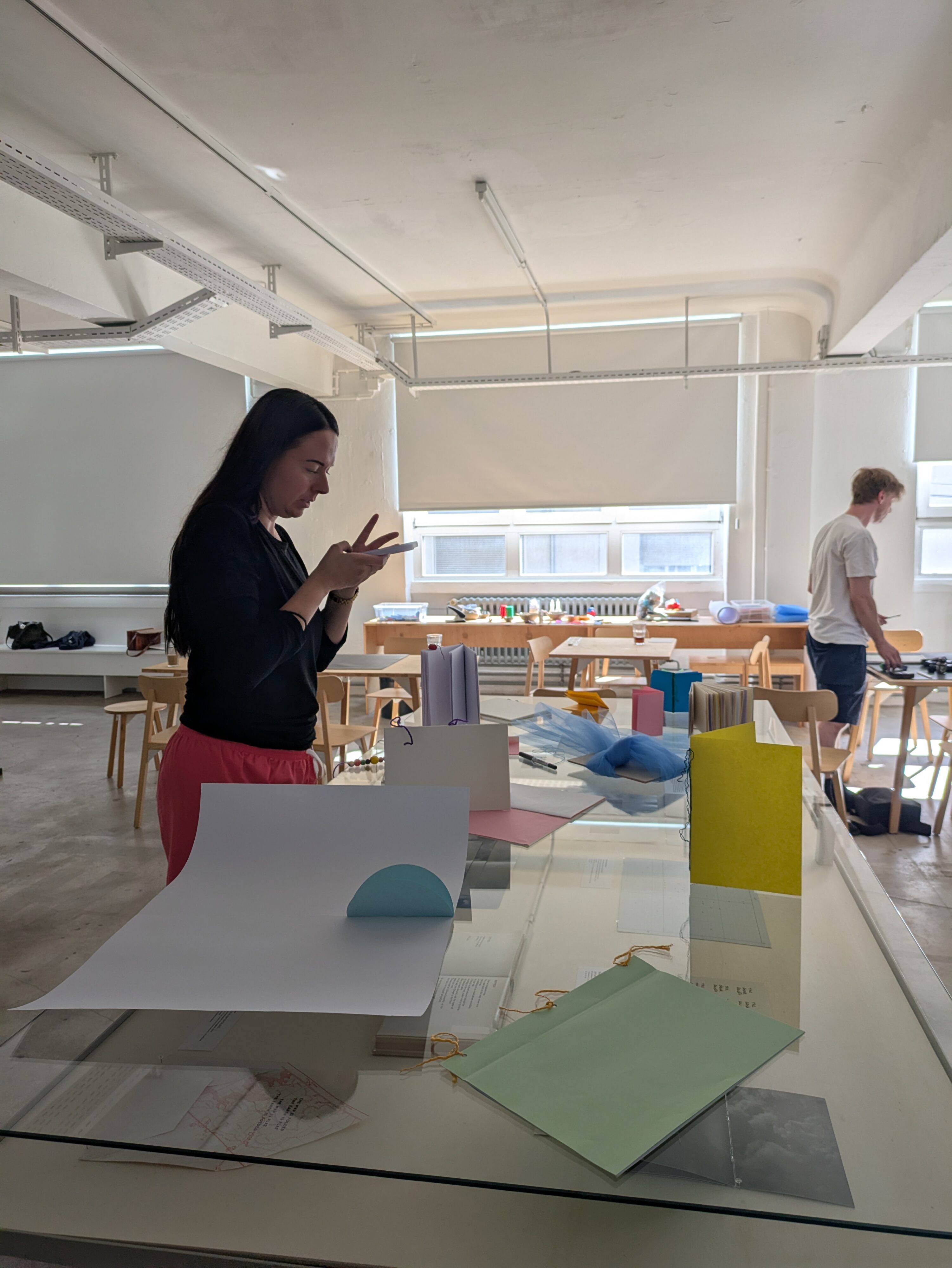
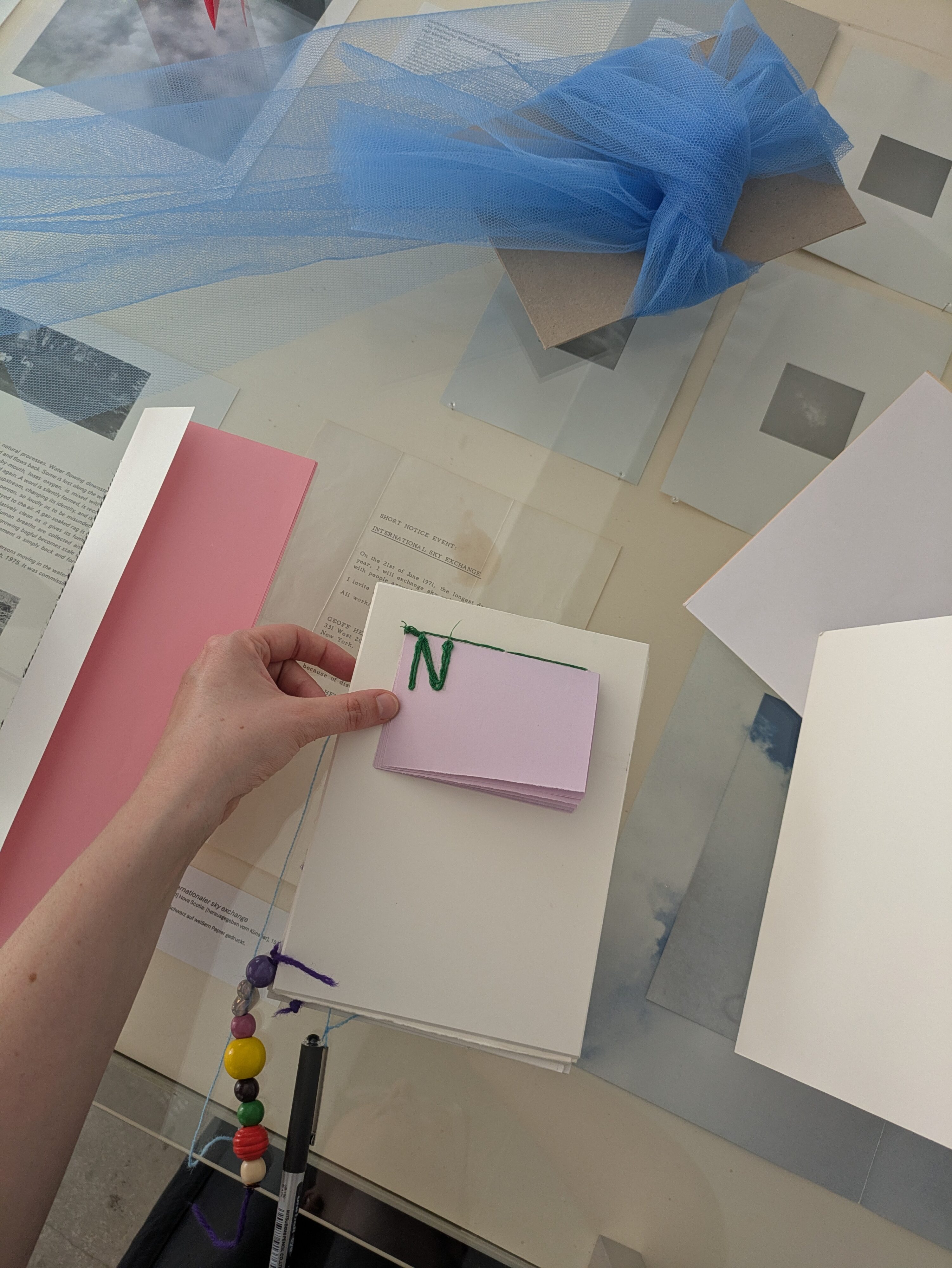
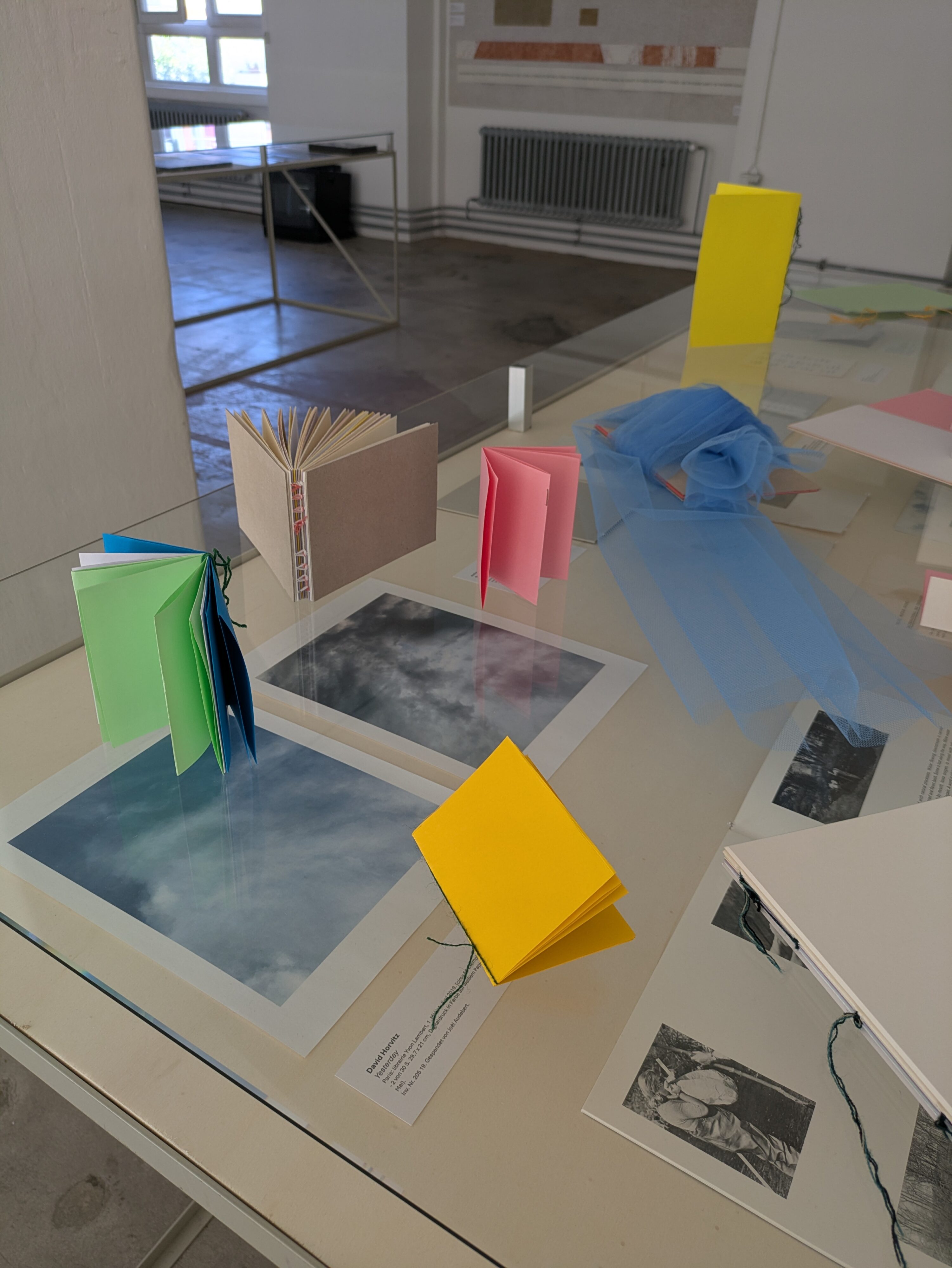
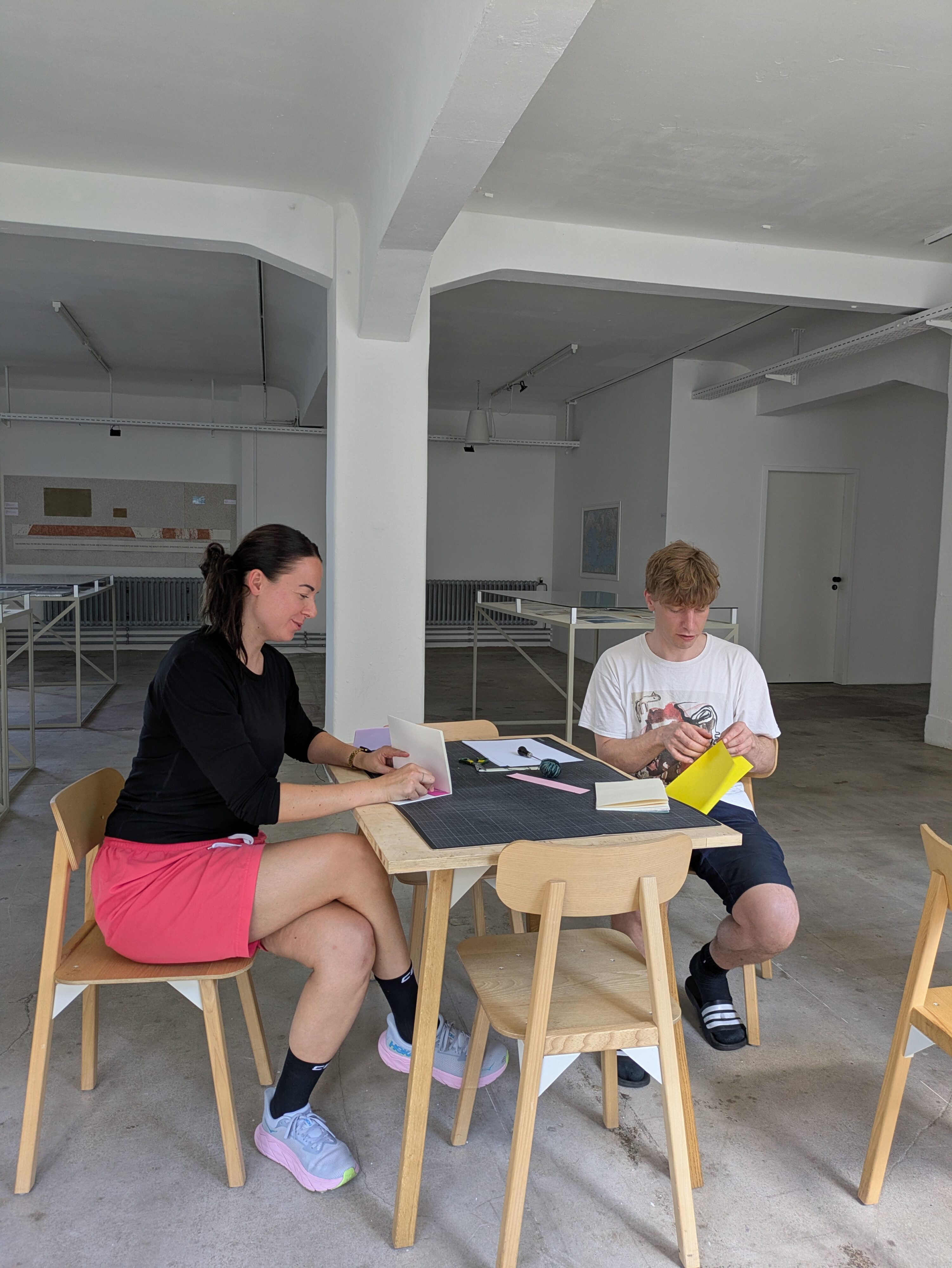
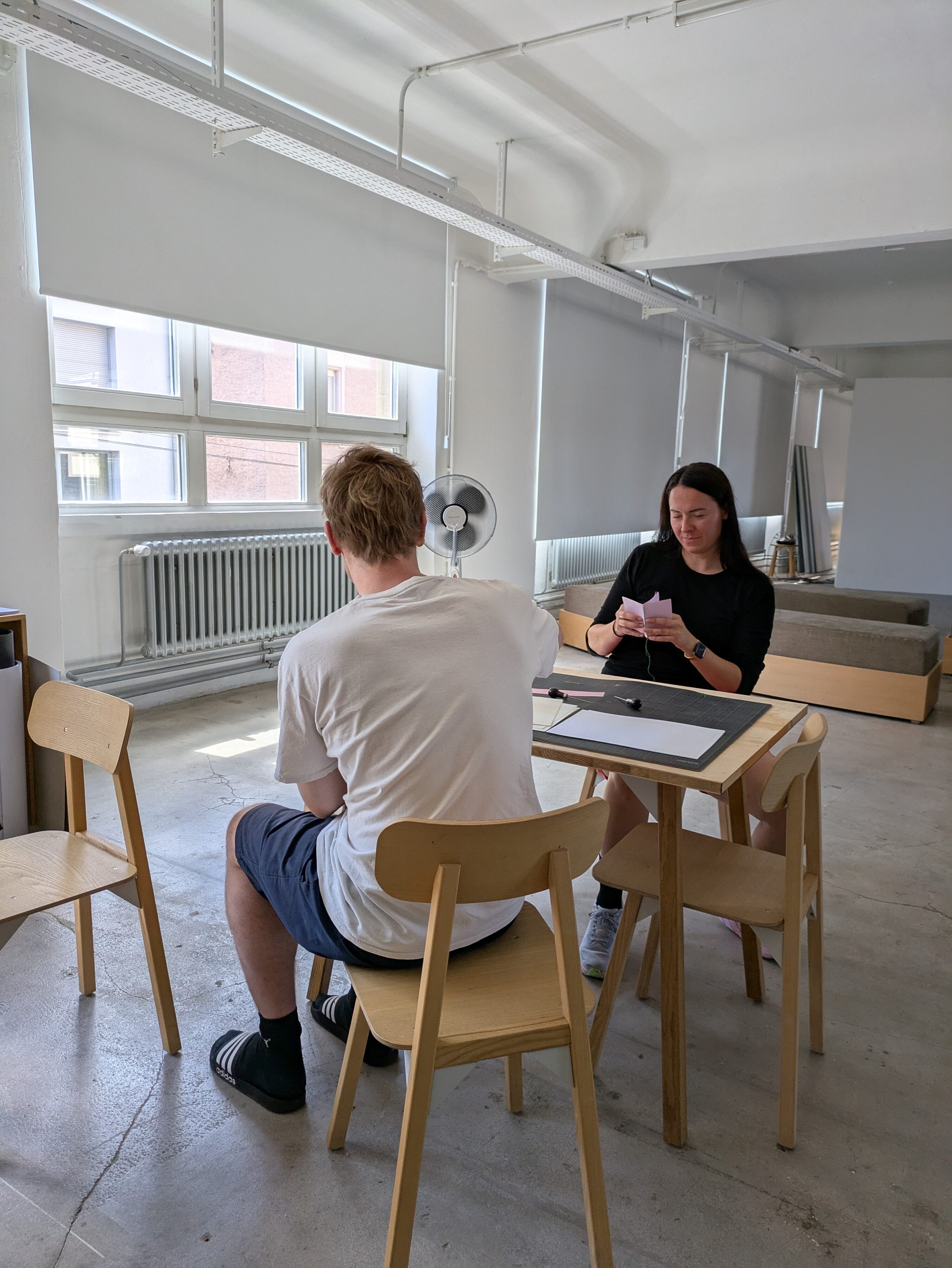
07:00pm–09:00pm
The soundscape of contemporary life is among the most toxic domains of the present-day world. A daily practice of acoustic decontamination is an essential element of any extended, regenerative agroecological approach—especially if we are to take seriously the question of who speaks when, and what it means to be silent in the Anthropocene. Silence, when not violently
imposed or experienced as a lack of sound, can become a space of resistance; not the opposite of speech or structured sound, but a different kind of discourse, with its own mute syntax. In her 1978 poem Cartographies of Silence, feminist poet Adrienne Rich writes: “It has a history, a form, / Do not confuse it / with any kind of absence.”
In this sense, there is a dialectic of silence that is being intensified by the relentless collapse of bioacoustics—the vanishing hum of pollinators, birdsong, the joyful cacophony of a fully inhabited landscape—and that demands to become a fully developed politics of silence. A politics of silence that, as Aliocha Imhoff & Kantuta Quirós so beautifully write in their essay Who Speaks in the Anthropocene, “might consist in refusing to remain silent in the face of urgency—as a form of deep listening to unspoken language and unheard voices.”
With these reflections in mind—and with the intention of mapping and evaluating acoustic experiences, no matter how subtle—we have invited Arne De Boever, theorist and performer from CalArts, to introduce our participants to the tradition of silent
music: a form of music that works with silence as acoustic material.
Non-musicians, artists, musicians, and curious observers are all warmly invited to join this evening of subtle sounds.
We will explore philosophical concepts surrounding silence, drawing in part on scholarly considerations of ancient Chinese landscape painting and the Daoist philosophy underpinning it. In productive tension with such a philosophical approach,
participants will consider the social (ethical and political) dimensions of silence.
Arne De Boever will then introduce participants to Antoine Beuger’s score born for a short time. Participants will be invited to select their sound sources for the performance based on the philosophical and social framework for thinking about silence provided by De Boever and his collaboration with composer Michael Pisaro-Liu. No prior philosophical or musical knowledge is required.
We will perform the score together for 60 minutes. Afterward, a conversation will take place where participants can discuss their sound sources and the reasons behind their choices.
All are welcome.
Subtle Sounds
Performance & Talk
Dienstag, 24. Juni 2025, 19–21 Uhr, 2. Stock
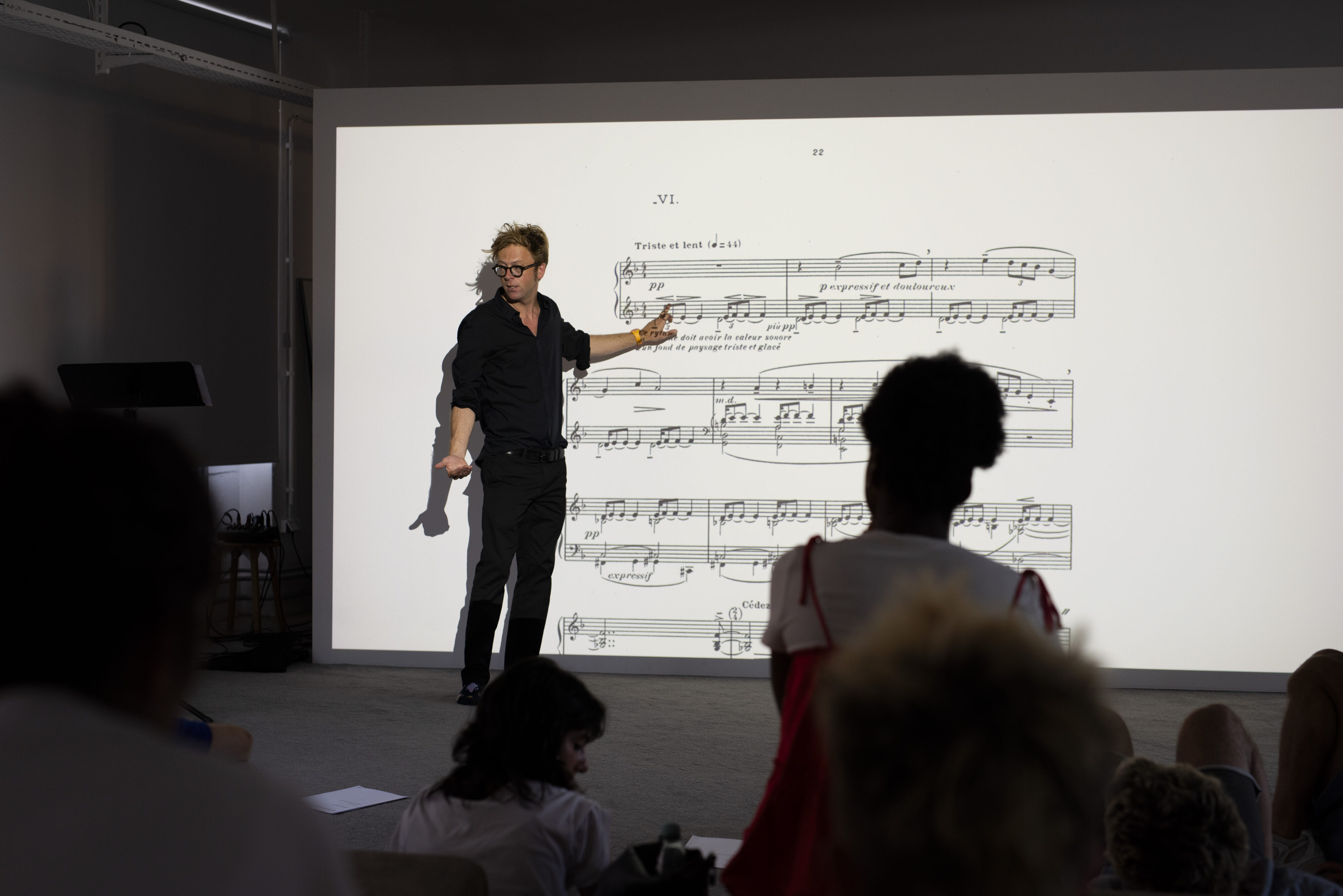
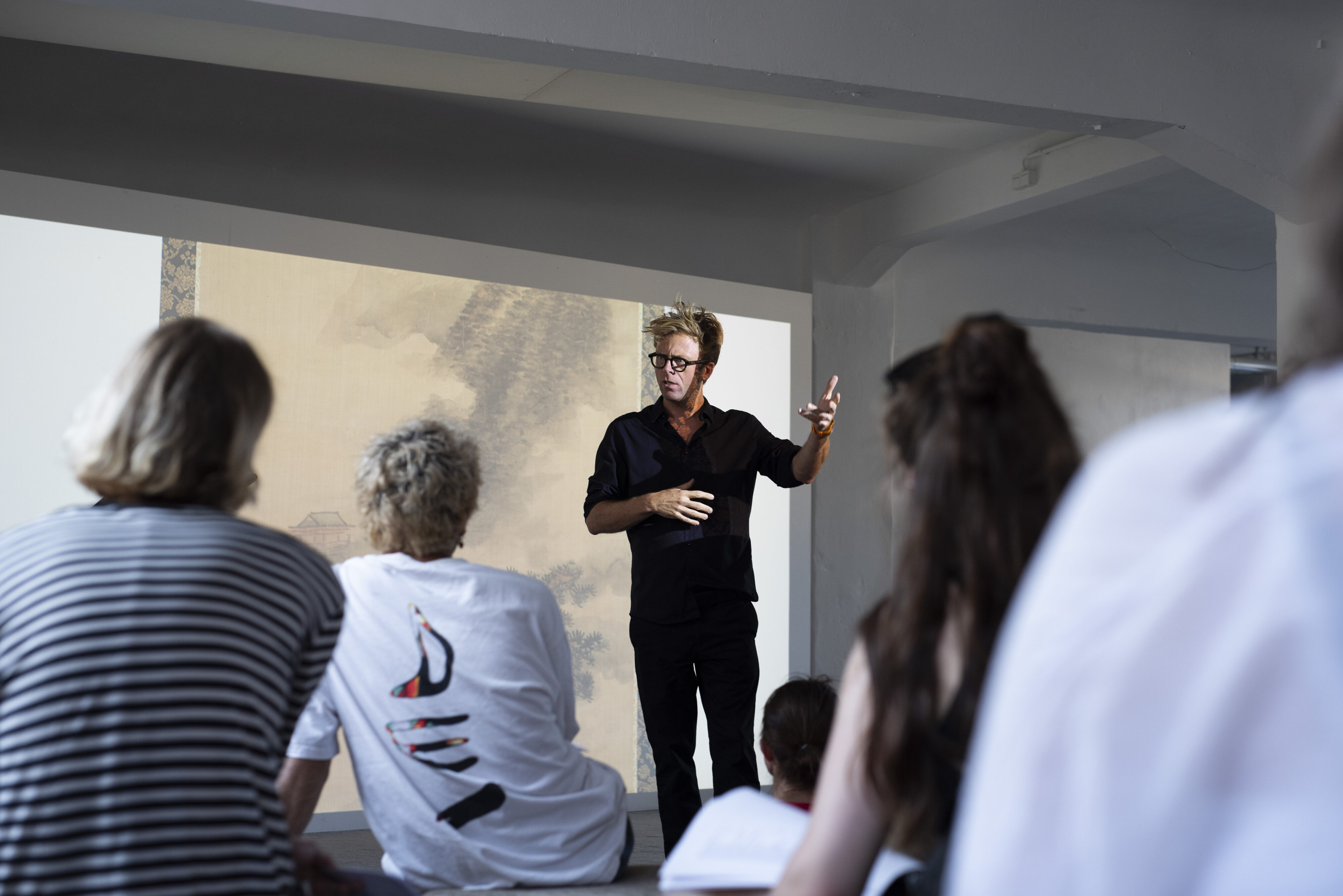
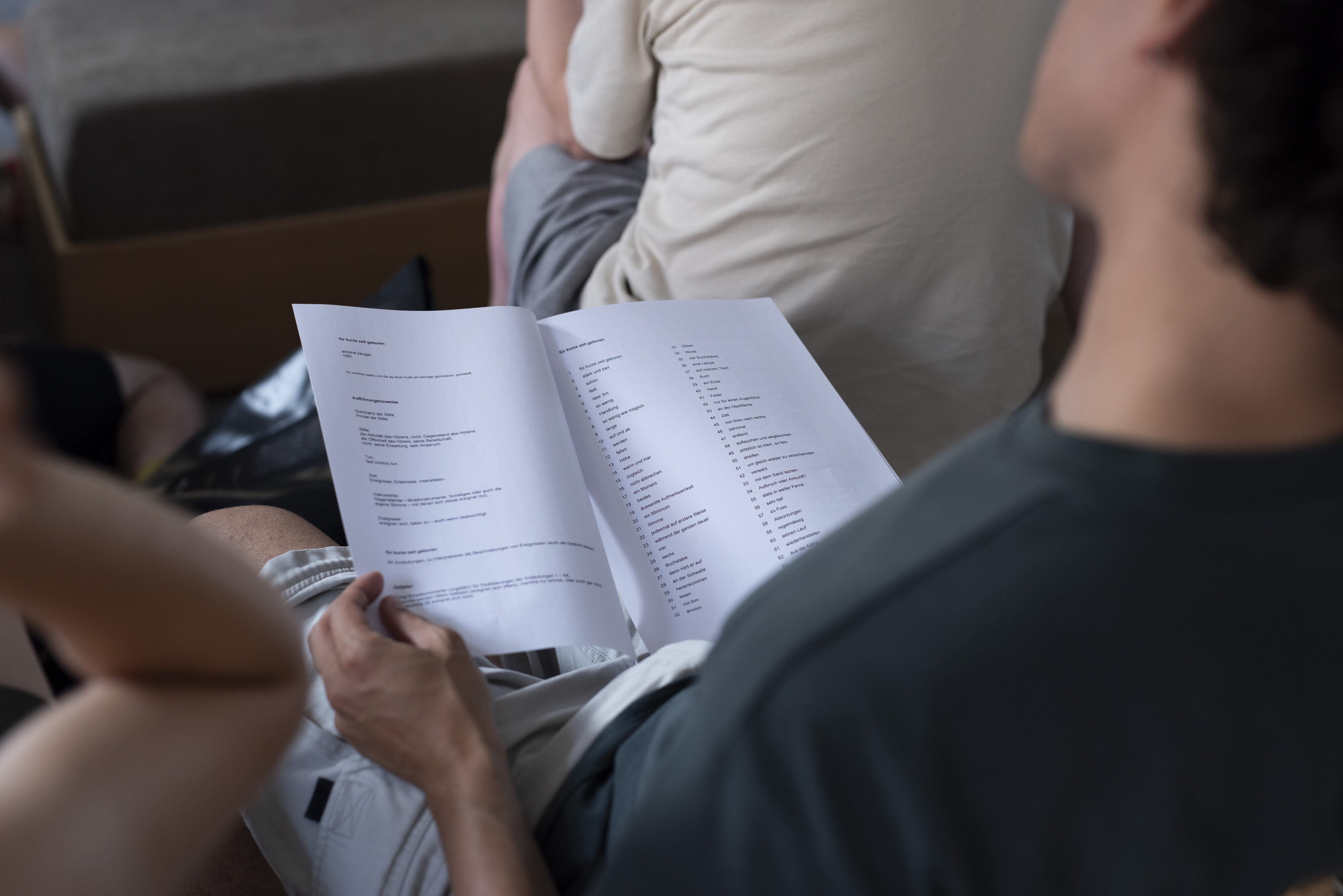
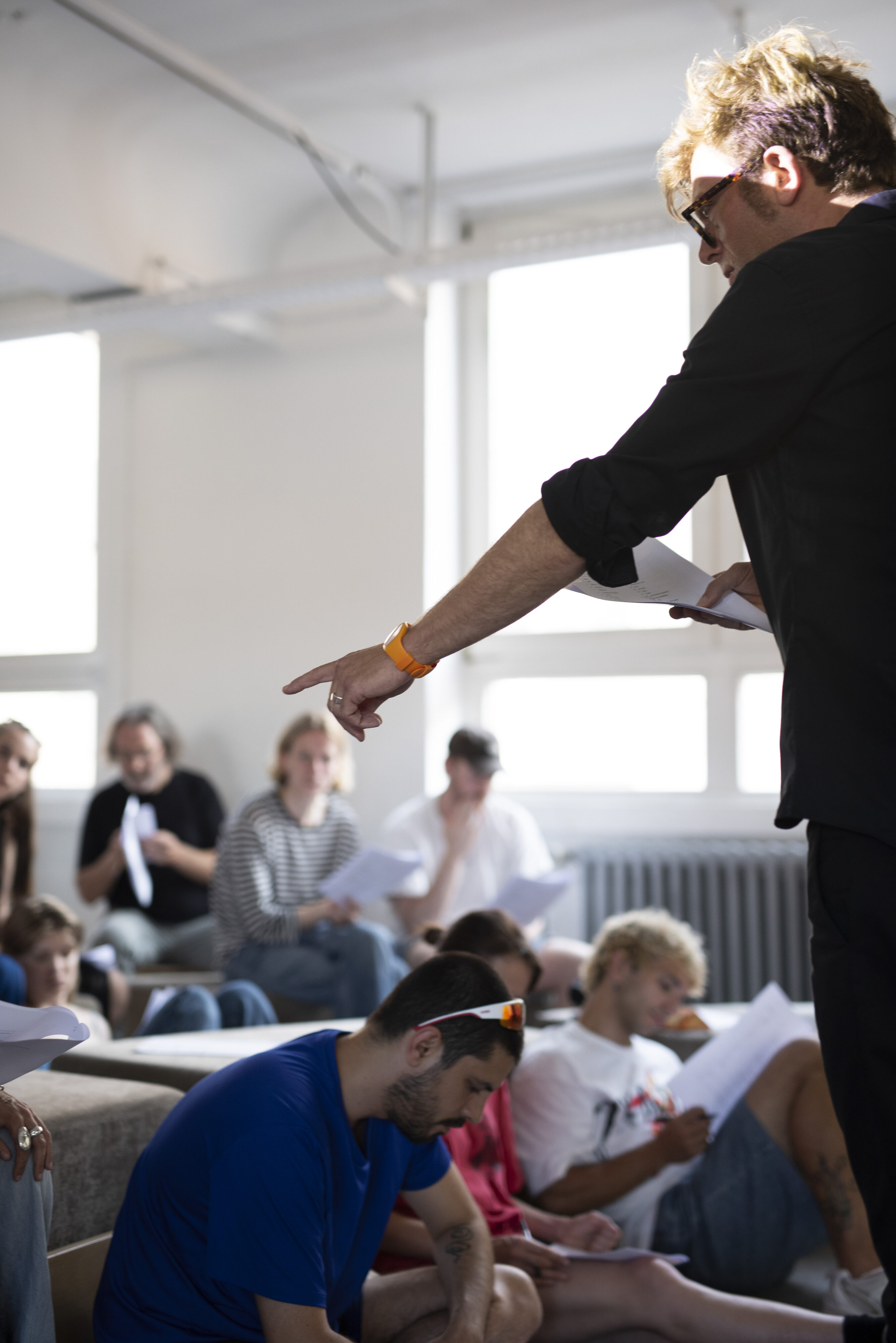
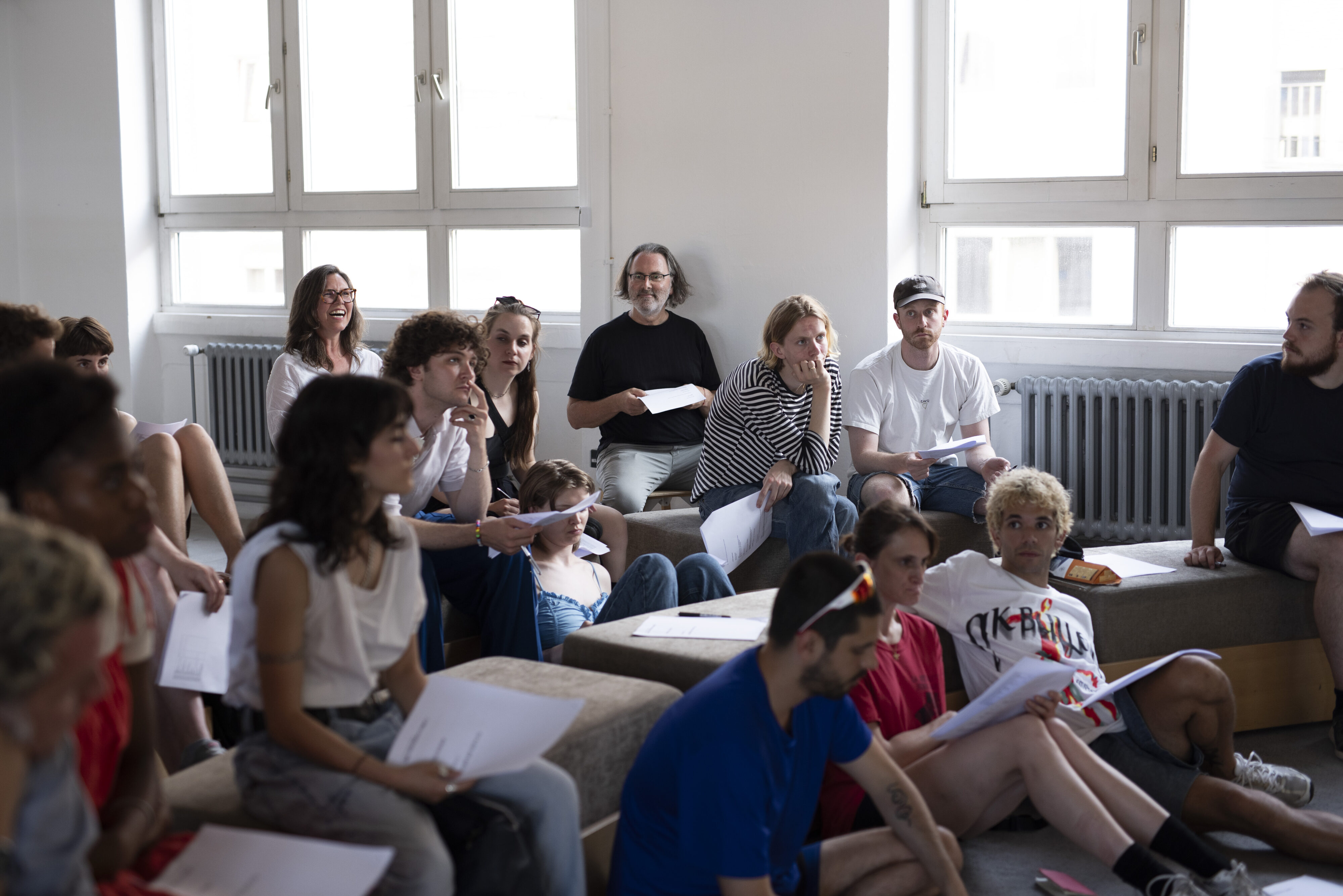
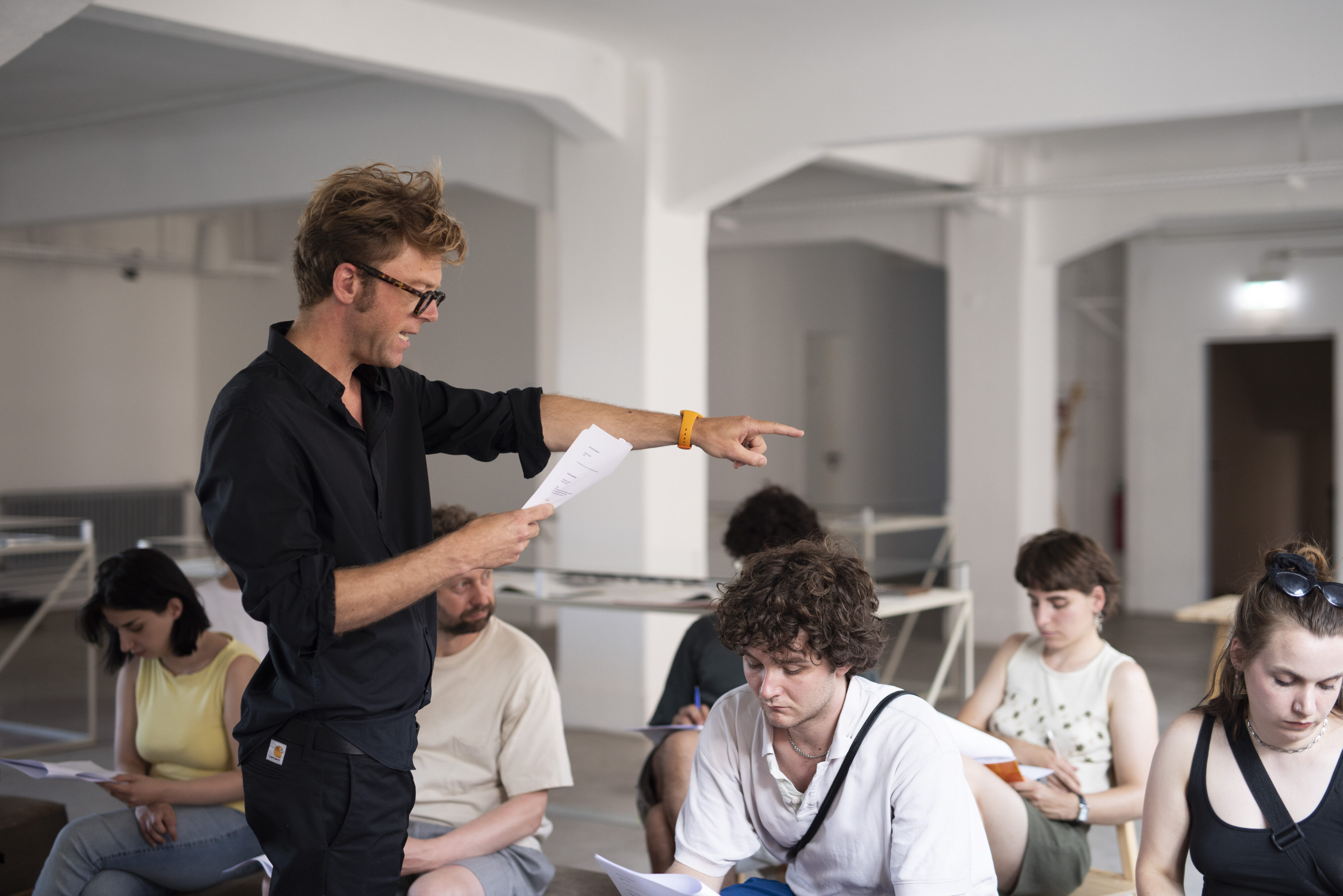
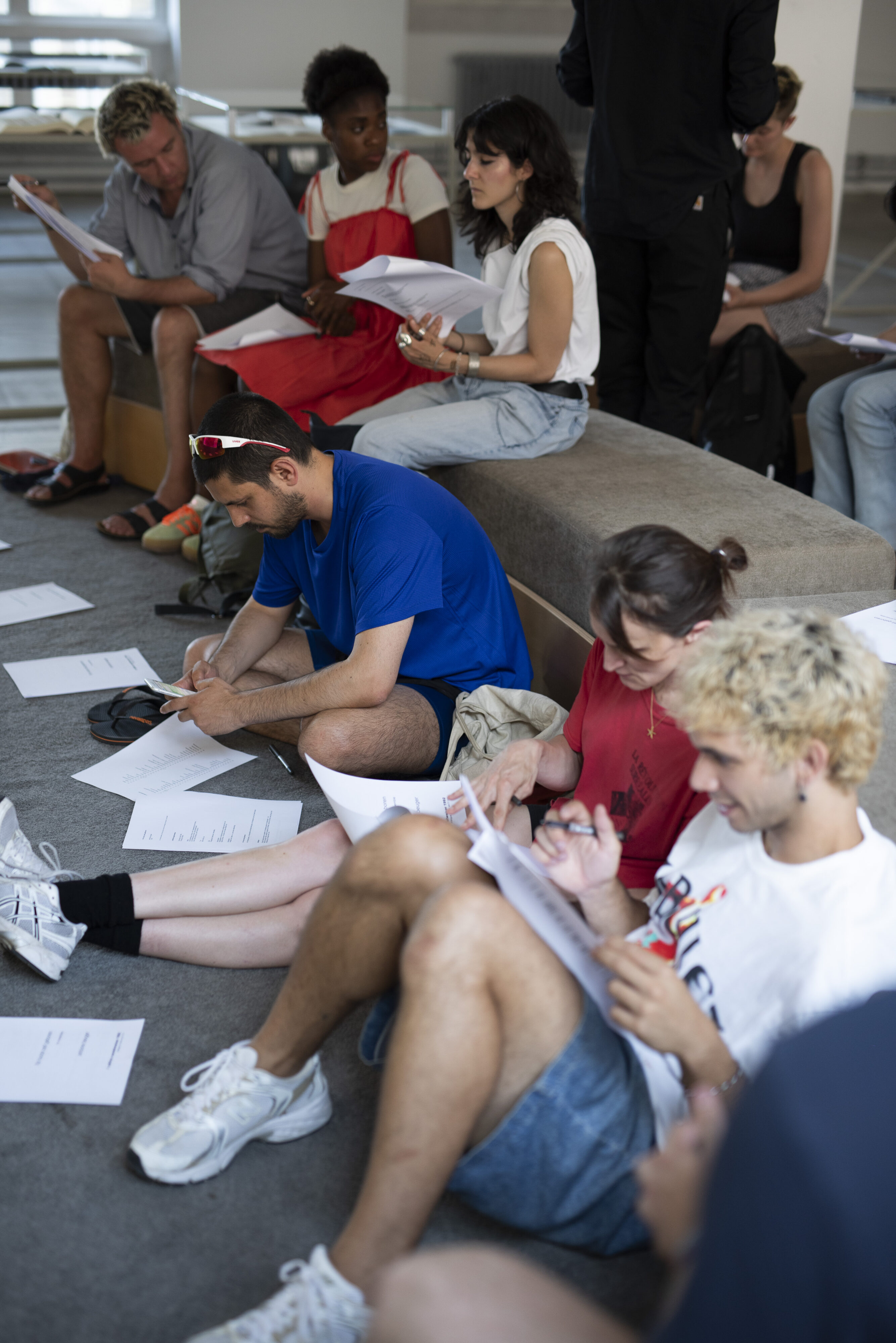
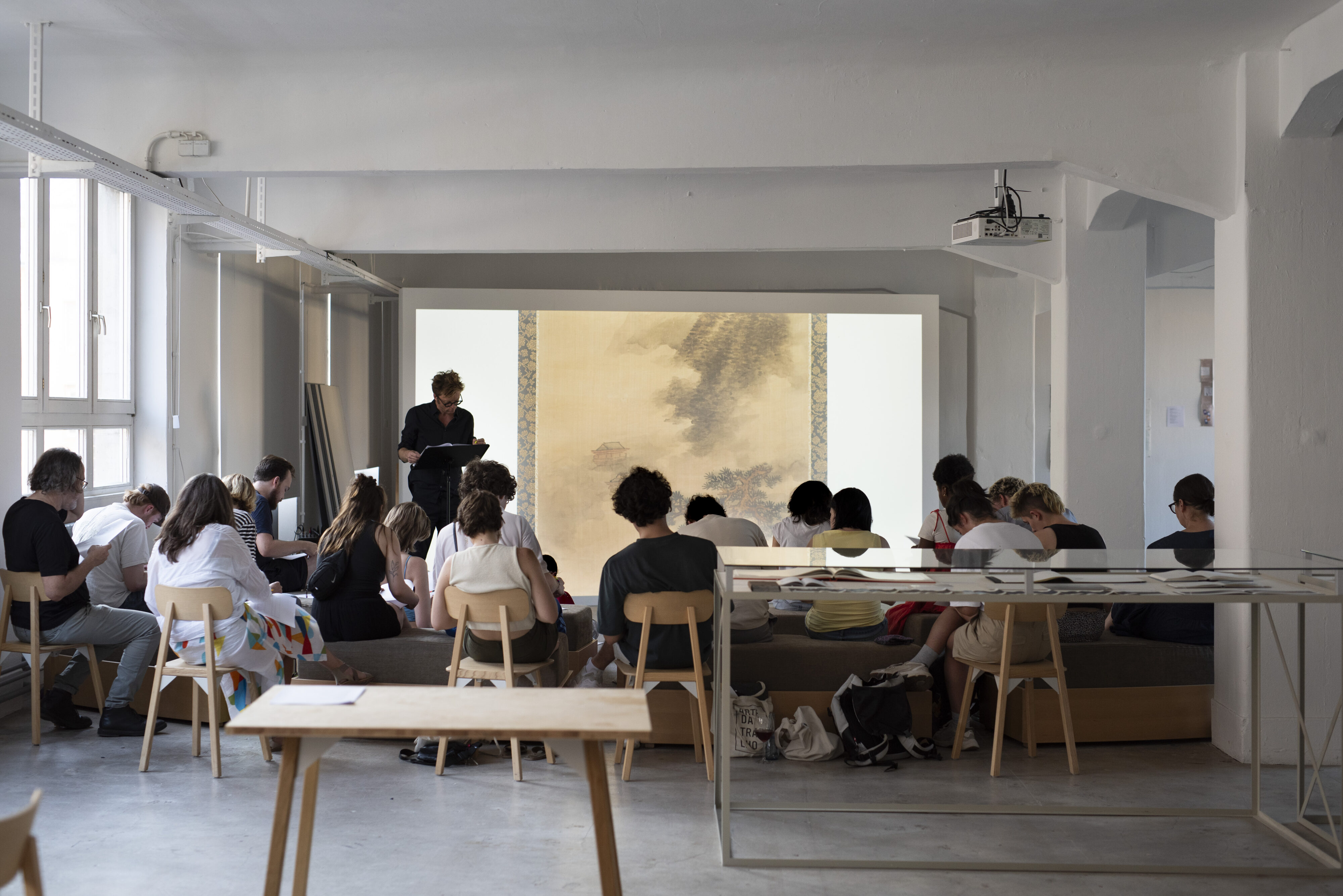
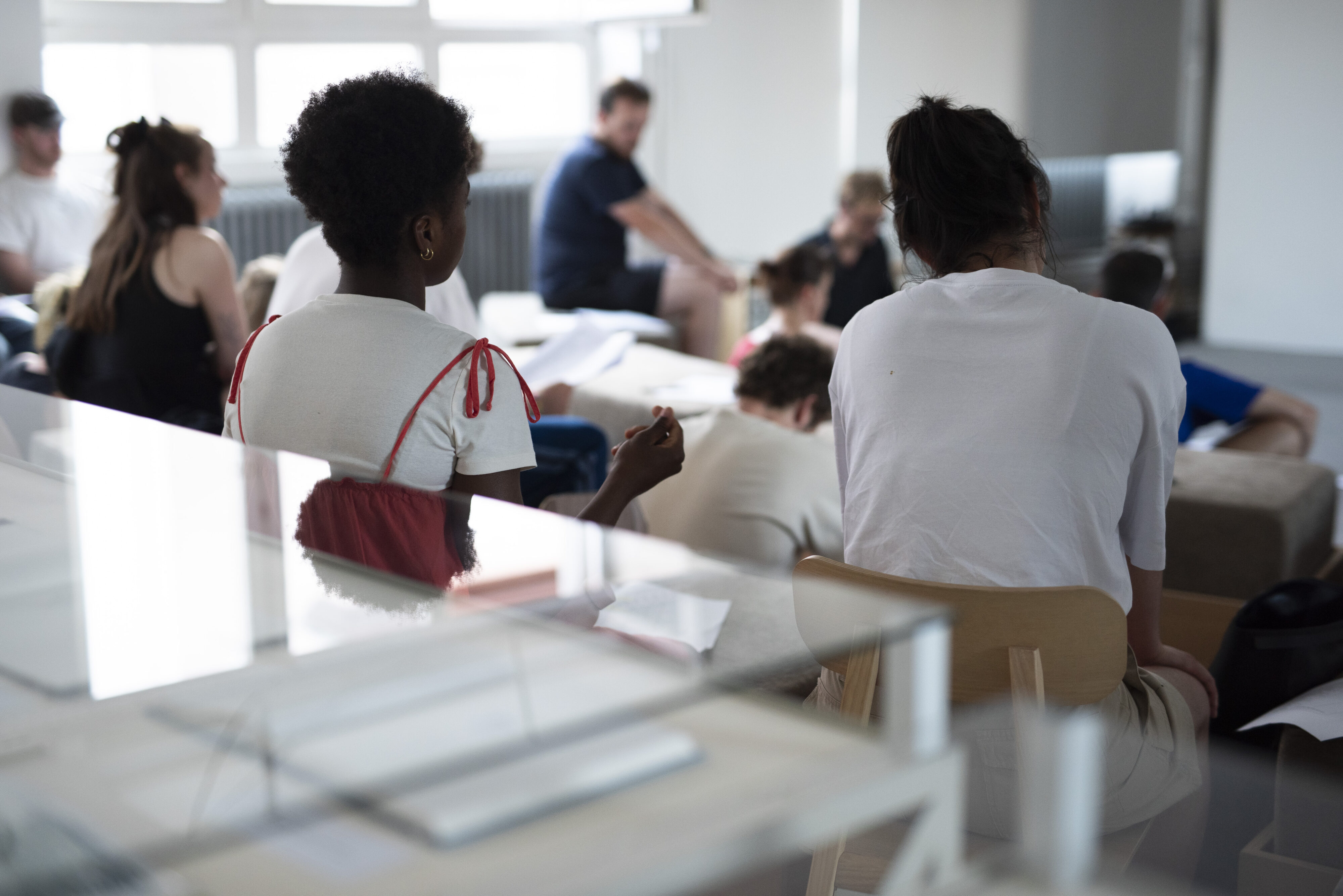
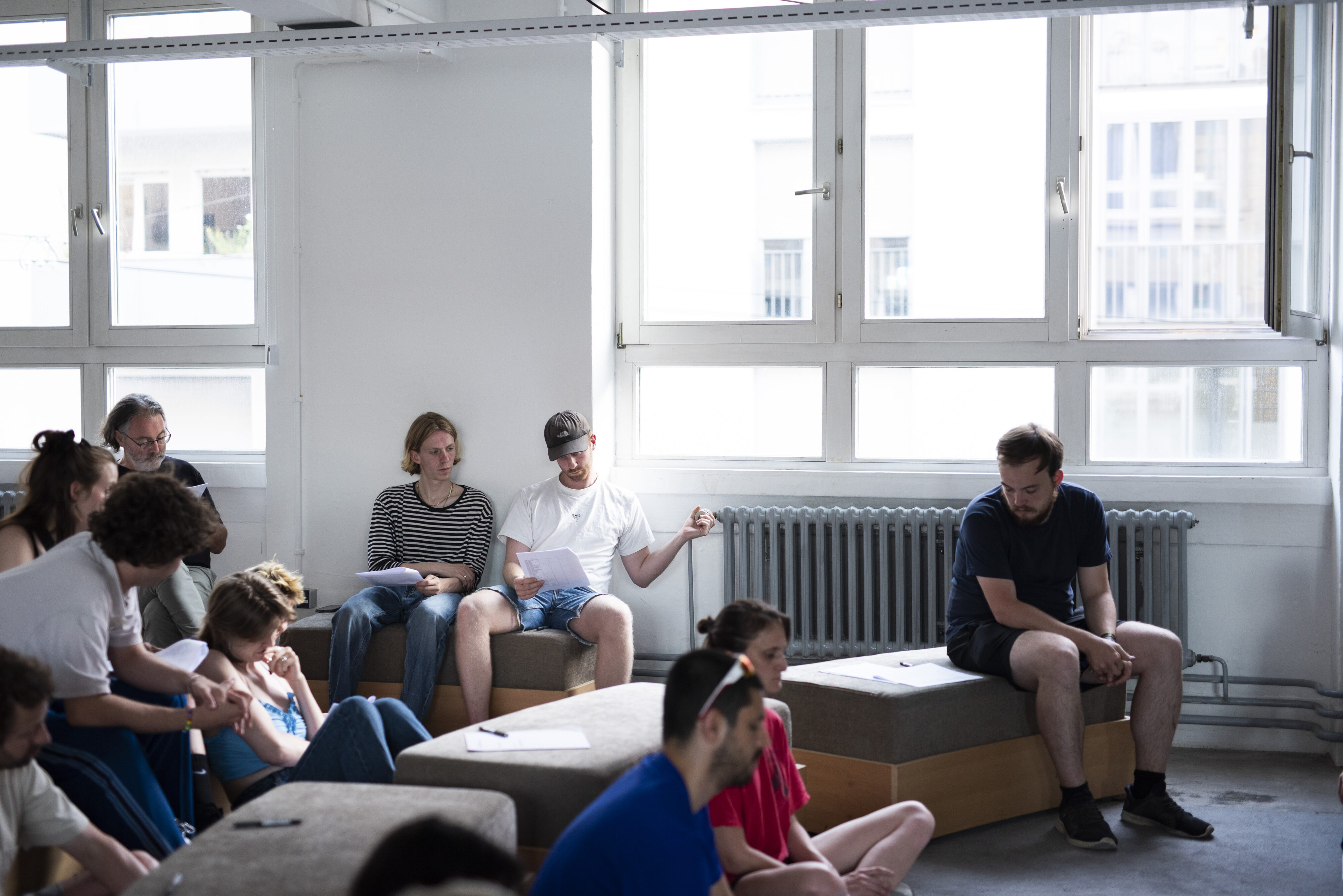
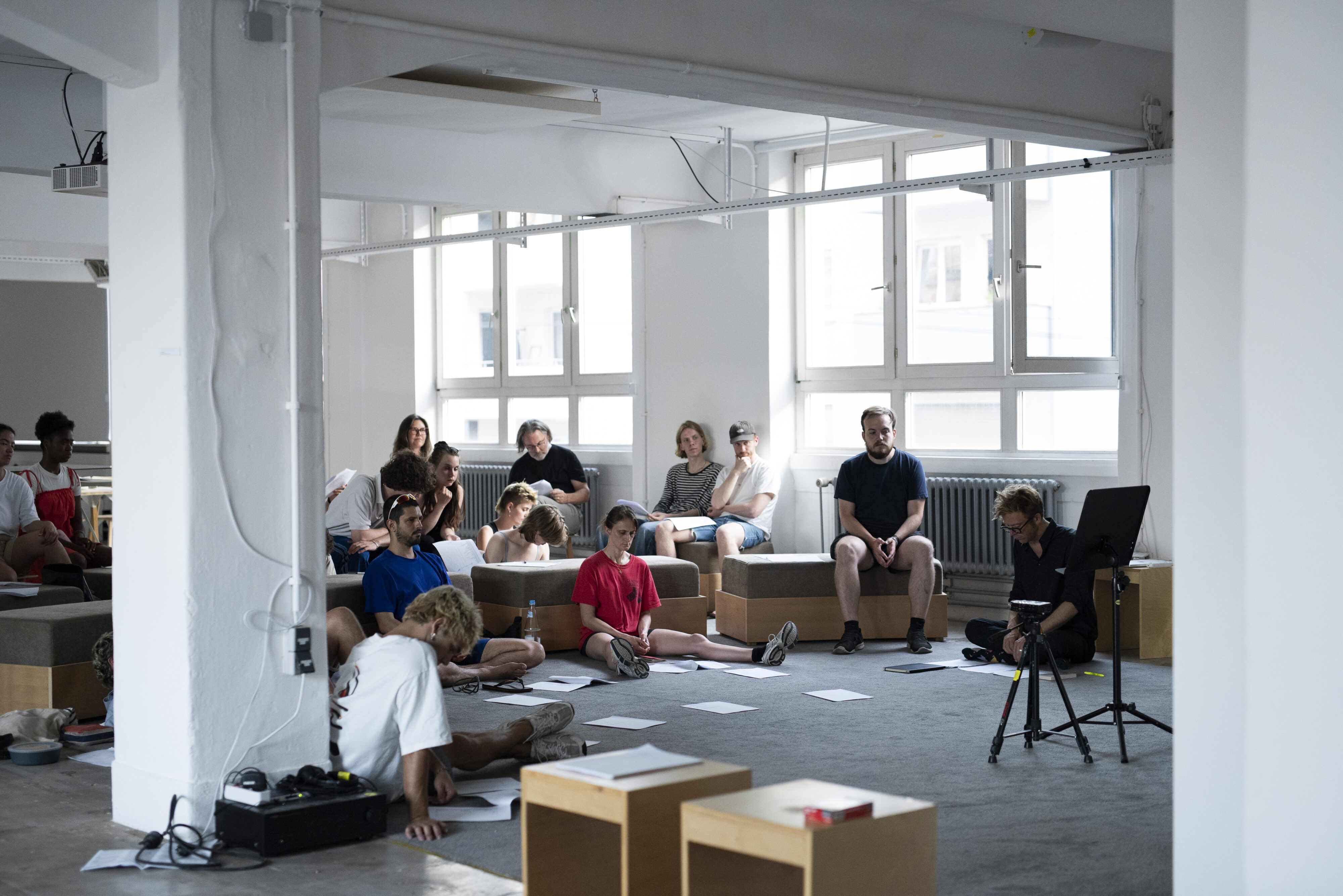
In the 43rd Tuesday Workshop, Laurenz Theinert will give insights into his artistic practice.
“What do we actually see? What does the image we form say about reality?
Laurenz Theinert does not provide any answers to these questions. But in his works, he slows down the complex process of seeing, which normally takes place at high speed and subconsciously, as if in slow motion, and focusses attention on individual aspects of what is happening. He makes it possible to observe what happens on the way from a visual impression, a light impulse on the outside, via the physical visual organs and the contributions of thinking, feeling, connecting and interpreting in the brain, before something arises in us that we call perception or cognition. Observing the processes and automatisms, conditions and contingencies that make up perception can be a fascinating experience. But you can also suddenly feel quite blind in the face of the limitations of your own ability to recognise. Laurenz Theinert has no solution to this dilemma. But with his works, he at least offers a training zone in which you can reflect on the paths and limits of perception and perhaps develop new perspectives on what can be seen.”
Dr. Julia Otto, Kunstmuseum Celle, excerpt from the text in the catalogue of the exhibition ‘Fehlende Dunkelheit’ Museum Ritter 2024
Afterwards, we invite you to join us for drinks and snacks and a dialogue.
Tuesday-Workshop
The Künstlerhaus invites an artist or a collective—meaning any artists or cultural workers from any field or discipline—to talk about their working methods as well as their backgrounds and approaches. We want to establish a platform for a more in-depth interaction with regard to artistic practice, and in doing so to create a network, show solidarity, and mutually strengthen one other.
The series is aimed at all members of Künstlerhaus Stuttgart, artists either living in Stuttgart and the surrounding area or just traveling through, all cultural workers, art mediators, curators, etc., and is open to everyone!
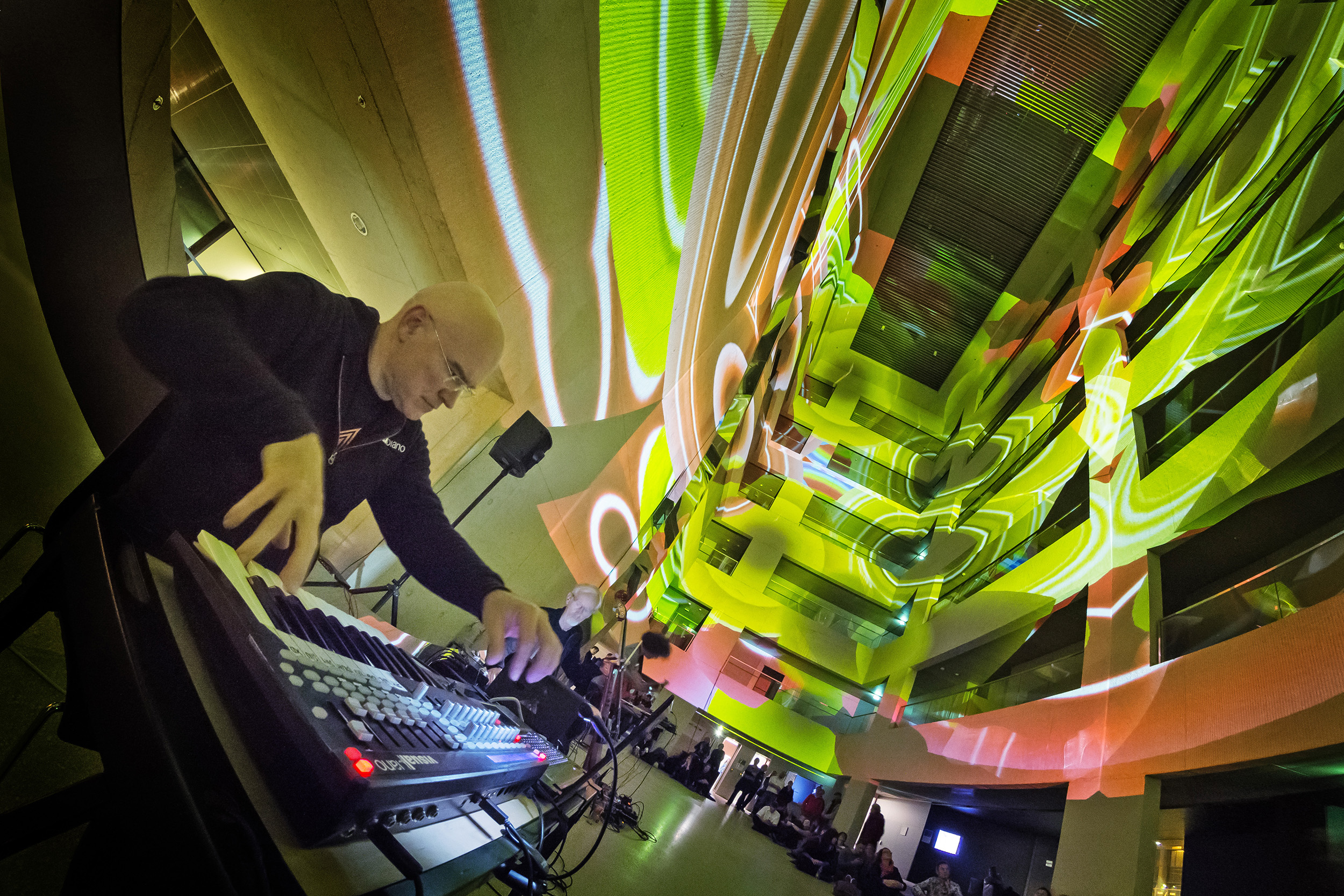
In the third listening session, following the CCR credo: ‘hitch a ride to the end of the highway where the neons turn to wood’, digital, vibrating, raw walls of sound are broken through and over-constructed city parks are traversed – in search of sparkling lakes, lush green meadows and dense forests.
djytb takes sound as the starting point for an examination of identity, cultural codes and different living environments.
Listening Sessions
This is the third event in the new ‘Listening Sessions’ series in the recording studio at the Künstlerhaus. Artists are invited to bring along the music that inspires, shapes and accompanies them. We will listen to this music together in the recording studio.
The regular series offers a space to exchange ideas about sonic influences and personal connections to music. This series of events was conceptualised by Lena Meinhardt, artist and manager of the audio workshop at the Künstlerhaus.
As places in the recording studio are limited, please register at audio@kuenstlerhaus.de.
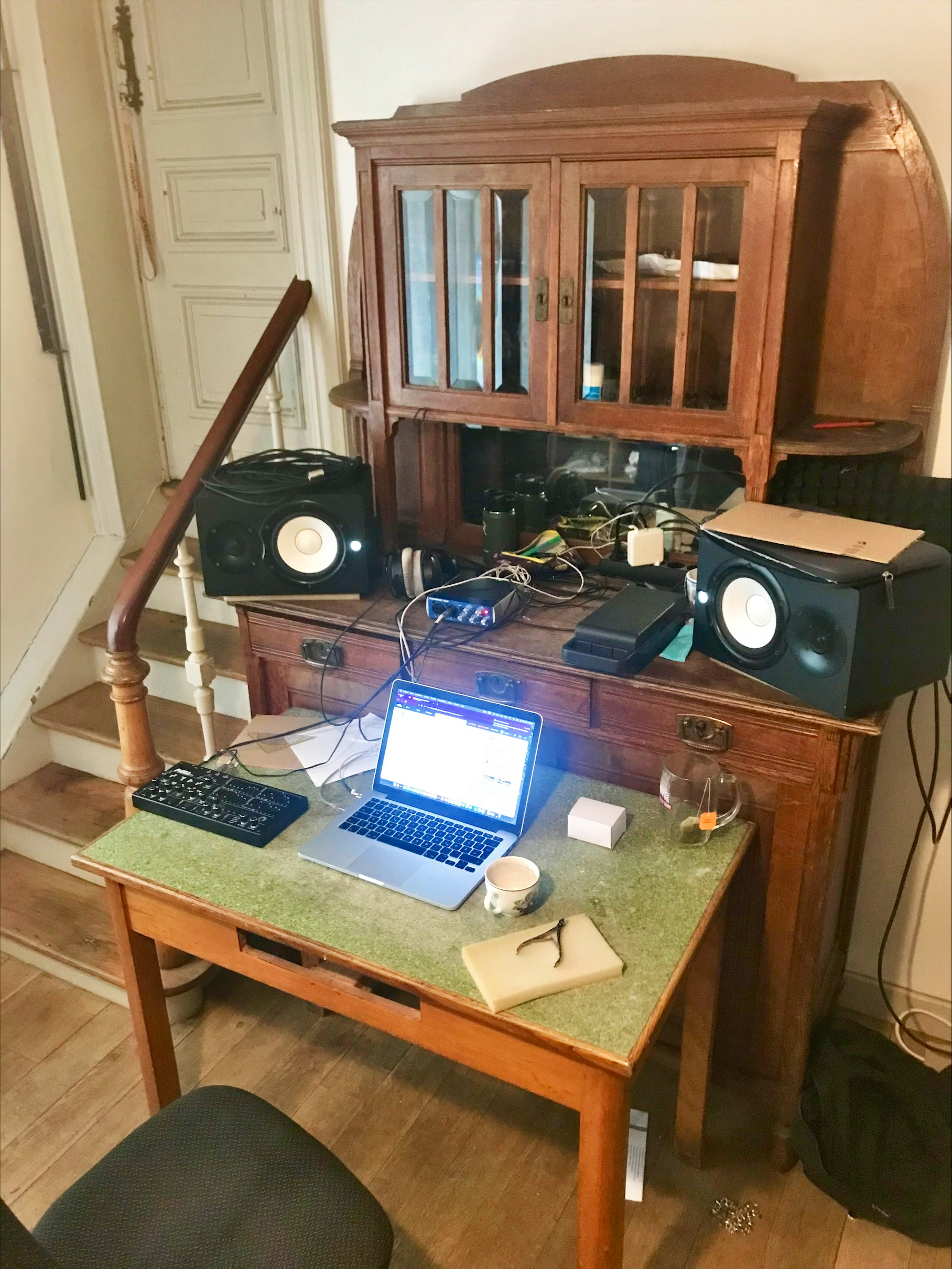
Together, bodies create atmospheres. And as bodies move through these atmospheres, they are shaped by them, even as they give them shape. There is nothing pristine about these atmospheres, nor anything pure about the bodies that make use of them, that farm them. Sebastian Díaz de León & Katherine Ball’s film installation, CONTAMINATIONS, follows some twenty performing artists and dancers as their bodies move through these chemical geographies. The ultra-widescreen format, akin to a thin atmospheric layer, allows only a fragmented view of the bodies in movement – human bodies, bodies of wind, bodies of tomorrow – as they embed themselves in sites with shifting dynamics between nature and culture: within fast-eroding sandstone mountains prone to landslides, exacerbated by extractivist land-used practices; on roads washed out by floods brought on by climate change, their guardrails floating in midair; at a spy station built on a hill of rubble from World War Two; and in a landfill and recycling center where the detritus of culture is re-metabolized by nature. If nature is the word for it. If culture is.
With this proposition begins a gradual shift from the fluvial atmosphere of the past year toward a more subterranean atmosphere of soil.
Opening
Wednesday, May 14, 2025
7pm
Screening
CONTAMINATIONS – Bodies between nature and culture (22’)
A film installation by Sebastian Díaz de León & Katherine Ball (2023)
8pm
Evening Walk
30-minute walk to Heslach to the location of the performance
9pm
Performance & Movement-Workshop
Plant Yourself
The artists Katherine Ball and Sebastian Díaz de León invite you to dive into a large pile of soil with us—to inearth yourself with seeds and microorganisms—to plant yourself.
Sebastian Díaz de León is a Berlin-based artist whose practice is at the interface of architecture, film and research. He examines existing structures to imagine a social and climate-just future, combining a variety of disciplines to address contemporary spatial challenges.
Katherine Ball is a habitat for fungi and bacteria located on planet Earth. She is a member of Floating University e.V., where she runs Contaminations, an outdoor, experimental educational programme for people who want to work with their bodies.
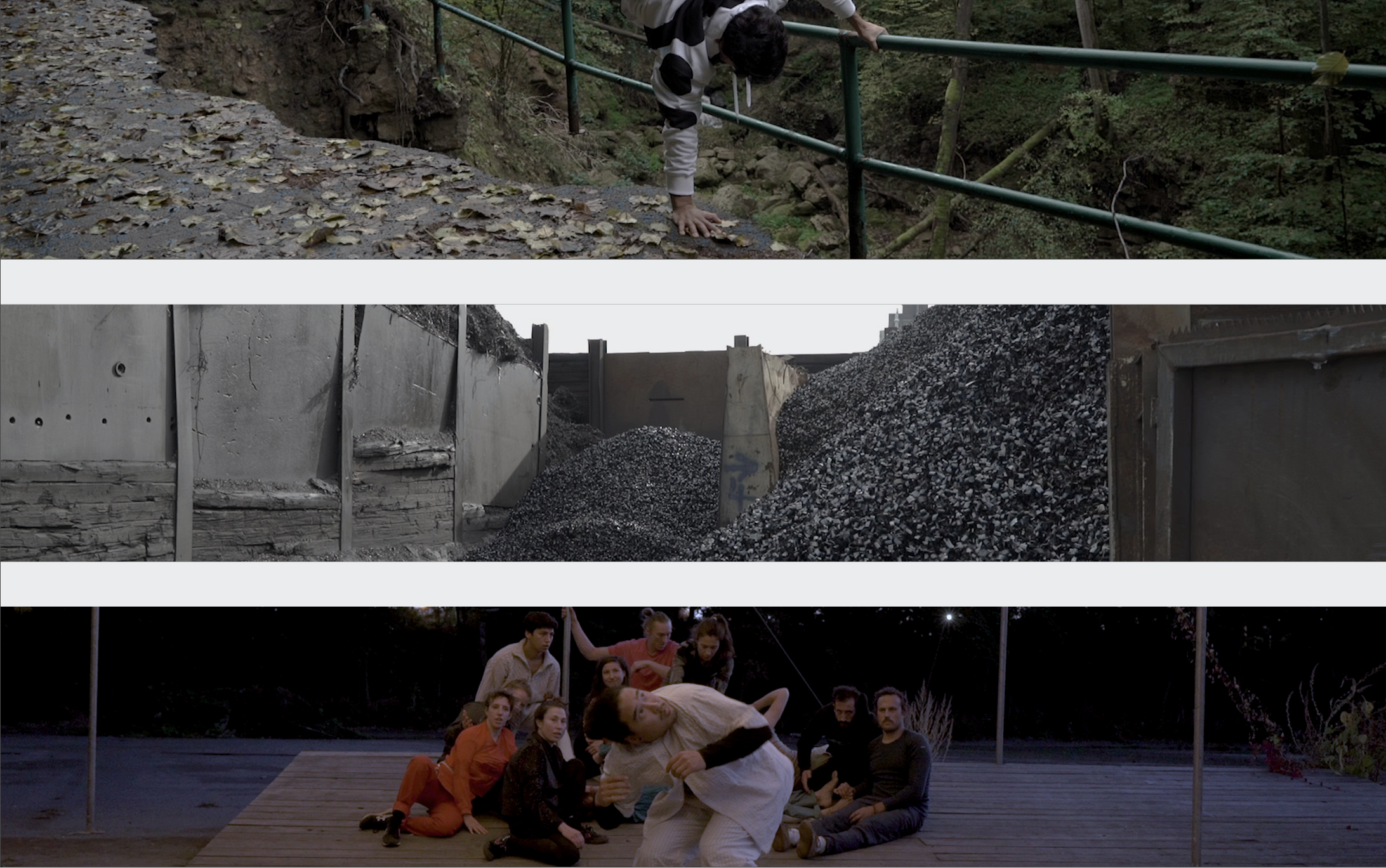


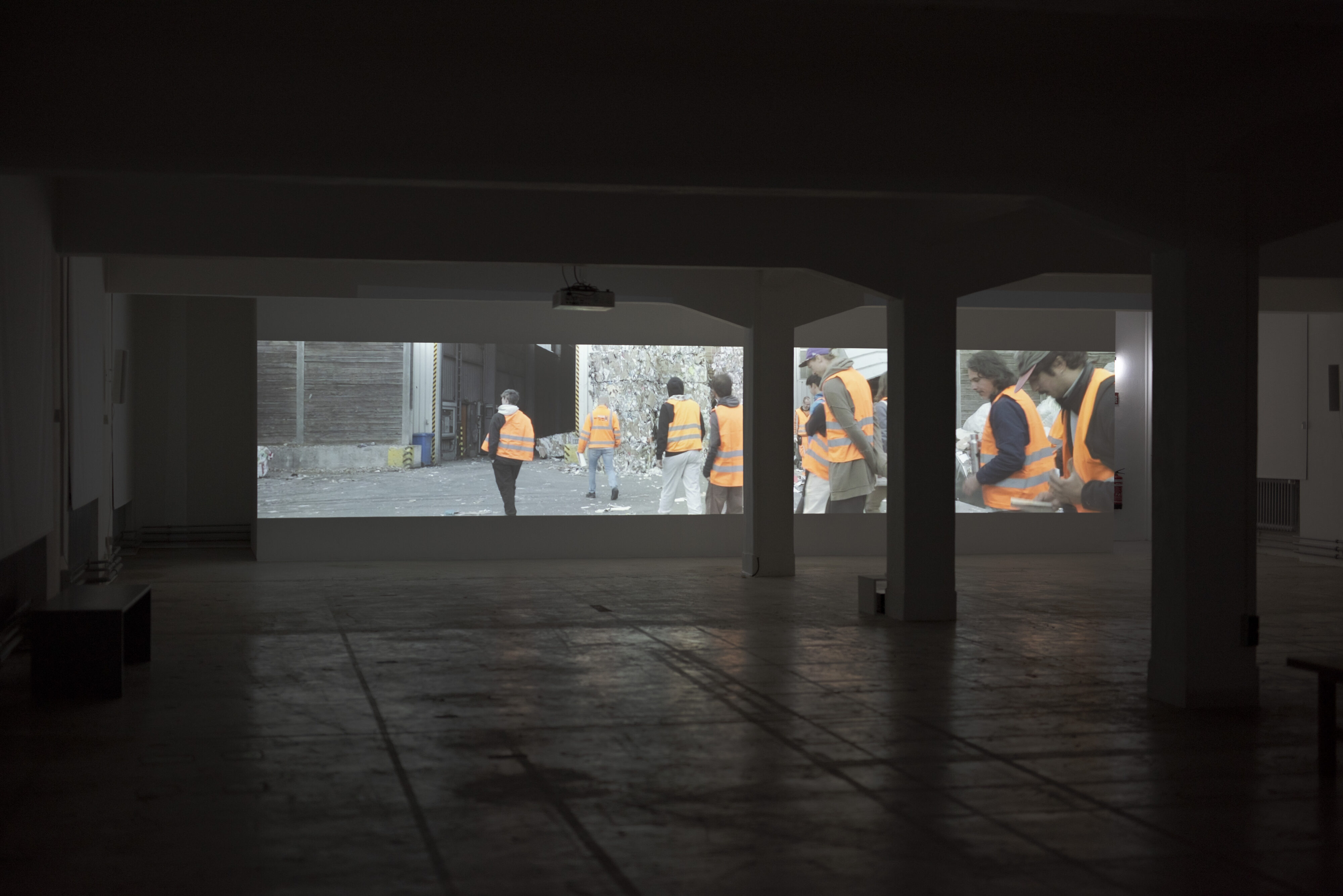
In the 42nd Tuesday-Workshop, Julia Wenz-Delaminsky will give insights into her artistic practice.
Julia Wenz-Delaminsky pursues a conceptual and experimental way of working that reacts variably to the respective situation. Her artistic scope is very broad and not tied to a specific technique or medium. Her work includes photographs, graphics and digital art as well as large-scale installations, performances and collaborations. ‘Medium and message’ are fused and linked to her everyday life. Travelling and collecting are also part of the creative process.
She poses the question of how much in/stability is needed to develop potential?
Afterwards, we invite you to join us for drinks and snacks and a dialogue.
More information about Julia Wenz-Delaminsky: www.julia-delaminsky.de
Tuesday-Workshop
The Künstlerhaus invites an artist or a collective—meaning any artists or cultural workers from any field or discipline—to talk about their working methods as well as their backgrounds and approaches. We want to establish a platform for a more in-depth interaction with regard to artistic practice, and in doing so to create a network, show solidarity, and mutually strengthen one other.
The series is aimed at all members of Künstlerhaus Stuttgart, artists either living in Stuttgart and the surrounding area or just traveling through, all cultural workers, art mediators, curators, etc., and is open to everyone!
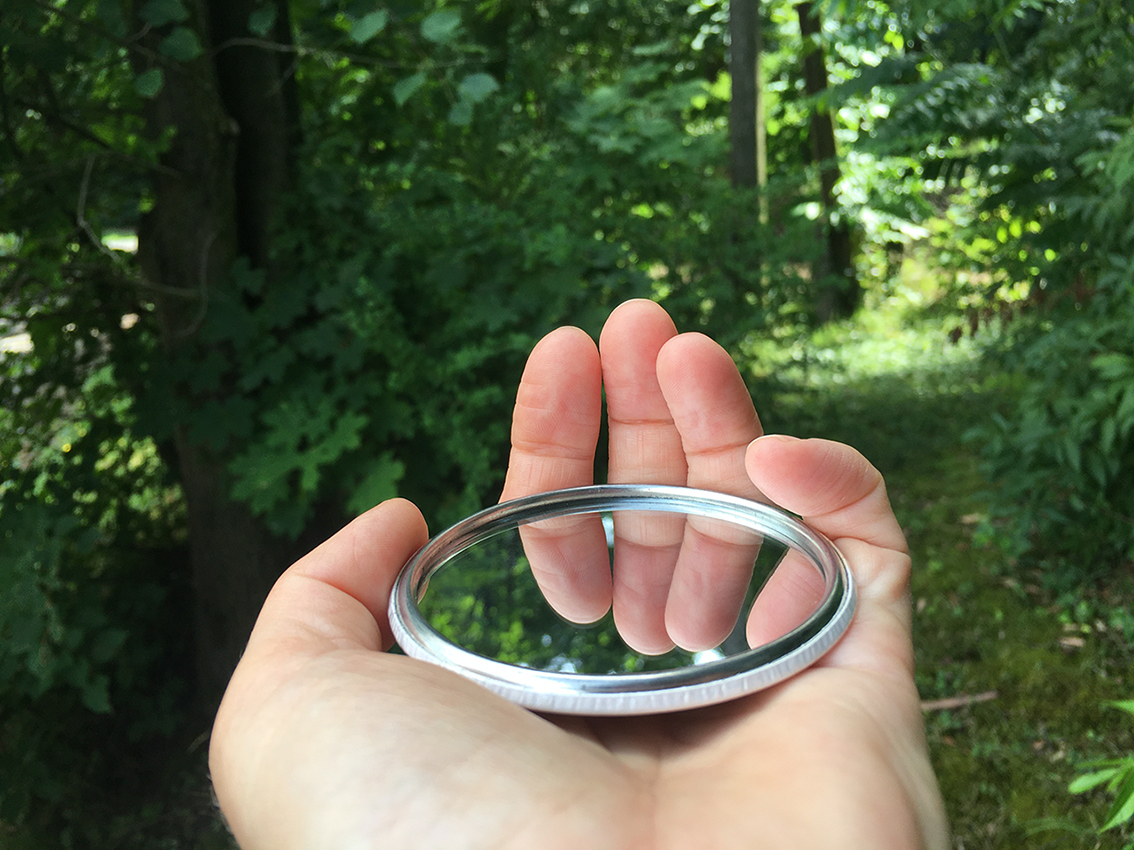
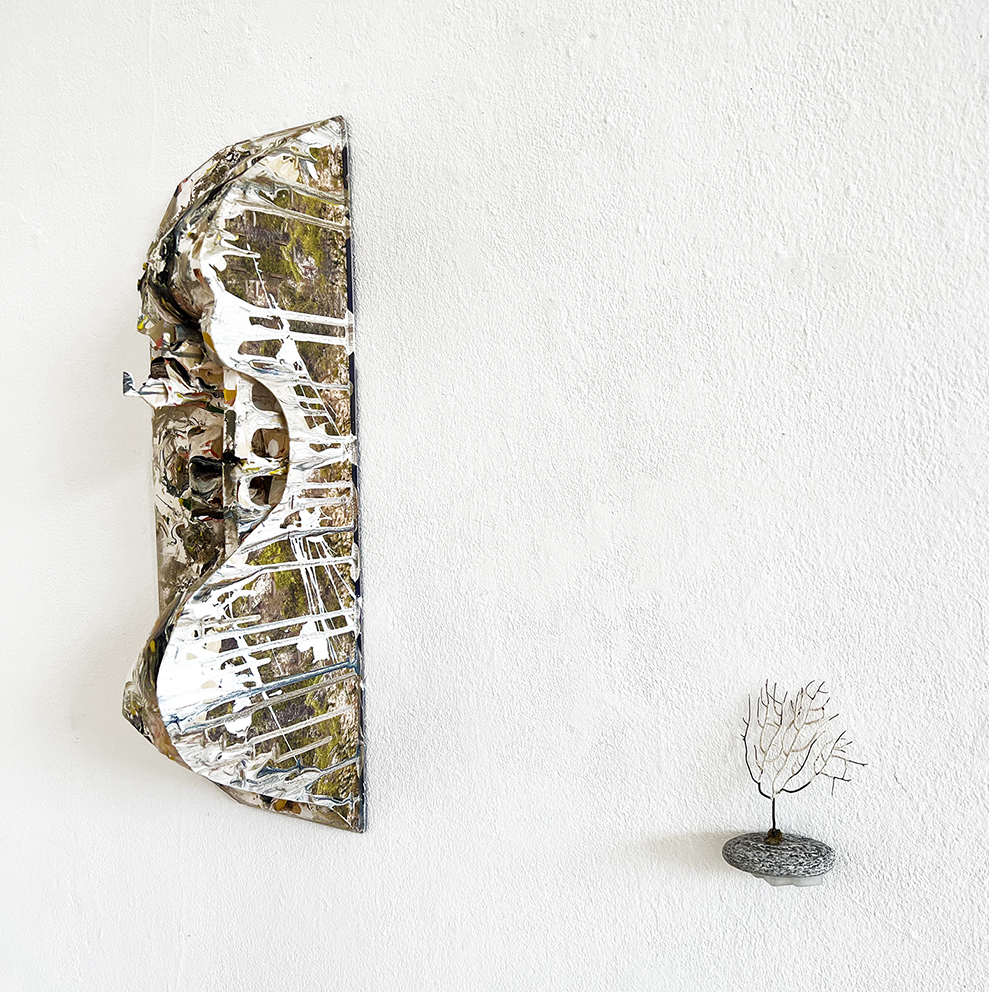
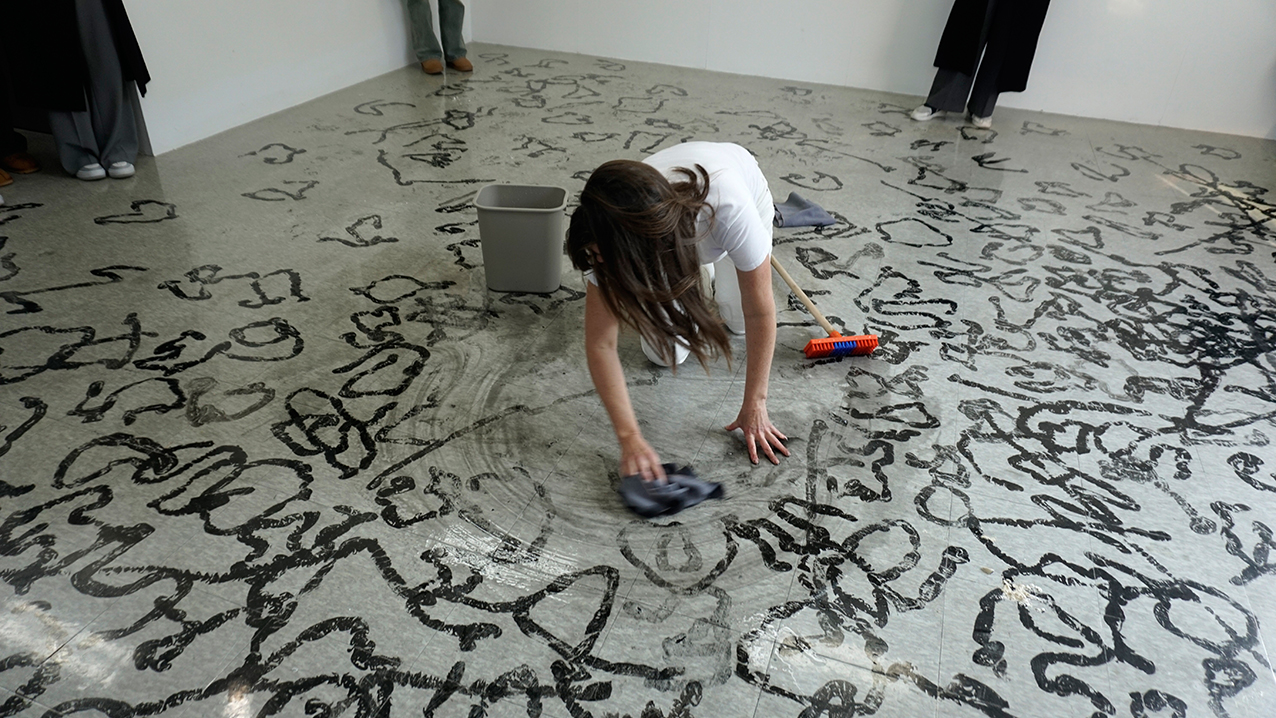
At a time when socially engaged, 1:1 scale practices are becoming widespread, critiquing the White Cube may seem outdated and irrelevant, easily dismissed as an obsolete obsession of vinegary old academics. But the market has a sly way of convincing us that questions which have already been raised are by definition old-fashioned and that the inventory of exhibitable problems requires constant updating. If social practices are to find traction, we need to ask if it still makes sense to exhibit them, since it has been established since the 1970s that the White Cube – whether it be white, black or pink, delocalized or virtual – is inevitably a device for the neutralization and deactivation of anything other than the sort of performative self-evaluation that generates surplus value.
DeYi Studio invites you to construct an allegorical house of cards, while listening to bits and pieces of a disjointed discourse on the topic of Pokemon Go and the possibility of a form of non-declarative art. We will discuss the white cube (yet again), the magic circle (at last), but also pervasive games, round-tables and compatibility.
Founded in Shanghai in 2008 by Xia Yilan and Paul Devautour, DeYi Studio works on the concept of compatibility, as a reversal of the imperative of specificity, and explores the potentials of practicing non-exhibitable art. From 2011 to 2017, DeYi Studio ran the “Bazaar Compatible Program,” a small experimental space in a bazaar alley in Shanghai, hosting some 152 proposals by emerging artists. Since 2021, DeYi Studio has offered “Xinhua Art Service,” which combines works by artists, amateurs, children, and neighbors in Shanghai’s Changning neighborhood.
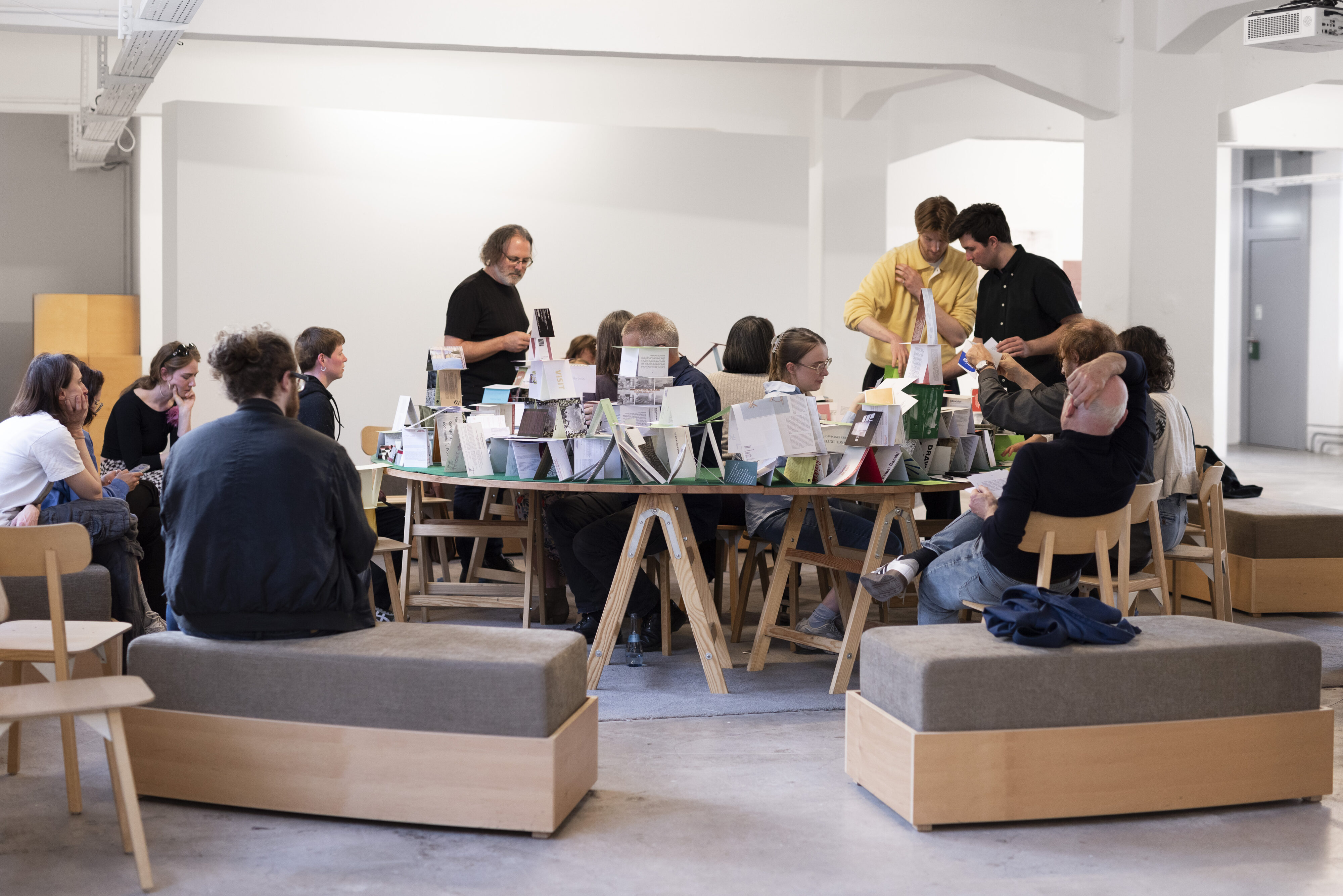
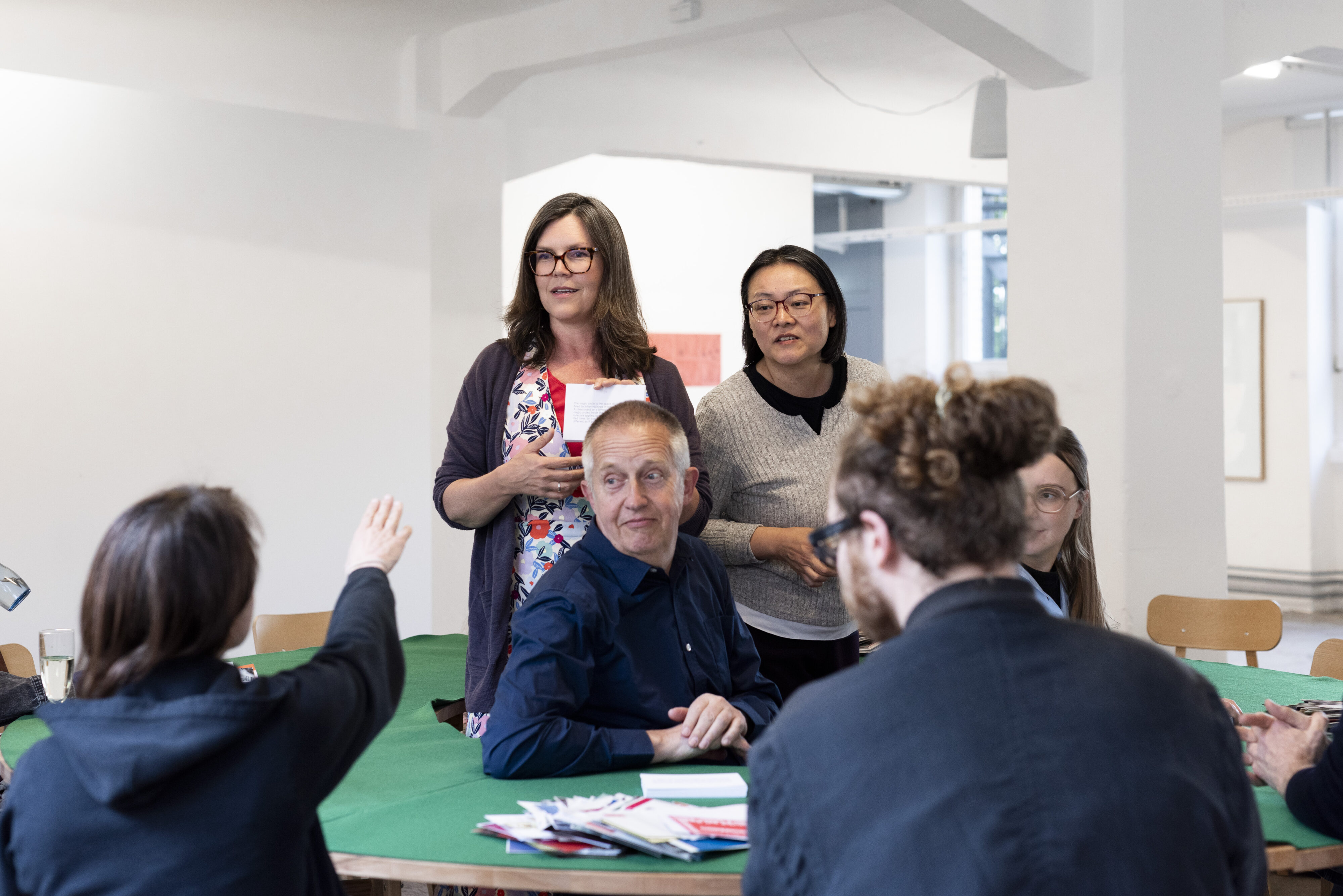
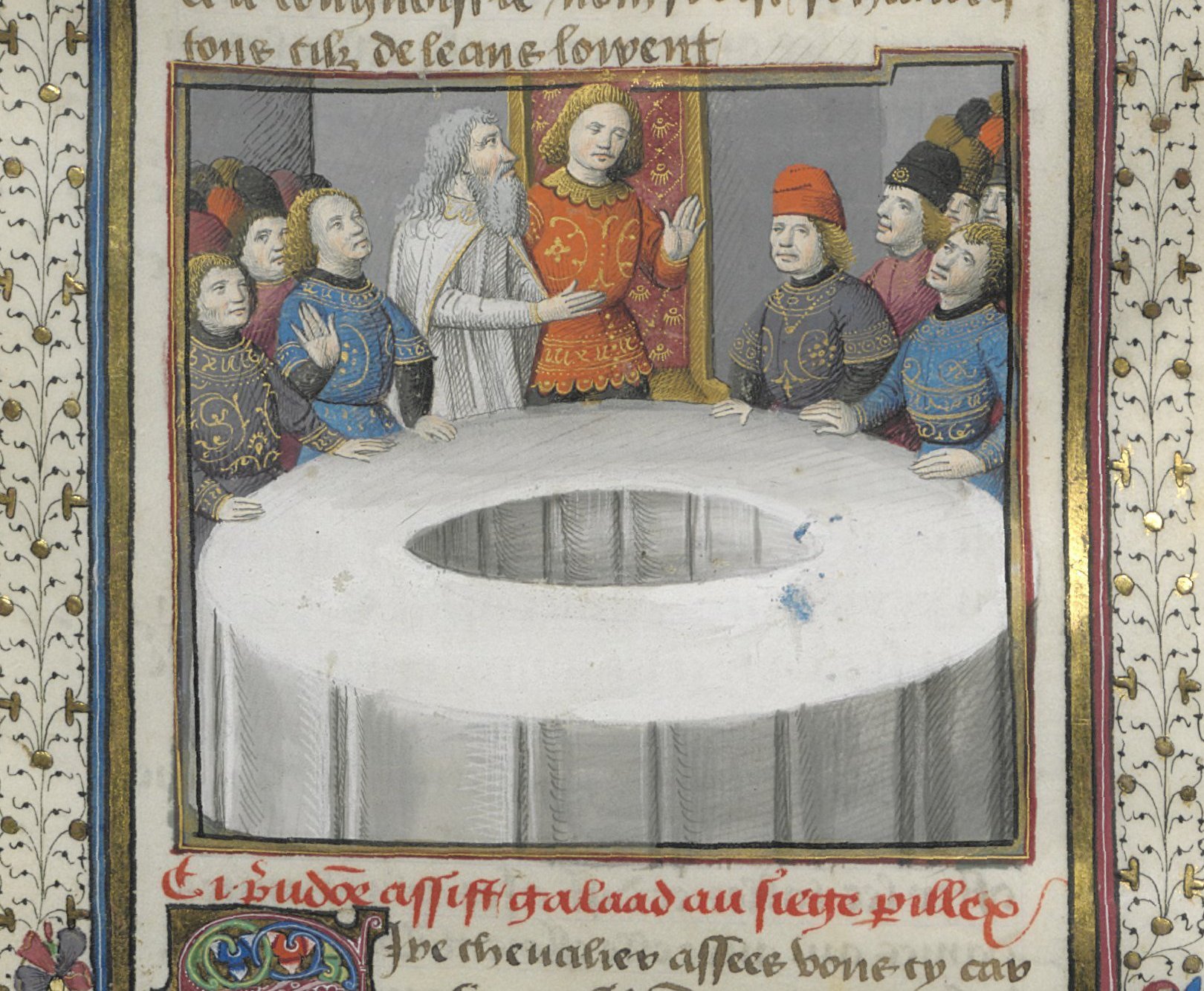
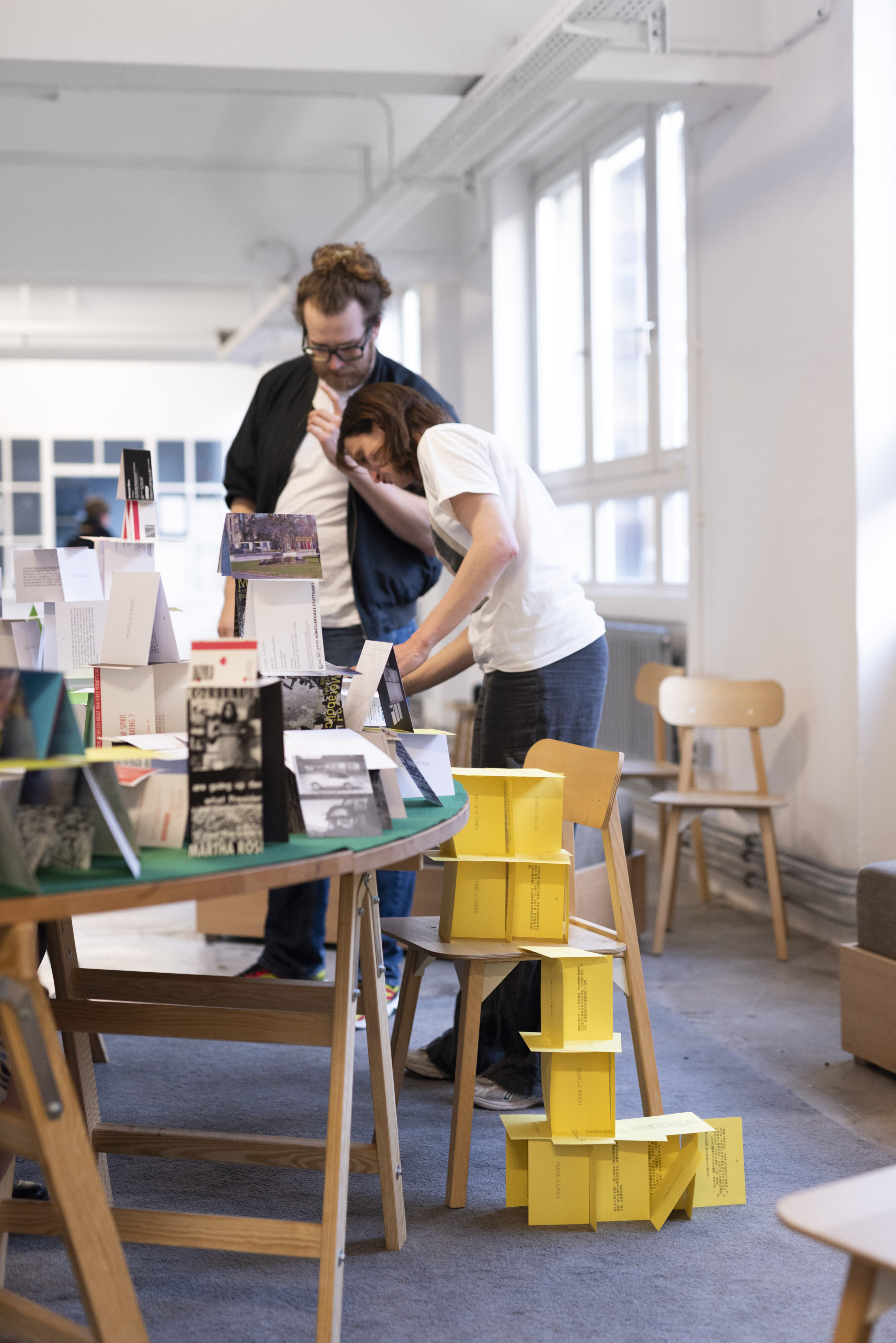
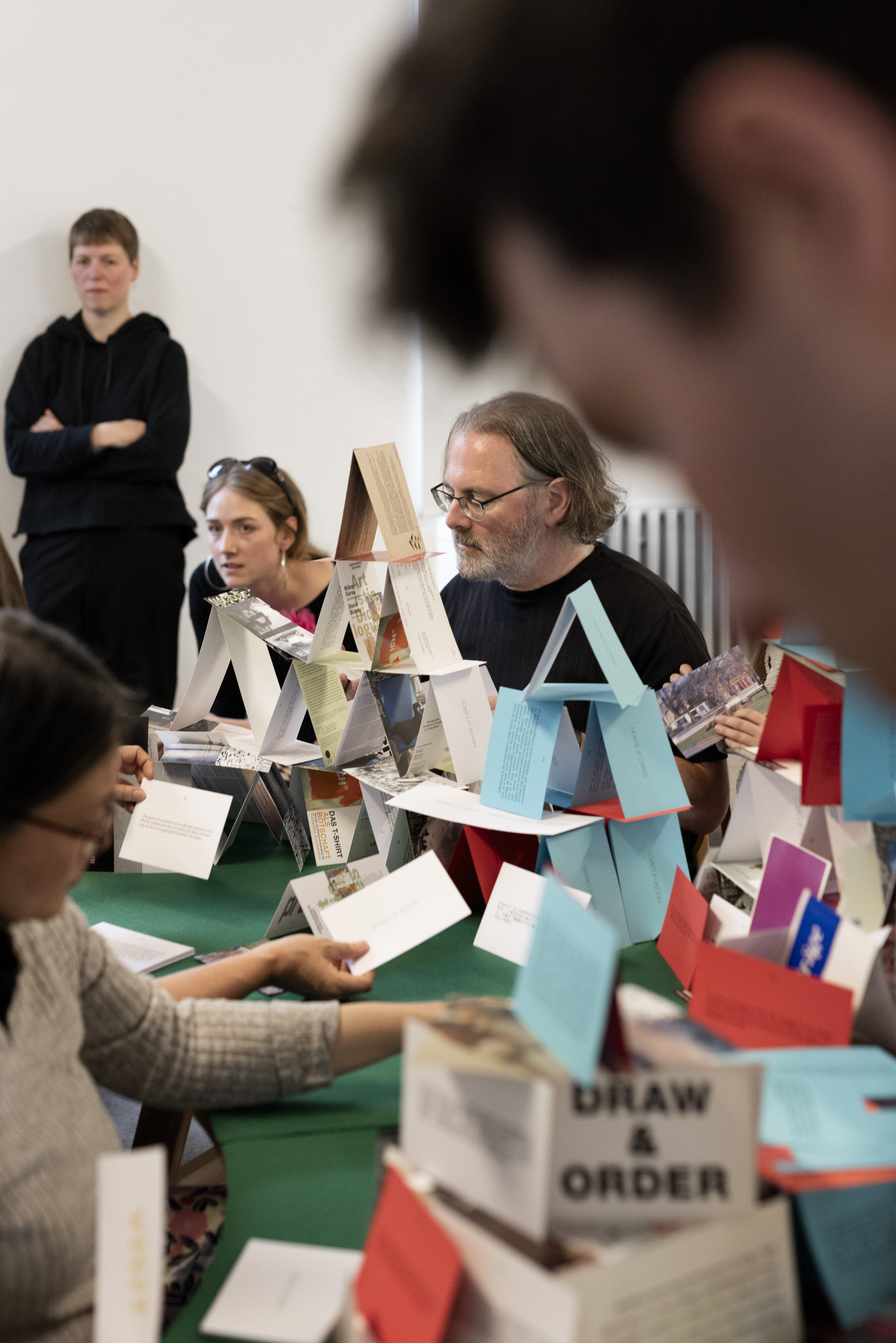
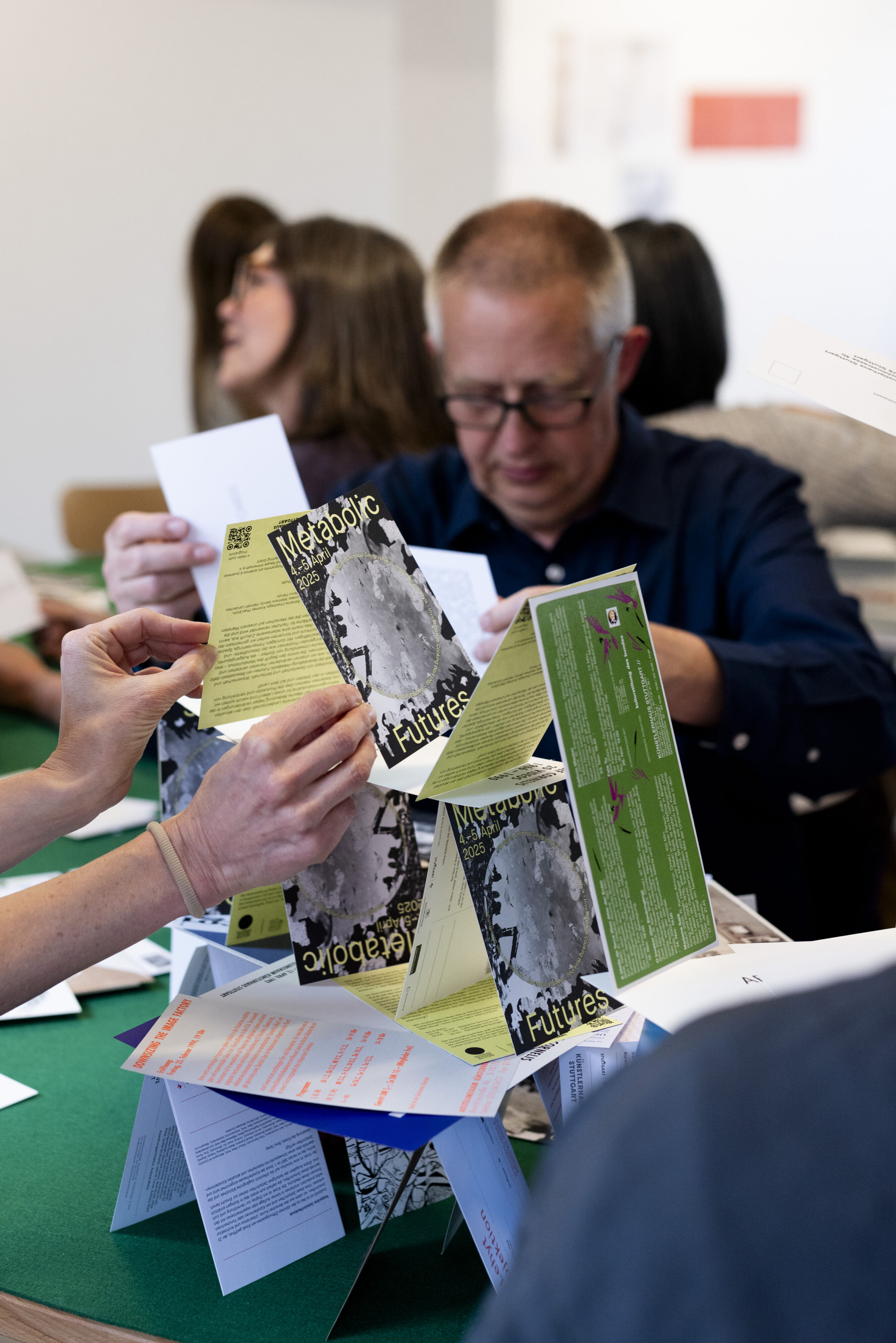
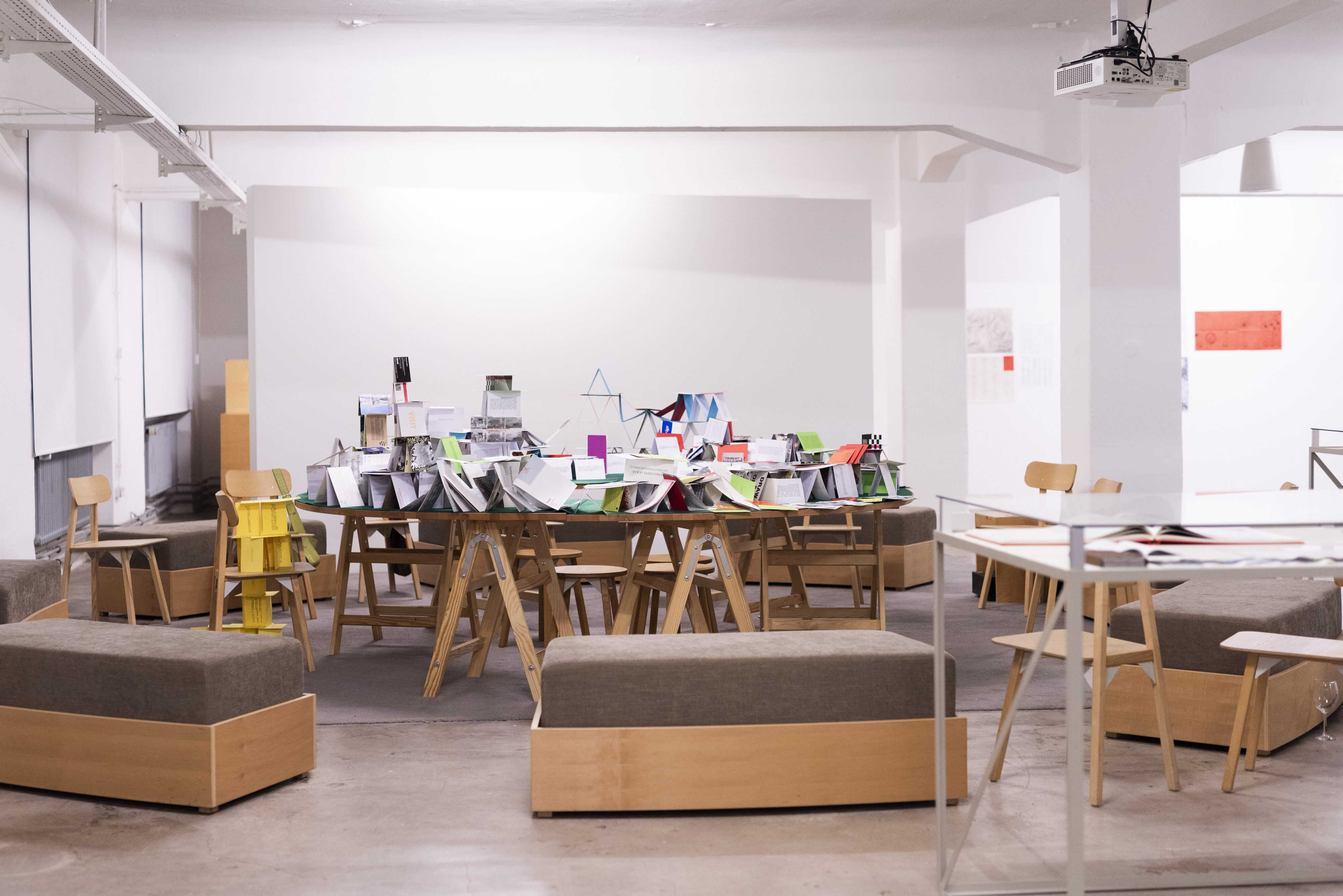
HAUS ORKESTRA continues at the Künstlerhaus Stuttgart. We start again on May 8. New members are very welcome. The basis is polyphonic singing with instrumental accompaniment. Natia Dikhtyar, a musician from Georgia who lives in Stuttgart, introduces each session with vocal and rhythmic exercises. Our aim is to learn songs and pieces of music in a playful way. Anyone who enjoys singing or making music is very welcome. Monika Nuber and Krešo organize the sessions and come up with suitable pieces, open to suggestions.
starting May 8, 2025
bi-weekly Thursdays, 19:30-21:00 (2nd floor)
Participation is free of charge.
Please email any questions to mail@monikanuber.de
About the artists and musicians:
Monika Nuber is an animator and musician, and interweaves image and sound in her work in a variety of ways. She plays double bass with Rózsák and Maslband, is part of the Jon Shit Kollektiv and will open another audiovisual chapter in her latest formation Mother Mountain (with Johanna Mangold and Lidija Paun). She gained a lot of experience in projects with Hans Joachim Irmler at the Faust Studio in Scheer. For the Eclat Festival for New Music 2025, she contributed animations for “ABC der Ausrufe”.
The Georgian-born singer and jazz musician Natia Dikhtyar composes and plays music in a mixture of jazz-rock-latin-fusion grooves with Georgian folkloristic elements and poetry. She works as a teacher for voice and piano and conducts choirs and vocal ensembles with an international background. For the Haus Orkestra she will introduce us to Georgian singing, but will also be happy to lead us in other ways if desired and appropriate.
Krešo has worked in various roles in live and media productions at the intersection of art and pop-cultural formats, is professionally involved in the creative industries of design, communication and education and finds that sung language is the best way to travel the world.
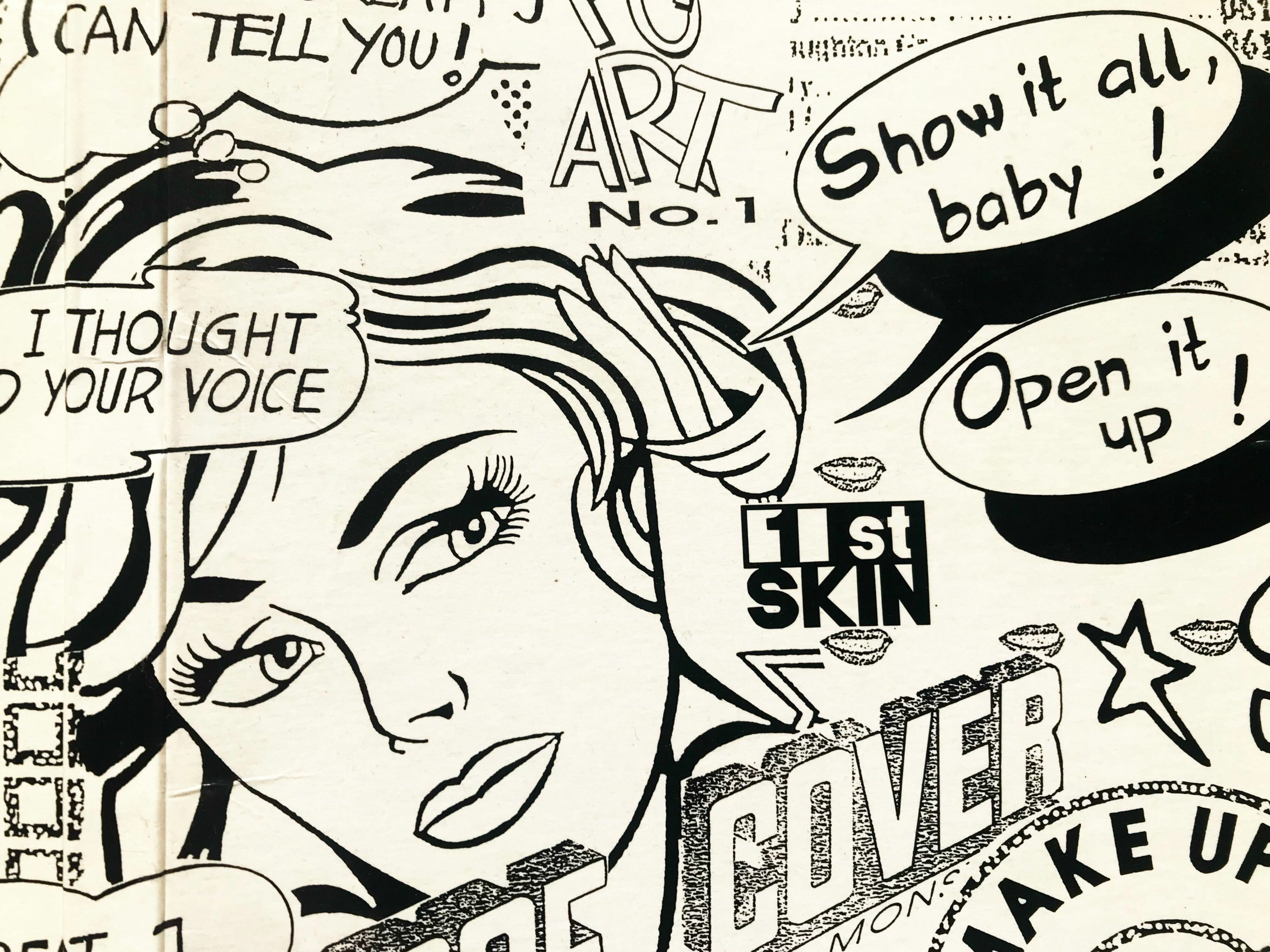
Together we will read and discuss the essays by author and activist Brian Holmes, which have been published in four artist books as part of the Rivermap atmosphere. The texts deal with political ecology at the intersection of art, science, philosophy and activism. The Reading Group offers an open platform for exchange and collective reflection on the themes of the atmosphere.
The texts are written in English, but we also talk about them in German. No previous knowledge is required – all interested parties are welcome!
Sunday, April 13 2025, 15:00, 4th floor, with Thora Gerstner
Saturday, April 19, 2025, 15:00, 4th floor, with Isabel Motz
Saturday, April 26, 2025, 15:00, 4th floor, with Lejla Dendic
The Künstlerhaus Stuttgart is delighted to announce the new studio grant recipients for 2025/26, who will move into their studios at the Künstlerhaus on 1 May 2025. As in previous years, the Künstlerhaus will offer workspaces to seven outstanding artists, artist groups, or collectives for a period of one year.
We are delighted to welcome Tyler Cunningham und Liv Rahel Schwenk .
anima ona, Theo Ferreira Gomes, Paco Ladrón de Guevara Rodríguez, Mizi Lee and Marcela Majchrzak have all had their grants extended for another year.
Liv Rahel Schwenk
Liv Rahel Schwenk (b. 1984, Filderstadt) works with performance, video, drawing, text, research, and other media. Her process-based practice often begins with a task, an experiment, or a limitation, leading to algorithmic drawings, physically challenging performances, or site specific video pieces. She values not knowing in advance where the process could lead her or what it may ask of her.
In her videos and performances she uses her body to challenge and question the rules and conditions of a space. She playfully manipulates the frameworks of time and space in an attempt to learn something essential about the given space but also about her own limits. Video and video projection within performances enable her to reflect and amplify the temporal and spacial aspects of her actions.
Liv studied Fine Arts and Sculpture at Art Academy Düsseldorf and went to New York City in 2013 with a DAAD Travel Grant to explore her interest in dance and choreography. She also works as a translator and a copyeditor for experimental English language poetry. At Künstlerhaus she wants to explore the concept and mode of ‘translation’ as it pertains to performance research.
Tyler Cunningham
Tyler Cunningham (b. 1996, USA) is a Stuttgart-based performance artist, researcher, musician, and writer. Since 2020, Tyler and his mother have been researching his missing ancestor, Avram Alter, and his disappearance after being deported from the USA back to Poland. Since then, he has created performances, audio-walks, music theater, and installations in collaborations with other artists and ghosts: they’ve led him to the ruins of city-walls, playgrounds, experimental music venues, the Atlantic ocean, Marienplatz, sex-clubs (etc). More recently, he has enjoyed being an elephant in the room.
anima ona
anima ona is a collaboration between Freia Achenbach and June Fàbregas, who live and work in Stuttgart. The duo studied industrial design at the State Academy of Fine Arts in Stuttgart. Following a transdisciplinary and research-based approach, they have been developing self-initiated projects and realising commissioned works that straddle the border between design, research and art since 2018.
With the aim of creating sustainable visions for future life that evoke harmony, sensitivity and diversity, they create new materials, processes, objects, furniture, installations, architectural fragments and spaces.
Their diverse work is united by an exploration of transformative processes, materials and technologies, as well as the cultural significance of everyday objects.
Translated with DeepL.com (free version)
Theo Ferreira Gomes
Theo Ferreira Gomes (b. 1993 in Niterói/Brasilien) is a transdisciplinary researcher working between curatorial and sonic practice. He is particularly interested in artistic strategies that unfold agency beyond the art system‘s boundaries. By uniting voices from the arts, sciences, and economics he seeks to reconfigure the social in „experimental publics“. This approach may manifest in community formats, listening experiences, workshops, parties, and exhibitions.
His independent research focuses on radical economies and counter-financialization, exploring how artists can experiment with community currencies and alternative banking infrastructures. Together with Kosmas Phan Ðinh, he is researching the politics of silence and its entanglements with historical and contemporary power relations.
He has worked with ORNAMENTA 2024, Akademie Schloss Solitude, Max Planck Institute for Behavioural Biology Konstanz, The Indian Sonic Research Organisation, World Hope Forum, ZKM Center for Arts and Media. From 2019 – 2023 he was Deputy Chairman at the non-profit art space LAF – Leerstand als Freiraum e.V. in Pforzheim.
Paco Ladrón de Guevara Rodríguez
Focusing his artistic research on performance and visual arts, Paco Ladrón de Guevara (b. 1997, Granada) uses different languages such as installation, drawing or dance to materialize his projects.
After obtaining his bachelor’s Degree in Visual Arts (2018), Paco travelled to Brussels and Berlin to have an independent formation in dance by attending workshops and sharing with other artists. Since then, he has worked as a professional dancer in the dance companies Aura Dance Theatre (Lithuania) and Ballet Pforzheim (Germany).
In July 2022, Paco based himself in Stuttgart as a freelance artist, focusing on plastic research and choreography, having the opportunity to work as a performer for other choreographers in different cities of Germany, Italy, Spain and Switzerland as well as creating his own work.
In June 2023, his first full-length evening stage work was premiered under the title of “YAGA”, a performance where he combines all the disciplines he has been exploring.
Mizi Lee
Mizi Lee (b. 1990, Changwon, South Korea) uses various forms of media and transcends disciplinary boundaries to produce a unique experience. This might involve establishing a fake supermarket to print brochures full of artworks, or screaming in a punk band at the Kulturbrauerei in Berlin or in old train carriages at the Nordbahnhof in Stuttgart. She adopts an interdisciplinary and collective approach because she believes that art requires more than just a single artist. In 2022, she founded the punk band Horizontaler Gentransfer; together with the other members, she has created a series of projects that lie at the intersection of visual art, performance, and theatre.
Marcela Majchrzak
Marcela Majchrzak (b. 1993, Poland) is an artist and art mediator. In her projects, she deals with topics relating to identity, culture and work and their place and negotiation at the kitchen table. She is interested in the (dis)functionality of structures and their justification mechanisms. Her works often have an explorative and performative character and like to realise themselves in various formats of coming together. She studied art education at the Academy of Fine Arts and philosophy at the University of Stuttgart.
As part of the studio programme, work grants are awarded to outstanding artists and applicants from the fields of architecture and theory. They are provided with a workspace in the Künstlerhaus free of charge. The Künstlerhaus workshops can also be used free of charge. The workspaces are allocated annually based on the applications received. The decision on the allocation is made by the advisory board of the Künstlerhaus. The scholarship begins on 1 May 2025. The jury consisted of representatives of the Board of Directors and the Advisory Board of Künstlerhaus Stuttgart e.V.
As part of the 41st Tuesday-Workshop, Marcela Majchrzak would like to share a transitional situation between two artworks with the participants.
At the beginning, the connections between two works are often perceptible, but cannot yet be clearly identified. The artist provides an insight into this sensitive moment by showing her video work hügeln, which is embedded in the installation Domistification of my Expectations (AT) and marks the beginning of a new artistic exploration.
The video work hügeln deals with remembering and forgetting on a personal and social level. The object of the dialogue is a monument from the artist’s childhood that is to be removed. Through the possibility of removal, it loses its veil of invisibility and creates new existences. The installation Domistification of my Expectations (AT) builds on the work hügeln and explores the gestures of arriving and inhabiting a space as well as the relationship of personal space to the outside world.
The artist invites you to a screening of her video, followed by drinks and talks within the installation.
Tuesday-Workshop
The Künstlerhaus invites an artist or a collective—meaning any artists or cultural workers from any field or discipline—to talk about their working methods as well as their backgrounds and approaches. We want to establish a platform for a more in-depth interaction with regard to artistic practice, and in doing so to create a network, show solidarity, and mutually strengthen one other.
The series is aimed at all members of Künstlerhaus Stuttgart, artists either living in Stuttgart and the surrounding area or just traveling through, all cultural workers, art mediators, curators, etc., and is open to everyone!
What does industrial farming have to say about the state of today’s planet? What is the relevance of material change in food systems for our lives? And why should we be concerned about the generation and circulation of waste in cities and the wider countryside?
Metabolism, or the biochemical transformation of stuff, the harnessing of organisms for productivity, and the circulation of materials across bodies, cities and environments, might seem an unlikely entry-point into urgent contemporary concerns, climate and health crises, and the future of humankind. Yet, with the biomass of livestock outstripping that of humans on the planet, and a third of the earth’s surface dedicated to animal feed, metabolism is pivotal for engaging future livability.
Cutting across society and economy, science and art, Metabolic Futures will initiate a much-needed conversation of how to understand and inhabit an altered planet. Opening up a transformed world hidden in plain sight, Metabolic Futures stimulates a different public awareness of the metabolism that drives society, economy and ecology, thereby prompting future ways of living well. Together we want to rethink the economic in light of environmental change and put our attention on the social fault-lines along which disruption is embodied.
With contributions by Andrew Barry, Maan Barua, Rehema Chachage, Kosmas Phan Ðinh, Sonja Dümpelmann, Hanieh Fatouraee, Matthew Gandy, Hannah Landecker, Mert Morali, Víctor Muñoz Sanz, Marco Pando
The event is part of the art, science & business program of Akademie Schloss Solitude, in collaboration with Künstlerhaus Stuttgart and Raupe Immersatt e.V.
Admission is free!
Programm
Friday, April 4, 2025
Where: Akademie Schloss Solitude
6 pm
Welcome & Introduction
Where: Akademie Schloss Solitude
6:30 pm
Distilled, Emulsified, Suspended: On Viscosity and Time in the Metabolism of Mass Production
Keynote Lecture by Hannah Landecker
Where: Akademie Schloss Solitude
8 pm
Grains of Fragility
Sound Piece by Mert Moralı
8:30 pm
Foodsharing-Dinner
Saturday, April 5, 2025, 11-14:00
Where: Café Raupe Immersatt
11 am
Pick Your Substance
Investigative Schnippel-Aktion
Have you ever wondered about all the substances in the ingredient lists of daily foods? The workshop at the foodsharing Café Raupe Immersatt invites you to take a closer look at exactly these different materials. We will pick substances from a list of ingredients, prepare food together and get in conversation with invited scientists, who are experts on how food industries work and on the topic of metabolism. While we prepare snacks and eat them, we want to learn together about the cycles of the substances: How and where are they produced? In what way do they influence our bodies? And what are the ecological and social consequences of this production?
2 pm
Soundwalk: Listening to Leaks
Urban Sound Walk with Kosmas Phan Ðinh
How can listening become porous – an act of rearranging (inner and outer) space? How are our bodily digestive and fluid systems rhythmically related to the surround? And which sounds have been sidelined to the margins of urban spaces? Via listening exercises, live field recordings and sonic transmissions, the soundwalk with Kosmas Phan Ðinh is an invitation to explore these questions collectively. Along several stations in Stuttgart’s west, such as the amphibious ecology of the Feuersee, you are invited to walk, digest and listen together – while slowly dissolving in the intervals of urban metabolism.
Where: Meeting point at Café Raupe Immersatt
Saturday, April 5, 2025, 16:00
Where: Künstlerhaus Stuttgart (2nd floor)
4 pm
A communal table gathering with
Planetary Metabolism and Chemical Geography, a lecture by Andrew Barry on the relation between the metabolism of living bodies and global political economy &
Cowborgs in the Polder: True Type, a video presentation by Víctor Muñoz Sanz on the design logic behind contemporary animal breeding to maximize dairy production.
Sofreh #1, a video screening by Hanieh Fatouraee and a reflection on the uncanny public exhibitory activities where people place bread around the city of Istanbul for animals and those in need to consume &
The Metropolis and Metabolic Life, a video presentation by Maan Barua, that draws on a visual ethnography of broiler chickens in India to unravel relations between cities, economies and the urbanization of nature.
Urban metabolism redux, a talk by Matthew Gandy on multispecies metabolic entanglements, on cities and their agricultural hinterlands, and on alternative metabolic readings of urban space &
Invasive Exotic, a short animation screening by Marco Pando on what would happen if the Bauhaus extended its principles to invasive plants &
The Open Weave I, a video screening by Rehema Chachage in which we encounter cross-legged figures weaving plucked flowers into a long, growing chain. The work is an invitation for us to reconsider how our bodies, gestures, and environments remain entangled, and how, through acts of making and remembering, we might continue to weave futures that acknowledge and honor the past.
8 pm
What You Eat Eats
A roundtable discussion with special guests and local initiatives
9 pm
Mixed Pickles Dinner
with Claudia Dietz and Juli Gebhardt
With kind support from the ERC Horizon 2020 Starting Grant (Urban Ecologies, Grant No. 759239).
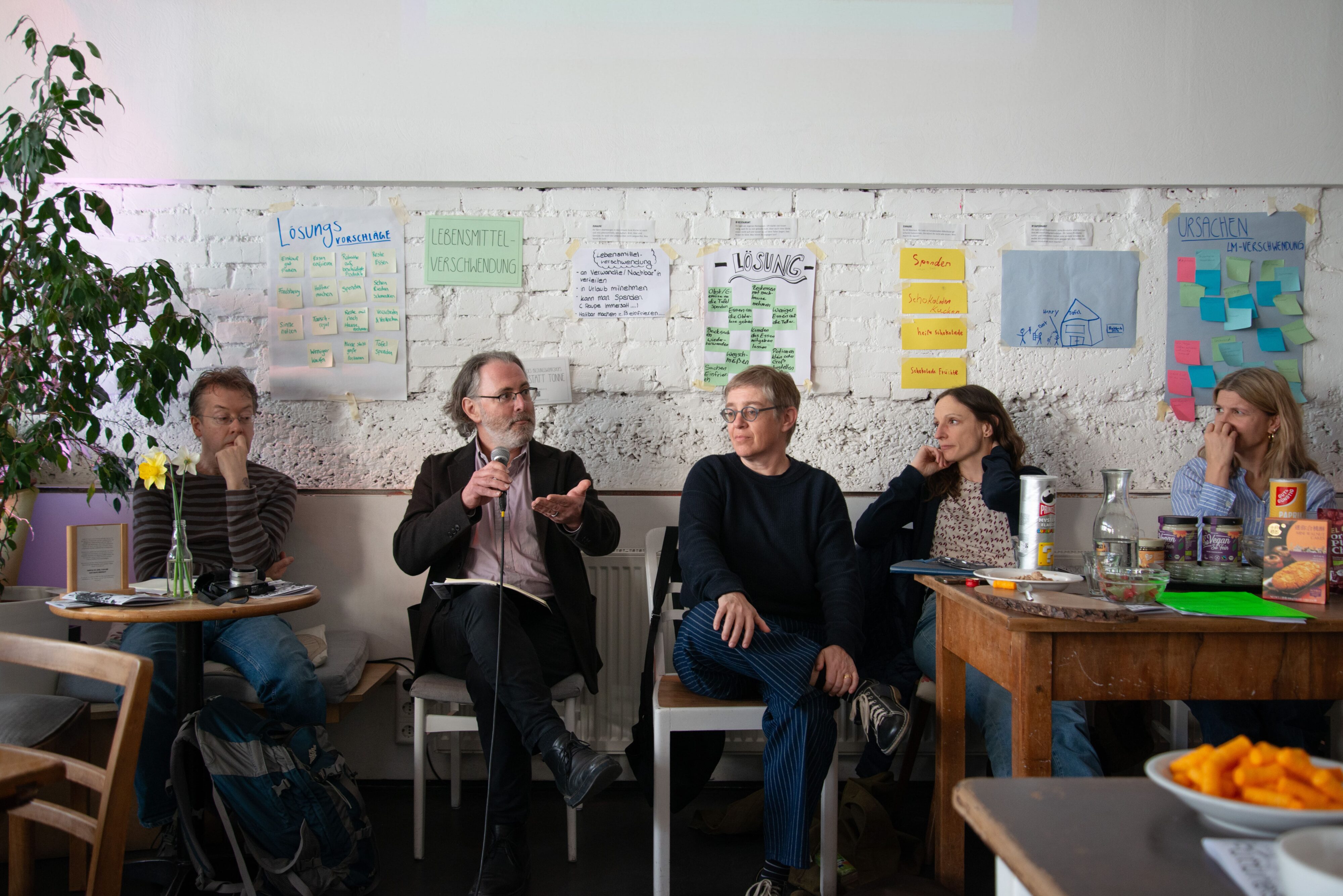
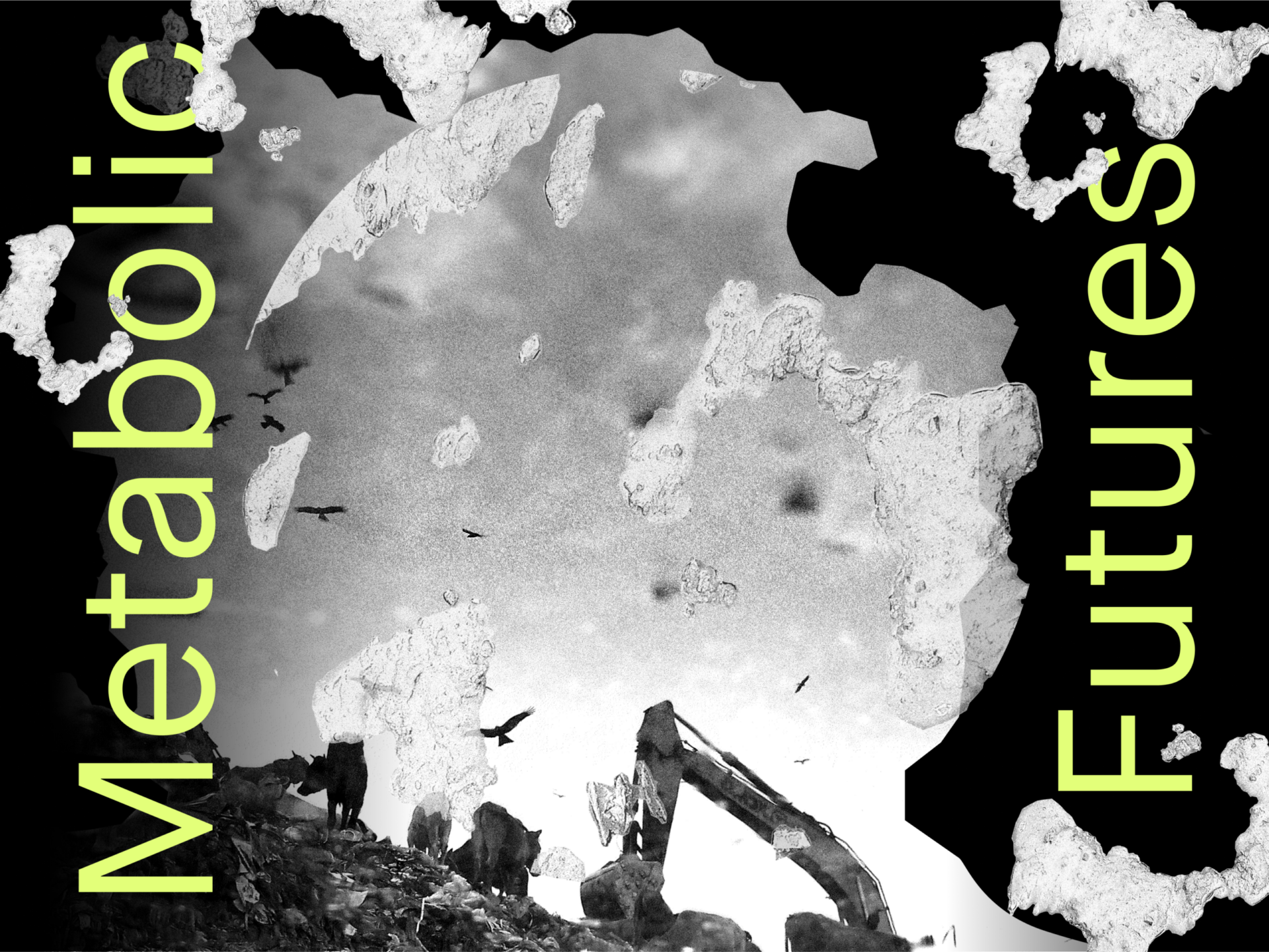
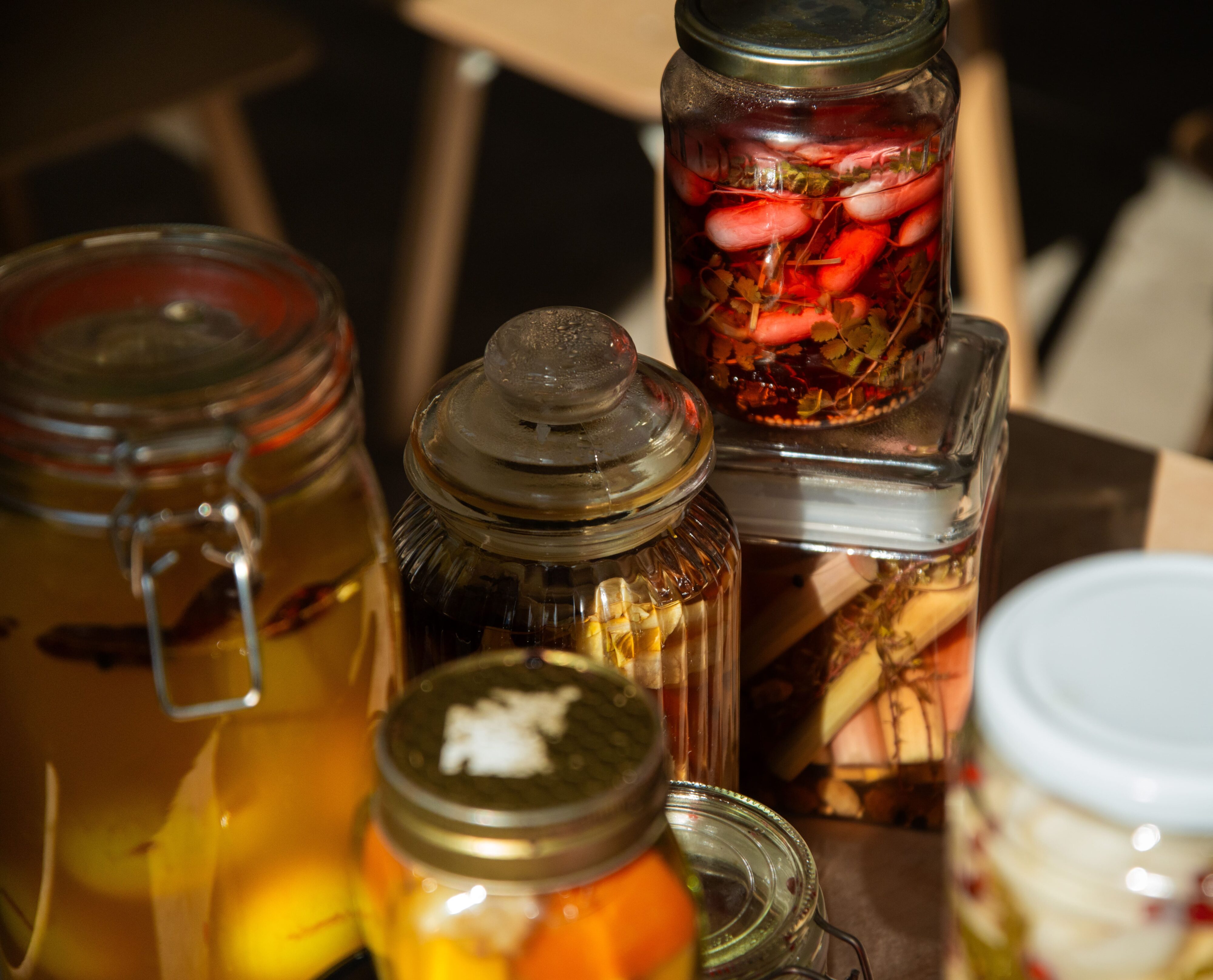
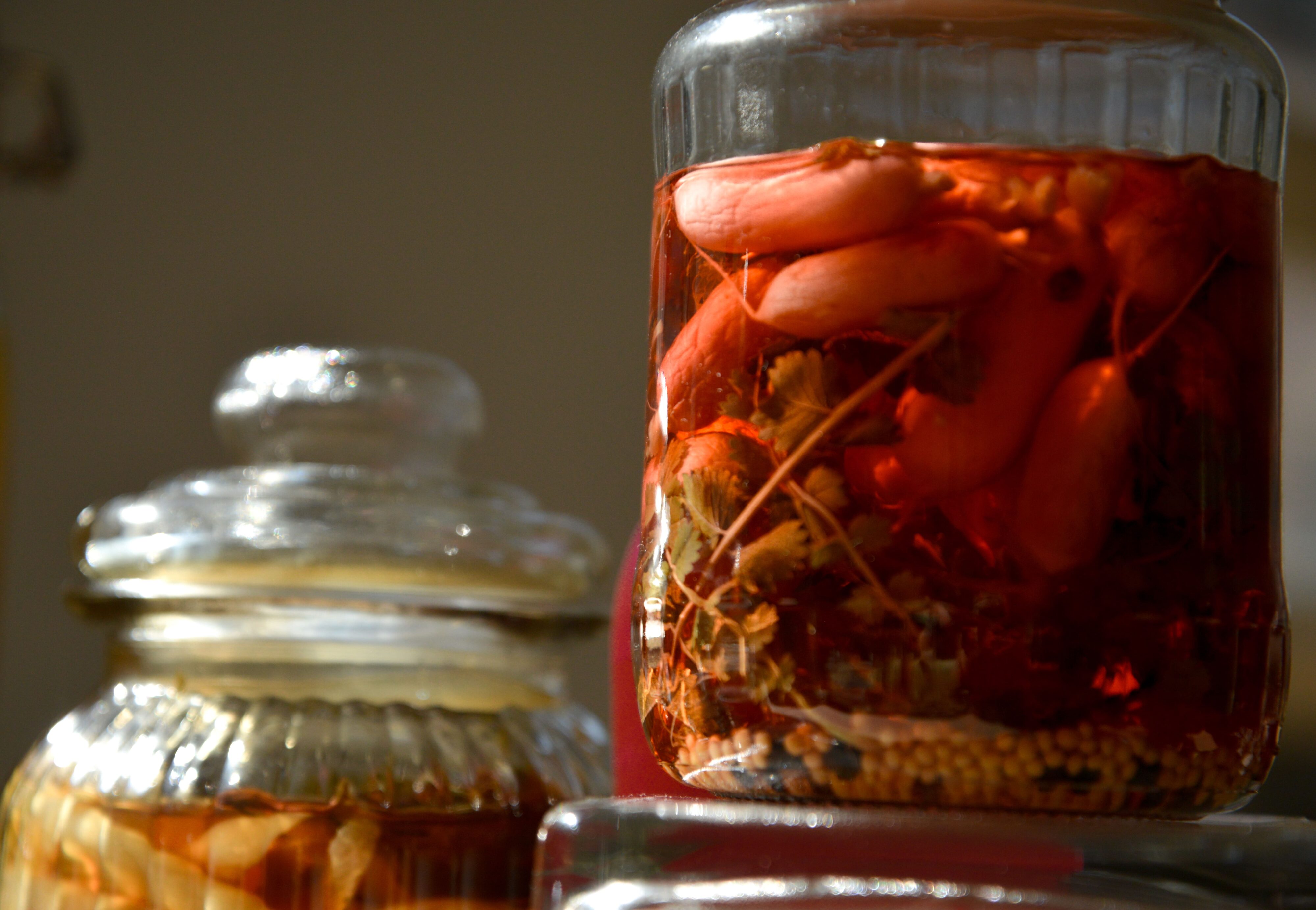
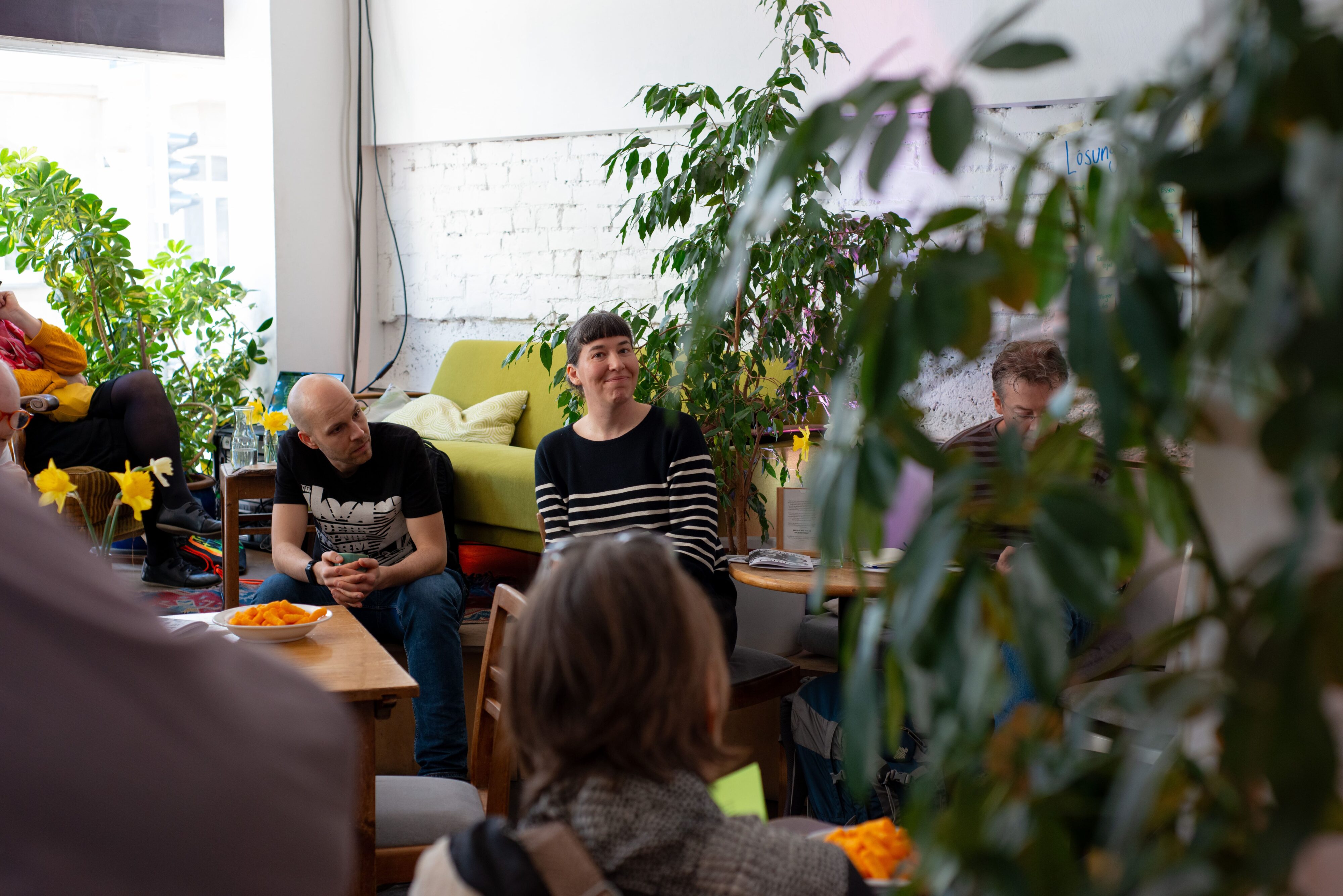
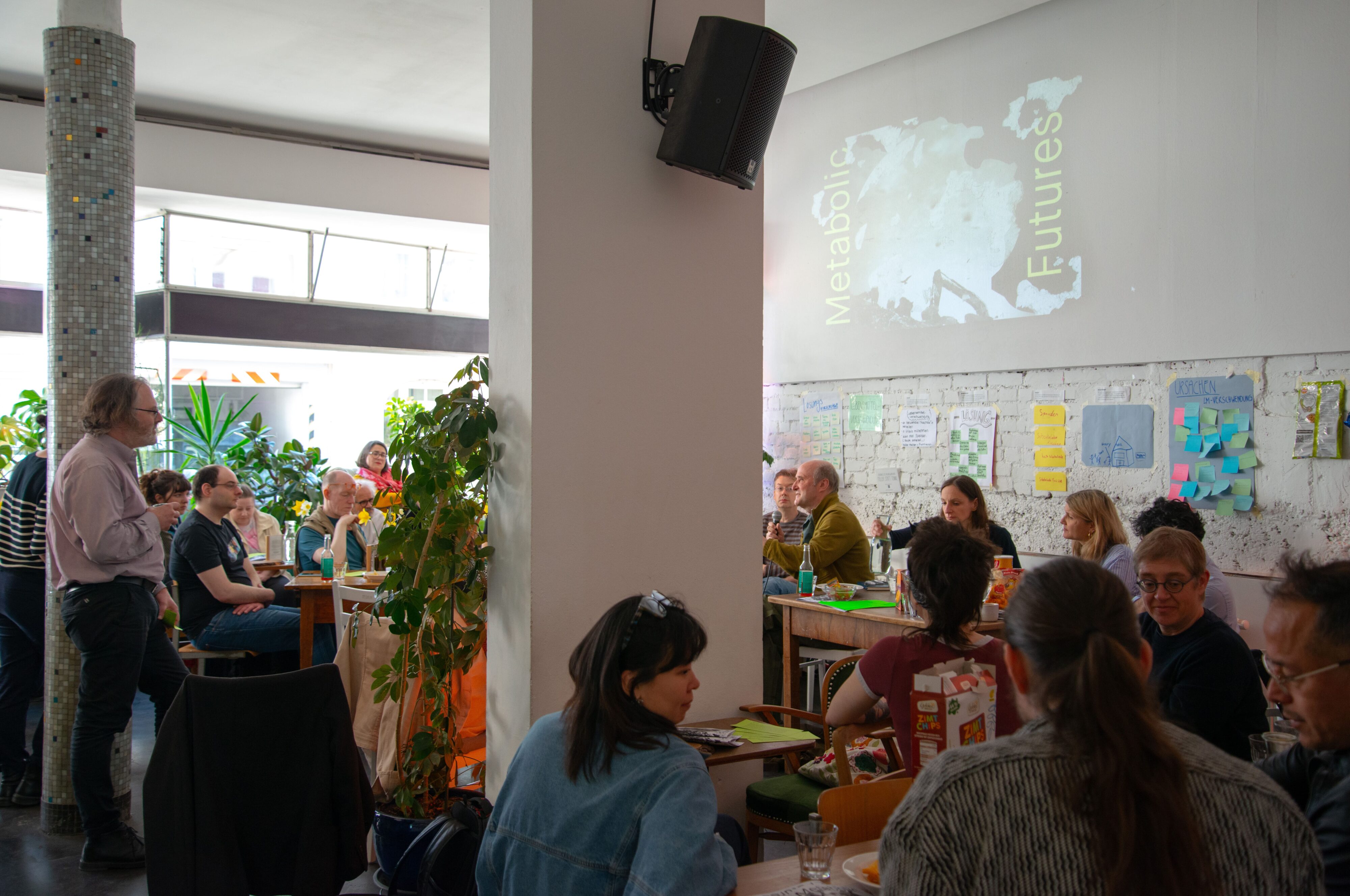
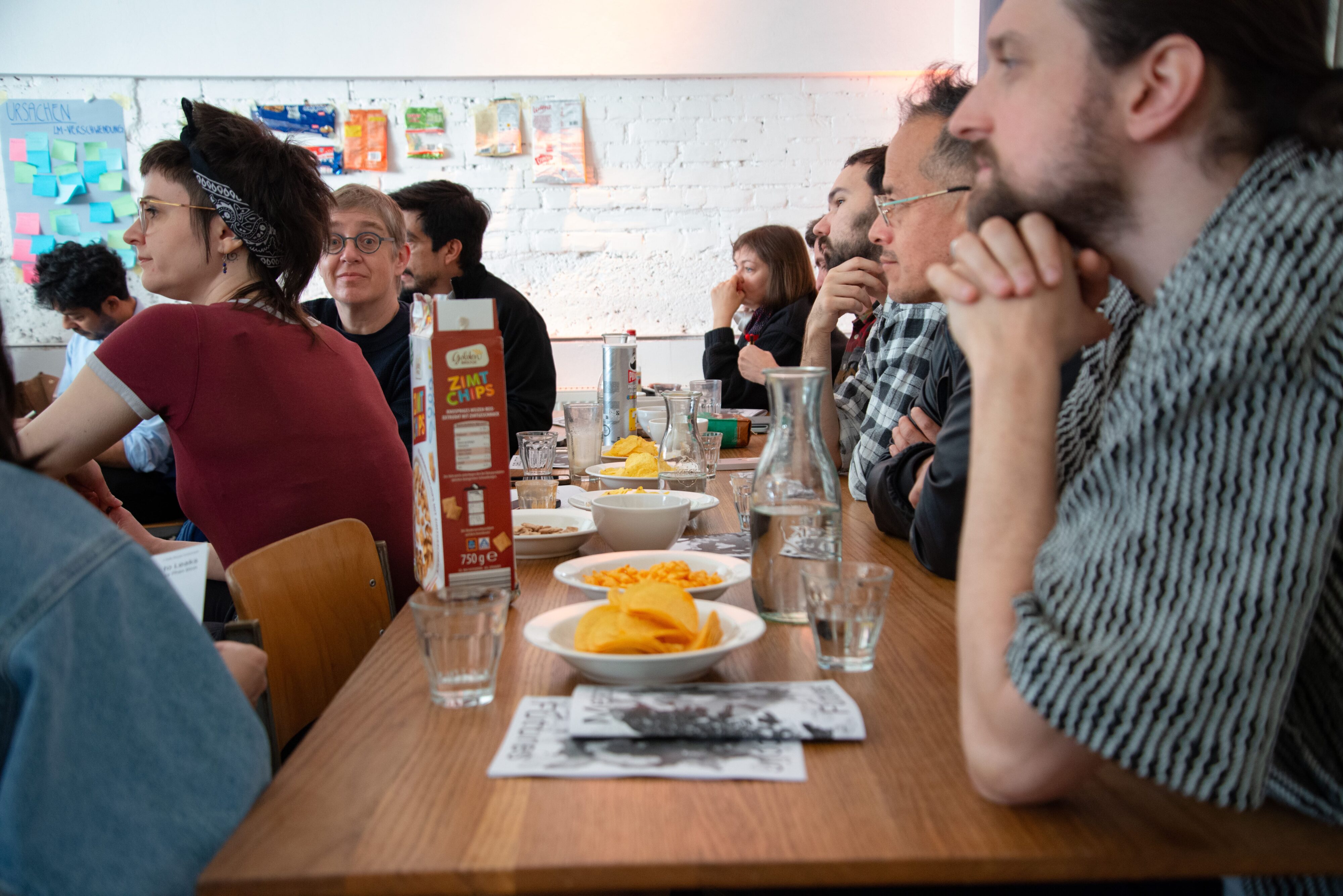
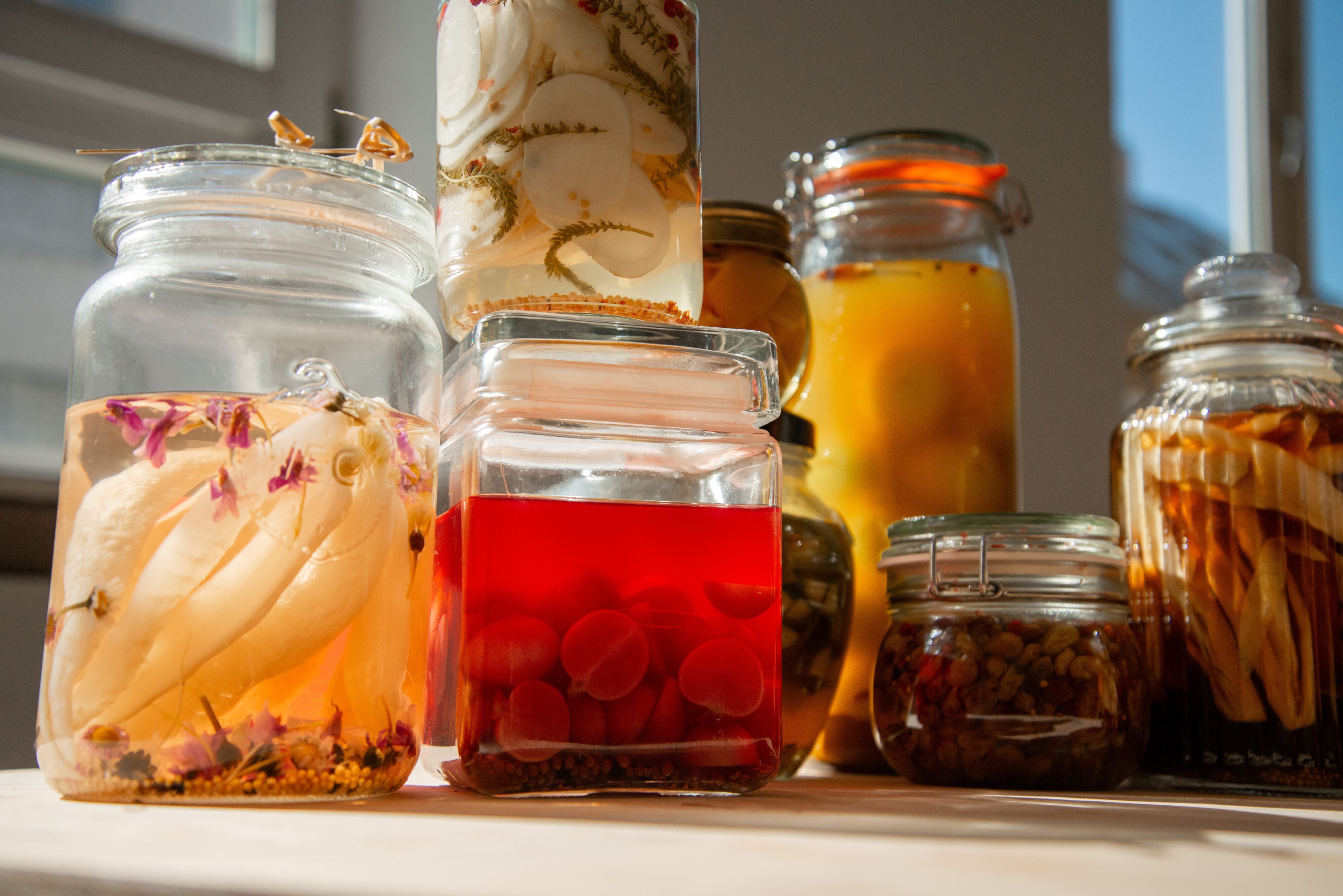
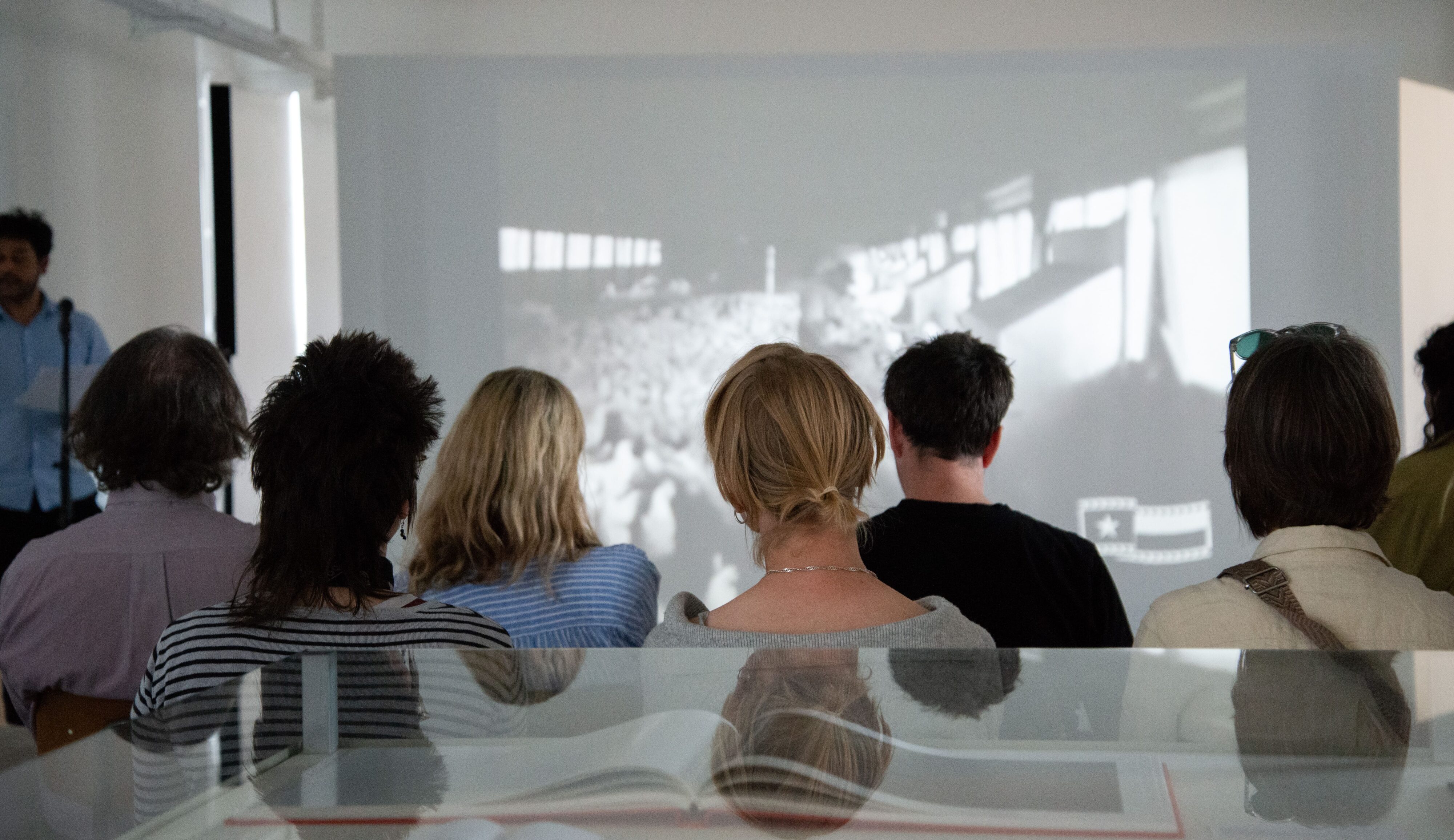
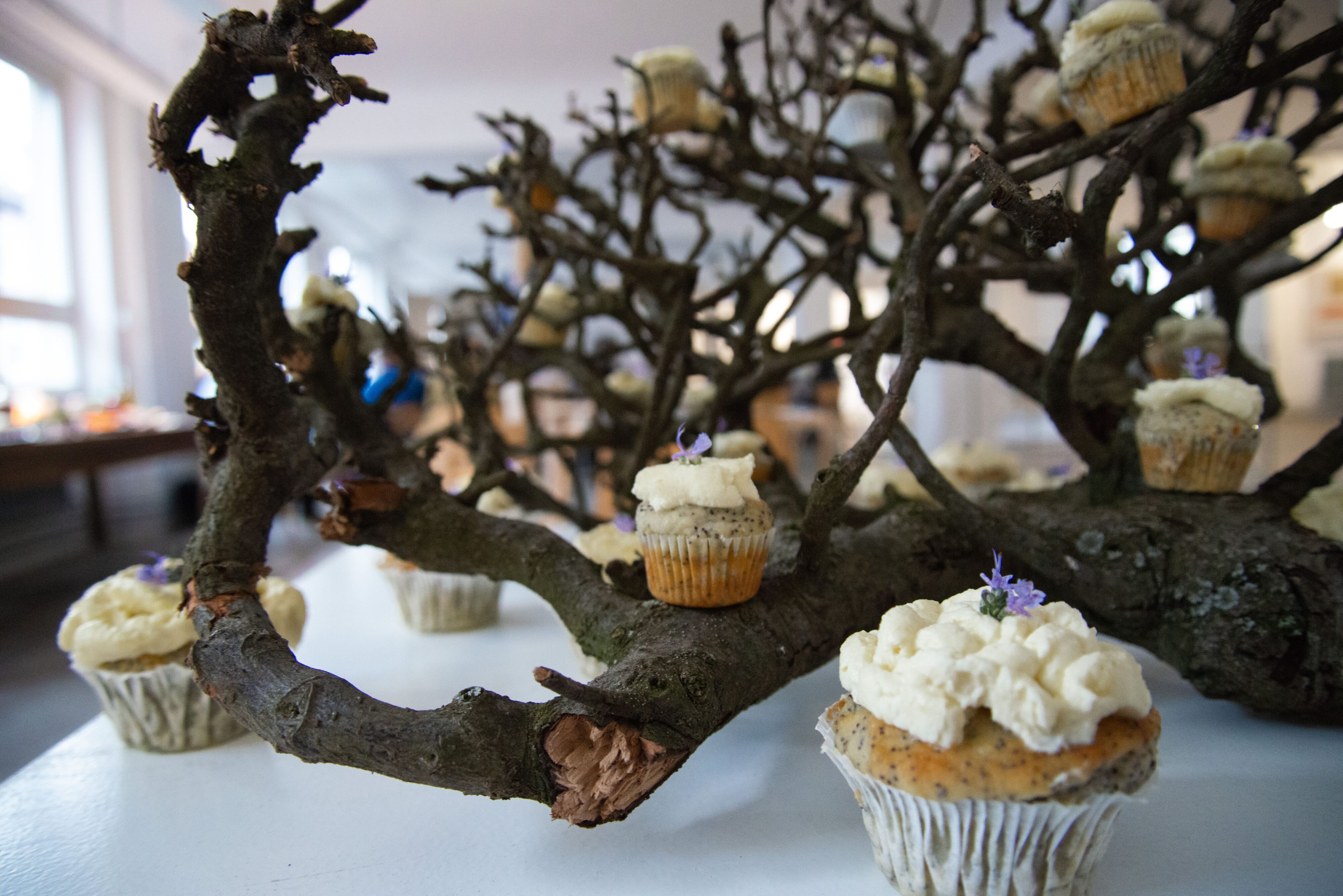
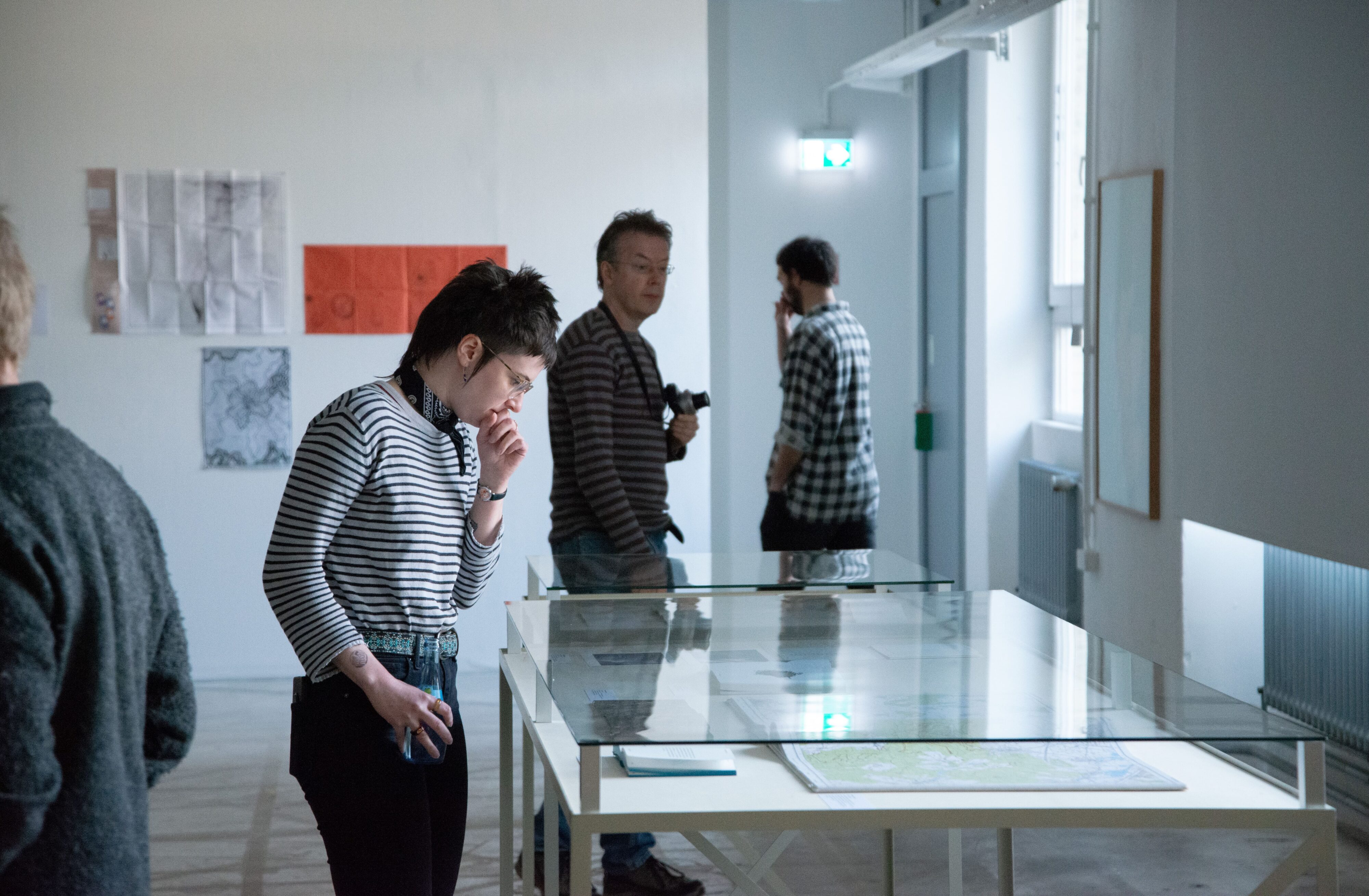
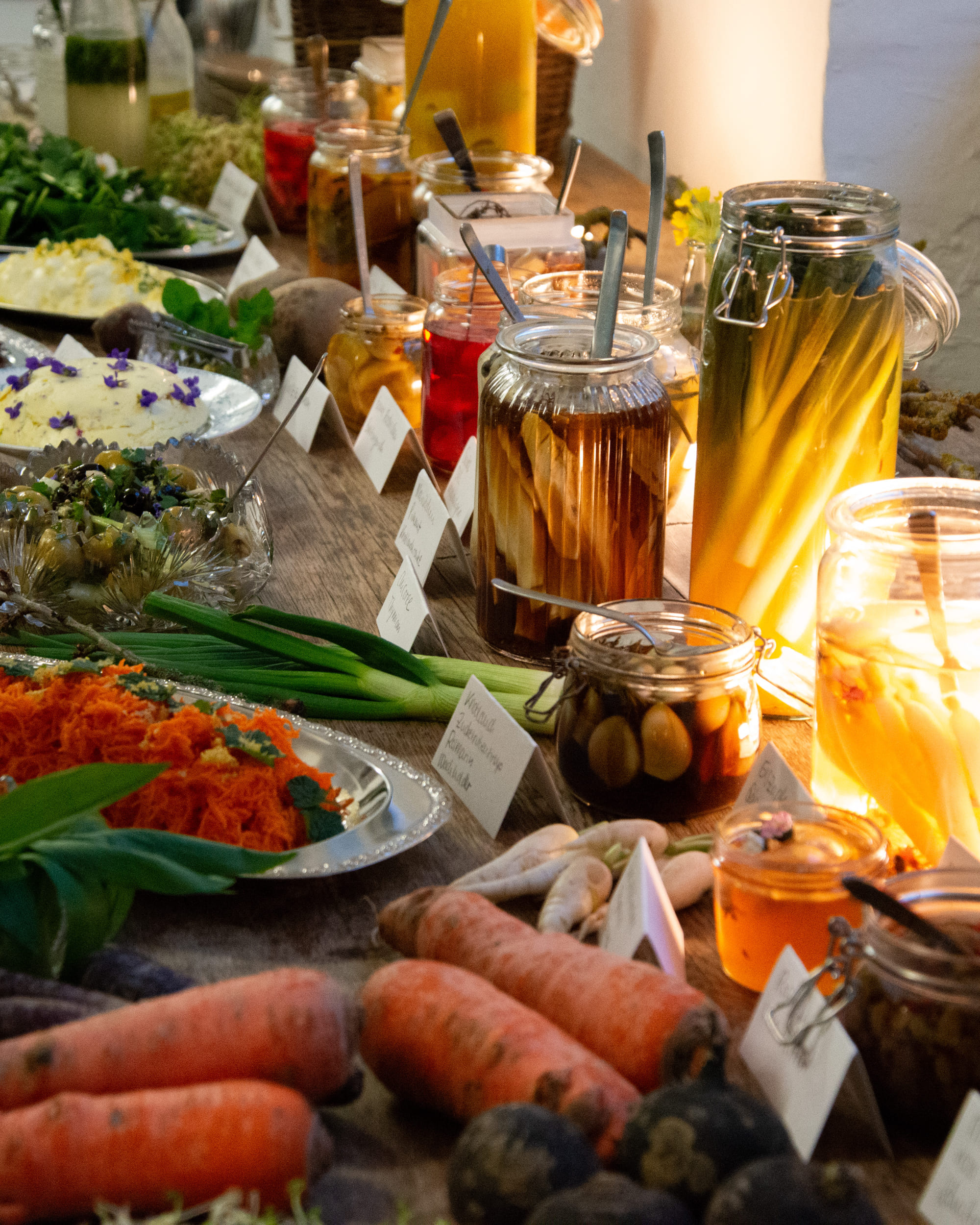
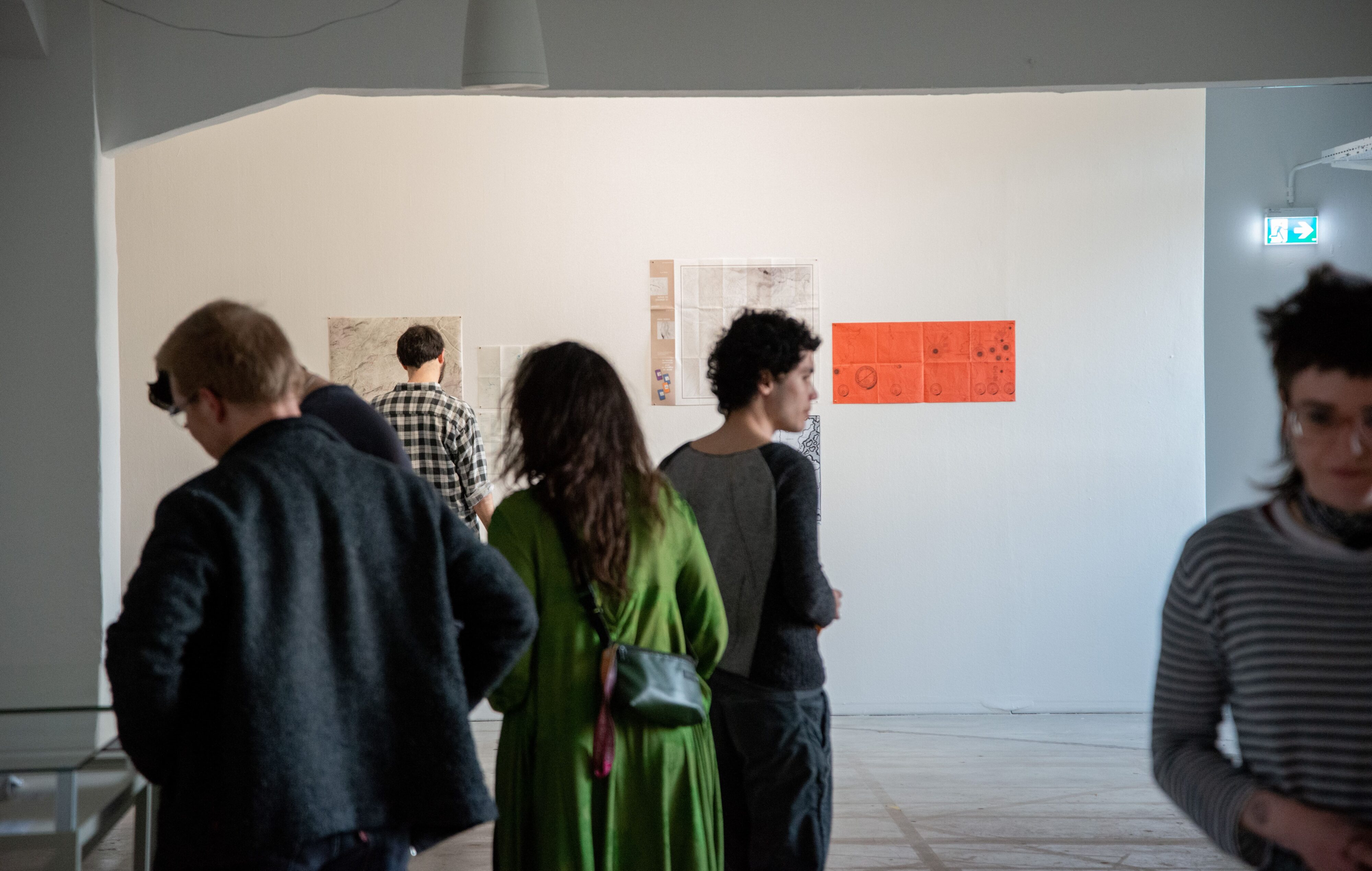
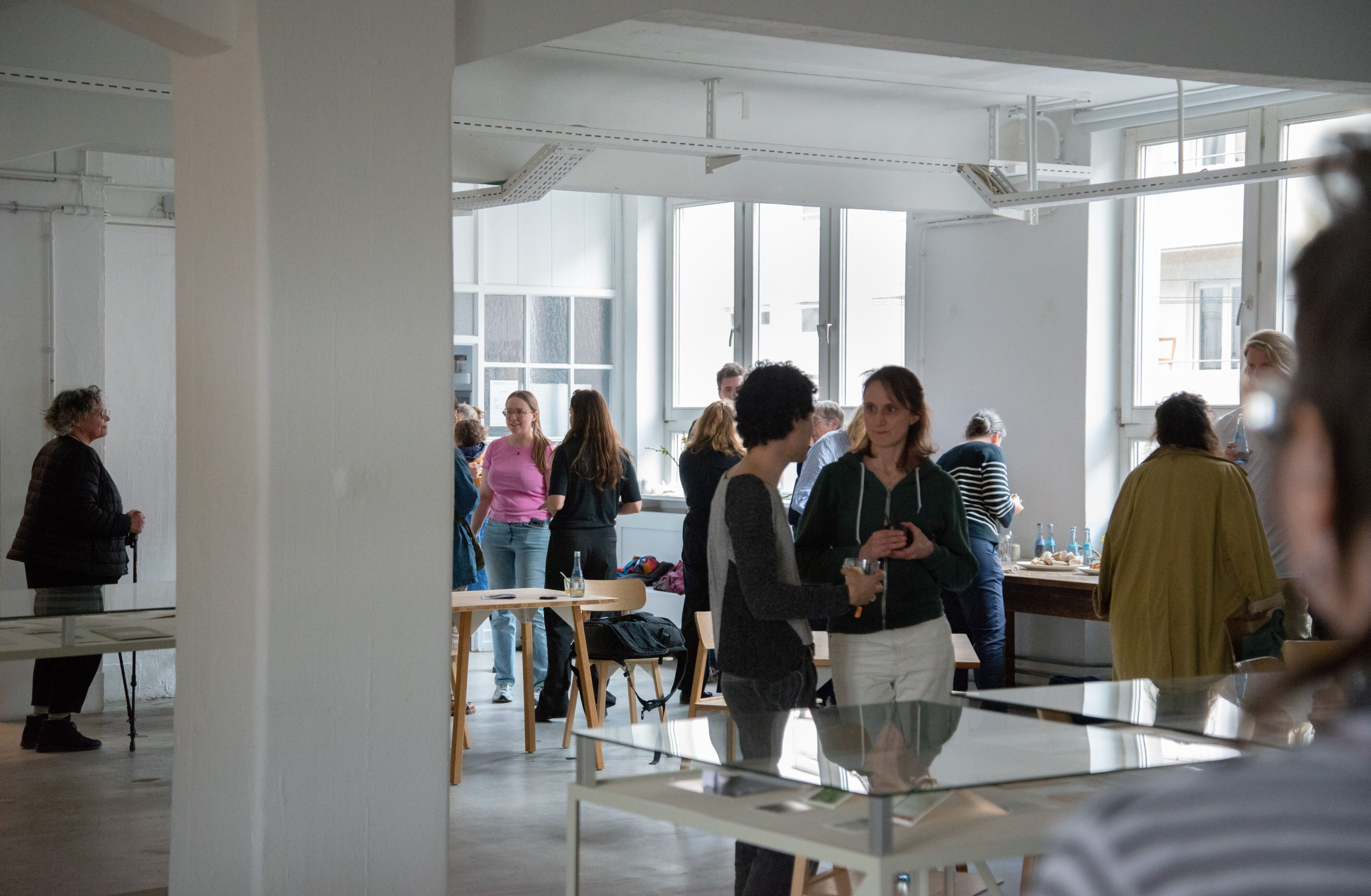
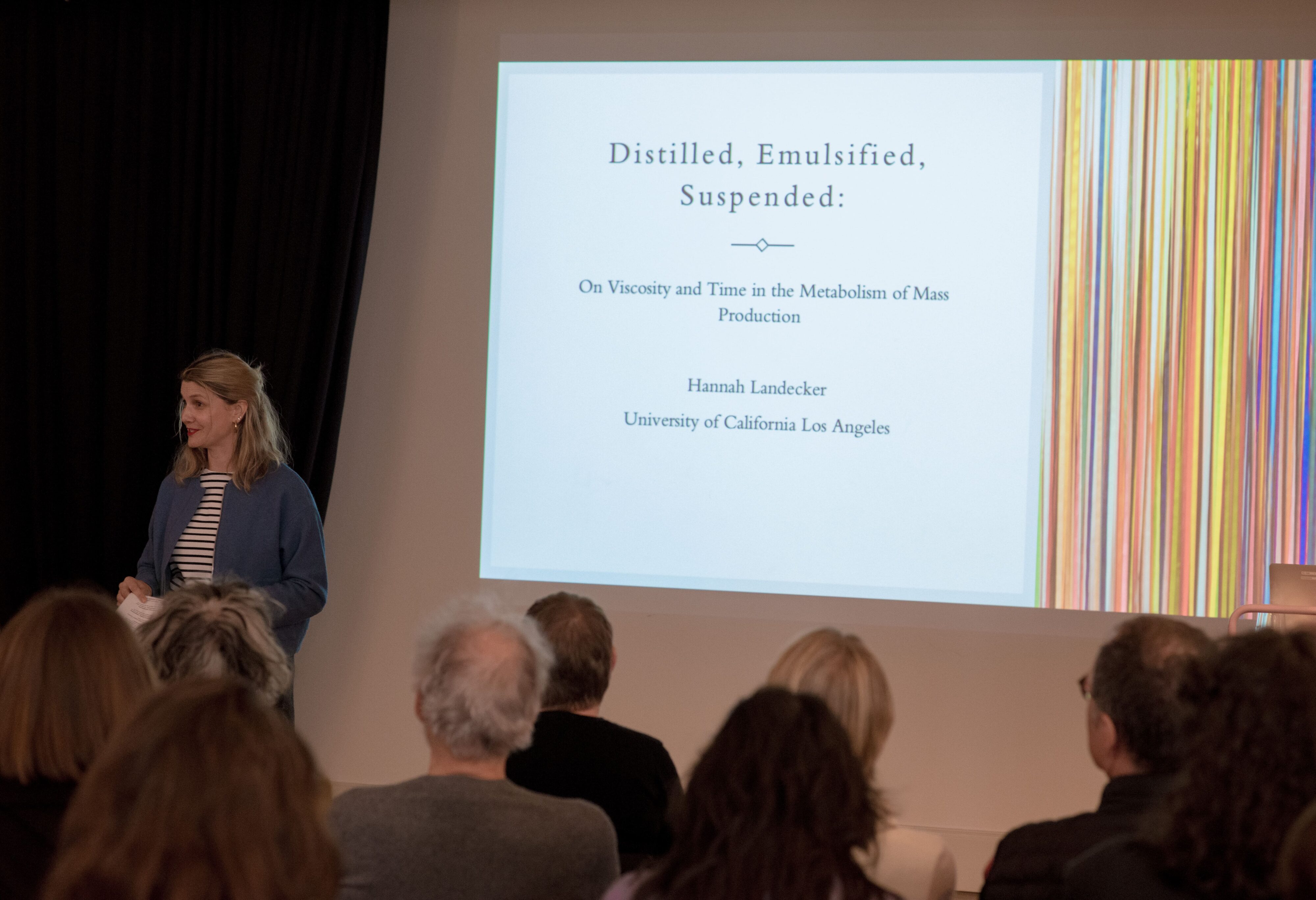
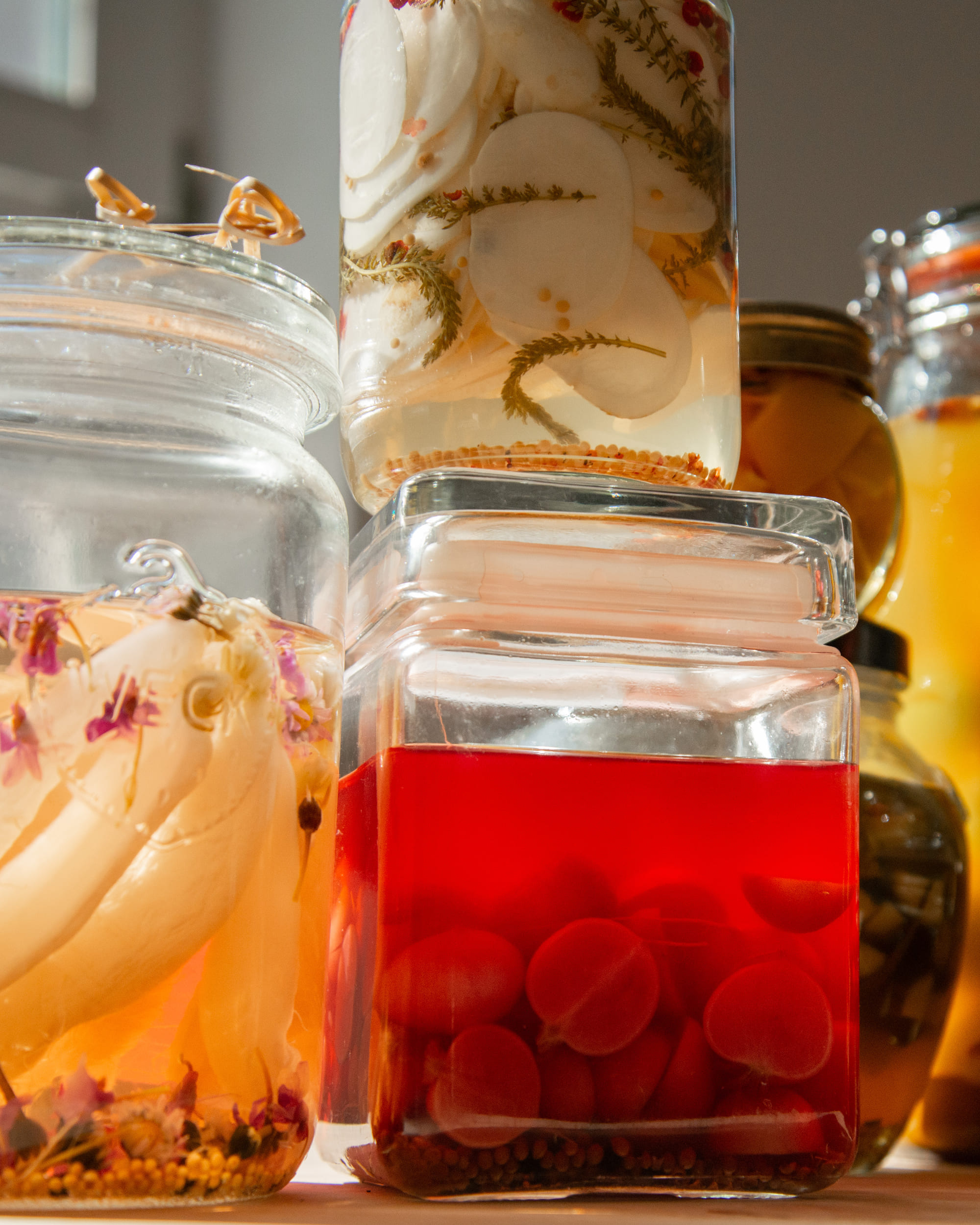
The children’s workshop of Künstlerhaus Stuttgart e.V. is located in the immediate vicinity of the main building at Augustenstraße 67b. Over 70 children come together here every week in fixed mixed-age groups to try out artistic materials and techniques together with artists and art educators and to pursue individual creative ideas.
In recent years, the cramped conditions of the rooms in the basement have posed an increasing challenge for the workshop work. The lack of work, storage and alternative space led to the idea of multiplying the existing space inwards, so to speak: The idea of a design exploratorium in the back room of the workshop was born.
As part of a study project in the summer semester 2024, the students Carlo Twiste, Jim Wolff, Raphael Rychlik, Florian Klein, Vincent Wolf, Noah Mangold, Liska Langensteiner, Theresa Weigand and Erhan Türk from the architecture course at ABK Stuttgart developed a design for a ‘design exploratorium’ under the supervision of Prof. Dr.-Ing. Stephan Engelsmann, Tobias Laukenmann M.A. and the head of the children’s workshop Stephanie Bollinger-Casale. The room furniture, which also opens up the height and width of the room by means of additional levels, combines ‘building for children’ with the idea of a “question-asking room”. It forms the basis for a wide range of further designs and three-dimensional interventions by the workshop children.
The planning and execution of the woodwork was carried out by the students themselves.
The workshop team would like to thank all the students involved, especially Carlo Twiste, Erhan Türk and Florian Klein, also Stephan Engelsmann, Tobias Laukenmann, Siggi Kalnbach (technical director of the Künstlerhaus) and Romy Range (general manager).
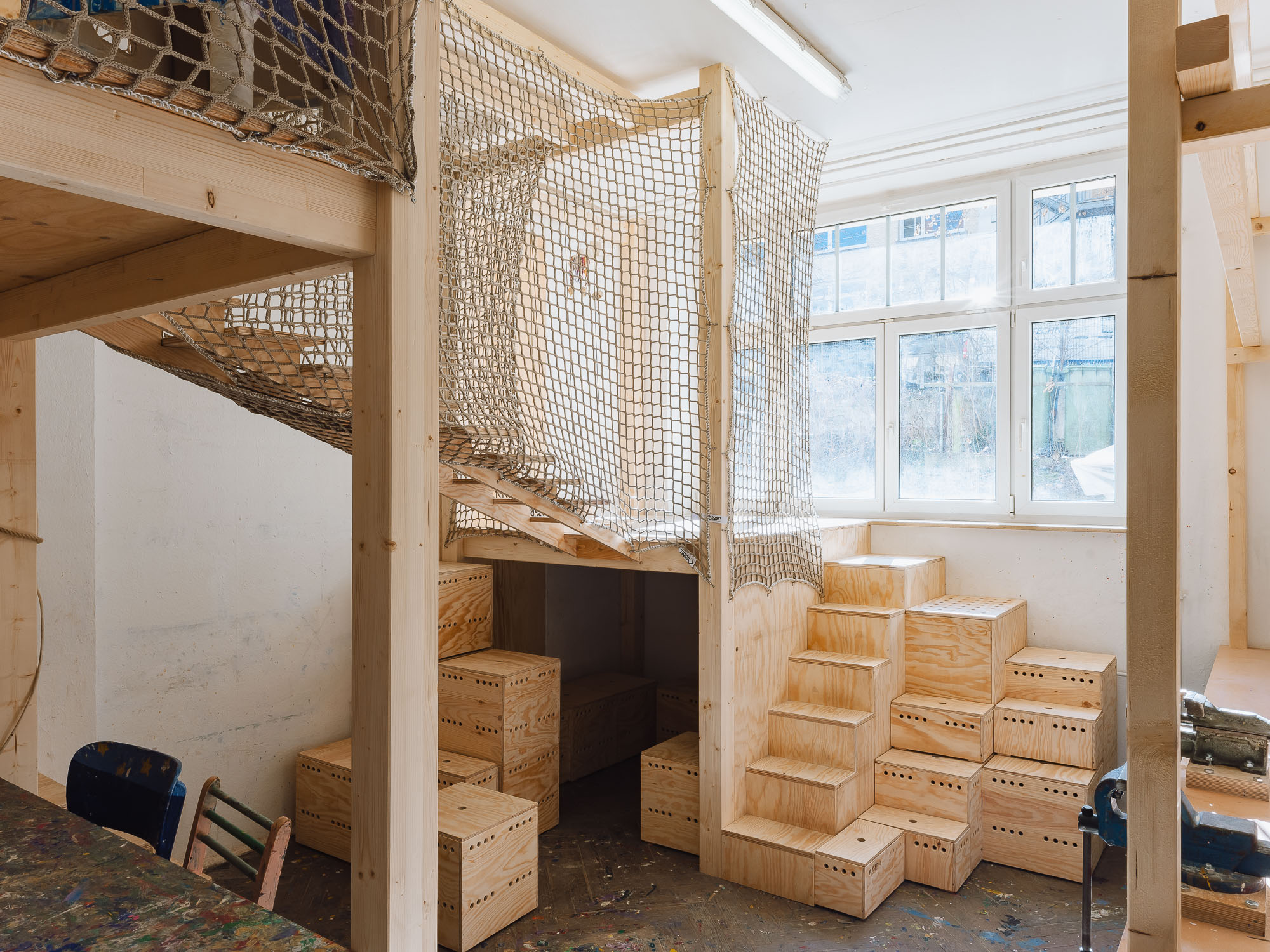
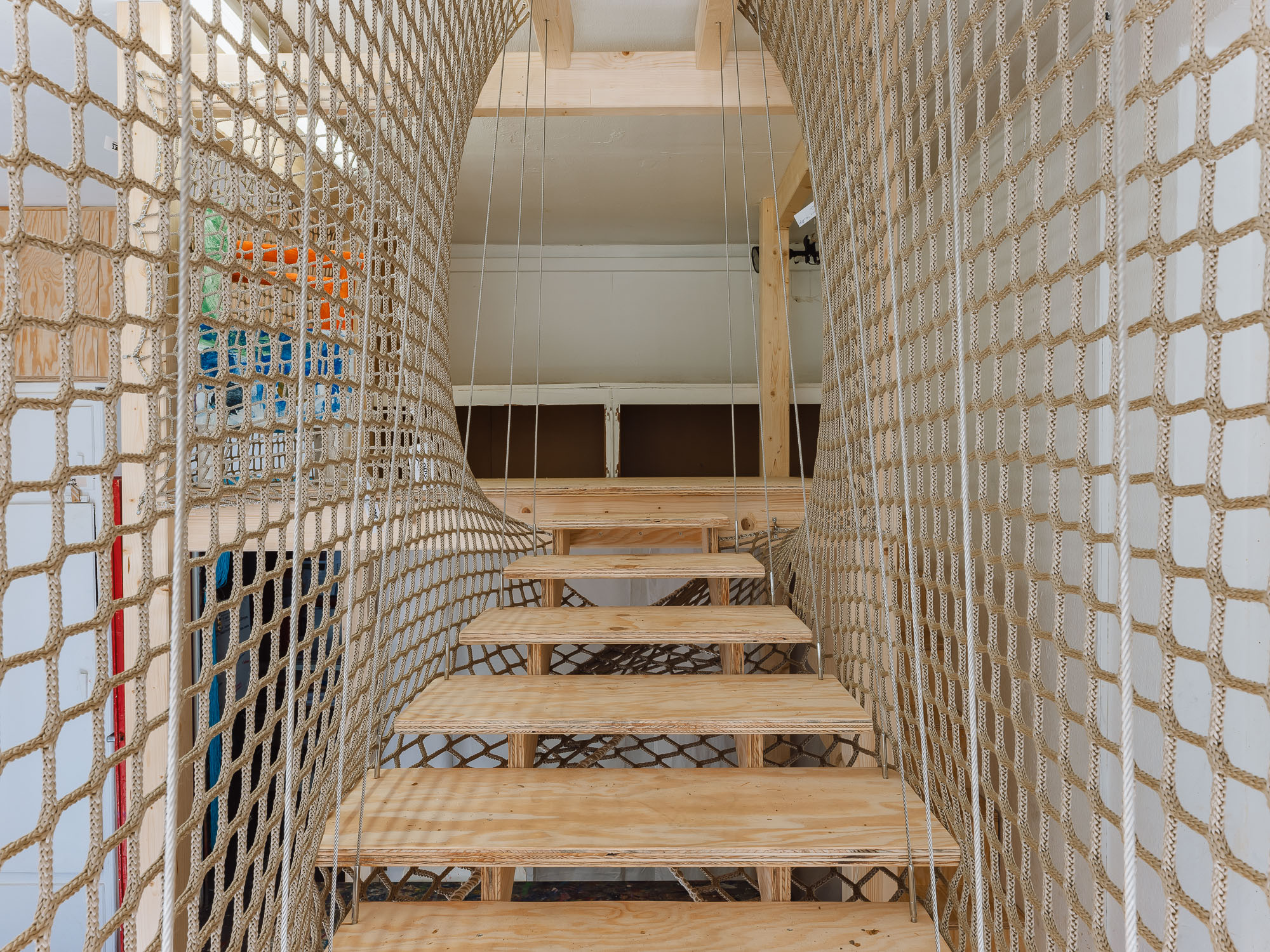
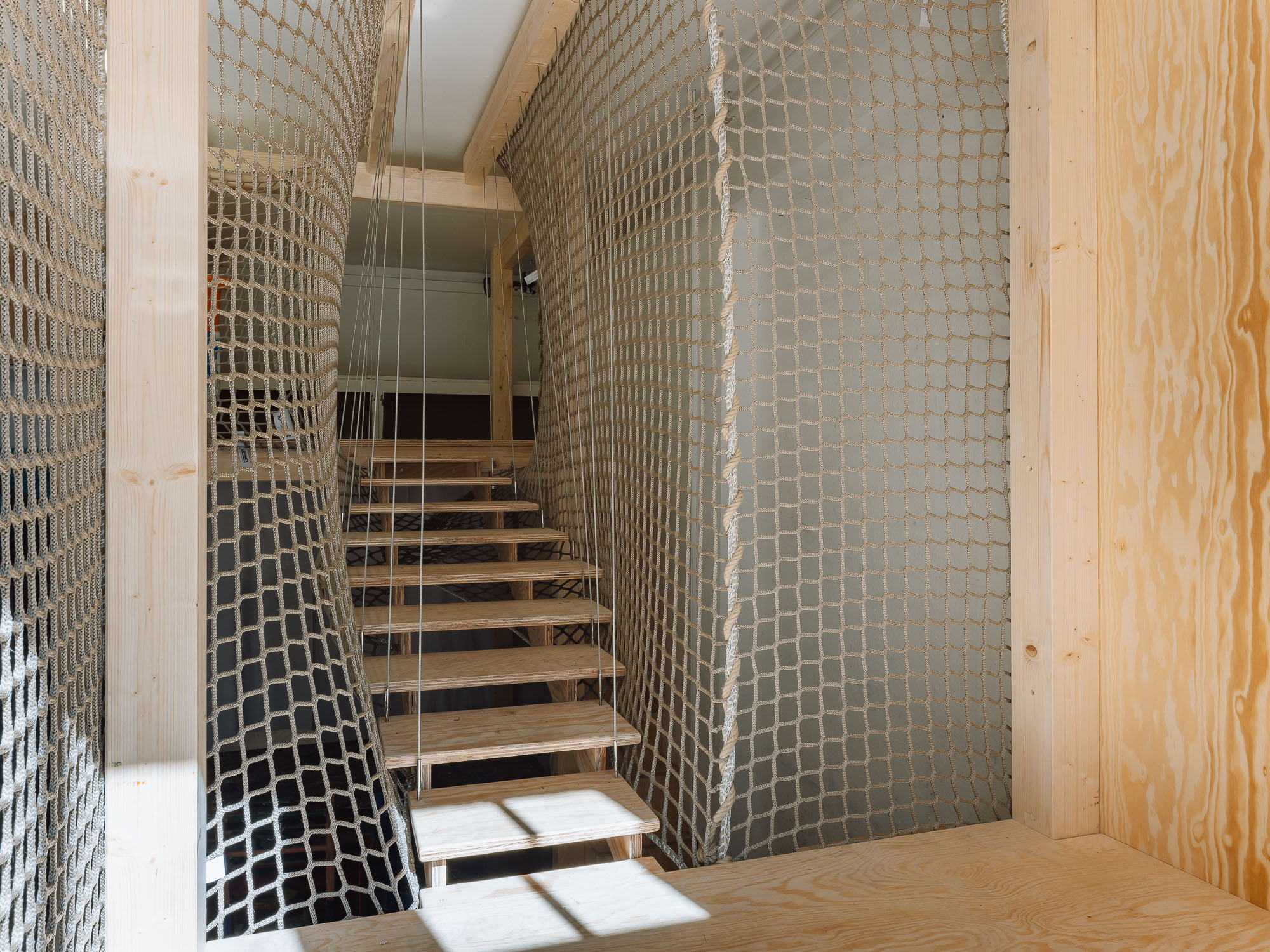
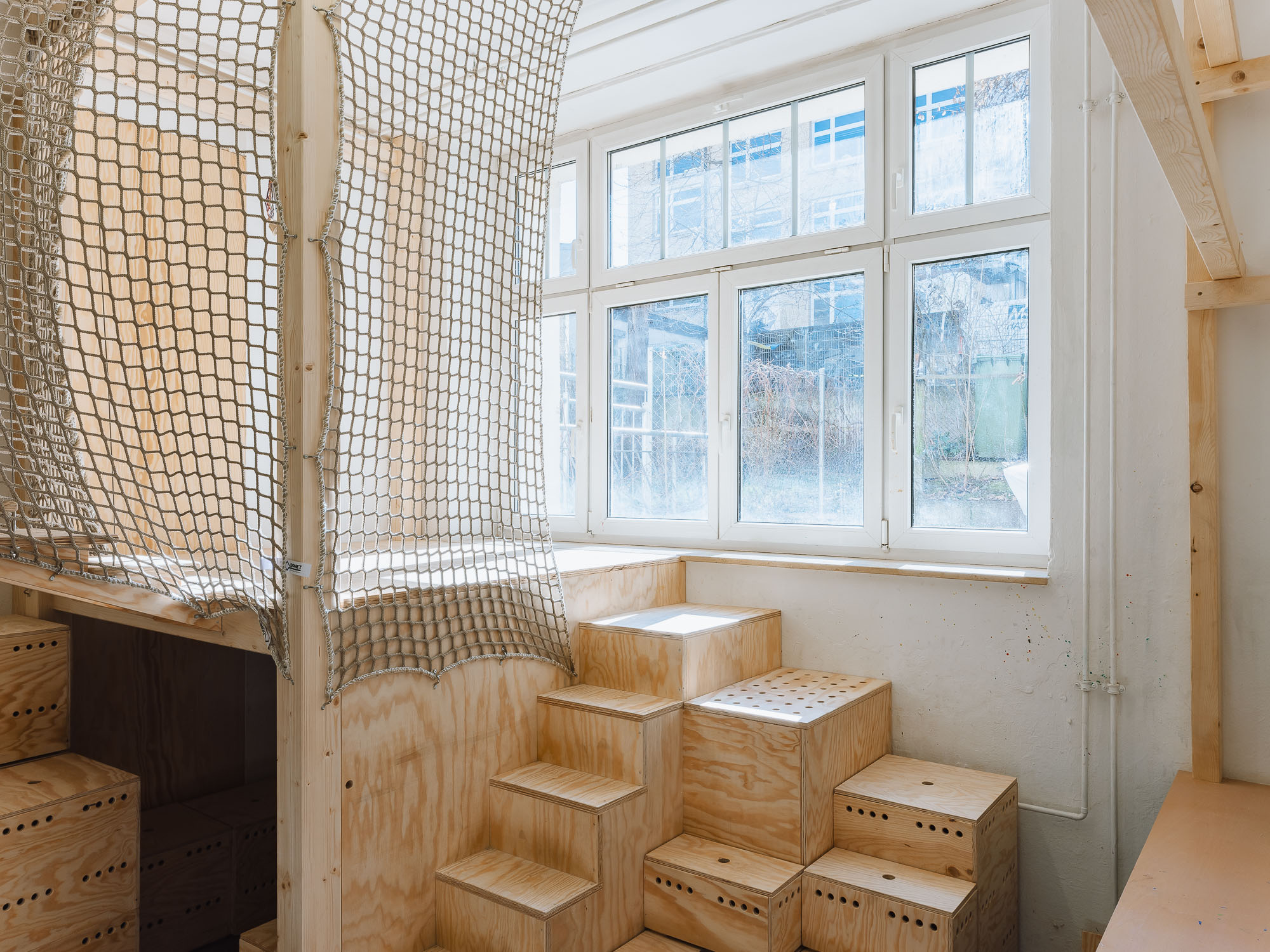
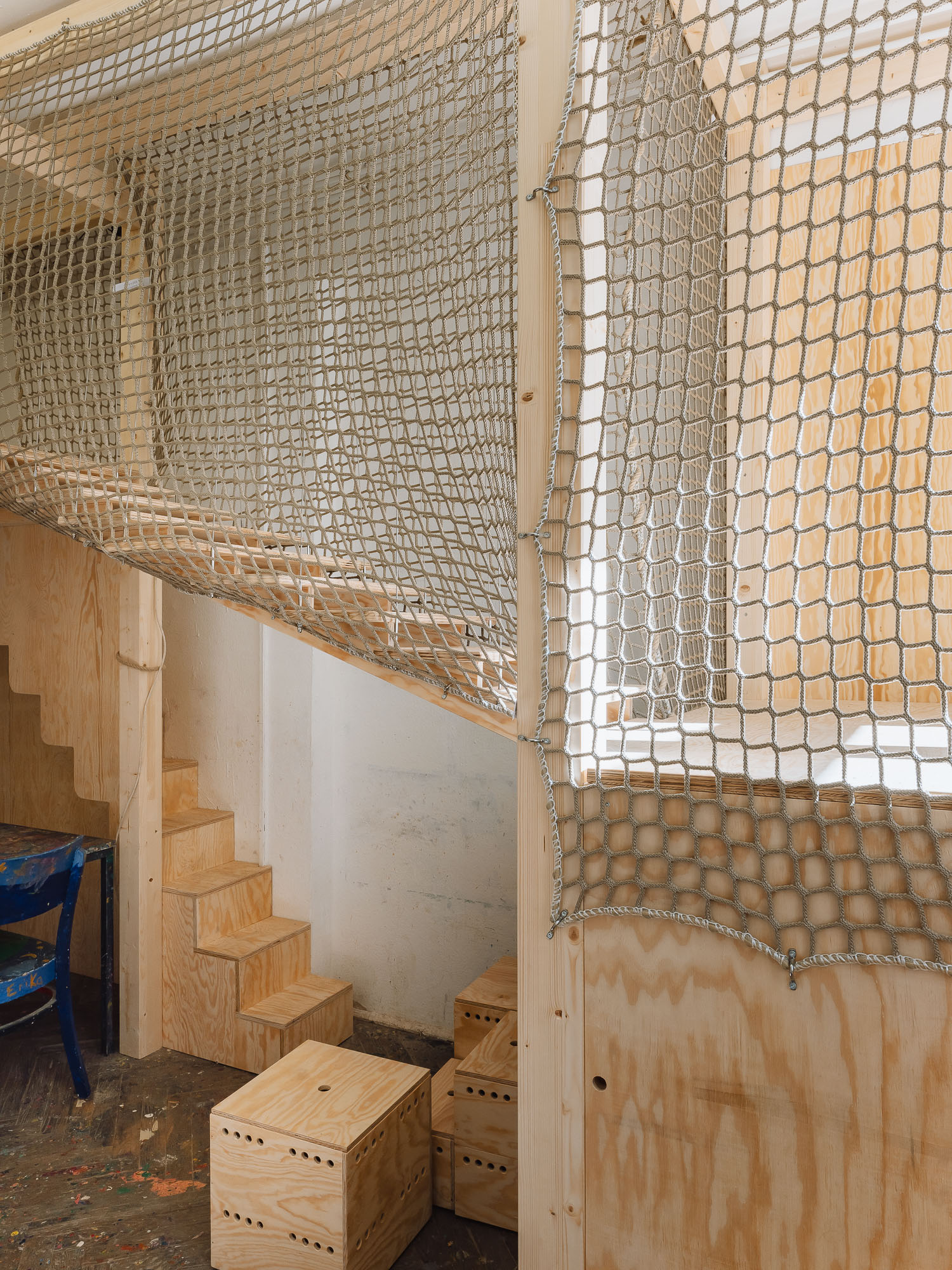
During a walk to the chapel in the Höhenpark Killesberg, we will use measuring instruments such as the Geiger counter to approach a phenomenon that is invisible to humans: radioactive radiation. While man-made contamination caused by accidents in the use of nuclear energy and numerous nuclear bomb tests characterize the landscapes of the Anthropocene, there are also naturally occurring radioactive substances in our everyday environment. In the chapel in Killesbergpark, we will carry out a measurement on a naturally uranium-containing sandstone.
Afterwards, we will visit the “Earth Time” atmosphere together in the Künstlerhaus and there will be time to discuss the connection to the local phenomenon of the radioactive chapel.
Sunday, March 30, 2025 10:00-12:30
Meeting point: 10:00 U-Bahn stop Killesberg exit stairs direction Killesbergpark
with Bernd Laquai (measurement engineer and citizen scientist)
and Isabel Motz (graphic designer and artistic researcher)

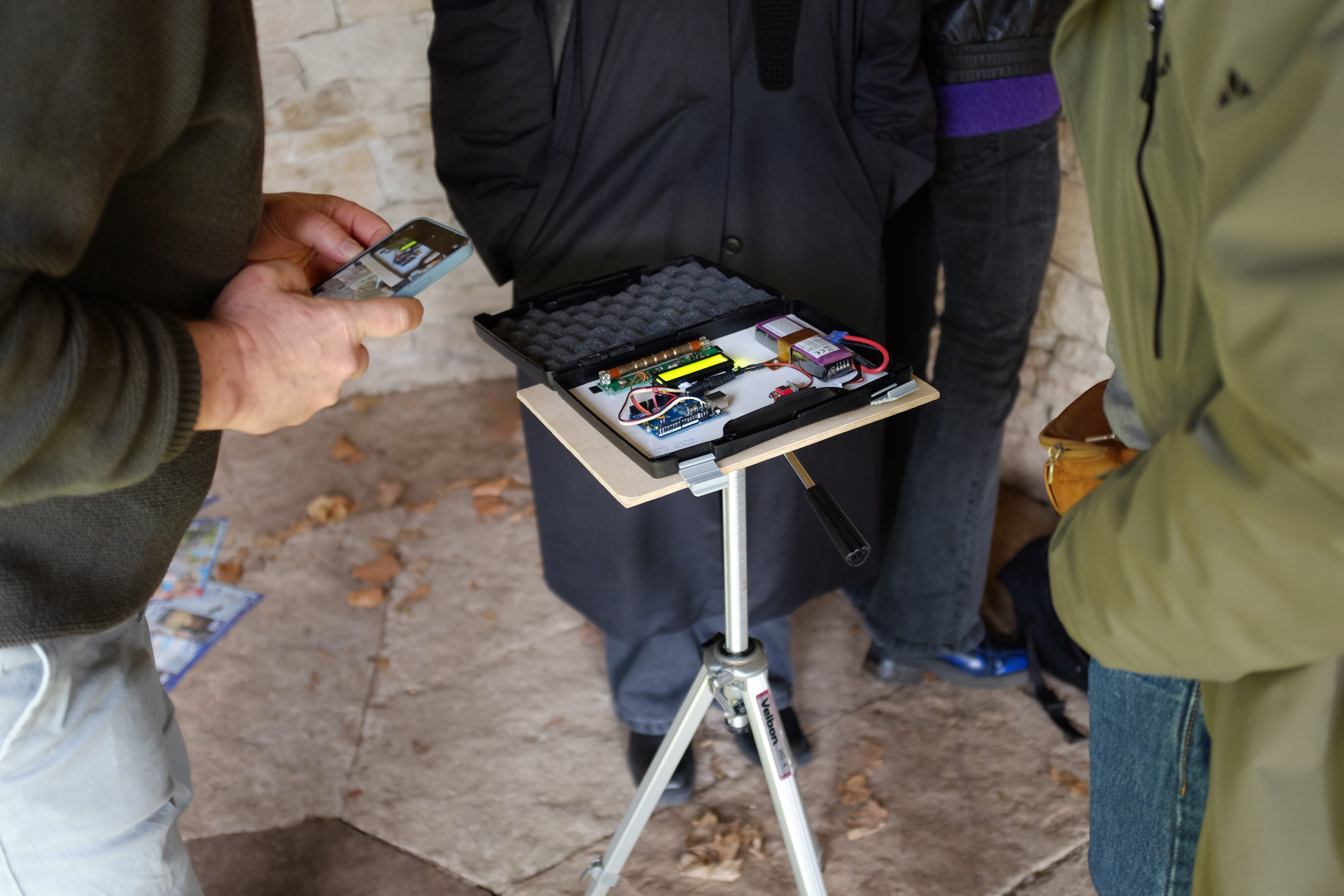
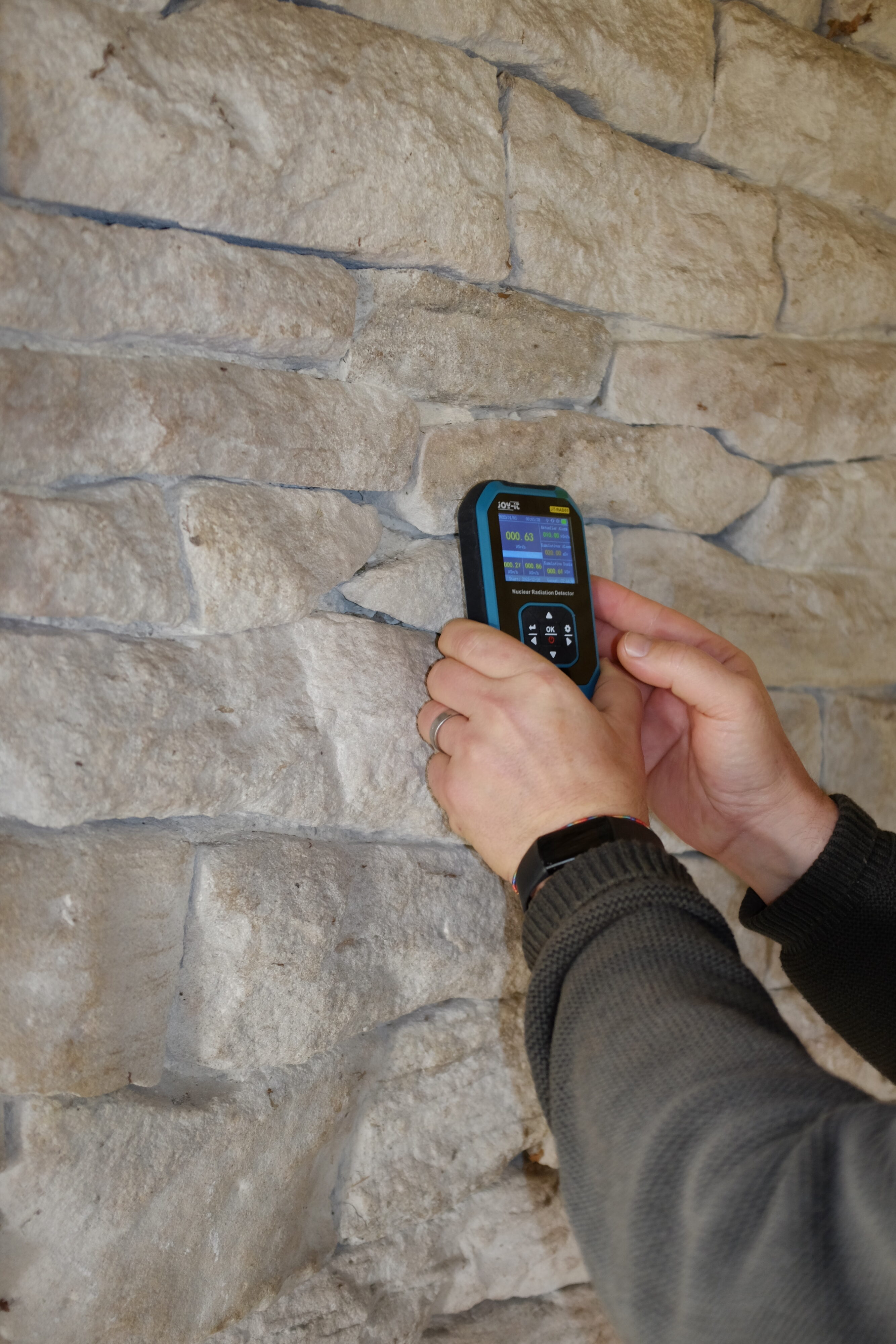
The fourth chapter of the exhibition series on the concept ‘Kinoiserie, Briller comme mille soleils / Shining like a thousand suns’ by studio holder Lambert Mousseka focuses on the return to authenticity and the birth of sapologie*.
Five years after taking control of the Congo, Mobutu announced a ‘return to authenticity’. This return meant removing everything that related to the West, such as the name of the country and its people as well as Western fashion. The initial euphoria quickly turned into a tangible dictatorship. Anyone who opposed it was punished and humiliated in public. This was the birth of sapologie.
On 29 March, a tribute to Congolese women will take place at Künstlerhaus Stuttgart in the form of discussions, dialogues and participatory sapologie. Visitors are invited to become a ‘Monument Vivant’ (a living work of art) and to sap together with the members of the Kasai Wetuawu e.V. association and enjoy the ‘authentic’ African fabrics and food.
Saturday, 29 March 2025, 6 pm
3rd floor (studio floor)
*SAPE – Société des Artistes et de personnes Elégantes (Society for Artists and Elegant Persons). Sapologie is the philosophy and a sapologist is the person who practices this philosophy.
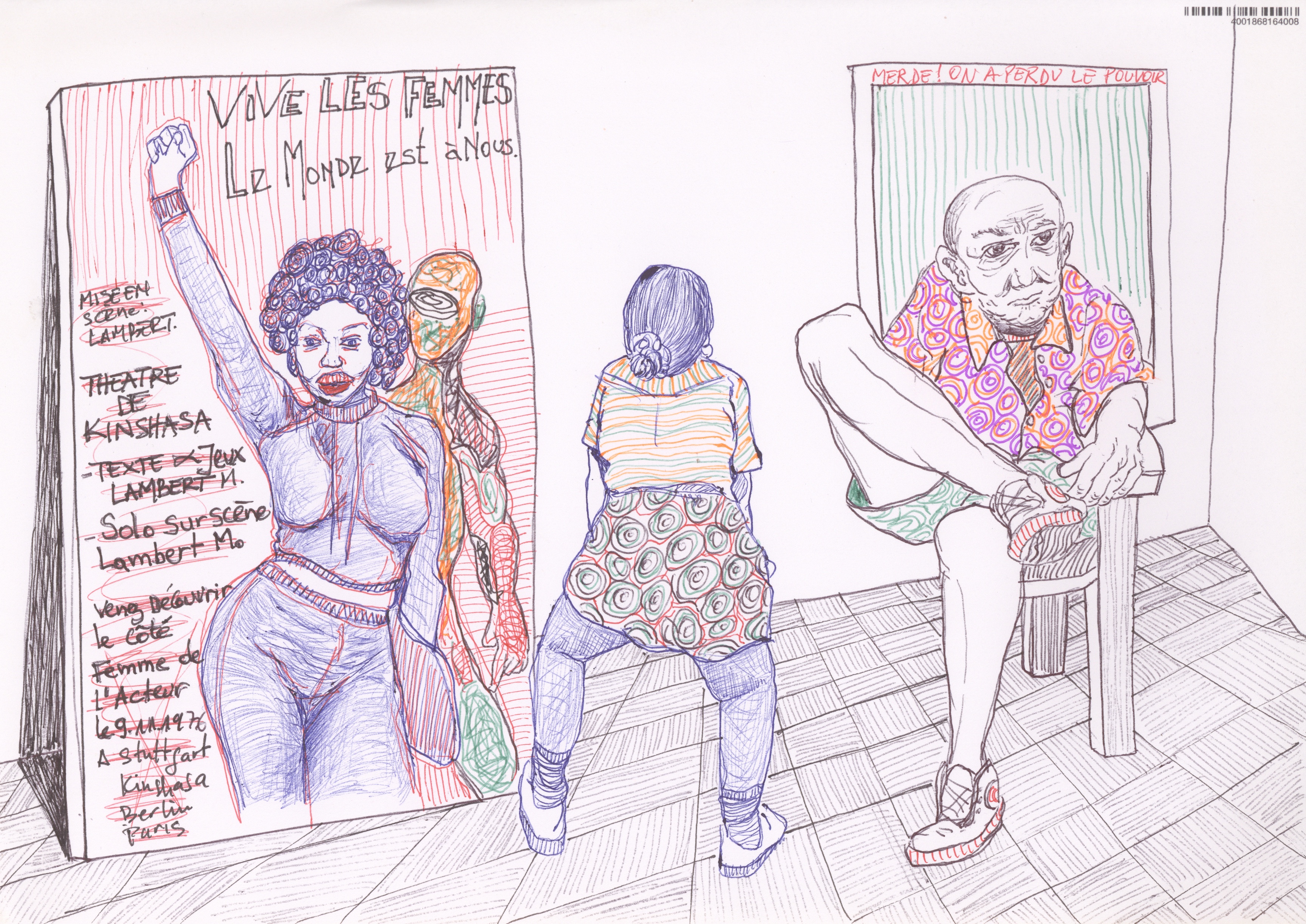
The Künstlerhaus Stuttgart presents, alongside books by special guests, a selection of artists books, prints and printed matter from the collection of the Centre des Livres d’Artistes — cdla, a cultural gem in the town of Saint-Yrieix-la-Perche, in rural south-west France.
It is broadly acknowledged that artists books constitute a kind of artistic ecosystem in their own right, conforming neither to the logic of exhibitions nor to the protocoles of publishing. It is precisely an ecosystem of this kind that the Centre de livres d’artistes (cdla) — one of the foremost archives of artists books in France, and amongst the finest worldwide — will present on the Künstlerhaus Stuttgart’s second floor this spring. An atmosphere of clouds, air and soil, along with a cartographer’s corner, echoing ideas central to the Künstlerhaus’s programming this year, will sustain this ecosystem. The title of the project, ECHO-LOGY, is lifted from a little-known 1975 publication by artist Allan Kaprow, featured in the exhibition, setting the playful atmosphere of aesthetic and formal echos between the different artists books and artists maps, all within a wide-angle focus on ecological considerations.
That ecological themes are often the leitmotif of artists books is linked both to how they circulate and how they are showcased. Artists books, because they are invariably printed in very limited editions, are typically shown in vitrines. In one way, this is to protect them. But presenting them under glass also sets them apart in a semi-autonomous ecosphere — not unlike plants in a greenhouse. This ‘greenhouse effect’ may be seen to work analogously in exhibition practice and in horticulture, focusing the energy of the gaze like that of the sun, allowing seeds, forms and ideas to sprout and flourish. It is also with this multidirectional echo between exhibition and horticulture, between ecosystems of plants and those of books (which, materially speaking, are also plants), that this Echo-logy will play.
It seems important in the framework of ECHO-LOGY to bear in mind that books are plants, or at least that they were plants in an earlier life and shape. And this is something we — all of us — share with books, because we too are plants, or used to be, inasmuch as whatever it is we are is comprised entirely of the vegetal life we have metabolized in one form or another (since plants are the basis of the food web in nature). And that vegetal life grew by photosynthesizing the energy of the sun — of an astral body — encapsulating it in the mineral matter of the earth, accumulating more and more light inside the molecular structures of a plant. When that solar-charged plant life is modified to take on the form of a book, that book becomes a depository and embodiment of cosmic energy — not in some lofty metaphorical sense, but materially — and it stubbornly though discretely echoes its material legacy (one might even say its otherworldly sources) at every turn, though we may overlook it at times. From a material perspective as well as an ecological one, then, a book is an agent of metabolization — both as an object and as a support for shapes, colours, forms and words.
Because artists books playfully foreground their materiality, which remains insubordinate to conveying any extrinsic message, they serve as useful reminders that they are first and foremost metabolic agents, rather than objects of mediation, and that they ‘use the land as its own map,’ as Lewis Carroll famously put it in Sylvie and Bruno Continued (1893). It is into a material and visual dialogue of this kind that we have invited Stuttgart-published book artists Christina Schmid, Shinroku Shimokawa and Ingar Krauss to engage with the work of some two-dozen artists books from the cdla collection.
Curated by Didier Mathieu & Jean-Marc Berguel (cdla) and Tamarind Rossetti & Stephen Wright (Künstlerhaus Stuttgart).
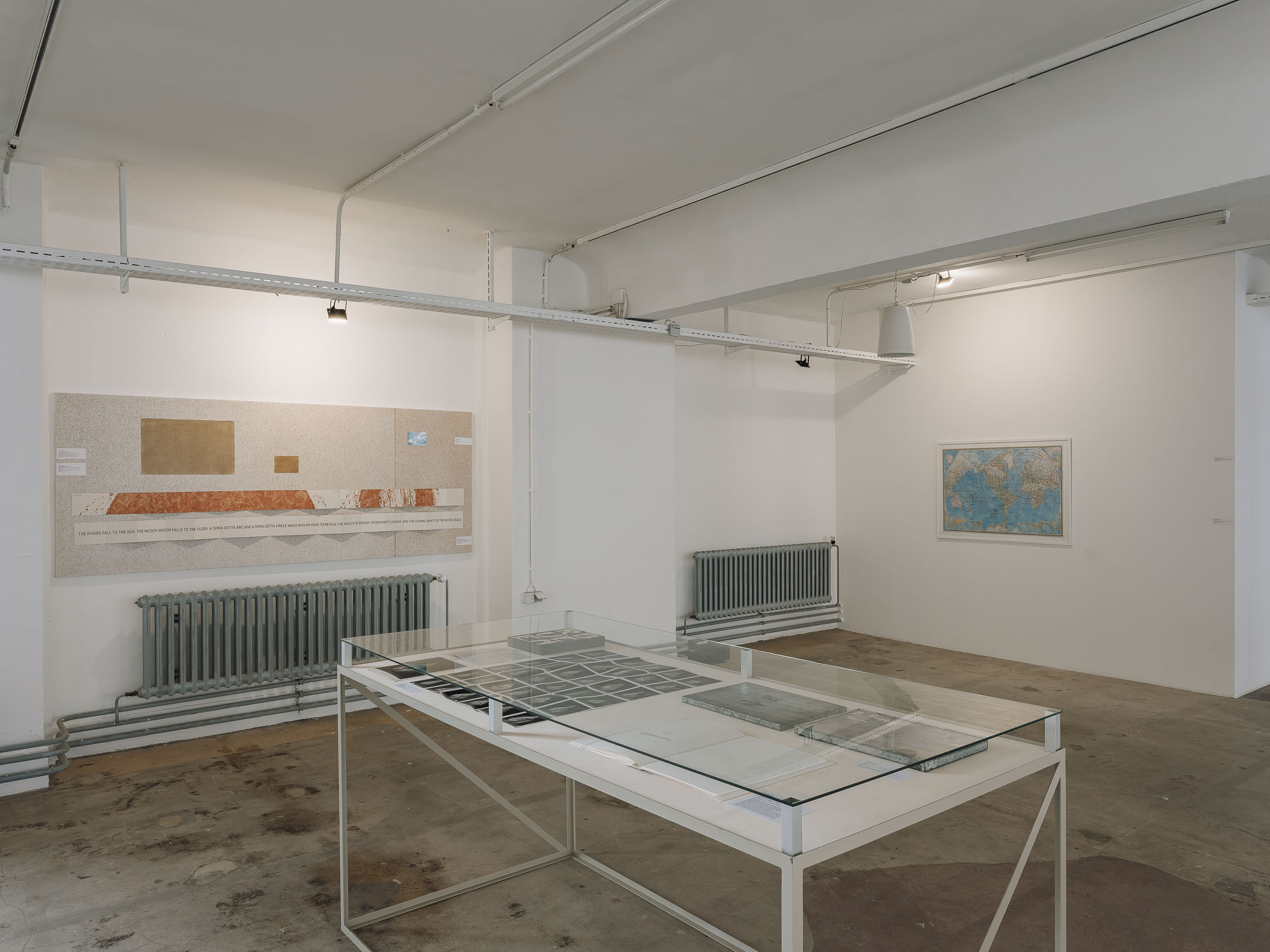
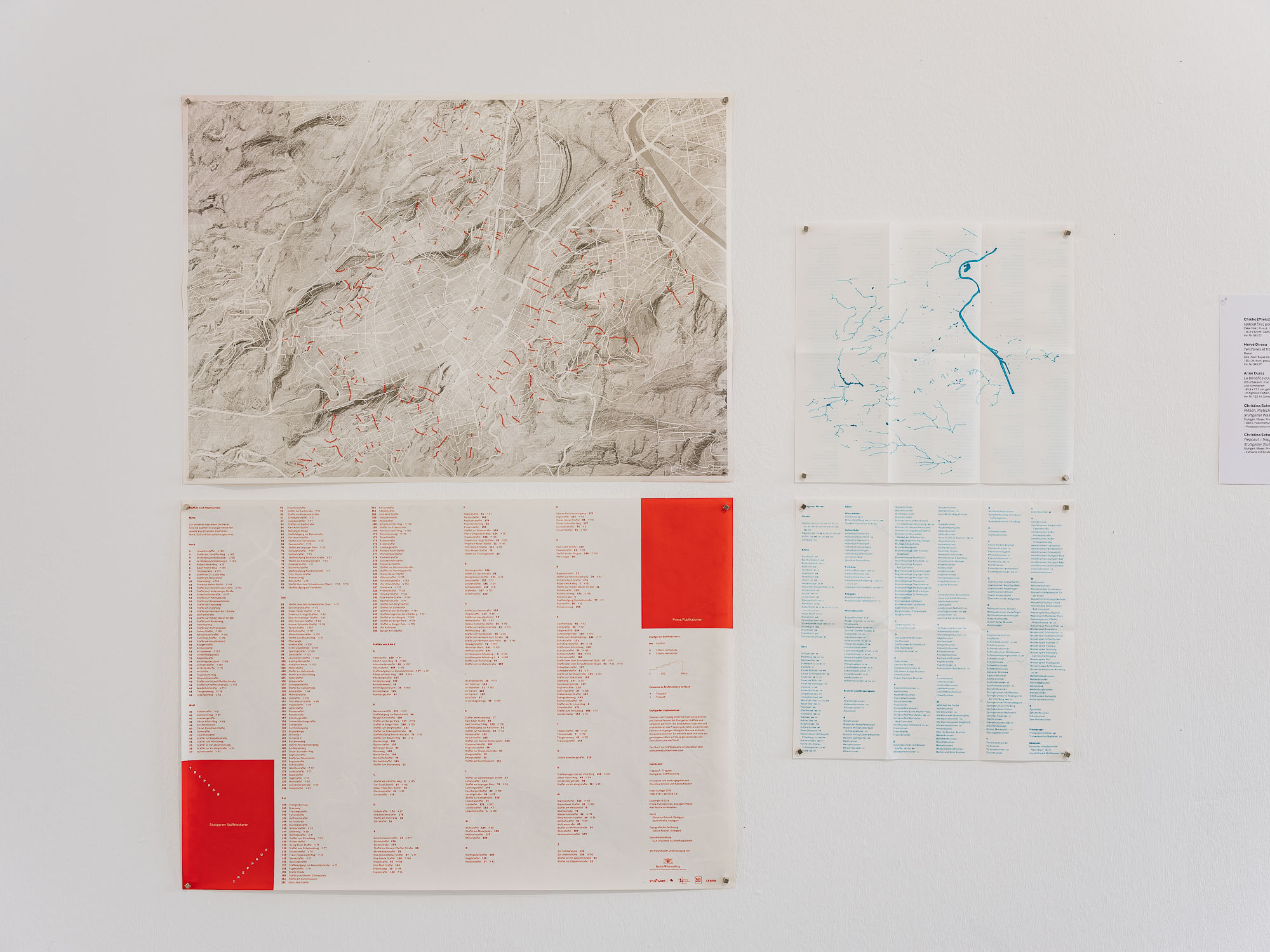
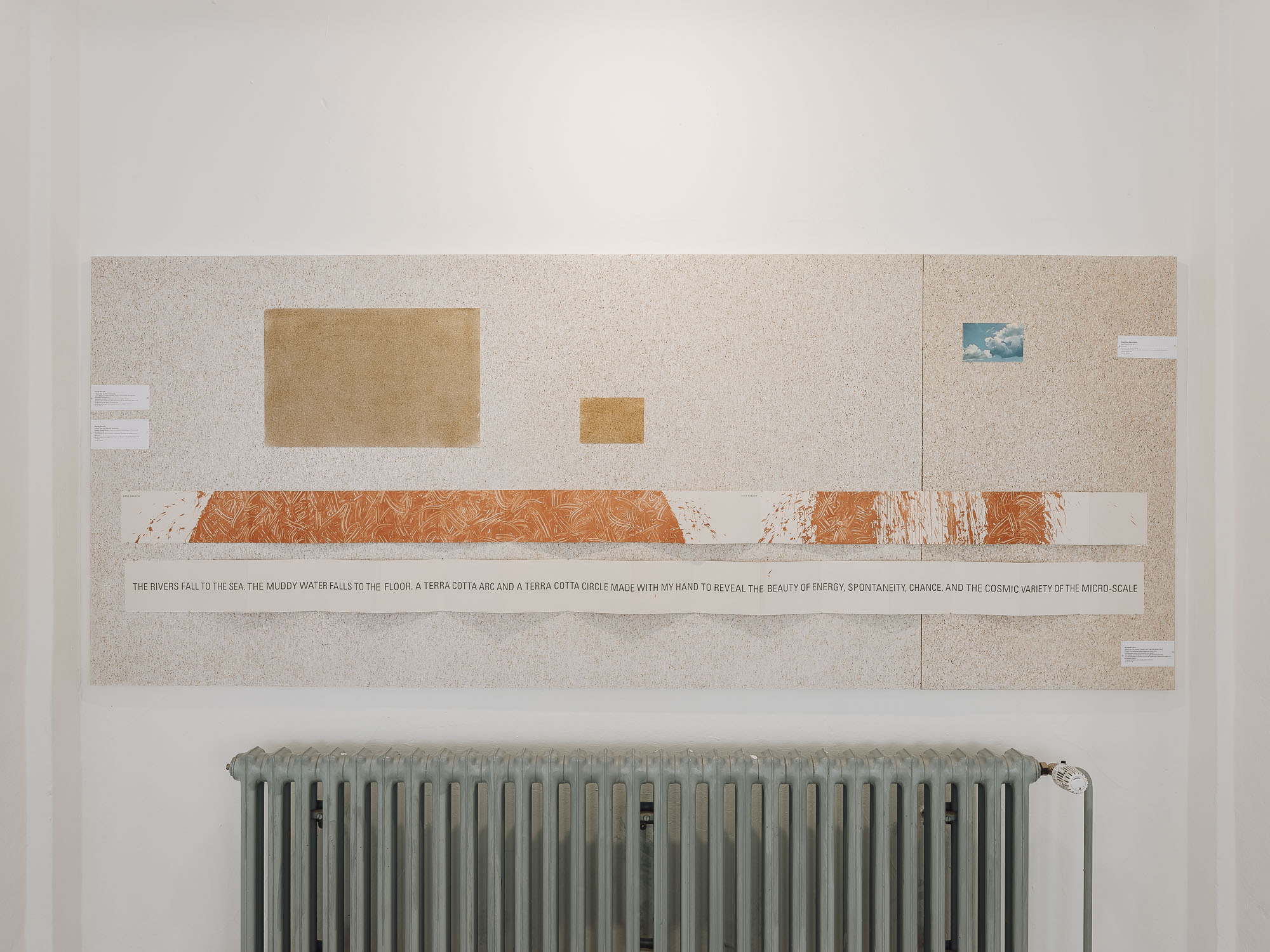
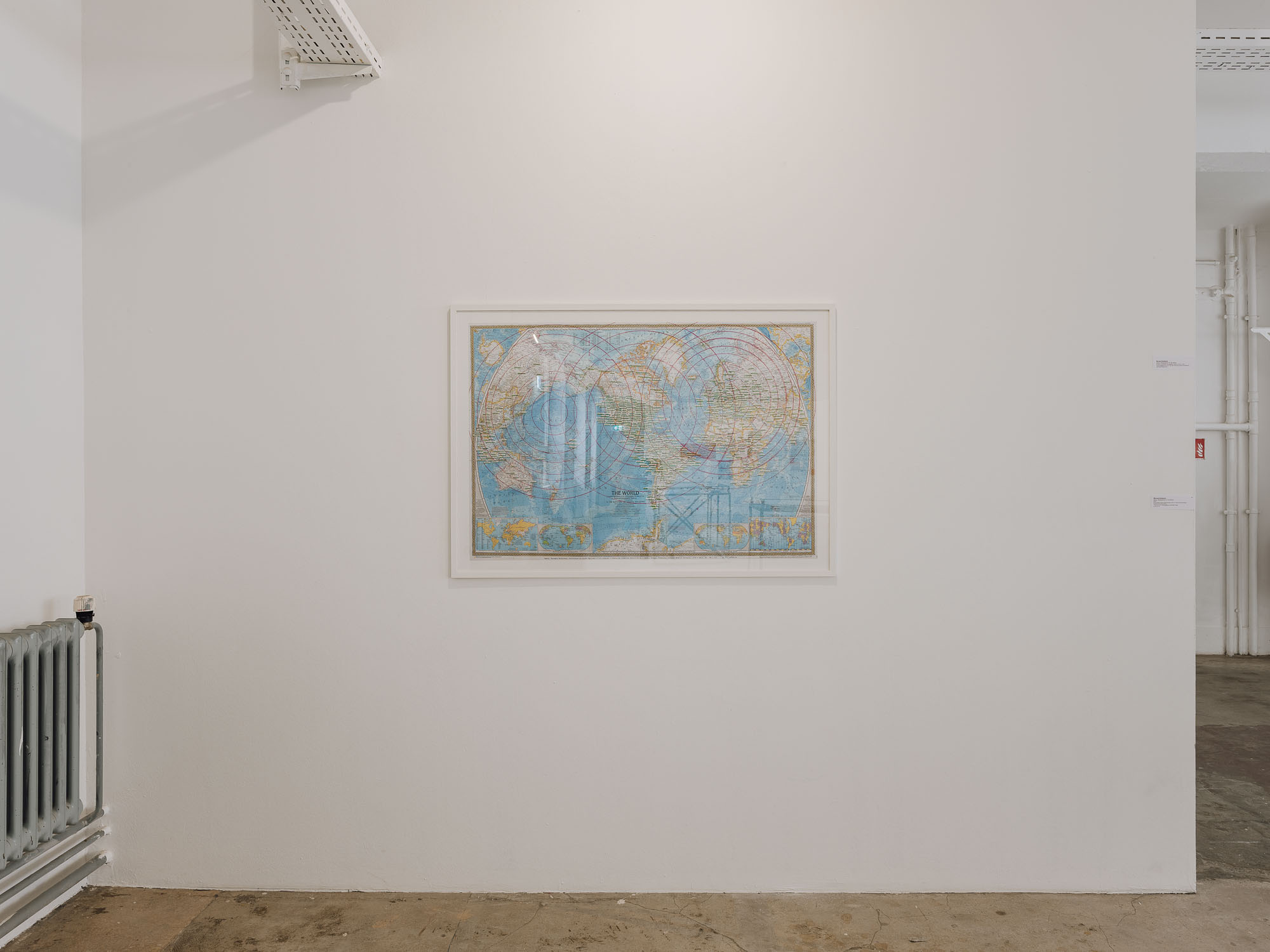
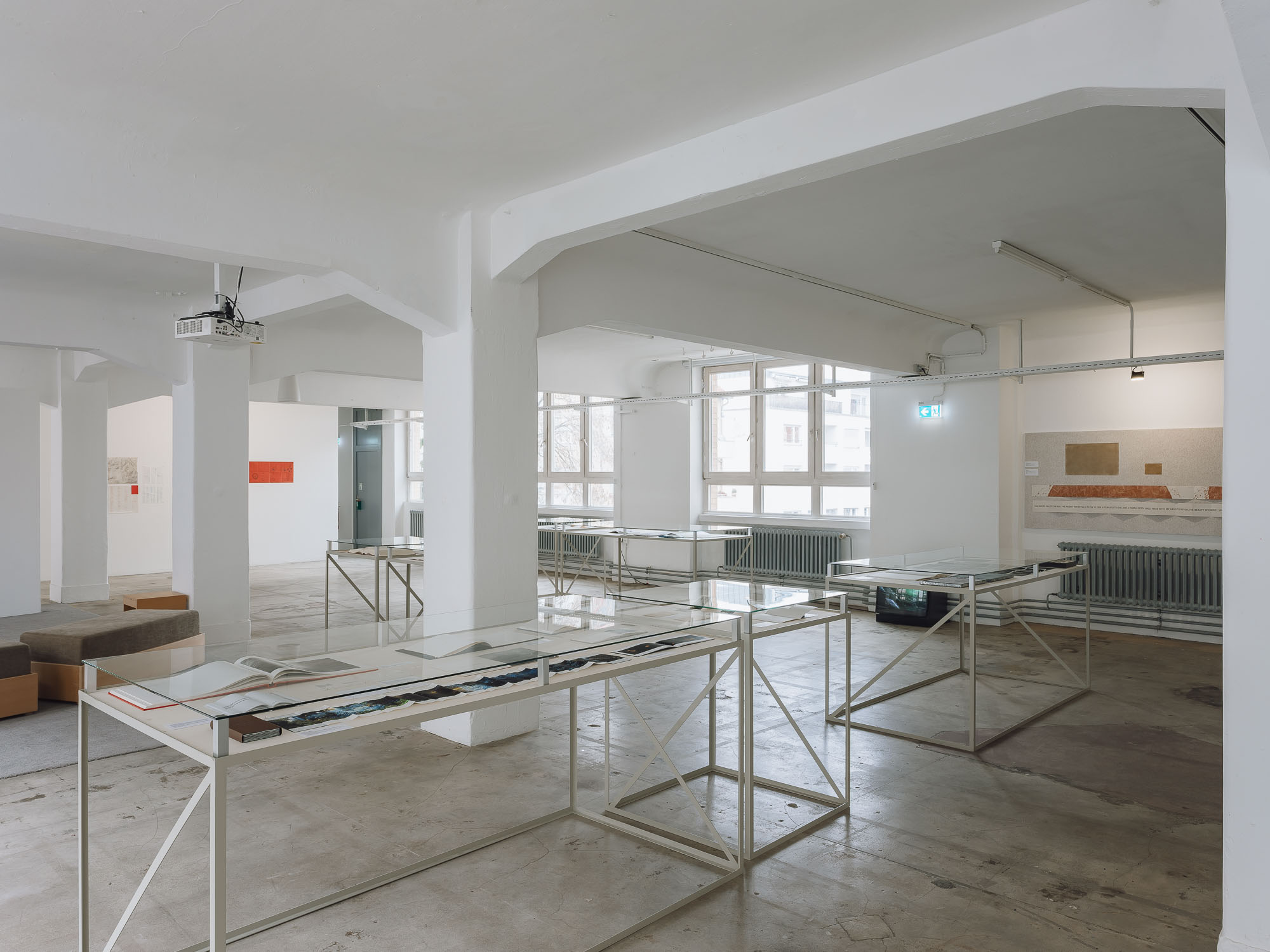
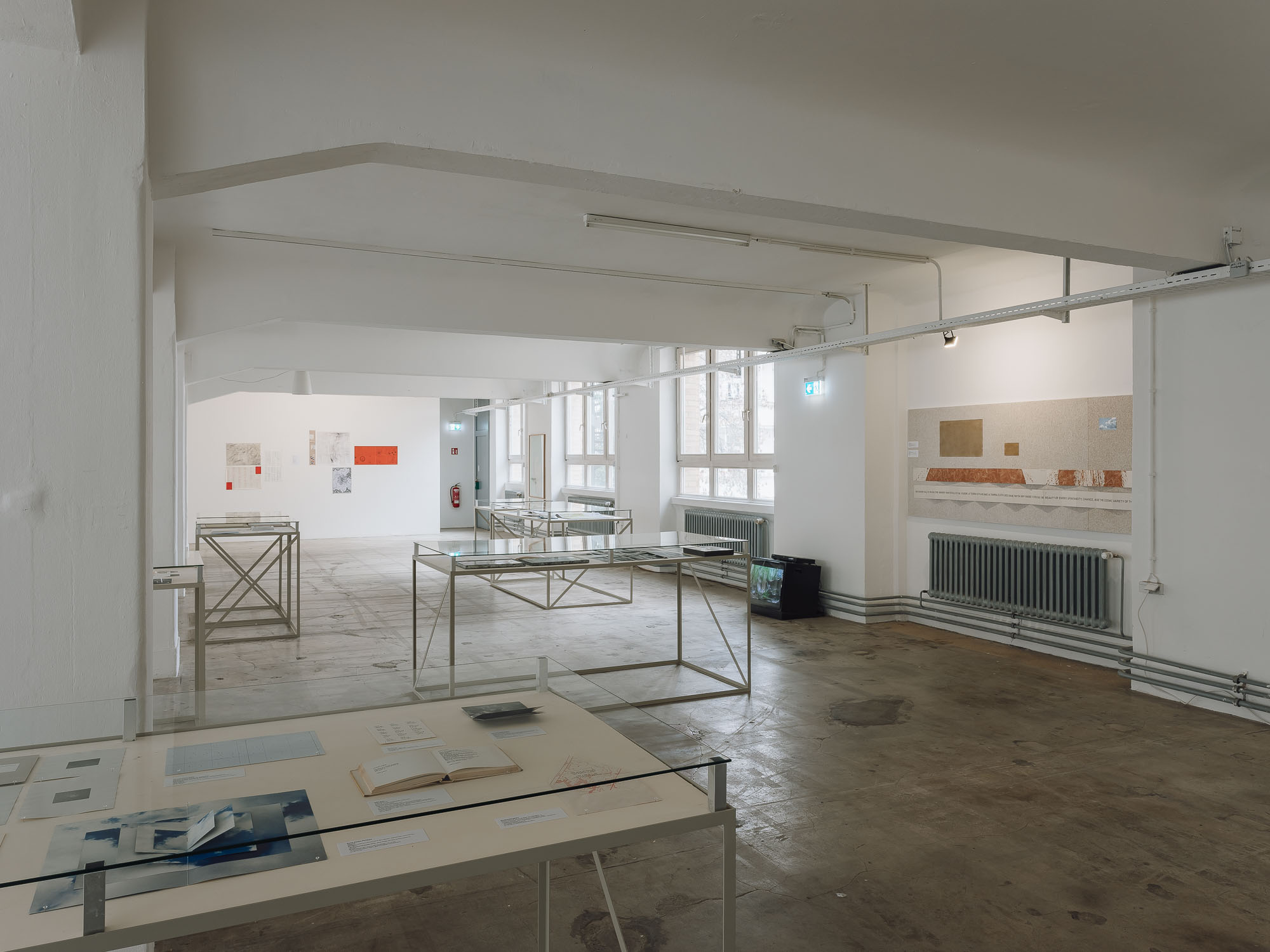
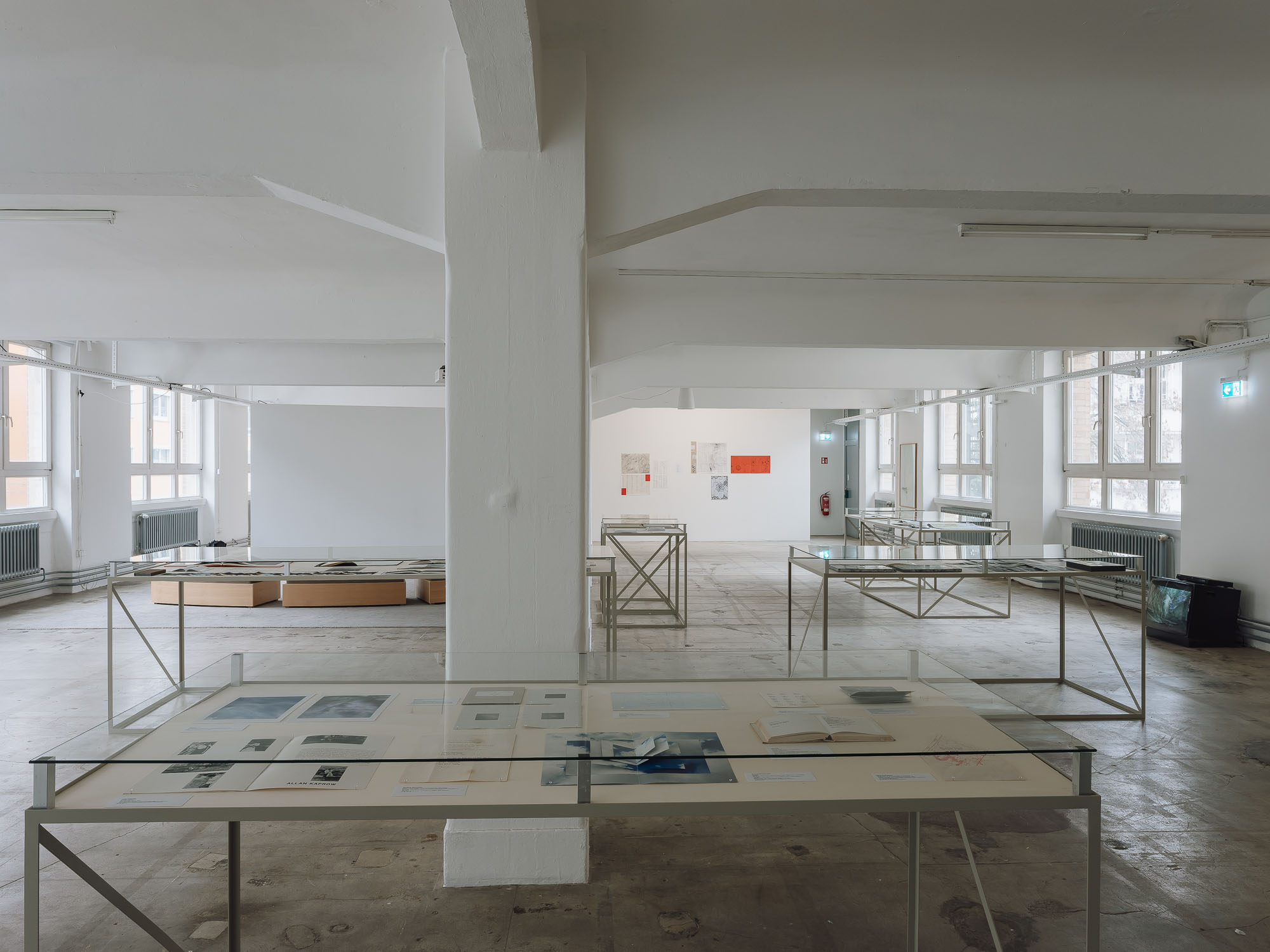
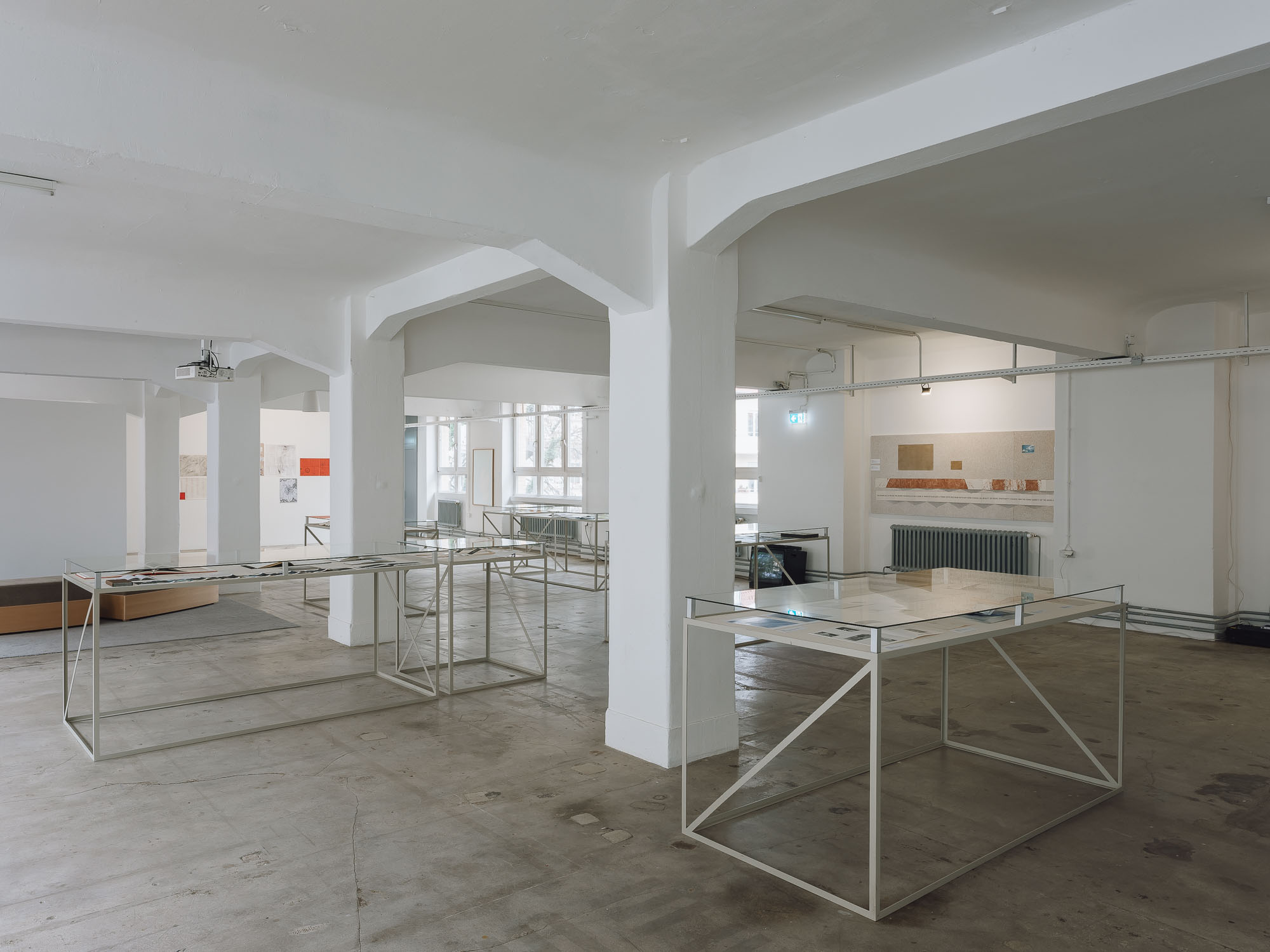
12:00pm–06:00pm
Join us on March 22 for the United Nations World Water Day to witness from afar the culmination of a huge river protest. The action celebrates the very story addressed in Teachings of the Flood by Casa Rìo and explored by Brian Holmes in his essay Bioculture Now!.
There will be a live broadcast to the protest at the mouth of the Parana and Paraguay rivers, where environmentalists, Argentinian communists and a whole host of liberation theology churches are joining forces – around 100 partners in total, all organizing local actions. There will also be a trip down the river, symbolically starting in Asunción, Paraguay; from Resistencia, the paddlers will travel to Rosario, stopping in towns and villages along the way. All these actions will be documented with multimedia contributions on Brian Holmes’ interactive map.
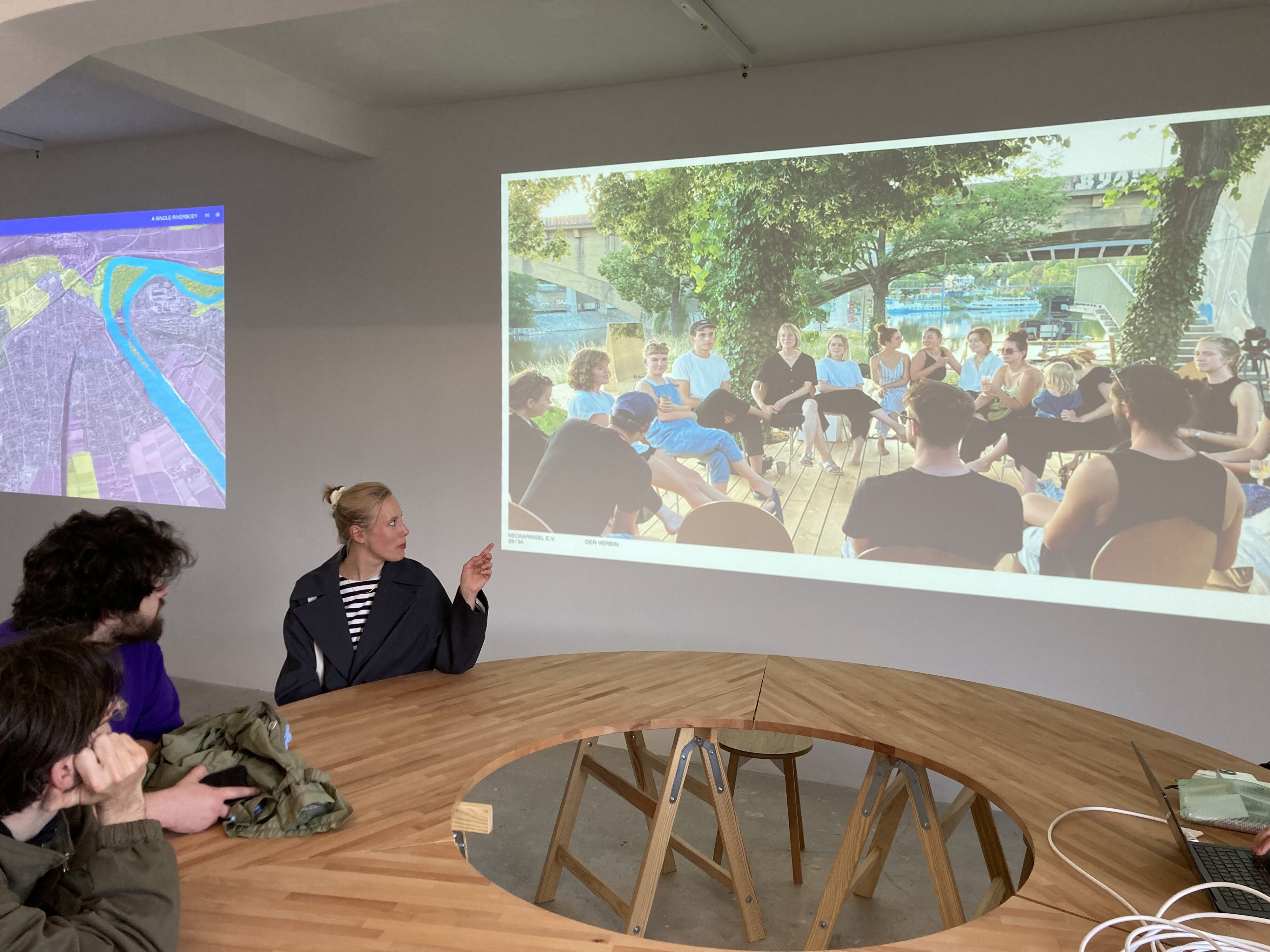
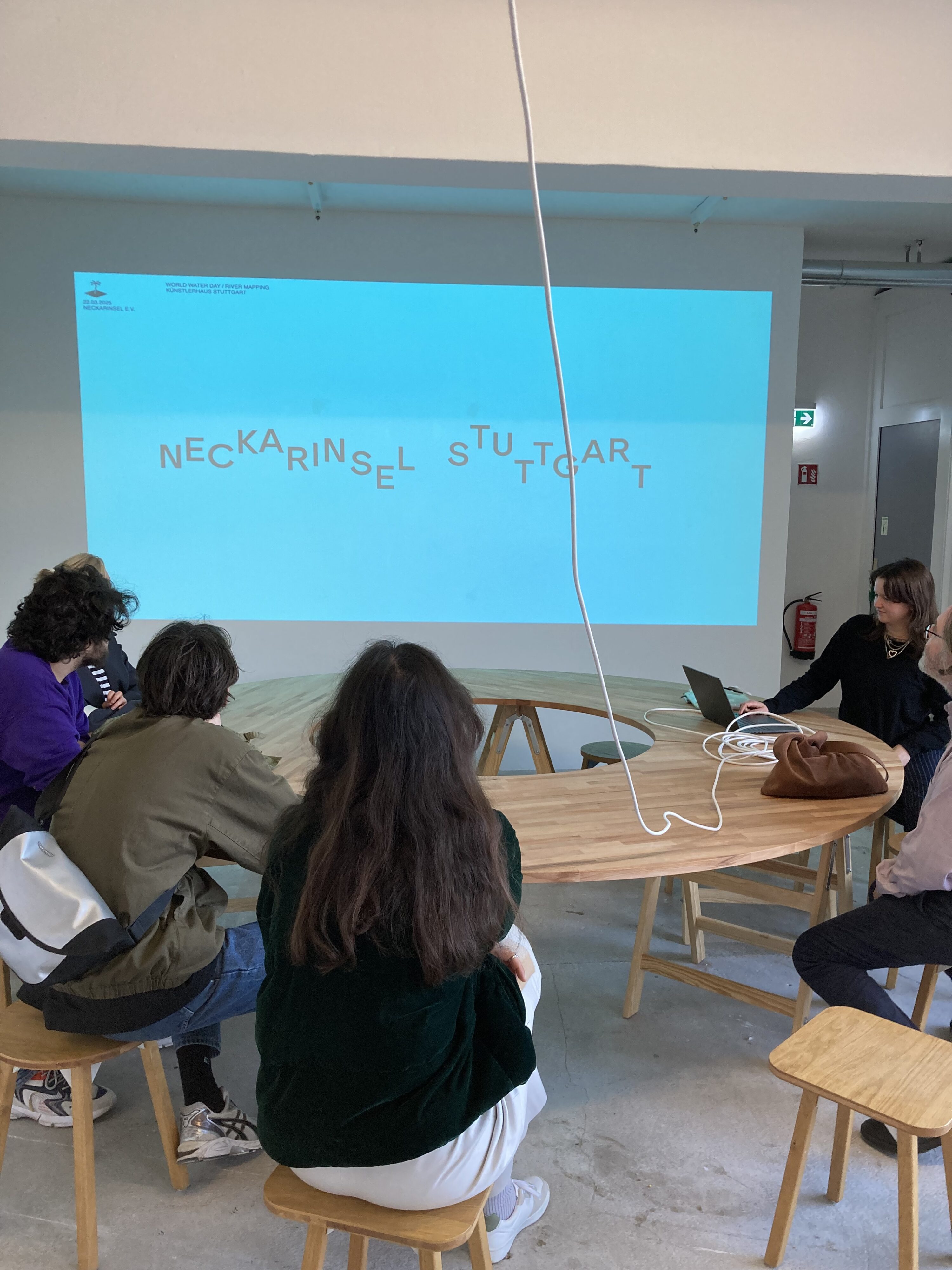
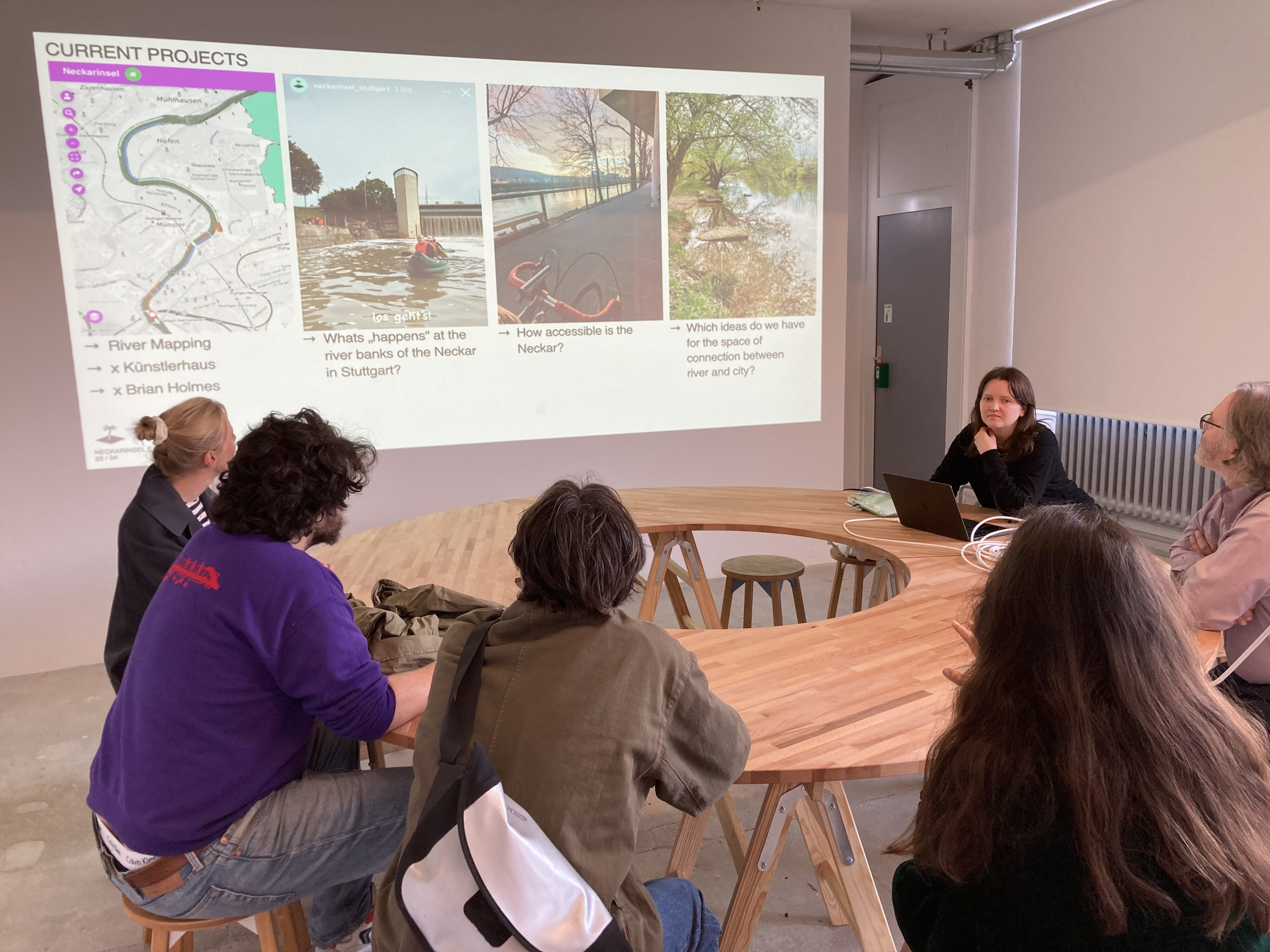
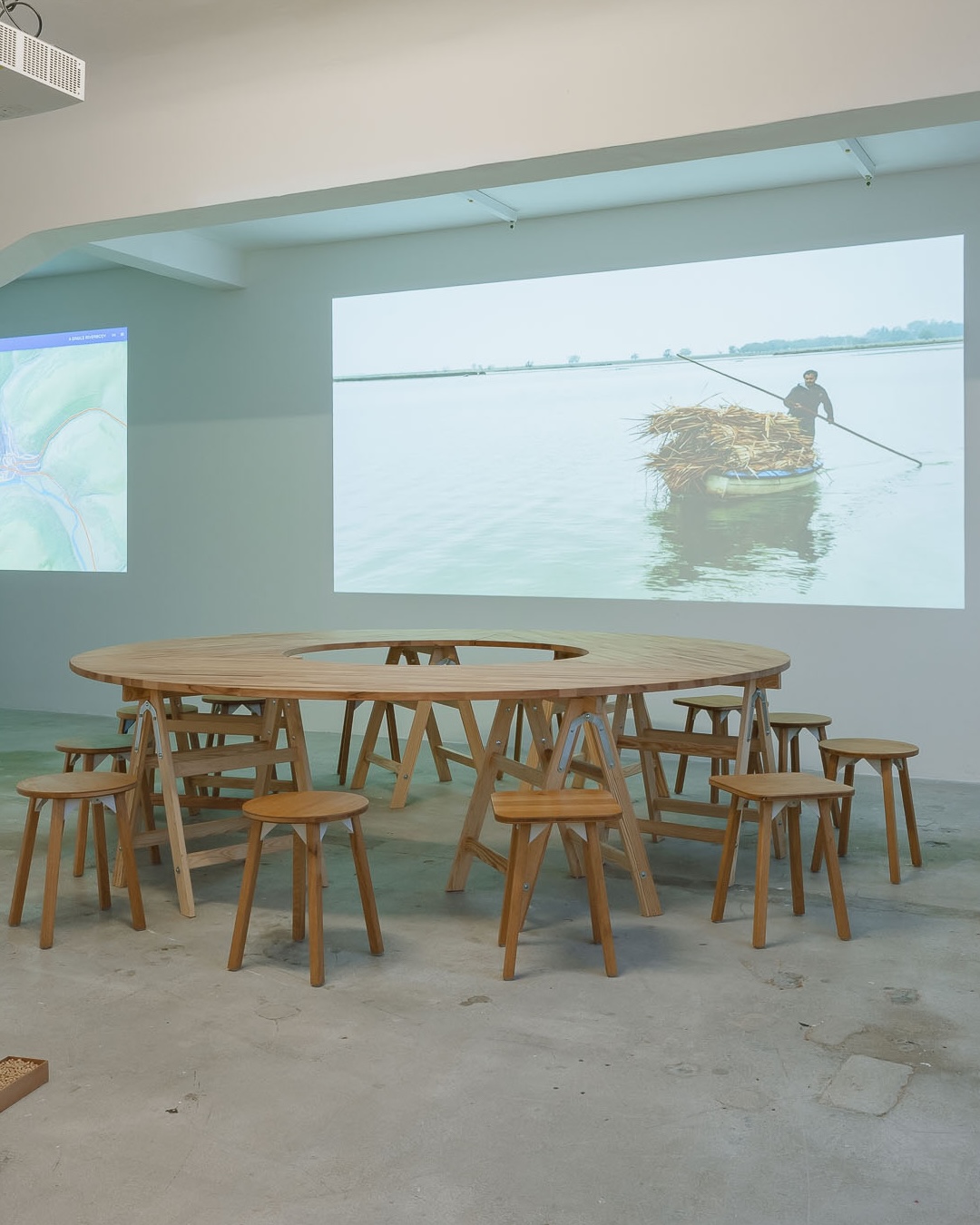
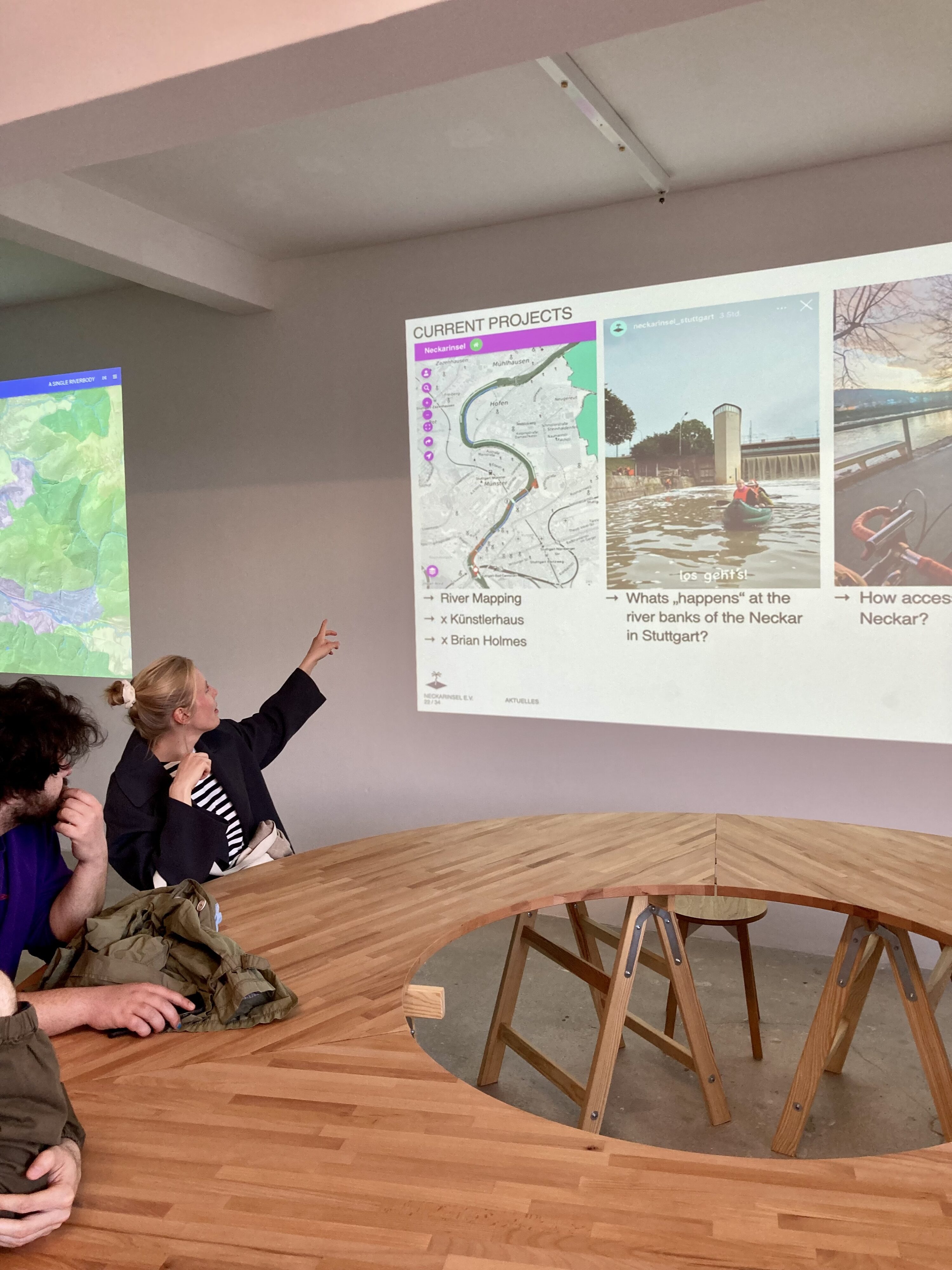
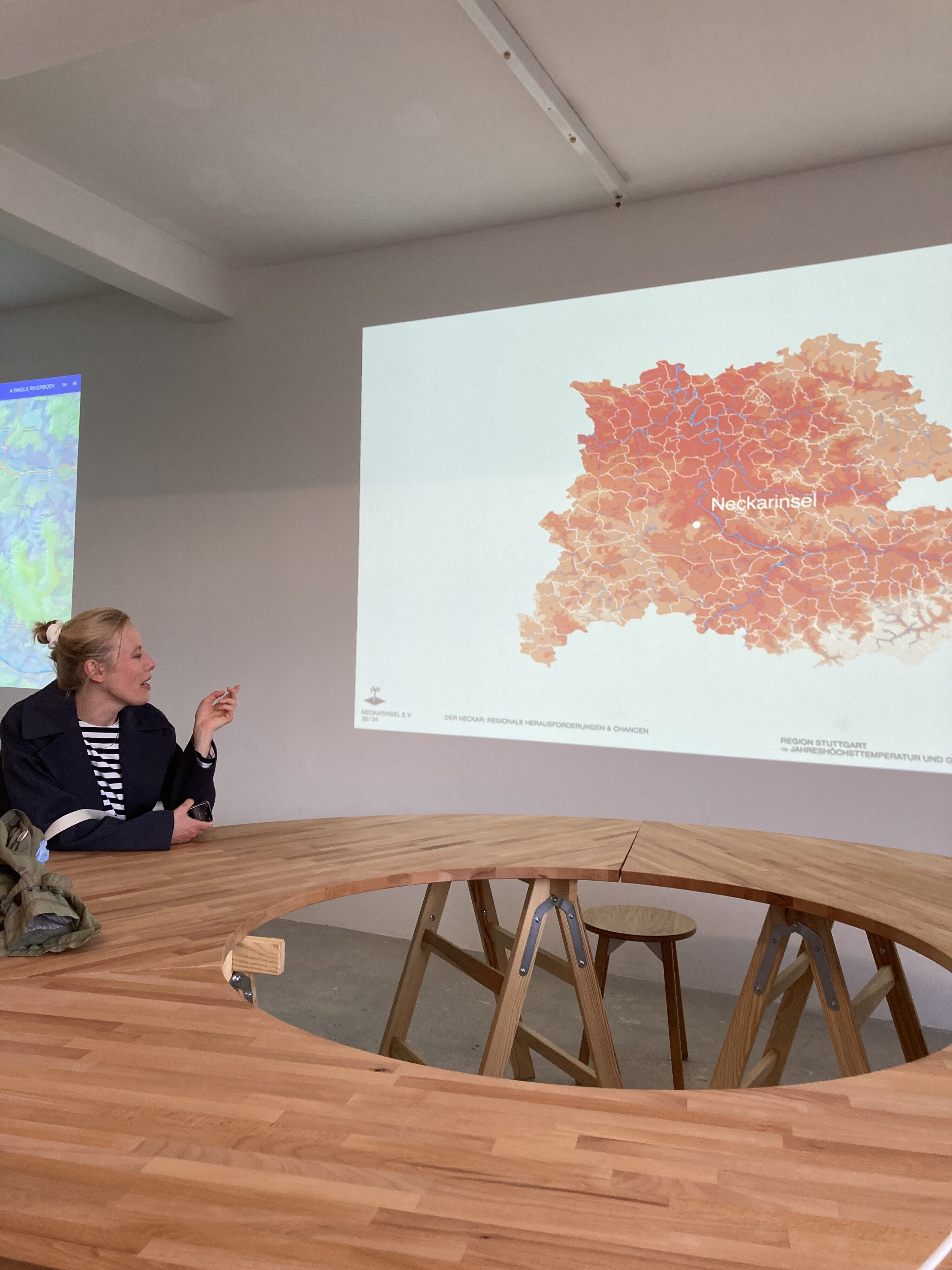
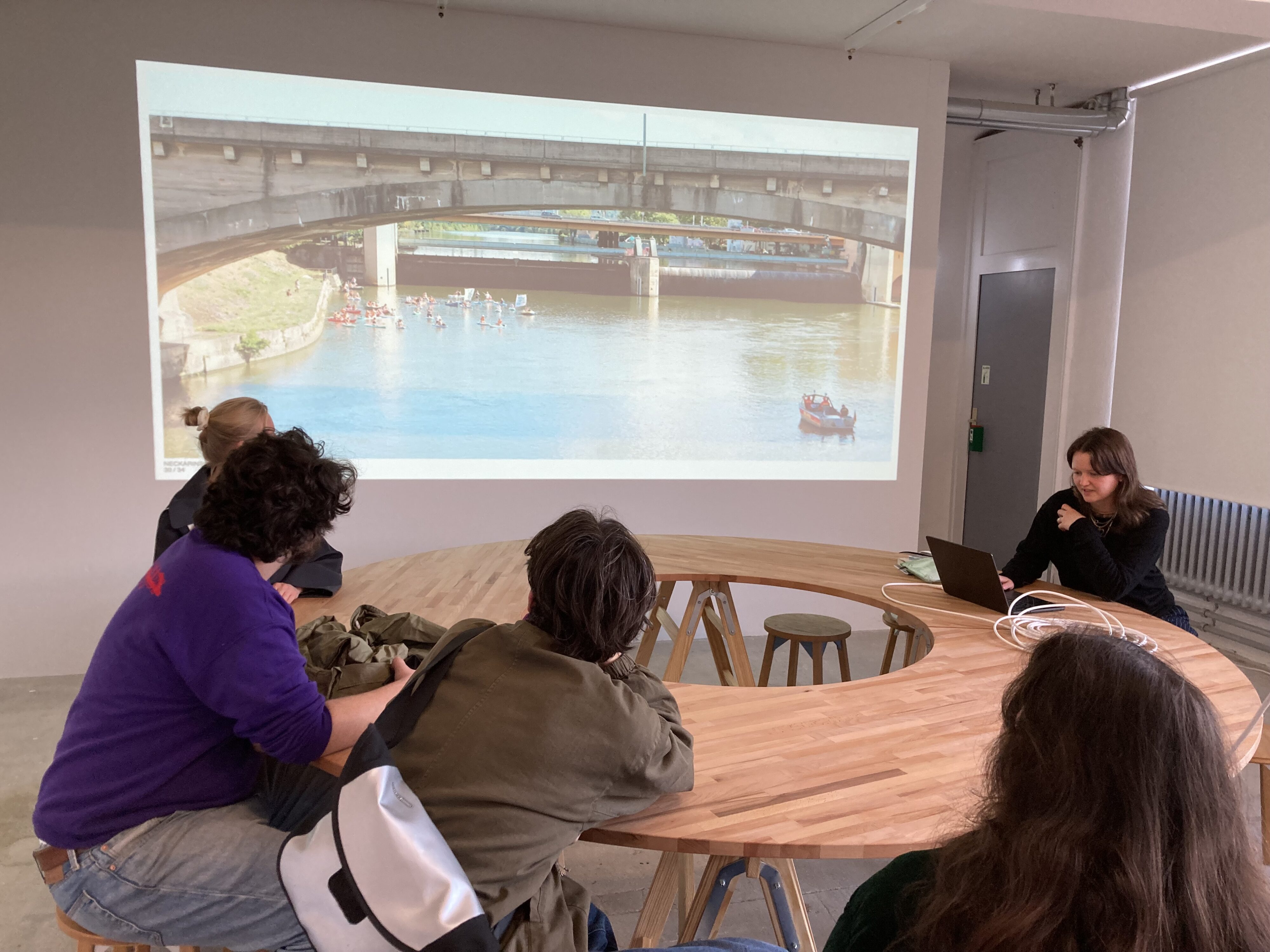
12:00pm–06:00pm
On 15 March, the Künstlerhaus celebrates the Day of Printmaking, which offers artists, print workshops, museums, universities, art associations and other stakeholders throughout Germany the opportunity to show how vibrant the art of printing is: from traditional techniques to experimental printmaking.
To mark the occasion, the Künstlerhaus is opening its lithography and etching workshop to interested and curious visitors. The lithography exhibition Von der Übersicht by Carmen Weber can be seen on the second floor.
1 pm – Artist conversation between Carmen Weber, Donna Volta Newmen, and Florina Leinß about etching and lithography
3 pm – Artist talk between Carmen Weber and the curators Tamarind Rossetti and Stephen Wright about the exhibition Von der Übersicht
As part of the Day of Printmaking, the award-winning lithography artist Carmen Weber will talk about her complex works in Von der Übersicht with curators Tamarind Rossetti and Stephen Wright at 3 pm. The discussion will focus on the process of lithography itself, the fascination that Weber has with drawing on stones, the use of historical mapping stones in her works and the relationship that these works have with the state and region of Stuttgart.
In addition, the conversation will explore the works’ relationship to cartography and, in Weber’s case, the unique use of lithography to create counter-maps.
Opposite, the current workshop scholarship holders Donna Volta Newmen, Florina Leinß and Julia Wenz provide an insight into their current work and another printing technique – etching.
The printing techniques of lithography and etching will also be the focus of the artist conversation at 1 pm, to which all artists and interested visitors are welcome.
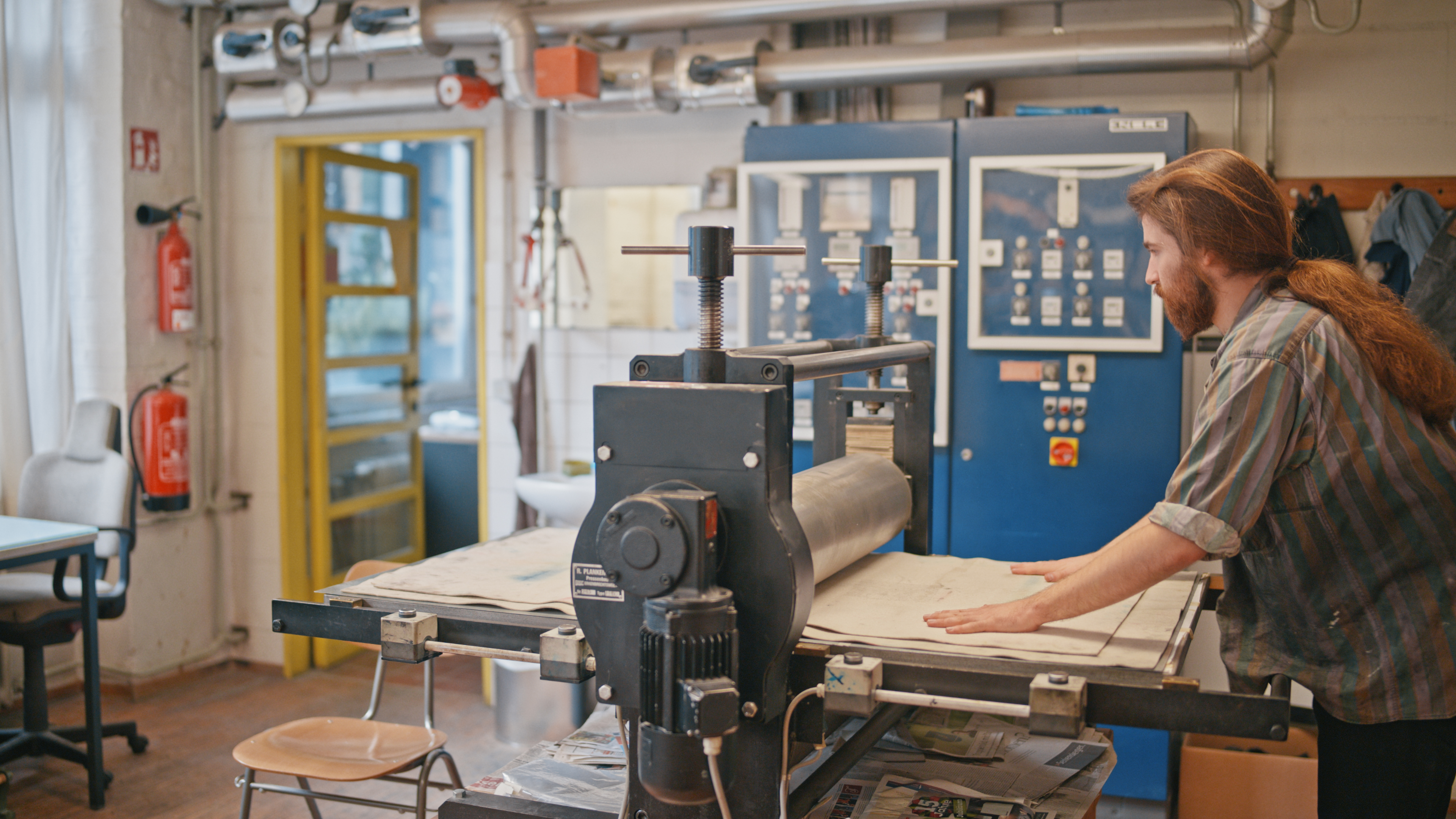
How do we face up to the global changes that have been caused by us humans since the beginning of industrialization, in the age of the Anthropocene, and how will we face up to them in the future? These is the question explored by the artist Kathrin Wörwag.
In her project along and across the river (2023) as part of the IBA’27 Festival, she is initiating an exhibition and a meeting place in form of a laboratory for collaborative exchange at the former “Neckar Spinning Mill” in Wendlingen where production continued until 2020. Based on complex research, site-specific explorations, action lectures and workshops, questions about the social-ecological transformation of historical industrial culture are examined together with other participating artists invited by her and discussed with people on-site. The focus is on the co-existence and mutual dependency of human and non-human living spaces.
In the 40th Tuesday-Workshop Kathrin Wörwag will provide insights of her project and her various and diverse working methods.
In her artistic practice, she is testing how art can be relevant for actively shaping a culture and environment worth living in. She is also concerned with a deeper understanding of creativity that addresses everyone, not just artists: How can we activate ourselves and involve each other creatively? To find out, Kathrin Wörwag repeatedly takes on the role of a mediator and works with an expanded concept of art that she explores beyond the boundaries of institutional art spaces in everyday and social contexts or work contexts, often together with other protagonists. With her art she creates opportunities to learn from others. Her work focuses on polyphonic processes, temporary laboratories, performative interventions, informal forms of knowledge, artistic research and a wide range of formats for dialogue and interaction.
Tuesday-Workshop
The Künstlerhaus invites an artist or a collective—meaning any artists or cultural workers from any field or discipline—to talk about their working methods as well as their backgrounds and approaches. We want to establish a platform for a more in-depth interaction with regard to artistic practice, and in doing so to create a network, show solidarity, and mutually strengthen one other.
The series is aimed at all members of Künstlerhaus Stuttgart, artists either living in Stuttgart and the surrounding area or just traveling through, all cultural workers, art mediators, curators, etc., and is open to everyone!
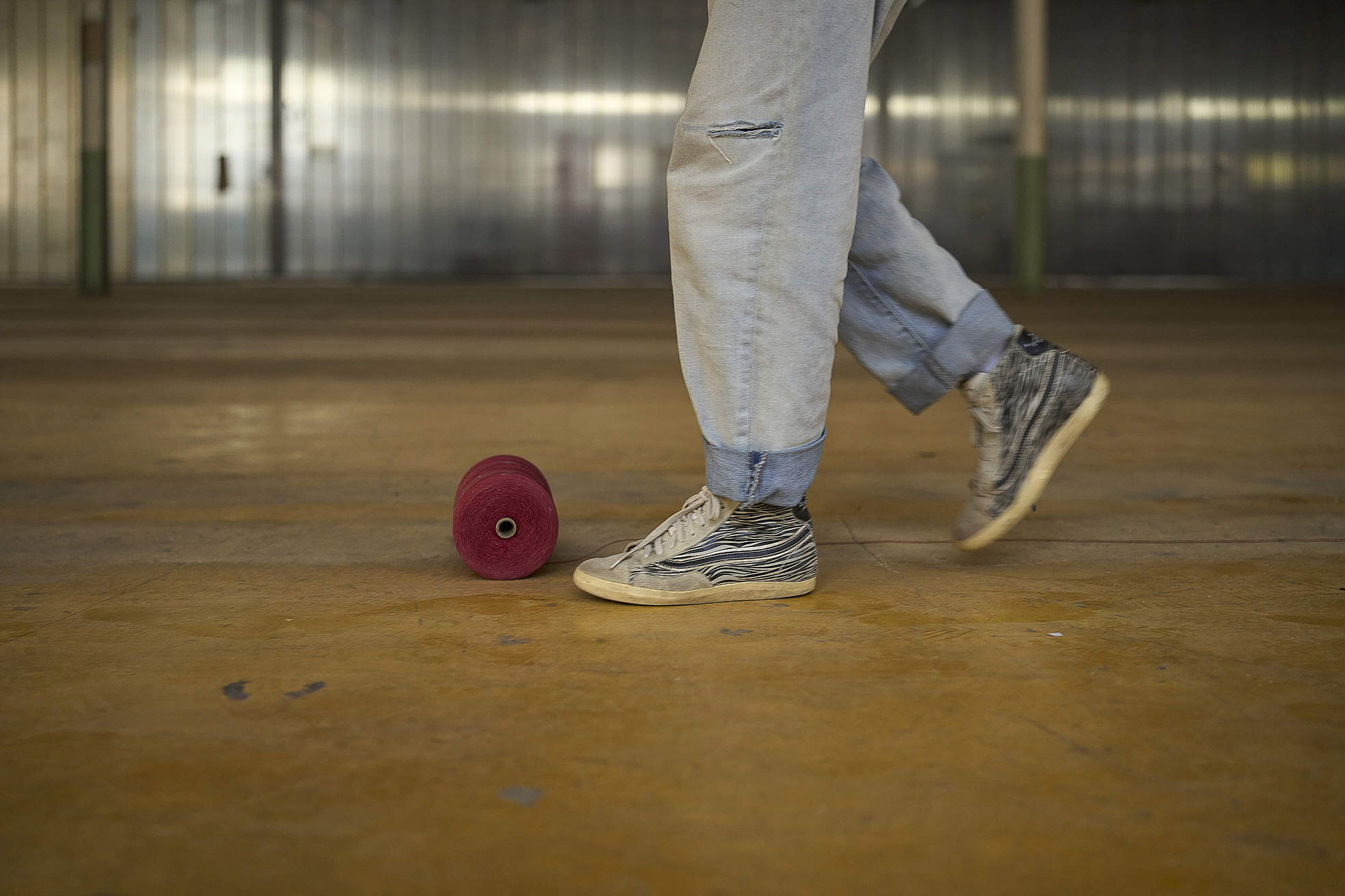
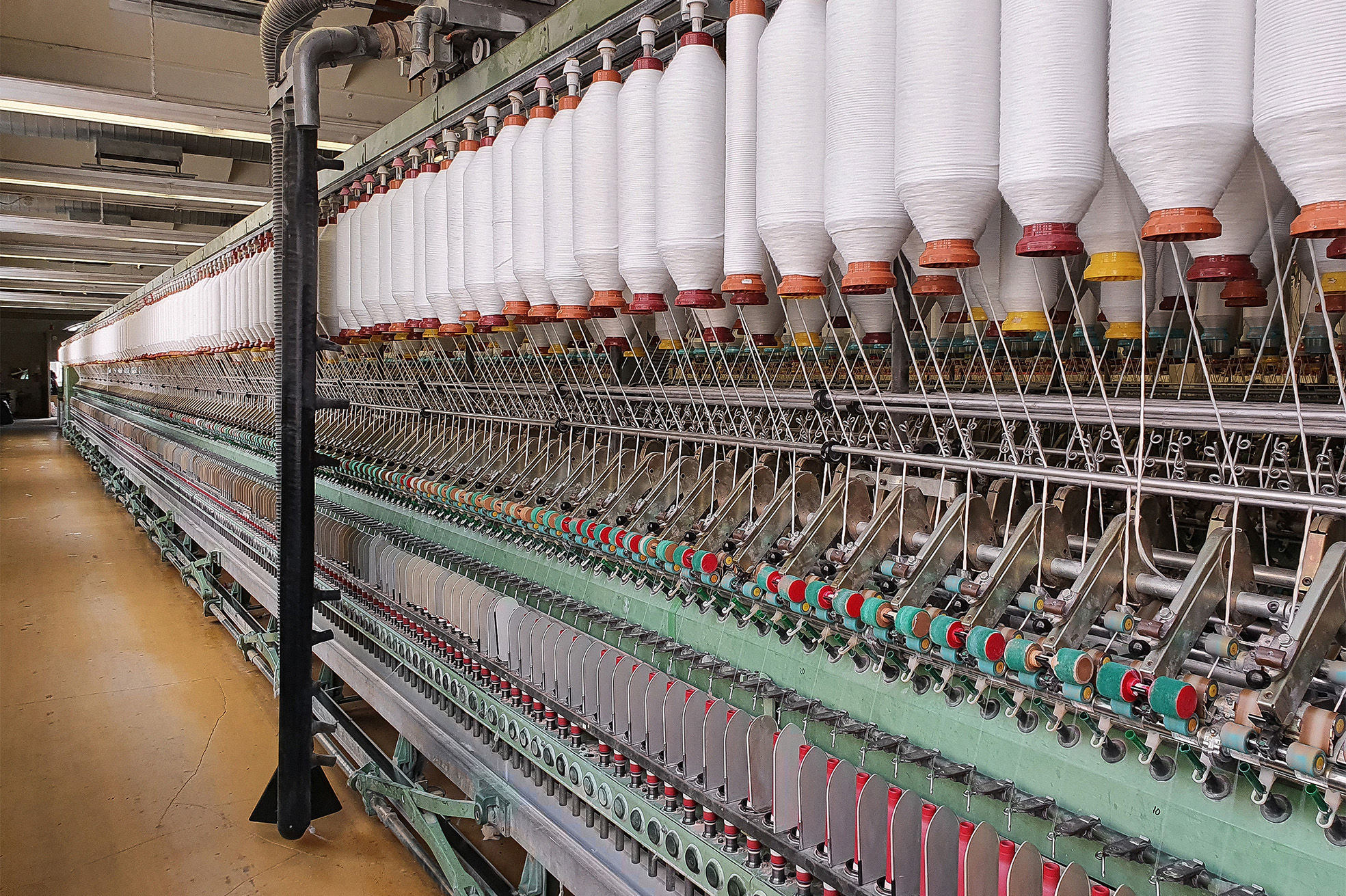
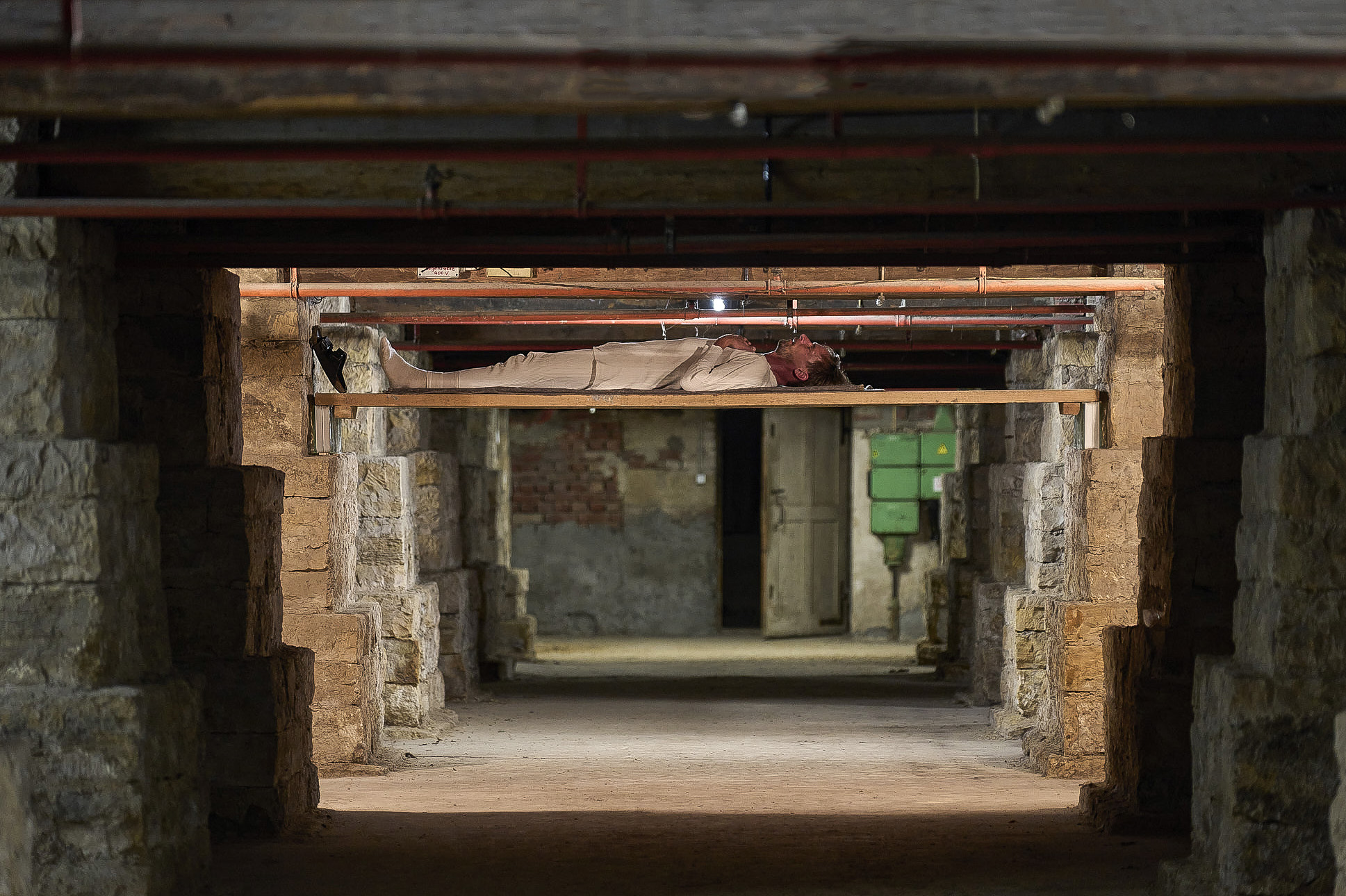
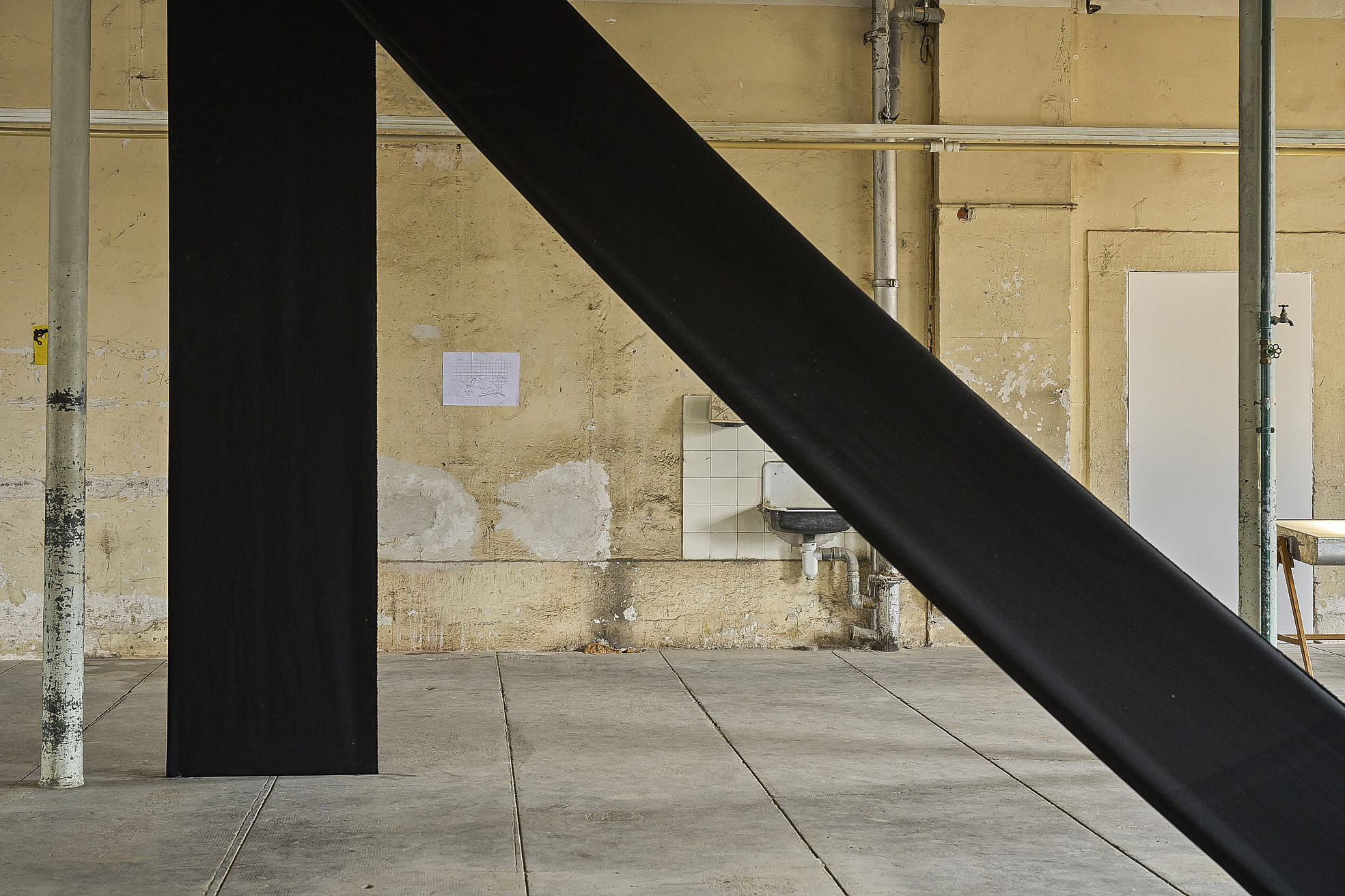
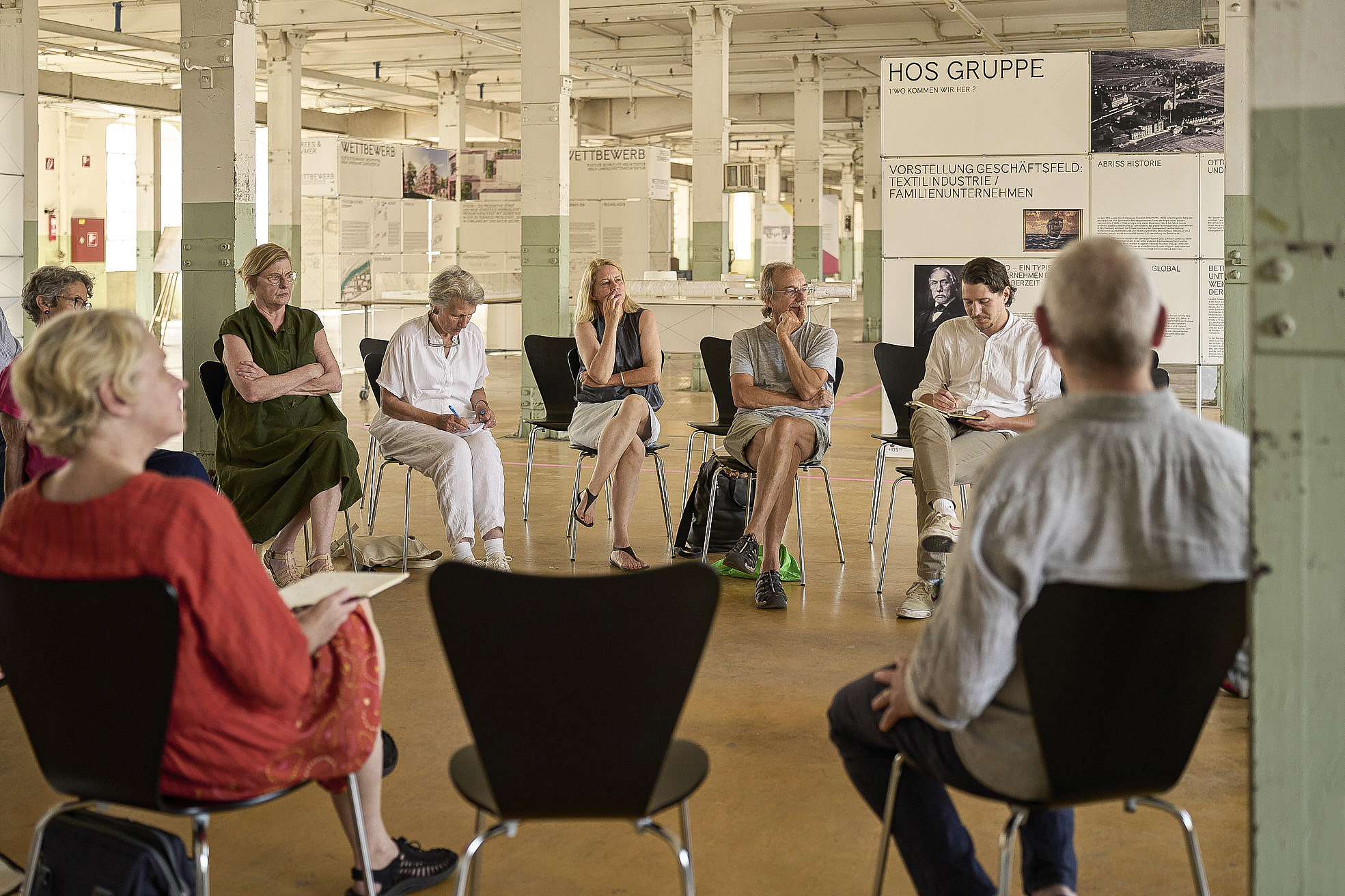

Sunday, February 23, 5-10 p.m.
at the RAMPE Theater (Filderstraße 47, 70180 Stuttgart)
The best way to combat hatred and hate speech is to vote for a democratic party of your choice. Talk to your neighbors, colleagues, family and friends and then go vote on 23.02.2025!
Because the result will potentially be challenging for everyone in Germany who is committed to a progressive, inclusive and non-violent pluralist democracy. It is foreseeable that there will be plenty of reasons for anger, bewilderment or sadness on election night.
That’s why we want to come together and shout, cry, discuss, laugh, hope, drink and dance – and show our support: We are fighting for a pluralistic democracy and we are not giving up, neither before the election nor after.
Free entry

The Punk-Performance-Collective Horizontaler Gentransfer, Mizi Lee, Yun Park, Jerry Ahn, Hanseo Oh, Seonha Park and Lilian Gonzalez, were awarded with the Hans-Molfenter-Prize 2025.
Horizontaler Gentransfer was founded in 2022 by Mizi Lee, Künstlerhaus studio holder.
Hans-Molfenter-Prize, an art award of the state capital Stuttgart has been awarded since 1983 – initially every two years, since 1995 every three years – to artists who are associated with the city and the region and have been recognised for their outstanding artistic work. The prize, which is endowed with 16.000 euros, is financed by the estate of the Stuttgart painter Hans Molfenter (1884-1979).
The award is linked to a presentation at the Kunstmuseum Stuttgart, with Horizontaler Gentransfer staging a concert at the Kunstmuseum Stuttgart on 27 June.
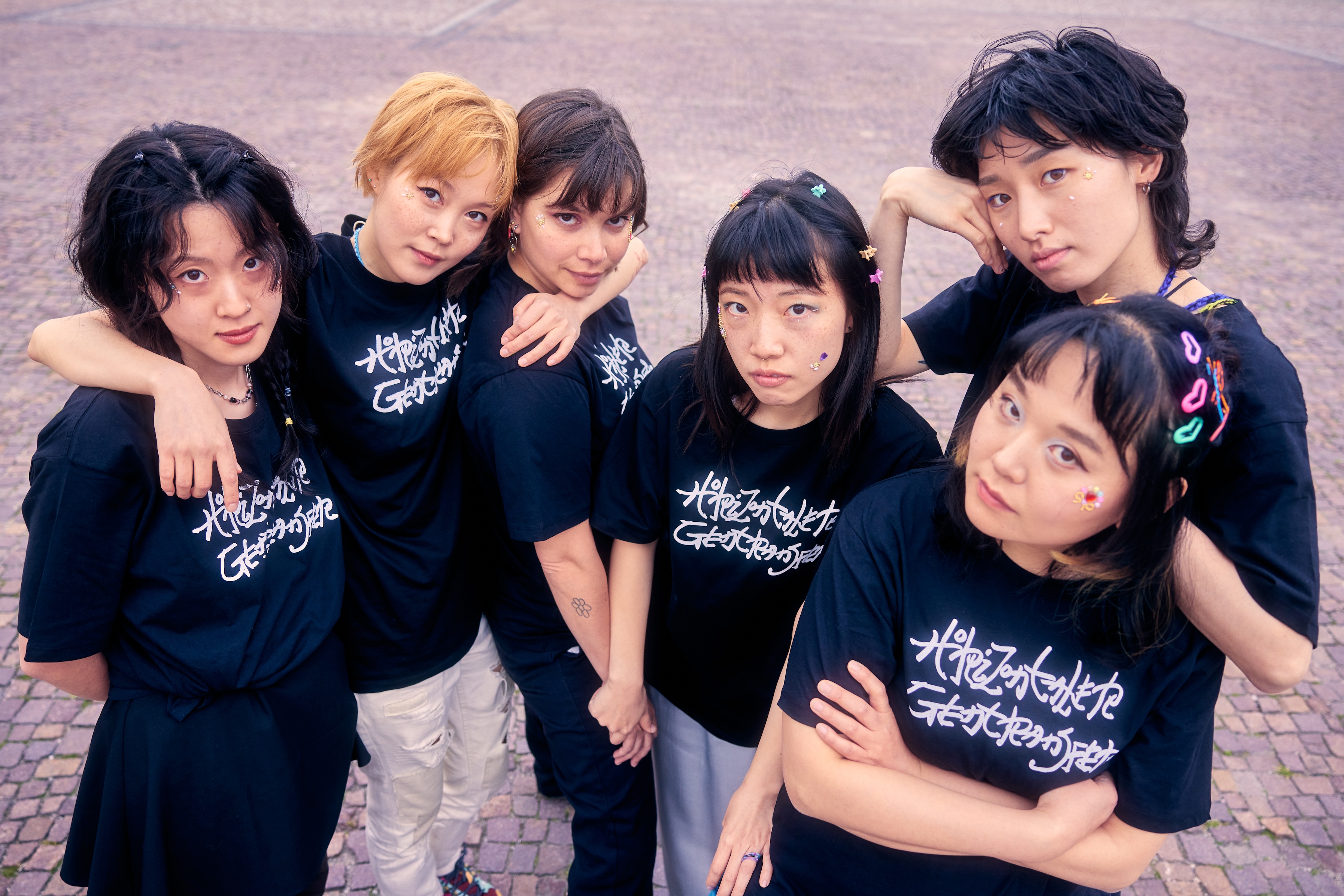
Crafts are a starting point for Ute Fischer-Dieter’s art. Fischer-Dieter explores and tries out the possibilities what is commonly referred to as ‘good craftsmanship’ by intuitively recalling what she has learnt. It is a performative approach that is not about producing new, perfectly crafted objects.
In her work, the artist explores the idea of perfection present in our meritocracy. There is no right and no wrong. The artist’s work is always accompanied by searching, reflecting, moving on and questioning. The groups of works result from numerous sources and experiences with different characters. Nevertheless, everything is interconnected, as one is created from the other.
In general, the artist prefers to work with existing materials. Our consumer society has already produced so much that she wants to use as few new resources as possible. Discarded fashion magazines are recycled and overprinted several times with screen prints, whereby the original motif is initially denied because it is concealed. However, the artist does not stop at simply covering the magazine pages.
The prepared pages are illuminated and photographed, making the original images shadowy again, but overlaid and thus emerging in a new light.
Digital photos and videos are made of the haptic screen print series. The artist plays with the change of medium – from paper to digital – in the most recent works of the screen print series ‘Schutzräume – do we have a second chance?’.
Here, the existing image files are virtually superimposed on the computer and can be printed on paper or as a 3D object if required. In this way, she can remain consistent with her working method. Because in order to create something new, no new resources need to be found. Instead, she focusses on the things that are already there and thinks them further.
Text by Dr. Judith Knippschild
Tuesday-Workshop
The Künstlerhaus invites an artist or a collective—meaning any artists or cultural workers from any field or discipline—to talk about their working methods as well as their backgrounds and approaches. We want to establish a platform for a more in-depth interaction with regard to artistic practice, and in doing so to create a network, show solidarity, and mutually strengthen one other.
The series is aimed at all members of Künstlerhaus Stuttgart, artists either living in Stuttgart and the surrounding area or just traveling through, all cultural workers, art mediators, curators, etc., and is open to everyone!
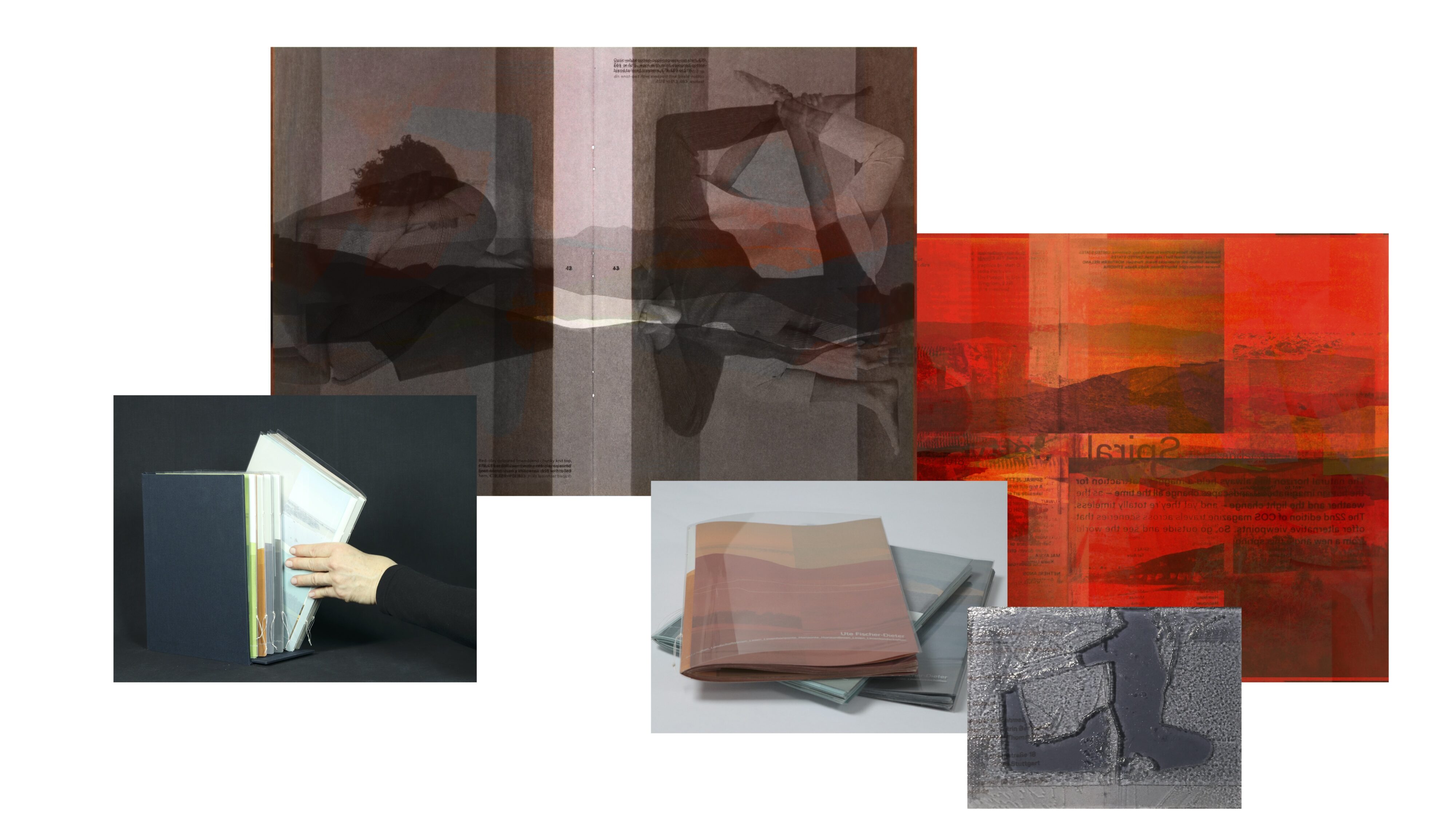
In the second listening session, titled ‘The Divine Feminine – Gender-Esoterik – Hyper-Pop – Cross-Species – Hybrid Goddess – Listening Session’, we will listen to the music that inspires Alexandra Haas in her artistic practice – tunes that make her melt and merge with her surroundings until they are indistinguishable: Is that a voice or a sound? Text or sound? Concepts and categories dissolve in the mind, and in the end there is only a feeling – which is exactly the intention: to disrupt established orders and embrace the unknown. In this way, gender codes are distorted until they are rearranged, lose their material anchoring and merge into other forms.
Listening Sessions
This is the second event in the new ‘Listening Sessions’ series in the recording studio at the Künstlerhaus. Artists are invited to bring along the music that inspires, shapes and accompanies them. We will listen to this music together in the recording studio.
The regular series offers a space to exchange ideas about sonic influences and personal connections to music. This series of events was conceptualised by Lena Meinhardt, artist and manager of the audio workshop at the Künstlerhaus.
As places in the recording studio are limited, please register at audio@kuenstlerhaus.de.
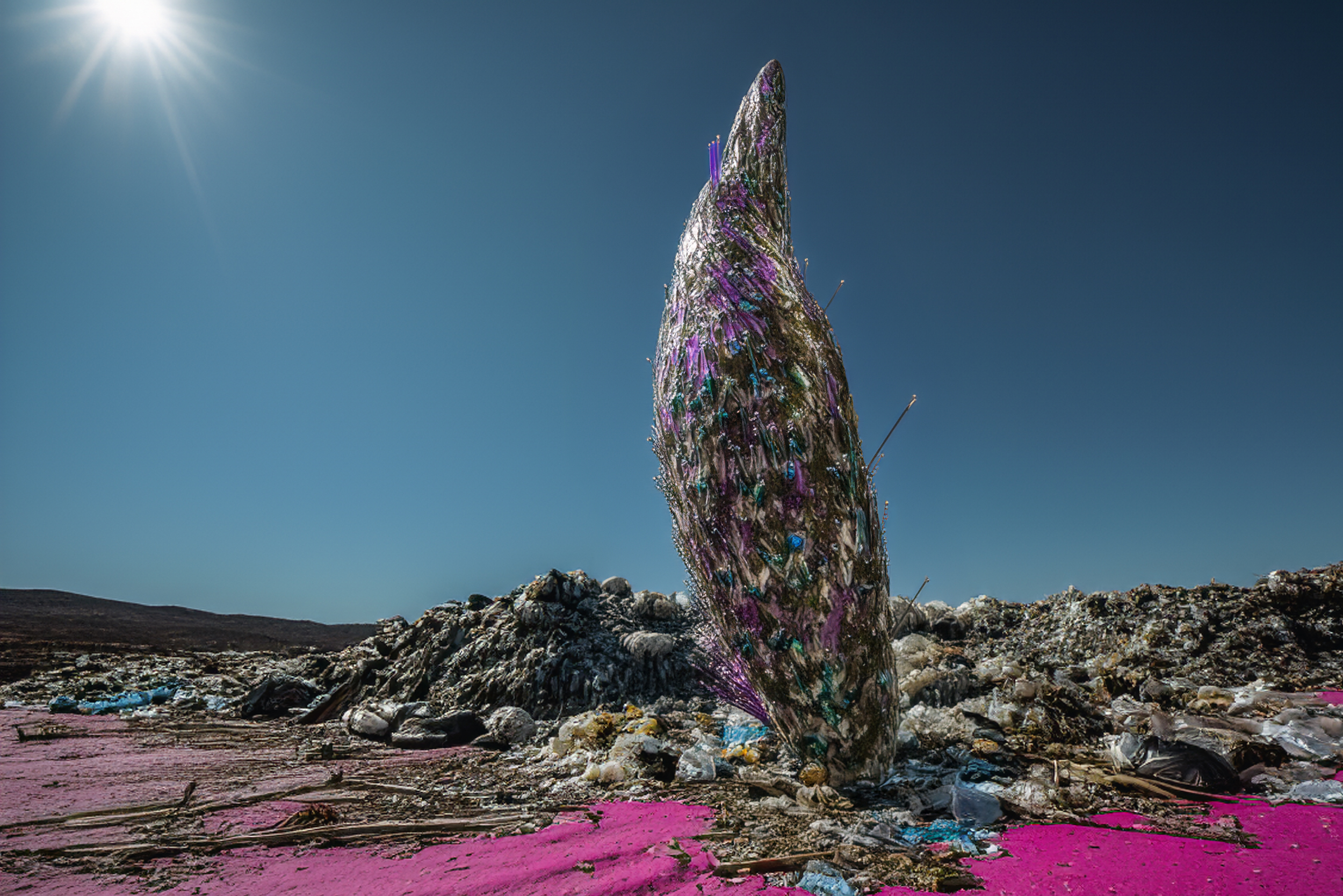
What does the Anthropocene look like up close? How does global ecological change refract into lived experience?
For this culminating phase of the Rivermap atmosphere at Kunstlerhaus Stuttgart, Jeremy Bolen and Brian Holmes begin with an invisible marker: lingering radiation at a place called Site A in Red Gate Woods on the outskirts of Chicago, Illinois, where Manhattan Project scientists covertly ran the world’s first atomic pile during the Second World War. Here and at other nuclear dumps in the area, Bolen buried color film in the ground, then retrieved and developed it, revealing material traces of a turning point in Earth’s history.
In the exhibition space these strips of exposed film have become a series of psychedelic banners rising from fresh soil, forming an uncanny labyrinth in which two extensive projects are inserted. The first is entitled Born Secret (Cash for Kryptonite), shown on a series of monitors interspersed among the irradiated banners. This video essay, made in 2019, reaches out from Illinois to a pair of atomic weapons production sites in nearby states: the Paducah Gaseous Diffusion Plant in Kentucky and the Oak Ridge Laboratory in Tennessee. By examining the ecological foundations of these industrial projects, the artists weave the nuclear narrative into a vast process of territorial change based on river engineering, hydropower and the modernist promise of abundant electricity. Uncovering the sociopolitical components of the Faustian bargain that trades scientific knowledge for world-shaping power, the video gives tangible form to what Holmes calls “the Anthropocene mode of production.”
The question that runs throughout these works is fundamental: What kind of world is industrialized humanity creating? Bolen and Holmes made Born Secret as part of the continental-scale project Mississippi: An Anthropocene River, organized in 2019 by HKW and the Max Planck Institute for the History of Science. Subsequently they returned to the Lower Mississippi, to explore an historical genealogy in which the mastery of nature by European settlers becomes irrevocably entwined with the domination of other human beings. The video If This River Could Move (2022) begins at a key site of river engineering called Old River Control, located just across the Mississippi from the former Angola plantation, which later became a convict-leasing camp and is now the Louisiana State Penitentiary. The camera then moves downstream, through the petrochemical corridor of Cancer Alley and the flood-besieged city of New Orleans, to end in the storm-tossed environments of the Bird’s Foot Delta, where the great river finally pours into the sea.
As in the previous phases of this atmosphere, a touchscreen map and a research pamphlet accompany the video, along with a series of outtakes focusing on the world’s first deepwater drilling platform, “Mr. Charlie,” shown on miniature screens under a pool of mineral oil. Yet a crucial closing element has been added, replacing the wall image of the Cascadia bioregion with which the atmosphere opened. This closing element is a projected map of the Neckar River watershed where Stuttgart is located. Made with highly detailed Lidar renderings, the map reveals the extraordinary floodplain topography in which the human habitation of this region has nestled, protected by elaborate levee systems built under the climatic regime of previous centuries. How will this particular topography interact with the atmospheric tumult of the Anthropocene? What are the teachings of the floods that are surely coming to this region?
It is long past time for industrialized humanity to learn something new about the planetary cycles that sustain us. Wherever you may live, in the city or the country, on the mountain or in the valley, Earth Time is your time.
Program
Opening
Saturday, January 25, 2025, 7pm
Künstlerhaus Stuttgart, 4th floor
Artist Talk
with Jeremy Bolen and Brian Holmes
Saturday, January 25, 2024, 7:30pm
Künstlerhaus Stuttgart, 4th floor
Curators Tour
with Tamarind Rossetti and Stephen Wright
Thursday, March 20, 2025, 5pm
Künstlerhaus Stuttgart, 4th floor
Opening hours:
Saturday/Sunday 12:00-18:00
and by appointment
Realized with the kind support of the Goethe Institute.
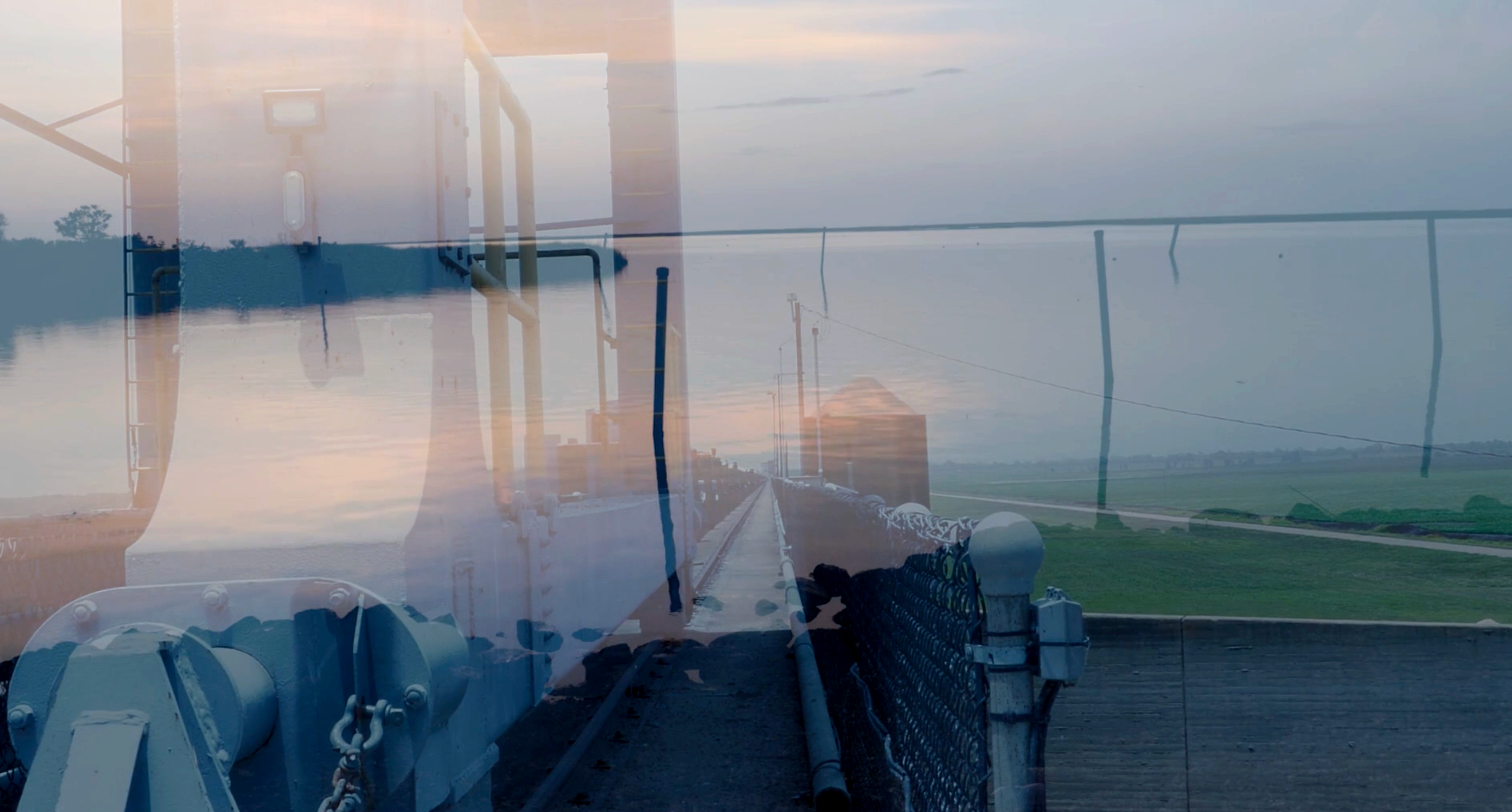
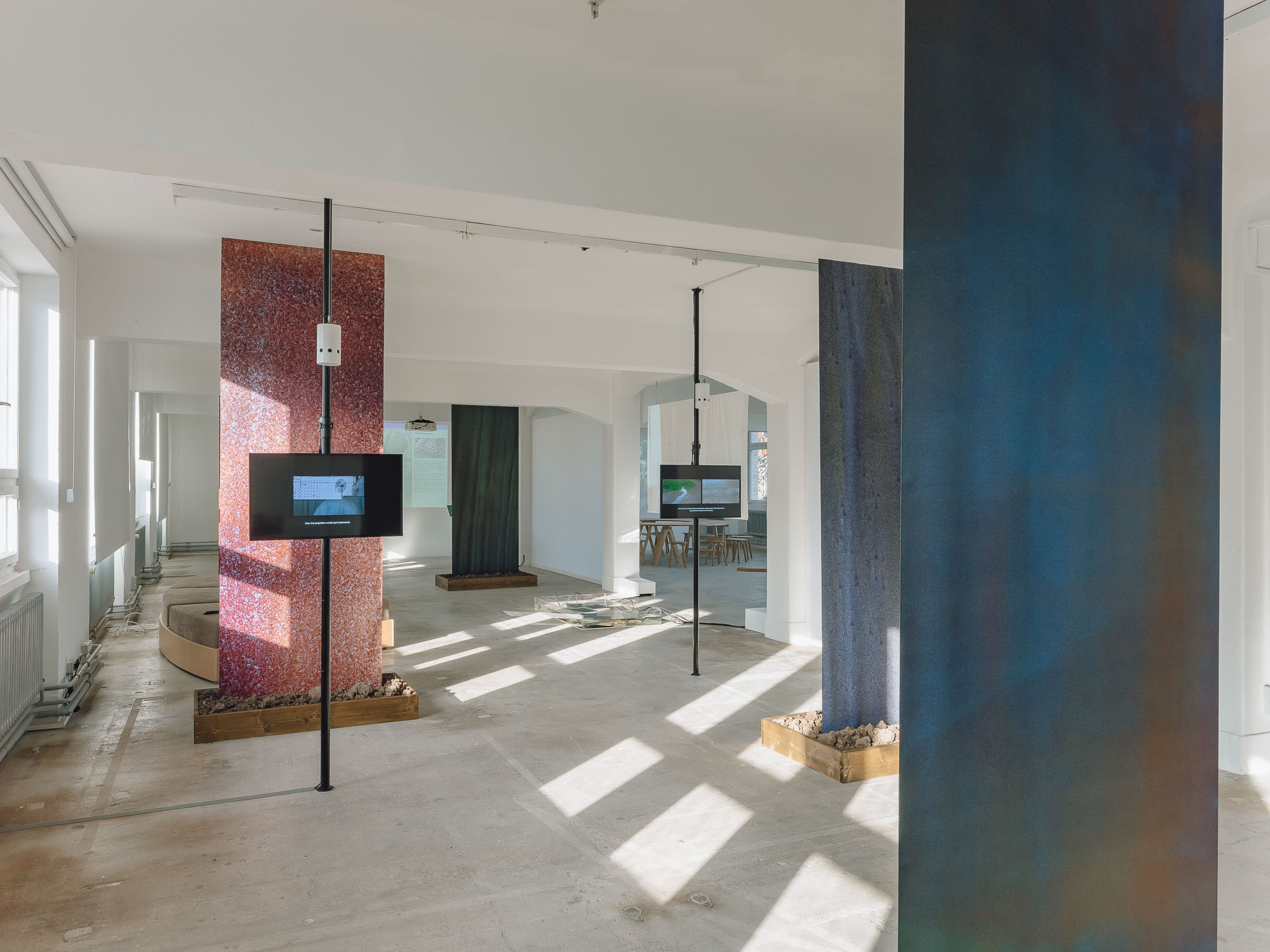
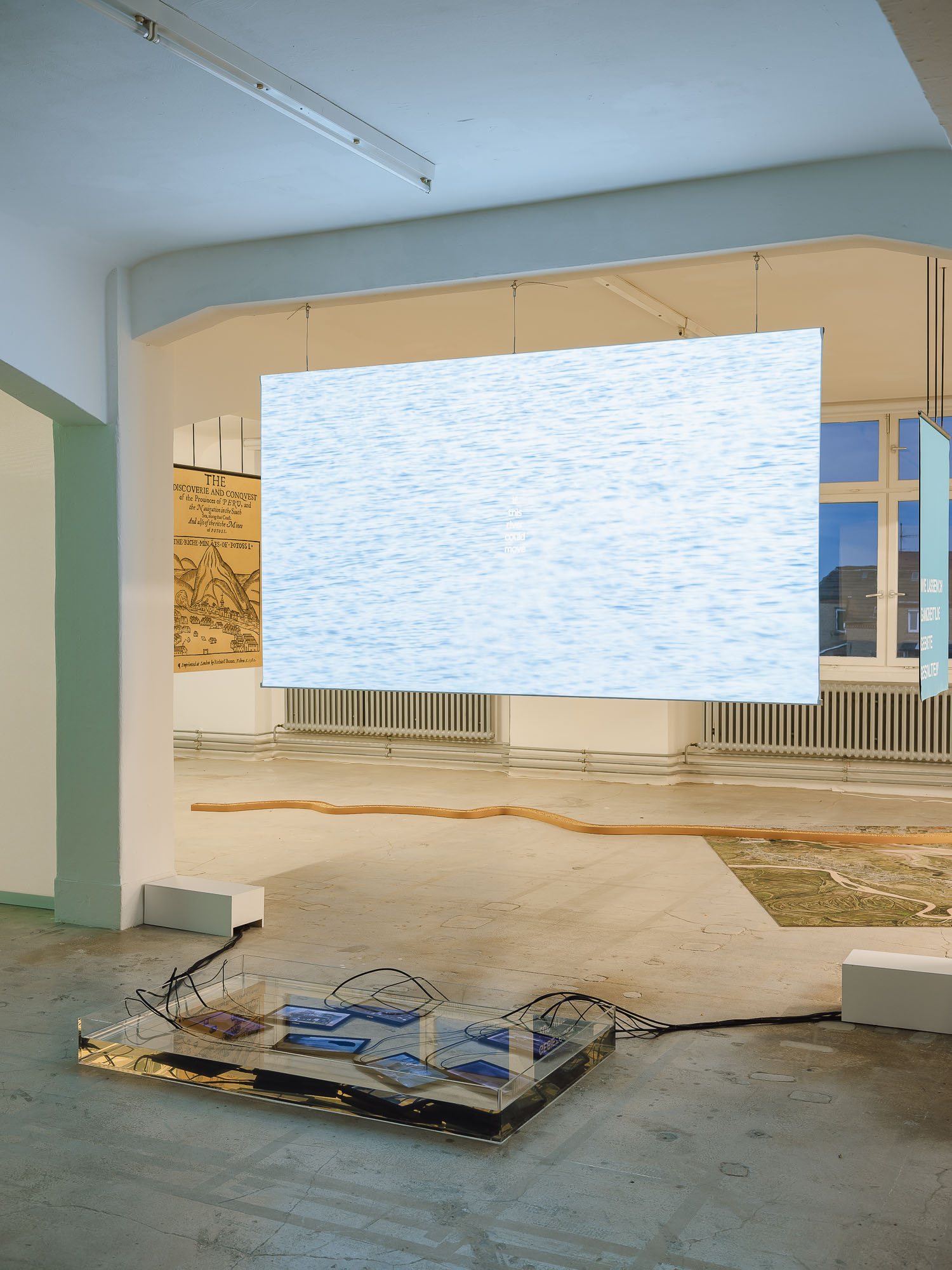
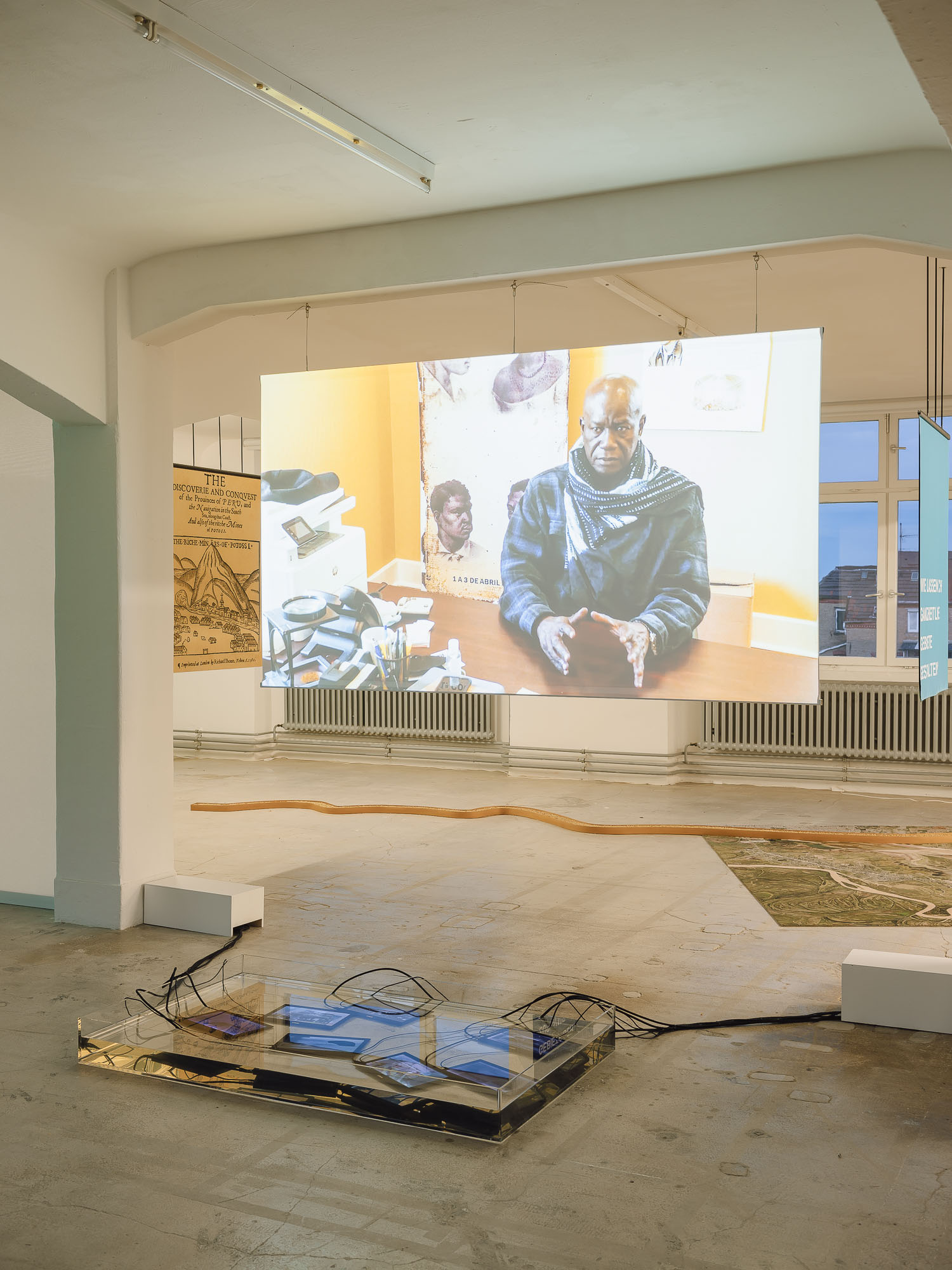
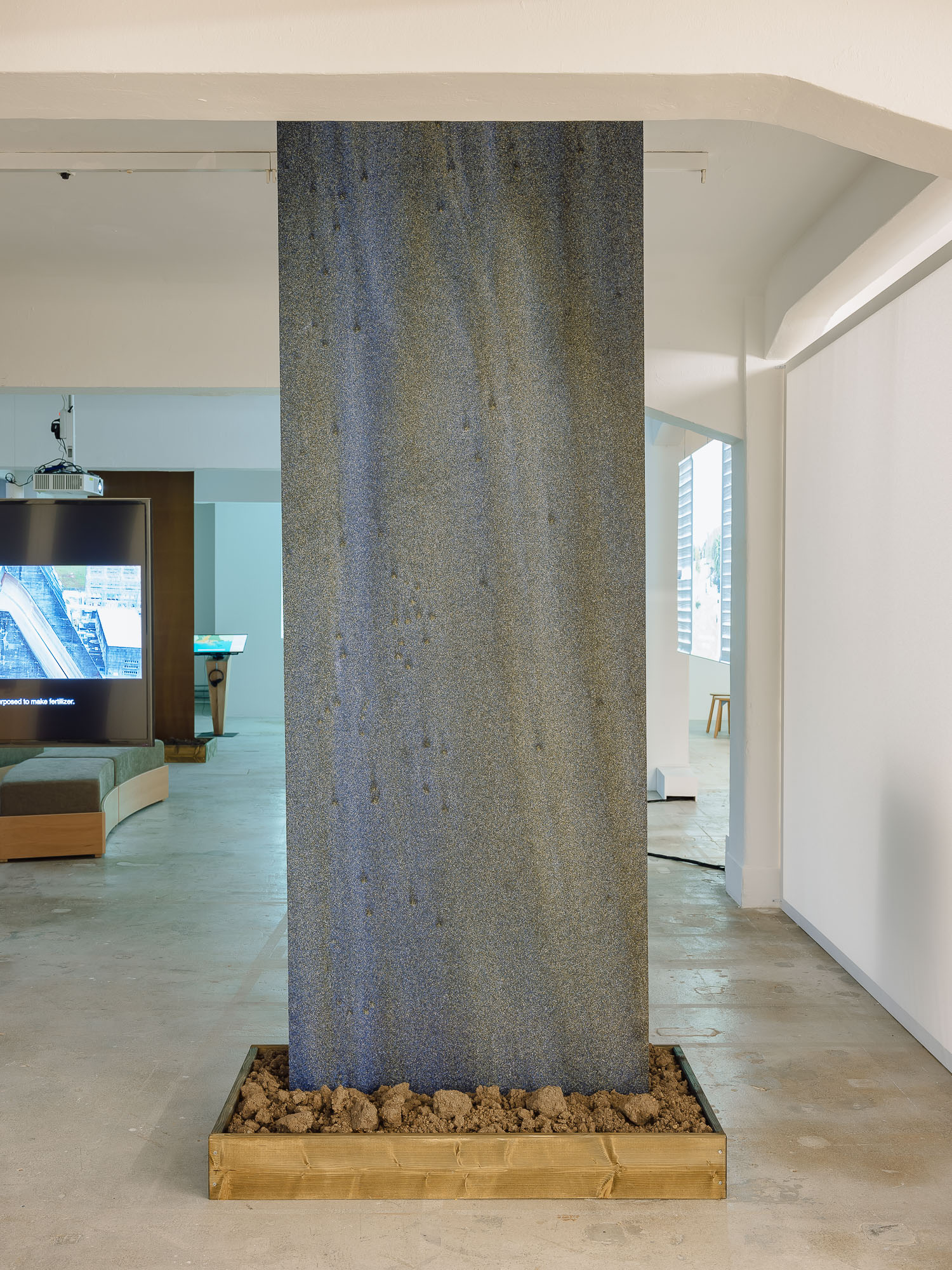
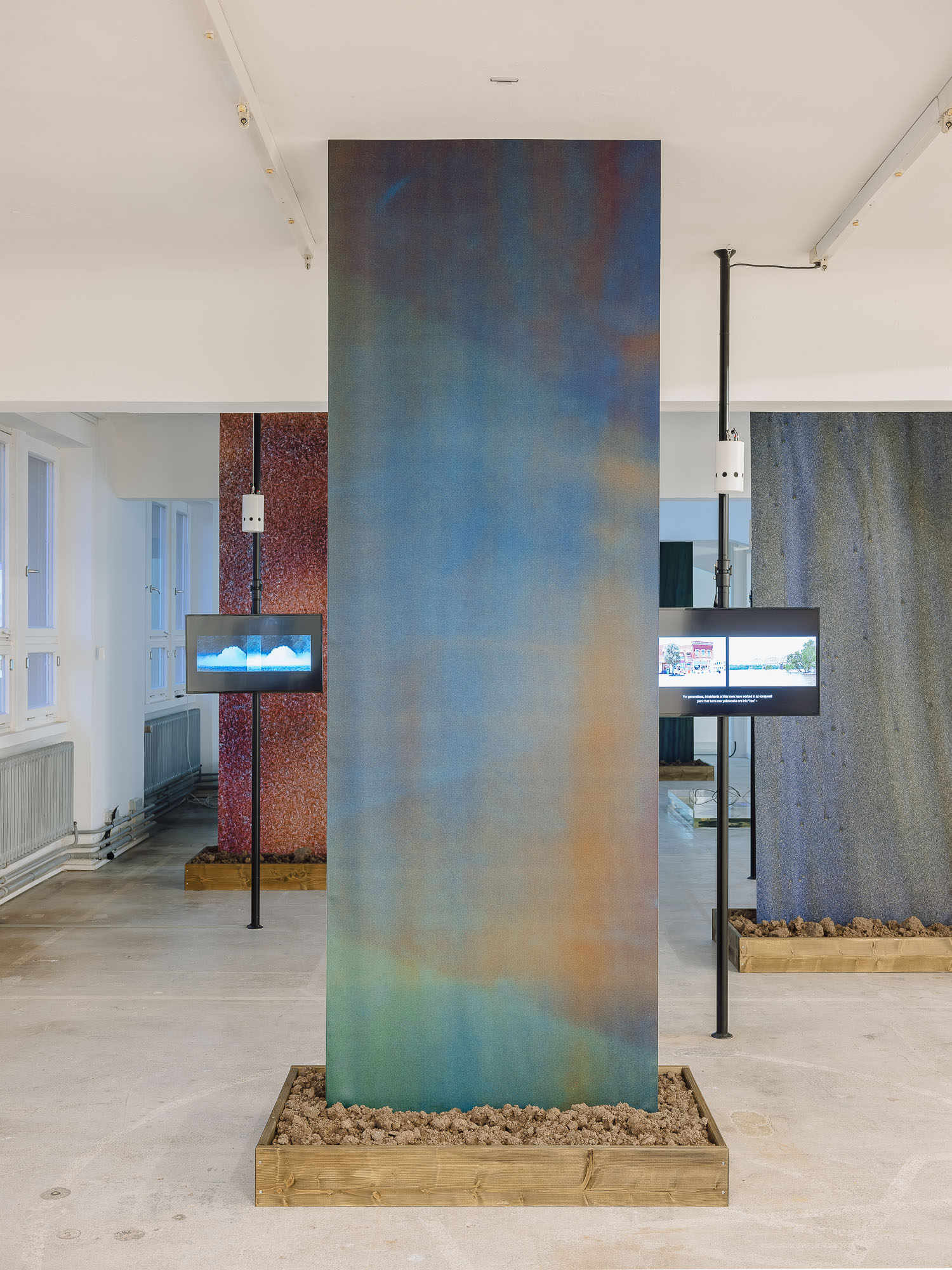
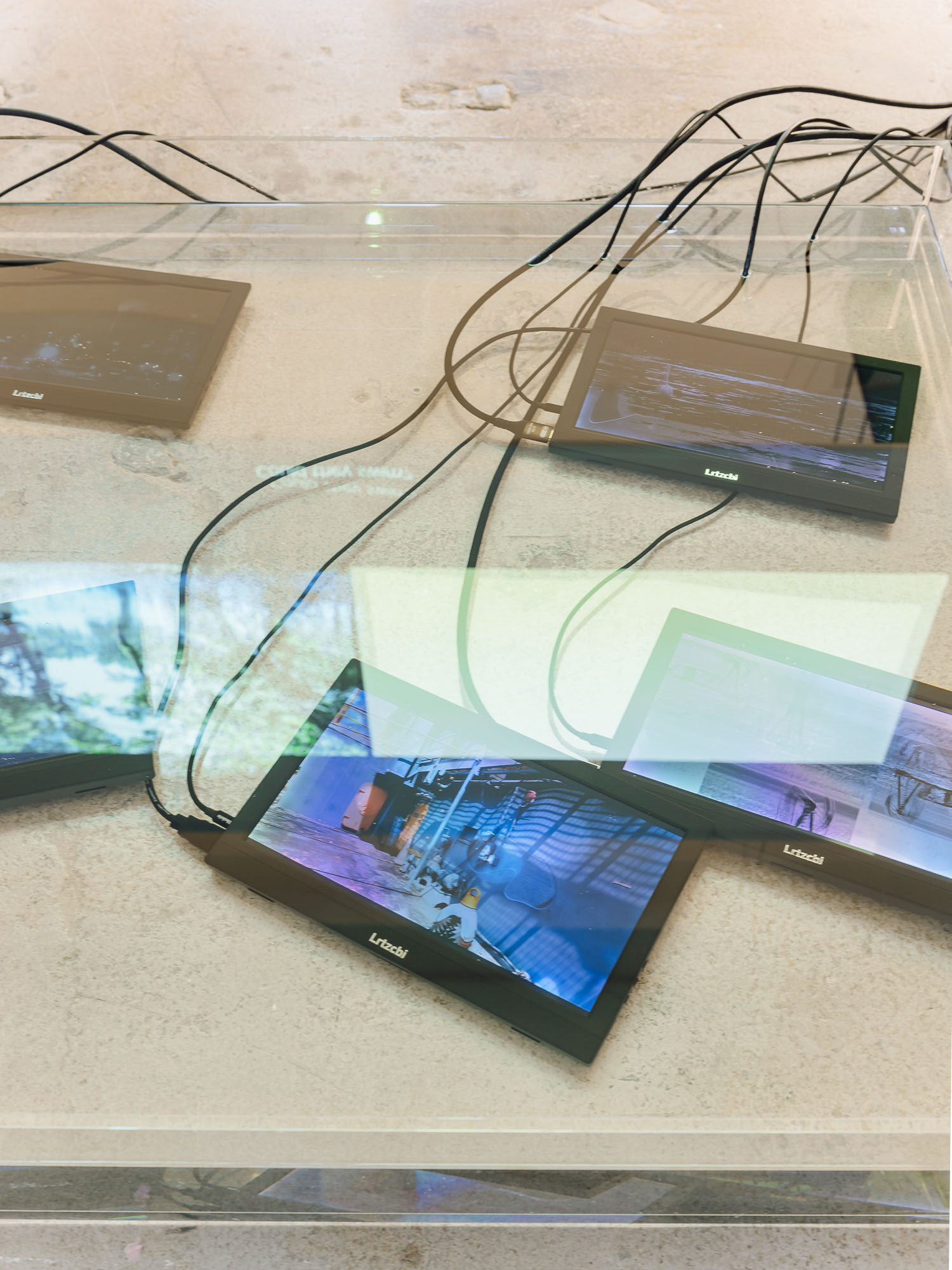
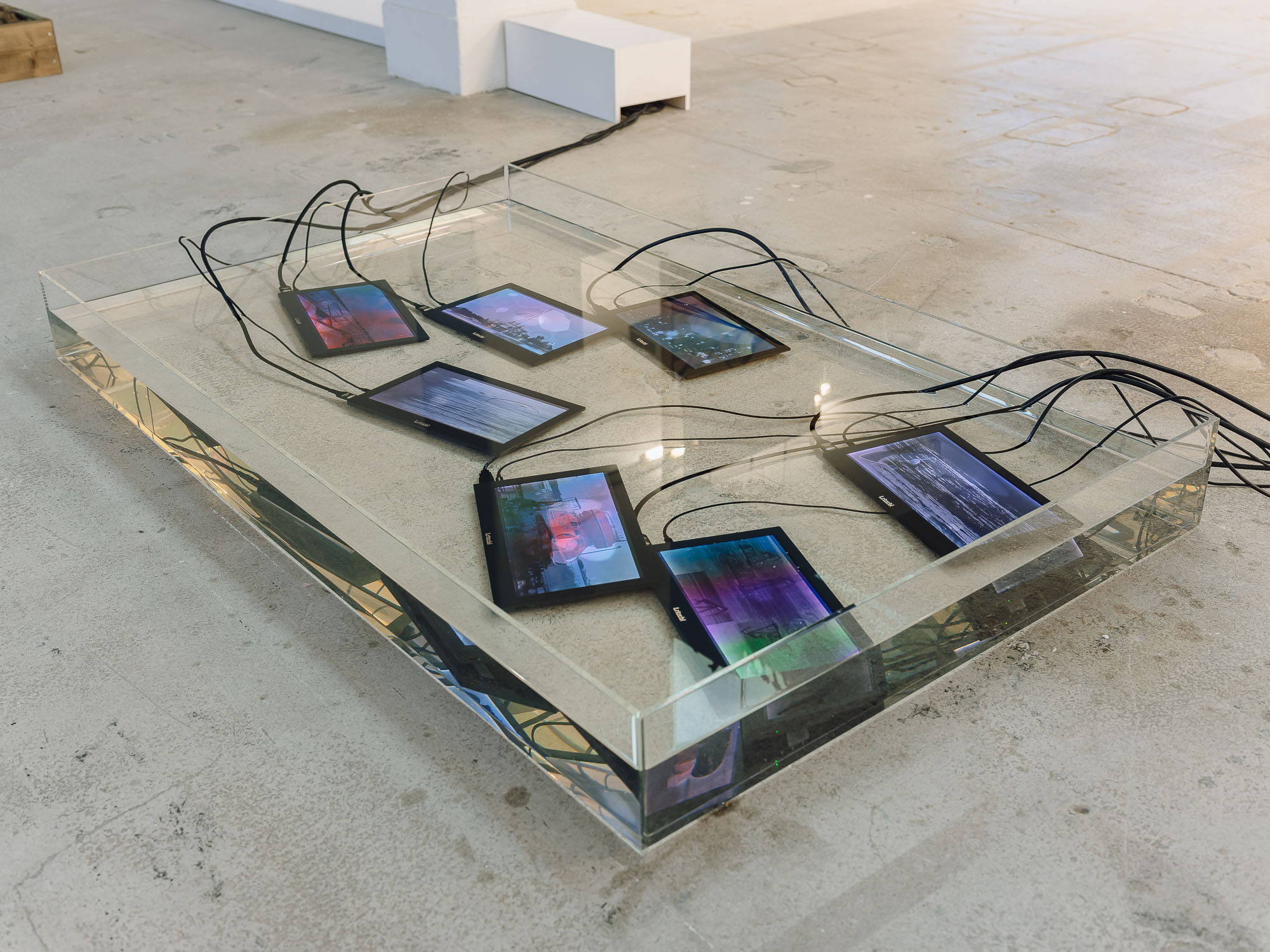
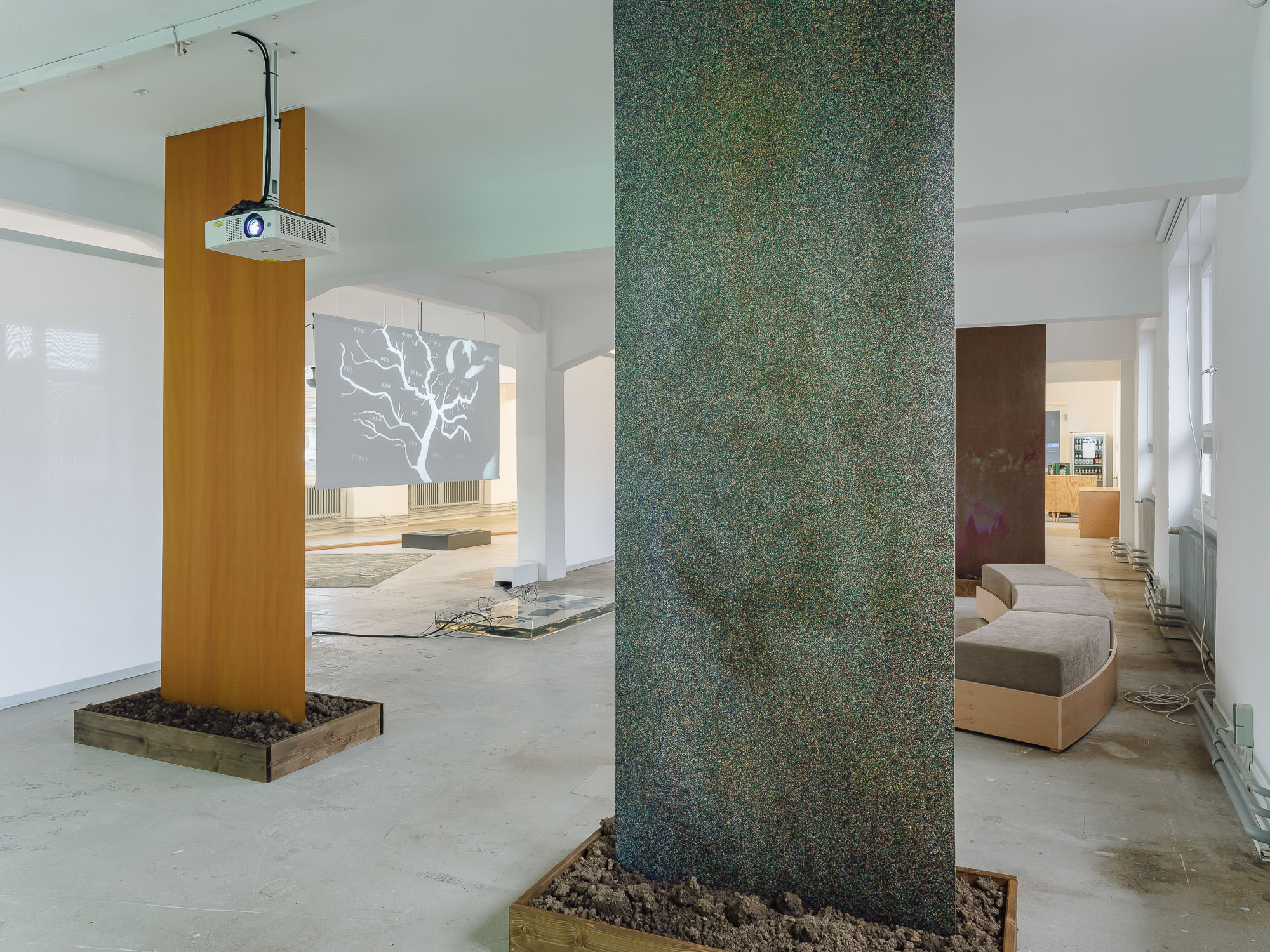
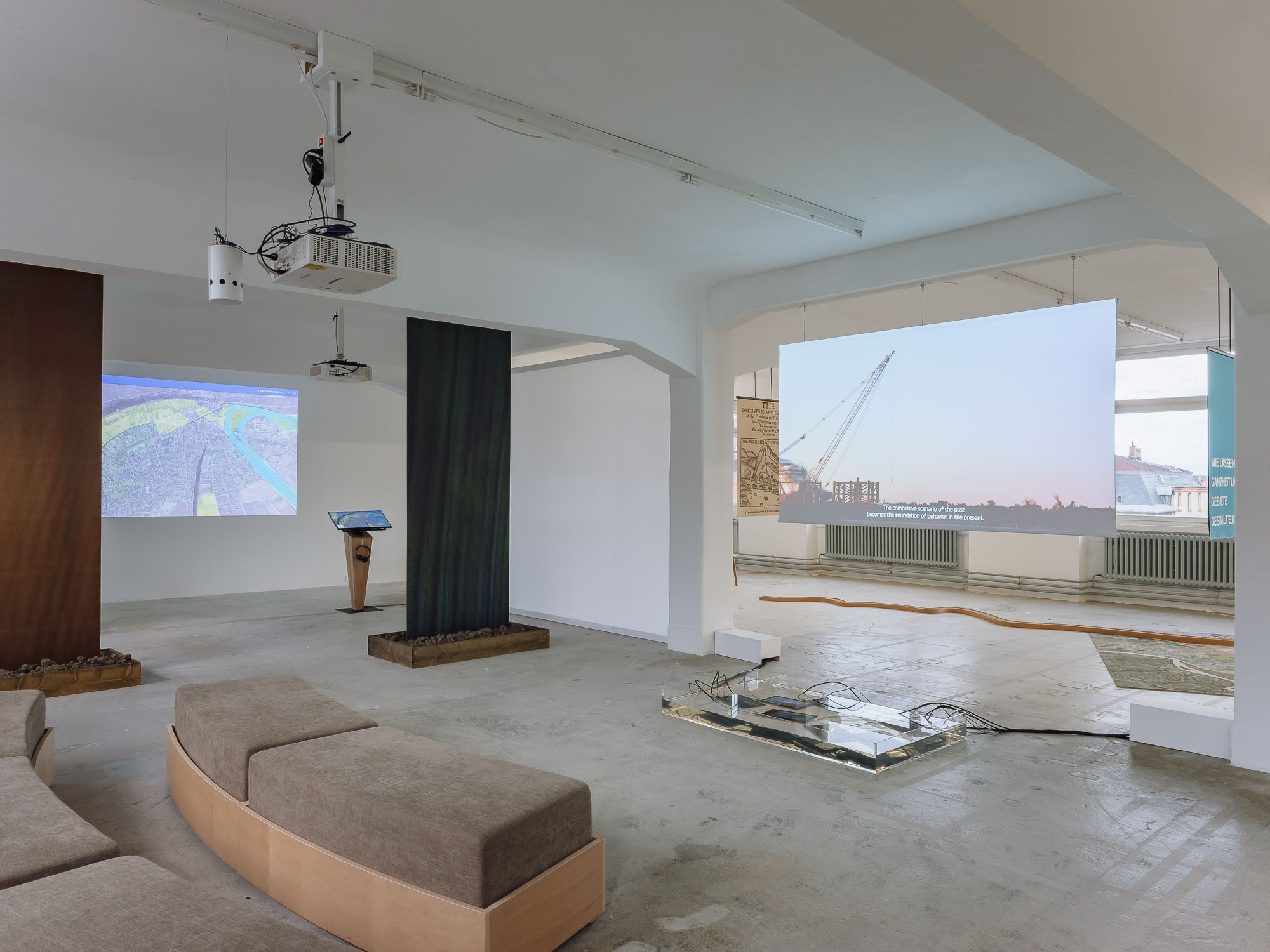
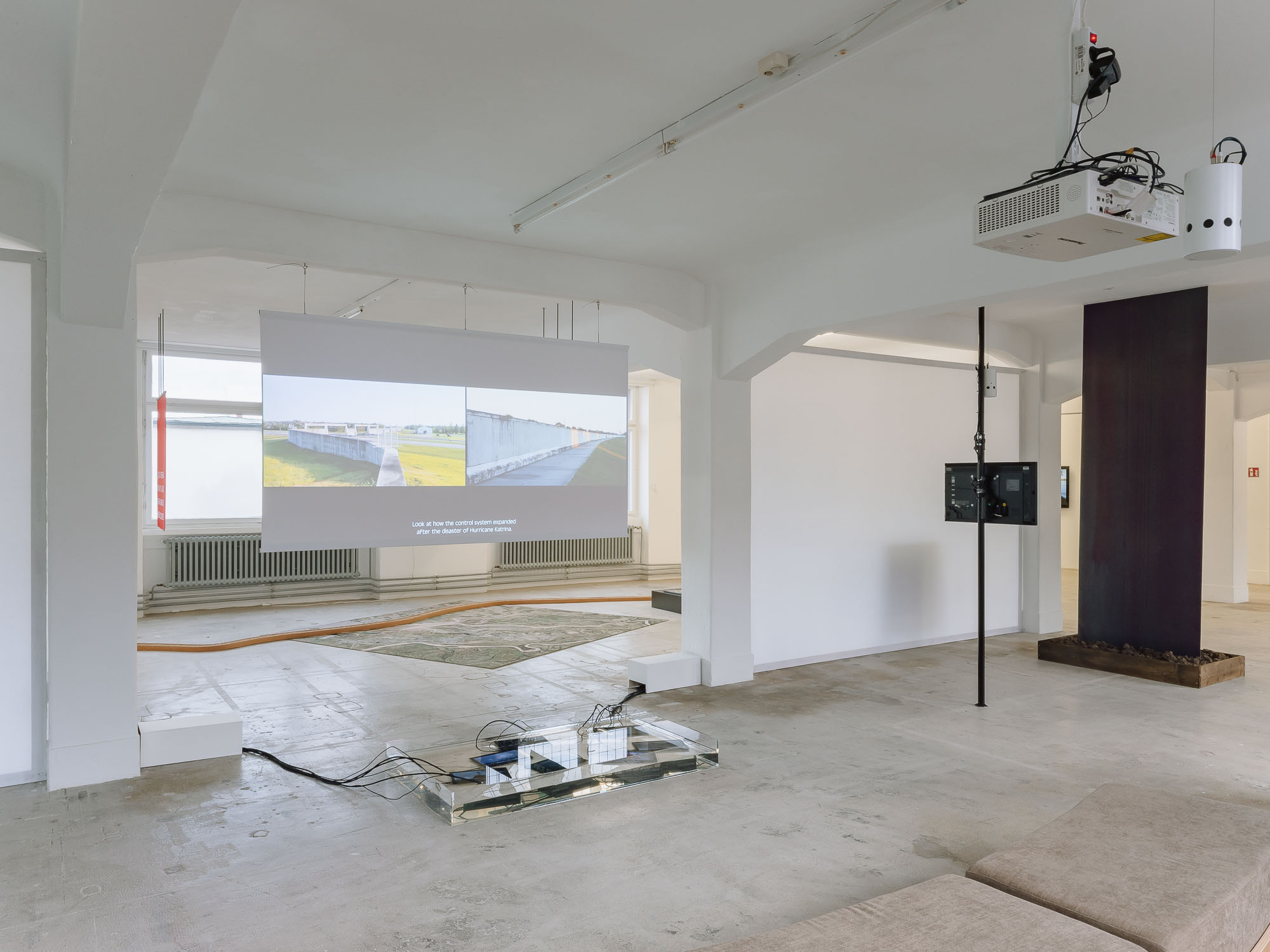
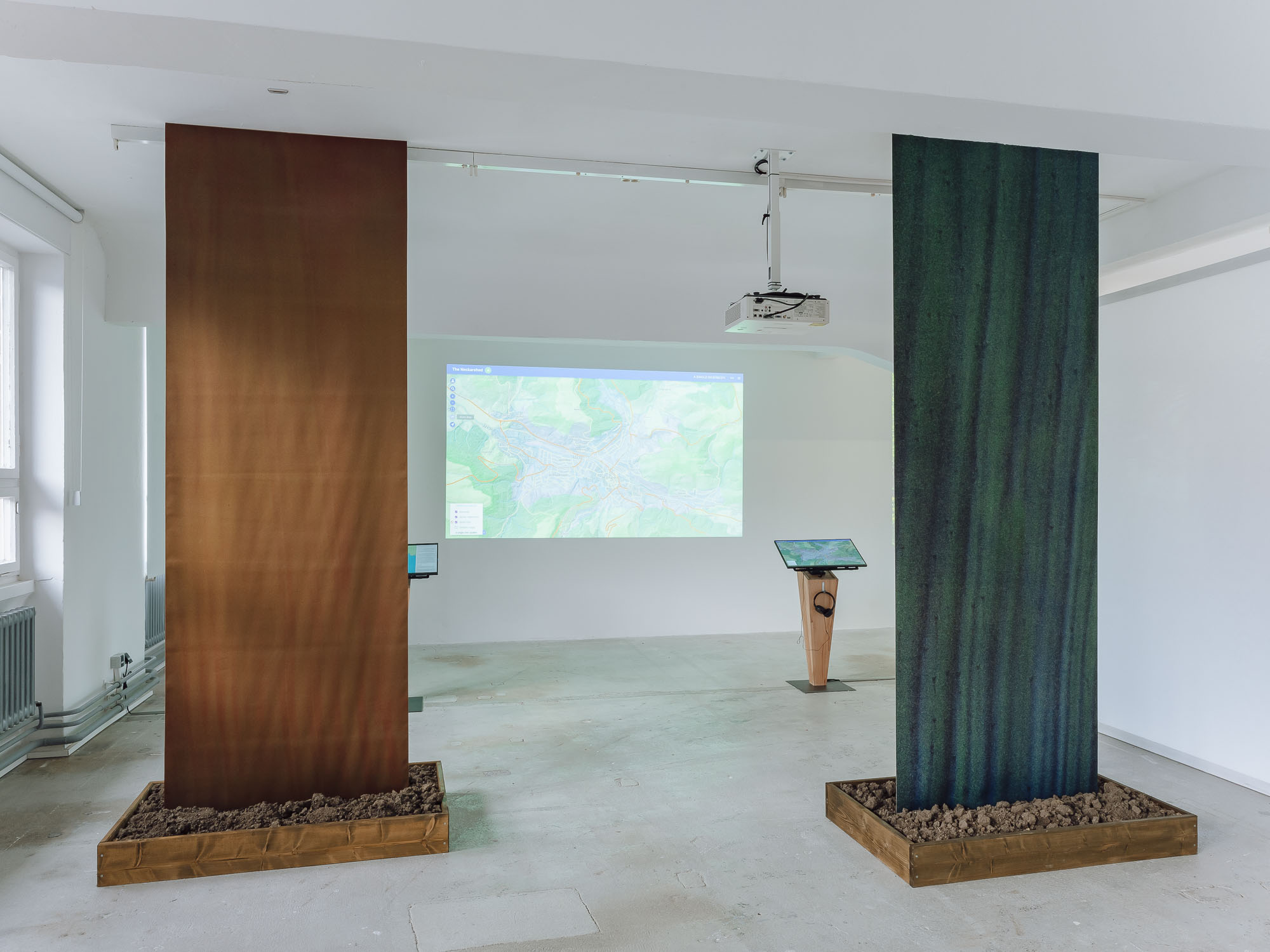
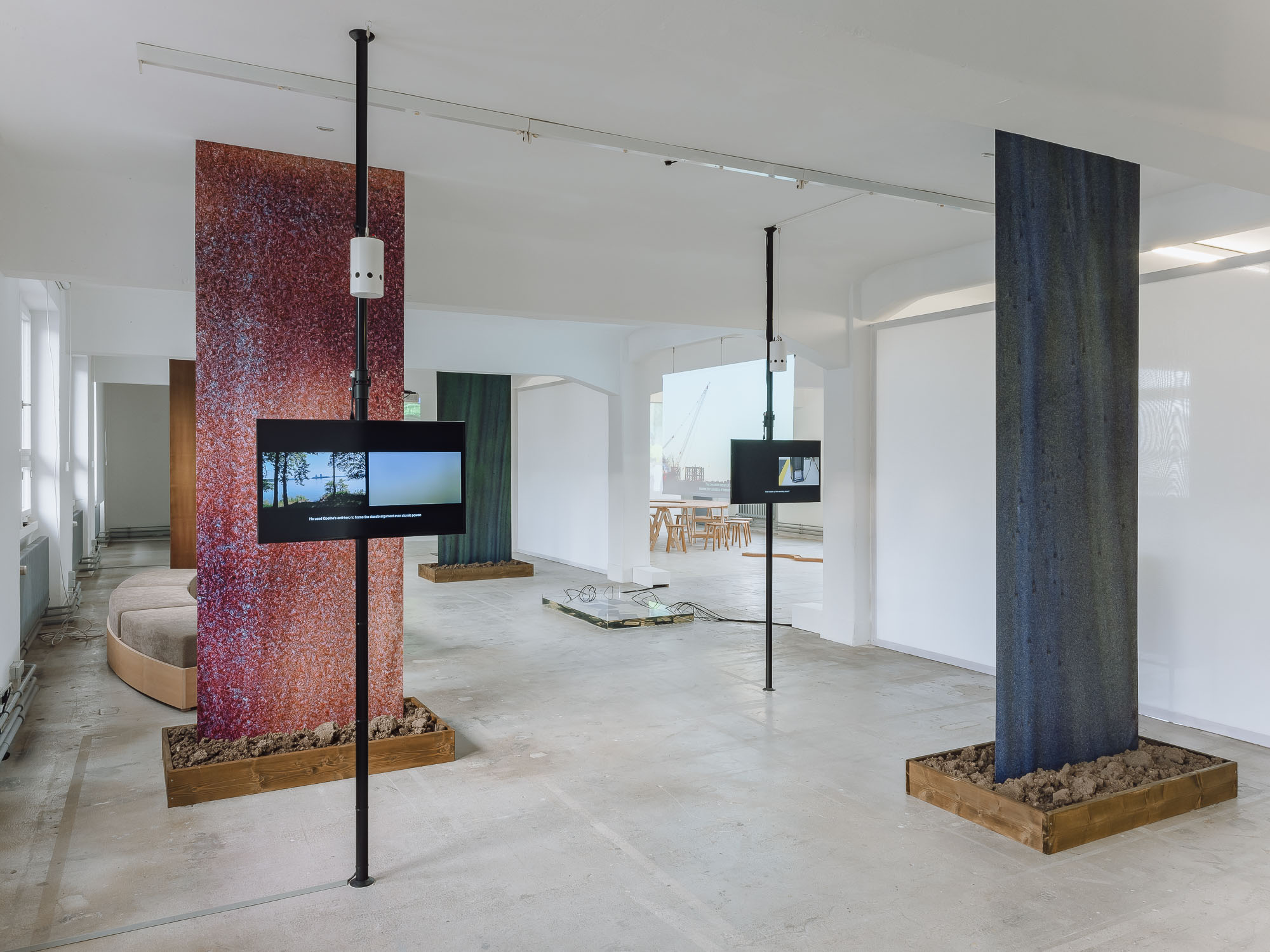
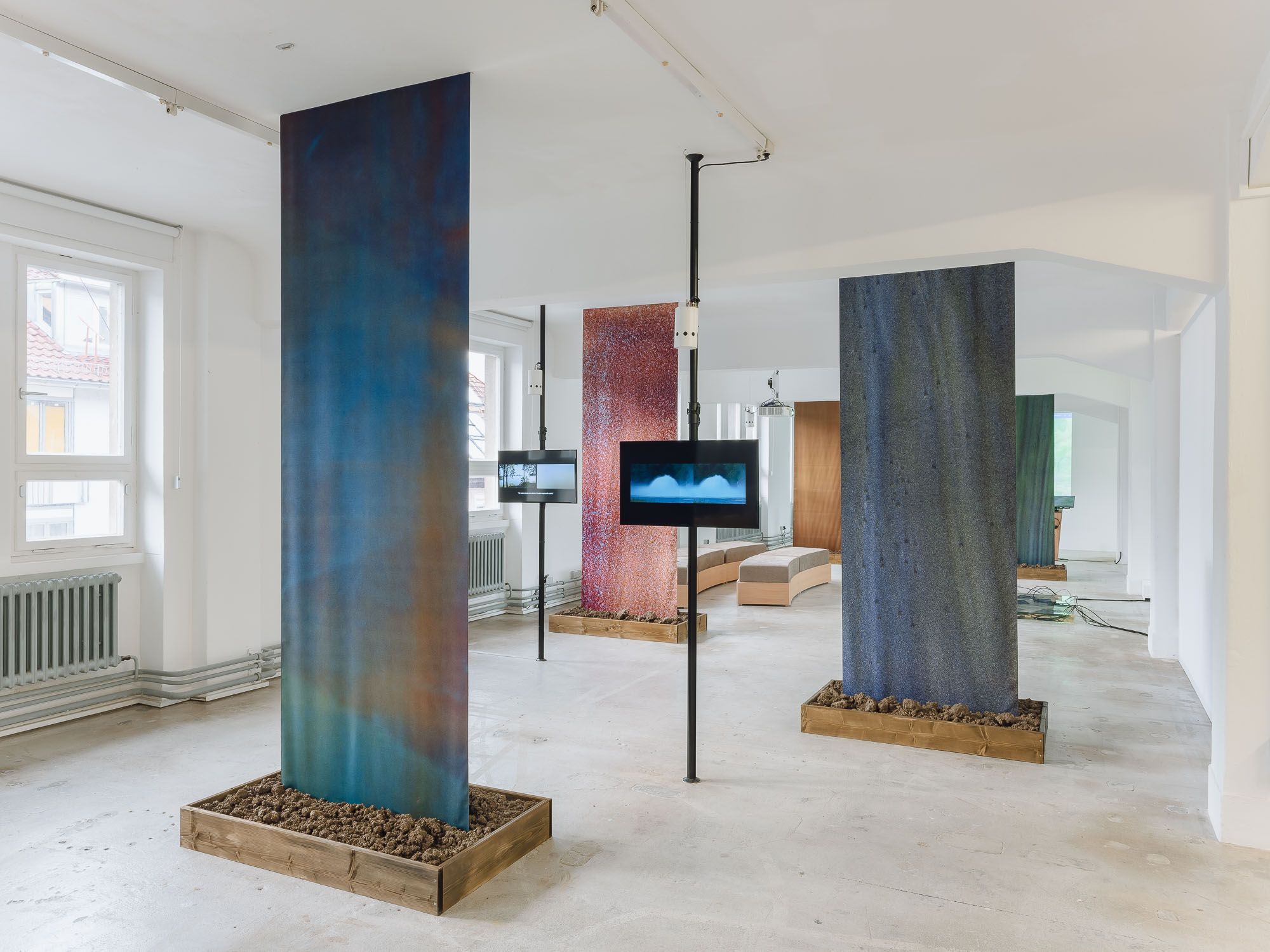
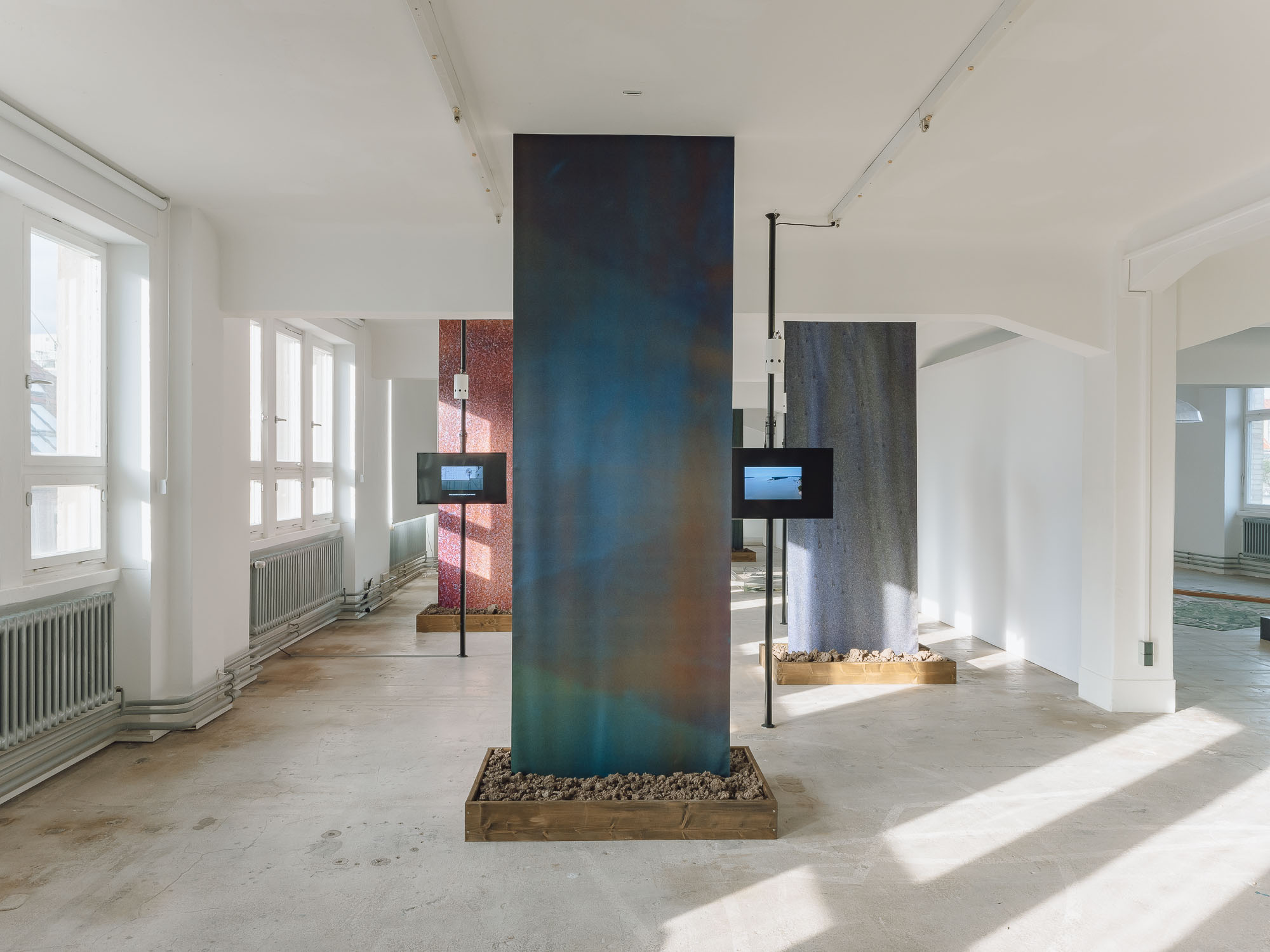
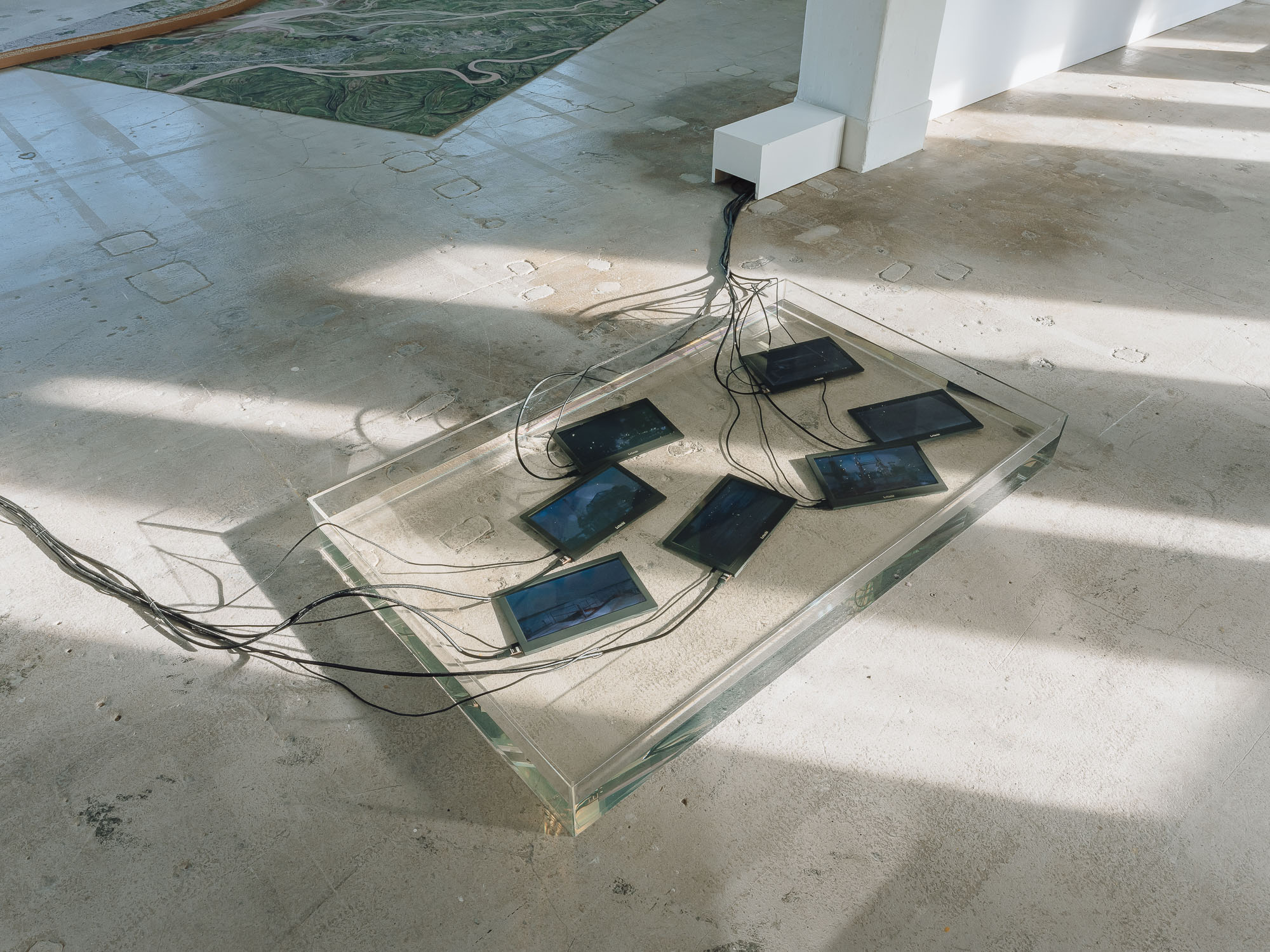
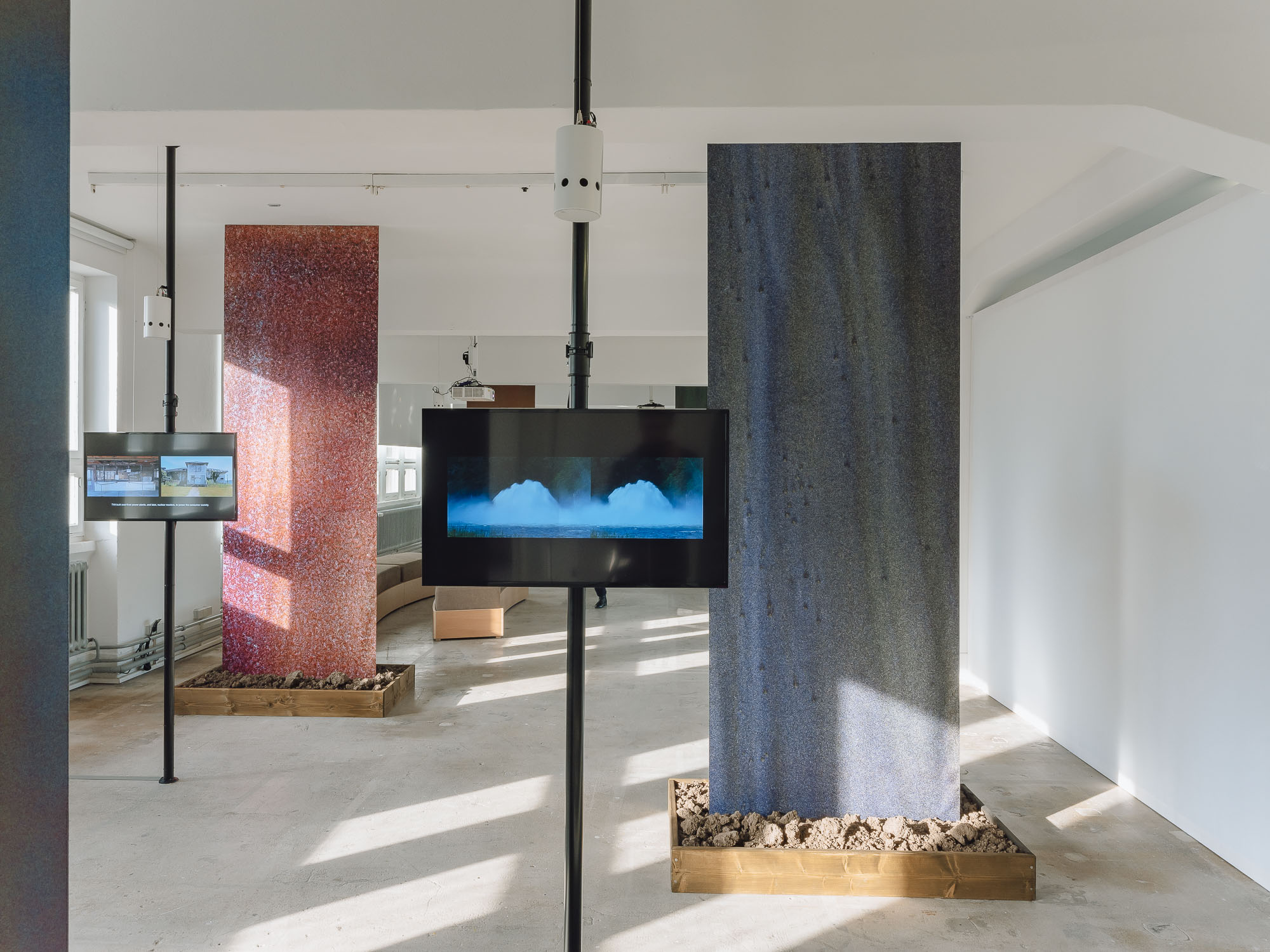
From September 2024 through April 2025, Künstlerhaus Stuttgart has been developing a riverine atmosphere, inviting artist-cartographers to show their highly sophisticated maps of riverscapes and watersheds of rivers, with a particular focus on working with Stuttgart-based urbanists and activists to map the Neckar River basin, largely using online open-source mapping software developed by artist-cartographer Brian Holmes. The atmosphere considers rivers from the perspective of the anthropocene, as corridors of both extractivism and of life, indeed looking at them as integral agents within our Earth’s ecosystem.
In the framework of this atmosphere, Künstlerhaus Stuttgart has invited award-winning lithographer — and its lithography workshop manager — Carmen Weber to show her own dizzyingly detailed lithographed maps, printed from modified former land-surveyors stones from the past century. Weber’s ‘maps’ though are deliberately useless for finding one’s way in the mapped territory; indeed, they might be described as counter-maps, or anti-maps, for with almost maniacal diligence she has sought to deactivate the maps’ usefulness as administrative tools and draw attention to maps’ relationship to power. Large stones, bearing the laterally reversed print motifs of local land maps from the Neckar Watershed, made from greasy ink absorbed by the stones in the last century, are shown alongside the series of maps on the 2nd floor gallery of the Künstlerhaus. Lithography, as its practitioners often say, is the art of making the stones speak. And the stones that lithographers use — limestone plates from quarries in the Solnhofen region, so-called Solnhofener Plattenkalk — is in fact not so much mineral as organic, formed in anoxic deposits some 150 million years ago from microbial organisms. Depositories of prehistoric life, the stones can indeed be made to speak, or in Weber’s intricate work, to stammer.
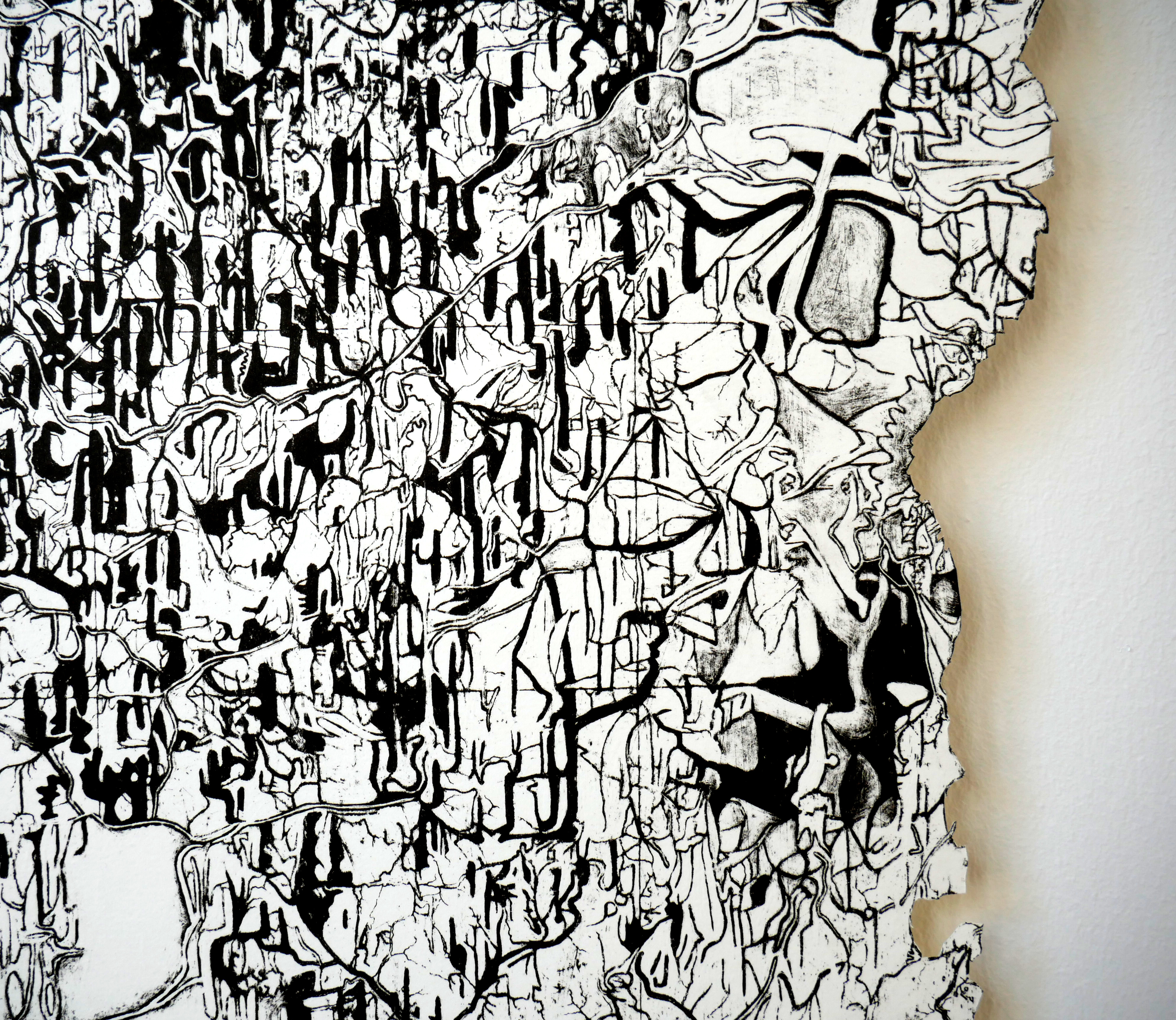

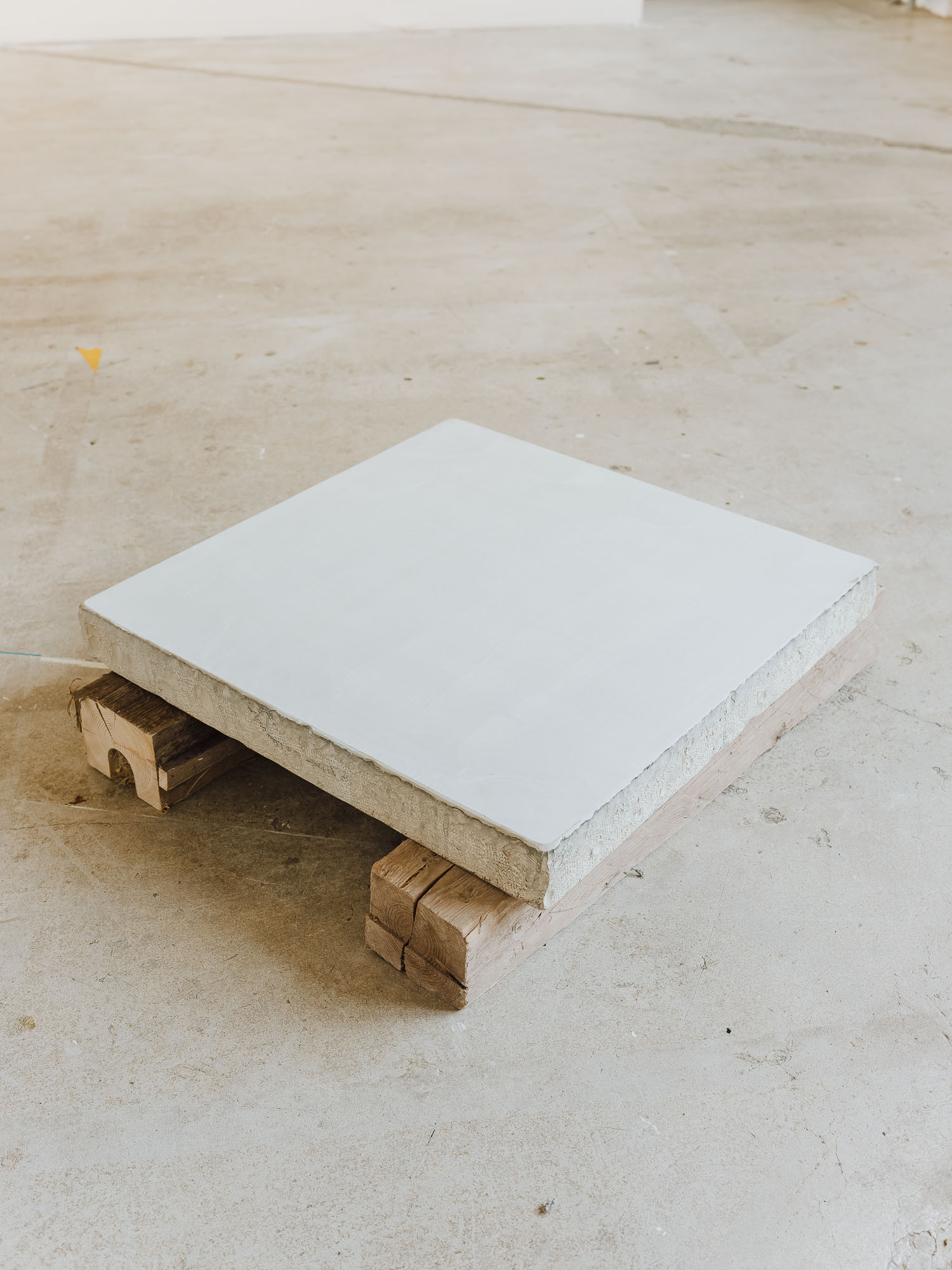
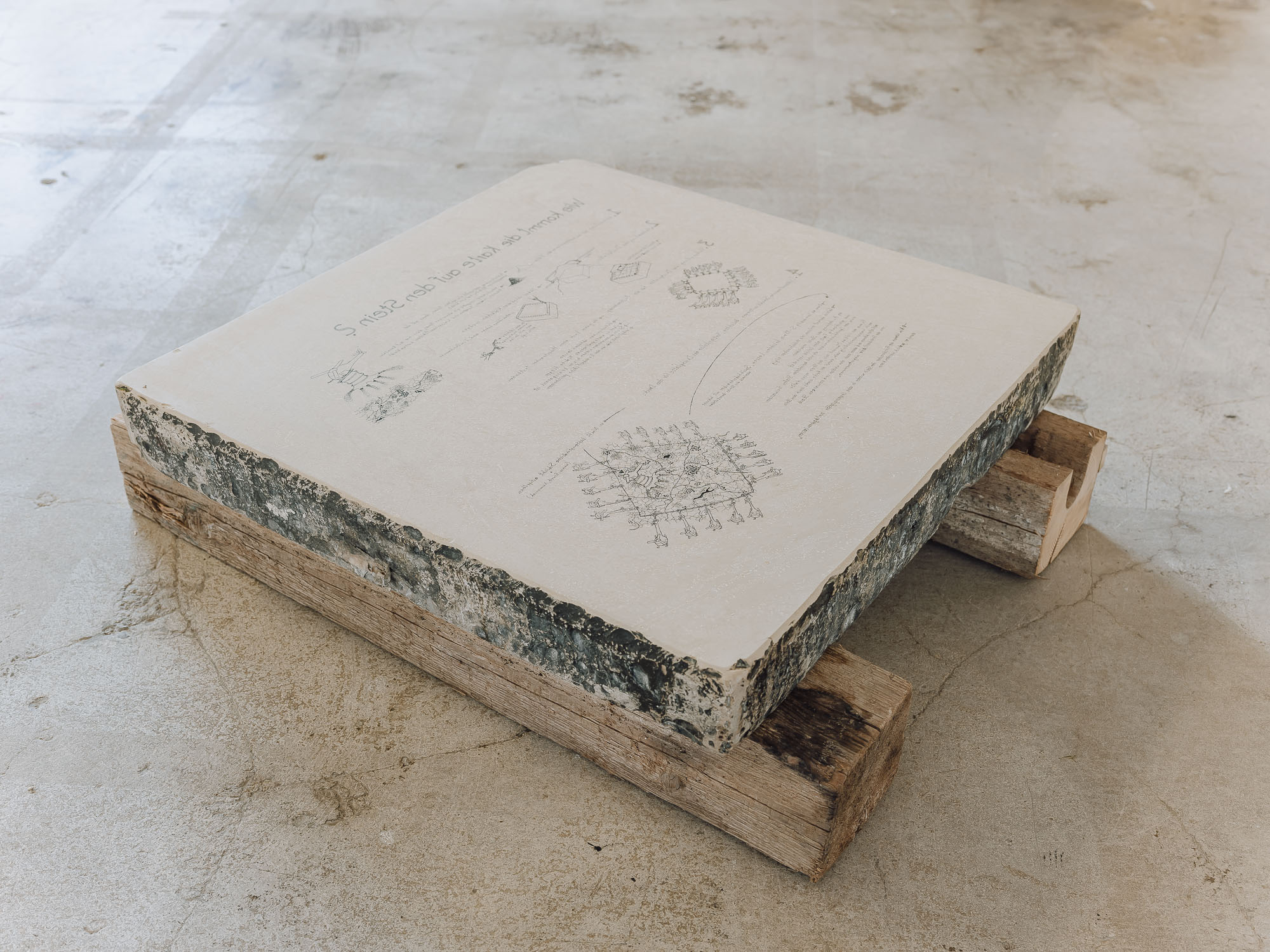
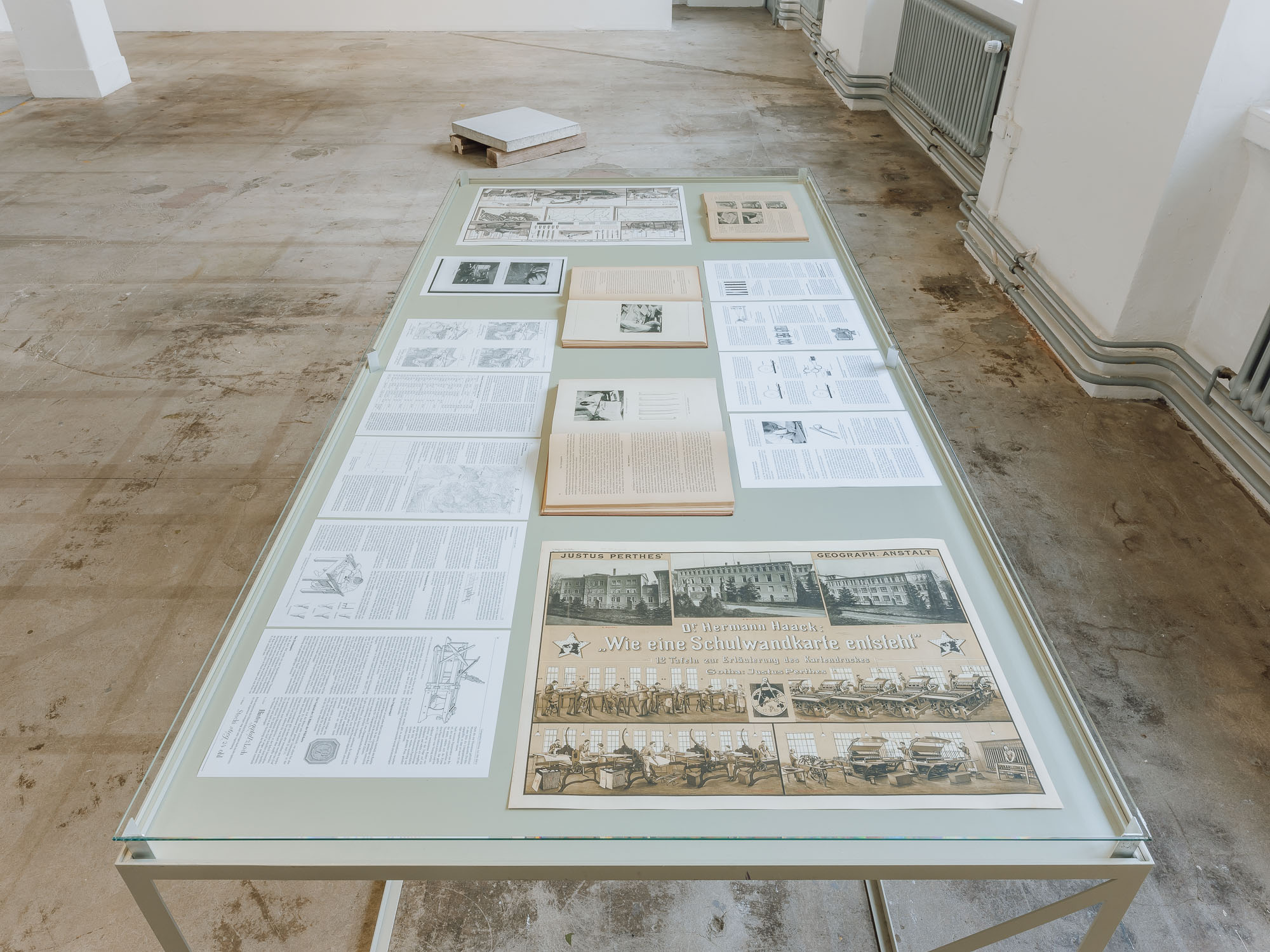

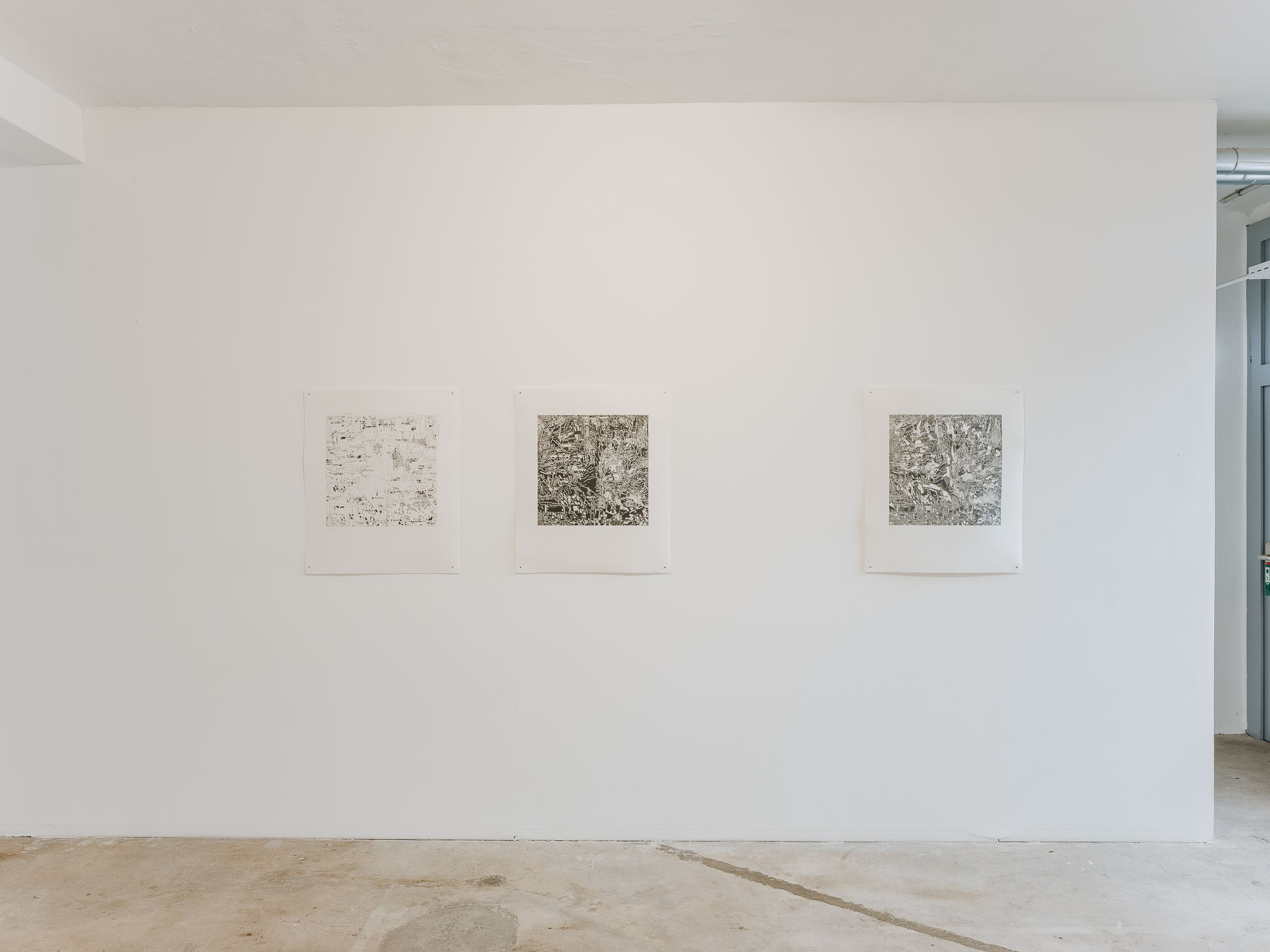
In the 38th Tuesday Workshop, Vesna Hetzel will present her artistic work and in particular several video works that deal with questions of boundaries, power, the body, visibility and invisibility and situatedness. In addition to older works, she will also share a new video that was created in the context of an artistic research project with Ann-Kathrin Müller. The work questions the shift to the right, determinism, the act of bearing witness and personal responsibility in the current multiple and intertwined crises and wars, especially in the context of the strengthening of extreme right-wing parties in Germany from the perspective of the mythological figure of Cassandra*.
“Your dreams against her javelins!
She was right, you could say, if there was any right at all on the side of the javelins.
I said: No. That was the only word I had left: No.
I said: if you can stop winning, this city of yours will stand.
Why did you let it become strong?
Since our time was limited, we couldn’t waste it on side issues.
So we went, playfully, as if we had been given all the time in the world, towards the main thing, towards ourselves.” (Excerpts from: Christa Wolf, Cassandra)
Vesna Hetzel (she/her) is interested in the experience of physicality and liminality, overlaps, incompatibilities, places where border crossings, violence and power relations are inscribed and have an effect on bodies. For her, artistic practice is a space of possibility that can trace, explore, share and communicate social, political, virtual and physical processes in a transdisciplinary and intersectional way, thereby enabling diverse relationships. The methods she has developed are process-oriented and always invite people to participate in the creation of the artistic form. The chosen media include performance, video, text, drawing and sculpture. She studied fine arts at the Kunstakademie Stuttgart and at the Bezalel Academy of Arts and Design, Jerusalem. In 2021, her video works were awarded the ABK Stuttgart Academy Prize. Vesna Hetzel was a scholarship holder of the Heinrich Böll Foundation and the Baden-Württemberg Foundation. In 2024 she received the Barcelona Residency Scholarship from the Baden-Württemberg Art Foundation. Her works have been shown at the Sammlung Fröhlich Leinfelden, Galerie Oberwelt e.V. Stuttgart, Halle 14 Leipzig, Hangar.org Barcelona, among others.
Tuesday-Workshop
The Künstlerhaus invites an artist or a collective—meaning any artists or cultural workers from any field or discipline—to talk about their working methods as well as their backgrounds and approaches. We want to establish a platform for a more in-depth interaction with regard to artistic practice, and in doing so to create a network, show solidarity, and mutually strengthen one other.
The series is aimed at all members of Künstlerhaus Stuttgart, artists either living in Stuttgart and the surrounding area or just traveling through, all cultural workers, art mediators, curators, etc., and is open to everyone!
* Supported by the Kulturamt, Stadt Stuttgart
The Künstlerhaus studio fellows Paco Ladrón de Guevara and Marcela Majchrzak with Sofia Falsone invite you to a butter and movement workshop on the studio floor of the Künstlerhaus.
Together they will perform the simple recipe for making butter and build a collective butter sculpture. Afterwards, the butter can be enjoyed over dinner with freshly made allies.
Please bring comfortable clothes and your favorite butter toppings.
The participation fee is between 15 and 25€.
For questions and registrations send an email to Majchrzak.marcela@posteo.net.

